Why Local Cleaning Experience Matters in the Twin Cities


Why Local Experience Matters
Finding cleaning that fits a property’s actual use can be harder than choosing a schedule. A downtown condominium, a busy apartment building, and a commercial office each have different layouts, traffic patterns, and priorities. The same checklist may miss what matters most in one space while spending time on tasks that matter less in another.
Across the Twin Cities, cleaning plans may need to account for varied building types, occupant routines, and access schedules. Local familiarity helps a provider ask practical questions and adjust the scope, but it works best alongside dependable staff, clear communication, and consistent quality checks.
Bravo Cleaning describes its work as customized residential and commercial cleaning, including apartment and condominium turnover cleaning and carpet care. The Minneapolis-based company also reports more than 20 years of local experience. These are the company’s own background statements; for a property manager, the practical test is whether the provider can explain how its plan fits the building and respond clearly when needs change.
What Regular Cleaning Protects

Routine cleaning clears away dust, dirt, and everyday buildup, helping homes and commercial properties feel comfortable and welcoming. The right schedule depends on how people use each space: a busy lobby, a family kitchen, and a lightly used office do not need identical attention.
Regular care for kitchens, bathrooms, entryways, and high-touch surfaces helps manage grime and limit the spread of contaminants without making health guarantees. A consistent routine also prevents soil from accumulating between deeper cleans.
In apartment and condominium buildings, clean lobbies, hallways, and other shared spaces shape residents’ and visitors’ experience of the property. Workplaces benefit too: maintained break rooms, restrooms, and entrances create a more pleasant setting for staff and customers. Regular cleaning also helps protect carpets, floors, furniture, and fixtures from avoidable wear, supporting both appearance and ongoing property care.
Property managers can set priorities by considering traffic, room use, and surfaces that need special care, then review the plan as conditions change. Bravo Cleaning offers tailored cleaning and carpet care, so service can reflect the needs of a property rather than follow a single routine. For more on how recurring attention helps maintain comfortable spaces, see why regular cleaning matters.
Eco-conscious methods can be part of that plan when they suit the space and its occupants. Sustainability in professional cleaning includes maintaining cleanliness and safety while reducing waste and resource use, not simply choosing products with green claims, as explained in Defining Sustainability in Modern Cleaning Practices.
Local Knowledge Shapes the Cleaning Plan
A cleaning plan works best when it reflects how a building is actually used. Conference rooms may fill unpredictably, tenants may have specific expectations, and special events can change traffic through lobbies and shared spaces. A standard checklist can provide structure, but it may need adjustment to fit these differences.
Local experience can help a provider recognize the range of properties and service needs it encounters across the Twin Cities. Familiarity is a useful starting point, not a guarantee of quality: property managers should also look for clear communication, trained staff, and a process for checking and correcting work. Bravo Cleaning offers customized cleaning plans.
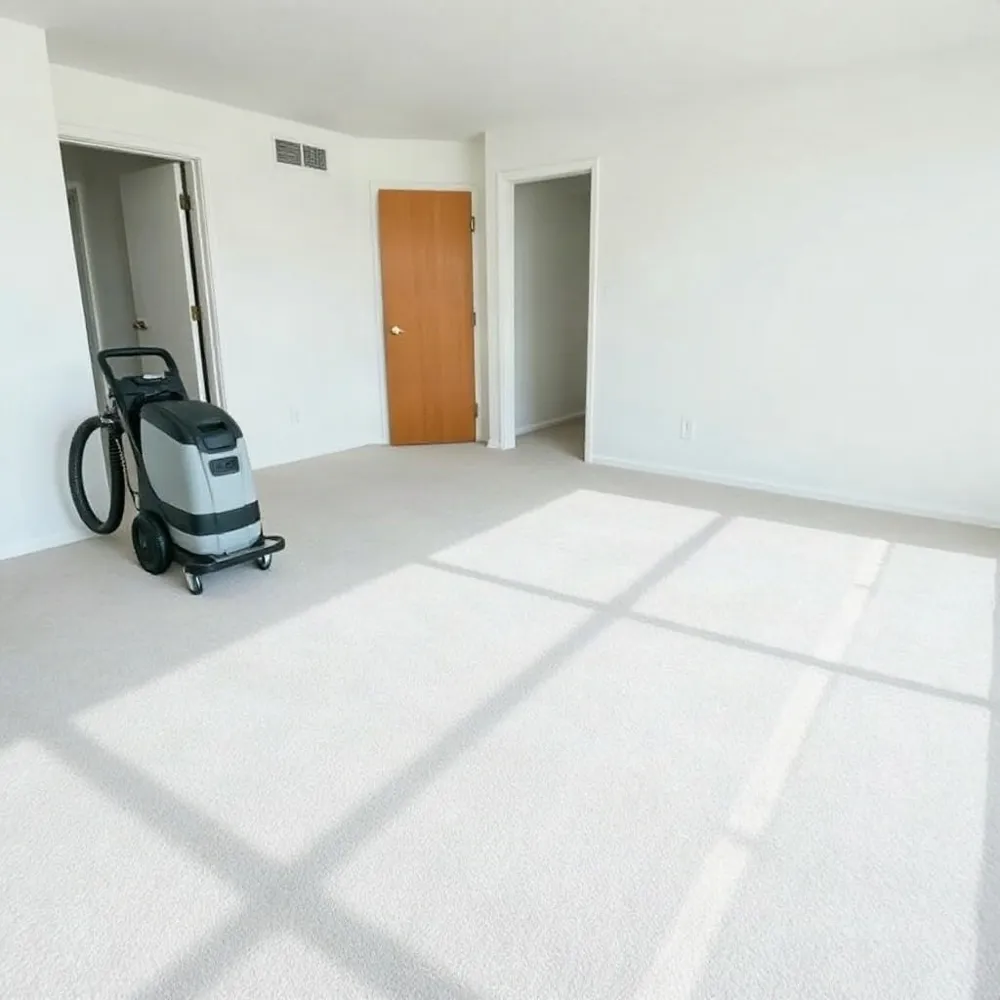
Turnover work often needs a separate scope from routine service. A vacant apartment may require thorough preparation before a new resident arrives, while corridors, lobbies, and other shared areas need schedules based on daily use. Carpet care may also need to be planned separately so it can be coordinated with unit access and move-in timing.
Seasonal soil can affect floors and entryways, but the appropriate response depends on the property rather than on assumptions about local weather. Providers should ask about traffic patterns, room use, events, tenant priorities, and turnover deadlines, then confirm which tasks are included.
Managers can review the plan when occupancy, schedules, or building use changes. Agreeing in advance on priorities and how adjustments will be communicated helps keep service aligned with the property without treating every visit as identical.
Accountability Makes Local Service Work
Local service can make it easier for property managers to reach a decision-maker, explain a problem, and agree on a practical response. Larger providers may bring standardized systems and reporting across many sites, while a locally rooted company such as Bravo Cleaning pairs direct, community-based service with experienced staff and cleaning plans tailored to residential and commercial properties.
The distinction is no longer simply local attention versus formal systems. Digital inspections, work orders, service verification, customer dashboards, and performance reports can help providers document what was done and identify patterns. For example, QR or NFC touchpoints in service areas can record when a task was checked. These tools are options, not requirements, and their value depends on whether staff and managers respond to what they reveal.
What should property managers look for?
A useful review process considers responsiveness, supervision, staffing, training, documentation, and whether quality issues are corrected and prevented from recurring. Ask how missed tasks are reported, who handles complaints, and how service trends are reviewed. This gives a clearer picture than company size or hourly price alone.
Bravo Cleaning describes its service in terms of reliability, experienced staff, and community roots. Its customer testimonials offer individual accounts of service, not proof that every client will have the same experience. Managers can use those accounts as a starting point, then discuss expectations, reporting, and how concerns will be resolved. Practical sustainability standards also benefit from clear evidence and staff training, as outlined in guidance on sustainability in modern cleaning practices.
Eco-Conscious Methods With Clear Standards

Eco-friendly cleaning practices include choosing lower-impact products, using the smallest effective amount, and following label directions for dilution and safe handling. Reusable microfiber cloths and refillable containers can reduce disposable waste where they suit the task.
Property teams can also sort packaging according to local recycling guidelines, measure water use, and target spot cleaning where a full-area treatment is unnecessary. Well-maintained, efficient equipment helps limit wasted energy and supports consistent results.
Sustainability is broader than a product label. Staff training, efficient protocols, correct product use, and durable equipment can reduce resource use while maintaining cleaning standards. The sustainability principles for professional cleaning also stress evaluating products by their real-world performance, not just their marketing claims.
Property managers can ask providers to identify the products they use, explain procedures and staff training, and provide supporting certifications where relevant. Clear evidence helps distinguish specific practices from vague environmental claims.
For apartment buildings and offices, products and techniques should match each surface, task, and shared-space need. Lower-impact methods must still meet required disinfection and workplace safety procedures. Eco-friendly practices are among Bravo Cleaning’s stated service priorities.
Choosing a Partner for the Long Term

A strong proposal should reflect how people use the property, its priorities, and the work required, not just compare labor hours or generic task lists. Bravo Cleaning offers turnover cleaning and carpet care.
Before signing, ask which tasks are included, how schedules can change, who handles concerns, and how completed work and corrections are documented. Check whether the provider has experience with comparable properties, prepares staff for the work, carries appropriate insurance, handles complaints through a clear process, and can provide relevant references.
Ask what products and methods staff use, and how the provider checks that they are suitable for the property. Sustainability involves sound procedures and staff training as well as product selection, according to Cleaning & Maintenance Management’s guidance on sustainable cleaning.
A nearby decision-maker can make communication and site visits more direct, while clear systems help maintain consistent service across buildings. When comparing providers, consider these questions alongside the practical criteria for choosing a long-term cleaning partner.
Local Roots, Tailored Results
Local experience matters most when it leads to a cleaning plan that fits the property, clear communication, and follow-through when needs change. For homes, shared residential buildings, and workplaces, the right routine depends on how each space is used.
A sound plan also pairs trained staff and suitable equipment with transparent practices, including clear information about products and how they are used. Sustainability in professional cleaning means balancing reduced environmental impact with cleanliness, health, and safety, not relying on broad green claims alone, as Cleaning & Maintenance Management explains.
Twin Cities property owners and managers can discuss their building’s specific needs with Bravo Cleaning and compare service plans before deciding what fits.
Recent articles