The Best Methods for Deep Cleaning Residential Carpets

Why Deep Cleaning Matters for Your Carpets
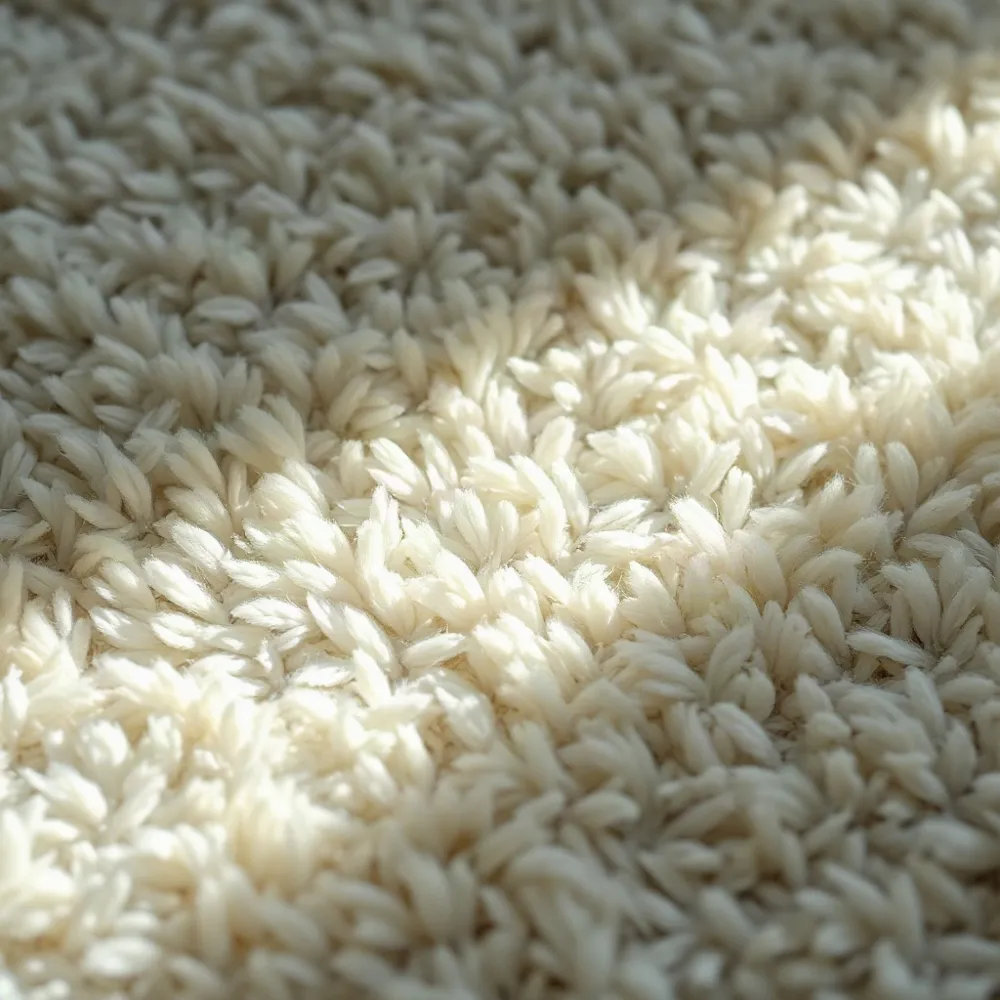
Carpets trap dust, allergens, and embedded dirt that daily vacuuming cannot reach. Regular deep cleaning removes these pollutants, improving indoor air quality, extending carpet life, and keeping manufacturer warranties intact, as emphasized by the Carpet and Rug Institute.
Professional methods like hot water extraction flush out deep soil and stains, while manual techniques suit lighter maintenance. This article compares machine versus manual cleaning, weighs DIY against professional services, and highlights common pitfalls to help you protect your investment.
Hot Water Extraction vs. Low-Moisture Technology

When comparing professional carpet cleaning methods, the two dominant categories are hot water extraction (often called steam cleaning) and low-moisture technologies like Chem-Dry's Hot Carbonating Extraction (HCE). Each offers a different trade-off between cleaning depth, drying time, and residue management.
Hot Water Extraction: Process, Benefits, and Drying Time Concerns
Hot water extraction uses pressurized, heated water combined with cleaning agents. The solution is injected into carpet fibers and immediately vacuumed out, flushing embedded dirt, allergens, and bacteria. The Carpet and Rug Institute's CRI Seal of Approval program recommends this method for professional deep cleaning every 12 to 18 months. The primary drawback is moisture: carpets can remain damp for up to 24 hours, creating a risk for mold and mildew if airflow is poor.
Low-Moisture Methods: Carbonated Cleaning for Faster Drying
Low-moisture techniques, such as Chem-Dry's HCE process, use a carbonated cleaning solution rather than large volumes of water. The bubbles lift dirt and grime from the carpet backing, allowing extraction with minimal moisture. Carpets typically dry in hours rather than a full day, and the absence of soapy detergents means no sticky residue is left behind to attract future soil. Bravo Cleaning tailors its approach to each carpet's fiber type and soiling level, often combining low-moisture principles with commercial-grade extraction equipment to balance thoroughness with fast drying.
Comparison with Older Methods: Shampooing, Dry Cleaning, and Encapsulation
Shampooing. Uses a foaming detergent scrubbed into carpets. It often leaves a sticky residue that attracts dirt, causing carpets to need more frequent cleaning and shortening their lifespan.Dry cleaning. Applies cleaning powders worked into the carpet. It minimizes moisture and fungal growth risk but only achieves surface-level cleaning, failing to remove dirt near the carpet backing.Encapsulation. Applies a liquid or foam detergent that dries into a crystallized powder. It uses minimal water but lacks the power for deep, comprehensive results.
These older methods contrast sharply with hot water extraction and low-moisture systems, which are designed to remove soil from deep within the carpet pile rather than just the top layer.
Which Method Professionals Prefer and Why
Professional cleaners favor hot water extraction for its thorough soil removal and compatibility with CRI-certified equipment. For carpets where drying time is important — common in apartment turnovers or commercial spaces -- low-moisture methods offer a practical complement. Bravo Cleaning uses commercial-grade truck-mounted extractors and tailors its cleaning chemistry to the fiber type (nylon, wool, olefin), ensuring the method matches the carpet's specific needs rather than applying a one-size-fits-all solution.
DIY Deep Cleaning: Steps and Tips for Homeowners

Between professional appointments, regular DIY deep cleaning keeps carpets fresh and extends their life. The process requires only a few household ingredients and basic tools. Avoiding excess moisture is critical — too much water can lead to mold, mildew, and damage to the carpet backing.
Step-by-Step Manual Deep Clean
Begin by vacuuming thoroughly: make slow, multiple passes over the entire carpet, especially high-traffic areas. This removes surface dirt that would otherwise turn into mud. Next, pre-treat stains by blotting — never scrubbing — with a solution of 1 tablespoon dish soap, 1 tablespoon white vinegar, and 2 cups warm water.
Sprinkle a generous layer of baking soda over the carpet and let it sit for at least 15 minutes (longer for heavy odors). Lightly spray a mixture of equal parts white vinegar and warm water over the baking soda. The fizzing reaction lifts embedded dirt and grime from the fibers.
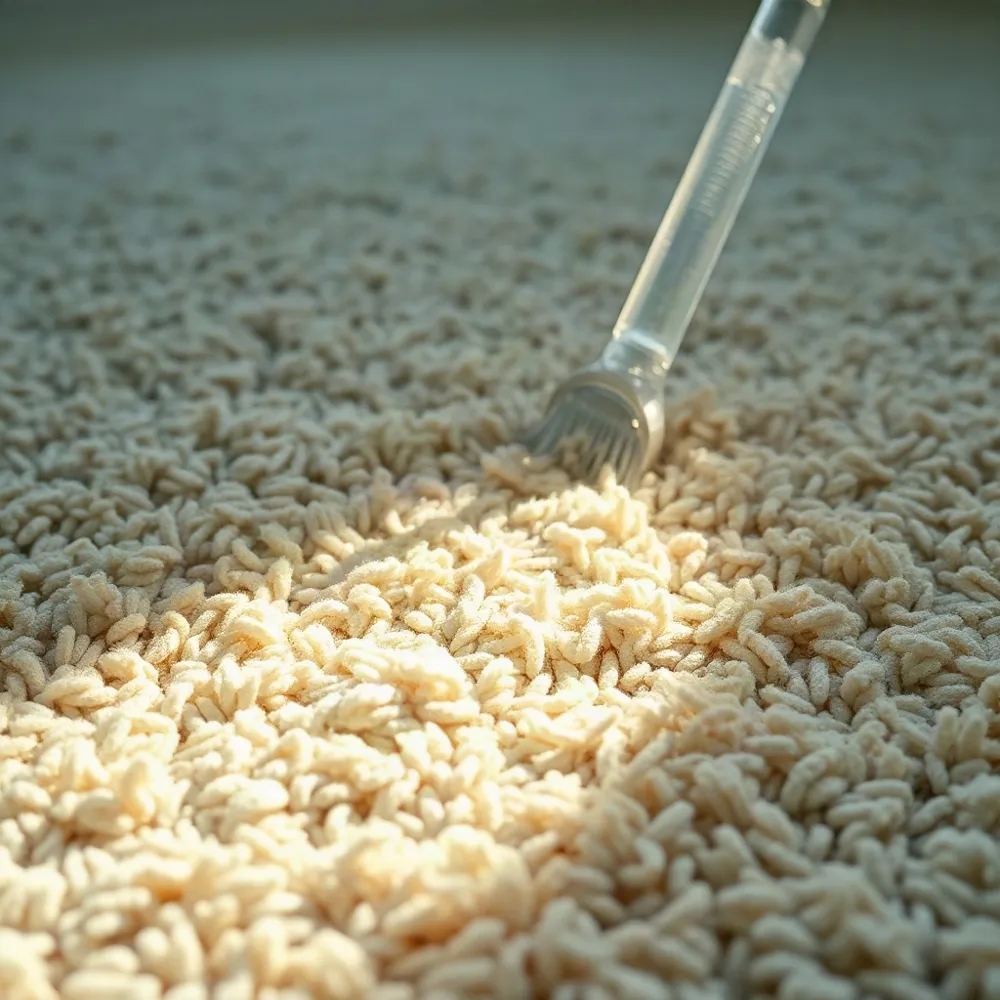
Using a soft-bristle brush, gently scrub the carpet in small circular motions, focusing on stains and high-traffic pathways. Blot the area with clean microfiber towels to extract as much moisture as possible. Allow the carpet to air-dry completely, ideally within 4–6 hours, using fans, open windows, or a dehumidifier to speed the process.
Effective DIY Solutions and Essential Tools
- General stains: dish soap + vinegar + warm water (blot, don't scrub).
- Tough stains (coffee, wine, pet urine): add a small amount of hydrogen peroxide to the vinegar solution.
- Odors: lemon juice helps neutralize musty smells (use only on light-colored carpets).
- Grease stains: dish soap and warm water break down oils effectively.
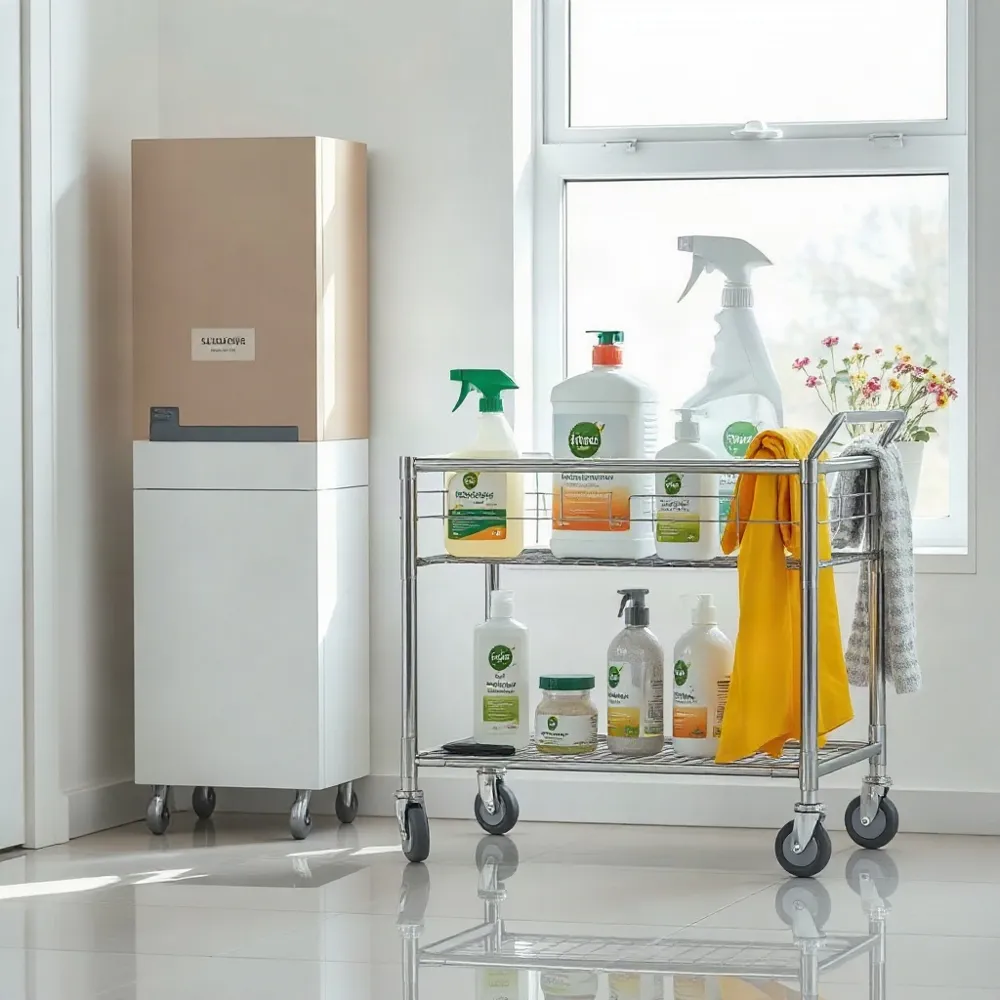
Essential tools include a soft- to medium-bristle brush, microfiber towels (not printed or colored cloths), and fans for drying. A CRI Seal of Approval-certified vacuum ensures the best soil removal between deep cleans.
Moisture Management and When to Call a Professional
Using minimal water is the most important rule. Oversaturation can lead to mold, long drying times, and fiber damage. Never mix vinegar and bleach — the combination produces toxic fumes. If stains return, odors persist, or pet accidents have soaked into the padding, professional help is needed. For Minneapolis property managers and homeowners, Bravo Cleaning provides expert deep cleaning tailored to each carpet’s needs.
Handling Tough Stains and Pet Urine
For heavily soiled carpets, especially those with pet urine, a multi-step approach is necessary. Start by absorbing fresh stains with paper towels and pressure to remove as much liquid as possible. For set-in stains and odors, a solution of one part hydrogen peroxide mixed with one part dish soap can break down stains on a molecular level and kill bacteria. An alternative is the "Volcano Spray" method, where you sprinkle baking soda over the stain and then spray a 50/50 mix of white vinegar and warm water to create a fizzing reaction that lifts deeply embedded dirt.
For organic stains like pet urine, enzymatic cleaners are highly effective because they break down the proteins in urine, eliminating both the stain and the odor. Never use a steam cleaner on urine spots, as the heat will set the stain and the smell permanently. Instead, extract the area with a wet vacuum and rinse with cool water.
When stains keep returning, odors persist, pet accidents have soaked into the padding, or if mold and mildew are present, it is time to call in professionals. Bravo Cleaning in Minneapolis uses an eco-friendly, enzymatic process for pet stains that safely removes contaminants without harsh chemicals. With over 20 years of local experience, their team can restore even the toughest carpets. The Carpet and Rug Institute recommends professional deep cleaning every 12 to 18 months to maintain carpet warranties and indoor air quality, a standard Bravo Cleaning meets with every service.
The best approach to deep cleaning a very dirty carpet with pet urine involves a multi-step process. Start with immediate absorption of fresh stains. For set-in stains, a powerful DIY solution of one part hydrogen peroxide mixed with one part dish soap can break down stains and kill bacteria, but test it on an inconspicuous area first as hydrogen peroxide can bleach darker carpets. Alternatively, the Volcano Spray method neutralizes odors and lifts stubborn residues. For the most thorough results, especially with heavily soiled carpets, call a professional team that uses eco-friendly, commercial-grade equipment and enzymatic cleaners to fully extract contaminants and restore your carpet.
Common Mistakes That Ruin Carpets
Even well-intentioned cleaning efforts can damage carpets if the wrong techniques are used. One of the most frequent errors is scrubbing a stain vigorously instead of blotting it. Rubbing grinds dirt deeper into the fibers and can fray the carpet pile, while blotting from the outer edges inward lifts the spill without pushing it further in.
Another common mistake is over-wetting the carpet. Saturating the padding underneath creates a breeding ground for mold and mildew, and extends drying times well beyond a day. The Carpet and Rug Institute recommends using tested products and equipment to avoid excessive moisture, which is exactly the approach taken by Bravo Cleaning, whose professional hot-water-extraction systems flush soil and residue without leaving carpets soaked.
Using Harsh Chemicals and Skipping Prep Work
Mixing vinegar with bleach produces toxic fumes and should never be attempted. Even common household cleaners can leave sticky residues that attract fresh dirt, making the carpet look dirtier within days. Cleaning too frequently accelerates wear, while letting stains sit allows them to set permanently. Skipping a thorough pre-vacuum also allows loose grit to grind against wet fibers, shortening the carpet's life.
These pitfalls are why property managers and homeowners in Minneapolis turn to Bravo Cleaning for their deep-cleaning needs. With over 20 years of local experience and an A+ BBB rating, the company uses CRI-recommended methods to prevent over-wetting, residue buildup, and fiber damage. Their eco-friendly, tailored process ensures carpets dry rapidly and stay clean longer.
How Often Should You Deep Clean?
The Carpet and Rug Institute (CRI) recommends professional deep cleaning every 12 to 18 months. This schedule removes embedded dirt that regular vacuuming misses and helps maintain warranty protection. Homes with high foot traffic, pets, or allergy sufferers benefit from more frequent cleaning, often every 6 to 12 months.
Vacuuming at least once a week is the easiest way to extend time between deep cleans. High-traffic zones should be vacuumed two to three times weekly using a CRI-certified vacuum. Replacing bags when half full and making slow, steady passes improves dirt pickup. Bravo Cleaning’s technicians can assess traffic patterns and recommend a personalized schedule.
Several factors affect how often carpets need deep cleaning. Households with young children, shedding pets, or light-colored carpets may require annual service or more. Persistent stains, lingering odors, visible matting in walkways, or worsening allergy symptoms are clear signs it's time to call a professional. A deep clean from a provider like Bravo Cleaning removes allergens and restores carpet texture, improving indoor air quality.
Choosing a Professional Service: Bravo Cleaning’s Approach

Selecting the right company for professional carpet care in Minneapolis means looking beyond brand-name franchises and comparing local expertise, service scope, and cleaning philosophy. Bravo Cleaning has served the Twin Cities for over 20 years as a locally owned, fully insured company with an A+ BBB rating, offering a focused approach tailored for property managers and business owners.
Bravo integrates carpet care into apartment building, condominium, and turnover cleaning services, using hot water extraction and stain removal methods that align with industry best practices. Their low-moisture approach reduces drying time compared to traditional steam cleaning, and they use CRI-certified techniques and enzymatic treatments for pet stains — all with eco-friendly, non-toxic products that are safe for families and pets.
Customer testimonials consistently highlight reliability, attention to detail, and strong community roots. For property managers and business owners juggling multiple units, this means a cleaner who shows up on schedule, handles high-traffic areas thoroughly, and treats every space with the same care as a family home. Bravo's services are fully customizable to fit each client’s budget and timeline, taking the stress out of maintaining a professional appearance across multiple properties.
Fresh Carpets, Healthier Home—Let Bravo Help
The best approach combines professional hot water extraction with occasional low-moisture touch-ups for deep, fast-drying results, plus DIY manual cleaning between appointments. Proper technique and a regular cleaning schedule extend carpet life and improve indoor air quality.
When deep cleaning is needed, Bravo Cleaning provides tailored, eco-friendly carpet care backed by over 20 years of experience in Minneapolis. Contact them to schedule a service that fits your home or property.
Recent articles