What Property Managers Value Most in a Cleaning Partner

More Than a Clean Building
Property managers balance operating costs, tenant experience, vacancy time, vendor schedules, and the condition of the building. Cleaning touches each of these responsibilities: missed tasks can lead to extra follow-up, while a unit or common area that is not ready can complicate leasing and daily operations.
A cleaning partner is therefore more than a source of labor. The relationship works best when expectations are clear, communication is dependable, and the scope reflects how each property is used. A turnover clean, for example, may call for different attention than recurring care for a lobby or shared hallway.
For Minneapolis property managers, Bravo Cleaning brings more than 20 years of local experience to customized residential and commercial cleaning, including apartment and condominium turnover work and carpet care. Its stated focus on eco-friendly practices can also be part of a conversation about the products and methods suited to a property.
This article looks at practical ways to define the work, assess a property, and build a responsive cleaning relationship. The aim is not simply a clean appearance, but a service arrangement that fits the building and supports the people who live or work there.
A Turnover Ready for the Next Resident
Turnover cleaning goes beyond routine upkeep. The unit needs a thorough reset after one resident leaves and before another arrives, and unfinished work can delay showings or move-ins while the apartment sits vacant. For Minneapolis apartment and condominium properties, Bravo Cleaning focuses on turnover cleaning and carpet care, with service tailored to the building and unit.
Timing matters as much as the task list. Schedule cleaning after maintenance and painting so dust, debris, or marks from other work do not undo the final clean. Confirm access, arrival times, and handoffs with vendors in advance. A shared schedule helps the cleaning team avoid working around repairs and gives the property manager a clearer view of when the unit will be ready.
What should property managers look for in an apartment turnover cleaning service?
Start with a room-by-room checklist that makes expectations specific and repeatable. A thorough scope can cover:
- Kitchens, including appliance interiors, cabinets, sinks, counters, and floors.
- Bathrooms, including fixtures, mirrors, tile, and other surfaces that need cleaning.
- Floors, baseboards, windows, and closet shelves.
- Often-missed details such as vents, light fixtures, and areas behind or beneath appliances.
Ask how the provider checks completed work and records issues. A walkthrough or checklist can make missed items visible, while an agreed process for returning to correct them helps prevent small gaps from becoming move-in complaints. Experienced staff and flexible scheduling are especially useful when several units need service close together.
Carpet care should fit the condition of the unit and the turnover sequence. Discuss whether carpet cleaning is needed and when it should happen relative to other work, so a freshly cleaned floor is not exposed to further dust or traffic. Bravo Cleaning’s focus on carpet care alongside customized cleaning services gives property managers a local option for coordinating those needs.
Finally, confirm that the scope reflects the property, rather than assuming every unit needs the same treatment. Discuss suitable eco-conscious products, access requirements, timing, and who to contact if plans change. Bravo Cleaning is locally owned in Minneapolis and brings more than 20 years of local experience; managers can use that familiarity to discuss building-specific routines and turnover needs. For more detail on the work involved, see what a turnover clean includes.
Define the Work Across Every Space
A written, site-specific scope helps property managers know what a cleaning visit covers and gives the cleaning team a shared standard to follow. Bravo Cleaning provides customized cleaning services for commercial and residential properties, including apartment and condominium buildings, so the agreed tasks can reflect how each space is used.
What does commercial cleaning typically include?
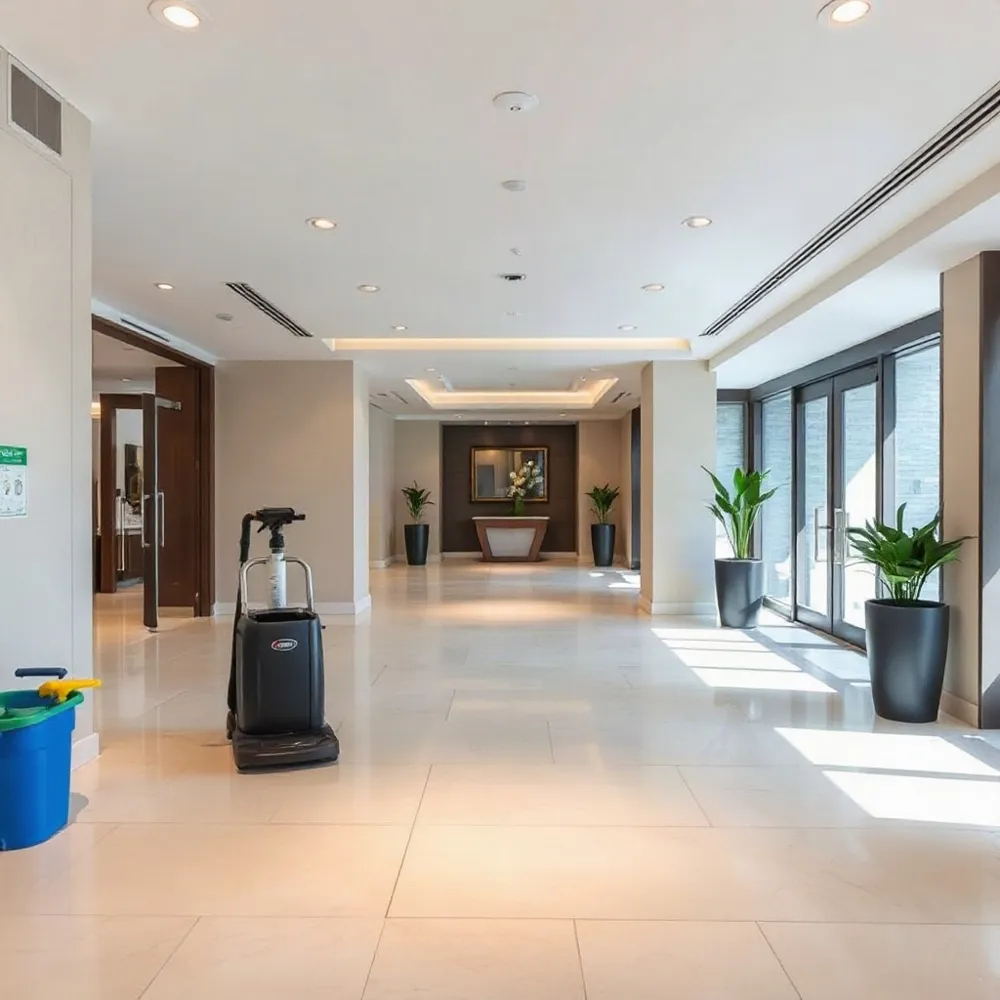
Routine office and shared-area cleaning commonly includes emptying waste bins, dusting accessible surfaces, wiping high-touch points, and vacuuming carpets or sweeping and mopping hard floors. Entrances and reception areas may need extra attention because dirt and debris collect where people come and go.
Restroom service can include cleaning and disinfecting fixtures, wiping counters and mirrors, replenishing supplies, and checking for odors. Break rooms, kitchens, and meeting rooms may need surface wiping, floor care, and removal of visible debris. A property manager can set priorities around tenant preferences, access rules, and building schedules.
The scope should also distinguish routine work from periodic services. Carpet care and other deeper cleaning should reflect the surface materials, traffic, and building use, rather than follow a one-size-fits-all calendar. Bravo Cleaning’s experience with carpet care supports including flooring needs in the service discussion.
Before work begins, document the spaces included, task frequency, expected standards, access requirements, and any special areas. For a practical way to translate those details into daily expectations, see this guide to setting expectations for commercial cleaning. A clear scope makes it easier to review whether service matches the property’s needs and to adjust it when those needs change.
Choose a Partner for the Property
A low estimate is useful only if it covers the work your property needs. Compare providers by their experience, staffing, service plan, and ability to respond when conditions change, then weigh those factors against the proposed cost. Bravo Cleaning brings more than 20 years of local experience to residential and commercial properties in the Minneapolis area, with customized services that include apartment and condominium turnover cleaning.
What qualities should businesses look for in a professional cleaning service?
Start by checking whether a provider has experience with buildings like yours. Ask for references from comparable properties and confirm the proposed work includes the areas and services you need, such as common-area care, carpet maintenance, or unit turnovers. References can help clarify how a provider handles missed visits, special requests, and concerns after service.
Ask how staff are screened and trained, who supervises the work, and how absences are covered. Request proof of appropriate insurance, and clarify who will be your point of contact. A defined process for reporting a concern and correcting missed or incomplete tasks gives both sides a practical way to resolve problems.
A useful estimate should connect the price to a written scope, including service frequency, areas covered, and any additional work. Compare proposals only after confirming they describe similar tasks. Discuss service hours and access requirements, too, so cleaning fits building operations and can adapt when occupancy or property needs change.
If environmental considerations matter to your tenants or organization, ask which products and practices the provider can offer and whether they suit the building’s needs. Avoid assuming a product is appropriate based on a broad “green” label; request details about the options and how they will be used.
For a broader checklist on comparing providers by fit and service plan rather than price alone, see how to evaluate a cleaning partner. For Minneapolis property managers, Bravo Cleaning’s locally rooted experience and tailored approach offer a relevant starting point for discussing service needs, without treating one plan as suitable for every building.
Inspect the Unit Before Setting the Scope

A move-out inspection gives property managers a clear picture of what a unit needs before cleaning or repairs begin. After the tenant has vacated and returned the keys, compare the space with its move-in report, as described in this guide to planning a quick property turnover.
What do property managers typically inspect after a tenant moves out? They check walls, floors, carpets, fixtures, appliances, cabinets, bathrooms, windows, doors, and other surfaces for cleaning needs, damage, or missing items. They should also note maintenance concerns, such as leaks, broken equipment, or signs of pests, and distinguish damage from ordinary wear.
Written notes and dated photos create a useful record of the unit’s condition. Documenting stained carpet, damaged fixtures, or an appliance that needs attention helps managers separate cleaning tasks from repairs and track what must be resolved before the next showing or move-in. Follow the property’s established procedures for documenting condition and handling any deposit questions, without treating an inspection as legal advice.
Those observations also help establish a practical cleaning scope. A locally owned Minneapolis company with more than 20 years of local experience, Bravo Cleaning serves apartment and condominium properties with customized cleaning, turnover work, and carpet care. Sharing inspection notes before service can help clarify which areas need routine cleaning and where extra attention may be required.
If the inspection reveals a repair, coordinate it with cleaning so work is completed in the right order. For instance, address a leak before cleaning affected floors, then confirm the area is ready for the next resident. Bravo Cleaning’s experience with both residential and commercial properties provides local property managers with a cleaning partner familiar with varied building needs, while the written inspection record keeps the requested work specific.
Make Quality Observable and Consistent

A cleaning service is easier to assess when expectations are visible and specific. Agree on the scope, schedule, and observable standard for each area, from busy entrances and restrooms to shared spaces and turnover units. Bravo Cleaning’s customized service for residential and commercial properties can be shaped around these different building needs rather than treated as a single routine.
How can property managers assess the quality of a cleaning service? Use a checklist tailored to the property, then inspect representative areas on a regular schedule. Score the same items consistently and record dated notes or photos. This creates a practical record for comparing results across visits and gives both the manager and cleaning team a clear basis for follow-up. A written scope and observable standards help make that process consistent across buildings as well (with shared cleaning standards).
Assess whether the agreed work is completed reliably, not whether one visit looks unusually impressive. A worn carpet, damaged finish, or surge in foot traffic may affect appearance even when the cleaning tasks are done properly. Those conditions can signal a maintenance issue or a need to revise service frequency, rather than a cleaning failure.
Keep a log of recurring concerns, including where they occur, when they were reported, and what action followed. Review how promptly the provider responds, whether the corrective work addresses the cause, and whether completion is confirmed. Bravo Cleaning’s focus on reliability and experienced staff gives property managers a basis for discussing consistent service, while its carpet-care work can be considered separately from repairs or replacement.
Regular documented reviews can reveal changing needs as occupancy, traffic, or property use shifts. Bring the records to check-ins with the cleaning partner, agree on any adjustments, and set a date to verify the result. This turns inspection into a shared working process, with clear expectations and follow-through instead of relying on memory or isolated impressions.
Keep the Partnership Responsive

A dependable cleaning relationship needs to work after the first visit, too. Property managers should know who to contact, how missed tasks or complaints are reported, and how urgent requests are handled. A responsive cleaning partnership depends on clear communication and reliable coverage.
Plan ahead for busy seasons to leave room for schedule changes, while confirming access rules and cleaning times that do not disrupt residents or business operations. Bravo Cleaning’s customized services for Minneapolis properties can reflect differing needs across apartments, condominiums, and commercial spaces.
Set visit frequency according to building traffic, condition, and priorities rather than applying one schedule everywhere. A useful partner can adjust the scope as those needs change. Compare providers by how clearly they define the work, communicate issues, maintain service quality, and respond to requests.
A Practical Standard for Partnership
A dependable cleaning partnership rests on clear expectations, consistent work, responsive communication, and a plan that can adjust as building needs change. For Minneapolis property managers, Bravo Cleaning brings more than 20 years of local experience to customized residential and commercial cleaning, including apartment turnover and carpet care.
Well-presented shared spaces and move-in-ready units can support a positive tenant experience and smoother operations, without guaranteeing leasing or cost outcomes. When assessing a provider, begin with a defined scope, a realistic schedule, and a documented process for reviewing service and addressing concerns.
Recent articles