Tailoring Cleaning Services to Your Specific Building Requirements


Why One-Size-Fits-All Cleaning Fails Your Building
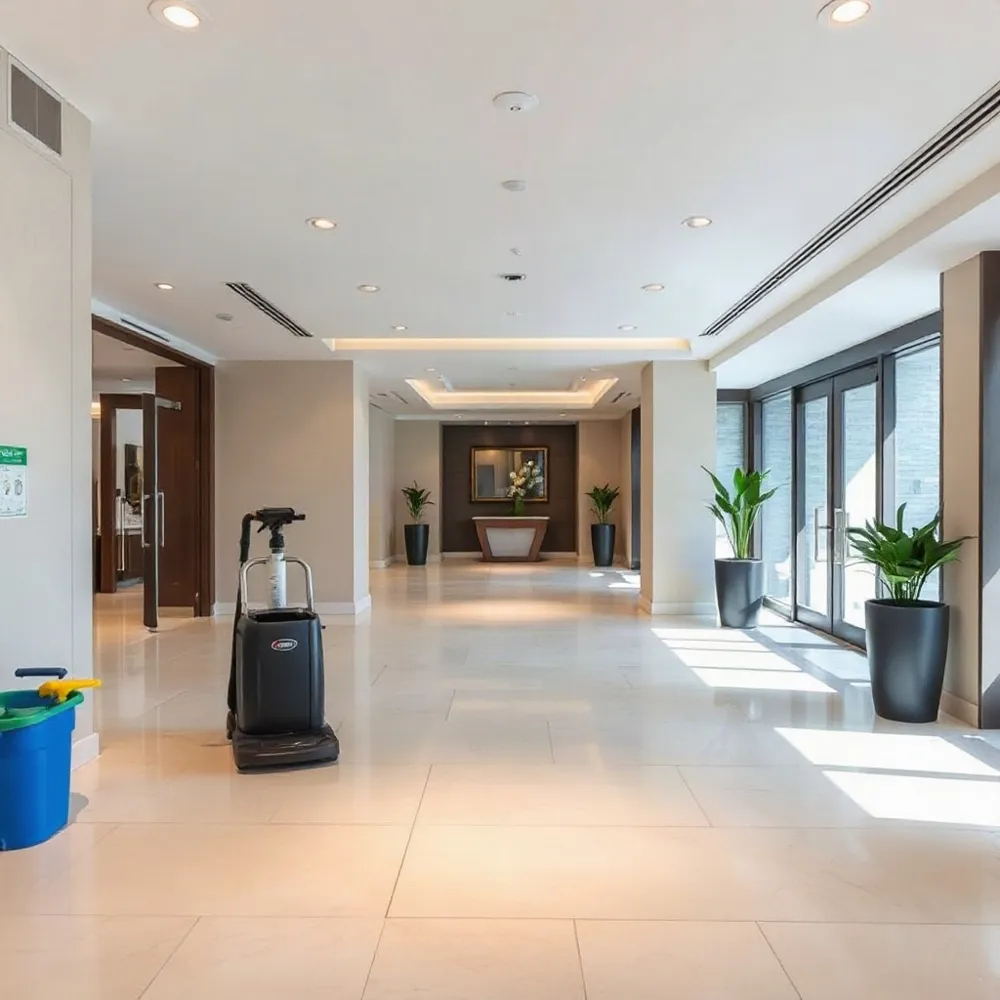
The most effective commercial cleaning programs start with a walkthrough, not a price list. A genuine assessment covers square footage, surface materials, high-traffic zones, and how your tenants actually use the space. For a high-rise with carpeted corridors and a medical office with daily exam-room turnover, those needs diverge sharply. This is why a customized commercial cleaning plan that documents specific tasks, frequencies, and responsibilities outperforms a one-page menu of services.
Turnover Cleaning That Matches How Your Building Operates
Apartment communities and commercial properties share one challenge: move-out and turnover cleaning happens on a schedule that can't wait. A standard weekly service won't cover the deep-clean reset between tenants. Bravo Cleaning's approach starts with your building's rhythm, whether that means daily touch-ups in the lobby or a full turnover reset every time a unit changes hands. Flexible scheduling is built in, so you're not paying for hours you don't need or scrambling when a vacancy appears.
This contrasts with national chains that often sell a fixed bundle of services and send whoever's available. The difference shows in the details: specialized attention to high-traffic areas and specialized flooring, plus a dedicated team that learns your property's quirks. For property managers juggling multiple sites, that consistency translates to fewer callbacks and cleaner inspections.
Eco-Friendly Products That Meet Real-World Standards
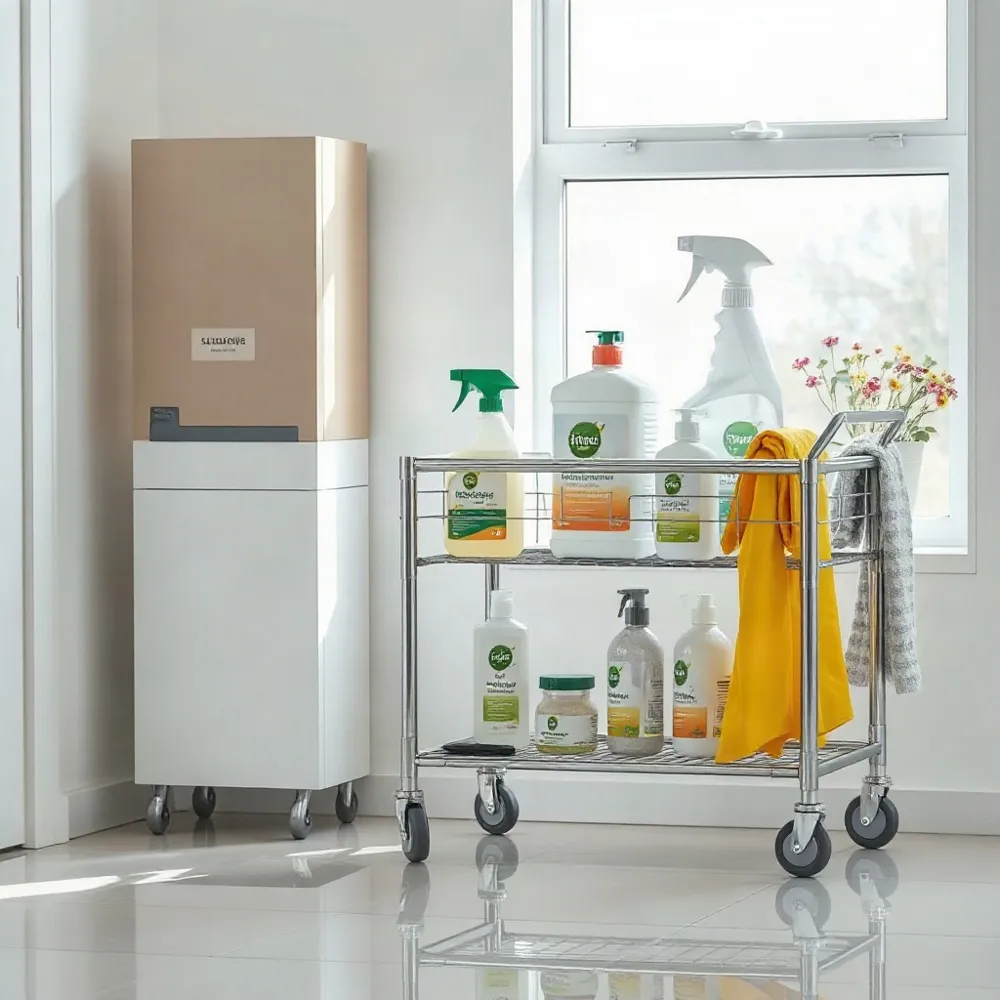
Green cleaning isn't just a trend; it's increasingly an expectation, especially in buildings with children, healthcare tenants, or sustainability goals. But eco-friendly doesn't have to mean less effective. The right commercial cleaning products balance indoor air quality with the disinfection power that restrooms and break rooms require. Bravo Cleaning's service standards prioritize both, so you get a healthier building without compromising on results.
Before you switch vendors, ask about their exact products and certifications. A true partner will share their list, not vague promises about being "green." That transparency is what separates a customized program from a generic one.
| Feature | Generic Checklist | Customized Plan |
|---|---|---|
| Frequency | Fixed weekly | Adapts to usage |
| Surface focus | Uniform | High-traffic areas |
| Products | Off-the-shelf | Eco-friendly options |
| Team | Rotating staff | Dedicated crew |
| Cost model | One-size-fits-all | Usage-based |
Your First Step: A Walkthrough, Not a Quote
Every customized program starts with a site assessment. For property managers in the Twin Cities, that means a local team that understands the region's buildings, from pre-war conversions to modern high-rises. Bravo Cleaning's local expertise means the walkthrough covers not just what you see but what you don't: ventilation grilles, baseboards, and the corners that inspectors check. After the assessment, you receive a plan that lists every task, the frequency, and the product used, so there are no surprises.
Whether you manage a single apartment building or a commercial portfolio, the goal is the same: a cleaning program that fits your building's needs, not a generic checklist. When you're ready to compare options, Bravo Cleaning offers a free consultation to build that plan with you.
Assess Your Building's Unique Needs First

Before any cleaning plan takes shape, start with a detailed walk-through of the building. A professional assessment identifies high-traffic zones, flooring types, and sensitive areas that need extra attention. This step matters because a turnover-focused commercial property has different demands than a low-occupancy office. For example, entryways and restrooms see more daily use, so they require tailored frequency and product selection.
This approach mirrors what Bravo Cleaning advises in its own guidance on understanding a building's unique needs. By walking the property first, you avoid generic schedules and instead build a plan that matches actual usage patterns. That means fewer wasted products, better coverage, and a cleaner environment for staff and tenants alike.
Here is a practical breakdown of what a thorough assessment typically covers:
- Identify high-traffic entrances, lobbies, and restrooms that need more frequent attention.
- Note flooring types like carpet, tile, or hardwood, since each requires different care.
- Flag sensitive areas such as break rooms or medical spaces where eco-friendly products matter most.
- Review current cleaning practices and any problem spots that need correction.
Tailoring Cleaning to Your Building's Rhythm
Every building has its own flow. A busy apartment complex in the Twin Cities, for instance, may need daily touch-ups in common areas, while a suburban office might only require nightly servicing. Bravo Cleaning specializes in customized plans that flex with your schedule, whether that means early-morning polishing, after-hours restroom disinfection, or weekend deep cleans. This flexibility is part of why property managers across the region trust the company to keep their buildings in top shape.
Comparing options side by side clarifies the value. A generalist cleaning service might offer flat-rate packages with fixed scopes, whereas Bravo Cleaning builds each plan around your building's specific needs, using eco-friendly products where possible and adjusting frequency as usage changes. That difference shows up in the final result: fewer missed spots and a space that consistently meets higher standards.
Build a Customized Cleaning Plan That Fits Your Schedule

Every building has its own rhythm. A busy medical clinic with high-touch door handles and exam rooms needs different attention than a quiet office with carpeted cubicles. Before you settle on a cleaning plan, walk each floor and note the trouble zones: restrooms that see constant use, entryways that track in mud and salt during Minnesota winters, kitchens where spills harden quickly. This front-end audit is what separates a cleaning schedule that actually works from one that looks good on paper.
Property managers often skip this step and default to a generic daily or weekly checklist. That is a mistake. The most effective cleaning programs are built around your building's actual traffic patterns and usage hours. As Bravo Cleaning's guide on building-specific needs points out, a customized plan accounts for high-traffic areas and specialized flooring, which is why professional cleaners invest time learning your site before they ever pick up a mop.
Frequency: Daily, Weekly, and Monthly Breakdown
A practical cleaning schedule works in three layers. Daily tasks handle the visible dirt that accumulates fast: emptying trash, wiping down restroom sinks and mirrors, spot-cleaning entryway floors. Weekly tasks go deeper: vacuuming under desks, disinfecting light switches and door handles, cleaning kitchen appliances. Monthly tasks tackle the buildup that daily and weekly routines miss: washing baseboards, deep-cleaning vents, and shampooing high-traffic carpet. This tiered approach prevents overwhelm while ensuring nothing falls through the cracks.
For property managers juggling multiple units, the daily/weekly/monthly split is especially useful. You can align daily tasks with your turnover schedule, weekly tasks with regular tenant turnover, and monthly tasks with seasonal deep cleans. This is the same framework Bravo Cleaning's flexible scheduling guide recommends for busy property managers, and it works because it fits the way buildings actually function.
Create a Customized Checklist for Your Site
A generic checklist misses the nuances that make a building feel truly clean. Does your lobby have a lot of glass that shows smudges quickly? Is there a fitness room where equipment needs disinfecting after every use? Are there seasonal concerns, like salt and sand tracked in during January thaws? Build your checklist around these specifics. The result is a living document that you can adjust as your building's needs evolve, rather than a static list that becomes stale.
This is where a local partner shines. Rather than a one-size-fits-all contract, Bravo Cleaning in Minneapolis creates tailored cleaning plans that adapt to your building's unique layout, high-traffic areas, and flooring types. With over 20 years of local experience, they know exactly which questions to ask and which areas tend to get neglected. That hands-on approach is what turns a good cleaning program into a great one.
Flexibility Means Choosing What Matters Each Visit

Property managers and business owners often assume professional cleaning means locking into a rigid schedule with a fixed checklist. In practice, the opposite works better. A flexible cleaning schedule lets you focus on what actually needs attention, whether that is a deep kitchen detail one week or a quick lobby touch-up the next.
The challenge is that most national franchises sell the same package to every building. They pair you with a fixed route, a set list of tasks, and a visit that might not match your property's real needs. Bravo Cleaning flips that model. Instead of forcing you into a preset menu, we start with your floor plan, peak usage hours, and the precise problem areas that keep coming back. The result is a plan that shifts as your building changes.
Scope. Competitors often limit visits to a set list of services. With Bravo, you choose specific tasks or rooms for each appointment. Need a floor-to-ceiling kitchen scrub and nothing else on a Tuesday? That's an option. Want just the restrooms touched up daily? Also possible. The flexible cleaning options we offer at Bravo allow you to scale the work up or down as your schedule demands.Pricing. Most vendors quote a flat monthly rate based on a standardized square-footage formula. That sounds simple, but it means you often pay for services you don't need. Bravo's model ties the cost to the actual tasks performed and the frequency you select. Whether you need a daily touch-up or a one-time deep clean before move-in, our customized cleaning plans are built around what you're actually using, not a one-size-fits-all rate card.Flexibility. Most commercial cleaning contracts lock you into a 12-month commitment with penalties for changing the scope mid-term. Bravo works differently. We adjust the plan as your property evolves. If a tenant moves out and you need an extra turnover clean, we're on it. If you want to skip a visit during a slow week, we can do that. This adaptability means you're not paying for unused time or scrambling to find a last-minute vendor.
Compare that to a big-box cleaning company that sends a different crew each time and sticks to a rigid checklist. They might do a great job on the surface, but they can't respond when your building's needs shift. Bravo's local team, with over 20 years of experience in the Twin Cities, knows the importance of staying responsive. Whether it's a sudden event, a seasonal deep-cleaning push, or a simple change in occupancy, we adapt without the runaround.
| Feature | Standard Vendors | Bravo Cleaning MN |
|---|---|---|
| Scope selection | Fixed package only | Pick tasks or rooms each visit |
| Contract flexibility | 12-month minimum | Adjust as needs change |
| Pricing basis | Flat square-foot rate | Based on actual services |
| Crew consistency | Rotating staff | Dedicated building team |
| Local knowledge | National call center | Twin Cities based |
For property managers juggling multiple buildings, the value of a flexible partner becomes even clearer. You can choose the exact services and frequency that fit each property's schedule. That kind of tailored approach is hard to replicate with a generic contract. It's also the reason our clients stick with us, and why new managers in Minneapolis often ask for a custom proposal before they sign with anyone else.
What Customized Commercial Cleaning Includes
A truly customized commercial cleaning plan starts with a close look at how your building actually gets used. High-traffic entryways, shared restrooms, break rooms, and specialized flooring each create different demands. Bravo Cleaning builds its approach around these real conditions, so the daily routine targets the areas that matter most rather than applying a generic sweep.
Traffic levels. Entry points and lobbies collect dirt and moisture fast. A plan should schedule more frequent touch-ups there, with daily vacuuming and damp mopping to protect floors and reduce allergen buildup.Surface types. Carpet, tile, hardwood, and vinyl all need different care. Carpeted areas benefit from regular vacuuming and periodic deep cleaning, while hard surfaces often require specific pH-balanced solutions to avoid dulling or damage.Occupancy schedules. Offices with late shifts or facilities that operate on weekends may need after-hours cleaning to avoid disrupting work. Flexible cleaning options let you choose times that fit your building's rhythm.Compliance needs. Medical, food service, or education settings have specific sanitation requirements. A customized plan incorporates those standards, from restroom disinfection to proper waste handling, so you stay aligned with regulations.
After identifying these factors, the next step is setting clear priorities. A good plan distinguishes between daily essentials, such as trash removal and restroom sanitation, and periodic tasks like floor stripping or window cleaning. Dedicated teams learn your building's quirks over time, which means they notice a sticky spot on the break room floor or a dusty vent before it becomes a problem.
A written checklist makes the plan concrete. It should list each area, the required frequency, and the specific task, so nothing gets missed and accountability stays clear. For property managers juggling multiple sites, this documentation doubles as a communication tool with owners or tenants. Local cleaning services often publish standard checklists, but a truly customized plan goes further, tailoring the tasks to your building's layout and usage.
Finally, schedule the plan around your building's peak and off-hours. High-traffic areas may need mid-day touch-ups, while low-traffic zones can be cleaned less frequently. Build in quarterly or seasonal deep-clean tasks, such as carpet extraction or vent dusting, to maintain air quality and extend the life of your finishes.
| Area | Frequency | Customization Factor |
|---|---|---|
| Entryways | Daily | High-traffic, weather exposure |
| Restrooms | Daily | Compliance, touchpoint disinfection |
| Break rooms | Daily | Food spills, appliance care |
| Carpeted zones | Weekly + periodic deep clean | Stain resistance, allergen control |
| Hard floors | Daily + periodic strip/wax | Surface type, slip resistance |
A customized cleaning plan isn't just a list of tasks; it's a living document. Review it quarterly with your cleaning partner, adjust for seasonal changes like salt and snow in Minnesota winters, and update it as your building's use evolves. Tailored solutions keep your property looking its best, extend the life of your flooring, and create a healthier space for everyone inside.
Eco-Friendly Products and Experienced Staff Matter
Before choosing a service, walk through your property with a critical eye. High-traffic lobbies, restroom fixtures, break room appliances, and specialized flooring all demand different attention. A tailored cleaning plan starts with an honest inventory of where grime builds up and which areas see the most daily use. For property managers juggling multiple units, this assessment is the difference between a generic schedule and one that actually protects your investment.
Consider how often each zone is used. A busy apartment entrance needs daily touch-ups, while a rarely used conference room may only need weekly service. Bravo Cleaning in Minneapolis brings over 20 years of local experience to this process, customizing plans around your building's rhythm. Rather than forcing a standard checklist, the team evaluates your specific traffic patterns and surfaces first.
Tailoring Frequency to Foot Traffic
One-size-fits-all schedules miss the mark because they ignore usage. High-traffic areas like elevators, entryways, and restrooms require more frequent attention than low-traffic spaces. A customized plan adjusts both the scope and frequency of service. This is where local expertise matters: a Minneapolis property manager knows winter salt and mud create unique challenges, and a service that plans for that seasonal reality delivers better results.
Customization also means flexibility. Whether you need daily, weekly, or bi-weekly visits, the right partner works around your occupancy and budget. Bravo Cleaning's approach focuses on practical, tailored solutions rather than a rigid menu. You get a plan that matches how your building actually operates.
Scope. Every cleaning plan should define which areas are covered: restrooms, break rooms, common hallways, windows, and specialized flooring. Bravo Cleaning customizes this scope to your building's specific needs, avoiding unnecessary services while covering what matters.Frequency. Daily touch-ups for high-traffic zones, weekly deep cleans for offices, and monthly or seasonal deep-dive services for less-used spaces. The schedule flexes with your building's activity levels.Eco-Friendly Products. Safe, eco-friendly cleaning products protect employees, tenants, and staff from harsh chemicals. Bravo Cleaning pairs these products with experienced staff, ensuring both safety and effectiveness in every pass.
For a deeper look at how customized plans are built, check out what to include in a customized commercial cleaning plan. That guide reinforces why a tailored approach beats any generic checklist.
Pricing Your Customized Cleaning Plan
Cleaning rates aren't pulled from thin air. Vendors build their prices from a handful of predictable factors, and understanding those factors puts you in a stronger negotiating position. The biggest variable is the size and type of your space: a 2,000-square-foot office with open workstations prices differently than a 3,000-square-foot medical suite with exam rooms that need daily disinfection. Layout matters too, because spaces with many private offices or restrooms take more time to service per square foot than a wide-open floor plan.
Frequency is the second major lever. A daily visit spreads the labor cost across more cleanings per month, which often lowers the per-visit rate even as the monthly total rises. Weekly or biweekly schedules carry a higher per-visit price because the crew has to cover the same ground in fewer passes. Scope also shifts the number: some clients want a simple vacuum-and-wipe routine, while others need restroom disinfection, trash removal, and floor care in the same visit. The more tasks you pack in, the higher the quote—but the more value you get per hour.
Square footage. Larger spaces cost more in absolute terms, but per-square-foot rates usually drop as the area grows because fixed costs like travel and setup get spread thinner.Building type. Office buildings, apartment complexes, and medical facilities all carry different baseline rates. Medical and high-touch environments often command a premium due to stricter disinfection standards.Labor rates. Local wages and insurance costs directly influence what a cleaner charges. Higher-cost metros push rates up, while Midwest markets like the Twin Cities typically see lower hourly figures.Add-ons. Services like carpet shampooing, window washing, or post-construction cleanup are billed separately. Each add-on adds to the total but also increases the thoroughness of the final result.
Hourly Rates vs. Per-Visit Pricing
Most commercial cleaning vendors quote either an hourly rate or a flat per-visit price. Hourly rates give you transparency: you see exactly what you're paying for, and you can adjust the scope by adding or removing tasks. The trade-off is that an inefficient crew can stretch a two-hour job into three, inflating your bill. Flat per-visit pricing removes that risk by charging a set amount regardless of how long the job takes, but it requires a detailed walkthrough up front so the vendor prices the work fairly.
In the Midwest, hourly rates for commercial cleaning typically land between $30 and $50, with $28–$45 common depending on the building's condition and the level of detail required. That's the range that shows up in most local markets, and it's the same ballpark Bravo Cleaning works with when tailoring a plan to your property's needs. The key is to ask for a written breakdown of hours, labor rates, and any add-on fees before you commit — that way, there are no surprises on the invoice.
Why Location Matters
Your building's zip code influences the quote more than you might think. Urban areas with higher commercial rents and labor costs push prices up, while suburban or rural locations often see lower rates. For example, cleaning services in Boca Raton, Florida, tend to run higher than the national average because of the region's cost of living, while Minneapolis-based providers like Bravo Cleaning operate within a more moderate pricing band. That's not to say you can't get a fair deal in a pricey market — it just means you should budget accordingly and ask vendors how they arrive at their numbers.
A good rule of thumb: get at least three quotes from different vendors, and make sure each one includes a site walkthrough. Comparing apples to apples is the only way to see which provider offers genuine value versus a lowball price that skimps on supplies or labor. Bravo Cleaning encourages this approach — our quotes are built from a thorough assessment of your building's size, usage, and cleaning frequency, so you're never paying for services you don't need.
Hidden Costs to Watch For
The quoted rate rarely tells the whole story. Many vendors add surcharges for after-hours work, specialized equipment, or eco-friendly products. Some charge extra for supplies, while others include them in the base rate. Before signing a contract, ask directly: Are supplies included? Is there a fee for emergency callbacks? What's the cancellation policy? These questions separate a straightforward vendor from one that piles on hidden fees later.
Bravo Cleaning takes a different approach. Instead of hiding costs in the fine print, we build a customized cleaning plan that specifies exactly what's included, from restroom disinfection to floor care, and we're transparent about pricing from the start. That's why property managers across the Twin Cities trust us with their buildings — we'd rather earn your business with a clear quote than nickel-and-dime you after the fact.
Customer Reviews Reveal Reliability and Trustworthiness
Every commercial building has its own pulse. A medical office sees a steady flow of patients from early morning through late afternoon. A corporate campus fills and empties in predictable waves. A retail store might see a midday rush followed by an evening lull. A cleaning plan that ignores these rhythms either leaves high-traffic areas insufficiently covered or schedules disruptive work during your busiest hours. The most effective approach builds your cleaning schedule around when people actually use the space, not the other way around.
Frequency and timing are the two levers that make or break a commercial cleaning program. High-traffic entryways and restrooms may need daily attention, while private offices might only require weekly service. Overnight crews suit buildings where daytime disruption is unacceptable. Daytime touch-ups work better for properties that need to look presentable during open hours. A customized plan weighs all these variables against your budget and your occupants' expectations, adjusting as usage patterns shift.
Build a Checklist That Matches Your Space
A customized cleaning plan starts with a detailed checklist tailored to your building's unique features. General-purpose checklists often skip the details that matter in your space, such as specialized flooring, high-touch surfaces, or fixtures that need particular care. A thoughtful checklist reflects your building's actual layout, the materials used in each area, and the specific cleaning requirements those materials demand. When your plan includes these details, nothing gets overlooked and no task gets repeated unnecessarily.
Building a checklist can feel like a project in itself, but it doesn't have to be complicated. Start by walking through each room and noting its specific needs, then prioritize tasks by frequency and importance. For property managers juggling multiple responsibilities, professional cleaning companies offer tailored plans that handle this groundwork for you. A well-structured checklist also makes it easier to hold any cleaning provider accountable, since every task is documented and trackable.
Consider these common elements when building your customized cleaning checklist:
- High-traffic zones that need daily attention, such as lobbies, elevators, and restrooms
- Specialized flooring like hardwood, tile, or carpet that requires specific care products
- High-touch surfaces including door handles, light switches, and elevator buttons
- Areas with particular health or safety requirements, such as kitchens or medical waiting rooms
- Scheduling preferences, such as overnight service or daytime touch-ups
Flexibility Where It Counts
A cleaning plan that works one month may not work the next. Tenant move-ins and move-outs, seasonal changes, and special events all shift the demands placed on your cleaning team. The best plans build in flexibility from the start, with options to add one-time deep cleans, adjust frequency, or reallocate hours when your needs change. This adaptability matters most for property managers who juggle multiple units and changing occupancy.
Flexible scheduling also means working around your team's peak hours. If your building operates on a tight timeline, a cleaning provider that offers customizable plans fits seamlessly into your day. Choosing a company that prioritizes flexibility, like Bravo Cleaning, means your plan evolves with your building rather than being locked into a rigid contract.
| Plan Element | Typical Approach | When to Adjust |
|---|---|---|
| Frequency | Daily for high-traffic areas, weekly for offices | When usage patterns change or move-ins occur |
| Timing | Overnight, early morning, or during business hours | When building hours or tenant needs shift |
| Scope | Standard tasks vs. deep cleans and special projects | After events, seasonal changes, or complaints |
| Products | Eco-friendly vs. standard solutions | When health concerns or surface types require it |
Invest in a Cleaning Plan That Works for You
No two commercial buildings are maintained the same way. An office tower with daily foot traffic presents different challenges than a medical clinic with strict disinfection requirements. Before choosing a cleaning partner, property managers need a thorough assessment of their facility's unique characteristics. This includes identifying high-traffic zones, specialized flooring materials, and areas that require special attention due to health codes or operational hours.
A professional assessment should also consider your building's occupancy patterns and usage intensity. Bravo Cleaning in Minneapolis specializes in this kind of tailored evaluation, working directly with property managers to identify specific pain points and establish cleaning priorities. Whether it's managing after-hours traffic or addressing seasonal weather-related grime, an experienced provider builds a plan around your building's actual rhythm rather than a generic checklist.
Key Areas to Evaluate
- Traffic flow: Identify entrances, lobbies, and stairwells that see the most use and require more frequent attention.
- Flooring types: Carpet, tile, hard surface, and specialty flooring each need different cleaning methods and products.
- Health and safety compliance: Medical, educational, and food-related facilities have specific regulations for disinfection and waste handling.
- Operational hours: Cleaning schedules must work around your business hours, whether that means early mornings, nights, or weekends.
- Eco-friendly preferences: Many organizations now prioritize green products and methods, which should be factored into the plan.
Once these factors are identified, your cleaning partner can create a customized plan. For example, apartment building cleaning often requires extra attention to turnover units and high-traffic common areas, while a corporate office might need more detailed desk and electronics sanitization. The goal is to allocate resources where they matter most, avoiding both over-cleaning and under-served areas.
Traffic patterns. Understanding peak usage times and high-contact surfaces helps prioritize daily touch-ups and deeper periodic cleans.Flooring care. Different materials like vinyl, tile, carpet, and polished concrete demand specific products and techniques to maintain appearance and longevity.Regulatory needs. Certain industries must meet health and safety standards; a provider needs to know these requirements to keep your facility compliant.Scheduling constraints. Flexible service windows accommodate your operational hours, minimizing disruption to employees and tenants.
A thoughtful assessment also considers the type of business and its clientele. A healthcare office with high infection-control standards will prioritize disinfection, while a gym needs more frequent cleaning of equipment and locker rooms. Property managers in the Twin Cities often work with Bravo Cleaning to develop a customized cleaning plan that addresses these specific operational realities. The best partners, like Bravo Cleaning, offer flexible options so you can adjust frequency and scope as needs evolve throughout the year.
Beyond the physical space, consider your budget and the expected level of detail. Some clients prefer a comprehensive daily service, while others need a deeper clean on a weekly or monthly basis. Working with an experienced local provider, such as Bravo Cleaning, allows you to customize scope, frequency, and eco-friendly options. Request a free quote to start your custom cleaning schedule and ensure your facility gets the attention it deserves.
| Facility Type | Typical Challenges | Recommended Approach |
|---|---|---|
| Office Buildings | High-traffic lobbies, breakrooms, multiple tenants | Daily general cleaning plus periodic deep cleans |
| Apartment Complexes | Turnover units, shared spaces, move-in/move-out | Flexible scheduling, dedicated turnover teams |
| Medical Facilities | Strict disinfection, biohazard handling | Hospital-grade products, compliance-focused protocols |
| Retail Sales | Floor upkeep, glass, restroom volume | Frequent floor care, daily restroom sanitization |
Recent articles