Flexible Cleaning Schedules: Adapting to Your Property's Unique Needs


Why Flexibility is Essential in Cleaning Schedules
Adapting to Personal and Family Life
A flexible cleaning routine acknowledges that life is dynamic. Family schedules, health changes, and unforeseen events often require adjustments to planned cleaning activities. By breaking down tasks into daily short chores and monthly manageable actions, the routine remains practical and less overwhelming.
Benefits of Flexible Scheduling
Flexible cleaning schedules allow the spread of work over days, focusing on priority areas like kitchens or bathrooms more frequently than rarely used spaces. This adaptability prevents burnout and helps maintain cleanliness without rigid commitments.
Balancing Cleaning with Lifestyle
Incorporating adaptable checklists for seasonal deep cleaning supports small, incremental efforts without disrupting personal time. Using organizational tools like calendars promotes consistency while allowing room for changes, aligning cleaning duties with family needs and busy periods.
Flexible routines emphasize making cleaning fit into life, not the other way around, ensuring a sustainable and effective approach for property managers and business clients alike.
Building a Daily Flexible Cleaning Routine That Works

What Are Short Daily Task Lists?
Short daily task lists are concise sets of cleaning activities designed to be completed in about 10 to 15 minutes each day. This approach prevents overwhelming cleaning sessions by focusing on quick, manageable chores that maintain cleanliness and orderliness. For more on this approach, see Short daily cleaning tasks.
What Are Examples of Manageable Daily Tasks?
Examples of manageable daily tasks include loading and running the dishwasher, wiping down kitchen counters, tidying living areas, and sweeping entryways. These small chores help keep high-traffic spaces tidy and reduce the buildup of dirt and clutter. If you want to explore more about cleaning frequency guidelines and high-traffic area cleaning, those resources are helpful.
How Can You Integrate Cleaning Into Everyday Life?
Integrating cleaning seamlessly into daily routines means making these short tasks fit naturally around personal and family schedules. For instance, wiping counters can be done after meal preparation or loading the dishwasher can be incorporated as part of kitchen cleanup after dinner. This flexibility allows cleaning to happen without disrupting other activities.
By breaking down cleaning tasks into small, manageable actions and fitting them into everyday moments, a flexible cleaning routine tips becomes sustainable and less stressful. It adapts well to life’s changes, whether it be busy schedules or unexpected events, ensuring consistent home maintenance without feeling burdensome.
Monthly Deep Cleaning: Spreading Tasks for Manageability

Breaking Down Monthly Cleaning into Specific Actions
To maintain a clean and healthy environment in rental or residential properties, it's essential to divide the monthly cleaning into clear, manageable tasks. Instead of attempting to deep clean everything in one day, focus on specific actions such as vacuuming bedrooms, mopping kitchen floors, or dusting common areas. This Breaking down cleaning tasks helps reduce overwhelm and increases the likelihood of thorough completion.
Prioritizing Tasks According to Property Needs
Not all cleaning tasks hold the same urgency. Prioritizing cleaning activities areas based on their usage frequency and sanitation needs. High-traffic zones like kitchens and bathrooms demand more frequent attention, while rarely visited spaces may be scheduled less often. Tailoring the cleaning priority to the property’s actual use ensures that effort and resources are effectively focused where they matter most.
Spreading Heavy Tasks Over Time for Flexibility
Heavy-duty cleaning tasks, such as deep-cleaning carpets or scrubbing tile grout, can be labor-intensive and time-consuming. Spreading these over the month, in coordination with daily and weekly routines, allows for a more Flexible scheduling for cleaning approach. This method gives property managers or residents the freedom to adapt schedules according to unexpected changes without sacrificing cleanliness. Flexible cleaning routine tips helps prevent burnout and supports consistent upkeep of property standards.
Adapting Cleaning Schedules During Life Changes
How Can Cleaning Routines Be Adjusted During Shifts in Family Schedules?
Life changes such as new work hours, children's school activities, or caregiving responsibilities require cleaning routines that fit evolving schedules. Prioritizing cleaning activities like wiping counters or quick bedroom tidies helps maintain cleanliness without overcommitment. Breaking down cleaning tasks into small, manageable segments allows flexible scheduling for cleaning, spreading them over weeks to align with busier or lighter days.
How Should Health-Related Changes Influence Cleaning Practices?
When health issues arise, cleaning needs and capabilities often shift. It’s helpful to adapt by focusing on targeting high-touch surfaces for germ control to maintain hygiene efficiently. Utilizing Professional cleaning services and checklists can ease physical strain while ensuring a thorough environment. Selecting eco-friendly and safe cleaning supplies also supports sensitive health conditions.
What Strategies Prevent Feeling Overwhelmed During Routine Changes?
Preventing overwhelm in cleaning with flexible and realistic planning is crucial during life transitions. Using using adaptable checklists for seasonal or deep cleaning tasks breaks down chores into bite-sized efforts. Maintaining a balance between daily, weekly, and monthly tasks coupled with the option to reschedule less urgent cleaning ensures ongoing success and reduces stress.
By making cleaning routines flexible and practical, homeowners and property managers can effectively adjust to life’s changes while keeping spaces clean and inviting.
Organizing Cleaning for Rental Properties: Tailoring Frequency and Focus

Creating Detailed Checklists by Area
For effective rental property maintenance, detailed cleaning checklists should be tailored to specific areas such as kitchens, bathrooms, bedrooms, and carpets. Each checklist should list exact tasks like wiping counters, scrubbing sinks, vacuuming carpets, and mopping floors to ensure thoroughness and prevent overlooked spots. See more on cleaning tasks for kitchens, cleaning tasks for bathrooms, and carpet cleaning tasks.
Setting Appropriate Cleaning Frequency for High- vs Low-Traffic Zones
Cleaning frequency should reflect how often areas are used. High-traffic zones like entryways, kitchens, and bathrooms need more frequent attention—often weekly or biweekly—to stay hygienic and presentable. Conversely, low-traffic areas such as guest rooms or storage spaces can be scheduled less often, reducing unnecessary work and optimizing time. Refer to cleaning frequency guidelines, high-traffic area cleaning, and low-traffic area cleaning for detailed advice.
Breaking Tasks into Weekly Segments for Ease
Breaking cleaning responsibilities into manageable weekly segments makes upkeep less daunting. For example, one week can focus on vacuuming all bedrooms, while the next targets the deep cleaning of kitchen appliances. This segmented approach helps property managers maintain consistent cleanliness without feeling overwhelmed, and it fits well with using planners or calendars to track progress. Explore tips on weekly cleaning segments and organizational tools for cleaning for practical guidance.
Leveraging Professional Cleaning Services for Enhanced Flexibility

Using Professional Services to Supplement Self-Cleaning
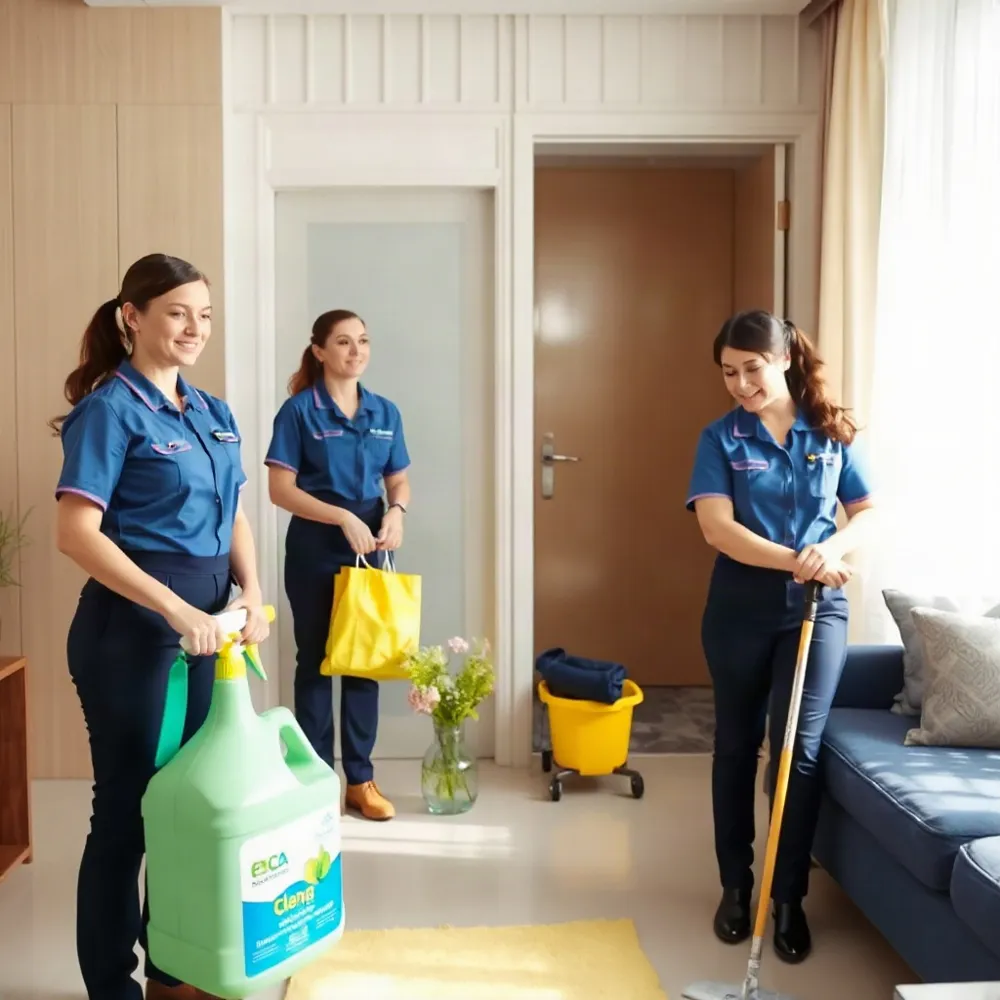
Professional cleaning services can effectively complement the regular cleaning routines managed by property owners or tenants. These services tackle deep-cleaning tasks that require specialized tools and expertise, such as carpet shampooing, grout scrubbing, and thorough kitchen and bathroom disinfection. By integrating professional help, property managers can maintain higher cleaning standards without overwhelming their schedules.
Benefits for Property Owners Managing Cleaning Schedules
For landlords and property managers, outsourcing certain cleaning duties offers significant advantages. It helps ensure consistency across multiple units or properties, freeing up time to focus on other management duties. Professionals also adapt their work to fit around tenants' schedules or specific property needs, enabling Flexible cleaning routine tips without disruption. The use of High-quality cleaning supplies and advanced techniques by experts also contributes to prolonging the life and appearance of property surfaces and furnishings.
Balancing Professional Help with Regular Upkeep
An optimal approach balances routine in-house cleaning with periodic professional deep cleans. Daily or weekly self-maintained cleaning schedules should cover manageable tasks like wiping counters, emptying trash, and vacuuming high-traffic area cleaning. Meanwhile, professional services can be scheduled monthly or seasonally to conduct weekly cleaning segments that homeowners or property managers find hard to maintain regularly. This partnership ensures properties stay spotless and inviting while accommodating fluctuating schedules and life changes through Flexible scheduling for cleaning.
Tools and Techniques for Effective Deep Cleaning
Decluttering to Prepare for Cleaning
Before deep cleaning, it’s essential to declutter by sorting items into categories such as keep, donate, and trash. Clearing these spaces allows for more efficient and thorough cleaning, ensuring no areas are missed. For Decluttering essentials for deep cleaning, refer to specialized checklists.
Using High-Quality Supplies and Specialized Cleaners
Investing in quality cleaning supplies like Microfiber cloths and disinfectant sprays and cleaners targeted for specific surfaces enhances cleaning efficiency. These products protect delicate surfaces while removing dirt and grime more effectively.
Targeting High-Touch Surfaces and Deep Cleaning Kitchens and Bathrooms
Focus on disinfecting Targeting high-touch surfaces for germ control including doorknobs, light switches, and electronic devices to control germs. For kitchens and bathrooms, deep clean major areas such as Cleaning refrigerators, ovens, sinks, and tile grout to eliminate bacteria buildup and maintain hygiene.
Carpet and Upholstery Care Techniques
Use spot treatments and appropriate Carpet and upholstery cleaning techniques to address stains on carpets and upholstery. Ensure thorough drying afterward to prevent mold and maintain fabric appearance and longevity.
Dusting Hard-to-Reach Places
Employ tools like Using extendable microfiber dusters, compressed air, and telescopic attachments to reach high or narrow spaces. This improves indoor air quality by removing dust from places often overlooked in regular cleaning routines.
Maintaining Realistic and Achievable Cleaning Routines
Why Are Realistic Expectations Important in Cleaning?
Setting realistic expectations for cleaning routines helps prevent feelings of overwhelm and burnout. Trying to tackle every cleaning task all at once can be discouraging and unsustainable. Instead, understanding what can be reasonably accomplished daily or weekly empowers property managers and homeowners to stay on track without sacrificing quality or consistency. For more on realistic cleaning routines, you can explore detailed strategies.
How Can Calendars and Planners Improve Scheduling?
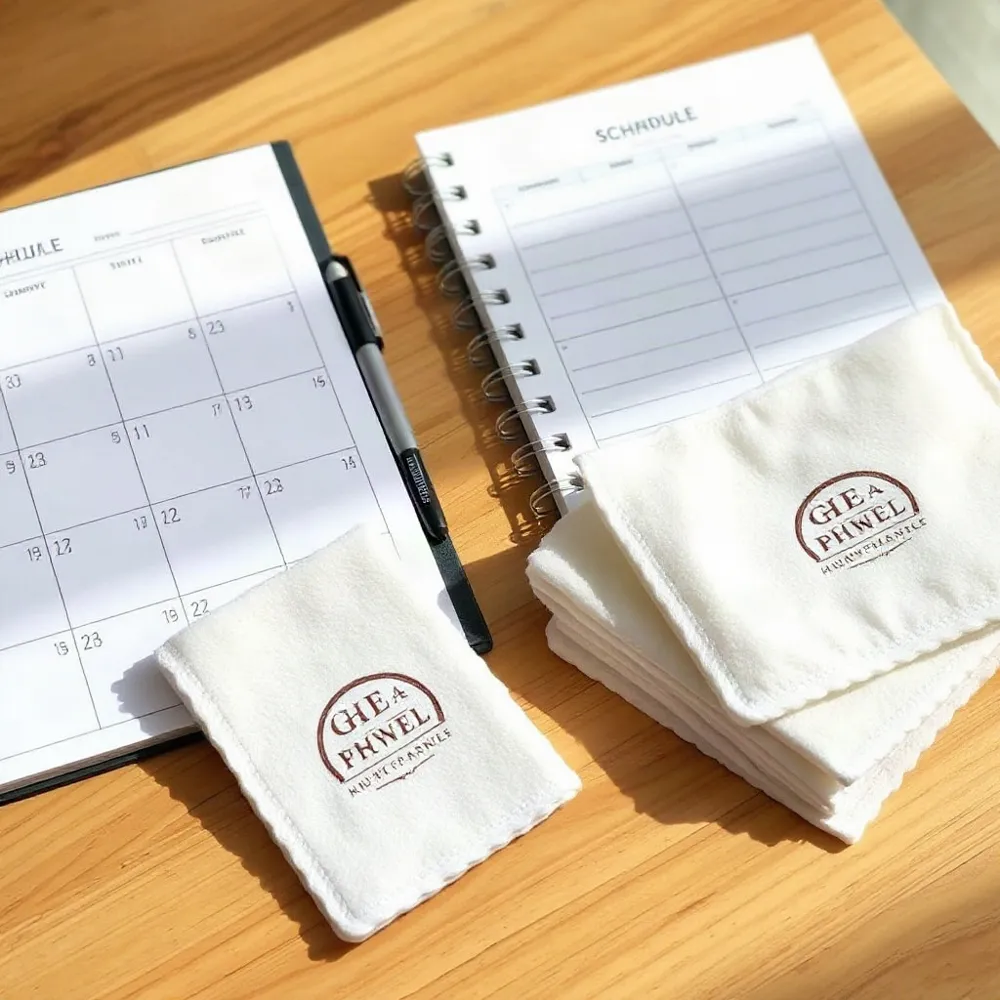
Utilizing calendars and planners brings organization to cleaning routines. By scheduling tasks ahead of time, it becomes easier to break down larger chores into smaller, manageable segments. This approach ensures that essential cleaning tasks are not overlooked and allows flexibility to adjust when unexpected events arise. Property managers especially benefit from this system to maintain multiple properties efficiently. Learn about using calendars for cleaning schedules to improve your planning.
What Are Tips for Sustaining Long-Term Cleaning Success?
- Break cleaning into weekly or monthly checklists tailored to high-traffic vs. low-traffic areas following helpful monthly cleaning checklist and weekly cleaning segments advice.
- Incorporate flexible daily 10-15 minute cleaning tasks to maintain neatness continuously with ideas from short daily cleaning tasks.
- Adapt cleaning routines to life changes, such as health shifts or busy schedules, to avoid overload by adjusting cleaning during life changes.
- Supplement self-maintained schedules with professional cleaning services for thorough deep cleans.
- Use high-quality cleaning supplies and focus on targeting high-touch surfaces for germ control to improve cleaning effectiveness.
Maintaining a realistic, well-structured, and flexible cleaning plan is essential for consistent upkeep that suits evolving needs and ensures lasting success. Explore more on Flexible cleaning routine tips and Practical cleaning routine strategies.
Finishing Touches: Creating a Clean and Inviting Home Environment
Organizing and Scenting After Cleaning
After completing the main cleaning tasks, organizing is essential to maintain order and enhance the overall ambiance of your space. Sorting items into designated places avoids clutter and creates a sense of calm. Adding subtle scents through natural options like essential oils or air fresheners can uplift the environment, making your home more inviting. For more tips, see Organizing and scenting tips for fresh environment.
Importance of Thorough Wiping
Thorough wiping is crucial in the finishing stages to remove any residual dust, dirt, or cleaning product residue. Areas often overlooked during initial cleaning include baseboards, light switches, doorknobs, and electronic devices. Using microfiber cloths paired with an appropriate disinfectant ensures these surfaces are hygienic, reducing germs and maintaining a healthy space. Learn more about Microfiber cloths and disinfectant sprays and Targeting high-touch surfaces for germ control.
Creating a Polished Look After Cleaning Efforts
A polished look is achieved by attention to detail. After dusting and wiping, organizing small items such as cushions, magazines, and kitchen essentials neatly can enhance visual appeal. Ensure floors are spotless, and surfaces shine to showcase the freshness of your efforts. This final step not only improves the aesthetic but also provides a welcoming atmosphere for residents and guests alike. Explore Finishing touches for a polished home for additional ideas.
Embrace Flexibility to Meet Your Property’s Unique Cleaning Needs
Flexible Cleaning Routines Offer Practical Benefits
Adopting a flexible cleaning routine allows property managers and homeowners to efficiently maintain cleanliness without feeling overwhelmed. By creating a short daily task list, taking only 10-15 minutes, such as wiping counters or loading the dishwasher, small consistent efforts keep spaces tidy and manageable.
Customize to Fit Your Schedule and Property Needs
Every property has unique cleaning demands. Some rooms see more use, like kitchens or living areas, while others might require less frequent attention. Tailoring a cleaning schedule to focus more on high-traffic areas while spreading out less frequent tasks such as deep carpet cleaning ensures thorough maintenance. Using adaptable checklists helps adjust routines for seasonal or life changes, guaranteeing the schedule always matches your current needs.
Balance Consistency with Adaptability for Longevity
While consistency is important, flexibility is essential to cope with unexpected changes like family schedule shifts or health considerations. A balanced approach, where daily, weekly, and monthly tasks are strategically planned but remain adaptable, ensures a sustainable cleaning regimen. Organizational tools like calendars help maintain rhythm without rigidity, and professional cleaning services can supplement efforts for comprehensive results.
Embracing flexibility in your cleaning routine not only fits your property's unique needs but also promotes long-term cleanliness without stress, ultimately improving living or rental environments.
Recent articles