Turn Cleaning Best Practices for Apartments and Condominiums

The Importance of Turnover Cleaning in Multi-Unit Residential Properties
Definition and Purpose of Turnover Cleaning
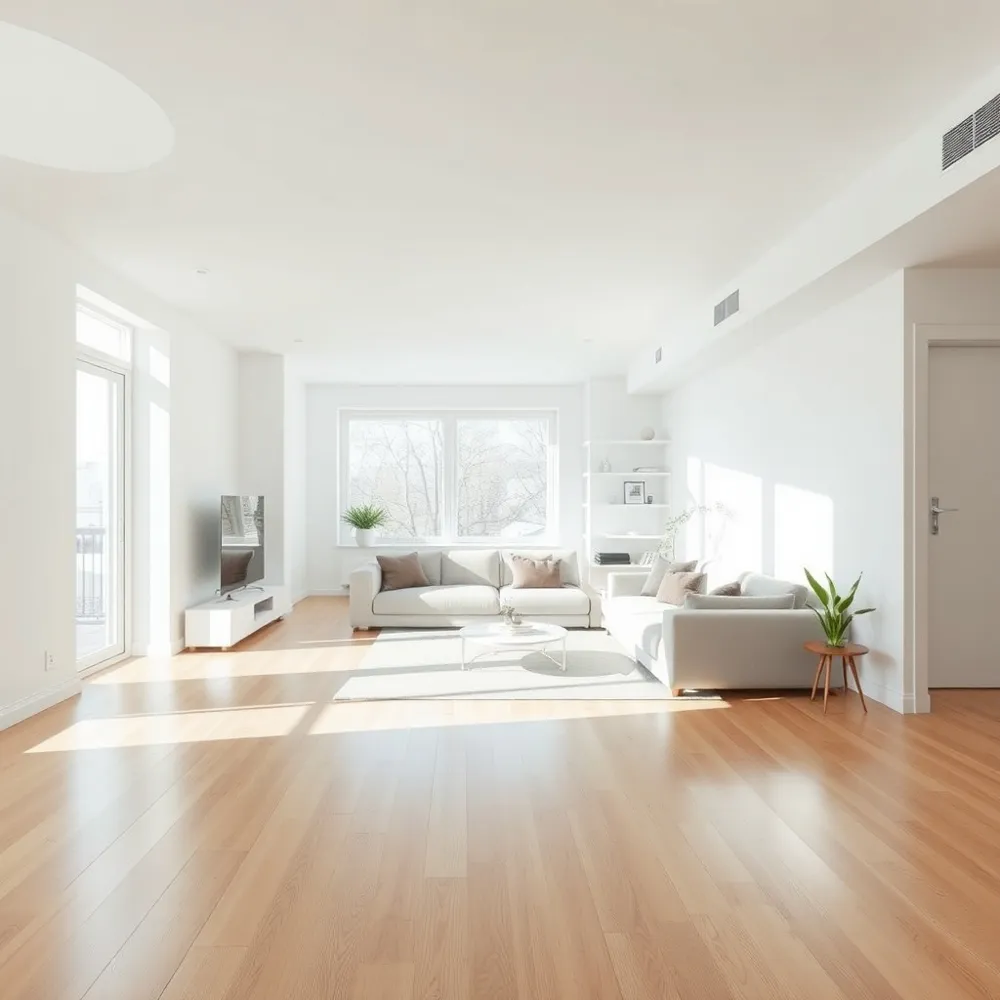
Turnover cleaning refers to the comprehensive cleaning process conducted between tenant move-out and the subsequent move-in. Its main goal is to prepare the apartment or rental unit to be in pristine condition, removing all traces of the previous occupant. This process ensures that the property is hygienic, safe, and visually appealing for new tenants.
Impact on Tenant Satisfaction and Property Value
A well-executed turnover cleaning positively affects tenant satisfaction by creating a welcoming environment. It also helps maintain or even enhance the property's value by preventing long-term damage caused by neglect, such as stains or pest infestations. Thorough cleanings reduce allergens and bacteria, promoting health and safety for tenants, which can speed up leasing cycles and reduce vacancy periods.
Overview of Thorough Cleaning Requirements
Turnover cleaning involves detailed tasks, including cleaning kitchens (appliances, cabinets, counters), bathrooms (toilets, showers, fixtures), living spaces (floors, walls, windows), and changing locks for security. Deep cleaning carpets, patching and painting walls, and repairing appliances are often essential to restore the unit's condition. Utilizing professional services and eco-friendly products enhances efficiency and sustainability in the cleaning process.
Comprehensive Turnover Cleaning Checklist and Standards

What is a standard cleaning checklist?
A standard cleaning checklist serves as a comprehensive guide to ensure all areas of a home are cleaned thoroughly and efficiently. It typically involves dusting from high surfaces like ceiling fans, shelves, and walls, then working downward to prevent re-soiling. The checklist covers cleaning and disinfecting all surfaces, including countertops, appliances, fixtures, and bathroom elements such as sinks, toilets, tubs, and mirrors. Floors require vacuuming (especially carpets and rugs, using attachments for corners and under furniture), followed by sweeping and mopping hard floors starting from the far corner towards the doorway. Decluttering before cleaning is highly recommended as it reduces dirt and dust, making the cleaning process easier and more effective. For a detailed example, see this Apartment Cleaning Checklist.
What is the top-to-bottom cleaning approach?
The top-to-bottom cleaning method means starting from the ceiling and working downward. This systematic process prevents dust and dirt from falling onto already cleaned areas, optimizes workflow, and ensures no spot is overlooked. It includes cleaning ceiling fans, light fixtures, walls, windows, blinds, and finally floors. This approach is vital for apartment turnovers where thoroughness and speed are essential. Learn more about Top to Bottom Cleaning.
What are recognized cleaning standards used in professional cleaning?
Many professional cleaning services use frameworks like the APPA (Association of Physical Plant Administrators) standards, which define levels of cleaning:
| Level | Description | Frequency/Example Use |
|---|---|---|
| 1 | Orderly Spot Cleaning | Daily/High-traffic areas |
| 2 | Basic Cleaning | Weekly/Restrooms, kitchens |
| 3 | Moderate Cleaning | Monthly/Apartment turnovers |
| 4 | Intensive Cleaning | Quarterly/Deep cleans |
| 5 | Specialty Cleaning | Annual or as needed |
Employing such standards helps maintain consistency and quality, especially during tenant turnovers. For more about Apartment turnover cleaning checklist and standards, see this resource.
What specific areas require focus during turnover cleaning?
Kitchens: Deep cleaning of appliances (refrigerators, ovens, stoves), cabinets, sinks, countertops, and floors. Tackling grease buildup and disinfecting surfaces ensures a welcoming environment. Refer to Kitchen cleaning checklist.
Bathrooms: Thorough scrubbing of toilets, tubs, showers, sinks, mirrors, and grout lines. Disinfecting high-touch areas like faucets and door handles is essential. See the Bathroom cleaning guide.
Floors: Vacuum all carpets and rugs, paying attention to edges and underneath furniture. Hard floors should be swept and mopped carefully. Information on Floor and carpet cleaning can be helpful.
Walls and Fixtures: Cleaning walls to remove marks or stains, patching and painting as needed to improve appearance. Also clean doors, light switches, and fixtures for a refreshed look. Guidance on Patching and painting walls available.
Appliances: Interior and exterior cleaning of appliances not only enhances appearance but also helps maintain functionality. For tips, see Repairing appliances and plumbing.
Why is decluttering important before cleaning?
Removing personal items, debris, and clutter is critical before starting the cleaning process. Decluttering reduces dust accumulation, prevents obstruction during cleaning, and allows access to all surfaces and corners. This preparatory step saves time, improves cleaning effectiveness, and helps ensure a thorough turnover. For strategies on decluttering, refer to Decluttering Tips.
| Checklist Element | Purpose | Additional Notes |
|---|---|---|
| Dusting (high to low) | Avoid re-soiling surfaces | Includes fans, shelves, walls |
| Surface Wiping | Remove dirt and bacteria | Use disinfectants on high-touch areas |
| Floor Care | Control allergens and dirt | Vacuum then mop/sweep; carpets deep cleaned |
| Appliance Cleaning | Ensure hygiene and function | Clean interiors thoroughly |
| Bathrooms Deep Clean | Sanitize, prevent odors | Focus on grout, fixtures |
| Decluttering | Optimize cleaning efficiency | Aid in top-to-bottom access |
Implementing these practices according to recognized standards ensures a property is left spotless and ready for new tenants, minimizing vacancies and enhancing tenant satisfaction. For an inclusive Landlord cleaning guide, consult this detailed resource.
Maintenance and Repair: Enhancing Property Condition During Turn Cleaning

What is the role of pre-move-out walkthroughs and damage documentation?
Pre-move-out walkthroughs provide landlords with the opportunity to identify and document damages before tenants leave. This process is crucial for legal and financial accountability and helps landlords decide on any necessary repairs and charges.
Why is repairing appliances and plumbing important during turnovers?
Fixing appliances and plumbing issues promptly prevents long-term damage and protects the property's value. Ensuring that all fixtures and appliances function correctly helps maintain tenant satisfaction and safety.
How do wall patching and painting improve the rental unit?
Patching holes and painting walls conceal marks and dents inflicted during a tenancy, improving the overall appearance. Fresh paint and repaired walls create a welcoming atmosphere that attracts new tenants.
When should carpets be deep cleaned or replaced?
Deep cleaning is recommended to remove stains, odors, and allergens, especially if pets were present. Carpet replacement may be necessary to address severe damage or pest control concerns, enhancing hygiene and appeal.
Why is changing locks important for tenant security?
Changing locks after every tenancy is a security best practice to prevent unauthorized access. Landlords maintain a key for emergencies, but new tenants benefit from enhanced safety with fresh locks.
These maintenance and repair steps play a critical role in preparing apartments for new tenants, preserving property value, and ensuring a smooth transition during turnover periods.
Optimizing Cleaning Efficiency with Proven Principles and Time Management Techniques

What are the 5 basic cleaning principles?
Effective apartment turnover cleaning rests on five essential principles:
- Time management to optimize cleaning efficiency — planning and pacing tasks to maximize productivity.
- Proper use of equipment and supplies — utilizing quality tools like steam cleaners and eco-friendly products ensures thorough results.
- Health and safety adherence — implementing safe cleaning methods protects occupants and cleaners alike (health and safety adherence in cleaning).
- Attention to detail for thoroughness — focusing on every surface, including overlooked areas like vents and window sills.
- Use of eco-friendly cleaning practices — using natural cleaners such as vinegar and baking soda reduces environmental impact and supports indoor air quality (Cleaning Hacks for Rental Properties).
How do tools and equipment influence cleaning efficiency?
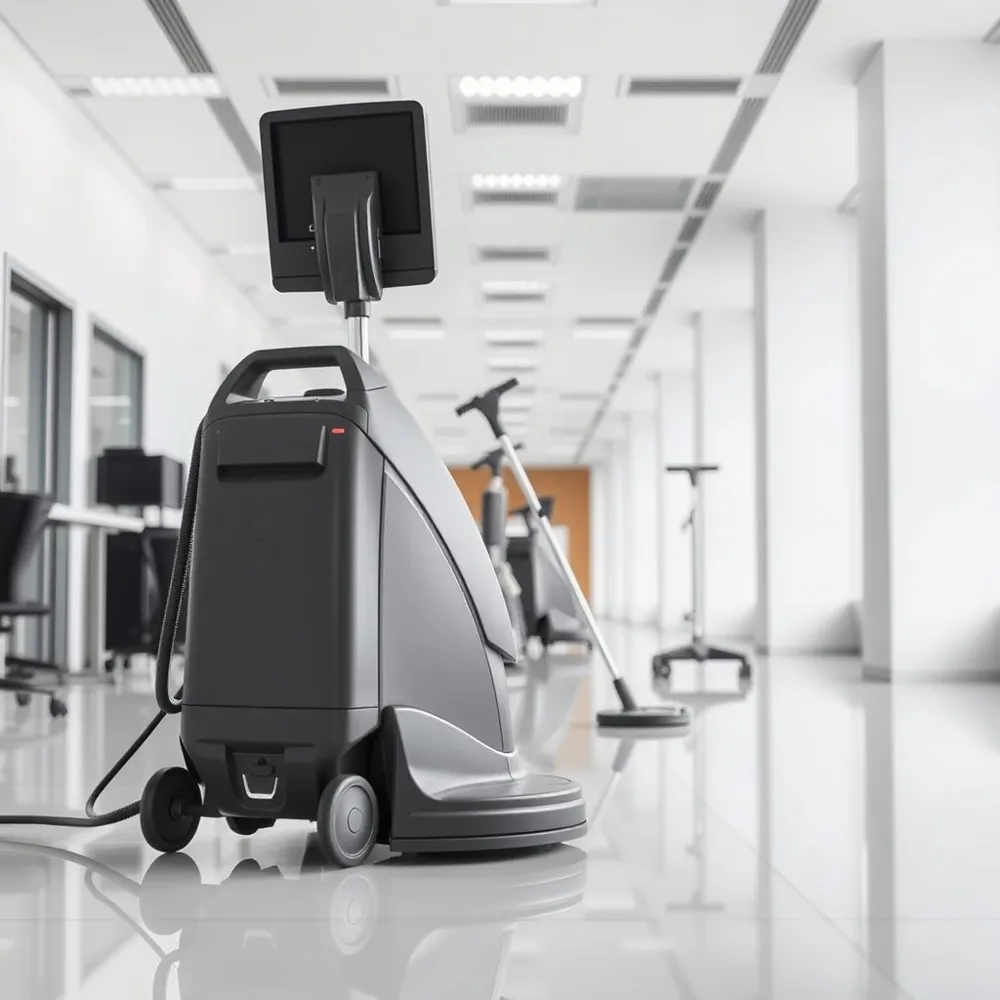
Using the right tools accelerates workflow and elevates quality. For instance, steam cleaners for stovetops save time and remove grime effectively. Microfiber cloths capture dust better and cause less irritation. Vacuum attachments reach hidden corners, while multipurpose cleaners reduce time wasted switching products. Such equipment ensures fast, thorough cleaning and supports maintaining high standards during quick turnovers. These details align well with advice on Cleaning Hacks for Rental Properties.
What is the 20/10 rule for cleaning?
The 20/10 rule is a smart time management technique useful for deep cleaning or regular upkeep. It involves working with complete focus for 20 minutes, then resting for 10 minutes. This cycle prevents fatigue and maintains motivation, allowing cleaning staff to sustain productivity without burnout. Applying this during turnovers helps handle demanding schedules without sacrificing quality, as highlighted in Apartment turnover cleaning checklist.
What is the 3:30 rule and why use it?
The 3:30 rule suggests cleaning for 30 minutes three times a day, totaling 90 minutes spread out. This frequent, manageable approach keeps the apartment tidy consistently, avoiding build-up that requires exhausting sessions. Spaced cleaning reduces stress, supports consistent maintenance, and ensures a fresher space for incoming tenants. This strategy fits well with the Apartment Cleaning Routine.
What is the 1% rule for cleaning?
The 1% rule encourages incorporating one small cleaning action daily — like wiping a countertop or organizing a drawer. Though minor, these efforts compound, creating a tidier, well-maintained living space. This habit also promotes mental well-being by fostering a sense of order and accomplishment, which is a key idea in Cleaning Tips for Apartments.
How do professional cleaning services contribute to efficiency?
Hiring professionals during apartment turnovers guarantees expert-level cleanliness in less time. Experienced teams use advanced equipment, know the best eco-friendly products, and follow proven workflows to deliver comprehensive results swiftly. This not only saves landlords time and effort but also enhances tenant satisfaction and supports quicker leasing. Consider exploring McGuire's Cleaning Service or insights on Professional apartment cleaning services.
How does workflow management maintain cleaning quality?
Managing cleaning workflows involves scheduling realistic workloads, limiting the number of units cleaned daily, and providing staff with proper tools. Inspecting completed units ensures quality control, catches issues early, and maintains standards. Clear communication with property managers streamlines operations, enabling smoother turnovers and fewer days vacant. For detailed strategies refer to Tips for cleaning apartment turnovers.
| Principle/Technique | Description | Benefit |
|---|---|---|
| Time Management | Using rules like 20/10 and 3:30 (Apartment turnover cleaning checklist) | Maintains energy and motivation |
| Proper Equipment Use | Steam cleaners, microfiber cloths | Improves thoroughness and speed |
| Attention to Detail | Cleaning overlooked spots | Ensures comprehensive results |
| Eco-Friendly Cleaning | Natural agents like vinegar, baking soda | Promotes health and sustainability |
| Professional Services | Expert teams for deep cleaning | Saves time, raises cleaning quality |
| Workflow Management | Scheduling, inspections, limiting work daily | Keeps quality consistent |
Cost Considerations and Value of Professional Turnover Cleaning Services
How much does it cost to clean a whole apartment?
Cleaning costs for an entire apartment depend on various factors, including the apartment size, cleanliness level, and service type. Typical professional cleaning rates range from $25 to $75 per hour. Regular maintenance cleanings, such as weekly or biweekly visits, usually cost between $50 and $175 per session, making ongoing upkeep affordable and manageable.
Deep cleaning services, which involve comprehensive tasks like cleaning appliances, walls, floors, and fixtures, typically cost up to $350 or more for larger or heavily soiled apartments. To get a tailored estimate, contacting a local cleaning service like Bravo Cleaning is advisable. They offer custom cleaning solutions designed to meet your specific apartment needs and budget.
What factors influence the cost of professional apartment cleaning services?
Several important factors affect cleaning service costs:
- Apartment size: Larger units require more time and materials, increasing expenses.
- Cleaning frequency: One-time, weekly, or monthly visits have different price structures; regular customers often receive discounts.
- Service type: Turnover cleaning, deep cleaning, or specialized carpet and appliance cleaning vary in complexity and cost.
- Location: Regional labor costs and accessibility influence pricing.
- Service provider: Reputation and equipment quality can affect pricing.
Understanding these elements helps property managers and landlords budget appropriately for quality cleaning services.
Benefits of hiring professional cleaning services like Bravo Cleaning
Professional services deliver thorough, reliable results by employing experienced staff, eco-friendly products, and specialized equipment. Bravo Cleaning, for instance, offers flexible scheduling, green cleaning options, and customized plans to suit different apartment turnover needs. Their attention to detail ensures apartments are spotless and well-maintained, helping preserve property value.
How does professional cleaning impact tenant satisfaction and property leasing speed?
Clean, well-prepared apartments create a positive first impression, crucial for tenant retention and attraction. Deep cleaning removes allergens, bacteria, and stains, promoting health and safety. Fast, quality turnovers enable quicker leasing cycles, reducing vacancy periods. Overall, professional turnover cleaning enhances tenant experience and increases the property's market appeal, contributing to higher investment returns.
Best Practices for Seamless Apartment Turn Cleaning Operations

Why Are Detailed Checklists and Documentation Important?
Creating and following detailed Apartment turnover cleaning checklist ensures consistent quality and thoroughness in every apartment turnover. They cover crucial areas like living spaces, kitchens, bathrooms, and floors, helping cleaning teams stay organized and focused. Additionally, thorough documentation—including Pre-move-out walkthroughs and records—supports damage assessments and clarifies responsibilities for tenant and landlord alike.
How Should Cleaning Supplies Be Prepared?
Effective turnover cleaning relies on proper preparation and stockpiling of supplies. Essential items include multipurpose cleaners, microfiber cloths, baking soda, vinegar, disinfectants, and specialized tools such as steam cleaners. Having these ready before cleaning begins minimizes downtime and promotes efficiency, enabling a swift and comprehensive cleaning process. For more guidance, see Cleaning Hacks for Rental Properties and Using Specific Cleaning Agents.
How Can Relationships With Property Managers Improve Operations?
Building strong partnerships with property managers and key personnel fosters smoother coordination and recurring business opportunities. Clear communication channels help manage expectations, streamline scheduling, and address any issues promptly to maintain high cleaning standards and tenant satisfaction. Related insights are shared in Tips for cleaning apartment turnovers and Cleaning Tips for Apartments.
What Are the Benefits of Post-Cleaning Inspection and Quality Control?
Inspecting cleaned units is vital to catch missed spots or maintenance needs early. Training trusted staff to conduct quality checks ensures units meet health and safety standards, reduces complaints, and protects the cleaning service’s reputation by upholding consistent excellence. This is further discussed under Inspection of cleaned apartments and Consistent cleaning quality.
Why Emphasize Health, Safety, and Eco-Friendly Methods?
Prioritizing health and safety reduces allergens, bacteria, and germs, creating healthier living environments for tenants. Using eco-friendly cleaning agents such as vinegar and baking soda, along with green cleaning equipment, protects both occupant health and the environment while maintaining rigorous sanitation standards. More details can be found in Eco-Friendly Bathroom Cleaning and Professional cleaning services for small apartments.
How Should Cleaning Schedules Be Managed?
Limiting the number of units cleaned per day helps maintain quality and prevents burnout among staff. Structured schedules that balance daily workloads allow for thorough cleaning without rushing, resulting in better tenant experiences and fewer complaints. Helpful tips are provided in Managing cleaning workflow and Regular cleaning schedule tips.
Maintaining Excellence in Apartment and Condominium Turn Cleaning
Maintaining Excellence in Apartment and Condominium Turn Cleaning
Apartment and condominium turnover cleaning demands thoroughness, attention to maintenance, and efficiency to attract new tenants and protect property value. Best practices include comprehensive top-to-bottom cleaning, covering kitchens, bathrooms, living spaces, floors, walls, and fixtures. Regular maintenance tasks like repairing appliances, patching walls, and changing locks are crucial to ensure safety and appeal.
Efficiency is enhanced by organized workflows, detailed checklists, and the right cleaning tools—such as steam cleaners and microfiber cloths. Maintaining cleanliness not only prevents future issues but also speeds up leasing by creating appealing, healthy environments.
For consistent high-quality results, leveraging professional cleaning services is encouraged. Professionals offer customized, eco-friendly solutions tailored for rapid turnovers, which ensures comprehensive cleaning, reduces tenant complaints, and protects landlord investments.
Recent articles