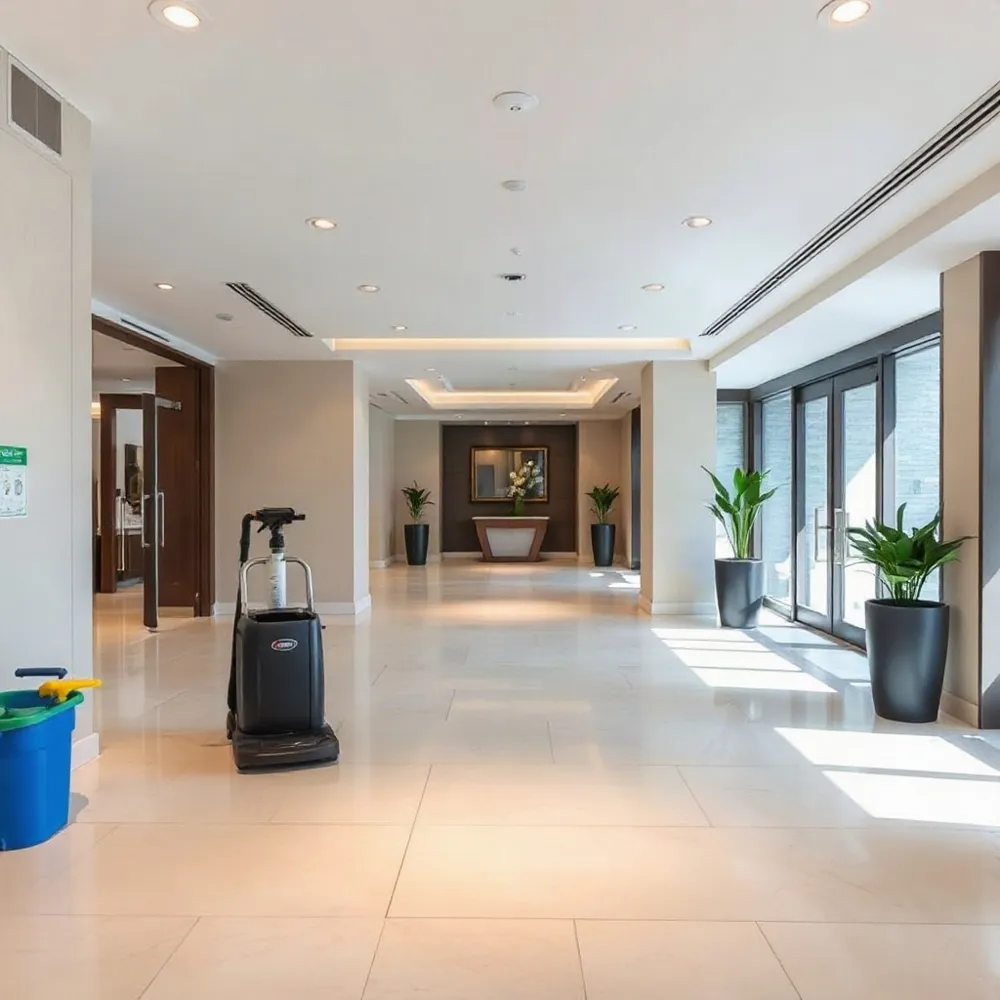
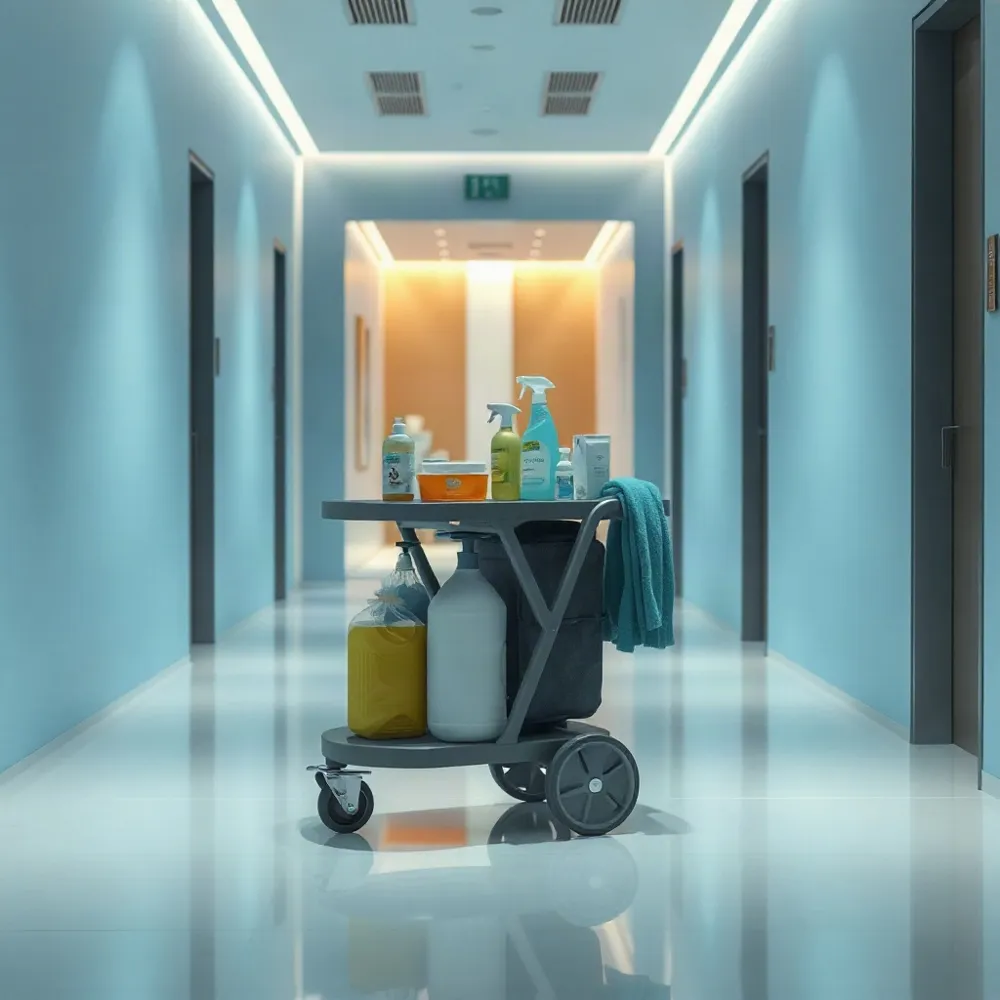
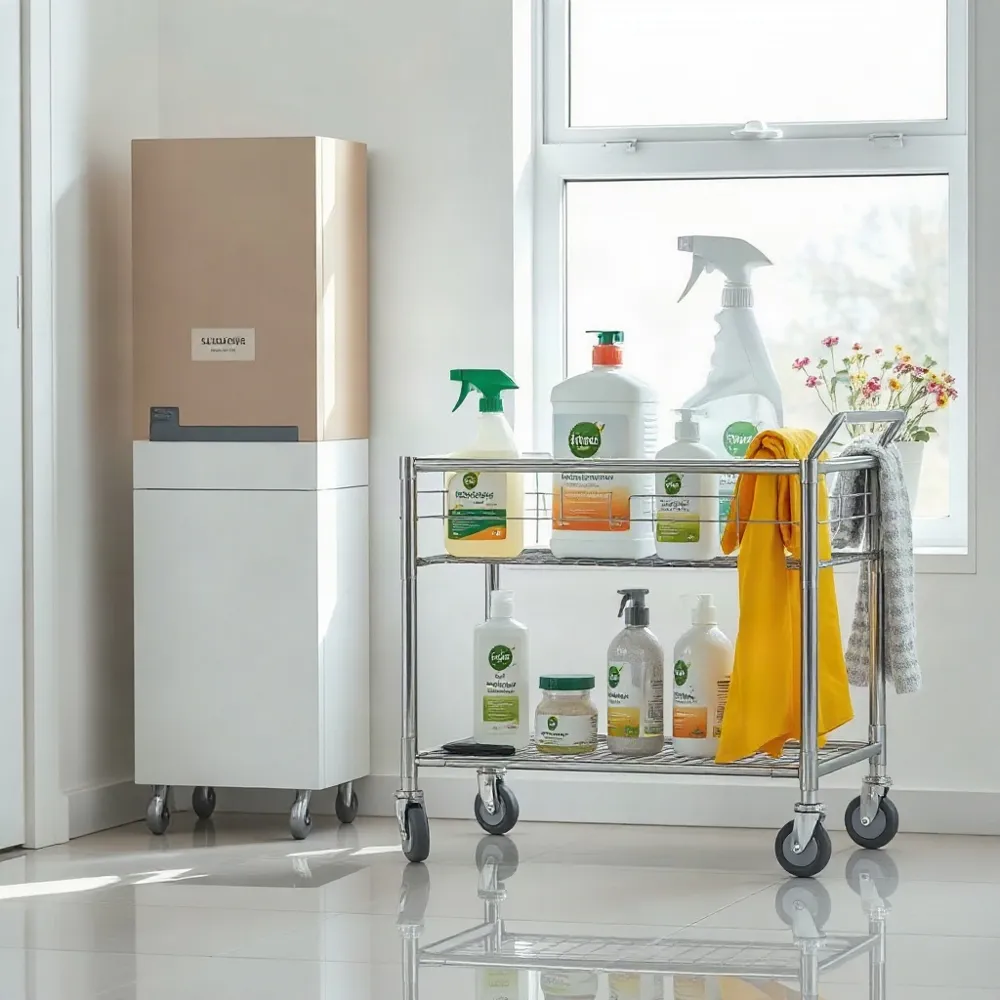
Dedicated Cleaning Teams: The Key to Consistent Cleanliness

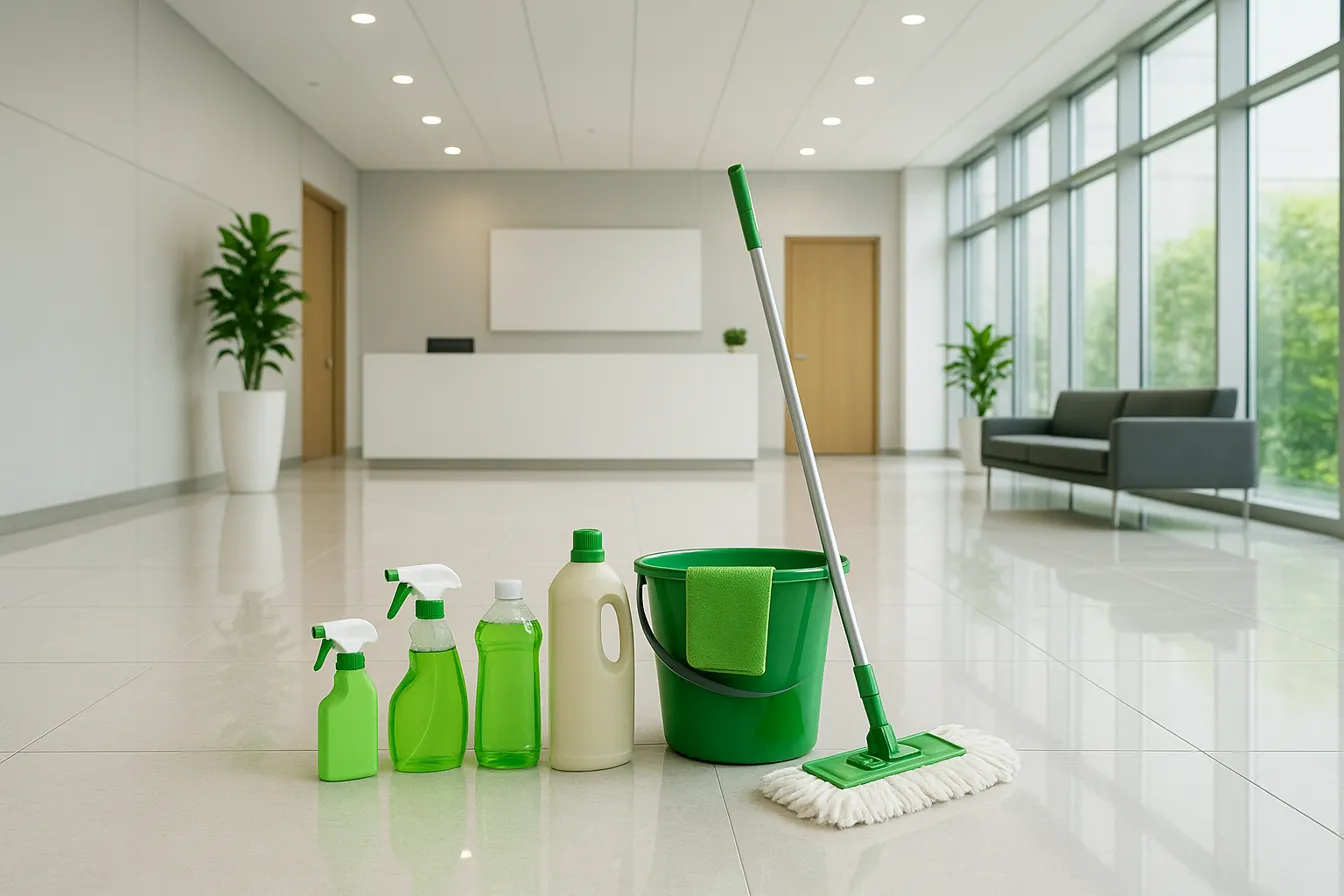
Introduction to the Importance of Dedicated Cleaning Teams
Overview of Cleaning Challenges in Commercial and Residential Settings
Maintaining cleanliness in both commercial and residential environments presents unique challenges. Commercial spaces such as office buildings, retail stores, and civic areas encounter high foot traffic and numerous high-touch surfaces, which require regular and thorough cleaning to prevent the spread of germs and maintain professional standards. Residential properties often demand personalized attention and flexible scheduling to meet the varying needs of homeowners or rental clients.
The Role of Dedicated Teams in Promoting Consistent Cleanliness
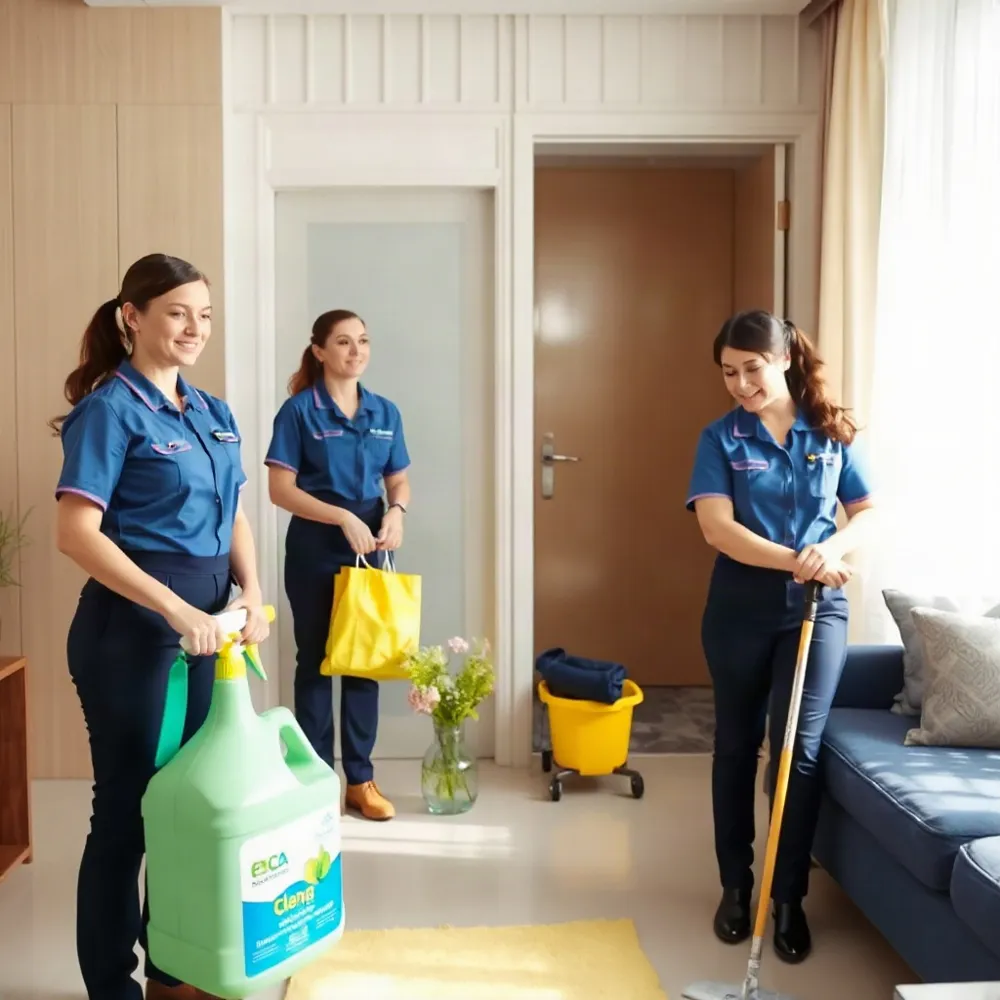
Dedicated cleaning teams bring focused expertise and accountability to these environments. By assigning specific cleaning responsibilities to trained personnel, organizations ensure that daily and weekly tasks — like sweeping, disinfecting, and product rotation — are consistently completed. Professionals use appropriate cleaning agents and techniques designed for specific areas and equipment, enhancing the longevity and hygiene of the facility. This consistency significantly reduces contamination risks and fosters a safe environment.
Connection Between Cleaning Teams and Operational Success
A dedicated cleaning team supports operational success by maintaining hygienic, organized, and welcoming spaces. In workplaces, this leads to improved employee morale, reduced illness-related absenteeism, and reinforced professionalism. For property managers and business owners, it streamlines maintenance efforts, reduces unexpected costs, and upholds a positive reputation. Ultimately, investing in expert cleaning teams reflects a commitment to quality, health, and customer satisfaction.
The Structure and Roles Within Dedicated Cleaning Teams
What are the four roles typically defined in team cleaning?
Team cleaning divides responsibilities among four specialized roles to maximize efficiency and thoroughness. The Collection Specialist handles dusting surfaces and removing trash, ensuring all common areas remain neat and free from clutter. The Vacuum Specialist focuses on carpets and hard floors, targeting high-traffic zones to maintain cleanliness and appearance. The Restroom Specialist attends to restroom cleaning and restocking supplies, crucial for hygiene and customer satisfaction. Lastly, the Utility Specialist takes charge of additional duties like lobby and spot cleaning, glass detailing, and floor mopping to enhance the overall environment.
How does role specialization enhance cleaning efficiency and thoroughness?
Specializing roles allows each team member to concentrate on specific tasks, which streamlines the process and reduces overlap. This focused approach results in more consistent cleaning quality since each specialist develops expertise in their area. It also speeds up turnaround times, as work is performed simultaneously rather than sequentially. With clear responsibilities, the team maintains high standards without compromising safety or thoroughness. For more insights, consider resources on Professional cleaning services and Assigning Cleaning Tasks to Employees.
What are the benefits of team cleaning methods such as improved safety and consistency?
Team cleaning offers practical advantages, including enhanced safety through mutual oversight, where team members watch out for hazards and ensure protective protocols. Consistency improves because the team can coordinate efforts and reconcile any discrepancies in cleaning standards. Efficiency gains lower labor time and increase productivity, which benefits both service providers and clients. Ultimately, team cleaning fosters a reliable, professional service environment essential for maintaining spotless commercial and residential spaces. Additional useful information is available on Reducing spread of germs in offices and General cleaning services.
Consistency Through Customized Cleaning Plans and Routines

What are the advantages of implementing a consistent cleaning routine?
Implementing a consistent cleaning routine offers significant benefits for maintaining both hygiene and mental well-being. Regularly scheduled cleaning reduces allergens and pathogens, creating a healthier environment that can help prevent illnesses and reduce allergy symptoms. This is particularly crucial in spaces where families live or employees work.
A well-maintained space also prevents the accumulation of dirt and grime, minimizing the need for labor-intensive deep cleaning sessions. Beyond health, a clean and organized environment promotes mental clarity, reduces stress, and fosters a positive atmosphere for all occupants.
How do customized cleaning plans enhance cleanliness?
Tailored cleaning plans designed to meet the unique needs of a business or residence ensure efficient and thorough upkeep. These plans consider factors such as the type of facility, traffic levels, and specific hygiene requirements. For instance, targeted use of appropriate cleaning products and specialized techniques for sensitive environments like foodservice areas or medical facilities can optimize sanitation.
Customization also allows for flexibility in scheduling and task prioritization, ensuring no critical areas are overlooked while aligning with operational hours to minimize disruption. For professional examples, see Customized cleaning plans.
What role do detailed checklists play in maintaining quality and accountability?
Detailed Daily and Weekly Cleaning Checklists are essential tools for standardizing cleaning tasks. They guide personnel through systematic processes including sweeping, mopping, disinfecting high-touch surfaces, and product rotation.
Assigning Cleaning Tasks to Employees through these checklists enhances employee accountability, motivating cleaner performance and fostering a safer, more productive workplace. Checklists also facilitate transparent inspections and help identify areas for improvement, delivering consistent quality results.
Why is consistency important for long-term maintenance and cost reduction?
Consistent cleaning and maintenance routines protect facility assets by preventing wear and damage caused by dirt and neglect. This proactive approach extends the lifespan of equipment, furniture, and flooring, reducing the frequency and expense of repairs or replacements.
Moreover, regular upkeep minimizes health-related absences and boosts overall morale, resulting in increased productivity and lower operational costs over time. Investing in Professional cleaning services that implement comprehensive and repeatable routines is a cost-effective strategy for sustainable cleanliness and facility management.
Training, Communication, and Technology: Enhancing Cleaning Effectiveness

How Does Employee Training Improve Cleaning and Food Safety?
Training employees in proper cleaning techniques and food safety protocols is essential for minimizing contamination risks and ensuring safe handling practices. Well-trained staff follow detailed Daily and Weekly Cleaning Checklists and understand the importance of focusing on high-touch surfaces. This structured training fosters accountability, boosts morale, and enhances overall cleaning productivity.
What Scientific Methods Validate Cleaning Thoroughness?
Using scientific validation tools like ATP testing for cleaning validation, which measures residual organic matter on surfaces, provides measurable proof of cleaning effectiveness. Additionally, Using fluorescent markers to confirm cleaning applied to surfaces can be detected with black lights to visually confirm thorough cleaning. These methods increase cleaning transparency and help identify areas needing improvement.
Why Is Transparent Communication Important in Cleaning Services?
Clear communication about cleaning procedures builds customer confidence by demonstrating commitment to hygiene and safety. Employee training in cleaning practices ensures patrons are informed about cleaning standards and reassured of the efforts to maintain a healthy environment.
Which Technological Advancements Are Shaping Modern Cleaning?
Innovations such as On-site disinfectant generation systems of electrochemically activated (ECA) disinfectants use natural ingredients like water and salt to produce effective, residue-free cleaning agents, reducing supply risks. Eco-friendly cleaning products with no strong fragrances promote healthier indoor air quality while maintaining efficacy against viruses and bacteria. These technologies support sustainable, efficient cleaning practices.
| Topic | Description | Benefit |
|---|---|---|
| Employee Training | Proper cleaning and food safety education | Reduces contamination risk and improves safety |
| Scientific Validation | ATP testing and fluorescent markers | Confirms cleaning efficacy and enhances trust |
| Transparent Communication | Informing customers about cleaning processes | Builds confidence and transparency |
| Technological Innovations | ECA disinfectants and eco-friendly products | Ensures effective, sustainable, and safe cleaning |
Environmental Considerations in Professional Cleaning Practices
What are the environmental impacts of cleaning agents?
Traditional cleaning agents often contain volatile organic compounds (VOCs) and other harmful chemicals that contribute to water and air pollution. These substances pose risks not only to local ecosystems but also to human health through contamination of water sources and deterioration of indoor air quality. This highlights a pressing need for change toward more sustainable practices.
Benefits of Green Cleaning and Eco-Friendly Products
Eco-friendly cleaning products use biodegradable, non-toxic ingredients that break down naturally, significantly reducing water contamination and chemical waste. Green cleaning methods and sustainability also emphasize conserving water and energy, further lowering the environmental footprint. Unscented products without toxic fragrances improve air quality by eliminating harmful residues and irritants common in conventional cleaners.
Integration of Efficient Equipment
Modern professional cleaning services employ equipment designed specifically for energy efficiency and reduced emissions. Utilizing technologies like HEPA filtration benefits improves indoor air quality by removing allergens and pathogens. Furthermore, on-site disinfectant generation systems for disinfectants, such as electrochemically activated (ECA) solutions, prevent supply chain disruptions and avoid leaving harmful residues.
Supporting Community Health and Sustainability
Partnering with professional green cleaning providers ensures cleaning practices benefit both environmental sustainability and public health. These services support community well-being by minimizing harmful chemical exposure, promoting cleaner indoor and outdoor environments. Companies like MaidPro St. Petersburg cleaning services and SERVPRO cleaning and restoration emphasize eco-friendly products and training, aligning cleaning operations with broader sustainability goals.
| Aspect | Traditional Methods | Green Cleaning Practices |
|---|---|---|
| Chemical Composition | Contains VOCs and toxic substances | Biodegradable, non-toxic, unscented |
| Environmental Impact | Contributes to water and air pollution | Reduces contamination and chemical waste |
| Equipment Used | Standard machinery with higher emissions | Energy-efficient, HEPA filters, ECA systems |
| Health Benefits | Potential indoor air quality degradation | Enhances air quality and reduces irritants |
| Community & Sustainability | Limited focus | Supports public health and environmental goals |
Dedicated Cleaning Teams and Workplace Health: Reducing Illness and Absenteeism
How Does Professional Cleaning Help Reduce the Spread of Germs and Bacteria?
Professional cleaning services play a vital role in minimizing the spread of harmful germs and bacteria within workplace environments. By employing thorough sanitation protocols, these services eliminate contaminants that can cause infections. Cleaning goes beyond mere dirt removal; it involves disinfection practices that kill microorganisms, thereby significantly lowering health risks.
Why Is Focus on High-Touch Surfaces Important in Infection Control?
High-touch surfaces such as door handles, light switches, elevator buttons, shared office equipment, and break room appliances serve as common vectors for pathogen transmission. Cleaning high-touch surfaces and disinfection of these areas are crucial to disrupt the chain of infection. Professional teams prioritize these surfaces to provide effective infection control and promote a safer workplace.
How Does Professional Cleaning Impact Employee Illness-Related Absences?
Consistent professional cleaning services directly contributes to reduced illness-related absenteeism by creating a hygienic environment that limits the spread of colds, flu, and other contagious diseases. The CDC notes that adults experience multiple colds annually, which can lower productivity. A cleaner workplace fosters better health, supporting employee presence and performance.
What Benefits Do HEPA Filtration and Indoor Air Quality Improvements Provide?
Professional commercial cleaning often incorporates HEPA filtration benefits, which removes allergens, dust particles, and pathogens from indoor air. Improved air quality enhances respiratory health, reduces allergy triggers, and supports overall wellness. This clean air environment complements surface sanitation efforts to maintain a comprehensive approach to workplace hygiene.
Through dedicated cleaning teams using specialized techniques and equipment, businesses not only uphold high cleanliness standards but also protect their workforce from common illnesses. The result is a healthier, more productive workplace with decreased absenteeism and strengthened employee well-being.
Promoting Cleanliness: Employer Strategies and Culture

How can employers remind staff to maintain cleanliness in the workplace?
Employers can effectively remind staff to maintain cleanliness by placing visual cues such as signs and posters in common areas like break rooms, restrooms, and hallways. These gentle reminders help keep the importance of cleanliness top of mind throughout the workday.
Fostering a culture of accountability and shared responsibility
Creating a workplace culture where each employee understands that their actions directly affect the entire team encourages accountability. Emphasizing that one person’s mess impacts everyone reinforces the importance of communal efforts to keep spaces clean and organized. Employers can support this by assigning cleaning tasks to employees or encouraging team-based cleaning initiatives.
Advantages of combining professional cleaning with employee engagement
Partnering with professional cleaning services ensures the workplace meets high hygiene standards consistently, while employees focus on their primary duties. This combination reduces sickness-related absences and improves overall productivity. Professional cleaners bring expertise in cleaning high-touch surfaces and implementing eco-friendly methods.
Communicating benefits of cleanliness to maintain staff motivation
Regularly informing employees about the health, safety, and professional advantages of a clean environment helps maintain motivation. Discussing how a tidy workspace reduces the spread of germs, enhances workplace safety, and creates a positive impression on clients can foster pride and commitment among staff members.
| Strategies | Purpose | Benefits |
|---|---|---|
| Visual reminders | Reinforce hygiene awareness | Constant, gentle prompts for staff |
| Culture of accountability | Encourage shared responsibility | Fosters teamwork and ownership |
| Professional cleaning services | Maintain consistent high cleanliness | Reduces absenteeism and enhances health |
| Communication of benefits | Boost employee motivation | Sustains positive cleaning habits |
Economic Value and Client Acquisition for Dedicated Cleaning Teams

How much should commercial cleaning services charge per square foot?
Commercial cleaning services typically charge between $0.07 and $0.20 per square foot. Rates vary depending on factors such as the size and complexity of the facility, industry type, and the required cleanliness level. Specialized environments like healthcare or food services usually incur higher rates due to more stringent cleaning protocols. For a comprehensive range of General cleaning services, including janitorial and restorative cleaning tailored to various industries, see SERVPRO's offerings.
Hourly rates may range from $30 to $75 based on the scope of work. Larger facilities or those needing intensive cleaning often demand more resources, influencing overall pricing.
What are effective ways to find clients for a residential cleaning business?
Growing a residential cleaning clientele requires a multifaceted marketing approach:
- Develop a professional website optimized for local search queries.
- Maintain active Google Business listings to increase local visibility.
- Encourage client reviews to build trust and reputation.
- Participate in community groups and local events to generate referrals.
- Establish partnerships with real estate agents and property managers for consistent business opportunities.
For expert insights on MaidPro St. Petersburg cleaning services, including customized house cleaning solutions and eco-friendly products ideal for residential clients, explore their professional home cleaning models.
Long-term cost savings from professional and consistent cleaning
Investing in Professional cleaning services provides ongoing savings by reducing maintenance costs and extending the life of property assets. Regular cleaning minimizes wear and tear on flooring, HVAC systems, and fixtures, lowering replacement and repair expenses.
Consistent cleaning also curbs allergen buildup and bacterial growth, reducing employee sick days and improving productivity. The financial benefits of a healthier, well-maintained environment support both short- and long-term business goals. Learn how Reducing illness-related absenteeism is a direct advantage of routine professional cleaning.
Importance of quality and reliability alongside pricing choices
While cost is a significant consideration, choosing cleaning providers with proven quality and reliability guarantees better outcomes. Well-trained, certified cleaning teams ensure thorough sanitation, compliance with industry standards, and safer environments. For strategies on Assigning Cleaning Tasks to Employees and maintaining service quality, refer to key resources on Maintaining Cleanliness in Convenience Stores.
Investing slightly more in trusted services helps avoid costly issues related to inadequate cleaning, such as customer dissatisfaction or regulatory penalties. Combining competitive pricing with consistent service excellence offers the best overall value for commercial and residential clients.
The Wider Impact: Community and Civic Benefits of Professional Cleaning Teams

Role of cleaning in maintaining public and civic spaces
Professional cleaning teams are vital in preserving hygiene in public arenas like transportation hubs, shopping centers, and parks. Using Eco-friendly cleaning products and sanitizers, these services eliminate harmful germs and bacteria from high-touch surfaces such as handrails, doorknobs, and elevator buttons. This systematic approach helps reduce the risk of disease transmission, ensuring safer environments for all community members.
Community engagement through cleaning initiatives and educational campaigns
Beyond routine maintenance, professional cleaning organizations often participate in and sponsor Volunteer clean-up campaigns. These initiatives engage local residents, fostering a collective sense of responsibility and pride in maintaining clean public spaces. Educational campaigns on cleanliness further empower communities by promoting awareness about hygiene practices and environmental stewardship.
Future trends such as robotic cleaners and smart maintenance technologies
Looking ahead, cleaning in civic spaces is becoming more efficient and sustainable through innovation. Robotic cleaners for maintenance paired with Sensor integration for cleaning offer continuous, automated upkeep that optimizes resource usage and timing. Additionally, the adoption of Biodegradable cleaning products and Water-saving cleaning techniques aligns with environmental sustainability goals, ensuring that cleanliness does not come at the ecosystem's expense.
How clean public spaces promote health and community pride
Cleanliness in public spaces directly enhances public health by minimizing exposure to pathogens, thereby reducing illness spread. Moreover, well-maintained civic areas cultivate community pride and a stronger sense of ownership among residents. This positively influences social cohesion and encourages ongoing participation in keeping communities clean and welcoming.
Conclusion: Why Dedicated Cleaning Teams Are Essential for Sustained Cleanliness
Comprehensive Benefits of Dedicated Cleaning Teams
Having dedicated cleaning teams provides numerous advantages for businesses and communities alike. These teams ensure consistent cleanliness by following tailored cleaning plans that meet the specific needs of each facility. Their expertise and specialization maintain high health standards, reduce contamination risks, and improve indoor air quality through methods like HEPA filtration and advanced disinfection.
Positive Impact on Health, Environment, Economy, and Community
Professional cleaners contribute to a healthier workplace by lowering illness-related absences and controlling the spread of germs through thorough sanitization of high-touch areas. Environmentally friendly cleaning products and sustainable practices contribute to eco-friendly maintenance, reducing toxic residues and water waste. Economically, investing in expert cleaning reduces long-term maintenance costs and boosts employee productivity by creating safe and inviting environments. Additionally, community engagement through professional cleaning initiatives helps sustain public spaces, promoting pride and well-being.
Encouraging Investment in Professional Cleaning Teams
Businesses aiming for sustained, reliable cleanliness should prioritize investing in professional cleaning teams. Contracting experienced, well-trained staff ensures a pristine environment that reflects professionalism and care for occupants’ health. This strategic choice eases internal management burdens while providing peace of mind that sanitation protocols are rigorously followed, ultimately enhancing reputation and operational success.
Recent articles