Measuring Client Satisfaction to Improve Cleaning Quality


Introduction to Measuring Client Satisfaction in Cleaning Services
The Importance of Client Satisfaction in the Cleaning Industry
Client satisfaction serves as a fundamental indicator of success for cleaning businesses. High satisfaction levels correlate directly with improved client retention, stronger loyalty, and enhanced reputation – all crucial for securing and renewing contracts in a competitive market. Regular measurement through structured surveys and feedback mechanisms provides valuable insights into service quality and client expectations, fostering continuous improvement.
Overview of Cleaning Services Typically Offered
Cleaning services encompass a broad range of offerings tailored to diverse commercial and residential needs. Common services include routine janitorial work, deep cleaning, specialized kitchen sanitation, and tailored solutions to meet facility-specific requirements. Comprehensive services ensure clients receive thorough cleaning aligned with regulatory and health standards.
Role of Local Expertise and Eco-Friendly Practices
Local expertise empowers cleaning providers to understand the unique needs of their community and facility types, enabling customized, effective service delivery. Incorporating eco-friendly methods and sustainable cleaning materials not only meets growing client demand but also aligns with environmental responsibility goals. These practices enhance satisfaction by promoting healthier environments and demonstrating commitment to sustainability.
Understanding Client Satisfaction and Its Impact on Cleaning Quality
What is Client Satisfaction and Why is It Important?
Client satisfaction refers to how well cleaning services meet or exceed customer expectations. It plays a crucial role as a measure of service quality and influences business success through customer retention and reputation. Satisfied clients are more likely to continue using services and recommend them, fostering long-term partnerships. For more on Customer satisfaction in cleaning services and its impact, see this resource.
How Does Client Satisfaction Affect Cleaning Service Quality?
In both residential and commercial cleaning, higher client satisfaction results in consistent adherence to Cleaning Standards Guidelines and responsiveness to customer needs. It drives service providers to maintain hygiene, use appropriate cleaning methods, and address specific property requirements—be it Turnover cleaning for residential units or specialized carpet and window care for commercial spaces. For insights on maintaining Quality Control in Cleaning, explore this link.
Measuring Client Satisfaction Through Surveys and Feedback
Effective measurement involves multiple approaches such as customer satisfaction surveys, feedback loops, and real-time customer feedback systems. These tools collect valuable insights from end-users and facility workers, enabling rapid issue resolution and guiding continuous improvements. Employing digital tools enhances data collection and analysis, supporting transparent communication and quality assurance. For details on Customer feedback in cleaning industry and Real-Time Feedback in Cleaning Service, refer to these pages.
Types of Cleaning Services Offered
Professional cleaning companies provide a comprehensive suite of services tailored to both residential and commercial clients. This includes general cleaning (dusting, vacuuming, mopping, bathroom and kitchen sanitization), Turnover cleaning for residences preparing for new occupants, and specialized services such as carpet maintenance, window cleaning, and floor care for commercial properties. Customized solutions often integrate eco-friendly options and deep cleaning to suit individual property needs. Learn about Additional services in cleaning and Customized cleaning plans for facilities for further reading.
Leveraging Customer Feedback Systems for Continuous Improvement

Effective feedback channels in cleaning services
Effective Customer feedback in cleaning industry systems in cleaning services incorporate multiple channels to gather comprehensive insights. Common methods include Online surveys for customers, Email inquiries for feedback, Feedback forms, Phone calls for customer feedback, and In-person feedback interactions. This multi-channel approach ensures accessibility for all client types and helps collect diverse opinions on service quality.
Real-time feedback tools and analytics
Real-time feedback tools, such as Smiley face feedback devices and mobile feedback devices, capture customer impressions immediately after the service. These systems provide instant data on service performance by identifying issues like missed areas or cleanliness concerns before they escalate. Analytics dashboards for customer satisfaction process this data, revealing patterns and highlighting recurring hotspots to improve resource allocation and staff training.
Using feedback data to drive quality control and address issues promptly
Collected feedback is integrated into Continuous improvement strategies in cleaning services involving regular review and implementation of Corrective actions from feedback. Quick response to customer concerns demonstrates commitment to service excellence, preventing minor issues from developing into major client dissatisfaction. Real-time alerts enable proactive communication to resolve problems swiftly, maintaining high cleaning standards and supporting contract renewals.
Incentivizing and encouraging customer participation
Encouraging customer participation enhances feedback quality and quantity. Incentives such as discounts or rewards are effective in motivating clients to provide constructive input. Transparent communication regarding how Customer feedback in cleaning industry influences service improvements builds trust and fosters stronger client relationships, which is essential for long-term retention and reputation management.
Key Performance Indicators (KPIs) to Measure and Enhance Satisfaction

How do Client Retention Rate and Churn Rate indicate satisfaction?
Client Retention Rate measures the percentage of customers who continue using cleaning services over time, reflecting how well the service meets client expectations. A high retention rate signals strong satisfaction, while a high Churn Rate indicates potential issues or dissatisfaction that need addressing to prevent losing clients.
What is the effect of employee turnover rate on service consistency?
Employee turnover rate impacts the continuity and quality of cleaning services by influencing staff stability and morale. High turnover can disrupt service consistency and increase recruitment costs. Tracking this KPI helps managers implement strategies to improve staff retention, boosting overall service reliability.
How do Client Acquisition Cost and Operating Efficiency metrics relate to satisfaction?
Client Acquisition Cost evaluates the efficiency of marketing and sales efforts in attracting new customers. Lower costs often mean streamlined processes and better-targeted campaigns, contributing to sustainable growth. Operating Efficiency metrics, such as revenue per employee, ensure resources are optimized to maintain service quality without unnecessary expenses, which benefits customer satisfaction.
How does end-user satisfaction influence contract renewals?
End-user satisfaction directly affects contract renewals by shaping the client’s perception of service quality, safety, and responsiveness. Gathering real-time feedback through agile surveys and digital tools enables proactive issue resolution, fostering trust and loyalty. High satisfaction scores are crucial for retaining contracts and supporting long-term business growth. For more on this, see End-User Satisfaction in Cleaning KPIs.
| KPI | What It Measures | Impact on Cleaning Service |
|---|---|---|
| Client Retention Rate | Customer loyalty and repeat usage | Indicates service quality and customer contentment |
| Churn Rate | Client loss percentage | Highlights potential service problems and satisfaction gaps |
| Employee Turnover Rate | Staff stability and morale | Affects consistency and quality of service delivery |
| Client Acquisition Cost | Efficiency of gaining new clients | Influences marketing ROI and service scalability |
| Operating Efficiency | Resource utilization and productivity | Supports consistent quality and cost-effective operations |
| End-User Satisfaction | User perception of service quality | Drives contract renewals and long-term client relationships |
Implementing Quality Control and Industry Standards to Support Satisfaction

Why Are Cleaning Standards and Audits Crucial?
Cleaning standards define the expected level of cleanliness, hygiene, and maintenance that ensures health and safety compliance. Regular audits and inspections verify adherence to these standards, helping identify areas for improvement and preventing quality lapses that may reduce customer satisfaction. For more on maintaining high standards, see Tips for High Cleaning Standards and Quality Control in Janitorial Services.
Which Industry Benchmarks Guide Cleaning Quality?
Several recognized standards provide frameworks for maintaining excellence in cleaning services. These include ISSA CIMS Standards, which focuses on comprehensive management and quality; GBAC STAR Certification for infection control; APPA Cleaning Standards for educational facilities; and ISO Cleaning Standards emphasizing consistency and sustainability.
How Do Digital Tools Enhance Quality Control?
Modern digital inspection platforms like GoAudits Cleaning Software allow real-time monitoring of cleaning processes through customizable checklists, scoring systems, and instant reporting. These tools improve audit consistency, empower prompt corrective actions, and support transparent communication with clients, thereby fostering trust. Additional insights on Janitorial inspection best practices also highlight benefits of digital inspection tools.
What Role Does Training and Labor Collaboration Play?
Regular training ensures cleaning staff understand and implement standards accurately. Strong collaboration between management and labor promotes consistent service delivery and morale, reducing variability in quality. Together, these elements underpin a reliable cleaning program that directly enhances customer satisfaction in cleaning services and contract retention. Learn practical approaches in How to Train Cleaners and Quality Control in Janitorial Services. For deep insights into Customer satisfaction in cleaning services and its impact on retention, see related resources.
Eco-Friendly Practices and Their Role in Client Satisfaction
How do eco-friendly practices impact professional cleaning services?
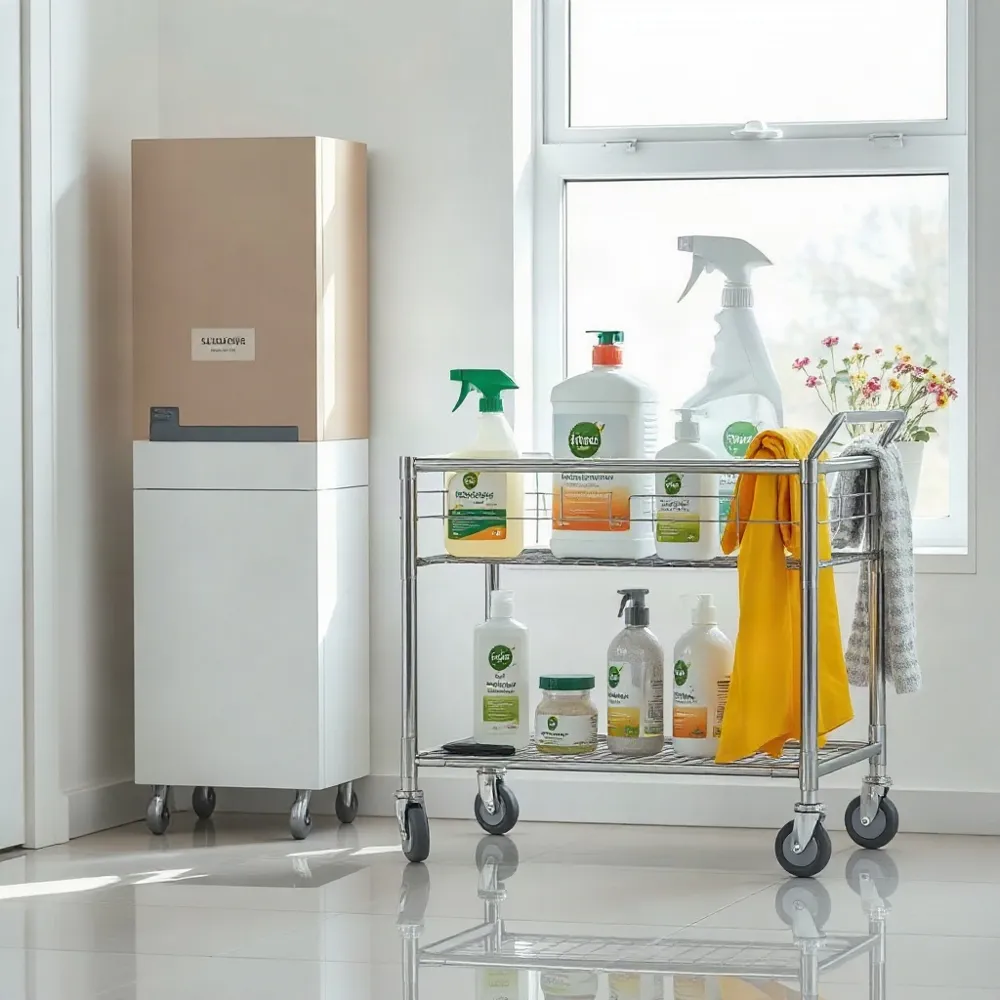
Eco-friendly practices in professional cleaning significantly enhance indoor air quality and overall health by utilizing environmentally preferable products, microfiber materials, and vacuums equipped with HEPA or ULPA filters that efficiently reduce airborne pollutants. These methods minimize chemical exposure, ensuring safer environments for clients and cleaning staff alike.
The benefits extend beyond health improvements. Sustainable cleaning techniques involve reducing waste, conserving water and energy, and employing reusable or biodegradable tools. This commitment aligns with green building standards and sustainability goals, which bolsters client trust and loyalty. For more on sustainability in cleaning, see Key Performance Indicators for Cleaning.
Examples of eco-friendly tools include microfiber cloths and mops that trap more dirt and bacteria than traditional materials while reducing cross-contamination and chemical usage. Lightweight, energy-efficient vacuum cleaners with advanced filtration also contribute to overall environmental quality. Learn practical tips such as using microfiber materials for cleaning.
By adopting these practices within tailored and continuously managed cleaning programs, cleaning companies demonstrate environmental responsibility. This enhances their reputation and helps build long-term customer satisfaction and business growth. For insights into building reputation through client experience, see Value of Customer Experience in Commercial Cleaning.
The Critical Role of Local Expertise, Turnover Cleaning, and Staff Engagement

What are the benefits of hiring a locally owned cleaning company with experienced staff?
Hiring a locally owned cleaning company with experienced staff brings several advantages, particularly for property management and business clients. Local companies provide personalized and reliable service tailored to the unique needs of the community. Their experienced professionals perform thorough deep cleaning beyond routine maintenance, effectively removing stubborn dirt, stains, and allergens. This expertise significantly improves indoor air quality and cleaning, contributing to a healthier environment.
Additionally, professional cleaners use advanced tools and efficient cleaning techniques, such as using microfiber materials for cleaning and digital monitoring systems, ensuring quality and consistency. Outsourcing cleaning to local experts saves valuable time and equipment costs for property owners, while also supporting local business growth and community stability.
What is turnover cleaning and why is it important in property management?
Turnover cleaning is an intensive cleaning process conducted between tenant changes or before a new tenant moves in. Its purpose is to thoroughly sanitize and prepare the property to look spotless and inviting. This process is crucial in property management as it creates a positive first impression that helps attract prospective tenants or buyers.
Efficient turnover cleaning reduces vacancy periods by enabling faster tenant transitions, thus maximizing rental income opportunities. It also ensures adherence to health and safety standards, which is vital for tenant well-being and satisfaction. Regular turnover cleaning maintains the property's condition and value, supporting long-term investment goals.
How do staff training and feedback enhance client satisfaction?
Effective staff training and continuous feedback systems play a vital role in enhancing client satisfaction. By setting clear performance expectations and focusing on constructive feedback benefits, cleaning companies improve employee productivity and service quality. Engaged employees who receive regular, respectful communication are more motivated and better equipped to meet client needs.
Integrated feedback mechanisms, including real-time surveys, allow swift identification and resolution of service issues, fostering transparency and trust. Data-driven adjustments based on client and staff input lead to continuous improvements and increased customer loyalty.
The human element: empathy and responsiveness in service delivery
Empathy from cleaning staff significantly influences client perceptions of service quality. Responsive and caring personnel can mitigate minor errors and build strong human connections, which enhances client trust and satisfaction.
Providing prompt responses to feedback and proactively addressing concerns demonstrate the company's commitment to excellence. This personalized approach helps retain clients and promotes a positive reputation within the industry with the help of Customer feedback in cleaning industry.
Conclusion: Integrating Client Satisfaction Metrics to Drive Cleaning Service Excellence
Measuring client satisfaction is essential for maintaining and enhancing cleaning service quality. It provides a clear view of customer expectations and highlights areas needing improvement.
By leveraging data-driven feedback tools and key performance indicators, cleaning companies can promptly address issues, refine processes, and tailor services to client needs. This proactive approach fosters loyalty and supports contract renewals.
Balancing rigorous cleaning standards, sustainability initiatives, and localized expertise ensures comprehensive service excellence that meets evolving client demands and regulatory requirements.
Recent articles