Adapting Cleaning Schedules to Meet Changing Needs

Why Evolving Cleaning Schedules Are Essential for Modern Living and Workspaces
Importance of Adaptable Cleaning Routines
Cleaning needs shift with lifestyle, household changes, and business operations. Adaptable routines ensure cleanliness aligns with current activity levels, preventing buildup and maintaining health standards effectively.
Benefits of Customized Cleaning Schedules
Tailored schedules consider unique household or business demands, allowing for efficient labor distribution, flexibility, and stress reduction. They support sustained hygiene by balancing daily, weekly, and seasonal tasks and incorporating deep cleaning as needed.
Overview of Factors Influencing Cleaning Needs
Key influences include household size, foot traffic, industry standards, and environmental conditions. For businesses, factors like operational hours and regulatory guidelines shape cleaning frequency and methods. Flexibility to revisit and revise schedules keeps maintenance aligned with evolving requirements.
Crafting Cleaning Routines That Reflect Household and Life Changes

How can cleaning schedules be tailored to accommodate changing household needs?
Customizable Cleaning Schedule begin with a thorough inventory of Cleaning Tasks by Room. This approach helps in selecting cleaning activities and determining their Cleaning Frequency based on the household’s level of activity and changing needs. Monthly Cleaning Reevaluation is crucial to adjust timings, chore distribution, and task priorities, accommodating life changes such as new family members or seasonal cleaning tasks behavior shifts.
Including seasonal cleaning tasks—such as maintaining Outdoor Furniture Cleaning in the summer or organizing storage in the fall—ensures that the Cleaning Routine remains dynamic and responsive to real-world demands throughout the year.
What strategies improve adherence to a cleaning routine?
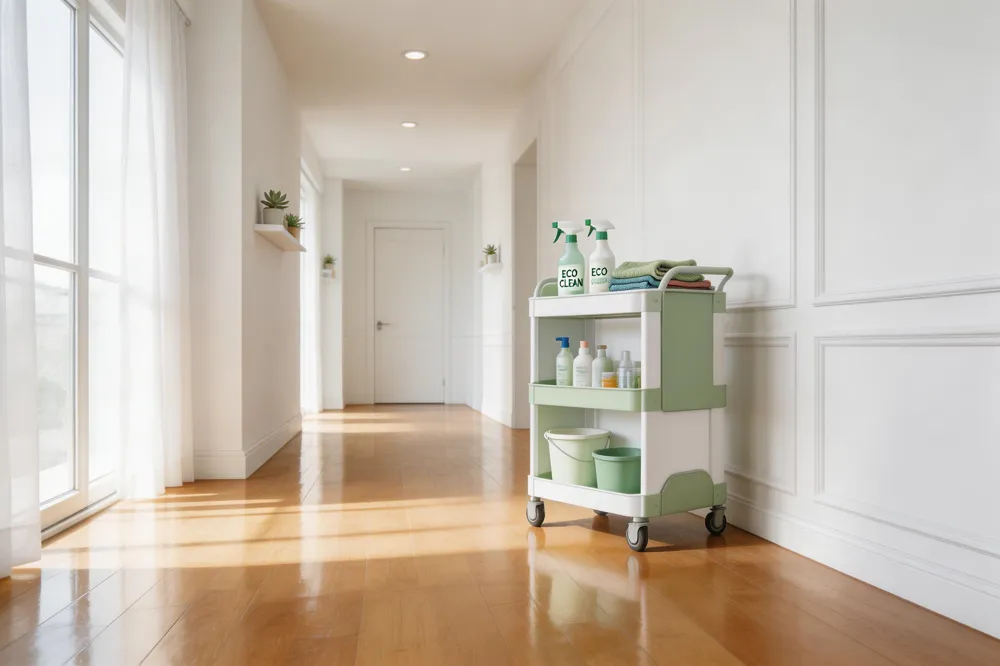
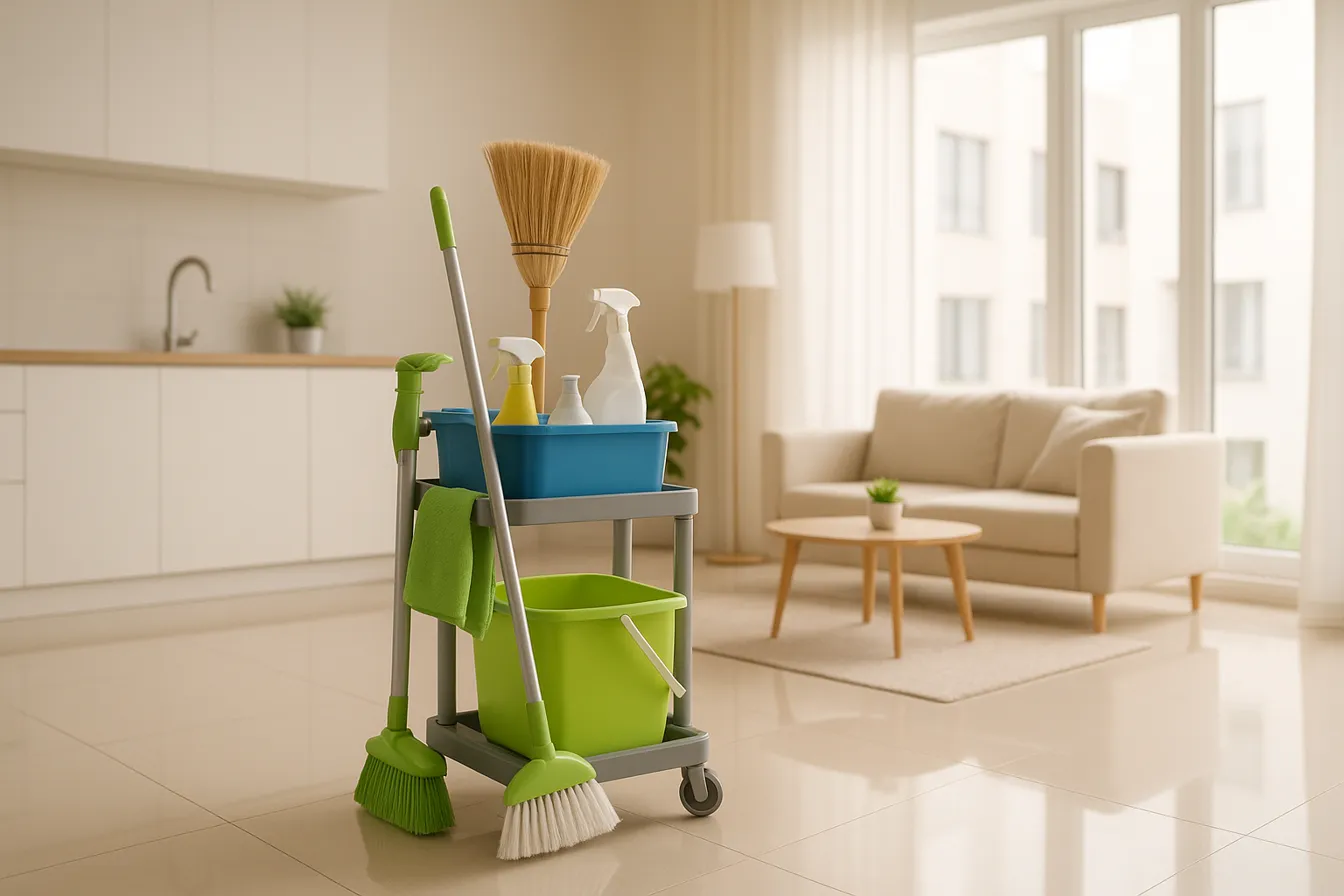
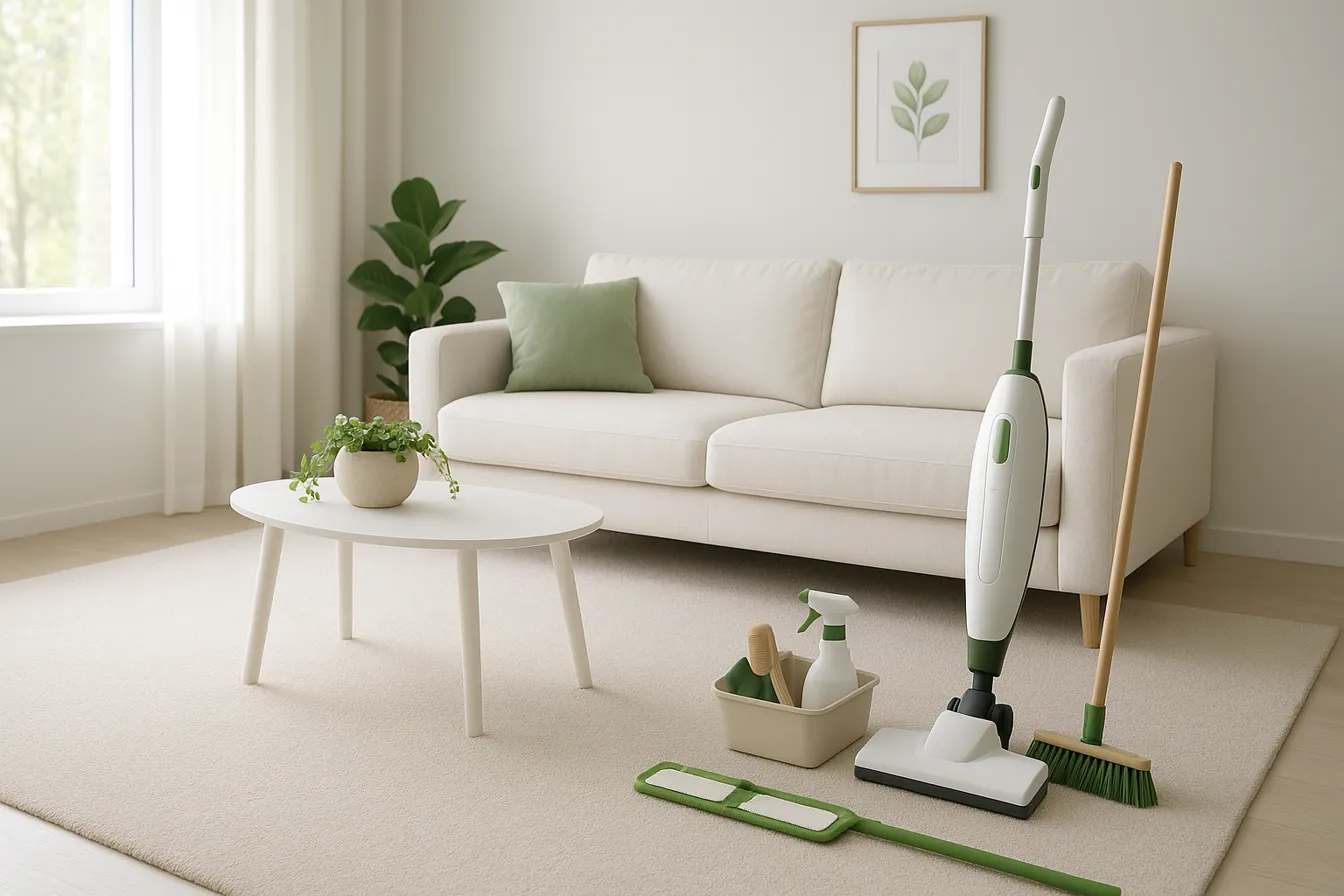
Adherence to House Cleaning Schedule is enhanced by using practical strategies. Carrying a Cleaning Caddy helps keep all necessary supplies within reach, making it easier to tackle tasks regularly. Setting realistic, manageable daily or weekly cleaning goals prevents the routine from becoming overwhelming.
Additionally, regular Decluttering for Cleaning streamlines cleaning efforts and maintains an orderly environment, motivating household members to continue following the plan. These strategies together promote consistent effort and reduce stress around household cleaning responsibilities.
Balancing Work and Home Life: Cleaning Schedules for Busy Families

How can busy parents develop effective cleaning schedules?
Busy parents can implement flexible cleaning schedules by assigning specific tasks to different days of the week, ensuring manageable daily workloads. For example, kitchens can be cleaned on Mondays, living rooms on Tuesdays, bedrooms and closets on Wednesdays, bathrooms on Thursdays, floors and entryways on Fridays, laundry on Saturdays, and a reset day on Sundays. Monthly deep-cleaning checklist sessions focus on baseboards, windows, and appliances, preventing buildup and maintaining hygiene.
Time-conscious cleaning plans
Adopting time-conscious cleaning routines enables busy families to clean efficiently without overwhelming schedules. Techniques such as using timers for cleaning efficiency, choosing times of peak energy, and creating cleaning zones help streamline chores. Carrying a cleaning caddy aids in multitasking between rooms, allowing small tasks to be completed between scheduled cleaning days.
Weekly and monthly task distribution
Daily and weekly cleaning tackle regular upkeep—dishes, tidying, dusting, and surface sanitation—while monthly cleaning maintenance tasks serve deeper cleaning needs like scrubbing grout, appliance maintenance, and vacuuming hard-to-reach areas. This distribution balances thoroughness with time constraints, making cleaning less disruptive to family life.
Family involvement in cleaning
Sharing chores across all family members reduces stress and cultivates respect for household cleanliness. Assigning age-appropriate tasks and fostering teamwork during cleaning can transform maintenance into a collective responsibility. Building a routine where everyone participates encourages regular upkeep and lightens the load for parents, reflecting ideas from delegated cleaning tasks for stress reduction.
Professional cleaning as backup
When time or energy wanes, professional cleaning services for busy families offer crucial support. These services are adaptable, providing one-time deep cleans or recurring maintenance using professional-grade supplies. This backup ensures homes remain healthy and comfortable, even during demanding periods.
This balanced approach to cleaning schedules helps busy families maintain clean homes while respecting their limited time and energy, ensuring a healthy living environment with less stress.
Maintaining Hygiene and Efficiency Through Regular Replacement of Cleaning Tools
Recommended Replacement Intervals for Cleaning Tools
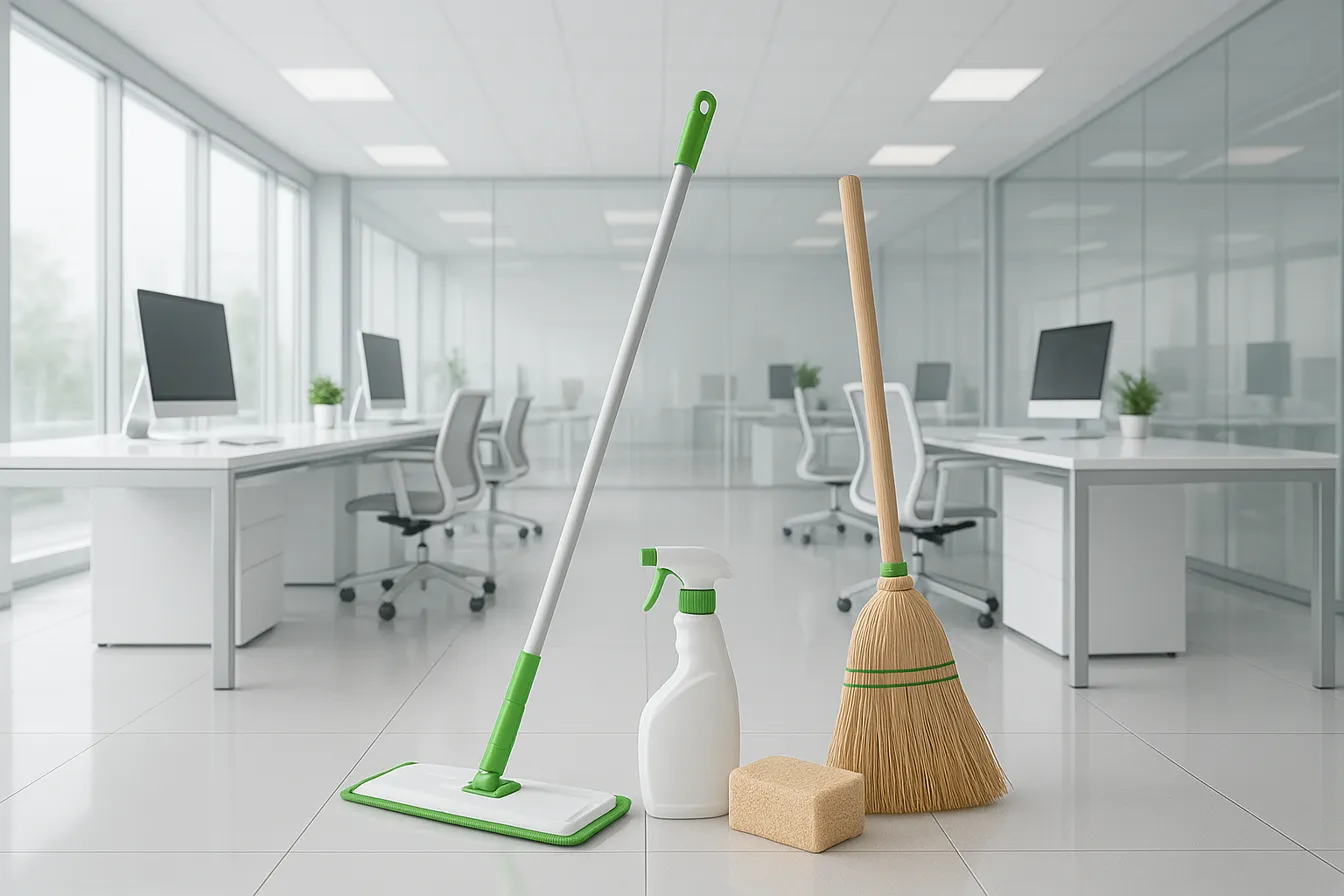
Cleaning tools require timely replacement to maintain hygiene and effectiveness. Replacing kitchen sponges regularly, often harboring bacteria, should be replaced every one to two weeks, or immediately if they develop odors or begin to break apart. Toilet brush replacement schedule need replacement every six to twelve months to prevent germ spread. Replacing mopheads in high-traffic areas have a lifespan of about six to nine months, while Signs to replace brooms typically last one to two years but should be replaced sooner if bristles are frayed or bent.
Importance of Hygiene in Cleaning Tools
Maintaining clean tools is critical because used cleaning items can become reservoirs for harmful bacteria such as Salmonella and E. coli. For example, Bacterial buildup in sponges have been shown to contain high levels of coliform bacteria. Frequent replacement minimizes this risk and supports an effective cleaning routine.
Best Practices for Cleaning Tool Maintenance
Regular disinfection after each use is advisable, especially for mops which should be disinfected thoroughly. Keeping track of the purchase and replacement dates of Shelf life of liquid cleaning products ensures their continued effectiveness as they lose potency over time, typically within 6 to 12 months. Washing Dish towel washing frequency every few days and replacing Vacuum filter cleaning guidelines on a schedule—monthly for washable filters and every three to six months for others—further supports a hygienic cleaning environment.
| Cleaning Tool | Replacement Interval | Maintenance Tips |
|---|---|---|
| Sponge | 1-2 weeks | Replace if smelly or broken; disinfect daily (Replacing kitchen sponges regularly) |
| Toilet Brush | 6-12 months | Disinfect regularly (Toilet brush replacement schedule) |
| Microfiber Mop | 6-9 months | Disinfect after every use (Mop maintenance and replacement |
| Broom | 1-2 years | Replace if bristles worn or bent (Signs to replace brooms |
| Dish Towels | Every few days (wash) | Frequent laundering prevents bacteria (Dish towel washing frequency |
| Vacuum Filters | 3-6 months (non-wash) | Wash monthly if washable (Vacuum filter cleaning guidelines |
| Liquid Cleaners | 6-12 months | Note purchase date; discard if expired (Shelf life of liquid cleaning products |
Customizing Commercial Cleaning Schedules for Diverse Industry Needs
What factors influence the design of cleaning schedules in business settings?
Commercial cleaning schedules are designed around multiple influential factors. These include the size of the business, specific Industrial Cleaning Requirements (healthcare facilities demand stricter disinfecting protocols), operational hours, foot traffic volume, and the budget allocated for maintenance. Cleaning regimens are often divided into daily, weekly, monthly, and seasonal tasks. This structure ensures compliance with health and safety standards while maintaining a clean and hygienic environment suited to the business type.
How do professional cleaning services enhance adaptability in commercial environments?
Professional cleaning partnerships provide vital adaptability for commercial clients. These services offer flexible cleaning schedules options, including day or night shifts to minimize disruption. They implement detailed inspection and quality control systems to maintain consistency. Moreover, professional cleaners adhere to authoritative guidelines like those from the CDC and EPA and customize cleaning plans according to client needs. This tailored approach not only upholds high cleanliness standards but also allows businesses to adjust their cleaning routines dynamically as operational requirements evolve. Learn more about such offerings from ServiceMaster Commercial Cleaning Janesville.
Frequency and Scope Differentiation Across Industries
Different industries require varying cleaning frequencies and depths. For example, healthcare environments focus on rigorous daily disinfecting and specialized monthly deep cleans to reduce infection risks. Meanwhile, offices may prioritize daily surface sanitization but schedule carpet cleaning and window washing on a monthly or seasonal cleaning tasks basis. This differentiation is essential to allocate resources efficiently while maintaining health and aesthetic standards. For further information, see Cleaning Schedule for Businesses.
Business Cleaning Schedule Customization in Practice
Custom cleaning schedules start with an in-depth assessment of the client's operational context. Professional services use this data to develop schedules that balance thoroughness with feasibility. Industries with sensitive environments or high traffic often benefit from documented inspection systems and adaptive timing, ensuring cleaning interventions occur when most effective without interfering with daily operations. Details about Customizing Cleaning Schedules and personalization can be found here.
| Aspect | Description | Benefit |
|---|---|---|
| Business Size | Small to large enterprises | Tailored resource allocation |
| Industry Standards | Varying protocols (e.g., healthcare vs. office) | Compliance and safety |
| Cleaning Frequency | Daily to seasonal tasks | Efficient scheduling |
| Professional Partnerships | Custom plans, flexible timing, quality checks | Consistent cleanliness and flexibility |
This comprehensive and customizable cleaning schedule approach to commercial cleaning schedules supports diverse industry needs, ensuring environments that are clean, safe, and conducive to operations.
Implementing Comprehensive Home Cleaning Plans with Seasonal and Annual Tasks

How do structured cleaning plans with various frequency levels contribute to effective home maintenance?
Structured cleaning plans divide tasks into daily, weekly, monthly, seasonal cleaning tasks, and annual categories. This organization ensures consistent upkeep, manages dirt buildup, and prevents long-term deterioration of household environments.
Daily tasks typically involve kitchen counter tidying, wiping high-touch surfaces, and sweeping floors daily—vital for maintaining hygiene and stopping the spread of germs. Weekly routines target deeper cleaning activities such as deep bathroom cleaning, dusting and vacuuming upholstery, and laundering bedding weekly to keep dust and allergens controlled.
Monthly maintenance addresses less frequent needs like monthly grout scrubbing, cleaning kitchen appliances inside and out, vacuuming baseboards, and inspecting furniture. These activities extend appliance life and protect home surfaces.
Seasonal cleaning tasks focus on larger projects like seasonal appliance care, organizing storage spaces, and preparing home for seasons. These prevent buildup and ready the home for new seasons’ demands.
Annual tasks include professional upholstery cleaning and window treatments, gutter cleaning, and cleaning behind large appliances. Such preventive measures help avoid costly repairs and maintain healthy living environments.
Adopting a complete home cleaning schedule that encompasses all these levels fosters a balanced and manageable home cleanliness maintenance routine, reducing stress while preserving cleanliness and functionality throughout the year.
Adaptive Cleaning Services Powered by Eco-Friendly Practices and Tailored Schedules

How do modern cleaning services adapt to client needs while promoting sustainability?
Modern cleaning services have evolved to prioritize adaptability and environmental responsibility, catering to the unique demands of each client while emphasizing sustainable methods. Companies offer a variety of flexible cleaning schedules, including weekly, bi-weekly, and monthly cleanings, which are shaped by personalized cleaning consultations to precisely match individual client needs and lifestyle changes.
To maintain safety and health, these services use eco-friendly cleaning products. These formulations effectively eliminate germs and bacteria while remaining gentle for families and pets, reflecting a strong commitment to organic and non-toxic cleaning agents.
Adaptive cleaning models typically employ detailed checklists and incorporate techniques such as a Detail-Clean Rotation System®. This ensures comprehensive sanitization across all areas over time without overwhelming clients. Staff delivering these services are bonded and insured cleaning company, providing clients with reliable and professional experiences.
Ultimately, this approach allows cleaning companies to respond proactively to evolving customer requirements, maintaining high cleanliness standards through service customization that respect both people and the planet.
Embracing Flexibility: The Key to Sustainable Cleaning Success
Importance of Regular Schedule Review
Regularly reviewing your cleaning schedule is crucial to maintaining a clean and healthy environment. Evaluating your routine monthly allows you to adjust tasks based on changing needs, habits, or seasons, ensuring your schedule remains practical and effective.
Benefits of Flexible Cleaning Routines
Flexible cleaning routines accommodate life’s fluctuations—whether it’s a busy workweek or seasonal demands. This adaptability prevents burnout and helps sustain cleanliness without overwhelming anyone.
Encouragement for Personalized Cleaning Approaches
Tailoring cleaning plans to suit your household or business specifics leads to greater efficiency. Customize frequency, task delegation, and product use to fit your unique circumstances, making cleaning manageable and less stressful.
Recent articles