How Licensing and Insurance Protect Tenants and Property Managers

Why Licensing and Insurance Matter in Property Management
Importance of Licensing for Regulatory Compliance
Property managers must hold proper licenses to ensure compliance with local, state, and federal laws. Licensing authenticates their authority and expertise, reducing risks related to legal violations, such as discrimination or wrongful eviction.
Role of Insurance in Protecting Tenants and Property Managers
Insurance safeguards both tenants and property managers from financial losses due to accidents, property damage, or legal claims. It includes general liability, professional liability, tenant liability, and workers' compensation insurance to cover diverse contingencies.
Overview of Risks Addressed by Licensing and Insurance
Licensing and insurance collectively address risks such as tenant injuries, property damage, discrimination claims, cyber threats, and errors in management services. This protection minimizes legal exposure and ensures a safer leasing environment for all parties.
| Aspect | Description | Benefits |
|---|---|---|
| Licensing | Legal authorization to operate as a property manager | Compliance with regulations, legal legitimacy |
| General Liability | Coverage against bodily injury and property damage | Financial protection from lawsuits |
| Professional Liability | Protection from errors and omissions in services | Defense against management-related claims |
| Tenant Liability | Coverage for tenant-caused damages | Reduces landlord financial burden |
| Workers’ Compensation | Insurance for employee injuries | Compliance and employee protection |
Property Management Insurance and Cleaning Key Facts
- General liability insurance covers bodily injury and property damage claims on managed properties.
- Professional liability insurance protects property managers from legal claims due to service errors or negligence.
- Adding property managers as additionally insured on landlord policies enhances shared liability coverage and legal defense.
- Mandatory renters insurance requirements benefit tenants by protecting personal property and reduce property managers' liability.
- Cyber liability insurance defends property management firms against data breaches, including costs for investigation, legal, and regulatory fines.
- Workers’ compensation ensures employee safety, covers medical expenses and wages, and maintains legal compliance for property management companies.
- Insurance for physical assets includes property insurance for buildings and business personal property insurance for movable assets.
- Proper licensing ensures regulatory compliance, tenant safety, and protects property managers legally and reputationally.
- Modern property management involves tracking tenant insurance to verify continuous compliance and reduce liability exposure.
- Partnering with licensed insurance providers ensures legal adherence, ethical marketing, and builds trust among tenants and owners.
1. General Liability Insurance Shields Against Injury and Property Damage Claims

Coverage for bodily injury and property damage claims
General liability insurance coverage is essential for property managers to cover bodily injury and property damage claims that may arise on the property. This insurance protects against incidents involving residents, visitors, or third parties who may sustain injuries or suffer property damage.
Protection against lawsuits from residents or visitors
Property managers face risks from accidents such as slips, falls, or damages caused during property maintenance. General liability insurance coverage safeguards managers by covering lawsuits resulting from these incidents, helping to manage the financial impact of claims.
Legal and medical cost coverage
This insurance provides coverage for medical expenses related to injuries, repair costs for damaged property, and legal fees if a claim advances to court. By protecting property managers from these financial burdens, general liability insurance ensures business continuity and compliance with Property Management Compliance best practices.
What types of insurance protect property managers from liability claims?
General liability insurance protects property managers from claims involving bodily injury or property damage to third parties, including residents and visitors, covering medical expenses, repairs, and legal costs. This coverage is fundamental for mitigating liability risks inherent in Types of insurance for property management companies operations.
2. Professional Liability Insurance Safeguards Against Service Errors and Omissions

How does professional liability insurance protect property managers?
Professional liability insurance for property managers, often called errors and omissions (E&O) insurance, serves as a vital defense for property managers against legal claims resulting from mistakes, negligence, or failures in their duties. This coverage specifically addresses allegations such as wrongful eviction lawsuits and tenant discrimination claims, which are common sources of lawsuits in property management.
Even in cases where property managers have not admitted fault, professional liability insurance provides essential legal defense, helping to cover the costs of defense and potential settlements. By protecting against these risks, it ensures that property managers can maintain their business operations with greater confidence and financial security.
This coverage is indispensable given the complex legal environment property managers operate in, where accusations can arise despite best efforts and adherence to fair housing laws and regulations for property managers. It also supports property managers in complying with fair housing laws and avoiding costly consequences from professional missteps.
The inclusion of professional liability insurance is a proactive strategy to safeguard property managers from significant financial losses linked to service errors or omissions, thereby enhancing trust with clients and tenants alike.
3. Adding Property Managers as Additionally Insured Enhances Liability Protection

Why should property managers be added as additionally insured on landlord policies?
Adding property managers as additionally insured on a landlord's insurance policy is a strategic practice that brings several important benefits. This addition ensures Shared Liability Coverage for Property Managers and Landlords, so both parties are protected when legal claims arise related to the property. This is especially important because property managers manage leasing, maintenance, and compliance, which involves unique risks.
By being listed as additionally insured, property managers receive Coordinated Legal Defense along with landlords. This coordinated defense reduces confusion and legal costs during lawsuits, streamlining the claims process. Importantly, this coverage expansion typically does not increase insurance premiums for the landlord, making it a cost-effective solution.
Overall, naming property managers as additionally insured fairly allocates responsibility and enhances protection without financial penalty, supporting a cooperative legal and risk management environment between landlords and property managers.
4. Renters Insurance Requirements Lower Financial Risks for All Parties

How does renters insurance benefit both tenants and property managers?
Renters insurance offers multiple advantages for both tenants and property managers. For tenants, it provides vital protection for personal belongings against theft, fire, or water damage. It also includes liability coverage that covers injuries sustained within the rental unit, safeguarding tenants from potential lawsuits.
For property managers, requiring renters insurance requirements reduces overall liability and financial risks. It helps cover costs related to accidents or damages caused by renters, minimizing disputes and insurance claims against property management companies. In cases where a property becomes uninhabitable due to disaster, renters insurance can cover temporary housing costs, benefiting both parties.
Implementation is straightforward—renters insurance requirements can be incorporated into lease agreements and supported by tenant education. Affordable options like Rhino renters insurance, which starts at around $5 per month and offers easy sign-up and claims processing, make adoption convenient for tenants.
These combined benefits foster a safer and more financially secure rental environment for everyone involved.
5. Cyber Liability Insurance Protects Against Data Breaches and Cyberattacks
What is the role of cyber liability insurance in property management?
Cyber liability insurance plays a crucial role in protecting property management businesses from financial losses due to cyberattacks or data breaches. Property managers often handle sensitive personal and financial information of tenants and property owners, making them a target for cyber threats.
This insurance covers essential costs such as the investigation of the breach, legal fees involved in defending and resolving the incident, and lost income resulting from business interruptions caused by cyberattacks. It also helps cover expenses related to website repair and regulatory fines, ensuring compliance with various privacy laws.
In an era where data privacy regulations are increasingly strict, safeguarding tenant and owner data is vital. Cyber liability insurance for property management helps property managers meet these regulatory requirements and reduces the financial risks associated with data breaches, ultimately protecting both their business operations and client trust.
6. Workers’ Compensation Insurance Ensures Protection for Employees and Compliance
Why is workers’ compensation insurance requirements important for property management companies?
Workers’ compensation insurance is crucial for property management companies because it is legally mandated in many states for businesses with employees. This insurance covers medical expenses and lost wages if employees suffer injuries while performing their job duties.
Mandatory insurance helps property managers remain compliant with state laws, avoiding legal penalties and ensuring workplace safety standards are met. It also provides vital financial protection for both the company and its staff in case of accidents or occupational illnesses.
By maintaining workers’ compensation insurance requirements, property management firms demonstrate their commitment to employee well-being and regulatory compliance, fostering a safer and more secure working environment.
| Aspect | Description | Benefit |
|---|---|---|
| Legal requirement | Required in many states for companies with employees | Compliance with state laws |
| Coverage | Medical bills and lost wages for injured employees | Financial security for staff |
| Risk management | Reduces liability by addressing workplace injury claims | Lower legal and financial risks |
| Employee protection | Ensures care and compensation for work-related injuries | Employee trust and retention |
7. Property and Business Personal Property Insurance Safeguard Physical Assets
What types of insurance protect the physical assets of property management?
Property management requires specific insurance types to protect physical assets effectively. Two critical policies include property insurance and business personal property insurance benefits.
Property insurance primarily covers damages to buildings and other real estate properties that property managers oversee. It protects these assets against various risks such as fire, vandalism, and theft, minimizing financial losses that can result from such incidents.
Business personal property insurance focuses on covering movable business assets. This includes office furniture, electronic devices like computers and mobile phones, and other equipment essential for daily operations. In the event of damage or theft, this insurance helps recover or replace these items without major financial strain.
Both landlords and property managers benefit significantly from having these insurance types. Property insurance is crucial whether the landlord or the property manager holds responsibility. Meanwhile, business personal property insurance safeguards the operational tools of management companies, ensuring smooth business continuity.
In summary, combining property insurance with business personal property coverage provides a comprehensive safety net that protects against losses on both stationary and movable property assets associated with property management.
8. Maintaining Licensing Ensures Regulatory Compliance and Tenant Safety
Requirement to comply with local, state, and federal regulations
Property managers must adhere to a complex framework of local, state, and federal regulations designed to protect tenants and uphold property standards. Maintaining the proper licenses guarantees that their operations comply with these regulatory demands, preventing illegal practices. See more on Property Management Compliance.
Consequences of non-compliance including fines and legal issues
Failure to maintain valid licenses can lead to significant consequences, including fines, lawsuits, and even suspension of operations. Non-compliance exposes property managers to legal action, financial penalties, and reputational damage, which can disrupt business continuity. Refer to details on California landlord-tenant law and Legal Considerations in Renters Insurance.
Influence on tenant trust and property reputation
Proper licensing enhances tenant trust by demonstrating commitment to legal and safety standards. Licensed property managers are viewed as more reliable and professional, increasing tenant retention and bolstering property reputation in competitive markets. Learn more about Benefits of renters insurance for property managers and Enhancing professional business image.
How does licensing protect tenants and property managers?
Proper licensing ensures that property management operates within legal frameworks, protecting tenants’ rights and maintaining safety standards while safeguarding managers from regulatory penalties. This dual protection fosters a secure environment for all parties involved. For further information, see Property Manager Insurance Requirements and Professional liability insurance for property managers.
9. Tracking and Verifying Tenant Insurance Enhances Ongoing Compliance

How do property managers ensure tenant insurance compliance?
Property managers implement specialized tracking tools designed to monitor residents’ Renters Insurance Requirements policies continuously. These tools allow easy verification that tenants maintain the required liability and personal property coverage throughout their lease terms.
By employing such systems, property managers can promptly detect lapses in coverage or expired policies, enabling timely reminders or interventions. This ongoing compliance monitoring is essential to uphold Property Management Compliance standards and contractual obligations without manual oversight.
Continuous verification of tenant insurance significantly reduces the risk of Minimizing Insurance Claim Disputes. When every tenant maintains appropriate coverage, liability related to accidents or damages is clearer and easier to resolve. This approach also minimizes financial exposure for property managers and landlords.
Partnering with licensed insurance providers and integrating automated tracking not only streamlines administrative duties but also builds confidence among tenants and landlords regarding safety and compliance. This proactive strategy supports harmonious property management operations and legal safeguards.
10. Partnering with Licensed Insurance Providers Builds Trust and Legal Security

Why is partnering with licensed insurance providers critical?
Partnering with licensed insurance providers is essential for property managers because it ensures all insurance programs comply with local, state, and federal legal standards. This cooperation promotes ethical business practices, enhancing trust among tenants and property owners.
Property managers benefit by avoiding legal pitfalls and regulatory scrutiny, which can arise when using unlicensed providers. Licensed providers guarantee program legitimacy, protecting both the management company and residents.
Ethical marketing and communication about insurance programs
Marketing renters insurance programs must strictly adhere to regulatory guidelines. Property managers should provide clear, lawful information without inducements like rent discounts offered to encourage policy purchase. Such inducements may be deemed unethical or illegal under current Insurance Regulations in Property Management.
Avoiding inducements and maintaining regulatory standards
Avoiding inducements maintains honest communication and protects property managers from potential penalties. Partnering with licensed insurers helps property managers create compliant educational materials and track insurance status effectively throughout lease periods, ensuring ongoing adherence to industry rules.
What customized cleaning services does Bravo Cleaning offer for residential and commercial properties?
What customized cleaning services does Bravo Cleaning offer for residential and commercial properties?
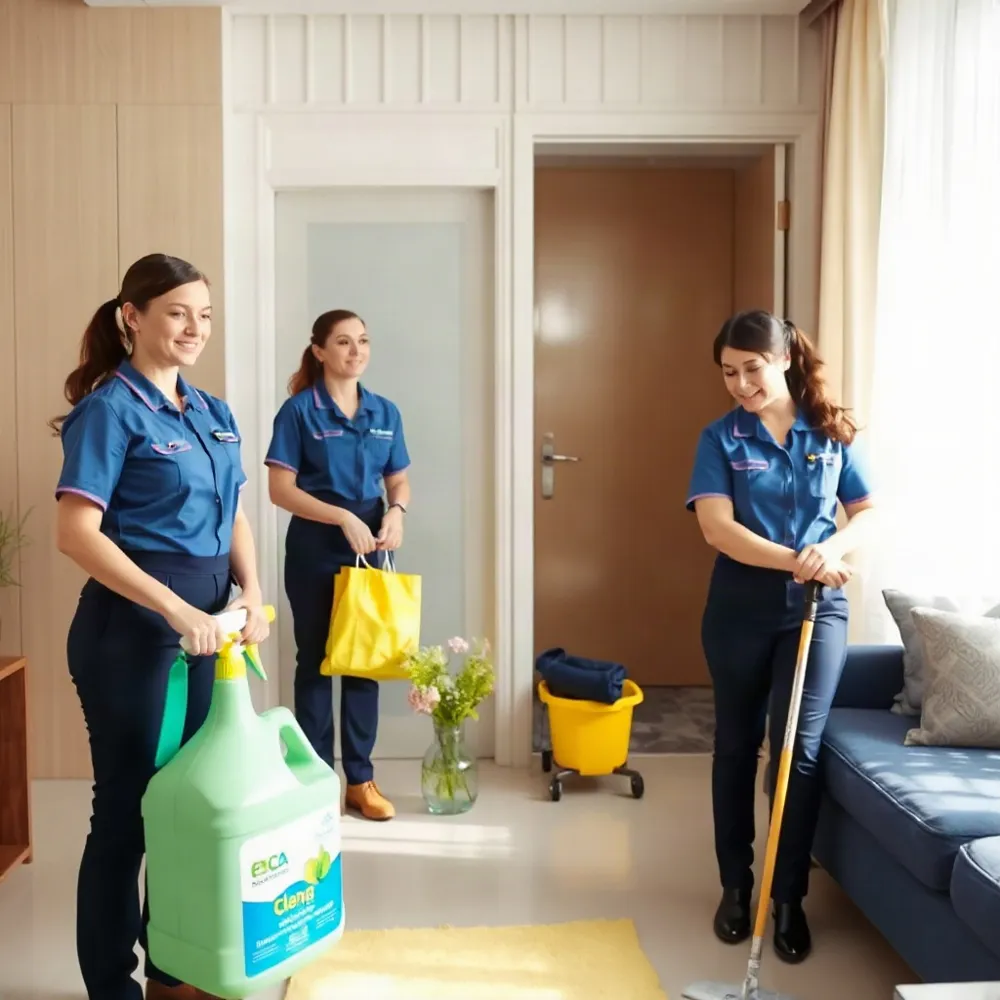
Bravo Cleaning provides a comprehensive suite of tailored cleaning services designed to meet the unique needs of both residential and commercial clients. Their routine cleaning plans are flexible, accommodating weekly, bi-weekly, or monthly schedules to maintain consistently clean and healthy environments.
Specialized cleaning services include move-in and move-out cleanings, as well as detailed new build cleaning. These options ensure properties are immaculate and ready for new occupants or use, addressing construction debris and deep sanitation needs.
Expert carpet care is another specialty, providing professional treatment that preserves carpet quality and extends longevity, which is crucial for both homes and commercial spaces.
Committed to sustainability, Bravo Cleaning employs eco-friendly cleaning practices using green products that reduce environmental impact while maintaining high sanitation standards. Additionally, their staff is fully insured and professionally trained, offering clients peace of mind and reliable service quality.
These customized options allow property owners and managers to select the most appropriate services that align with their property's needs and values, reinforcing a polished, healthy, and welcoming space for residents and visitors alike. For more information on the benefits of professional commercial cleaning services, visit Professional commercial cleaning benefits.
What types of properties does Bravo Cleaning specialize in serving?
What types of properties does Bravo Cleaning specialize in serving?
Bravo Cleaning caters primarily to a diverse range of properties including residential homes and commercial spaces, ensuring comprehensive cleaning tailored to each setting's unique requirements. They have significant experience working with apartment complexes and condominium buildings, providing services that address the specific needs of multi-unit housing environments.
Their expertise shines particularly in turnover cleaning, a critical service for rental properties where maintaining pristine conditions between tenants is essential. This focus helps property managers and landlords uphold high standards of cleanliness and tenant satisfaction.
Additionally, Bravo Cleaning excels in carpet care services. By prioritizing carpet health, they contribute to creating healthier indoor environments, reducing allergens such as dust mites, pollen, and mold, thereby enhancing air quality and overall occupant well-being.
This specialized approach to cleaning across various property types underscores Bravo Cleaning’s commitment to quality, flexibility, and tailored solutions that meet the demands of property managers and tenants alike.
How does Bravo Cleaning ensure reliability and quality in their cleaning services?
Experienced and certified staff
Bravo Cleaning employs a team of skilled and certified professionals. Each staff member undergoes rigorous training to meet industry standards, ensuring consistency and excellence in service delivery.
ISO 9001:2015 quality management standards
The company maintains compliance with ISO 9001:2015, a globally recognized quality management framework. This commitment guarantees structured processes, continuous improvement, and customer satisfaction.
ISO 45001:2018 safety certification efforts
Bravo Cleaning is actively pursuing ISO 45001:2018 certification, emphasizing workplace safety and health. This focus protects both employees and clients, fostering a safe cleaning environment.
Specialized cleaning for regulated environments
Recognizing the challenges of sensitive or regulated spaces, Bravo Cleaning tailors its methods to meet stringent hygiene and property management compliance requirements, supporting industries where contamination control is critical.
Adherence to licensing and insurance requirements
Strict compliance with relevant licensed insurance providers obligations shields clients from liability risks, assuring professionalism and legal accountability in all operations.
Collectively, these measures enable Bravo Cleaning to provide reliable, high-quality cleaning services adapted to diverse client needs while upholding safety and regulatory standards.
What eco-friendly practices does Bravo Cleaning incorporate in their cleaning processes?
Use of environmentally safe products
Bravo Cleaning prioritizes the health of both their clients and the environment by exclusively using Professional commercial cleaning benefits. These products are carefully selected to effectively clean while minimizing harmful chemical residues.
Reduction of chemical waste
Through efficient cleaning techniques and responsible usage, Bravo Cleaning significantly reduces chemical waste. This approach not only lessens environmental impact but also promotes a safer workspace for tenants and staff.
Insured and bonded services
Clients can trust in Bravo Cleaning's commitment to quality and safety, as the company is both fully insured and bonded. This ensures accountability and protects clients against any unforeseen issues during cleaning operations.
Trained professionals meeting safety standards
All cleaning staff at Bravo Cleaning are professionally trained and adhere to strict safety and industry standards. This commitment guarantees high-quality service delivery that aligns with Professional commercial cleaning benefits.
How does Bravo Cleaning's community involvement enhance their services?
Building trust with local customers
Bravo Cleaning's active engagement in community events fosters strong, personal connections with local customers. This involvement demonstrates their commitment beyond business, cultivating trust and loyalty among clients.
Tailoring cleaning solutions to community needs
By participating in the local community, Bravo Cleaning gains valuable insights into specific environmental and industry requirements. This enables the company to design customized cleaning plans that effectively address unique challenges, ensuring optimal service quality. For more on the Tailored cleaning plans for specific industries.
Strong local reputation and responsiveness
Their visible presence and responsiveness in local matters contribute to a solid reputation as a dependable, locally-owned business. Customers appreciate this attentiveness, which translates into enhanced satisfaction and repeat business.
These factors combined position Bravo Cleaning as a trusted partner that truly understands and meets the distinct needs of the communities they serve.
Key Takeaways: Licensing and Insurance Are Cornerstones of Property Management Protection
Understanding Insurance Coverage
Property management companies need various insurance types to minimize risks: general liability protects against injuries and property damage; professional liability covers errors in service; workers' compensation addresses employee injuries; and cyber liability shields against data breaches.
Compliance with Licensing
Adhering to licensing and insurance regulations safeguards property managers legally and financially. Partnering with licensed insurers and tracking tenant insurance ensures ongoing compliance.
Benefits for Tenants and Managers
Insurance coverage protects tenants from personal loss, supports landlord-tenant legal safeguards, and reduces liability exposure for managers. Additional insured status for managers aligns protections.
Prioritizing Protection
Property management practices must emphasize robust insurance and strict compliance with licensing to ensure safety, reduce legal costs, and build trust with tenants and owners alike.
Recent articles