Top Cleaning Challenges Faced by Apartment Property Managers

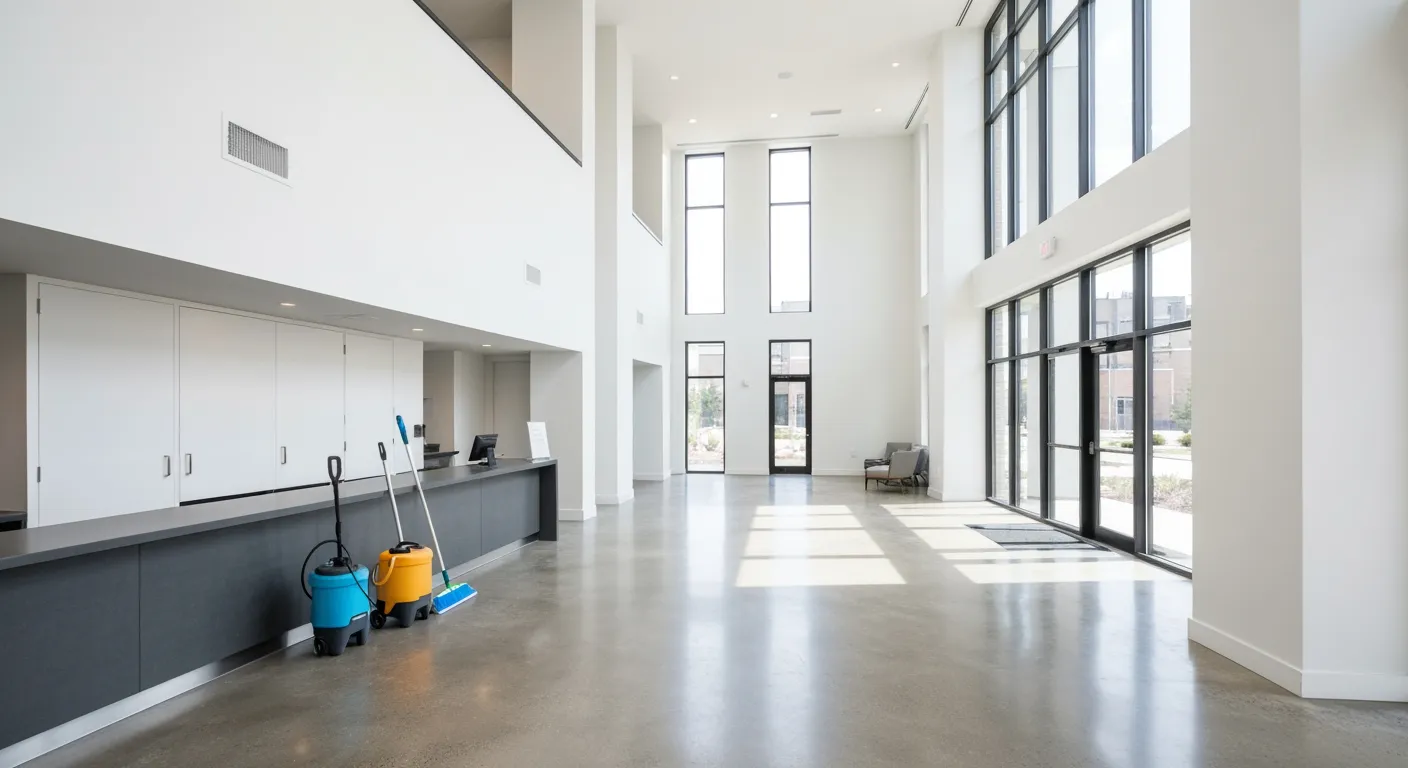
Why Cleaning Challenges Matter for Property Managers
Importance of Cleanliness in Tenant Retention
Maintaining clean and hygienic common areas and rental units has a direct impact on tenant satisfaction and retention. Tenants form critical first impressions based on the cleanliness of entryways, lobbies, hallways, and shared amenities such as fitness centers and laundry rooms. Clean, well-maintained environments foster a sense of community and encourage residents to stay longer, reducing vacancies and turnover rates.
Impact of Cleaning on Property Value and Tenant Satisfaction
Regular, thorough cleaning preserves the property's aesthetic appeal and extends the lifespan of key assets such as carpets, flooring, and furniture. Deep cleaning procedures, including stain removal, odor neutralization, and sanitization, protect capital investments by preventing premature wear and tear. This attention to cleanliness also leads to fewer tenant complaints and higher overall satisfaction, enhancing the property's reputation and potential rental income.
Role of Cleaning in Health and Safety Standards
Adhering to high cleaning standards ensures the health and safety of tenants by minimizing allergens, bacteria, mold, and other harmful contaminants. Disinfecting high-touch surfaces, managing waste effectively, and addressing biohazard situations promptly are critical actions that reduce health risks and legal liabilities. Property managers benefit from partnering with cleaning contractors that comply with legal and safety requirements, including proper training and use of personal protective equipment.
Through efficient cleaning management, property managers can uphold both tenant well-being and property integrity, contributing to a successful and sustainable rental operation.
Communication and Coordination: The Backbone of Cleaning Success
Importance of Effective Communication Between Property Managers and Cleaning Contractors
Effective communication is vital to ensure that cleaning services meet the high standards expected by property managers. Clear and consistent exchanges prevent misunderstandings and build trust, which is key to smooth operations and tenant satisfaction. Property managers value contractors who provide transparent updates without the need for constant oversight. For more details, see Effective communication with cleaning contractors.
Use of Software Like Hubspot and Swept for Tracking and Reporting
Modern communication tools such as Hubspot and Swept enable real-time tracking and reporting, helping property managers oversee cleaning activities efficiently. These platforms allow cleaners to submit detailed checklists, photographic evidence, and issue reports, making it easier to verify service delivery and maintain accountability across multiple properties. Learn more about Using tracking systems like Hubspot and Proof of service delivery methods.
Benefits of Regular Follow-Ups and Transparent Reporting
Scheduled follow-ups, whether weekly or monthly, foster open communication channels, ensuring ongoing service quality and quickly addressing any emerging issues. Transparent reporting mechanisms help property managers maintain awareness of cleaning status, aiding in proactive maintenance and reducing tenant complaints. Explore more about Regular follow-up calls in property management and Maintaining maintenance transparency.
How Scheduling Software and Contingency Plans Prevent Service Disruptions
Scheduling software designed for cleaning services enables easy management of appointments and staff availability. The inclusion of contingency plans within these systems minimizes disruptions caused by absenteeism or last-minute changes, ensuring service consistency without requiring extensive property manager involvement. Find out more about Scheduling software for property management and Contingency planning for property managers.
Managing Tenant Turnover: Deep Cleaning and Repairs Amid Tight Timelines

What Makes Turnover Cleaning Complex?
Tenant turnover cleaning goes beyond standard maintenance—it involves extensive deep cleaning to remove grime, disinfect high-touch areas, and neutralize lingering odors caused by poor ventilation or previous occupants. Minor repairs such as patching walls, fixing leaks, and attending to appliance malfunctions are also critical. This comprehensive approach ensures units are sanitary and welcoming for new tenants.
Why Are Rapid Turnovers Essential?
Quick turnaround times are vital to reduce vacancy periods and maintain consistent revenue. Delays in cleaning or repair can lead to prolonged vacancies, negatively impacting profitability. Efficient workflows that integrate cleaning and repairs are essential to speeding up the process. Learn more about the importance of rapid apartment turnovers.
How Does Inspection Aid the Process?
A thorough pre-cleaning inspection helps identify damages and maintenance needs upfront. Documenting issues with photographs and detailed notes ensures all necessary repairs and cleaning tasks are planned, preventing costly delays or rework later. For guidance, see the apartment turnover cleaning checklist.
Coordinating Cleaning With Repairs and Painting
Scheduling cleaning activities in sync with repairs and painting is crucial to avoid repeated effort. Completing repairs and repainting before cleaning prevents dirt from settling on fresh surfaces, maintaining a pristine final condition ready for tenant move-in. See also coordinating maintenance tasks.
Benefits of Professional Apartment Turnover Cleaning Services
Professional services bring expertise, industrial-grade equipment, and flexible scheduling to manage tight timelines effectively. They provide detailed reporting and quality assurance, ensuring units meet high hygiene standards and tenant expectations. This reduces stress for property managers, enhances tenant satisfaction, and minimizes vacancy durations. Explore the benefits of professional cleaning services.
| Aspect | Challenge | Solution / Benefit |
|---|---|---|
| Deep cleaning & odor removal | Requires thorough sanitation and deodorizing | Professional expertise ensures health and appeal |
| Rapid turnover pressures | Tight timelines for vacancy reduction | Coordinated services accelerate readiness |
| Damage documentation | Prevents overlooked repairs | Inspections enable comprehensive planning |
| Cleaning and repairs sync | Avoid rework and delay | Integrated scheduling optimizes efficiency |
| Professional service value | Consistency, equipment, flexible scheduling | Enhances quality, tenant retention, and ROI |
Maintaining High-Traffic Common Areas to Enhance Tenant Experience
Challenges of Cleaning and Maintaining Communal Spaces
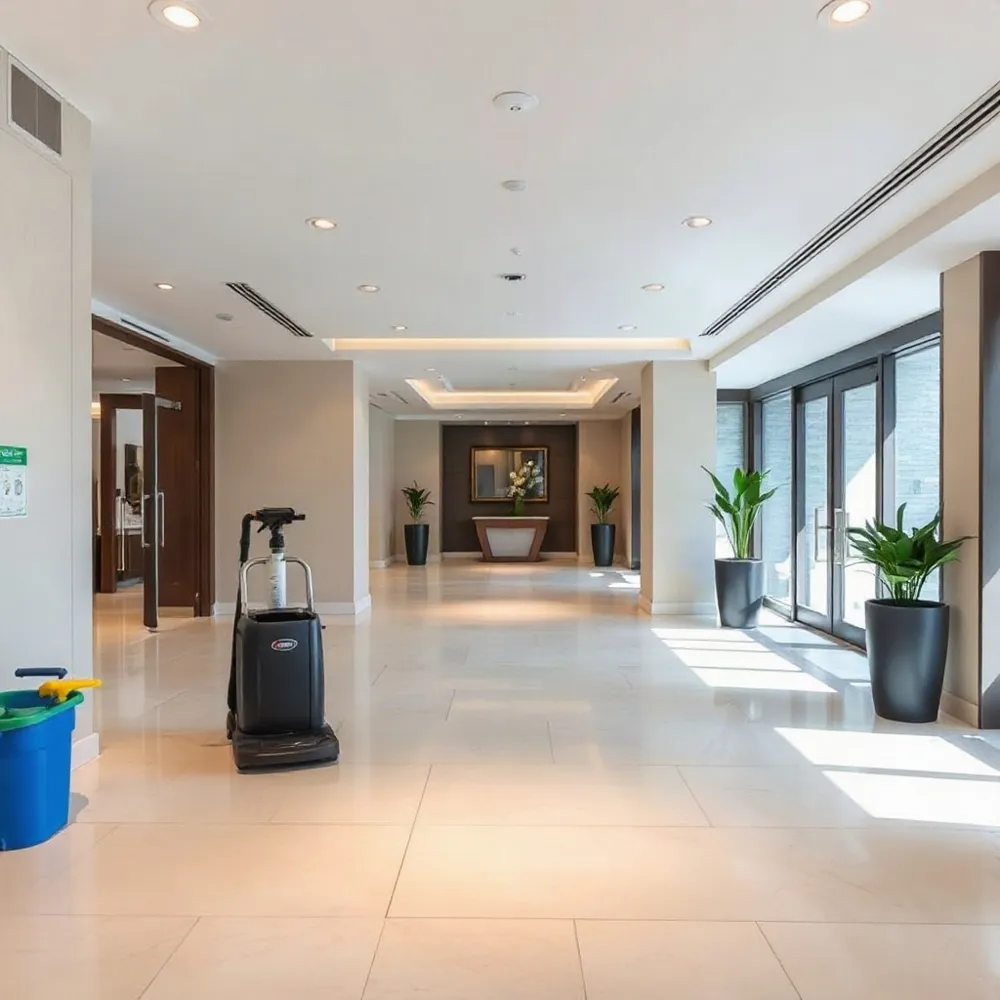
High-traffic areas such as lobbies, hallways, elevators, and stairwells face constant wear from frequent tenant and visitor use. Dirt accumulation, stains, odors, and surface wear are common challenges that can degrade the overall appearance and safety of these spaces. For more on tackling these issues, see Cleaning challenges for NYC building owners, Common cleaning challenges for property managers, and Challenges in property management cleaning services.
Importance of Routine Deep Cleaning and Carpet Care
Regular deep cleaning is essential to remove ground-in dirt and allergens, extending the lifespan of flooring and furnishings. Professional carpet care, using commercial-grade equipment, helps restore the appearance of high-traffic carpets in lobbies and corridors, preventing premature replacement. Refer to the Ultimate apartment deep cleaning checklist, Move-out cleaning challenges, and Apartment turnover cleaning checklist for detailed guidance.
Advanced Cleaning Techniques and Equipment
Employing industrial-grade vacuums with HEPA-filter vacuuming in professional cleaning, automated floor scrubbers, and EPA-approved cleaning agents improves efficiency and effectiveness. Deep cleaning protocols include disinfection of high-touch surfaces like elevator buttons and door handles, which are hotspots for germs. Learn more about the Multifamily Cleaning Checklist, the benefits of HEPA-filter vacuuming, and High-Touch Surface Disinfection.
Impact on Tenant Satisfaction and Reducing Complaints
Maintaining spotless and hygienic communal areas creates positive first impressions and boosts tenant retention. Regular upkeep reduces tenant complaints by addressing health concerns such as allergens and unpleasant odors promptly. See Cleanliness and Tenant Retention, Tenant turnover cleaning services, and Tenant satisfaction through service quality for strategies to enhance tenant satisfaction.
Eco-Friendly Products and Health Standards
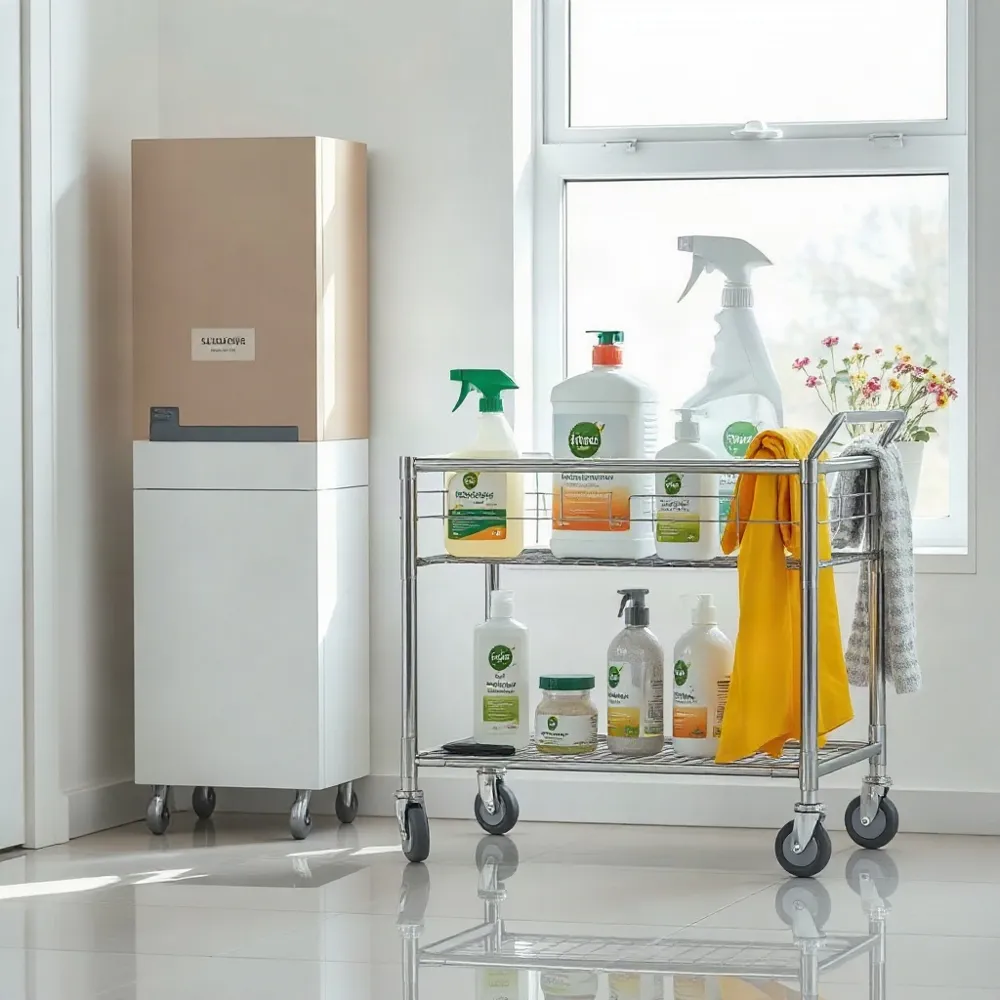
Using environmentally responsible cleaning products supports healthier indoor air quality and aligns with sustainability goals. This practice also complies with health and safety standards, contributing to a safer living environment for all residents. Additional details on Compliance in cleaning services, Legal and safety compliance in cleaning contractors, and tips on Quality control measures for property management cleaning enhance this understanding.
Ensuring Compliance with Legal, Safety, and Quality Standards
Why Must Cleaning Contractors Meet Insurance, WSIB, and Safety Training Requirements?
Cleaning contractors working with property managers must demonstrate full compliance with insurance and WSIB requirements and proper safety training for employees. These requirements protect both the cleaning company and the property manager, minimizing liabilities in case of accidents or injuries on site.
Without verified insurance and WSIB compliance, property owners risk potential legal exposure and costly claims. Additionally, well-trained staff equipped with proper personal protective equipment (PPE) uphold safer work environments and fewer workplace incidents, ensuring legal and safety compliance in cleaning contractors.
How Does Legal Compliance Prevent Operational Disruptions?
Adhering to legal and safety compliance for cleaning contractors ensures cleaning services run smoothly without interruptions due to regulatory violations. Cleaning contractors with verified certifications and safety protocols reduce the risk of fines or work stoppages.
Property managers avoid headaches stemming from non-compliance issues, enabling continuous cleaning service delivery that meets building insurance and safety audit requirements.
What Quality Control Measures Maintain Cleaning Standards?
Implementing thorough quality control measures for property management cleaning such as regular inspections, checklists, and photographic documentation helps ensure cleaning tasks meet high standards consistently. Property managers benefit from transparent proof of service delivery methods, as these measures expose missed or inadequate cleaning before tenant issues arise.
This proactive approach reduces tenant complaints and fosters trust between contractors and property management.
How Do Reporting Tools Support Accountability and Standards?
Reporting cleaning services with Swept software and other software tools that enable real-time submission of cleaning reports, checklists, and photographic evidence enhance communication and accountability. These platforms allow property managers to oversee service quality across multiple locations efficiently.
Using such reporting systems helps track cleaning progress, identify maintenance concerns early, and maintain consistent service quality, contributing to tenant satisfaction and prolonged property value.
Responding to Emergency and Specialized Cleaning Needs
How are emergency cleaning situations handled after floods, fires, or biohazard exposures?
Emergency cleaning requires prompt, professional intervention to mitigate damage and preserve occupant safety. After floods or fires, cleaning firms must perform water extraction services, soot removal, and structural drying to prevent mold and further property deterioration. Biohazard events, including trauma scenes or pest infestations, demand specialized cleaning techniques and protective measures to safely eliminate contaminants without risking public health.
Why is flexibility and on-demand service crucial in emergency cleaning?
Properties often face unexpected urgent cleaning needs due to accidents or unscheduled inspections. Flexible, on-demand cleaning services enable property managers to address these challenges promptly, minimizing disruption. Quick response times and adaptable staffing ensure that cleanliness and safety standards are restored efficiently, maintaining tenant satisfaction and property value.
What specialized cleaning methods are used for mold, odors, pest infestations, and hoarding?
Specialized cleaning techniques include mold remediation using EPA-approved cleaning products NYC after identifying moisture sources, odor neutralization via HEPA-filter vacuuming benefits, and pest control integrated with thorough sanitation to prevent reinfestation. Hoarding cleanup incorporates discreet, methodical removal of clutter while maintaining safety and sanitation standards to restore livable conditions.
How do these emergency and specialized cleaning services maintain health and safety in hazardous situations?
By adhering to strict safety protocols—including employee PPE and training programs, employee training, and compliance with legal and safety compliance in cleaning contractors—cleaning contractors protect residents and property staff during hazardous cleanups. Continuous monitoring and documentation through photos and reports ensure thoroughness and accountability, helping property managers maintain trust and meet regulatory requirements.
Leveraging Technology and Professional Services for Efficient Cleaning Management
How Does Cleaning Management Software Improve Scheduling, Reporting, and Communication?
Cleaning management software such as Hubspot and Swept provides property managers with streamlined scheduling capabilities that reduce conflicts and accommodate contingency plans for scheduling. These tools enable cleaners to submit real-time reports, checklists, and photo documentation, helping managers verify proof of service delivery methods and proactively address maintenance issues. Regular follow-ups supported by tracking systems like Hubspot foster transparency and trust, minimizing the need for constant oversight.
What Are the Advantages of Outsourcing to Professional Cleaning Providers?
Outsourcing cleaning services ensures consistent, high-quality maintenance that meets legal and safety compliance in cleaning contractors, including insurance and WSIB coverage for contractors and contractor PPE and training. Professional providers bring expertise in deep cleaning, move-out cleaning, and emergency services, addressing complex tasks efficiently. Their skilled labor helps maintain high tenant satisfaction, reduce complaints, and eliminate inconsistencies often seen with in-house staff or tenant-maintained areas.
What Emerging Trends Are Shaping Cleaning Services?
Key emerging trends include the adoption of technological advancements in cleaning, advanced cleaning equipment like HEPA-filter vacuuming in professional cleaning and UV light sanitization, and the use of eco-friendly cleaning products. These innovations promote sustainability, enhance efficiency, and improve indoor air quality. Additionally, integration of technology in cleaning management supports flexible scheduling and rapid response to last-minute needs.
How Does Technology Help Reduce Workload and Improve Tenant Retention?
By automating communication, scheduling, and quality control reporting, technology significantly reduces manual administrative workload for property managers. This efficiency allows focus on strategic property upkeep and tenant relations. Consistent and thorough cleaning supported by technology sustains high standards of hygiene and aesthetics, directly contributing to increased tenant satisfaction and longer lease retention as detailed in Cleanliness and Tenant Retention.
Balancing Challenges with Solutions for Cleaner, Healthier Apartment Communities
Addressing Cleaning Challenges in Apartment Communities
Property managers face several cleaning challenges, including deep cleaning requirements during tenant turnover, maintaining high-traffic communal areas, managing emergency or last-minute cleaning needs, and ensuring compliance with safety and legal standards.
Strategic Partnerships with Reliable Cleaning Services
Establishing strong partnerships with professional cleaning companies ensures consistent and thorough service delivery. These experts bring in specialized equipment and tailored cleaning plans, helping mitigate issues like odor buildup, stained carpets, and emergency cleanups effectively.
Communication and Technology as Game-Changers
Utilizing communication platforms like Hubspot and cleaning management software such as Swept helps track service delivery, schedule efficiently with contingency plans, and maintain transparency through real-time reporting and photo documentation. This fosters trust and allows property managers to oversee multiple buildings seamlessly.
Enhancing Tenant Experience and Property Value
Consistently high cleaning standards improve tenant satisfaction, reduce complaints, and lower vacancy rates. Well-maintained common areas and timely turnovers support healthier living environments and safeguard property value, ultimately streamlining property management operations.
| Challenge | Solution | Benefit |
|---|---|---|
| Tenant Turnover | Professional deep cleaning services | Faster unit readiness, tenant retention |
| Scheduling Conflicts | Scheduling software with backups | Service continuity, less manager stress |
| Quality Control | Inspections and photo documentation | Maintains cleaning standards, reduces complaints |
| Emergency Cleaning | Flexible, on-demand services | Swift response to urgent situations |
Recent articles