Why Air Quality Improves After a Professional Clean


Understanding the Link Between Cleanliness and Air Quality
Indoor air quality (IAQ) significantly impacts health, comfort, and productivity. While many factors influence the air we breathe indoors, professional cleaning plays a critical role in reducing contaminants and improving air quality. This article explores how and why air quality improves after a professional clean, highlighting key pollutants, cleaning strategies, and the broad health benefits of maintaining a pristine indoor environment.
Sources and Impact of Indoor Air Pollution

What Are Common Indoor Pollutants?
Indoor environments often contain pollutants that exceed outdoor levels by two to five times. Common indoor pollutants include:
- Particulate Matter: Dust, pollen, pet dander, mold spores, and dust mites. Learn more about Sources of Indoor Pollutants.
- Biological Agents: Molds, bacteria, viruses, and animal dander. See details on Biological Indoor Pollutants.
- Combustion Byproducts: Carbon monoxide, nitrogen dioxide, and sulfur dioxide from heating devices or burning charcoal. Additional information is available on Combustion Source Pollutants and Carbon Monoxide Exposure Risks.
- Volatile Organic Compounds (VOCs): Emitted from cleaning products, building materials, pesticides, and formaldehyde. Find out more about Volatile Organic Compounds (VOCs) and Formaldehyde Exposure Risks.
- Heavy Metals: Lead from old paint and mercury vapor. See Health Impacts of Heavy Metals, Lead Exposure from Indoor Sources, and Mercury Vapor Health Risks.
- Environmental Tobacco Smoke (ETS): A known carcinogen from tobacco smoke. For more details, visit Environmental Tobacco Smoke (ETS) and Health Effects of ETS.
- Radon and Asbestos: Long-term carcinogens from natural gas and damaged materials. Refer to Radon and Lung Cancer Risk and Asbestos Exposure and Health.
What Are the Health Effects of Indoor Pollution?
Indoor air pollutants can cause a variety of health problems, including:
- Respiratory symptoms: coughing, sneezing, asthma attacks, and increased infections. Read about Lung Injury from Airborne Pollutants and Allergic Reactions to Indoor Pollutants.
- Chronic lung diseases and lung cancer, particularly from ETS, asbestos, and radon. Useful information is available on Health Challenges of Indoor Air Pollution.
- Allergic reactions and hypersensitivity diseases such as asthma and hypersensitivity pneumonitis. See more on Non-respiratory Effects of Indoor Air Pollution.
- Neurological disorders from heavy metal exposure.
- Symptoms of Sick Building Syndrome: fatigue, headaches, and mucous membrane irritation. Learn about Sick Building Syndrome and Symptoms of Sick Building Syndrome.
Who Is Most Vulnerable to Poor Indoor Air Quality?
Certain populations are especially sensitive to indoor pollution:
- Infants and children due to developing lungs.
- The elderly with weaker respiratory and immune systems.
- Urban residents who spend over 90% of their time indoors.
- Individuals with preexisting conditions like asthma and heart disease. More details can be found on Vulnerable Populations to Indoor Pollution.
What Are Typical Sources of Indoor Air Pollution?
Pollutants originate from several indoor sources:
- Tobacco smoke indoors remains a leading pollutant. Learn about Environmental Tobacco Smoke (ETS).
- Combustion appliances including malfunctioning heaters and fireplaces.
- Household cleaning products releasing VOCs and chemical contaminants. For more information, see Cleaning products and indoor air quality.
- Building materials and furnishings emitting formaldehyde and heavy metals.
- Biological contaminants from dampness like molds and dust mites. Find out about Mould remediation for better air quality.
- Poor ventilation that traps pollutants inside. Explore Improving Indoor Air Quality.
Recognition and management of these sources through improved ventilation, source control, and professional cleaning are essential steps toward healthier indoor environments. Consider professional cleaning services for effective dust, allergen, and pollutant removal as detailed in How Cleaning Services Improve Indoor Air Quality and The Impact of Professional Cleaning on Indoor Air Quality.
How Professional Cleaning Removes Pollutants and Allergen Reservoirs

How Do Professional Cleaning Services Remove Dust and Allergens?
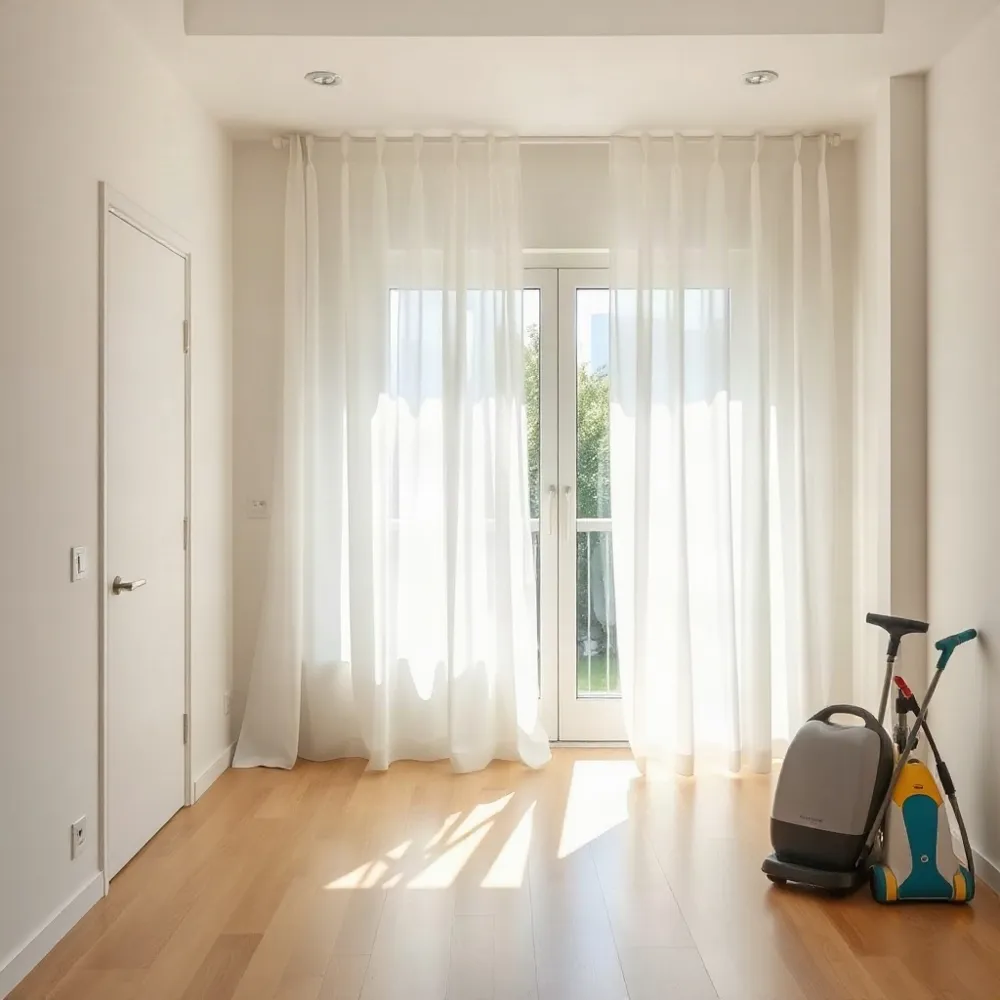
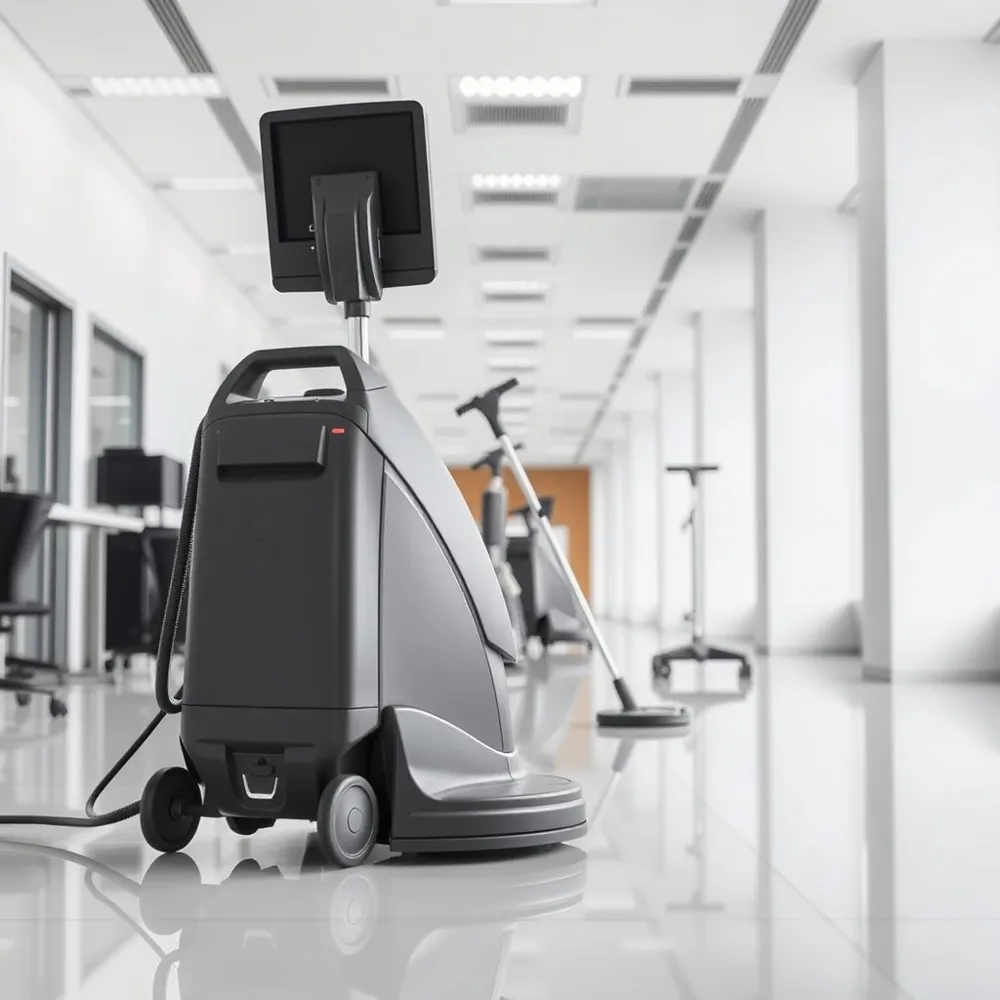
Professional cleaning employs advanced techniques to effectively reduce indoor dust and allergens. Using HEPA-filtered vacuum systems, which can capture 99.97% of particles as small as 0.3 microns, these services remove dust, pollen, pet dander, and other microscopic allergens from surfaces. The use of damp-wiping instead of dry dusting prevents spreading dust back into the air, making the cleaning process more efficient in reducing airborne particles.
What Role Does HEPA Filtration Play in Improving Air Quality?
HEPA filtration is central to professional cleaning's success at reducing pollutants. HEPA vacuums trap nearly all fine particles, including dust mites and mold spores, preventing their recirculation into indoor air. This filtration method promotes better respiratory health and comfort, especially for individuals sensitive to allergens or with asthma.
How Are Embedded Contaminants in Carpets and Upholstery Removed?
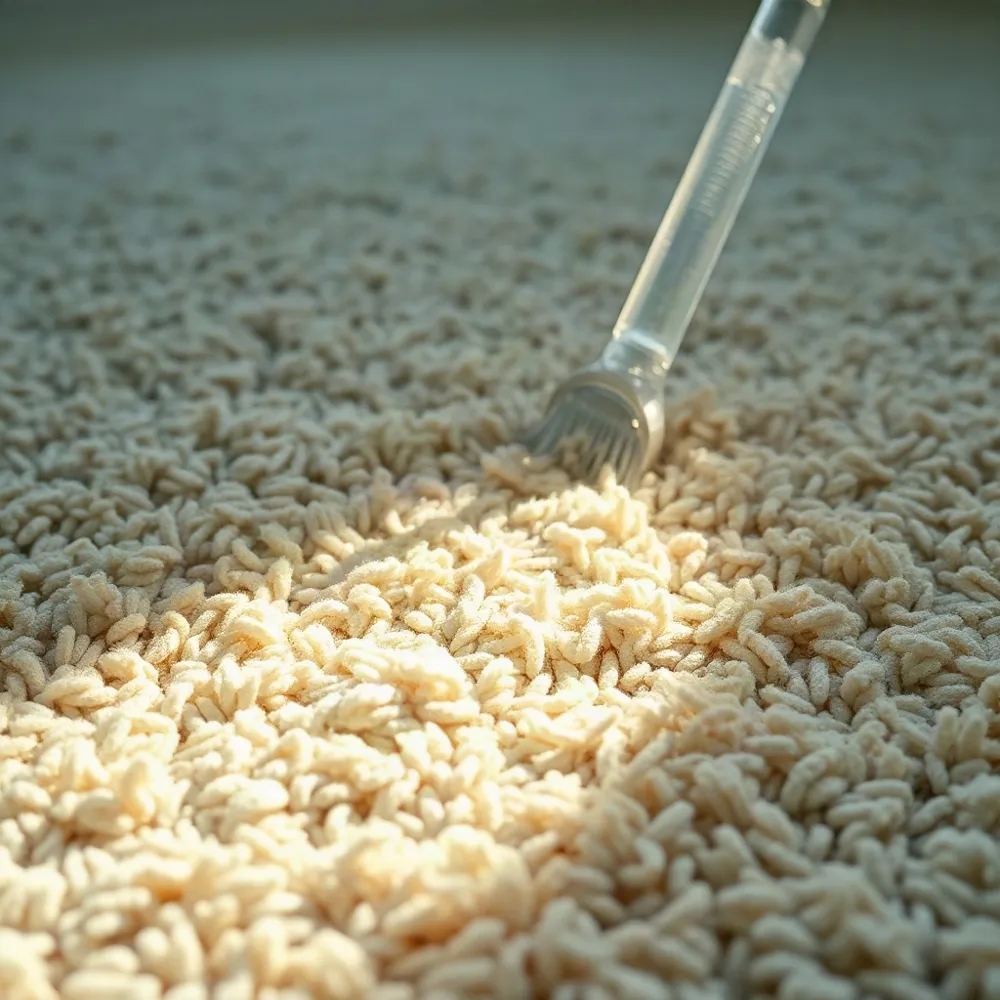
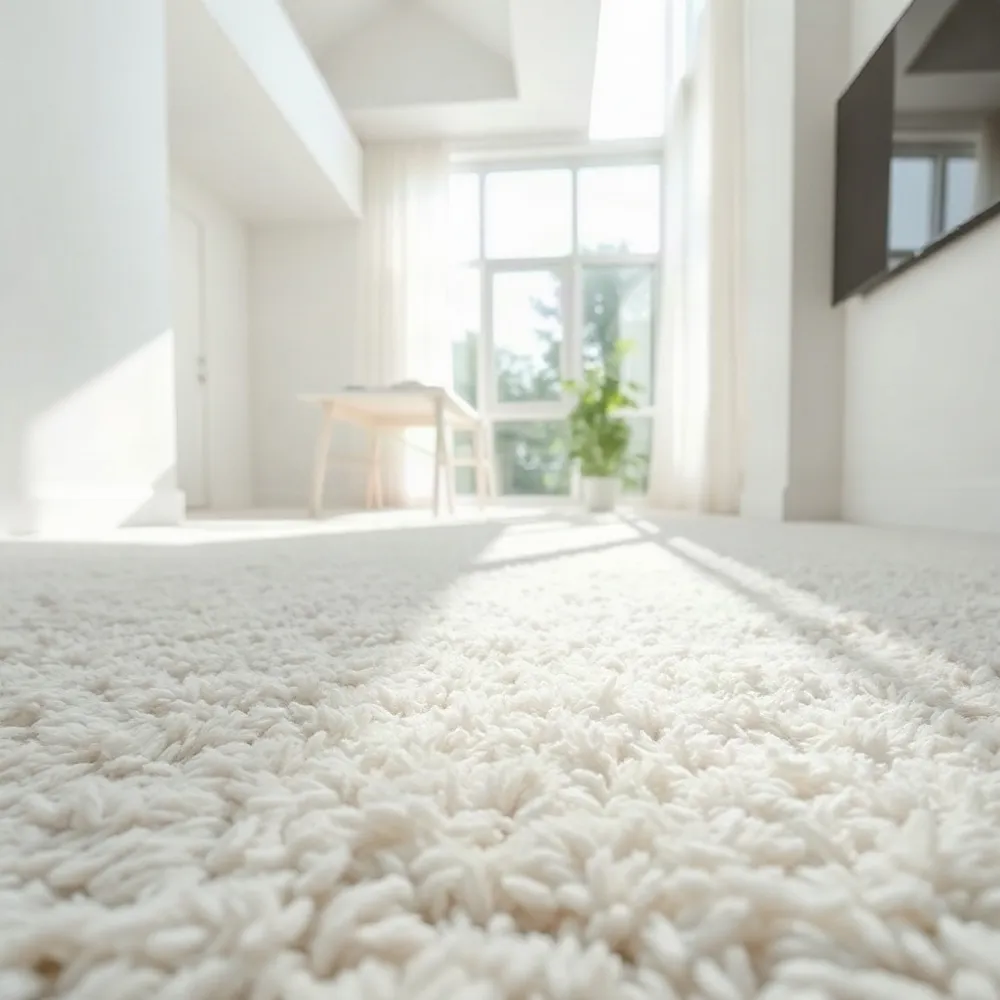
Embedded dirt and allergen reservoirs in carpets and upholstery require deep cleaning methods such as steam cleaning or hot water extraction. These techniques penetrate fibers to dislodge and remove trapped contaminants, which routine vacuuming cannot reach. Regular professional cleaning, ideally every 12 to 18 months, helps maintain carpets under standards like the CRI Seal of Approval, ensuring minimal allergen accumulation and contributing positively to indoor air quality.
How Do Professionals Control Mould and Mildew?
Mould and mildew thrive in damp, poorly ventilated areas. Professional cleaners identify moisture sources to prevent regrowth, apply antimicrobial treatments, and use eco-friendly sealants to inhibit fungal growth. Regular cleaning of air vents, exhaust fans, and HVAC components also reduces mould reservoirs, improving indoor environment quality and reducing respiratory risks associated with fungal allergens.
Together, these professional cleaning strategies effectively reduce indoor pollutant reservoirs, enhancing air quality and promoting healthier living and working environments.
The Role of HVAC and Air Duct Maintenance in Enhancing Indoor Air Quality
How does cleaning of air vents, ducts, and filters improve indoor air quality?
Keeping air vents, ducts, and filters clean is essential for maintaining good indoor air quality. Professional cleaning removes dust, allergens, mold spores, and other pollutants that accumulate in these areas, which can otherwise circulate throughout the indoor environment. Using HEPA-filter vacuums and techniques like brushing and vacuuming ensure these contaminants are effectively eliminated. For more information, see Should You Have the Air Ducts Cleaned?.
Why is preventive maintenance important in reducing duct contamination?
Preventive maintenance, such as changing HVAC filters regularly and preventing water entry into ducts, helps stop dirt and pollutants from building up. This reduces the risk of mold growth, pest infestations, and dust accumulation that harm air quality. Keeping the ventilation system dry and well-maintained is the most effective way to avoid contamination. Learn more about Importance of Preventive Maintenance for HVAC.
What are the limitations and considerations of duct cleaning?
Duct cleaning alone does not address all indoor air pollution sources as most indoor contaminants come from other origins, like tobacco smoke or building materials. The EPA states that duct cleaning has not been conclusively proven to prevent health problems unless there is visible mold, pest infestation, or excessive debris in ducts. Chemical treatments like biocides are not generally recommended due to potential health risks, as discussed under Using Chemical Biocides in Ducts.
How important is ventilation system upkeep?
Proper upkeep of ventilation systems ensures efficient airflow and pollutant removal. Maintaining clean air ducts, changing filters, repairing leaks, and optimizing ventilation rates help dilute indoor pollutants and bring fresh outdoor air inside. Good ventilation is a major strategy alongside source control and air filtration that supports healthier indoor air environments. For techniques and benefits, see Improving Indoor Air Quality.
In summary, regular cleaning and maintenance of HVAC components play a significant role in improving indoor air quality by removing pollutants and supporting optimal ventilation performance. However, duct cleaning should be approached judiciously and combined with broader source control and ventilation strategies for best results.
Minimizing Chemical Pollutants Through Safe Cleaning Practices

What are the hazards of common cleaning chemicals?
Many common cleaning products contain chemicals that can negatively affect indoor air quality and health. These include surfactants, acids, bases, carcinogens such as chloroform, and endocrine disruptors like cyclosiloxanes, phthalates, and synthetic fragrances. Exposure to such chemicals has been linked to increased risks of asthma, rhinitis, respiratory irritation, and in some cases, long-term effects like cancer. Notably, volatile organic compounds (VOCs) emitted from products and fragrances can form harmful pollutants indoors, including formaldehyde, a known human carcinogen.
How do eco-friendly and low-VOC products help?
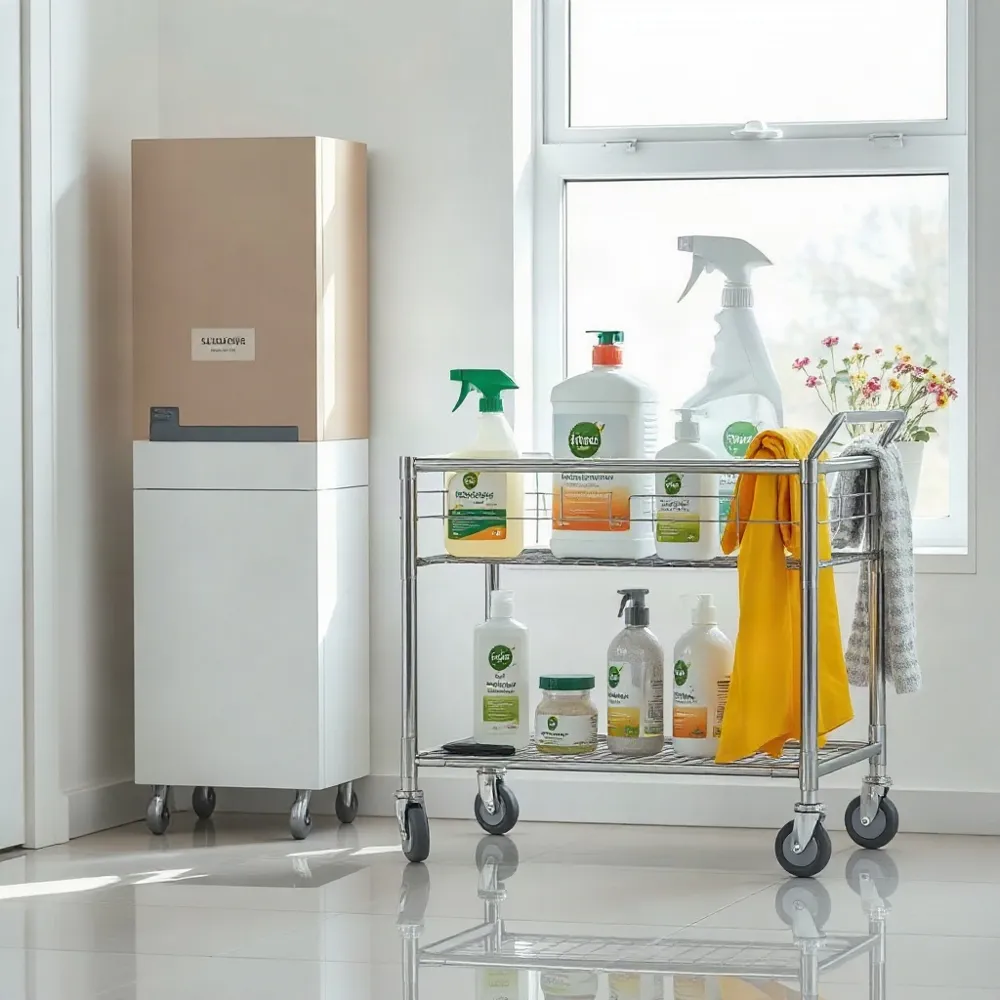
Using cleaning products labeled as eco-friendly and low in VOCs reduces the release of harmful chemicals into indoor air. These products minimize chemical emissions, lowering risks of respiratory problems and indoor pollution. Certifications like the US EPA’s Safer Choice program identify safer cleaning agents. Additionally, specialized cleaning services often select non-toxic, environmentally safe products that sustain a healthier indoor environment while maintaining cleaning effectiveness.
Why is ventilation important during and after cleaning?
Proper ventilation is critical for dispersing airborne chemicals during cleaning. Opening windows or using mechanical ventilation lets fresh air circulate, diluting pollutants and reducing chemical build-up inside. Without adequate airflow, chemical vapors linger longer, intensifying exposure. Ventilation helps prevent the accumulation of VOCs and particulate matter emitted by cleaning products, ultimately improving indoor air quality and occupant safety.
What are the best practices to reduce indoor chemical exposure?
- Limit the quantity of cleaning products used to reduce emissions.
- Avoid mixing different chemicals that may interact to produce hazardous substances.
- Refrain from using fragranced or scented cleaning agents that release additional VOCs.
- Select products without harmful additives, especially avoiding those containing pine or citrus oils during high ozone periods.
- Use HEPA-filtered vacuums and damp-wiping techniques to remove dust and chemical residues rather than spreading them.
- Educate building occupants and professional cleaners on safe use, labeling, and handling of cleaning products.
Together, these measures significantly minimize the presence of chemical pollutants indoors, promoting a safer and healthier air environment.
Professional Cleaning and Mold Management: Key to Healthier Air
What causes mould growth and what are the associated health risks?
Mould growth commonly happens in damp and poorly ventilated indoor spaces. Moisture from leaks, high humidity, and inadequate airflow creates ideal conditions for mould to thrive. Health issues linked to mould exposure include respiratory infections, worsening asthma symptoms, allergy flare-ups, and irritation of the skin, eyes, throat, and lungs. For more on Health Challenges of Indoor Air Pollution, see that resource.
How do professional services remove mould and use antimicrobial treatments?
Professional cleaning services effectively remove visible mould spores by employing specialized cleaning agents designed to target fungal contaminants. They apply antimicrobial cleaning chemicals and eco-friendly sealants that prevent mould from returning, ensuring a thorough remediation process that conventional cleaning may not achieve.
Why are moisture control and ventilation improvements important?
Controlling moisture through leak repairs and reducing indoor humidity levels are critical in preventing mould growth. Enhancing ventilation—either naturally by opening windows or mechanically via exhaust fans and air exchange systems—helps keep indoor air dry and free from mould spores, thereby reducing the likelihood of mould-related problems. Learn about Improving Ventilation Indoors and the Preventing mould growth strategies.
How does professional cleaning help prevent mould-related indoor air quality issues?
By identifying moisture sources early, removing existing mould, and maintaining cleaner air ducts and ventilation systems, professional cleaning reduces airborne spores and allergens. This comprehensive approach diminishes respiratory health risks, keeps indoor environments safe, and prevents costly damage caused by persistent mould infestation. For details on Duct Cleaning Benefits and professional cleaning impact on indoor air quality, see those resources.
Broad Benefits of Improved Indoor Air Quality from Cleaning
How Does Improved Indoor Air Quality Benefit Health?
Improving indoor air quality (IAQ) significantly reduces respiratory symptoms such as asthma attacks, allergies, headaches, coughing, and nasal congestion. Regular professional cleaning removes dust, allergens, mold spores, and chemical pollutants, which are common triggers for respiratory illnesses especially in vulnerable groups like children and those with asthma.
How Does IAQ Affect Cognitive Function and Productivity?
Better indoor air quality is linked with enhanced cognitive functions including improved decision-making, focus, and strategic thinking. Cleaner air reduces fatigue and irritation that often distract workers, leading to productivity increases estimated at up to 10%. Workplaces with good IAQ report fewer absenteeism cases and better overall employee mental well-being as discussed in the hidden benefits of clean air.
What Are the Long-Term Benefits of Maintaining Good IAQ?
Long-term benefits include a lower risk of chronic illnesses such as lung diseases and cancer, as well as reduced healthcare costs. Consistent control of indoor pollutants minimizes exposures to carcinogens like formaldehyde and radon and prevents chronic respiratory and cardiovascular conditions.
How Does Clean Air Improve Occupant Well-being and Comfort?
Clean indoor air enhances comfort by reducing odors, irritants, and airborne contaminants that can cause fatigue and illness. Improved ventilation and thorough cleaning practices, including the use of HEPA filtration and eco-friendly products, create a healthier, more pleasant environment that supports occupant satisfaction and morale.
Maintaining Cleanliness for Sustained Indoor Air Health
Professional cleaning significantly enhances indoor air quality by eliminating dust, allergens, molds, and chemical residues, and by maintaining ventilation systems that circulate cleaner air. Beyond immediate health improvements, better indoor air contributes to greater comfort, cognitive function, and productivity, while reducing long-term illness risks. Embracing regular professional cleaning services alongside safe cleaning practices and proper building maintenance ensures a healthier indoor environment that supports the well-being of all occupants.
Recent articles