Making Cleaning Stress-Free: Our Proven Approach

Introduction to a Simplified, Stress-Reducing Cleaning Approach
The Role of a Clean Environment in Reducing Stress
Maintaining a clean and organized living space plays a crucial role in reducing stress and enhancing mental clarity. Clutter and disorder tend to increase anxiety and make focusing difficult, while tidiness promotes a calming atmosphere and supports emotional well-being.
Practical and Manageable Cleaning Strategies
Adopting manageable cleaning techniques, such as breaking tasks into short, focused sessions with breaks in between, helps prevent feeling overwhelmed. The 20/10 cleaning method, for example, involves 20 minutes of dedicated cleaning followed by a 10-minute rest, encouraging sustained attention and motivation.
Preparing supplies in advance and focusing on one single area per session ensures visible progress, which can boost morale. Flexible scheduling and choosing eco-friendly methods can further enhance the sense of control and provide a healthier home environment.
Engaging in these small, structured efforts turns cleaning into a stress-relief activity, encouraging a sense of accomplishment while maintaining the physical and mental benefits of a well-kept home.
The 20/10 Cleaning Method: Boost Focus and Beat Burnout

Explanation of the 20/10 cleaning method
The 20/10 cleaning method structures cleaning into focused 20-minute cleaning sessions followed by 10 minute breaks. This approach helps manage attention span and reduces exhaustion by breaking down cleaning into manageable time periods. Experts like Sofia Martinez from Sparkly Maid Austin and Forrest Webber of Bear Brothers Cleaning endorse its effectiveness, especially when performed consistently.
Benefits of time-focused cleaning sessions
Focusing exclusively on single area cleaning focus during the 20-minute session encourages visible progress, which boosts motivation. This focus also prevents the overwhelm that comes with multi-tasking across different spaces. The short work bursts help maintain energy levels and reduce cleaning anxiety by making tasks feel less daunting.
Preparation and using audible timers
Preparation for cleaning success is key to staying in the cleaning zone: gather supplies in advance and set a plan of which area to tackle. An audible cleaning timer is preferred over a visual one to maintain focus and avoid the distraction of checking the clock frequently. During breaks, it’s recommended to change activities entirely—such as stepping outside for fresh air or making coffee—to recharge mentally (break activities for recharging).
Flexibility of intervals and break activities
While the classic timing is 20 minutes of work and 10 minutes off, these intervals can be adjusted to fit the size of the cleaning area or the complexity of the task. Variations like 15/7 or 25/10 minutes provide flexible interval cleaning. Break activities should be relaxing and different from cleaning to effectively reset focus (break activities for recharging.
How can someone overcome cleaning anxiety?
Start by creating a simple cleaning plan that prioritizes pressing tasks, making the job feel more manageable. Employ short, focused sessions with timers—10 to 15 minutes works well to lower overwhelm and prevent burnout (focused 20-minute cleaning sessions. Listening to calming music or engaging podcasts can transform cleaning into a relaxing activity. Involving friends or family offers encouragement and makes the process more enjoyable. Remember, cleaning progress is gradual; celebrate small victories and be kind to yourself. This approach fits well within a stress-free tidying strategy.
Crafting Daily and Quick Cleaning Checklists for Maintenance

How can one create an effective daily or quick cleaning checklist?
Creating an effective daily cleaning checklist begins with pinpointing the highest-use and high-touch areas such as kitchens, bathrooms, and entryways. These are spaces where germs accumulate and clutter builds quickly, so they deserve prime attention.
Start by listing essential tasks like wiping down countertops, cleaning mirrors, and disinfecting door handles and light switches. Incorporate small decluttering actions to organize and tidy surfaces, making subsequent cleaning easier and more efficient.
To boost focus and avoid burnout, consider using a structured approach like the 20/10 cleaning method—focused 20-minute cleaning sessions followed by 10 minute breaks. This expert-approved cleaning technique helps maintain motivation and prevents exhaustion. Use an audible cleaning timer to stay on track without distraction.
Prioritizing high-use and high-touch areas
High-touch surfaces require regular cleaning and disinfecting to reduce germs and maintain health. This includes doorknobs, light switches, countertops, and sinks. Scheduling these tasks daily or several times per week ensures a consistently hygienic environment. For detailed advice, see Cleaning and disinfecting your home.
Incorporating decluttering and time management
Decluttering is an important step before cleaning. Quickly organizing misplaced items, deciding whether to donate or discard, helps clear spaces for efficient cleaning. Using a cleaning caddy benefits or container with all necessary supplies can save time by limiting trips back and forth.
Benefits of checklist consistency and adaptability
Consistency in using a checklist promotes routine and reliability, which reduces stress and keeps spaces healthier. Regular review and adjustment keep the checklist relevant based on seasonal needs or evolving priorities.
By combining targeted cleaning with practical time management, daily and quick cleaning checklists can simplify maintenance and support Sparkling home tips continually.
Expert-Recommended Cleaning Methods and Tools for Efficiency

What are effective cleaning methods for home?
Effective home cleaning involves using products with appropriate contact time to maximize germ removal while incorporating regular dusting and vacuuming to reduce dirt buildup. Microfiber cloth benefits excel in trapping dust, dirt, and allergens better than traditional materials, enhancing cleanliness across surfaces. When mopping, using separate buckets for cleaning solution and rinsing prevents dirt redistribution and helps maintain hygiene. Establishing a Recurring cleaning schedules ensures consistent upkeep and avoids the stress of large tasks. Selecting Eco-friendly cleaning methods protects household health without compromising cleanliness.
What are some proven cleaning approaches and methods used by professionals?
Professionals adopt systematic cleaning routines, targeting one room or task at a time to maintain focus and thoroughness. They tailor cleaning agents to surface types to maximize efficiency and minimize damage. Efficient home cleaning uses microfiber tools favored for their superior dirt and microbe capture capabilities, reducing chemical usage and environmental impact. Consistent scheduling, often Bi-weekly cleaning service or as needed, supports cleanliness and prolongs the life of furnishings. Organizing cleaning supplies in portable Cleaning caddy benefits allows easy access and transportation, speeding up workflows and increasing productivity.
Effective dusting, vacuuming, and disinfecting techniques
Prioritize dusting high and hard-to-reach areas such as ceiling fans and blinds to prevent dust accumulation. Vacuum efficiently by covering each section of carpet once before making additional passes only if necessary. Disinfect high-touch surfaces like doorknobs, light switches, and countertops using Proper use of EPA-registered disinfectants or natural disinfectants such as vinegar-water mixes while allowing proper wetting time. Always follow safety guidelines, including ventilation and wearing protective gloves to ensure Safe cleaning practices in your home.
Use of microfiber cloths and eco-friendly products
Microfiber cloth benefits help reduce chemical usage due to their excellent dirt-trapping ability. Sustainable cleaning practices with recognized safety labels promote health and environmental responsibility. Using Homemade cleaning solutions, such as diluted vinegar solutions, also offers an effective and safe alternative for routine cleaning tasks.
Organizational tools like cleaning caddies
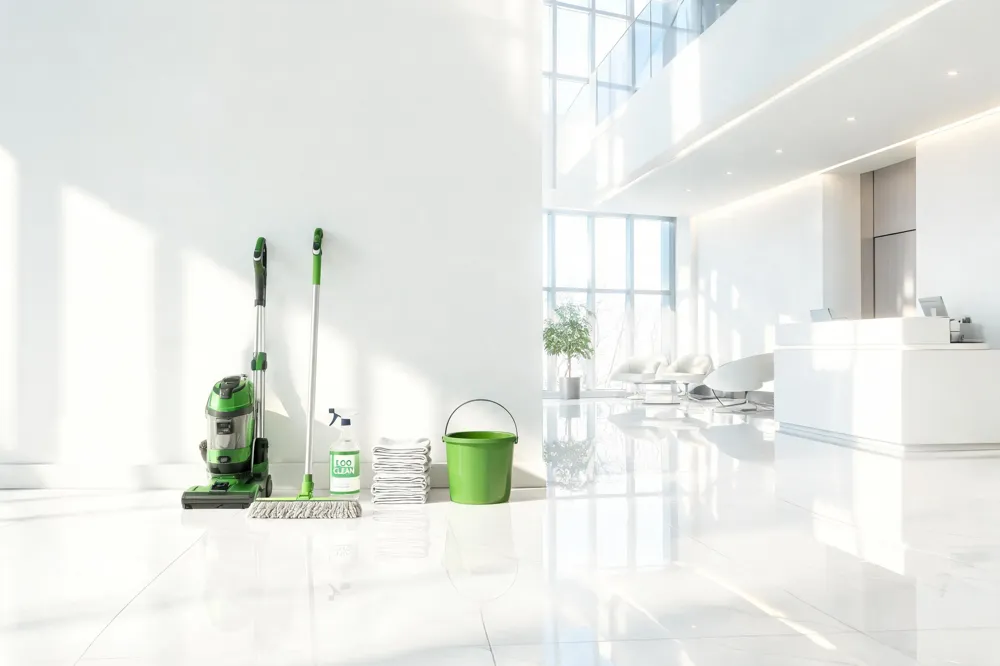
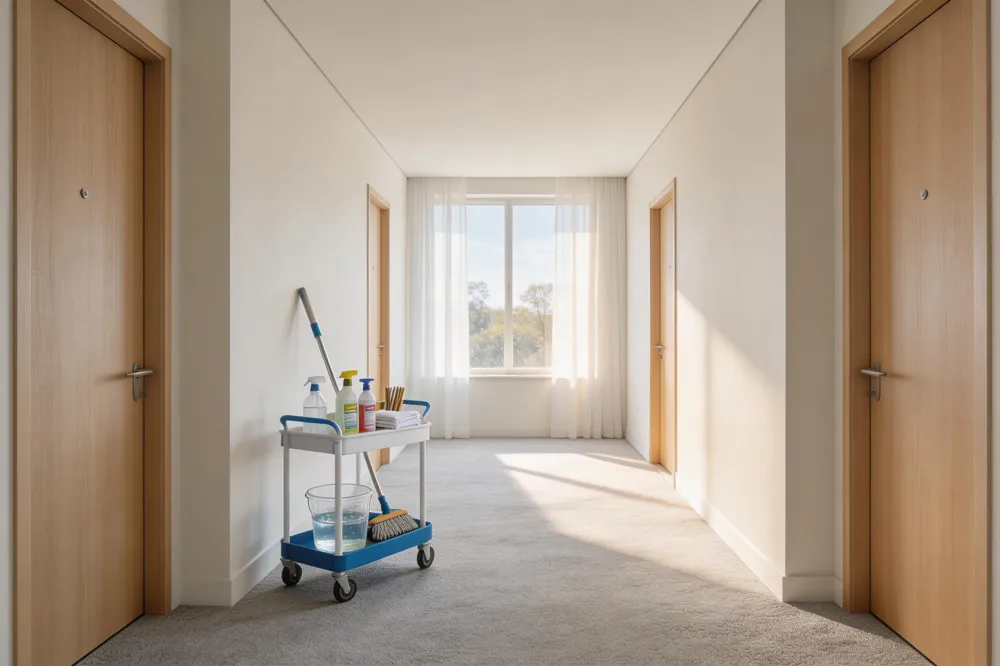
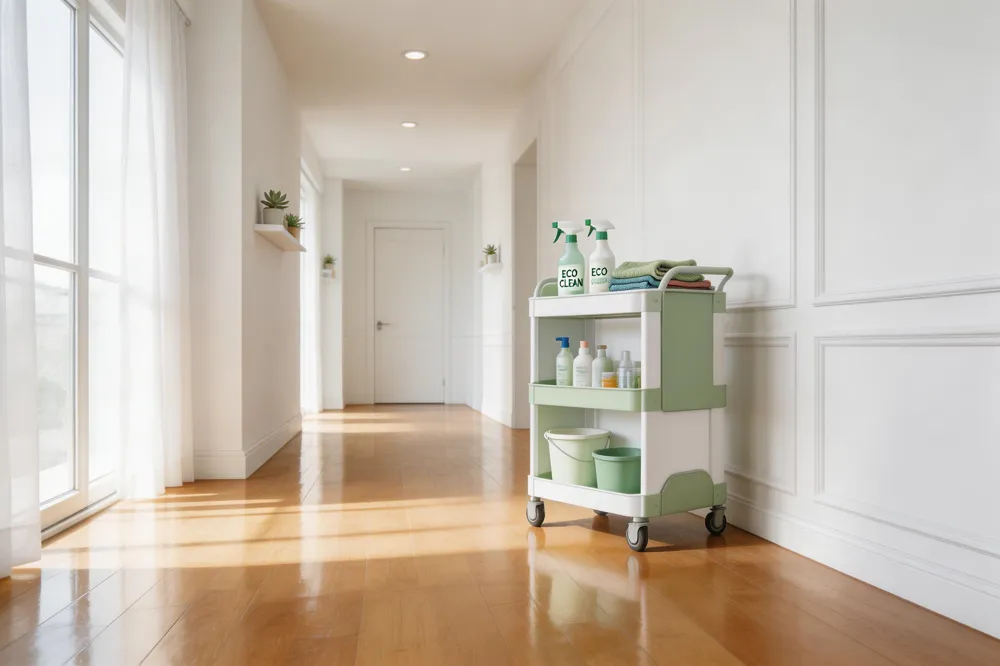
Cleaning caddy benefits streamline cleaning by keeping all necessary supplies—cloths, sprays, brushes—in one portable container. This reduces time spent searching for items and helps maintain momentum during cleaning sessions.
| Cleaning Aspect | Recommended Method or Tool | Benefit |
|---|---|---|
| Task Focus | Single-task cleaning | Improved thoroughness and speed |
| Cleaning Cloths | Microfiber cloth benefits | Efficient dirt and allergen capture |
| Cleaning Products | Eco-friendly cleaning methods | Safer for health and environment |
| Dusting & Vacuuming | Dusting and vacuuming tips | Prevents dust buildup, extends surface life |
| Disinfecting | Using sanitizers and disinfectants | Effective germ elimination |
| Organizational Tools | Cleaning caddy benefits | Saves time, keeps supplies handy |
Incorporating these expert-recommended methods and tools supports maintaining a healthier, more efficient, and environmentally conscious cleaning routine suitable for both homes and commercial properties.
Maintaining a Consistently Clean Home: Tips and Daily Habits
What are some basic cleaning checklists for maintaining a clean home?
Maintaining a clean home involves several fundamental tasks that promote cleanliness and organization. Key activities include dusting furniture, baseboards, and light fixtures regularly, along with vacuuming or sweeping floors to remove dirt and allergens.
Kitchen and bathroom upkeep is essential; wipe countertops, clean appliances, and disinfect fixtures to prevent germs. Regularly empty trash bins to avoid odors and clutter buildup. Alongside these, daily or weekly tidying keeps spaces organized and manageable.
For more thorough maintenance, incorporate occasional deep-cleaning tasks such as washing windows, cleaning grout, and dusting ceiling fans. Following a consistent routine with professional-grade supplies ensures efficiency. An annual spring cleaning session acts as a comprehensive refresh for the home environment.
How can individuals maintain their home looking and feeling clean at all times?
Consistency is vital for a home that always looks and feels welcoming. Regular Decluttering techniques helps reduce stress and keeps belongings orderly. Focus on daily cleaning of high-touch surfaces like door handles and light switches to reduce germ spread.
Establish routines for laundry, dishwashing, and dusting to prevent dirt accumulation. Clever storage solutions help keep items out of sight and reduce clutter visually. Routine maintenance is equally important—vacuum dryer vents yearly and steam-clean mattresses to improve air quality and hygiene.
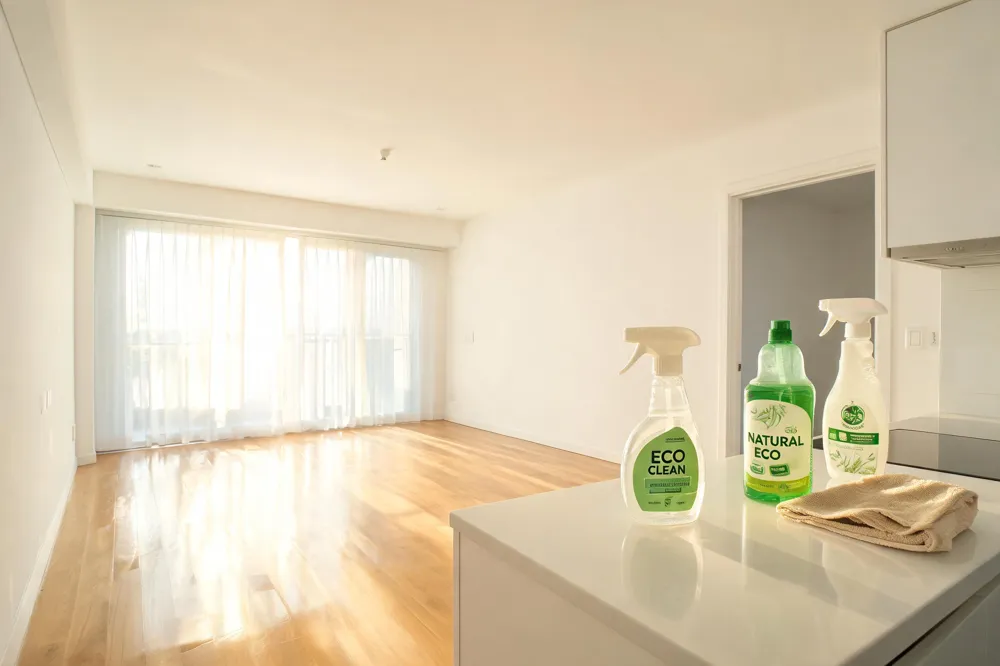
Use safe, eco-friendly cleaning products whenever possible. For example, vinegar serves as an effective descaler for appliances and cleanser for showerheads, promoting sustainability and health.
Lastly, regular cleaning and disinfecting your home, combined with well-maintained appliances, ensures a hygienic and comfortable living space that enhances overall wellbeing.
Safe and Eco-Friendly Cleaning Product Recommendations
- Use vinegar and water mixtures for descaling and disinfecting
- Employ microfiber cloth benefits for dusting and surface wiping
- Select EPA Safer Choice labeled products to reduce chemical risks
- Avoid mixing cleaning agents to prevent harmful reactions
Routine Appliance and Fixture Maintenance for Hygiene
- Vacuum dryer vents annually to prevent buildup
- Deep-clean mattresses with steamers to remove allergens
- Clean showerheads with vinegar to prevent mineral deposits
- Regularly disinfecting commonly-touched surfaces
| Cleaning Aspect | Recommended Action | Benefit |
|---|---|---|
| Decluttering | Regularly remove unnecessary items (Decluttering techniques) | Reduces stress and clutter |
| High-Touch Surfaces | Daily wipe with disinfectant (Cleaning high-touch areas | Minimizes germ transmission |
| Laundry and Dusting | Scheduled routine tasks (Scheduled household cleaning tasks) | Maintains cleanliness and order |
| Appliance Maintenance | Regular descaling and vent vacuuming | Extends appliance life & hygiene |
| Cleaning Products | Use eco-friendly, safe products (Safe cleaning practices in your home) | Protects health and environment |
For maximum efficiency and stress-free tidying strategy, consider using the 20/10 cleaning method, which involves focused 20-minute cleaning sessions followed by 10 minute breaks, enhancing motivation and maintaining energy.
Bathroom Cleaning: Professional Tips for a Hygienic Space
What are some effective professional cleaning tips for bathrooms?
Professional bathroom cleaning emphasizes thorough disinfection using high-quality products. It is essential to cleaning and disinfecting your home to eliminate germs and maintain hygiene. Scrubbing showers, tubs, and toilets regularly with proper brushes helps remove soap scum, grime, and bacteria buildup.
For mirrors and fixtures, professionals recommend using streak-free cleaners that leave a spotless and polished finish, contributing to a fresh and inviting bathroom look. Clean fixtures also reduce water spots and mineral deposits.
Ventilation plays a crucial role in maintaining a hygienic bathroom. Opening windows or running exhaust fans during and after cleaning helps control moisture levels, which prevents the growth of mold and mildew. This not only maintains air quality but also protects surfaces from moisture-related damage.
Incorporating regular deep cleanings with these practices leads to a healthier and more pleasant bathroom environment.
| Cleaning Aspect | Professional Tip | Benefit |
|---|---|---|
| Disinfection | Use quality disinfectants on all surfaces | Kills germs, promotes health |
| Scrubbing | Focus on showers, tubs, toilets with proper brushes | Removes grime and buildup |
| Mirrors & Fixtures | Use streak-free cleaners for a polished finish | Enhances aesthetic appeal |
| Ventilation | Open windows or use exhaust fans | Prevents mold and mildew |
The Mental Health Benefits of Maintaining a Clean Home
How does cleaning help reduce stress?
Cleaning plays a significant role in reducing stress by creating a more organized and tidy environment, which can help clear the mind and reduce feelings of chaos. A clutter-free space supports easier focus and a stronger sense of control, directly alleviating anxiety and mental overload. Learn more about the connection between cleanliness and mental health.
Cleaning as a mindfulness and relaxation activity
Engaging in cleaning can serve as a form of mindfulness, offering a calming routine that helps individuals stay present. This repetitive activity promotes relaxation similar to other stress-relief practices by focusing attention on the task at hand, reducing nervousness and improving mental clarity. Explore how cleaning comparable to yoga for stress relief.
Positive mood and feelings of control from decluttering
Decluttering boosts mood by providing a sense of accomplishment and empowerment. Managing small, manageable cleaning tasks can help people feel more in control of their environment, which fosters mental well-being. An orderly setting also supports a calming atmosphere that benefits both physical and mental health. Check out effective decluttering techniques and small cleaning tasks to manage depression.
Cautions about over-cleaning and mental health awareness
While cleaning is beneficial, over-cleaning or compulsive cleaning behaviors may indicate underlying mental health concerns such as obsessive-compulsive disorder (OCD) or anxiety. Recognizing these signs is important, and professional help should be sought when cleaning habits interfere with daily life or cause distress. Understand more about signs of compulsive cleaning and mental health issues.
Conclusion: Embracing a Stress-Free Cleaning Lifestyle
Fostering a Calm Cleaning Routine
Adopting effective cleaning methods, such as the 20/10 technique, encourages focused work periods followed by meaningful breaks, reducing exhaustion and maintaining motivation.
Personalizing your cleaning schedule to suit your space and preferences helps create manageable tasks that enhance your sense of control and reduce stress. Small, consistent efforts prevent clutter buildup and promote a healthier environment.
Maintaining mindfulness during cleaning not only improves the quality of the task but also boosts mental well-being by turning chores into calming, stress-relief practices. Embracing these strategies fosters a sustainable and balanced cleaning lifestyle, leading to a tidier home and a clearer mind.
Recent articles