The Role of Cleaning in Apartment Inspections


Setting the Stage: Cleaning as a Cornerstone in Apartment Inspections
The vital role of cleaning in meeting inspection standards
Maintaining cleanliness is fundamental to successfully passing apartment inspections. Cleanliness ensures that critical areas such as bathrooms, kitchens, and common spaces meet safety and habitability standards. This includes sanitizing fixtures, removing allergens, and maintaining pest-free environments. Proper cleaning minimizes health risks and protects physical assets like flooring and appliances, ultimately preserving property value. High-traffic shared areas demand specialized deep cleaning routines to prevent germ spread and create safer living spaces.
Overview of apartment inspections and their impact on property management
Apartment inspections, typically conducted annually with advance notice, evaluate safety, functionality, and compliance with HUD requirements. Inspections assess conditions such as appliance operation, smoke detector functionality, and overall cleanliness. Property managers rely on these inspections to identify maintenance needs and address lease violations. By proactively managing cleaning and repairs, property managers improve tenant satisfaction and maintain eligibility for HUD funding. Regular cleaning inspections bolster quality control, demonstrating commitment to high standards and facilitating smooth turnovers. This integrated approach optimizes property management and enhances community living conditions.
Cleaning Standards and Inspection Requirements: HUD and Public Housing Guidelines
What cleaning and safety standards must apartments meet for HUD inspections?
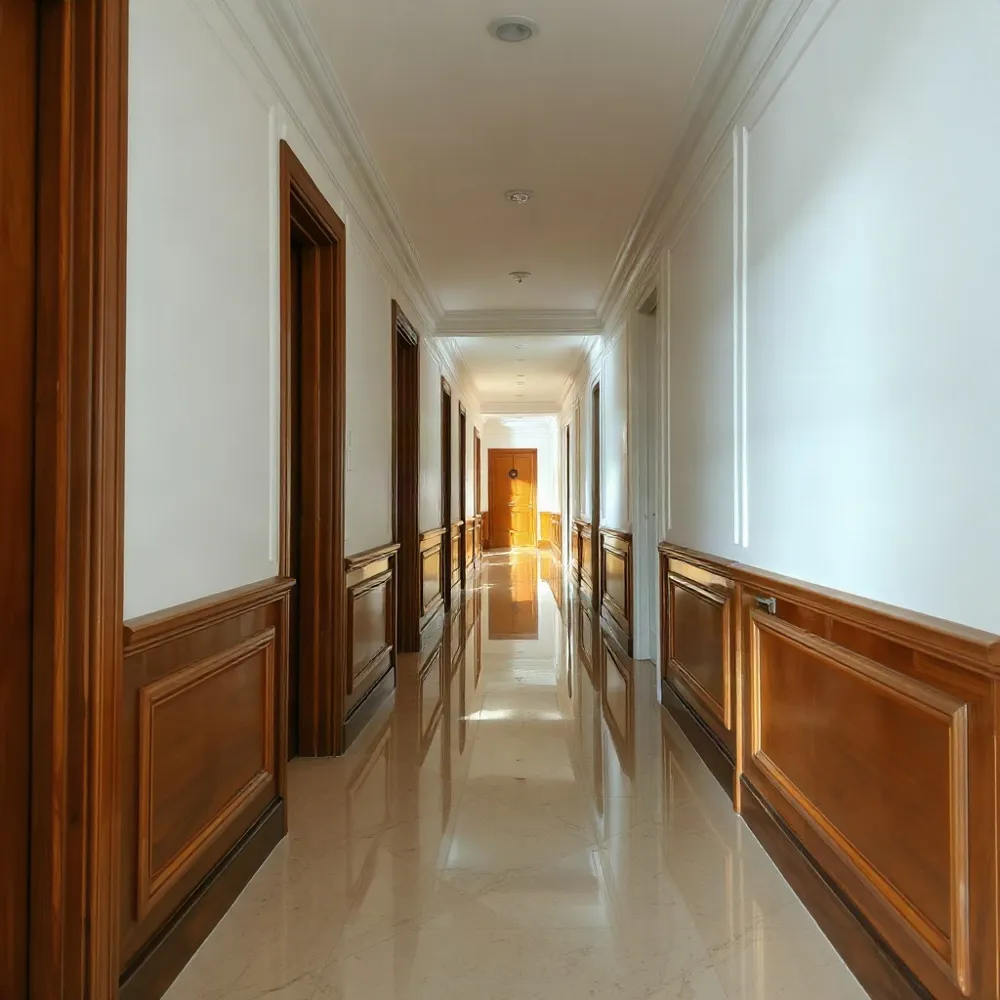
HUD inspections require that apartments maintain high cleaning for HUD inspection and safety standards to ensure safe living conditions. Bathrooms must be thoroughly cleaned, including bathroom plumbing fixtures, bathroom ventilation, and water heater cleaning. Entryway cleaning, hallway maintenance, and floor cleaning and safety are expected to be clean, well-maintained, and free from hazards to comply with HUD’s safety requirements.
Window and door functionality, window and door security, and HUD door and window requirements must be fulfilled. In addition, critical safety devices like smoke detectors testing and carbon monoxide alarms must be regularly tested and operational to meet HUD regulations. Maintaining these standards helps protect residents and aligns with NSPIRE standards compliance, which are essential for HUD funding eligibility.
How does NYCHA manage apartment inspections and minor repairs?
The New York City Housing Authority (NYCHA) conducts annual public housing inspections to ensure each public housing apartment meets HUD’s decent, safe, and sanitary standards. These inspections include verifying that appliance and equipment safety is maintained and that temperature and hot water standards are fulfilled.
If minor issues, such as leaky sinks or malfunctioning detectors, are identified, NYCHA either addresses them during the inspection or promptly creates work orders for follow-up repairs by maintenance staff. Residents receive advance written notice and are required to allow access to their units. The process also involves checking for lease violation checks, ensuring compliance with all housing rules consistent with federal law compliance in inspections.
Ensuring compliance with NSPIRE and HUD regulations
Aligning with NSPIRE standards compliance is critical for public housing properties to maintain eligibility for HUD funding and guarantee the safety and well-being of residents. Property managers must prioritize cleaning, hazard removal, and safety device upkeep while maintaining detailed documentation through pre-inspection walkthroughs. This proactive approach reduces inspection failures and supports ongoing compliance.
Maintaining clean and safe living environments through adherence to HUD inspection preparation and HUD safety and habitability standards not only fulfills regulatory requirements but also enhances tenant satisfaction and community pride.
Deep Cleaning: Extending Property Life and Ensuring Health Standards

Why is deep cleaning important in apartment inspections?
Deep cleaning is crucial because it goes beyond routine cleaning by thoroughly removing accumulated dirt, bacteria, allergens, and grime. This process significantly improves indoor air quality, which directly benefits resident health. In apartment inspections, deep cleaning ensures that properties meet high standards for sanitation and safety, which is essential for passing Cleaning for HUD inspection.
The need for periodic deep cleaning beyond routine cleaning
Routine cleaning addresses surface-level dirt, but periodic deep cleaning tackles hard-to-reach areas and overlooked grime. It targets the buildup that can degrade surfaces over time. Regularly scheduling deep cleaning—be it monthly, quarterly, or annually—keeps apartments in peak condition and helps prevent costly repairs or replacements. Refer to the Ultimate apartment deep cleaning checklist for detailed guidelines.
Benefits for indoor air quality and reducing allergens
Deep cleaning reduces the presence of allergens like dust mites, pet dander, and mold spores. By removing these irritants, it creates a healthier living environment, lowering risks for allergies and respiratory issues. This is especially important in multi-unit housing where air quality affects many residents. Learn more about Deep cleaning benefits for apartments.
Special attention to high-traffic and shared areas
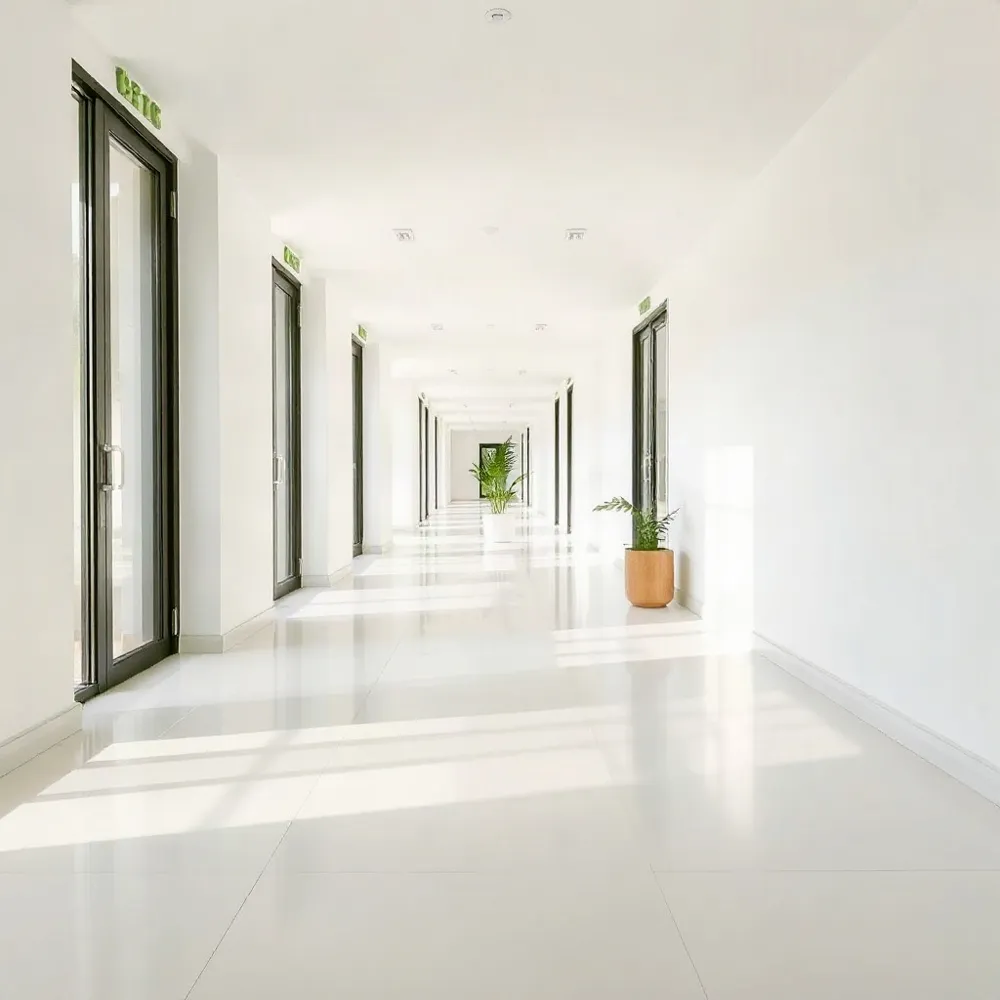
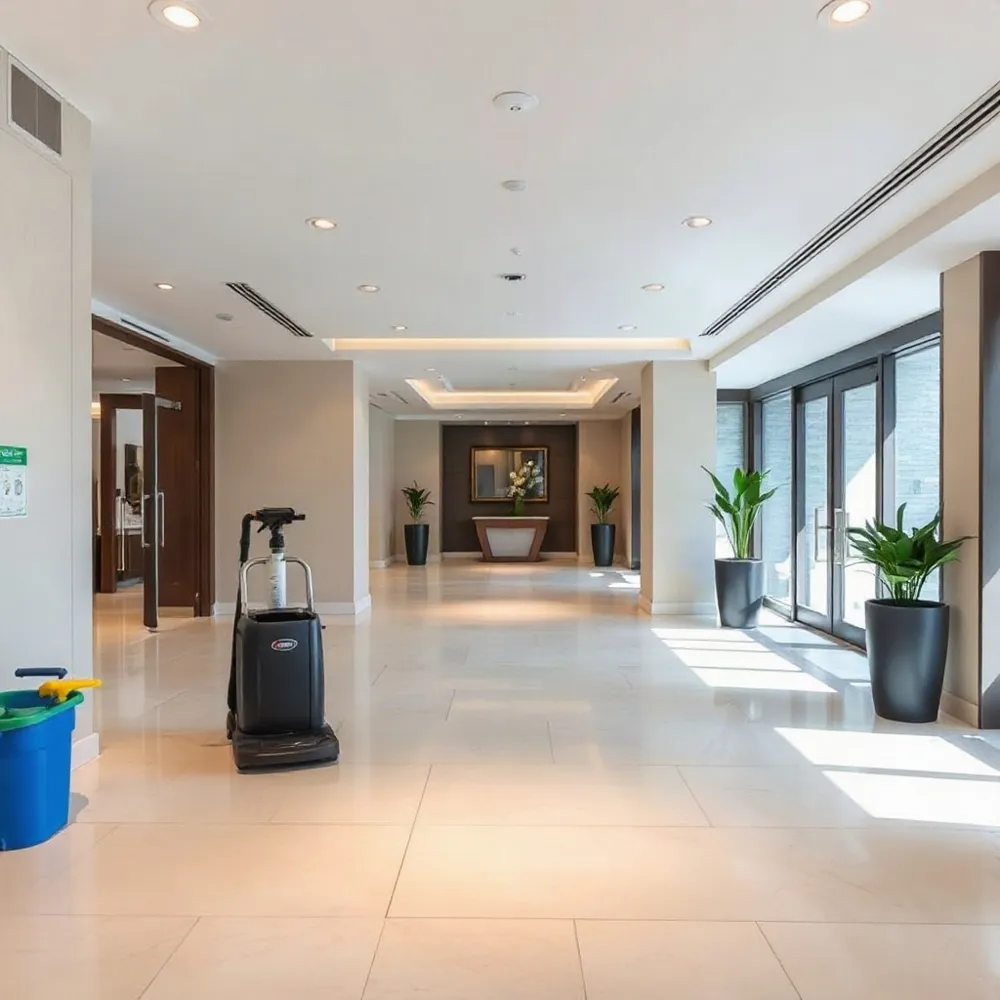
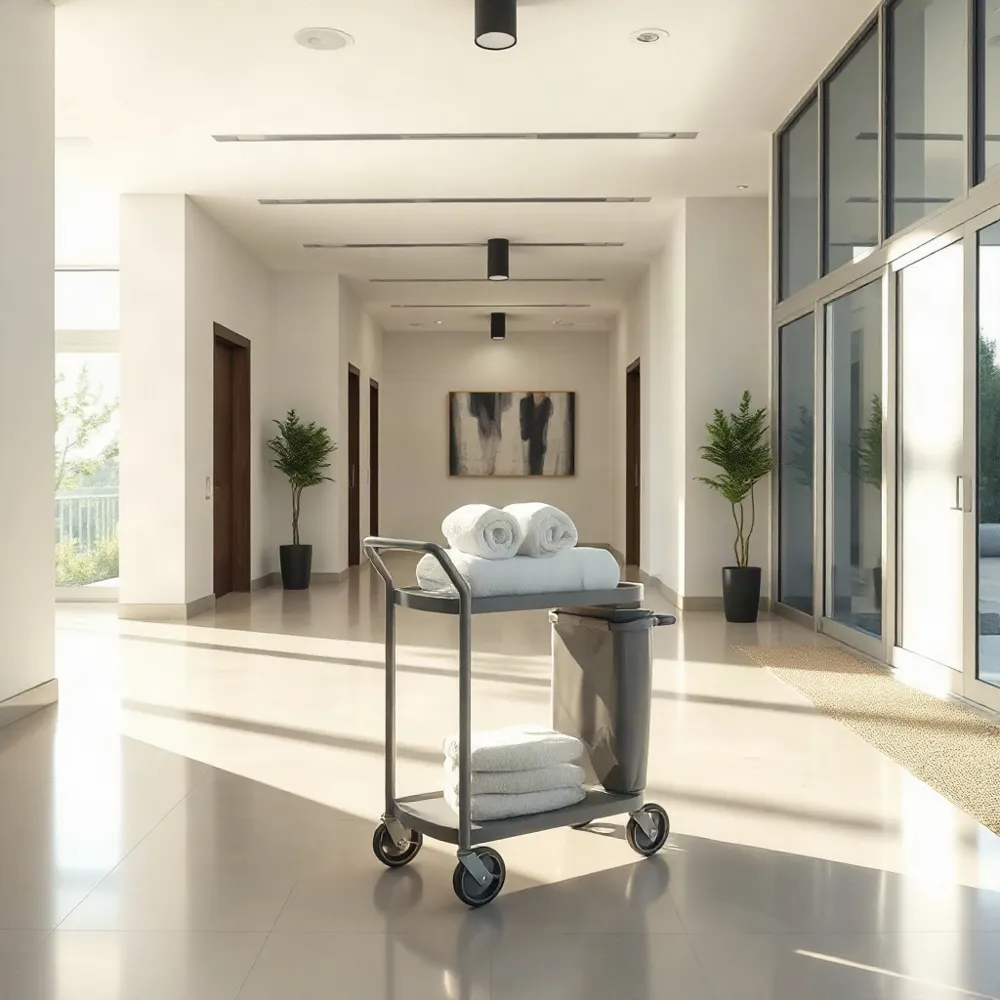
Shared and high-traffic spaces such as hallways, lobbies, elevators, laundry rooms, and shared bathrooms require focused deep cleaning routines. These areas are prone to rapid accumulation of germs and bacteria. Intensive scrubbing, disinfecting high-touch surfaces, and thorough cleaning of floors and fixtures help minimize the spread of illness. See more on Deep cleaning shared high-traffic spaces and apartment building cleaning.
Role of professional cleaning services and customized schedules
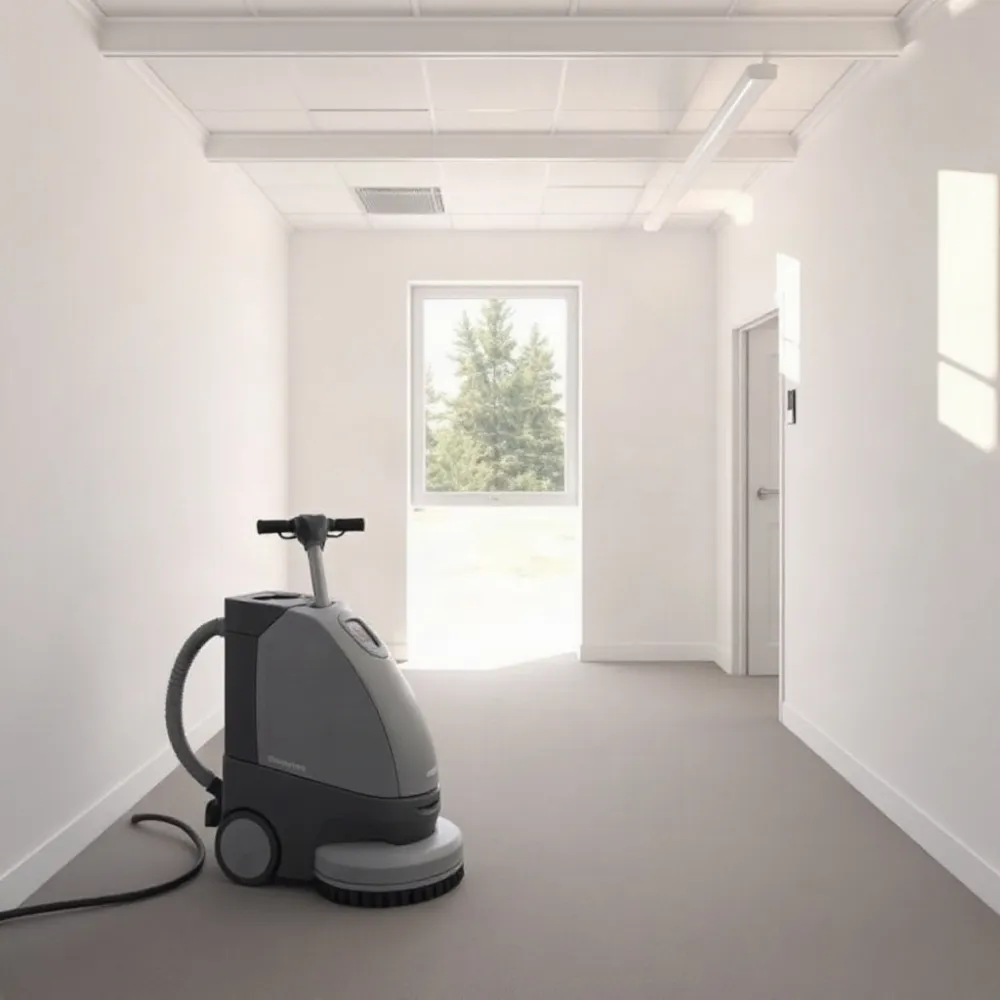
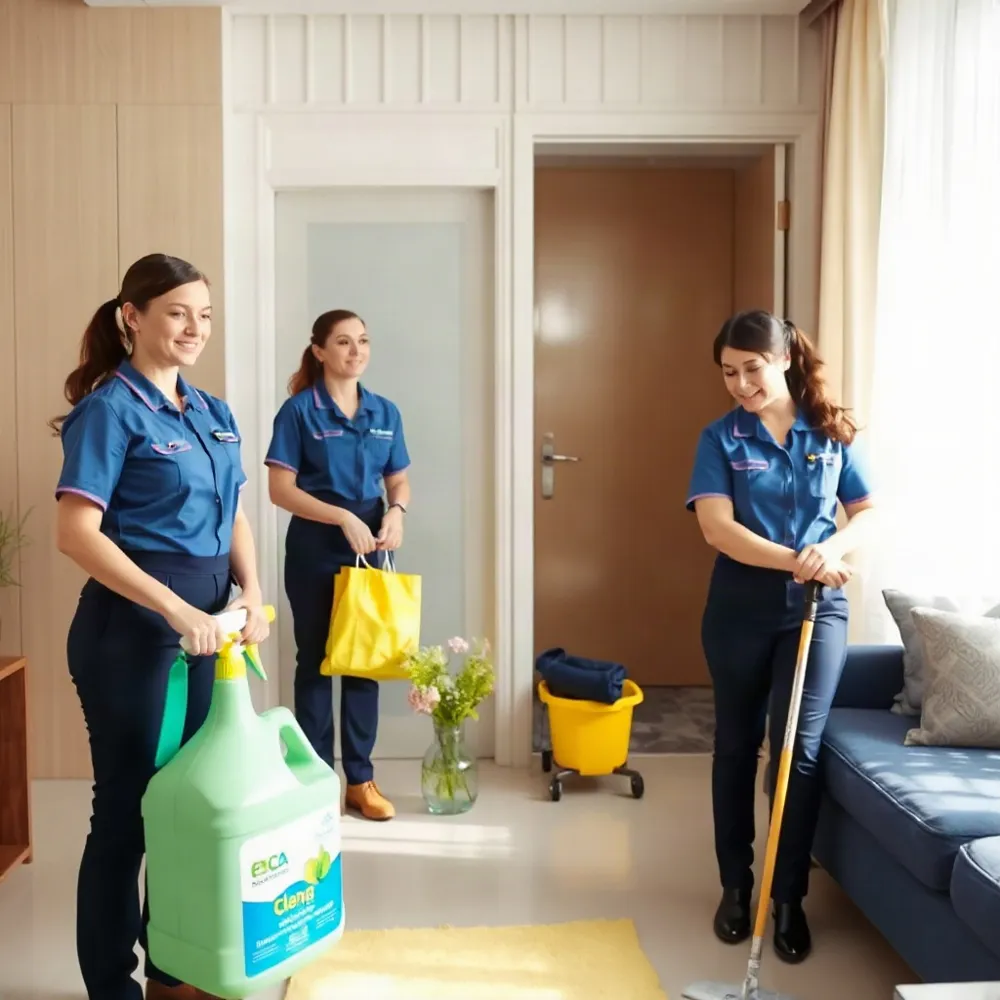
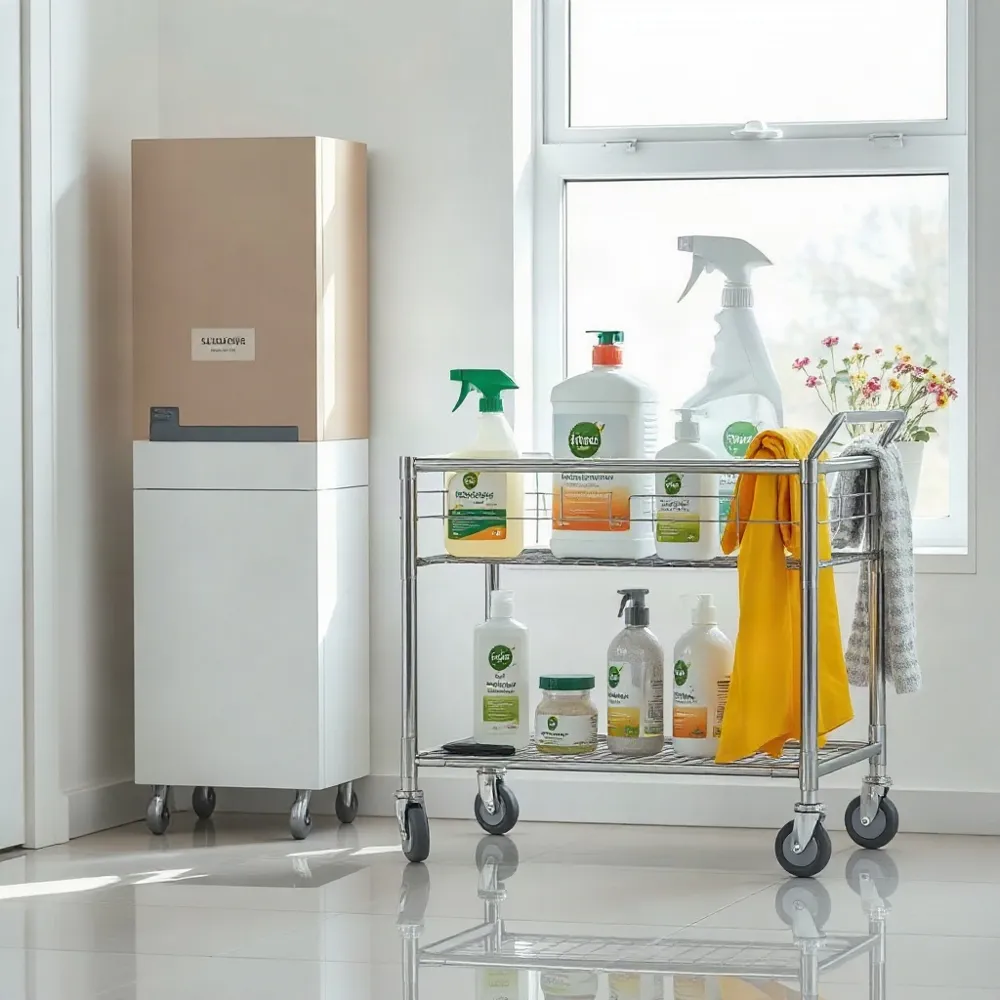
Professional cleaning companies bring specialized expertise, tools, and eco-friendly methods to deliver effective deep cleaning tailored to the property’s specific needs. They can develop customized schedules that align with the property’s occupancy, traffic, and compliance requirements, ensuring consistent maintenance of high cleanliness standards. Explore options for professional apartment cleaning services and Professional apartment cleaning services.
| Aspect | Description | Importance |
|---|---|---|
| Periodic Deep Cleaning | Involves intensive cleaning beyond routine tasks | Extends property lifespan, prevents damage |
| Indoor Air Quality | Reduction of allergens and bacteria | Enhances resident health, reduces complaints |
| High-Traffic Areas | Special focus on common spaces and shared facilities | Minimizes germ spread, improves impressions |
| Professional Cleaning | Expertise and tailored cleaning plans | Ensures compliance, efficient and thorough service |
Preparing for Inspections: Cleaning Strategies and Turnover Protocols
How can tenants and property managers prepare cleaning-wise for apartment inspections?
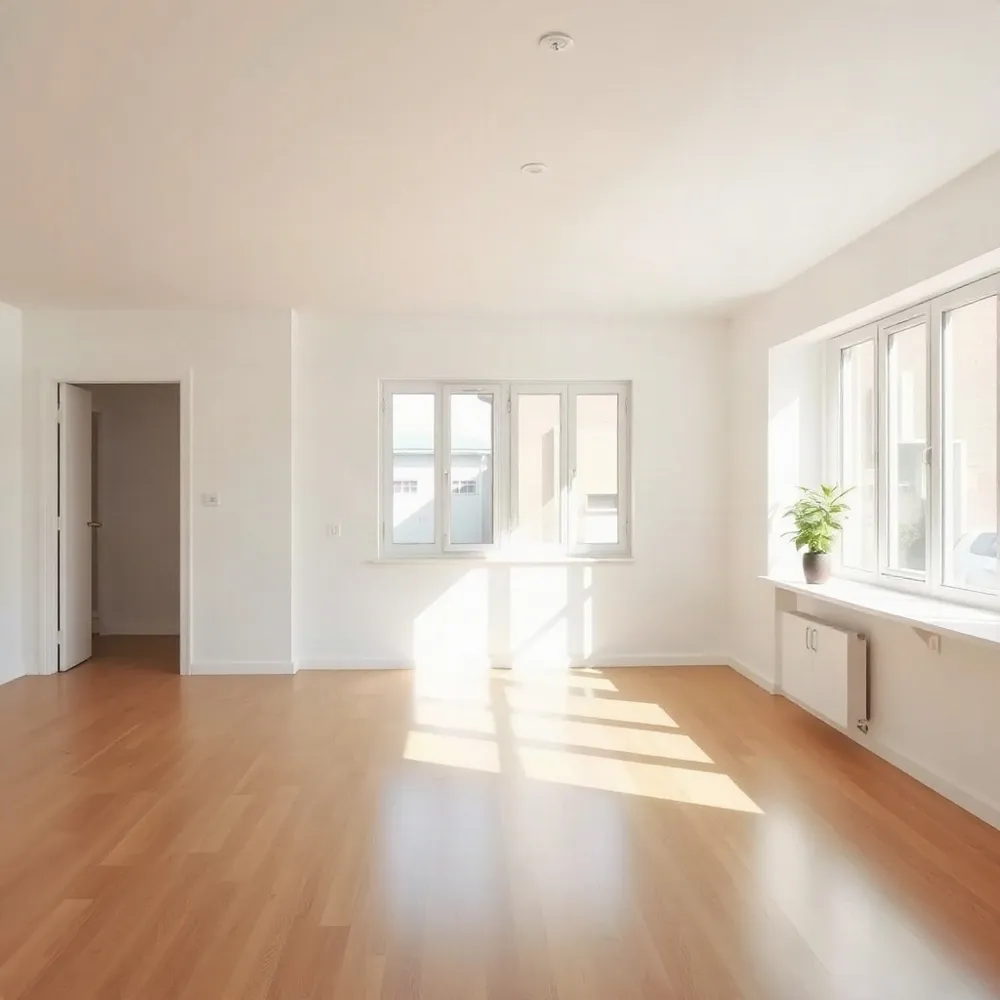
Tenants typically receive an advance notice of 7 to 14 days before an inspection, giving them time to ready their apartments thoroughly. Preparation involves decluttering all rooms, dusting surfaces, vacuuming floors, and sanitizing kitchens and bathrooms to meet cleanliness standards. Outdoor spaces such as patios, gardens, and walkways should be swept, mopped if stained, and organized, free of debris and pet waste to create a positive impression.
Property managers support this process by providing detailed Ultimate apartment deep cleaning checklist highlighting critical areas for attention: kitchens, bathrooms, bedrooms, and common outdoor spaces. These checklists also guide tenants and cleaning teams in maintaining compliance with Cleaning for HUD inspection. Proactive minor repairs and replacements, such as smoke and carbon monoxide detector testing and fixing leaks, often accompany cleaning efforts to ensure seamless inspection outcomes.
What specific cleaning measures are emphasized during apartment turnovers?
Apartment turnovers require comprehensive Tips for Smooth Apartment Turnover, especially in senior and Section 8 housing, which serve vulnerable populations under HUD oversight. Turnover cleaning involves rigorous sanitization of kitchens and bathrooms, including mold and mildew removal, to prevent health risks and create a welcoming environment.
Additional tasks include carpet cleaning, painting, HVAC system inspections, and other necessary repairs to restore apartments to move-in standards. Strict adherence to HUD Guidelines for Housing and Fair Housing laws ensures units are safe, sanitary, and ready for new residents. Management companies like FGA facilitate smooth turnovers by combining proper cleaning with prompt maintenance services.
Use of professional cleaning and property management services
Engaging Clean Up And Ace Your Rental Property Inspection professional cleaning and property management firms helps maintain high standards and streamline preparation. Experts bring specialized equipment and tailored cleaning schedules that address common and unique maintenance needs efficiently. They also ensure compliance with inspection protocols, reduce the workload on tenants and staff, and help achieve higher tenant satisfaction and retention.
By preparing tenants with advance notice, enforcing detailed cleaning checklists, and relying on experienced professionals for turnover cleanings, property managers can significantly enhance NYCHA apartment inspections success rates and maintain high-quality living conditions.
The Role of Cleaning Inspections in Quality Assurance
How cleaning inspections maintain service quality and detect problems early
Regular Cleaning inspections importance are essential to maintain high standards in apartment buildings. They verify that cleaning protocols are strictly followed and that service quality remains consistent over time. By identifying issues early—such as missed areas or ineffective cleaning methods—property managers can address problems before they escalate, preserving both the building’s condition and resident satisfaction.
Use of standardized checklists and performance metrics
Effective inspection programs rely on standardized checklists tailored to the specific cleaning needs of each property. These checklists include detailed evaluation criteria and performance metrics that help objectively assess cleaning quality. Weighting particular components ensures that critical areas receive appropriate attention, enabling precise quality measurement and continuous improvement.
Training inspectors to ensure objectivity and consistent evaluation
Well-trained inspectors are vital to reducing subjectivity in assessments. Training programs incorporate visual aids and peer discussions to align understanding of quality standards. This uniformity ensures inspections are fair, detailed, and consistent, building trust between cleaning teams, property managers, and residents.
Technology’s role in real-time data and communication
Modern technology significantly enhances cleaning inspections. Digital platforms provide real-time data collection, streamlined reporting, and immediate communication between inspectors and cleaning staff. These tools facilitate transparent documentation and quick corrective actions, improving accountability and enabling customization of cleaning services to meet unique building demands.
What is the importance of cleaning inspections for apartment buildings?
Cleaning inspections importance are a cornerstone in quality assurance for apartment properties. They confirm that cleaning services adhere to established protocols, uphold safety and hygiene standards, and help detect maintenance issues promptly. Through structured inspection programs and effective use of technology, property managers can maintain a healthy, attractive environment that supports tenant satisfaction and long-term property value.
Impact of Professional Cleaning on Resident Satisfaction and Lease Compliance
Benefits of Hiring Professional Cleaning Services for Apartment Buildings
Professional cleaning services offer invaluable expertise and specialized tools that exceed what standard resident efforts or in-house teams can provide. Their use of eco-friendly practices and thorough sanitization protocols ensures a healthier living environment by effectively reducing germs, bacteria, and viruses. This level of care goes beyond surface cleaning, applying industry standards tailored specifically to the needs of apartment buildings. For more details on the importance of apartment building cleaning, see apartment building cleaning.
Effect on Resident Health, Satisfaction, and Lease Renewals
By maintaining cleaner, safer apartment environments, professional cleaners significantly improve resident health outcomes. Reduced allergens and pathogen transmission directly contribute to lower illness rates and more comfortable living conditions. Consequently, residents report higher satisfaction, which strengthens community pride and loyalty, often translating into increased lease renewals and improved occupancy stability. Learn more on these benefits at importance of apartment building cleaning.
Maintaining Common Areas and Reducing Risk of Pests and Hazards
Common areas such as lobbies, hallways, elevators, and laundry rooms experience high traffic and exposure to contaminants. With routine deep cleaning and sanitization, professionals help minimize pest infestations and eliminate safety hazards. These proactive measures preserve the property’s physical condition and help comply with health and safety regulations, diminishing tenant complaints and costly repairs. See our Deep cleaning benefits for apartments for more information.
First Impressions and Property Value Enhancement
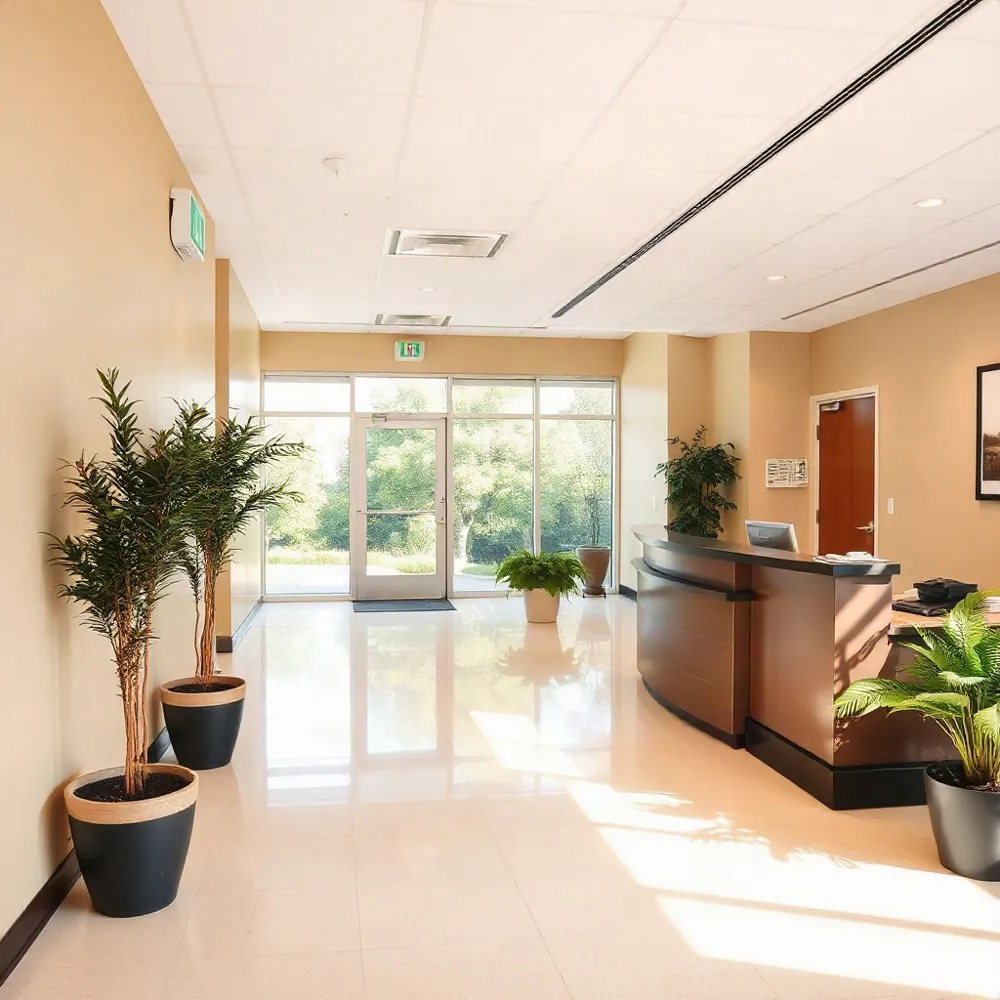
Clean, well-maintained entryways and common spaces create a positive first impression for visitors and prospective tenants. This aesthetic appeal enhances the perceived value of the property and can influence leasing decisions. A clean environment signifies quality management and care, boosting a building’s market reputation and potentially increasing its overall worth. Visit Clean Up And Ace Your Rental Property Inspection to explore more about improving rental property appearance for inspections.
How do professional cleaning services affect apartment inspection outcomes?
Professional cleaners bring expertise, specialized equipment, and eco-friendly practices that ensure thorough cleaning and sanitization. This reduces germ transmission, pest infestations, and hazards, promoting healthier living spaces. Clean common areas improve first impressions, boost resident satisfaction, encourage lease renewals, and help properties maintain or increase their value. Professional service impacts inspection outcomes positively, as discussed under Cleaning inspections importance.
Maintaining Excellence Through Cleaning for Successful Apartment Inspections
The Crucial Role of Cleaning in Apartment Inspections
Proper and consistent cleaning is fundamental for passing apartment inspections, especially those conducted by HUD and local housing authorities. Meticulous attention to bathrooms, kitchens, entryways, and common areas reduces safety hazards, improves indoor air quality, and ensures compliance with health and safety standards.
Consistent Quality and Proactive Maintenance
Regular cleaning inspections and proactive maintenance help identify and resolve issues early, preventing inspection failures. Detailed checklists and scheduled deep cleaning—covering high-traffic shared spaces and resident units—are essential to preserve property condition and uphold lease requirements.
Leveraging Professional Services and Inspection Programs
Engaging expert cleaning services enhances the thoroughness and efficiency of cleaning routines. Professional programs often include customized inspection protocols, staff training, and technology-driven quality controls, fostering continuous improvement and tailored solutions that meet HUD and NSPIRE standards. This approach not only supports a healthy living environment but also streamlines inspection preparedness and promotes resident satisfaction.
Recent articles