The Difference a Dedicated Cleaning Team Makes


Cleanliness Takes Coordination
When cleaning is treated as a leftover task, it can be easy for routine work to slip between busy days. A defined plan gives people clear responsibilities and makes it easier to see what has been done and what still needs attention.
That distinction matters to residents, business clients, and property managers. Regular care can help keep shared spaces presentable and manage everyday dirt, while letting employees and managers focus on their main responsibilities. Cleaning supports a hygienic environment, but it cannot guarantee health outcomes.
Bravo Cleaning serves homes and businesses in Minneapolis with customized cleaning, including apartment and condominium turnover work and carpet care. Its local experience and flexible approach help shape service around a property’s needs, rather than relying on a one-size-fits-all routine.
The sections ahead look at what a cleaning plan should cover, how teams can coordinate repeatable work, and what to consider when preparing a unit between residents or requesting a quote. For a broader look at defined roles and task sequences, see ISSA’s guide to team cleaning methods.
What a Professional Cleaning Plan Includes

A professional cleaning plan spells out which areas are serviced, what work is included, and how often it is done. Typical tasks include dusting accessible surfaces, vacuuming or sweeping and mopping floors, removing waste, and cleaning kitchens, break rooms, and bathrooms.
For a business, a written scope can also cover workstations, shared areas, high-touch surfaces, interior glass, and carpet or hard-floor care. Restroom fixture cleaning and hygiene-product restocking may be arranged, but confirm whether the client or provider supplies paper products and other consumables.
The right schedule depends on how a property is used, its condition, operating hours, and priorities. A written scope can identify rooms, task timing, high-priority areas, and periodic services, making it easier to check what was completed and request changes when needs shift. Bravo Cleaning’s customized services reflect this property-specific approach for residential and commercial buildings.
Apartment and condominium turnovers may need more than routine upkeep. Move-out work can call for a deeper clean, while carpet or other floor care may be appropriate depending on the flooring and its condition. Bravo Cleaning specializes in turnover cleaning and carpet care, so property managers can discuss these needs when defining the scope. For a broader outline of recurring tasks, see what a recurring cleaning plan may include.
Services for Homes and Businesses
Professional cleaning can be shaped around the property, from a private home to an apartment building or busy workplace. Residential service may include recurring home cleaning, apartment and condominium cleaning, deep cleaning, and move-in or move-out work. For property managers, Bravo Cleaning’s experience with turnover cleaning and carpet care can help address the practical needs of preparing units between residents.
Businesses and multi-unit properties may need routine office cleaning, common-area maintenance, and scheduled care for shared spaces such as lobbies, hallways, and restrooms. The right scope depends on the building’s size, use, condition, traffic, and desired level of care. A tailored plan can also distinguish between regular upkeep and periodic tasks, rather than treating every room and surface alike. Learn more about Customized cleaning for apartments, offices, and condominiums.
Preparing Apartments Between Residents

Turnover cleaning is a detailed service completed after one resident moves out and before the next moves in. For property managers, a clearly agreed scope helps prepare each unit while keeping work aligned with its condition and the building’s requirements.
A typical checklist may cover kitchens and appliances, bathrooms and fixtures, cabinets, countertops, and interior floors. Cleaners can also dust surfaces, windows, blinds, and light fixtures, then wipe doors, walls, and baseboards and remove visible debris.
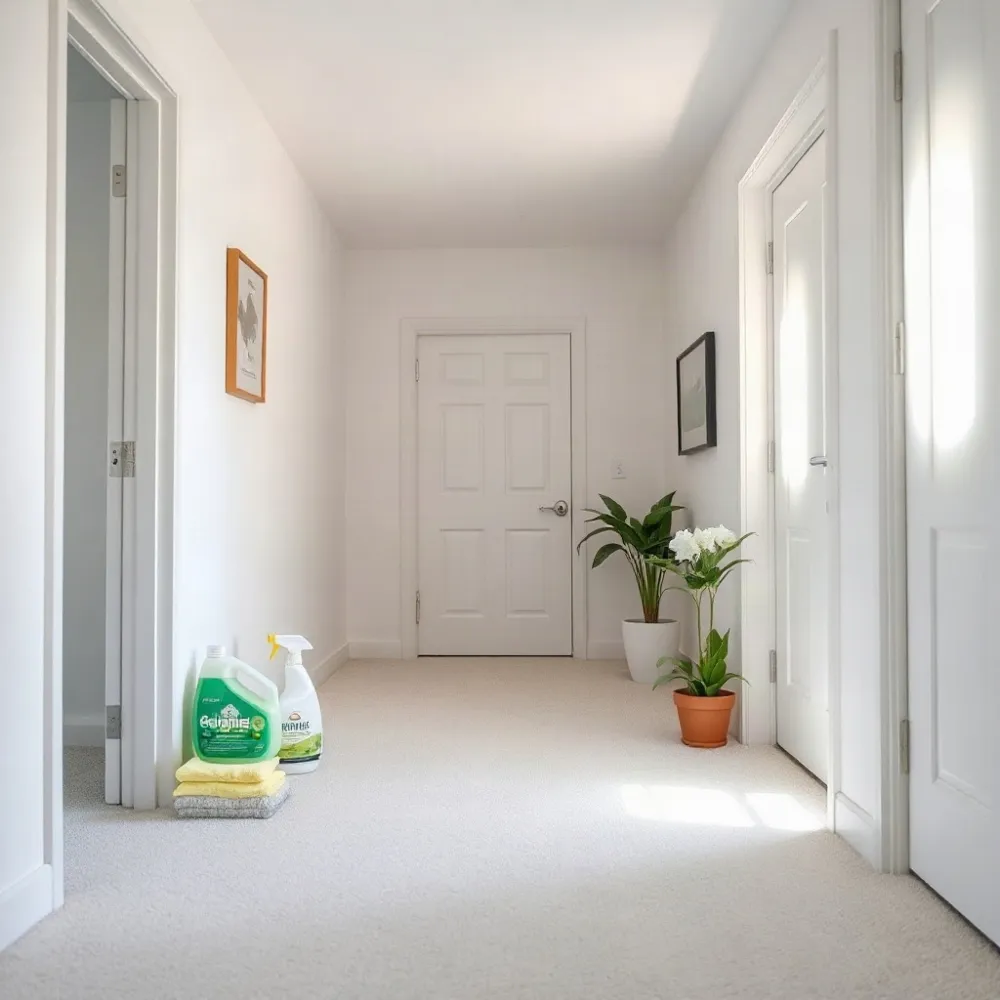
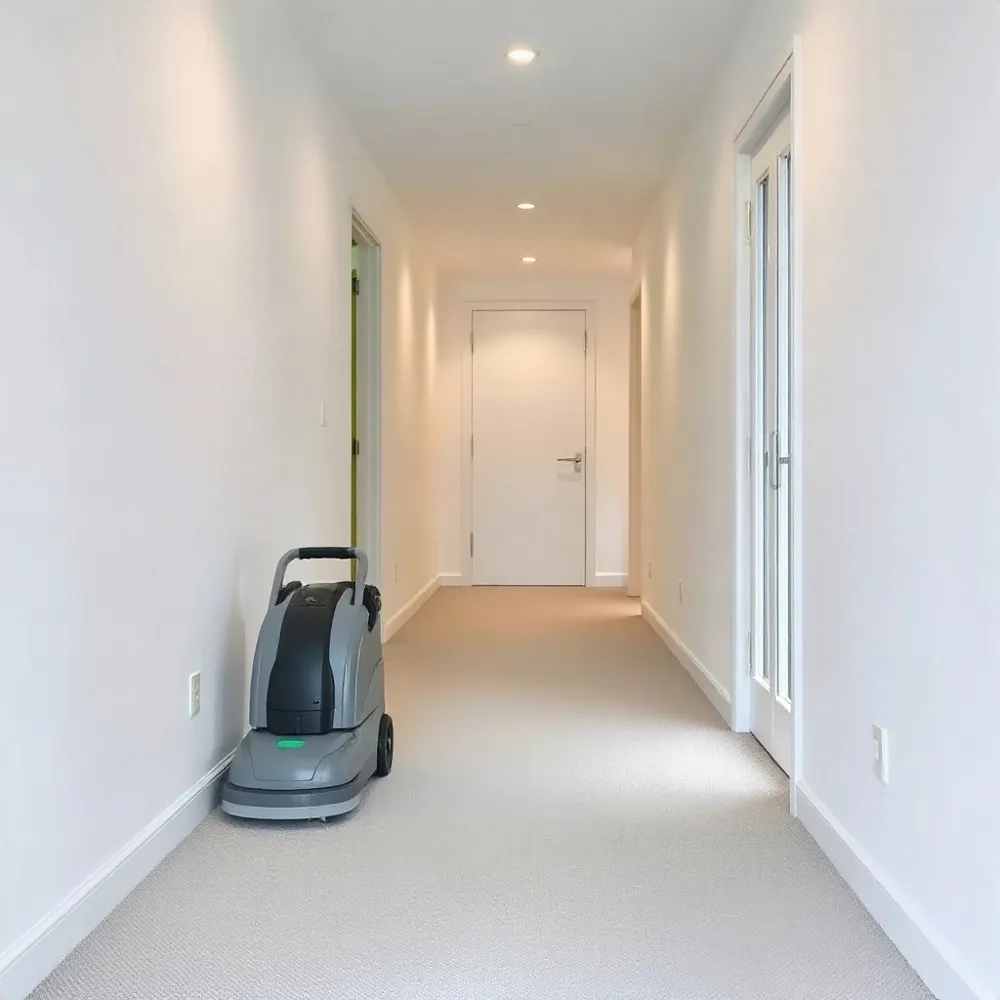
Carpets may need vacuuming as part of the standard clean, while carpet cleaning or other floor care can be added when the unit’s condition calls for it. Bravo Cleaning serves apartment and condominium properties and offers carpet care, allowing managers to include that work in a tailored turnover scope.
No two units necessarily need the same treatment. The checklist should reflect the unit’s condition, access, requested work, and the property manager’s standards. A repeatable checklist and agreed quality checks clarify responsibilities and make it easier for managers and cleaners to confirm that requested tasks are complete.
Managers can define which tasks are included in every turnover and which are added only when needed. This keeps routine preparation practical without overlooking a unit that requires extra attention. For a fuller explanation of the process, see turnover cleaning between residents.
For larger buildings with several cleaners, assigned tasks and quality checks can help coordinate work. ISSA’s guide to team cleaning methods describes how defined roles and repeatable routines can make responsibilities clearer; property managers can adapt those principles to turnover checklists without assuming every unit needs identical service.
Building a Quote Around Real Needs

How much does professional apartment or condominium cleaning cost? There is no single price that fits every unit. Size, condition, access, requested tasks, and service frequency all affect the work involved. Cleaning service estimates are more useful when they reflect the property’s actual needs.
The scope can change when a request includes turnover cleaning, carpet care, or other add-on services. A one-time deep clean may also require a different plan from recurring visits. Bravo Cleaning provides customized services for residential properties, including apartments and condominiums, as well as turnover cleaning and carpet care, so the proposed work can match the unit rather than a standard package.
When requesting a quote, residents and property managers should share the desired schedule, a clear service list, unit details, and priority areas. A walkthrough can help the provider assess access, building conditions, and any requirements that may affect the work before preparing a plan.
Because estimates depend on scope and property conditions, avoid comparing quotes on price alone. Confirm what tasks are included, how often service will occur, and whether additional work is part of the proposal. Bravo Cleaning’s locally based team has more than 20 years of experience in the Minneapolis area, supporting a tailored discussion of cleaning needs without assuming every property requires the same service.
Choosing an Accountable Cleaning Partner
How can property managers assess a professional cleaning company? Start with experience that matches the building and the work. A provider familiar with apartment or condominium properties may understand shared spaces, resident access, turnover timing, and carpet care. Bravo Cleaning is locally owned in Minneapolis and brings over 20 years of local experience, with services that include turnover cleaning and carpet care.
Ask how staff are screened and trained, whether the same team members return, and who supervises the work. Clear task procedures and inspections make it easier to spot missed work and address it. A coordinated team approach can also clarify responsibilities and quality checks, as described in ISSA’s team-cleaning guidance.
Discuss practical building needs before signing. Confirm how cleaners follow access and security procedures, work around resident schedules, and respond when a unit needs an urgent turnover. Ask who your regular contact will be and how the provider handles concerns, missed tasks, or changes in scope. For property managers comparing providers, this guide to evaluating a cleaning partner offers further questions to consider.
Request a written service plan that lists tasks, frequencies, service times, and who supplies equipment and consumables. It should also explain how to request extra work and how changes are approved. Discuss the products used and the company’s environmental practices, then confirm pricing, insurance, and any limits on additional services.
Bravo Cleaning’s Minneapolis roots and long local experience provide useful context when evaluating its familiarity with area properties. The company also demonstrates community engagement through local sponsorships and volunteer activities. One property manager noted, 'Bravo Cleaning’s consistent team and clear communication have made turnover management seamless for our building.' While such feedback is encouraging, it cannot guarantee future results, so asking references about communication, consistency, and problem resolution remains important. Ultimately, the written scope and direct discussion should determine whether its service fits your building.
Consistency Comes From Clear Teamwork
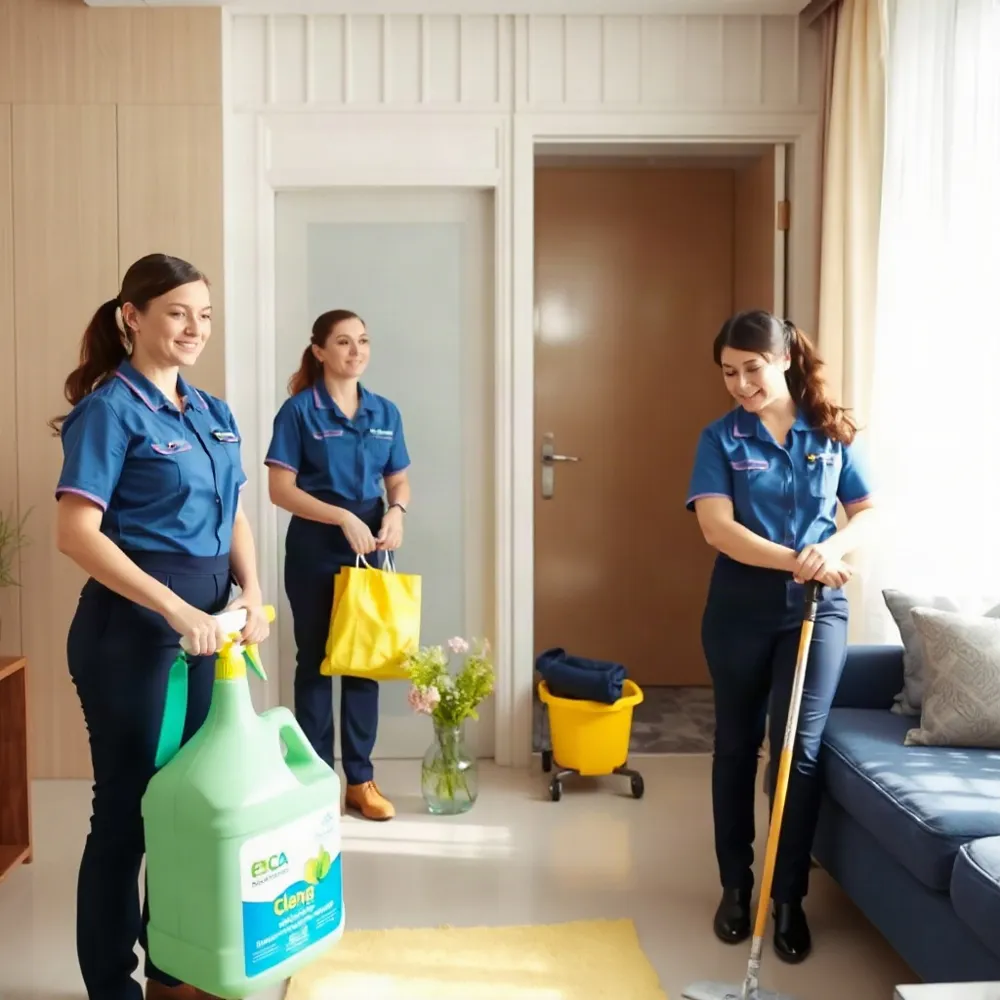
A dedicated cleaning team can make service easier to coordinate when each person knows their responsibilities and how work is checked. Clear routines reduce reliance on informal handoffs, while defined quality checks give managers a practical way to spot missed tasks and address them.
ISSA’s team cleaning guidance describes assigning workers to specific tasks and completing them in sequence. Specialization may reduce time spent switching tools, clarify who is responsible for each task, and support more consistent training and inspections. The approach works best when duties and routes match the property, rather than being imposed as a fixed formula.
Coordination still depends on preparation. Teams need training in task order and equipment use, realistic time expectations, suitable tools, and clear communication. A large building with repeatable work may benefit from specialized roles, while a smaller property may be better served by combining shared assignments with traditional area-based cleaning.
For apartment buildings, a repeatable turnover process can help organize work across units, from removing waste and cleaning kitchens and bathrooms to checking floors and fixtures. The checklist should still reflect each unit’s condition and agreed scope. Bravo Cleaning’s local work in apartment and condominium buildings includes turnover cleaning and carpet care, allowing property managers to consider both unit preparation and floor needs when arranging service.
Good teamwork supports property upkeep and a more dependable experience for residents, visitors, and staff, but it cannot guarantee a particular health or business outcome. Bravo Cleaning also offers customized cleaning for residential and commercial properties, with service shaped around the building rather than a single standard routine. Clear responsibilities and communication help managers understand what has been completed and where follow-up may be needed.
A Better Fit for Each Property
A cleaning team is most useful when its duties are clearly defined, coordinated around the property, and adjusted as needs change. Before requesting a quote from Bravo Cleaning, property managers and residents can list priorities, agree on tasks and preferred timing, and note any apartment turnover or carpet-care requirements.
Bravo Cleaning serves residential and commercial properties in Minneapolis, with customized cleaning, turnover work, and carpet care. Sharing details about access, high-traffic areas, and preferred products can help shape a practical service plan, including consideration of eco-friendly methods.
Keep communication open after service begins. Review the plan when occupancy, schedules, or property conditions change, and clarify how to raise questions or request adjustments. A regular check-in helps ensure the agreed work still fits the building, rather than relying on assumptions or a fixed routine.
Recent articles