When Should You Schedule Carpet Cleaning in an Apartment Building?

Start With Use and Condition
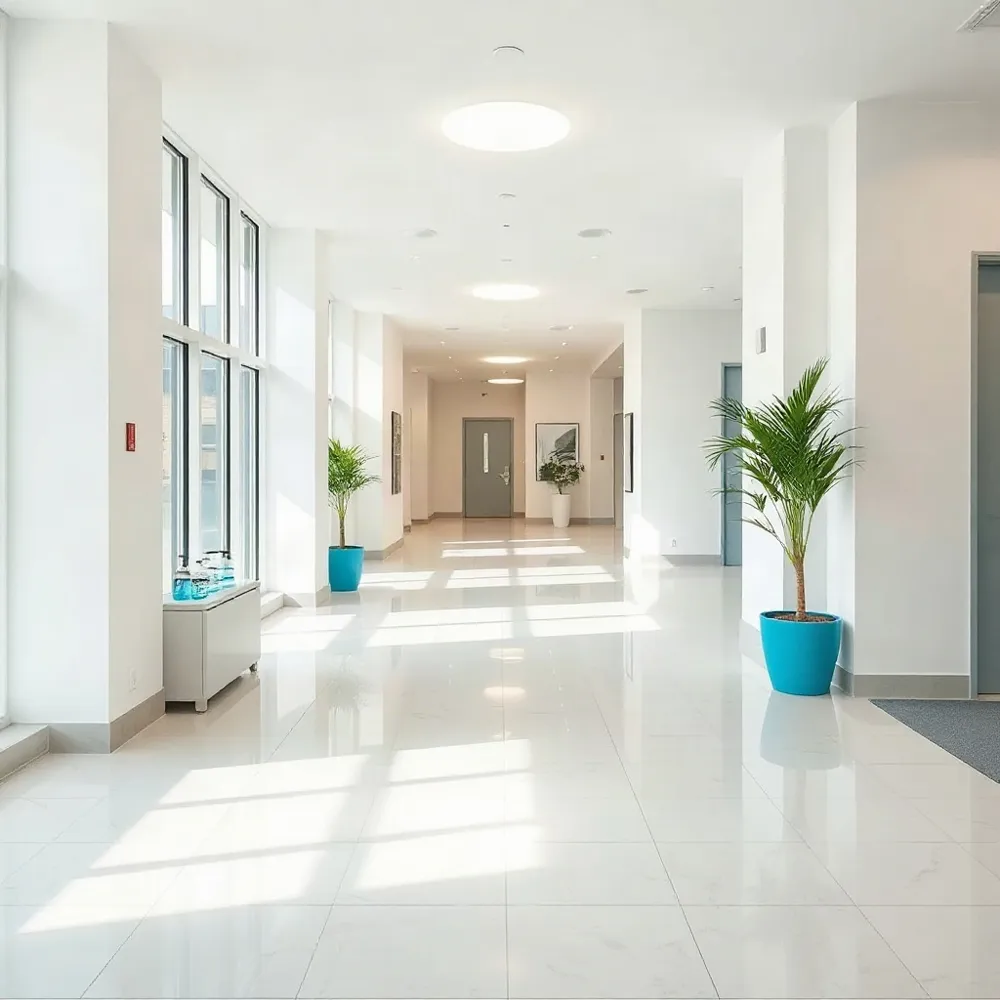
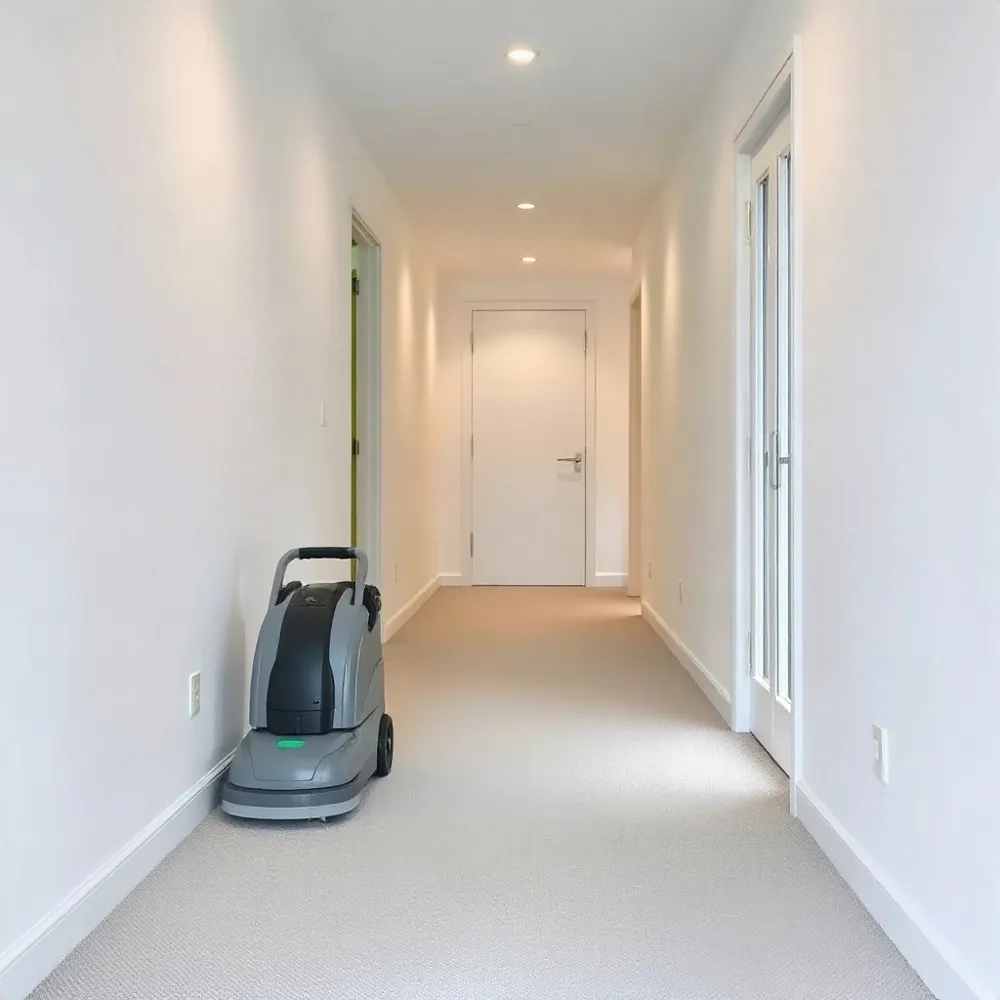
Carpet cleaning is a property-maintenance decision, not a date to apply uniformly across a building. Foot traffic, spills, occupancy, and visible wear all affect how quickly carpet needs attention. A lobby or elevator area may need a different schedule from a quiet corridor or an apartment between tenants. Guidance on keeping apartment common areas clean likewise recommends adjusting care to building size, traffic, and wear.
Regular vacuuming and prompt spot treatment help manage surface dirt and fresh spills, but they may not remove soil embedded deep in carpet fibers. Professional cleaning can address that deeper buildup. For properties in Minneapolis, Bravo Cleaning provides customized commercial and turnover cleaning, with carpet care shaped around each building’s needs.
A practical plan considers shared spaces and individual units, coordinates cleaning with apartment turnovers, and leaves enough time for carpets to dry before residents or staff return. The sections that follow explain how to set that schedule around use and condition.
Set Frequency by Traffic and Use

For homes, professional carpet cleaning about once a year is a useful baseline. Low-use homes may go 18 to 24 months, while pets, children, allergies, or heavy traffic can make cleaning every 6 to 12 months more appropriate. These home-care intervals are a starting point, not a rule for shared building spaces. See Bravo Cleaning’s guidance on periodic deep carpet maintenance for factors that can shape a home schedule.
In apartment and condominium buildings, consider professional carpet cleaning every 3 to 6 months for busy common areas, then adjust by traffic and condition. A building-care article describes different schedules for lobbies and elevator cabs than for quieter corridors, with high-use areas cleaned more often according to its multifamily guidance. Bravo Cleaning serves apartment and condominium properties with customized cleaning services, so schedules can reflect how each space is used.
A hybrid plan might give entrances, lobbies, and elevator cabs more frequent attention than lightly used corridors. High-traffic commercial areas may need professional cleaning several times a year. Reassess when traffic lanes become visible, stains recur, odors linger, or the carpet looks progressively dull or dark. Carpet can hold soil before it is obvious, so appearance alone is not a reliable measure.
Keep routine common-area cleaning separate from periodic carpet deep cleaning. In high-use buildings, check entrances, elevators, busy restrooms, and laundry rooms several times a week. Hallways and stairwells may need weekly or every-other-week attention, while quieter spaces can follow a biweekly or monthly rotation. Routine visits can include waste removal, floor care, surface and entry-glass wiping, and disinfection of high-touch points.
Review the schedule with property-management staff and resident feedback, then adjust for occupancy, seasonal conditions, move-outs, events, or renovation work. Bravo Cleaning’s local experience and residential and commercial services support tailored planning across property types.
Choose Timing Around Seasons and Activity

There is no single best season for carpet cleaning. In Minneapolis, spring service can remove salt, mud, and debris tracked in over winter. Warmer, drier summer conditions may support faster drying, while fall cleaning can prepare shared spaces for holiday gatherings. Winter service can address fresh salt and spills.
Seasonal timing is a planning aid, not a reason to wait. Visible soiling, lingering odors, stains, or unusually heavy foot traffic are stronger signals to schedule. A tailored plan from Bravo Cleaning, a locally owned company with more than 20 years of experience, can account for the different needs of apartment common areas and commercial spaces.
For apartment buildings, coordinate service with turnover dates and maintenance work, then leave enough time for carpets to dry before residents, staff, or guests return. Seasonal carpet-cleaning strategies can help managers choose a window that fits building activity.
Entrance mats and runners catch grit before it reaches carpet. Clean and rotate mats regularly, especially when winter salt, repairs, or other maintenance work increases tracked-in soil. For larger or busier properties, building carpet-care guidance also stresses adjusting schedules to traffic and wear.
Coordinate Cleaning With Apartment Turnovers

A move-out inspection gives property managers an early chance to assess carpet condition and decide whether the unit needs professional cleaning. Book as soon as needs are clear, especially during busy spring and summer turnover periods. This approach fits into a broader apartment turnover cleaning plan, where identifying work early can help coordinate vendors and prepare the unit for its next resident.
Sequence the work to avoid cleaning the carpet twice. Complete repairs, painting, and other dust-producing tasks first, then schedule carpet cleaning as part of the make-ready plan. Leave enough time for the carpet to dry before the final inspection or move-in, and ask the provider about treatment and expected drying time when the carpet has heavy soil, set-in stains, or pet-related odors.
A flexible schedule can help when a move-out is delayed or the carpet needs more attention than expected. Bravo Cleaning provides customized turnover and carpet-care services for apartment properties, supported by more than 20 years of local experience. A checklist can help staff confirm that cleaning is complete and the carpet is dry before handing over the unit.
What does a turnover clean typically include?
Turnover cleaning generally covers kitchens and bathrooms, floors and surfaces, appliances and cabinets, and removal of trash and visible dirt. Carpet cleaning may be appropriate when the carpet is soiled or included in the property’s turnover plan. The broader sequence should also account for repairs, inspections, and other preparation tasks, as outlined in this guide to scheduling cleaning around move-in days.
Landlords or property managers commonly arrange and pay for ordinary turnover cleaning. Whether a tenant can be charged depends on the lease and applicable state and local law. Tenants generally are not responsible for normal wear and tear, while unusual damage they caused may be treated differently. Review the lease and local requirements before assigning carpet-cleaning costs.
Prepare for Service and Protect Drying Time
A little preparation helps a cleaning appointment go smoothly and gives damp carpet room to dry. Before the technician arrives, remove small items from the floor and ask whether vacuuming is included in the service.
Should carpets be vacuumed before professional cleaning?
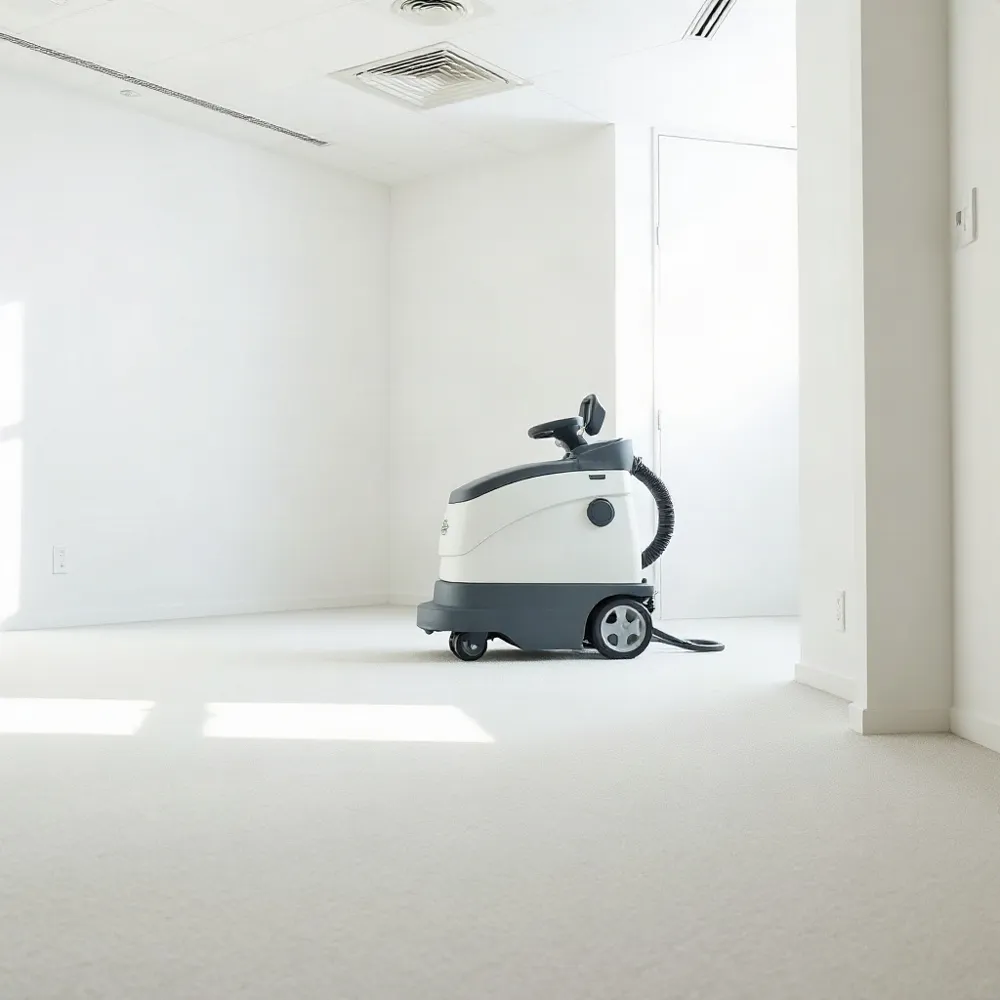
Yes. Vacuuming picks up loose dirt, dust, hair, and debris so professional cleaning can focus on soil embedded in the fibers. It is especially useful in heavily soiled or pet-affected areas. Vacuuming prepares the carpet, but it does not replace deep cleaning.
For apartment managers, coordinating this preparation with staff can reduce obstacles in shared spaces. Bravo Cleaning provides customized residential and commercial cleaning, including apartment and condominium services, so property teams can discuss site needs and service scope in advance.
How long should people stay off carpet after professional cleaning?
Wait until the carpet is dry before resuming normal foot traffic. Low-moisture methods may take a few hours, while hot water extraction can take around 6 to 24 hours, depending on the method and conditions. Follow the technician’s instructions, since humidity, carpet thickness, and ventilation all affect drying time.
To help carpet dry, keep air moving with fans, use a dehumidifier or air conditioning if available, and leave interior doors open. Open windows only when outdoor air is less humid than indoor air, and keep the room comfortably warm. If someone must cross the carpet before it is dry, have them walk lightly in clean socks or shoe covers and avoid street shoes.
For service planning, preparing the space and protecting drying time can help property teams coordinate access and limit disruption. Bravo Cleaning’s locally based team serves residential and commercial properties in the Minneapolis area, with flexible cleaning tailored to the building and its needs.
Avoid Unnecessary or Harmful Overcleaning
Professional carpet cleaning is helpful when a carpet needs it, but cleaning too often can cause problems if the process uses excessive water, harsh products, or a method that does not suit the carpet. Over-wetting or incomplete drying can encourage mold or mildew, while detergent residue may attract dirt and leave carpet looking soiled again.
Abrasive treatment or incorrect cleaning products can weaken fibers or affect color. That does not mean deep cleaning should be avoided: grit and embedded dirt can wear carpet down, and professional care can remove soil that routine vacuuming leaves behind. Prompt spot treatment can address spills without triggering a full cleaning each time.
Set a schedule around traffic, spills, pets, and carpet condition, and follow the manufacturer's care guidance. A tailored plan matters in shared buildings, where a lobby may need different attention from a quieter corridor. Guidance on cleaning multifamily common areas likewise emphasizes adjusting care to actual traffic and wear.
Bravo Cleaning provides customized carpet care for residential and commercial properties, including apartment and condominium buildings. Its experienced local team can help property managers choose a suitable method and frequency, with eco-friendly practices considered as part of the service.
Assess Carpet Condition, Cost, and Replacement
Age offers a useful planning clue, but it should not decide a carpet’s fate on its own. Apartment carpet often lasts about 5-7 years in rentals, while a broader 5–15-year range can apply depending on quality, traffic, and care.
How often should apartment carpet be replaced?
Inspect carpet between tenancies and consider professional cleaning before approving replacement. Persistent stains or odors after cleaning, fraying, bald patches, matting, and other irreparable damage are stronger signs to replace than age alone. A condition assessment can help separate removable soil from worn or damaged fibers. Bravo Cleaning offers customized carpet care for apartment properties, bringing local experience to that evaluation.
What affects the cost of professional carpet cleaning?
Price may depend on the area being cleaned and whether the quote is per room or per square foot. Material and condition matter too: heavy soil, set-in stains, and pet odors may require extra treatment. The cleaning method, stain or odor treatment, carpet protection, and furniture moving can also change the estimate.
For multi-unit and business properties, access, scheduling needs, and routine-maintenance plans may affect the scope. Ask for an assessment and itemized quote so included work and additional charges are clear. Bravo Cleaning’s tailored service can account for property-specific needs. Regular care may help extend carpet life and avoid some replacement costs, but it cannot repair physical damage.
Build a Plan That Can Adapt
A useful plan reflects how each space is used, then changes as traffic, condition, seasons, and turnover patterns shift.
Combine routine vacuuming, prompt stain response, clean entrance mats, planned professional cleaning, and enough drying time. Bravo Cleaning offers customized cleaning and eco-friendly practices grounded in local experience.
Coordinate with a qualified provider to fit service around busy property operations, resident needs, and move-in deadlines.
Recent articles