Why Property Managers Prefer Personalized Cleaning Contracts


Why One-Size-Fits-All Cleaning Falls Short
Property managers juggle repairs, showings, rent collection, and taxes. Adding a generic cleaning plan to that load often creates more problems than it solves. A one-size-fits-all approach ignores each property's unique layout, traffic patterns, and tenant expectations.
Personalized contracts change that. They align cleaning frequency, scope, and methods with the actual needs of each building, whether a high-rise apartment or a mixed-use complex. This article explores why property managers across Minneapolis are turning to customized cleaning agreements that fit their portfolio instead of forcing their portfolio to fit a checklist.
Defining Property Management Cleaning
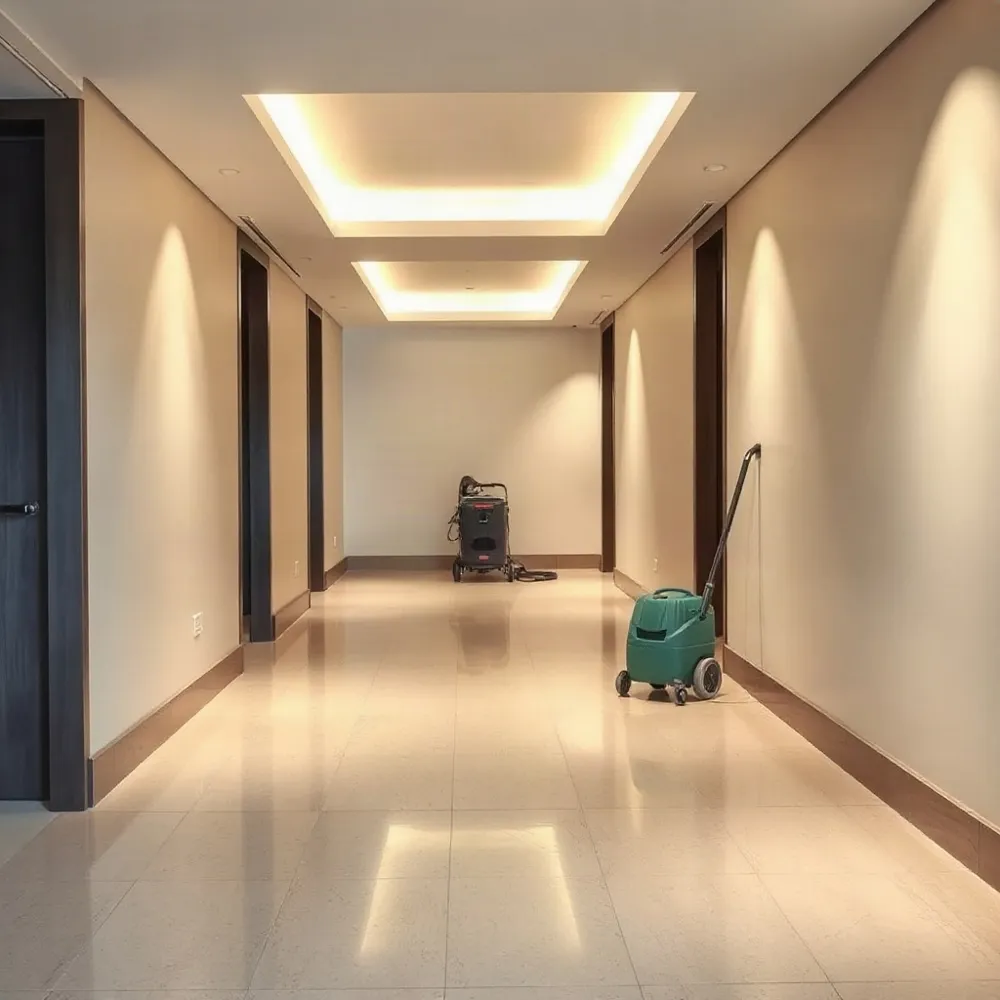
Property management cleaning is a specialized service that goes well beyond the scope of basic janitorial work. It encompasses the scheduled maintenance of common areas such as lobbies, hallways, and shared amenities, as well as the detailed preparation of units during tenant turnovers. This category of cleaning also includes exterior upkeep like window washing and walkway maintenance, and routine air duct care to support healthier indoor environments.
Unlike one-time residential or office cleanings, property management cleaning is built around long-term operational consistency. Professional cleaners in this space follow structured schedules, conduct regular inspections, and communicate closely with property managers to ensure every task is completed reliably. This structured approach is what sets it apart from standard cleaning services, which often lack the reliability and consistency required for multi-unit or commercial properties.
Professional property management cleaners use commercial-grade equipment to handle high-traffic areas and deep sanitation tasks that household tools cannot manage. They also adhere to tenant schedules, minimizing disruption to residents, and are prepared to handle emergency cleanups when unexpected issues arise. By taking on these responsibilities, professional services free property managers to focus on core duties like tenant interactions and strategic planning.
Personalized Contracts: The Key to Flexibility and Results

No two properties are identical. A high-rise apartment building with marble lobbies and a 24-hour concierge has different cleaning demands than a garden-style complex with vinyl flooring and self-service laundry rooms. A standardized contract that treats every building the same will miss the mark, leaving some areas under-serviced and others over-cleaned at unnecessary expense.
Personalized cleaning contracts solve this by letting property managers define exactly what each property needs. The scope of work can specify cleaning frequency—daily for high-traffic lobbies and shared restrooms, weekly for hallways, and monthly or quarterly for deep cleaning tasks like carpet shampooing or floor buffing. Occupancy schedules matter too: units undergoing turnover require a fast, thorough reset, while occupied units may need only light touch-ups between tenants. For properties in the Twin Cities, Bravo Cleaning builds these variables directly into the agreement, so every visit matches the building’s actual rhythm rather than a generic checklist.
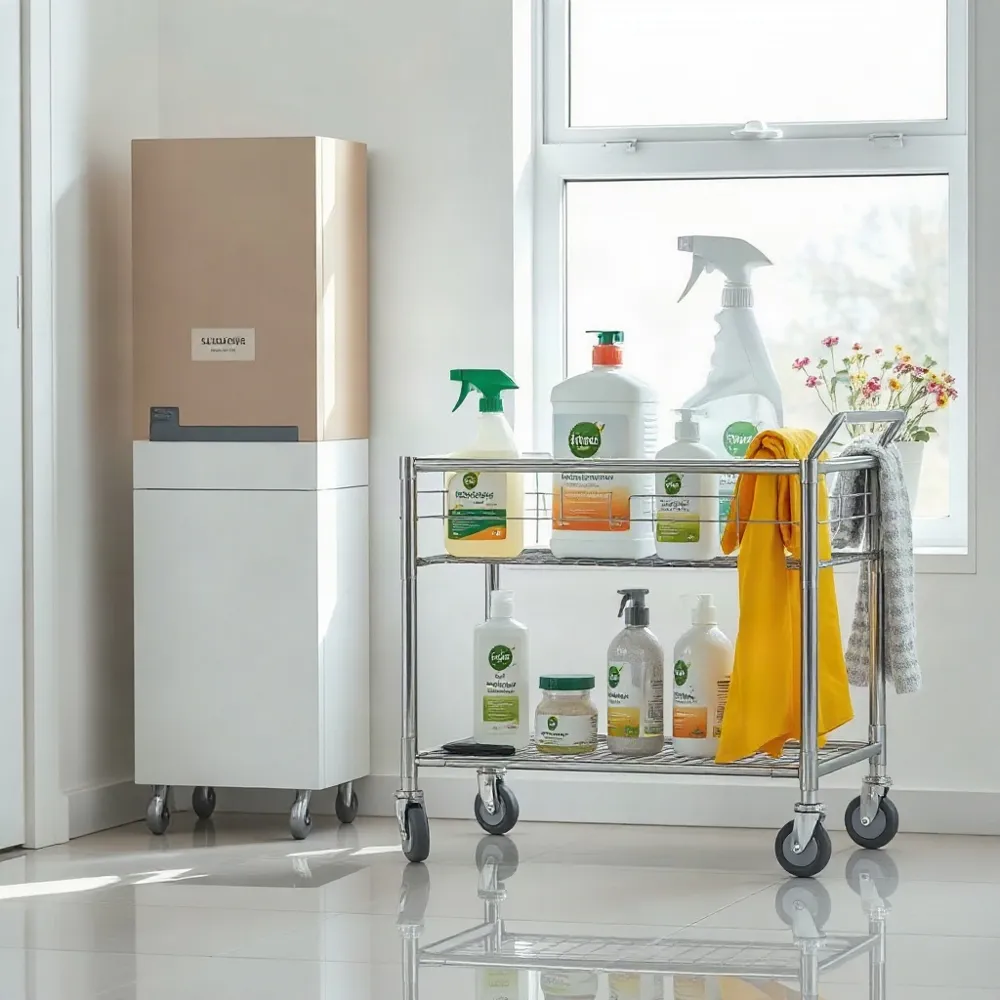
The flexibility extends to the choices property managers value most. Eco-friendly cleaning options, for example, can be prioritized for buildings with young families or sustainability goals. Specialty services such as post-construction cleanup, power washing, or window cleaning can be added seasonally or on demand. When a contract adapts to real conditions, the cleaning stays consistent, tenants notice the difference, and renewal rates benefit from the positive impression a well-maintained building creates.
A customized agreement also saves property managers time. Instead of renegotiating terms or chasing down missed tasks, managers work with a provider who already understands the building’s layout, flooring types, traffic patterns, and preferred communication style. That predictable partnership reduces administrative overhead and frees up time for other responsibilities. Property managers in competitive markets like the Twin Cities find that a tailored contract, built around transparency and consistent quality, protects the property’s value and supports long-term occupancy goals.
Essential Elements of a Strong Cleaning Contract

A well-constructed cleaning contract protects both the property manager and the service provider. Rather than a generic checklist, the strongest agreements are built around four core components: a detailed scope of work, transparent pricing, clear contract terms, and legal protections. When these are documented upfront, misunderstandings drop and service consistency improves.
Scope of Work: The Foundation of the Agreement
The scope of work is the single most important section in any cleaning contract. It should name every area to be cleaned — lobbies, restrooms, hallways, tenant units, gyms, and laundry rooms — and specify the frequency for each task. Daily vacuuming in a high-traffic corridor looks different from weekly dusting in a low-traffic office, and a good contract captures that difference. It should also list exclusions: tasks like window washing, carpet shampooing, or exterior pressure washing may be separate add-ons rather than included services.
Property managers should ensure the scope also defines quality standards. A phrase like "all surfaces free of visible dust and debris" sets a measurable expectation. that both sides can verify during inspections. Many commercial cleaning contracts now also include a quality assurance process, such as routine inspections or a dedicated account manager who communicates directly with the property manager.
Pricing Structure: Flat Fee vs. Hourly
Pricing models vary. Some providers charge a flat fee per visit based on square footage and task frequency, while others bill hourly. A flat fee offers predictable budgeting and is common for recurring services like daily janitorial or weekly turnover cleaning. Hourly billing may work for one-time deep cleans or emergency call-outs but can lead to surprise costs if the scope shifts. The contract should state the payment schedule (weekly, bi-weekly, or monthly) and the accepted payment methods. Transparent pricing — where every service line item is visible — reduces disputes later..
Contract Duration and Termination Flexibility
Most professional cleaning contracts run for a fixed term, such as six or twelve months, with auto-renewal clauses.. What matters for flexibility is the termination notice period. A "30-day-out" clause — where either party can cancel with 30 days' written notice — gives property managers an exit if service quality slips or property needs change. Fixed-term agreements without an early-out provision lock both sides in, so managers should read the fine print before signing.
Legal Clauses: Insurance, Liability, and Signatures
The legal section protects both parties. At a minimum, it should address independent contractor status (the cleaning crew is not an employee of the property manager), confidentiality of tenant and building data, and general liability and workers' compensation insurance. Some providers also include a hold-harmless clause that clarifies who bears liability for damage or injury during service. The final requirement is straightforward: both parties must sign and date the agreement to make it binding.. An unsigned contract, no matter how detailed, carries little legal weight.
Bravo Cleaning's contract structure follows these same principles — a detailed scope of work, flat-fee transparency, a clear termination policy, and full insurance documentation — so property managers know exactly what they are paying for and can adjust services as their portfolio grows.
How to Win and Manage Cleaning Contracts
Winning a cleaning contract in property management starts with preparation. Getting properly licensed and insured is the first step; property managers typically require proof of both before they will consider a proposal. Identifying a niche, such as turnover cleaning or eco-friendly services, helps a cleaning company stand out from general janitorial providers in a competitive market like Minneapolis.
Once licensed and insured, a cleaning company should develop a marketing plan that highlights reliability and tailored solutions. A professional website with strong testimonials, a claimed Google Business Profile, and local SEO help decision-makers find the business when they search for cleaning partners. Networking with property managers and real estate agents, and joining local industry associations, builds the referral relationships that often lead to consistent contracts.
When bidding on a contract, the proposal must be detailed and professional. It should clearly outline the scope of work, pricing structure, and cleaning frequencies for every area — offices, lobbies, restrooms, and shared amenities. Including eco-friendly practices and proper insurance documentation in the proposal demonstrates that the company is a reliable, low-risk partner.
Can You Pull Out of a Cleaning Contract?
Yes, pulling out of a cleaning contract is typically possible, but the process depends on the agreement's terms. Most contracts include a www.lawinsider.com/clause/cancellation-clause-30-days-notice">30-day-out clause, which allows either party to cancel with written notice, no explanation needed, and without penalty. Some agreements only permit cancellation under specific conditions, such as unaddressed service deficiencies. In rare cases, early termination may come with penalties, so reviewing the contract carefully and consulting legal advice if the terms are unclear is the safest approach.
The 5 P’s and What Managers Must Avoid
The 5 P's of Property Management
Plan. Property management starts with a plan. This includes market analysis to set competitive rental rates, budgeting for ongoing maintenance and emergencies, and forecasting for seasonal demand shifts. A solid plan prevents reactive spending and keeps properties financially on track. Process. Consistent systems for rent collection, maintenance requests, and move-in or move-out checklists create smooth daily operations. When processes are well-documented, new team members and vendors can step in without disrupting service quality.People. Strong relationships with tenants, vendors, and contractors depend on careful screening and responsive communication. Tenants stay longer when they feel heard, and reliable vendors deliver better results when expectations are clear.Property. Regular inspections and preventive maintenance keep units safe and attractive. Routine cleaning of high-traffic areas and scheduled deep cleaning for carpets and floors prevent small issues from becoming expensive repairs.Profit. Maximizing return on investment means reducing vacancy days and turnover costs. Properties that are clean and well-maintained retain tenants longer, lowering the expense of advertising and preparing vacant units.
Legal and Ethical Boundaries Every Manager Must Respect
Property managers operate under strict legal rules that protect tenants’ rights. These boundaries are not optional, and crossing them can lead to fines, lawsuits, and reputational damage.
Managers cannot enter a tenant’s home without proper notice. Tenants have a legal right to privacy, and entry is only allowed for emergencies or with the notice period specified in the lease and local law. Discriminating against applicants based on race, religion, gender, national origin, disability, or family status violates the Fair Housing Act and carries serious penalties.
Evictions must follow legal procedures every time. Changing locks, shutting off utilities, or removing belongings without a court order is illegal — managers must provide written notice and obtain a court order first. Security deposits cannot be withheld without an itemized list of damages beyond normal wear and tear, and any remaining balance must be returned within the legally defined period.
Ignoring maintenance issues is also prohibited. Leaks, electrical hazards, and broken locks must be addressed promptly to maintain livable conditions. A cleaning partner like Bravo Cleaning helps property managers stay compliant by ensuring units and common areas are properly cleaned and safe between inspections, reducing the risk of health-code violations.
Staying within these boundaries protects both the property manager and the tenants. When managers take the time to plan, document their processes, and build strong relationships, they avoid legal pitfalls while keeping occupancy high and costs low.
Top Commercial Cleaning Options in Minneapolis
Property managers in Minneapolis have access to a range of commercial cleaning providers, each with distinct strengths. The right choice depends on whether the priority is local flexibility, sustainable practices, or national scalability for multi-site operations.
Bravo Cleaning. A locally owned company with over 20 years of experience serving the Twin Cities. Bravo Cleaning specializes in customized cleaning for residential and commercial properties, including apartment and condominium buildings. Turnover cleaning and carpet care are core services, and the company uses eco-friendly practices. Consistent, familiar cleaning teams and detailed checklists help ensure reliability for property managers who need a partner that understands local building types and tenant expectations.
Commercial Cleaning Contractors. A full-service janitorial provider operating in the Twin Cities since 2008. CCC uses scientifically based, sustainable cleaning practices and offers a broad range of specialty services, including carpet repair, pressure washing, window cleaning, and microbial remediation. The company’s focus on environmentally responsible methods appeals to properties aiming for green certifications or healthier indoor environments.ABM Industries. A national facility services leader with a strong local presence in Minneapolis. ABM provides comprehensive solutions beyond janitorial work, including engineering, parking, electrical, and HVAC services. With a workforce of over 100,000 specialists, ABM suits large property management firms or portfolios that require consistent service across multiple regions, backed by national supply chain and training standards.
All three providers share a commitment to reliability, eco-friendly approaches, and client satisfaction. For property managers who prefer a locally rooted team with turnover expertise and over two decades of Minneapolis experience, Bravo Cleaning offers a tailored alternative to national-scale operations.
Cost Insights and the Most Profitable Cleaning Niches
Understanding cleaning costs and profit potential helps property managers budget effectively and choose the right service model. In Minneapolis, house cleaning averages around $22.70 per hour according to Care.com, while Taskrabbit lists starting rates near $40 per visit, varying by home size and scope. For property managers overseeing multiple units, these per-hour figures can add up quickly, making transparent pricing a priority.
Bravo Cleaning offers free estimates and transparent pricing based on each property's unique requirements, avoiding the surprise fees that often accompany hourly or flat-rate models. This clarity allows managers to compare apples-to-apples costs across providers and select a partner that fits their budget without hidden extras.
Most Profitable Cleaning Niches
Not all cleaning segments offer the same return. Commercial cleaning consistently ranks as the most profitable niche because of high demand, larger per-project budgets, and the stability of long-term contracts. Property managers who secure reliable commercial cleaning partners benefit from predictable recurring service and lower per-unit costs over time.
Specialty cleaning such as crime scene cleanup or mold remediation commands premium pricing due to the advanced training and equipment required. Carpet cleaning also generates strong recurring revenue, as commercial carpets need regular professional care to maintain appearance and extend lifespan. For property managers, choosing a niche-aligned cleaning company means better value and consistent quality across their portfolio.
Partnering for Success
Personalized cleaning contracts are a strategic investment for property managers. They free managers to focus on tenant relations and planning while boosting satisfaction and protecting property value.
Choosing a reliable, local partner like Bravo Cleaning ensures consistent quality and a long-term partnership. With over 20 years of experience and a focus on customized service, Bravo Cleaning helps Minneapolis property managers maintain properties that attract and retain tenants.
Recent articles