How to Streamline Condo Unit Turnovers This Season


Mastering the Turnover Transition
The turnover process is the essential bridge between tenancies, representing a high-impact period that directly influences both annual rental income and long-term resident satisfaction. In both residential apartment buildings and condominium associations, a successful transition requires managing a complex sequence of inspections, repairs, and deep cleaning tasks to ensure a unit is move-in ready.
For property managers, the primary objective is to minimize vacancy time, which historically accounts for a significant portion of lost revenue. While many properties struggle with uncoordinated scheduling, Bravo Cleaning provides a streamlined approach that integrates professional, eco-friendly cleaning services to reduce these costly gaps. Unlike general maintenance firms, our specialized teams are trained to deliver consistent, habitability-focused results that meet the rigorous expectations of incoming residents.
Achieving a seamless handoff is rarely the result of chance. By standardizing tasks and utilizing professional support, managers can shift their focus from reactive logistical coordination to proactive resident retention. We help property managers across the Twin Cities leverage sustainable cleaning practices that prioritize both the health of the space and the speed of the turnover, ensuring every unit reflects a standard of care that encourages long-term occupancy.
Starting Early Before the Lease Ends
The transition between tenancies is a high-impact period that directly influences rental income. Rather than waiting for a unit to be vacated, property managers should initiate the turnover process as soon as a resident submits a notice to vacate. This proactive strategy allows for early scheduling of move-out inspections, the procurement of necessary materials, and the lining up of essential vendors to prevent downtime. By coordinating these efforts early, managers can secure property habitability and meet essential safety standards before the next resident arrives, as noted in the condominium turnover process guidelines.
Clear communication serves as the foundation for a successful transition. Property managers should provide residents with explicit move-out instructions and updated lease information to reduce potential scheduling delays. Customized cleaning solutions that can be booked ahead of time help ensure a seamless experience. This approach supports the flexibility needed to adapt to specific building schedules.
Efficiency is further improved by using automated notifications to track when cleaning and maintenance tasks are completed. This visibility allows managers to monitor unit readiness in real time, avoiding the bottlenecks often found in manual systems. By partnering with a professional cleaning service, managers gain the benefit of crews who understand local property needs and work within structured, transparent timelines. Engaging these resources early and maintaining proactive communication with both outgoing and incoming residents keeps the focus on high occupancy and resident satisfaction.
Five Phases of a Successful Turn

A unit turnover is the critical transition period occurring when a property becomes vacant. It involves cleaning, repairs, inspections, general maintenance, and rekeying of locks to prepare the space for a new occupant. By prioritizing professional, high-quality cleaning and tailored maintenance solutions, owners can prepare their assets for a seamless re-occupancy.
- Move-out inspection and scoping. Begin immediately upon notice to document conditions, identify damages beyond normal wear and tear, and define the necessary scope of work.
- Repairs and maintenance. Address functional needs such as plumbing, electrical, and appliance checks. Completing these tasks early prevents rework that often stalls progress later in the cycle.
- Painting and flooring. Refresh surfaces to restore the unit's aesthetic. Bravo Cleaning offers specialized floor care and surface prep, ensuring a cleaner finish compared to generalist contractors who may lack specific experience in property maintenance.
- Professional cleaning. Execute a comprehensive deep clean. While some providers offer basic surface dusting, Bravo Cleaning delivers detailed, customized cleaning services that address high-traffic areas and hidden grime, ensuring properties meet rigorous move-in standards.
- Final quality control. Perform a concluding walk-through to verify all tasks, test safety devices, and confirm the unit is ready for its next resident.
Efficiency during these phases directly dictates the vacancy period. Coordination failures are a common cause of turnover delays, which makes the choice of service partner vital to meeting turnover process requirements. By centralizing these tasks with a professional team, managers avoid the logistical burdens that often lead to missed deadlines and increased costs.
Professional Cleaning Checklist Essentials

A high-quality turnover cleaning checklist serves as the foundation for a seamless transition between tenants. Unlike standard routine cleaning, these checklists require a long-form deep clean to address hidden grime and ensure a property is truly move-in ready. Property managers often rely on specialized Move In/Out and Deep Cleaning checklists to maintain consistent standards and eliminate oversight risks.
What essential tasks should be included in a professional turnover cleaning checklist?
Effective turnover protocols must prioritize labor-intensive tasks often missed during standard maintenance. This includes deep scrubbing inside cabinets, degreasing ovens, and cleaning behind large appliances like refrigerators. To achieve a professional finish, the cleaning sequence typically follows a top-to-bottom approach, starting with high-level fixtures and concluding with floor care. By utilizing these detailed methods, managers can reduce the risk of rework and missed cleaning requirements.
Bravo Cleaning supports Minneapolis property managers by deploying standardized checklists tailored to specific building requirements. Their team ensures each unit receives meticulous attention, from interior cabinet detailing to professional carpet care. This structured approach helps verify that the unit meets all necessary habitability standards before a new resident arrives.
- Sanitize all kitchen surfaces, including backsplashes and appliance interiors.
- Disinfect bathroom fixtures, removing mineral buildup and addressing tile and grout.
- Dust and wipe down all reachable surfaces, window sills, and baseboards.
- Perform deep carpet cleaning to remove dander, odors, and potential allergens.
- Execute a final quality check to verify that every item meets move-in ready standards.
Cost and Time Factors in Turnover Cleaning
The timeline and expense associated with a turnover clean are directly tied to the square footage of the unit and its current physical state. While a well-maintained apartment may only require a light refresh, units showing significant wear require intensive labor to meet professional standards. Because property maintenance is often one of the more expensive operational cycles, accurately assessing the scope of work allows managers to avoid the common pitfalls that extend vacancy periods.
What factors influence the cost and time required for a professional turnover clean?
The cost and time required for a professional turnover clean are primarily influenced by the size of the unit and the current condition of the property. Professional teams from Bravo Cleaning assess these factors to create a tailored cleaning plan that prioritizes efficiency and minimizes vacancy periods. Partnering with experienced professionals ensures a high-quality, eco-friendly turnover that maintains property value and prepares the space promptly.
Efficiency hinges on proactive management rather than reactive scrambling. Pre-staging materials based on forecasted turnover dates can help managers avoid rush order premiums. Furthermore, implementing standardized make-ready checklists can help reduce total labor hours per turn.
While generic providers may offer flat-rate pricing, Bravo Cleaning provides customized solutions that account for specific building requirements and carpet care needs. By consolidating services such as deep cleaning, floor restoration, and specialized carpet treatment, managers can streamline the entire make-ready workflow. This integrated approach minimizes coordination failures that can cause turnover delays, ensuring the unit is rent-ready for the next resident without unnecessary downtime.
Eco-Friendly Solutions for Healthier Spaces
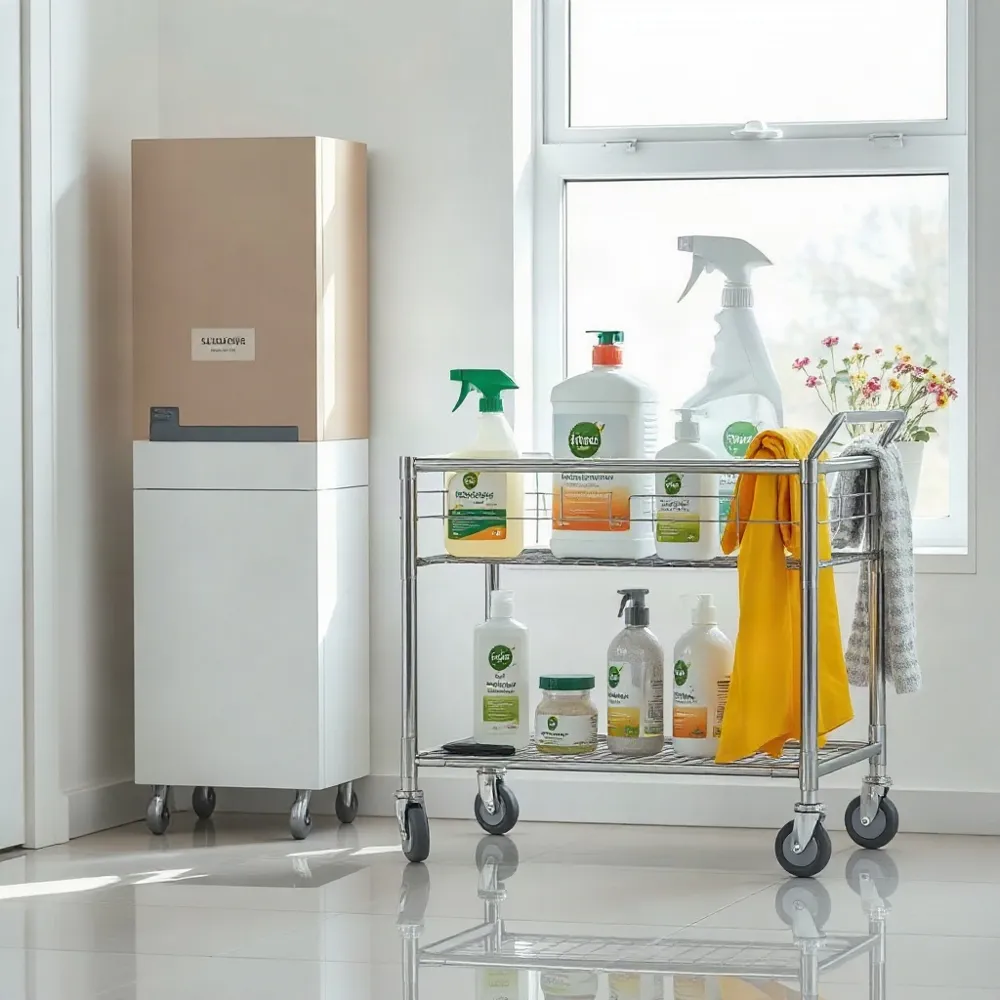
Prioritizing eco-friendly cleaning practices is essential for property managers who aim to create a healthier, more sustainable living environment. Unlike traditional cleaning services that may rely on harsh industrial solvents, Bravo Cleaning specializes in non-toxic and biodegradable products. These solutions ensure that units are thoroughly prepared for new occupants without leaving behind chemical residues or lingering odors, which is a major advantage for residents sensitive to air quality.
Using safer alternatives is a significant selling point for modern, environmentally conscious tenants. Bravo Cleaning offers sustainable solutions that protect both the health of the residents and the integrity of the property finishes. This approach reflects a professional dedication to long-term asset care and the broader well-being of the Minneapolis community.
Why is it important for property managers to prioritize eco-friendly cleaning practices?
Adopting green cleaning standards serves as a tangible commitment to property quality and safety. By choosing eco-friendly, non-toxic, and biodegradable products, property managers minimize liability while improving the overall tenant experience. These practices help attract a demographic of renters who value sustainability, helping owners maintain a competitive edge while ensuring their units are consistently move-in ready.
Reliability Through Strategic Partnerships

The transition between tenancies often acts as a bottleneck for property managers, yet reliability is achieved when cleaning providers function as strategic partners rather than simple transactional vendors. By moving beyond one-off service requests toward structured service agreements, managers gain a consistent extension of their internal operations. Partnerships of this nature allow for clearly defined scopes of work that align with specific building requirements, ensuring every unit meets the same exacting standards before a new resident arrives.
How do professional cleaning services in Minneapolis ensure reliability for property management clients?
Professional cleaning services in Minneapolis ensure reliability by acting as strategic partners rather than mere vendors. They guarantee consistency through structured service agreements, clearly defined scopes of work, and proactive quality assurance inspections conducted by dedicated account managers. This approach reduces manual follow-ups, minimizes turnover delays, and maintains high professional standards.
Efficiency is further bolstered by modern communication tools and automated scheduling systems. When managers utilize platforms like the ones offered through bravocleaningmn.com, they can coordinate services and track project status in real time. This digital integration helps reduce the coordination failures that research suggests contribute to a significant share of turnover delays, as cited in studies regarding property maintenance management. By fostering a relationship focused on long-term goals and proactive quality control, managers successfully reduce vacancy periods and stabilize the overall make-ready timeline.
Handling Left-Behind Items Legally
Discovering personal belongings after a tenant vacates requires a measured approach to ensure compliance with state-specific legal requirements for abandoned property. Property managers must prioritize caution, as failing to follow proper procedures regarding storage, written notification, and formal abandonment declarations can lead to significant legal liability. Before removing any items, verify the local statutes governing how long you must hold possessions and the necessary steps to document that a unit has been legally vacated.
Managing these situations effectively often involves partnering with professionals who understand the complexities of property transitions. While general cleaning services like The Maids may handle standard sanitation, a structured cleaning crew can help managers maintain a clean, compliant environment. By coordinating with a vendor that follows documented procedures, you can ensure that the final turnover phase remains organized and free from the pitfalls of improper disposal.
Clear documentation is your best defense against future disputes. Once you have issued the required notices and waited for the mandated collection period to expire, seek professional guidance for safe, ethical disposal. Using insured service partners who operate within a transparent framework can help shield property managers from the risks associated with handling former tenants' assets.
Maintaining Consistency with Technology
Integrating digital tools into your workflow is a highly effective way to reduce the coordination bottlenecks that can delay turnovers. By using property management software to automate cleaning schedules, you can provide staff and vendors with real-time access to unit status, moving beyond inefficient manual follow-ups.
Precision in property care requires well-organized data management. Property managers should maintain a centralized inventory of appliances, recording model numbers, purchase dates, and service histories to simplify repair-versus-replace decisions. Bravo Cleaning maintains consistent, digital-ready checklists that managers can update based on specific building feedback or recurring maintenance needs.
- Automate scheduling to reduce human error and minimize vacancy gaps.
- Track appliance serial numbers and warranty status to speed up maintenance decisions.
- Use shared, cloud-based checklists to foster clear communication between management and cleaning crews.
- Implement photo-based verification to ensure every unit meets move-in standards before the new resident arrives.
Unlike fragmented service providers, Bravo Cleaning provides clear reporting by aligning our cleaning cycles with your management platform's requirements. Our Minneapolis-based team leverages this technology to deliver consistent results, allowing you to focus on resident satisfaction while we maintain the high-quality, rent-ready status of your units.
Assigning a Make-Ready Technician
The turnover process often fails due to coordination bottlenecks and competing service requests that pull staff away from vacant units. Designating a dedicated make-ready technician allows for a single point of focus, which can reduce labor hours per turn by an estimated 15-25% according to industry benchmarks.
By isolating this role from daily resident maintenance calls, your team can avoid the common delays that lead to excessive vacancy periods. A focused technician works through the necessary repairs and inspections without the disruption of emergency work orders, ensuring that the unit remains on track for its scheduled move-in date.
When internal teams are overwhelmed by high-volume periods, supplementing this technician with professional services from bravocleaningmn.com provides the necessary bandwidth to maintain quality. Unlike general contractors, a partner like Bravo Cleaning brings extensive local experience to handle deep cleaning and specialized floor care, allowing your make-ready technician to concentrate strictly on structural readiness and final inspections.
This collaborative structure transforms the turnover from a disorganized scramble into a predictable, high-speed workflow. While a standard internal maintenance crew might struggle with multi-tasking, combining a dedicated in-house tech with the insured cleaning services provided by our crew ensures each unit is not only fast to turn but also thoroughly prepared for immediate occupancy.
Preventive Maintenance to Simplify Turns
The transition between tenancies often represents the most intensive maintenance period for a property manager. Integrating proactive upkeep throughout the lease term, such as regular appliance servicing, HVAC checks, and plumbing inspections, is a proven strategy to reduce the scope of work during the final turnover. By addressing minor issues as they arise, property managers effectively prevent unexpected delays and costly emergency repairs that often emerge during move-out.
Consistent maintenance does more than just simplify the turnover process; it also directly increases resident retention by ensuring a comfortable, fully functional living environment. At bravocleaningmn.com, we understand that the quality of your unit impacts tenant satisfaction long before they move out. While some providers focus only on the final scrub, our approach integrates seamlessly with the ongoing property management goals of Minneapolis-based managers.
Effective preventive measures help manage the condominium turnover process by reducing the total vacancy window. When major systems like water heaters or HVAC units are monitored regularly, the final move-out phase can focus on aesthetic refreshes rather than structural fixes. This shift allows teams at bravocleaningmn.com to prioritize the deep cleaning and floor care tasks that ensure a unit is truly move-in ready for the next resident.
Delivering Seamless Turnovers Every Season
Mastering the turnover process requires a shift from reactive repairs to proactive coordination. By initiating early planning before a lease officially ends, you create the necessary window to align maintenance schedules, eco-friendly cleaning, and safety inspections.
While some providers treat turnover as a simple transactional task, bravocleaningmn.com operates as a strategic partner. Our teams bring over 20 years of local expertise to ensure that every unit meets high habitability standards. Unlike larger, impersonal agencies that may overlook the specific needs of Minneapolis properties, our customized cleaning plans provide the detail-oriented consistency required to reduce vacancy and protect your investment.
Streamlined transitions do more than just improve aesthetics. They directly influence your bottom line by reducing vacancy periods and minimizing the likelihood of resident disputes regarding unit condition. If you manage multiple properties, bravocleaningmn.com can help you move away from fragmented vendor management toward a reliable, insured, and technology-forward workflow that keeps your doors open for new residents.
Efficiency is the ultimate goal. Start by auditing your current turnover timeline today to identify where you can integrate professional support and prevent costly bottlenecks.
Recent articles