What Makes a Locally Owned Cleaning Company Different?


Why Local Service Can Matter
Choosing a cleaning provider involves more than comparing prices or checking whether a space looks clean after a visit. Property owners and managers also need dependable scheduling, clear communication, flexibility when needs change, and a straightforward way to resolve concerns.
Local ownership can make those relationships more direct, but it does not guarantee good service by itself. Ask about staffing, service scope, estimates, and how the company handles missed tasks or schedule changes. A local provider should be able to explain how its plan fits your property, rather than relying on a broad claim of familiarity with the area.
Bravo Cleaning is based in Minneapolis and reports more than 20 years of local experience. Its stated services include customized residential and commercial cleaning, including work for apartment and condominium buildings, turnover cleaning, and carpet care. That range can be relevant to property managers coordinating both routine upkeep and transitions between occupants.
For a single property or a group of nearby sites, local knowledge may help make communication and service adjustments more personal. Bravo Cleaning’s locally rooted approach is one factor to weigh alongside the practical details of its proposed scope, schedule, and response process. Customers can also look for examples of community-minded cleaning partnerships, such as Cleaning for a Reason, which connects cleaning companies with households facing cancer.
Service That Fits the Property

A cleaning plan works best when it reflects how a property is used, not just its square footage. A private home, busy office, apartment building, and condominium complex can each call for different tasks, timing, and attention to detail.
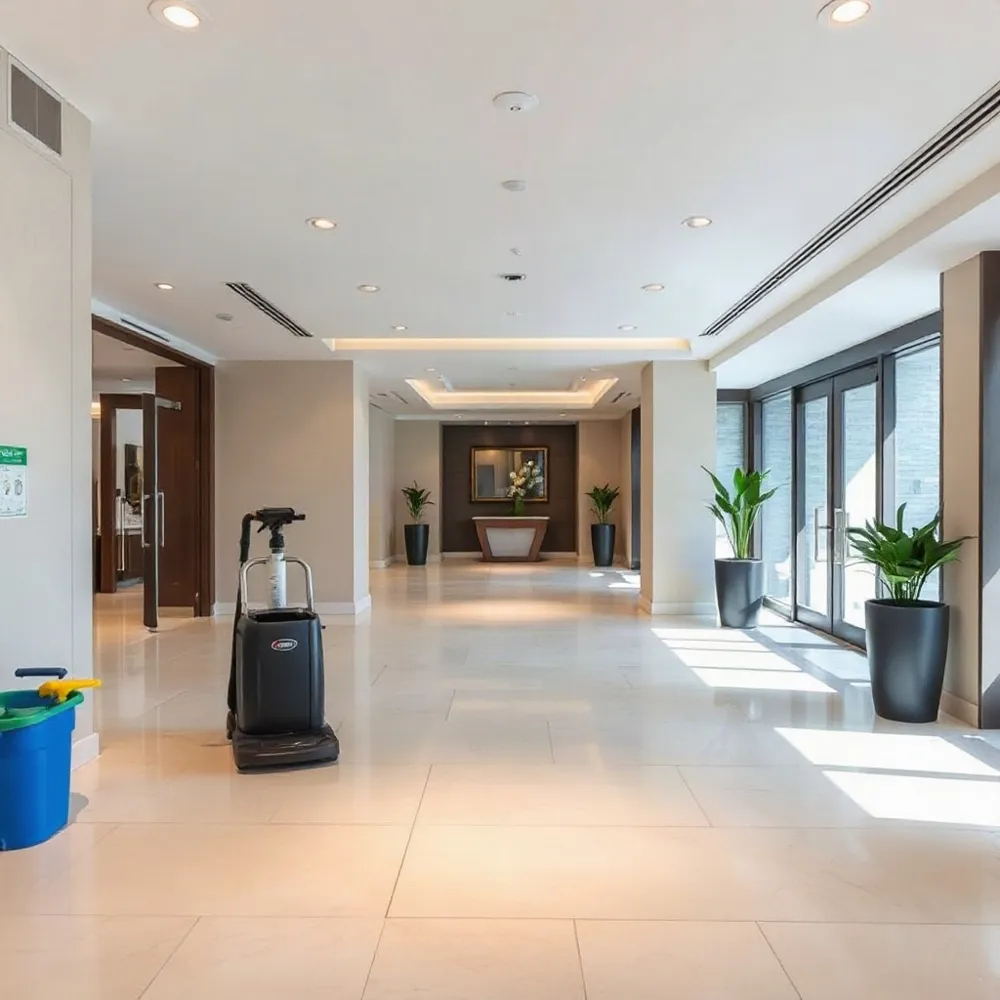
Professional services may include routine or deep cleaning for homes and workplaces, plus common-area care for lobbies, hallways, and other shared spaces. Property managers may also arrange turnover cleaning to prepare vacant units for incoming residents. Carpet and area-rug care, upholstery, hard-floor cleaning, and tile or grout work are possible specialized needs, but availability varies by provider.
Bravo Cleaning focuses on customized residential and commercial service, including apartment and condominium buildings, turnover cleaning, and carpet care. Its service range offers a practical example of how a local provider can address both recurring upkeep and property-specific work. For a closer look at how plans can differ across property types, see tailored cleaning for diverse property needs.
A customized plan can set the scope, frequency, and timing around occupancy and business operations. A home may need recurring maintenance, while a rental unit may need a focused clean between residents. For commercial clients, scheduling work after hours or during low-traffic periods can reduce disruption where the provider offers that option.
Before booking, ask which tasks and products are included, what methods will be used on carpets or delicate surfaces, and whether the schedule can change as needs shift. Clear answers help property managers and occupants compare proposals based on the work required, rather than assuming every cleaning package covers the same services.
Community Ties and Accountability

Serving a defined area can help a cleaning company become familiar with local customers and build direct working relationships. For Minneapolis homes and properties, Bravo Cleaning brings more than 20 years of local experience, serving residential and commercial clients, including apartment and condominium buildings. That history may support local knowledge, but ownership alone does not prove that service will be responsive or consistent.
A company’s reputation often depends on repeat business, referrals, and how it handles changes or problems. Before hiring, ask who your main contact will be, how to report a missed task, and when to expect a response. Property managers can also ask how schedule changes, turnover deadlines, or requests for extra carpet care are handled. Look for clear answers and examples of follow-through, not just general promises.
Local support can take practical forms, such as hiring nearby workers, partnering with community groups, volunteering, making donations, or providing cleaning for organizations that serve residents. These actions should be verifiable; do not assume that a company supports local causes simply because it is locally owned. Customers can ask which organizations a provider works with and what kind of support it offers.
Cleaning for a Reason offers one example: it connects residential cleaning companies that donate services with cancer patients and their families. Its partner requirements include proper insurance and employee background checks. Those conditions apply to participating partners, not to every local cleaner, so customers should confirm a provider’s own practices rather than infer them from its location or community ties.
For more on how a defined service area can encourage familiarity and direct accountability, see community ties and accountability for local cleaning providers.
Green Practices With Clear Evidence

Green cleaning means choosing products, equipment, and methods intended to reduce environmental impact and exposure to potentially irritating chemicals while still cleaning effectively. A useful starting point is to ask what products a provider uses and how those products are selected for the work.
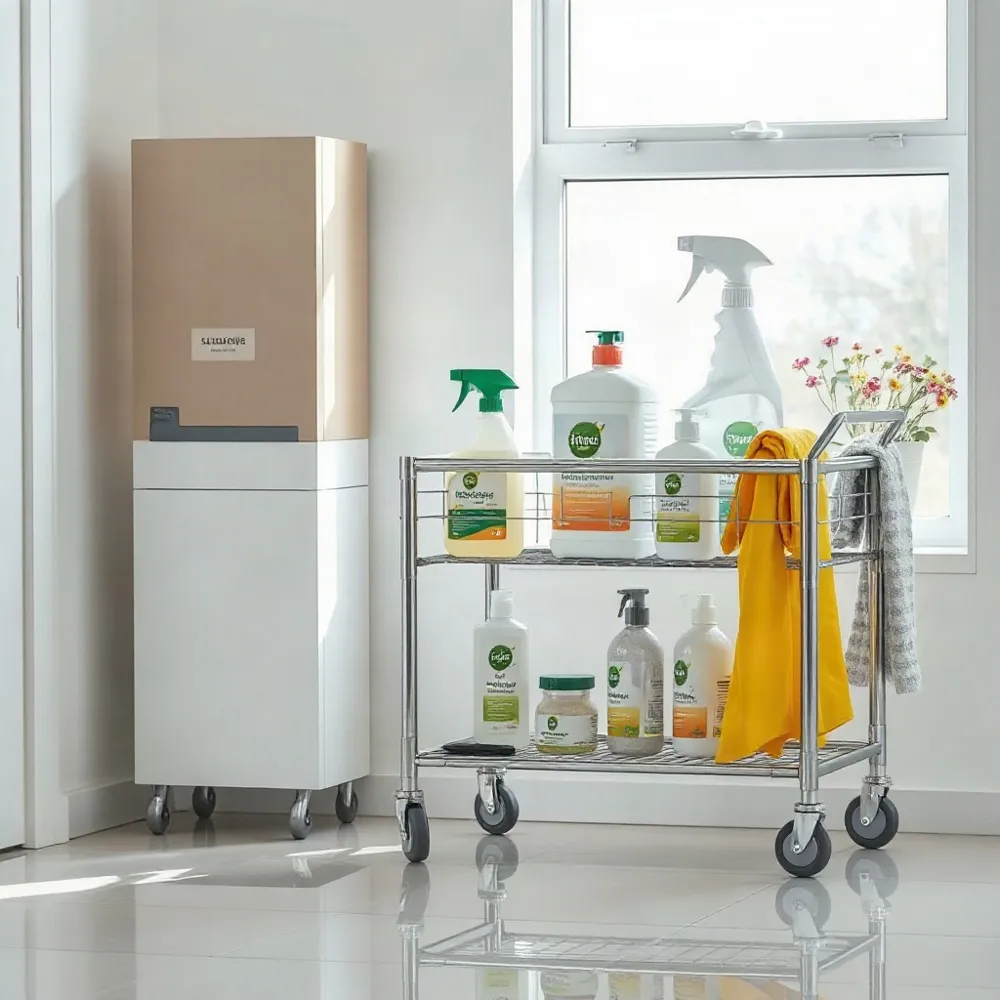
Customers can ask for ingredient information, directions for use, and how concentrated products are measured and diluted. They can also ask whether reusable supplies are part of the approach and how cleaners avoid unnecessary water and material use. These practical details are more informative than a general claim that a service is “eco-friendly.”
Product choice should match the task, surface, and people using the space. A product suitable for a hard floor may not be right for a delicate finish, and high-traffic areas may need a different cleaning plan from less-used rooms. Appropriate methods can help maintain cleanliness while reducing the risk of damage to floors and finishes.
For apartment and condominium managers, plans may need to account for shared spaces, resident traffic, turnover schedules, and the materials in each area. Bravo Cleaning’s work includes apartment and condominium properties, turnover cleaning, and carpet care, so these property-specific needs are relevant when discussing scope and product choices.
Bravo Cleaning identifies eco-friendly practices as part of its service approach, but customers should ask for details about the products and methods proposed for their property. Environmental claims are easier to assess when a provider can explain product selection, intended use, and how the approach fits the building, rather than relying on broad labels or unsupported certification claims. For a broader framework on less-toxic product choices, see Clean Water Action’s green cleaning guidance.
Reliability Beyond the First Visit
A dependable cleaning service is judged over time, not only by how a property looks after one appointment. For homes, offices, and apartment buildings, reliable scheduling, consistent results, clear communication, and a constructive response to feedback all help make the working relationship predictable.
Bravo Cleaning serves residential and commercial properties in Minneapolis, including apartment and condominium buildings, and its work includes turnover cleaning and carpet care. For property managers coordinating recurring service or preparing a unit for new occupants, those specific service areas can help shape a practical discussion about timing, scope, and follow-up.
What should you check before booking?
Look for a clear description of what the service includes, an estimate that explains the work, and a written invoice. Before committing, ask how cancellations, complaints, and requests for changes are handled. Appointment confirmations and timely updates about delays are also useful signs of professional communication.
Read recent reviews for specific observations about punctuality, staff professionalism, communication, and cleaning results. Customer testimonials can offer a helpful picture of individual experiences, but they are not independently verified proof and cannot guarantee what a future visit will be like. Bravo Cleaning’s published customer testimonials may be one perspective to consider alongside your own questions and service expectations.
Customers can also ask whether staff are screened, whether the company carries insurance, and how it handles staffing continuity when a regular cleaner is unavailable. These are sensible questions to raise with any provider; the supplied information does not confirm Bravo Cleaning’s specific screening, insurance, or staffing arrangements. For a wider evaluation framework, see this guide to assessing a cleaning partner’s consistency and reliability.
Price in Relation to the Work
A reasonable cleaning price reflects the work involved, not just the property’s square footage. Size and condition affect the time and staff required, while access, layout, cleaning frequency, and whether supplies or equipment are included can also shape an estimate.
Routine maintenance is different from a deep clean, a move-out turnover, or specialized carpet care. For each quote, ask which tasks are included, what counts as an add-on, and whether the provider will supply the equipment and products. Bravo Cleaning offers customized residential and commercial services, including turnover cleaning and carpet care, so property managers can discuss needs beyond routine upkeep.
Compare written estimates only when they cover similar tasks and service expectations. If a quote is vague, ask for the scope, schedule, and any extra charges in writing before booking. A low price may not be good value if important tasks are excluded or the work requires repeated oversight.
For apartment and condominium managers, occupancy, resident traffic, and turnover dates can change what a useful cleaning plan looks like. Matching service frequency and scope to those conditions may offer better value than choosing a one-size-fits-all quote. Property size, condition, frequency, and included supplies can all affect costs.
Good Practice Protects Results
Common cleaning mistakes can leave residue, spread soil, or damage finishes. Using one product on every surface, applying too much cleaner, or ignoring label directions may lead to poor results. Check that a product suits the material, follow its instructions, and test it in an inconspicuous spot when the surface is unfamiliar.
The order of work matters, too. Dust and wipe surfaces before cleaning floors so loosened debris does not settle on a finished area. Clean or replace cloths and mop heads between tasks to avoid carrying soil from one room or surface to another. These simple habits are useful in homes as well as busy apartment and condominium buildings.
In shared buildings, a cleaning plan should account for frequently touched points such as door handles, light switches, elevator buttons, and shared equipment. The right frequency depends on how the space is used, its traffic, and the needs of residents or staff. A checklist tailored to the property can make these tasks easier to track, rather than relying only on whether an area looks dirty.
For property managers, a written scope can help clarify which areas and touchpoints are included and how often they should be addressed. Bravo Cleaning serves residential and commercial properties, including apartment and condominium buildings, and offers customized cleaning alongside turnover and carpet care. Customers can ask providers how they choose products suitable for each surface and avoid methods that may cause damage.
Deciding Whether Professional Cleaning Fits
Professional cleaning can be worthwhile when residents or staff need less time spent on routine upkeep, or a property needs a steady standard of cleanliness. For apartment and condominium managers, regular care can help keep shared areas welcoming, while targeted work such as turnover cleaning or carpet care addresses tasks beyond a routine visit.
The value depends on what matters to you: the scope of work, service schedule, operating hours, and budget. A clear written scope makes it easier to judge whether the provider is meeting expectations and to discuss changes when a property’s needs shift. Professional cleaning may reduce the workload, but results depend on the agreed tasks and how consistently they are completed.
Local ownership alone does not establish that a company is the right fit. Compare demonstrated experience, responsiveness, tailored service, transparent pricing, and specific customer feedback. For property managers, ask how the provider will handle access, turnover timing, common areas, and any specialized floor or carpet needs. Bravo Cleaning offers customized residential and commercial cleaning in Minneapolis, including apartment and condominium services, turnover cleaning, and carpet care. Bravo Cleaning identifies eco-friendly products and methods as part of its service approach; customers can ask which products and methods are proposed for their property. Ask the provider for verifiable customer references or published testimonials relevant to your property’s needs.
Bravo Cleaning is locally owned and brings more than 20 years of local experience, according to the company background provided for this article. Before booking, compare your priorities with the provider’s written scope, confirm what is included, and ask how questions or service concerns will be handled. That conversation can help you decide whether professional cleaning fits your property, schedule, and budget.
Choose Fit Over Labels
Local ownership can bring community familiarity and a more direct working relationship, but the label alone cannot confirm service quality. Check that the cleaning scope is clear, communication is reliable, methods suit the property, pricing is explained, and concerns receive a timely response.
For residents and property managers, a useful next step is to discuss priorities such as turnover timing, shared areas, or carpet care and request an estimate shaped around the work. Bravo Cleaning serves Minneapolis homes and commercial properties with customized cleaning, including apartment and condominium turnover services and carpet care. Ask how the proposed plan will address your needs, then assess its consistency over time. Community-minded service can also take a concrete form, as shown by Cleaning for a Reason’s partner program, which connects cleaning companies with cancer patients and their families.
Recent articles