Balancing Resident Needs With Building Cleaning Schedules

Start With Residents and Daily Use
A residential cleaning schedule has to do more than keep floors and surfaces presentable. It should maintain shared spaces while allowing residents to use entrances, hallways, lounges, and other amenities with as little disruption as possible. That balance starts with understanding how people use the building, rather than applying the same routine everywhere.
Property managers can combine observations of foot traffic with feedback from residents and cleaning staff to spot busy areas, recurring concerns, and awkward cleaning times. A cleaning audit can also reveal duplicated work or overlooked spaces, giving managers a practical basis for adjusting priorities and revising the schedule as needs change (facility cleaning schedule guidance).
For buildings that need dependable common-area care as well as apartment turnover cleaning, Bravo Cleaning provides customized residential and commercial services in the Minneapolis area, supported by more than 20 years of local experience. A resident-focused plan can then set out when shared spaces receive attention, how staff will limit access interruptions, and what must be completed before a new resident moves in. The sections that follow address each part of that plan.
Build the Schedule Around Actual Use

A useful schedule starts with a walkthrough of the building, not a standard checklist applied to every property. Note traffic patterns, amenities, flooring, touchpoints, and recurring problem areas. An audit can also reveal duplicated tasks, unnecessary work, and spaces that are being missed, giving managers a practical basis for adjusting the plan (cleaning schedule audit guidance).
Set priorities by occupancy and observed use. Restrooms, kitchens, and high-touch surfaces often need more attention, while conference rooms, break areas, and hallways may fall into a middle tier. Storage rooms and unused offices may need only periodic care. These are planning examples, not universal rules: in an apartment or condominium, a busy laundry room or package area may need more frequent service than a lightly used lounge.
Translate those priorities into a flexible cadence. Schedule frequent attention for high-use areas, daily or weekly care for spaces with moderate use, and periodic cleaning for low-traffic areas. Routine work might include trash removal, entryway cleaning, touchpoint wiping, and checks of restrooms or laundry rooms. Weekly tasks can cover floor care, dusting, and amenity cleaning, with carpet extraction, high-level dusting, and seasonal detailing rotated less often.
The right intervals depend on the property’s conditions and residents’ routines. Bravo Cleaning’s customized service approach and experience with apartment and condominium buildings fit this need for tailored planning, including attention to turnover cleaning and carpet care. Managers can also refer to guidance on matching cleaning frequency to building use when deciding which common areas need more or less frequent service.
Give each task a clear owner, service time, and completion check so daily work does not fall between shifts. Review the schedule using inspections, staff observations, and resident feedback, then revise it when occupancy, seasons, or amenity use change. Foot-traffic and occupancy information can help direct staff time; sensors or automated scheduling may support that process where they suit the building. Bravo Cleaning’s flexible, property-specific services offer a practical way to align cleaning work with changing building needs rather than assuming every property requires the same routine.
Coordinate Work to Limit Disruption

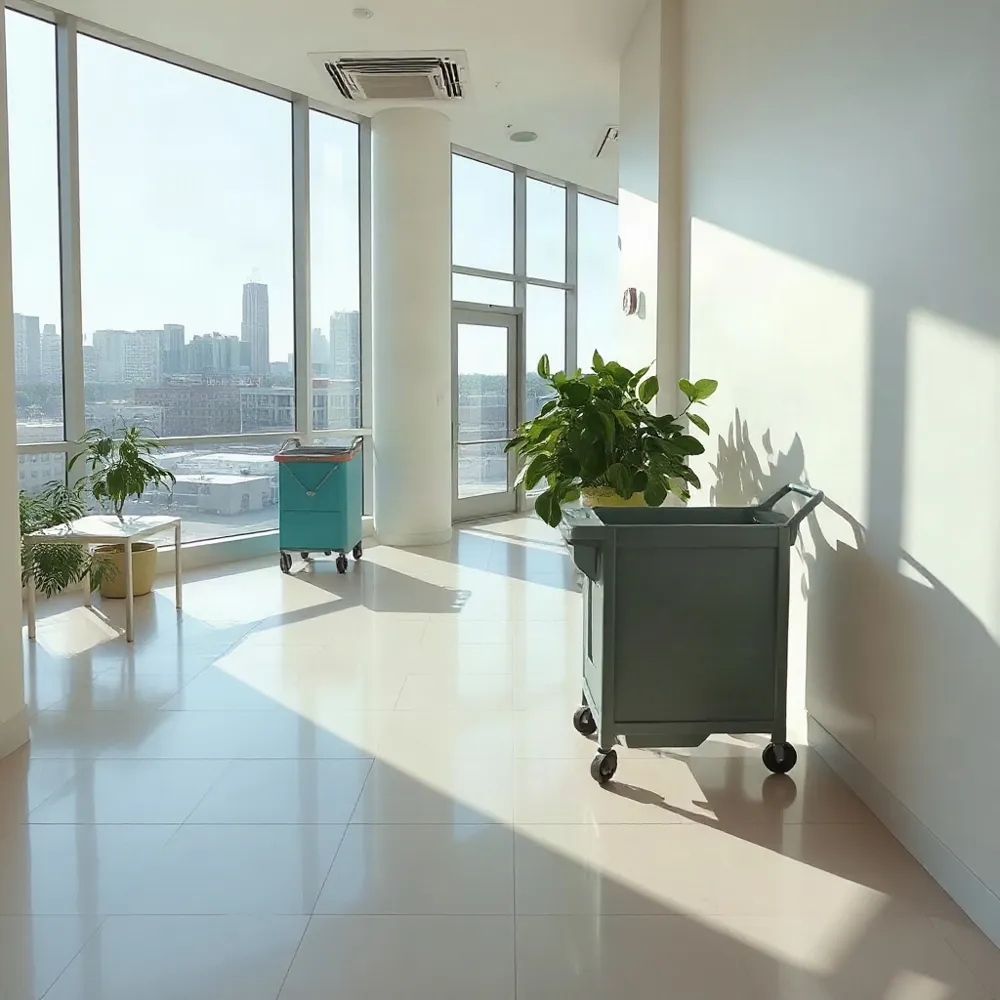
Even a well-planned cleaning routine can inconvenience residents if it blocks a familiar route or clashes with a busy part of the day. Property managers can reduce friction by scheduling work during lower-traffic periods and coordinating it with resident routines, building access rules, and planned maintenance.
Before work begins, tell residents when cleaning will take place, which areas are affected, and whether they should expect noise, odors, or temporary access changes. If the plan shifts, send an update rather than leaving people to discover a closed hallway or amenity on arrival. Advance communication and clear notices are also useful for wider building work.
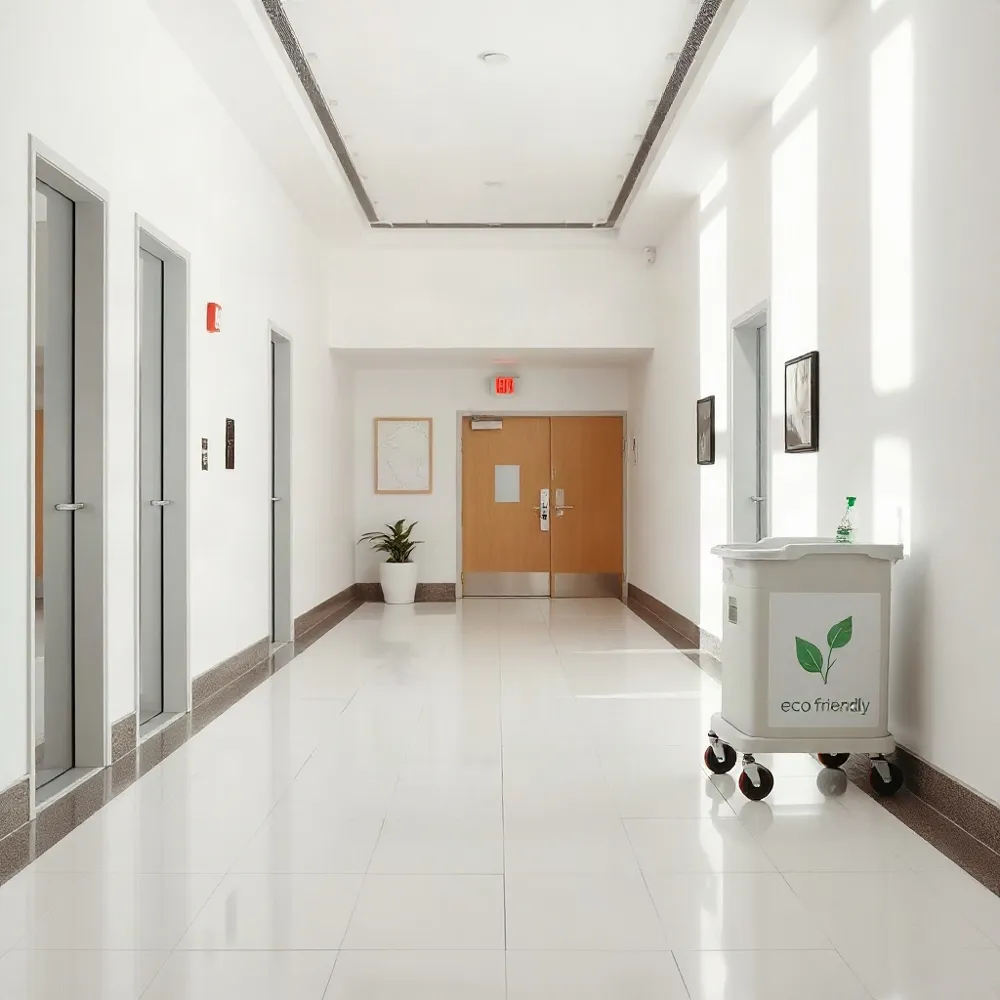
For larger jobs, divide the work into sections so residents can use another hallway or shared space where possible. Place clear signs at decision points, and use barriers when an area must be closed for safety. Keep equipment and supplies organized, and move them promptly when no longer needed, so work areas do not become obstacles.
A clear contact route gives residents a practical way to report scheduling conflicts or recurring concerns. Managers can gather feedback through a designated contact, then adjust timing around local events, holidays, or changes in building routines. For related ideas on aligning service times with daily activity, see how property managers can coordinate cleaning with business and property needs.
Bravo Cleaning’s customized residential and commercial services, backed by more than 20 years of local experience, can support plans that account for a property’s routines and access needs. Managers should discuss suitable timing, methods, quieter equipment where appropriate, and eco-friendly products with their cleaning provider. A consistent, organized team can maintain cleaning quality while limiting avoidable disruption.
Make Each Shift Consistent
A reliable schedule depends on more than assigning the same tasks each day. Rotating deep-cleaning duties and cross-training staff can spread demanding work across the team, reduce fatigue, and help maintain consistent results. A cleaning audit can also reveal duplicated tasks, missed areas, or workload imbalances.
Use standardized checklists to define what each space needs, assign responsibility, and record completed work. Task logs and brief handoffs help the next shift understand what remains, while routine supply checks prevent avoidable interruptions. These practices support the customized cleaning plans Bravo Cleaning provides for residential and commercial properties.
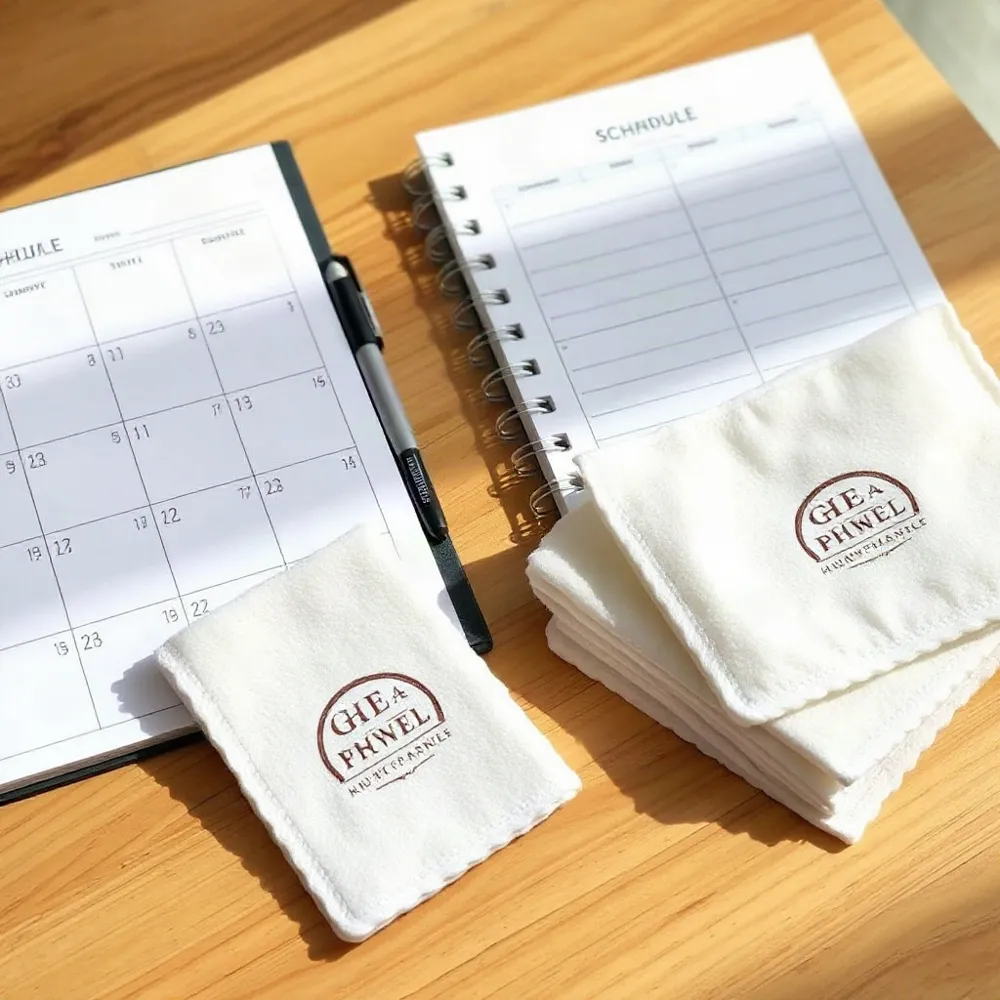
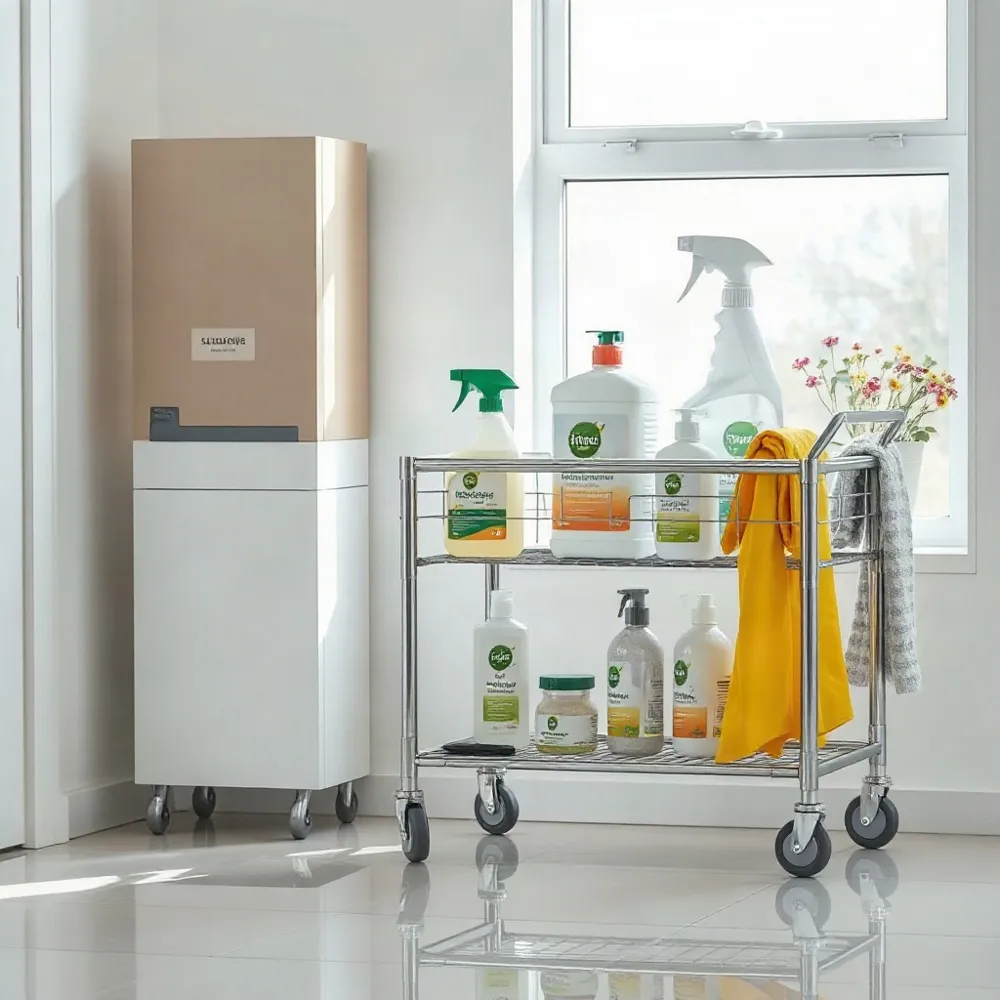
Choose tools and methods for the surface and task. Microfiber cloths, HEPA-filter vacuums, and appropriate mops and cleaners can support effective work, while color-coded cloths help reduce the risk of cross-contamination. Training staff to clean methodically, follow product directions, and restock supplies consistently makes procedures easier to repeat. For more on distributing duties across a team, see ways to keep cleaning shifts consistent.
Carpet and upholstery care should reflect traffic and building conditions. A sample schedule proposes weekly deep cleaning in high-traffic areas to remove embedded dirt and help extend material life, but managers should adjust the interval to actual use rather than treat it as a fixed rule. Bravo Cleaning’s carpet-care services can be included in a property-specific plan.
Housekeeping also needs to fit the wider property plan. Cleaning shared spaces and removing waste take place alongside repairs and building-system maintenance, so documented schedules and clear handoffs can help teams avoid access conflicts or overlapping work.
Prepare Turnover Cleaning for the Next Resident

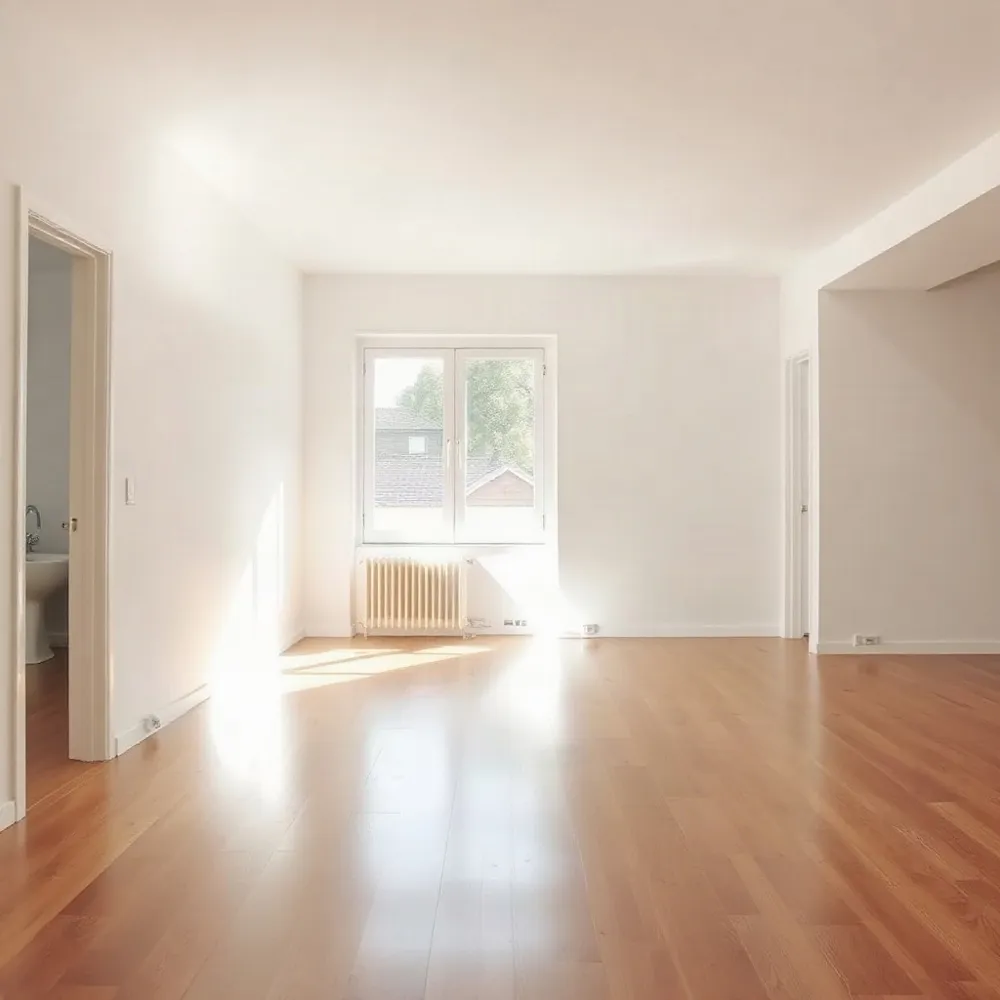
A move-out clean has a short window: the apartment must be ready for inspection, repairs, and the next resident. A room-by-room checklist helps the team cover routine tasks without treating every unit as identical. For a fuller turnover workflow, see this apartment move-out cleaning checklist.
Kitchens and bathrooms deserve close attention because grease, soap residue, and buildup can remain in corners or on surfaces that are easy to miss. Bravo Cleaning’s customized turnover cleaning and carpet-care services allow work to be planned around the unit’s condition and the property’s schedule, rather than relying on a household routine that may not fit a busy apartment community.
Kitchen checklist
- Clean the oven, refrigerator, and freezer, including removable shelves and drawers.
- Wipe cabinets and drawers inside and out, then clean the stovetop, range hood, backsplash, counters, and sink.
- Clean appliances that will remain in the apartment, following product guidance and the property’s approved cleaning methods.
Bathroom checklist
- Scrub the toilet, tub or shower, grout, and floor, paying attention to soap residue and buildup.
- Clean the vanity and medicine cabinet, polish mirrors and fixtures, and wipe the exhaust-fan cover.
Throughout the apartment, remove dust and debris, clean floors and carpets, wipe baseboards and reachable surfaces, and check closets, windowsills, and other overlooked areas. Carpet care should reflect the carpet’s condition and the time available before the next move-in. Bravo Cleaning’s experience with apartment turnovers and carpet care helps property teams account for those unit-specific needs.
After cleaning, compare the apartment with its move-in condition and document damage that requires repair. Separate cleaning items from maintenance issues so the right team can address each before occupancy. Final touch-ups should reflect the unit’s actual condition and turnover timeline, with any missed areas assigned before the final inspection.
Review Results and Revise the Plan
A cleaning schedule should change when the building does. Shifts in occupancy, resident activity, seasonal weather, or a busy event calendar can leave some areas needing more attention and others less. A periodic cleaning audit can reveal duplicated tasks, missed spaces, and feedback from staff and residents, giving managers a practical basis for revising the plan (facility cleaning schedule guidance).
Use inspection notes, service requests, and resident comments to decide whether task frequency or priorities need to change. For example, recurring concerns about a lobby after a community event may call for a temporary increase in attention, while a lightly used room may need less frequent service. Flexible cleaning schedules can help managers respond to changing use without treating every space the same.
Keep cleaning records alongside broader property maintenance notes. Regular inspections and clear documentation can help teams spot concerns before they disrupt residents, while advance notices give people time to prepare when shared spaces will be affected. For specialized carpet care or dependable coverage across recurring tasks, Bravo Cleaning brings more than 20 years of local experience and can tailor residential cleaning to a property’s needs, including eco-friendly practices.
Keep the Plan Adaptable
A dependable cleaning plan gives residents clean, usable shared spaces without treating every day or area alike. Keep task assignments and inspection notes clear, then adjust timing when resident feedback, occupancy, or building needs point to a better approach. Advance communication about affected areas and access helps residents plan around the work.
Regular walkthroughs can reveal missed details and recurring concerns before they become larger problems. Property managers can use those observations to refine routines and bring in specialized help for needs such as carpet care or apartment turnovers. As a locally owned Minneapolis provider, Bravo Cleaning offers customized residential and commercial cleaning, with experienced staff and eco-friendly practices suited to different properties.
Recent articles