What Your Cleaning Team Needs to Know About Your Building

Start With How The Building Works
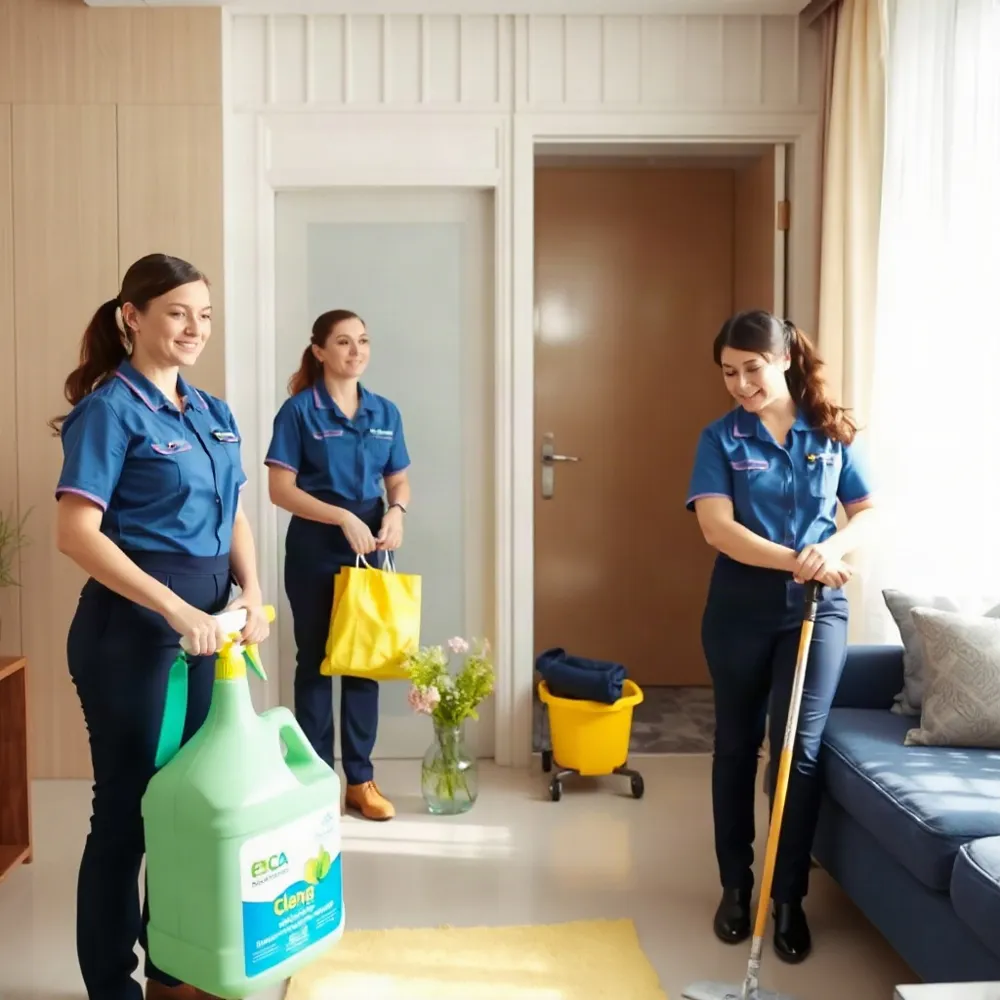
A cleaning team can work more effectively when it understands how people use a building, which spaces need the most attention, and what access rules apply. For property managers, homeowners, and business clients, a clear briefing helps shape service around the property rather than relying on a one-size-fits-all routine.
Sharing building-specific details can protect occupants and surfaces while reducing missed areas, unnecessary overlap, and disruption. At Bravo Cleaning, customized cleaning services reflect each property’s needs, including its layout and daily use.
Before service begins, clarify the scope of work, high-traffic areas, floor and surface materials, access procedures, safety requirements, preferred schedule, and quality expectations. These details give the cleaning team a practical starting point for a plan that fits the building and the people who use it.
Define The Scope And Priorities

A written scope turns a general request for cleaning into a shared plan. It should name the areas to be serviced, the tasks expected in each, how often they are done, and any exclusions or special instructions. For a practical checklist of routine tasks, see what professional janitorial services should include.
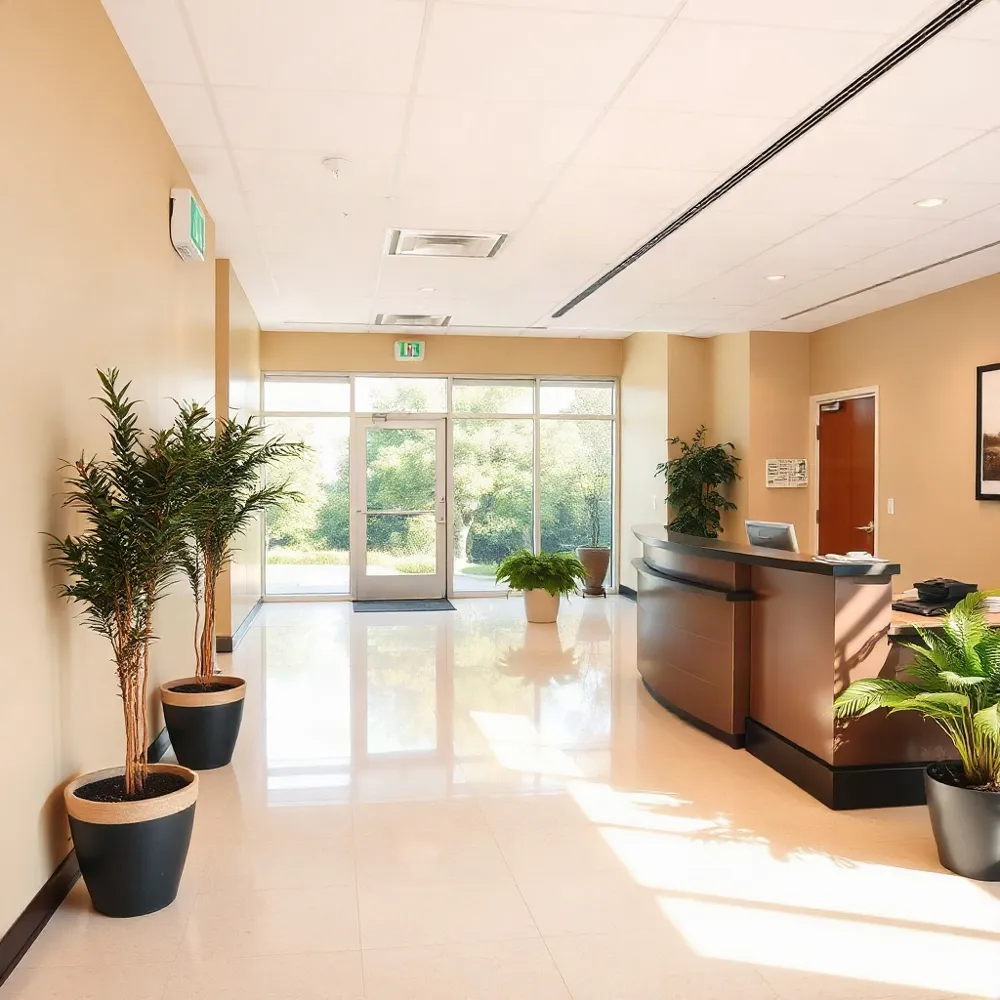
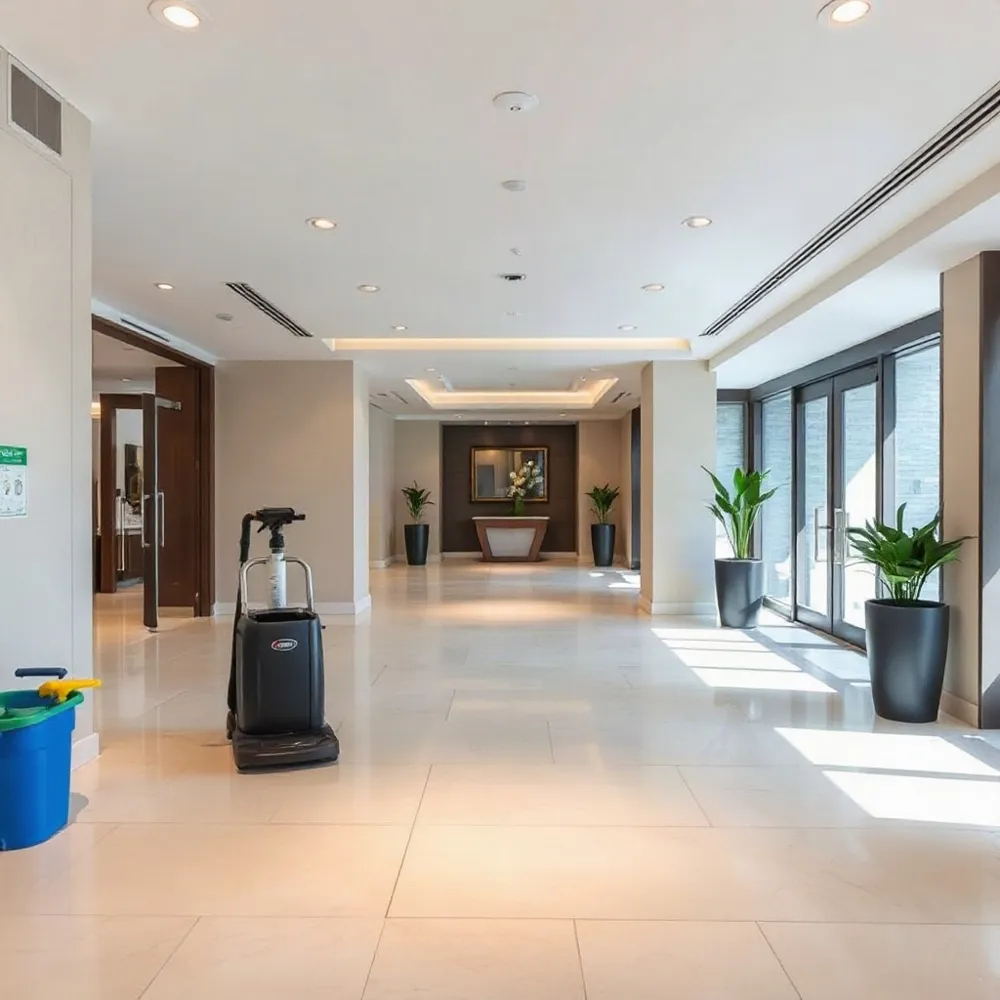
Typical work may include dusting, wiping surfaces, vacuuming carpets, mopping hard floors, and removing trash. In homes, a plan might cover kitchen counters, sinks, appliance exteriors, toilets, and frequently used surfaces, with timing suited to the household’s needs. For commercial properties, spell out coverage for offices, lobbies, hallways, elevators, restrooms, break rooms, and shared amenities.
Share Layout, Materials, And Traffic

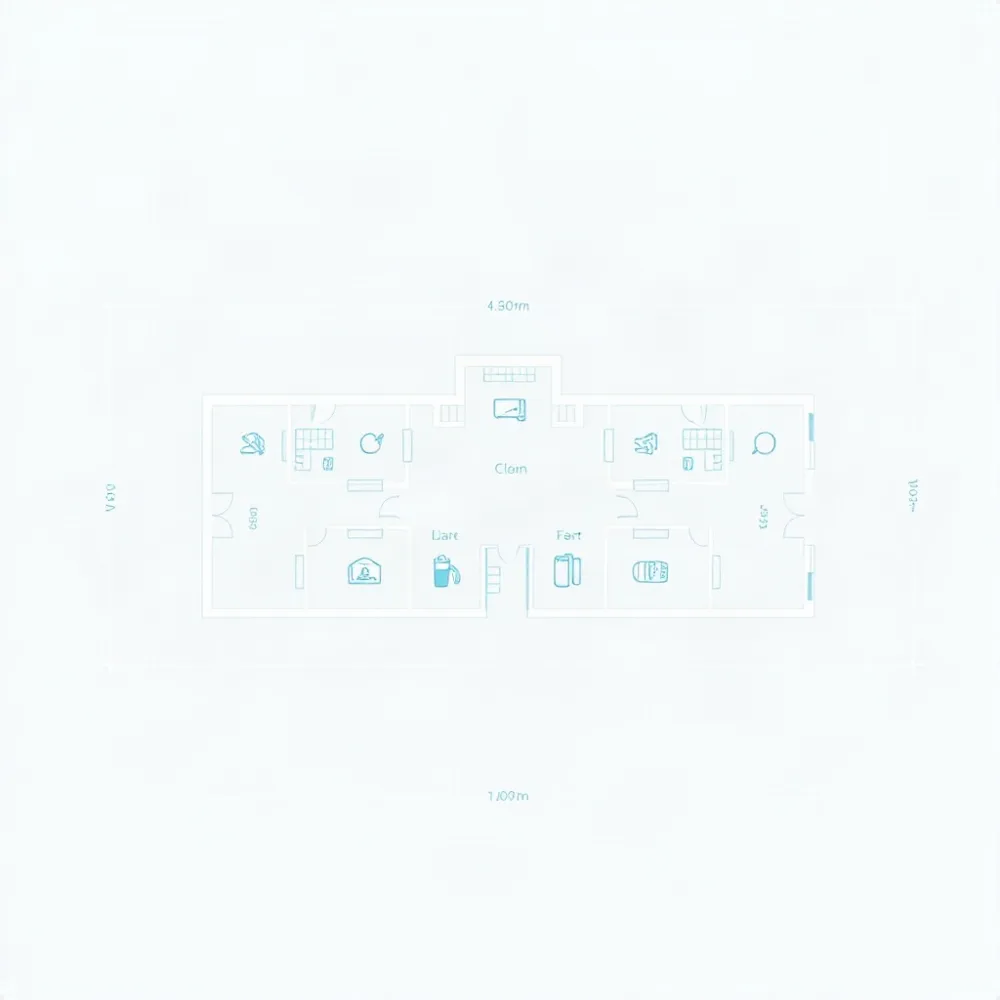
A pre-service walkthrough gives the cleaning provider a practical picture of the property before work begins. Review rooms and amenities together, trace busy routes, and point out frequently touched surfaces, delicate finishes, existing damage, and areas that need extra attention. A building-specific cleaning plan can then reflect how the space is actually used.
Traffic patterns should shape both priorities and timing. Entrances, elevators, and shared kitchens may need attention more often than lightly used private offices. Meeting-room bookings and tenant schedules also affect when cleaners can enter, so share calendars or quiet periods where access is limited. Bravo Cleaning’s customized services and experience with commercial and residential properties support plans shaped around each building’s needs.
Identify carpet, upholstery, glass, and hard-floor materials, along with stains or any surface-care concerns. These details help the provider choose suitable tools and products, protect delicate finishes, and determine whether routine cleaning or a separate treatment is appropriate. For property managers, sharing this information early can also clarify what is included in the service plan.
Use a room-by-room checklist to record what needs attention, then inspect the same areas after service to catch omissions. For an initial deep clean, confirm that renovation or construction work is finished and that lighting, water, and other needed utilities are operational before cleaners arrive. Bravo Cleaning’s tailored approach can account for building conditions and priorities, including the extra detail required after a property has been vacated or refurbished.
After construction, dust and debris may remain on high surfaces, inside cabinets, around fixtures, in vents, and outdoors. Agree in advance who removes leftover materials and which interior and exterior areas the cleaning team will handle. That division of responsibility helps avoid missed work and lets the provider plan the right methods for preparing the space for use.
Coordinate Access And Prepare Occupants

Once the service scope is set, coordinate when the crew can enter and how occupants should prepare. Confirm the service date, work hours, visit frequency, priority areas, and special requirements with the provider. For example, daytime visits may suit restroom checks or kitchen touch-ups, while quieter hours can be better for vacuuming and detailed work.
Give tenants or staff advance notice and explain which spaces will be cleaned. Arrange keys or credentials, elevator access, check-in steps, and escorts where required. A written access plan should also explain emergency procedures and identify restricted rooms, such as IT areas, private offices, records storage, or valuable-inventory spaces.
For each restricted area, specify who may enter, when cleaning is allowed, and whether supervision or designated staff are required. Limit access to the rooms and hours needed for the work, and agree who issues, tracks, and collects credentials. Decide how to report a lost key or credential before service begins. These details can make it easier to coordinate entry without compromising tenant privacy or building security.
Ask occupants to secure valuables and personal items, and clear desks, counters, and floors where practical. Clarify whether papers and equipment must remain untouched, who removes food from shared kitchens, where waste should be collected, and where supplies may be stored. Furniture or vehicles should be moved only when that responsibility is part of the agreed plan.
A building-specific plan should leave room for different needs, from apartment turnovers to recurring office service. Bravo Cleaning provides customized residential and commercial cleaning, including turnover cleaning and carpet care, so managers can describe the work and timing their property requires.
For turnover or post-construction work, plan a final walkthrough with the property manager or tenant representative so any missed areas can be recorded and addressed before the space is handed over. For help setting expectations before the first visit, see this guide to coordinating access and preparing occupants.
Match The Cleaning Method To The Building
No single staffing workflow fits every facility. Team cleaning assigns workers specific tasks throughout a building, such as vacuuming or restroom care. Zone cleaning gives each cleaner responsibility for a defined area and all the tasks within it. A smaller property may suit one cleaner, while a larger building may need specialized roles.
Team cleaning can support focused training and consistent standards because workers repeat a defined task rather than switching among duties. Task-based assignments also make supervision clearer, and specialized equipment can be shared by the person who needs it. The trade-off is that repetitive work may affect satisfaction and contribute to staff turnover, which can disrupt continuity.
With zone cleaning, a cleaner owns an area, making it easier to identify gaps and direct follow-up training. Fewer cleaners may need access to sensitive spaces, which can simplify access planning. However, each worker may need a fuller set of tools, and the provider must train staff consistently so service quality does not vary from one zone to another.
Choose the workflow around the building’s layout, operations, security needs, service scope, and quality expectations, not a standard formula. At Bravo Cleaning, customized service plans reflect the needs of commercial properties and apartment and condominium buildings, alongside more than 20 years of experience.
Before service begins, agree on visit timing, backup coverage for absences, and how supervisors will check completed work. Set a simple process for reporting a missed task, assigning responsibility, and confirming its correction. A clear plan helps preserve reliable service even when staffing or building use changes.
Property managers can compare team cleaning and zone cleaning, then confirm which arrangement best supports the property’s daily operation.
Plan Safe, Surface-Appropriate Service
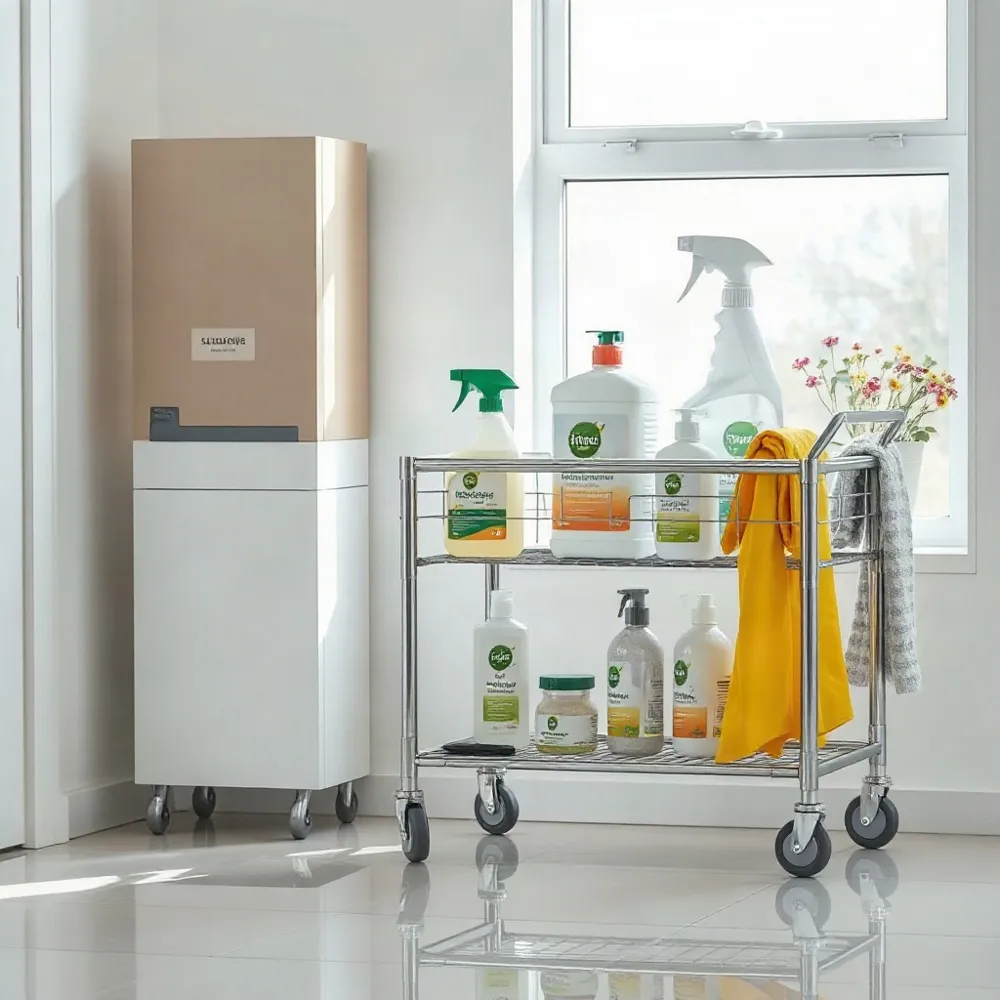
A cleaning plan should account for both the building’s hazards and the materials being serviced. Identify site-specific risks, train staff on chemical and equipment use, and make sure workers can follow product labels and safety data sheets. Clear labeling, never mixing products, and suitable ventilation help reduce avoidable exposure. For a practical checklist on hazard identification and chemical handling, see safety planning for janitorial service.
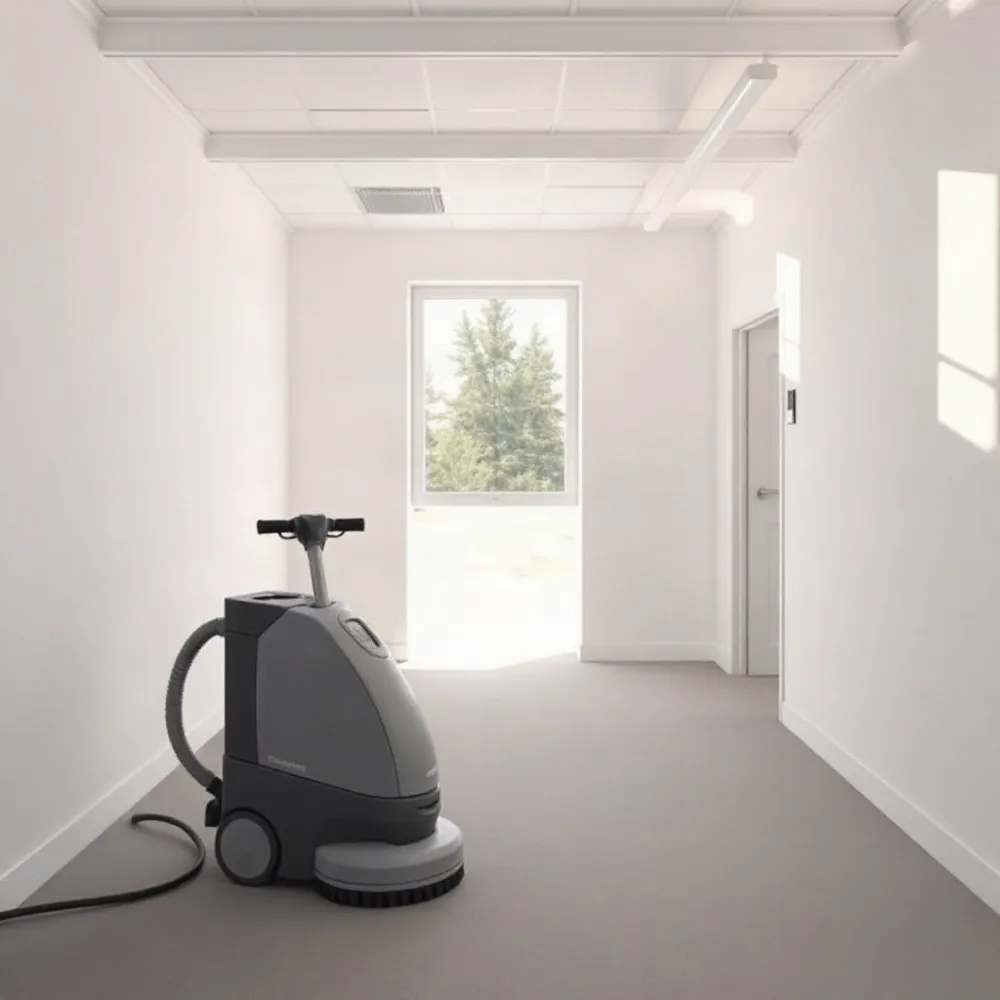
Protective supplies should match the task and product, including gloves and eye protection, plus masks or respirators when required. Slip-resistant footwear, wet-floor signs, and barriers help protect both cleaners and building occupants. Inspect vacuums, floor machines, cords, and other tools before use, and replace or repair damaged equipment promptly. Keep cleaning products in their original containers with labels intact, and store them away from food, drink, and personal items. For spills or incidents, follow the documented response steps and report issues to the supervisor right away.
Evaluate Value And Verify Performance
A useful cleaning quote connects the building’s needs to a clear scope, schedule, and service standard. Bravo Cleaning, a locally owned Minneapolis company with more than 20 years of experience, provides customized cleaning for commercial properties, apartments, and condominiums. For any provider, ask for a site walkthrough and a room-by-room task list before comparing proposals.
Commercial cleaning estimates generally reflect cleanable square footage, labor and time, visit frequency, occupancy, layout, building condition, traffic, restroom count, floor materials, access, and requested tasks. Carpet care, floor polishing, window work, and other periodic services may be priced separately or included in a customized plan, so confirm exactly what each proposal covers.
As a cautious budgeting example, a standard 10,000-square-foot office cleaned about three times a week might cost roughly $1,000 to $1,500 per month. This is not a fixed rate: the actual price depends on the building and scope, and specialized facilities or one-time deep cleans may differ. A property-specific walkthrough is the best basis for an accurate estimate.
Compare proposals against the same tasks and service frequency, not price alone. Ask how the provider documents procedures, trains and supervises staff, covers absences, checks quality, and resolves complaints. Clarify how products and equipment are selected and how staff prevent cross-contamination between different areas.
For apartments and condominiums, verify experience with unit turnovers, shared spaces, and carpet care. Bravo Cleaning’s work includes apartment and condominium cleaning, turnover cleaning, and carpet care, with service tailored to the property. Ask about product choices and eco-friendly options, then agree on how completed work will be checked.
Check references and testimonials, and set a regular review with the provider to discuss missed tasks, changing occupancy, seasonal needs, renovations, or other changes to the building. For more detail on the factors that shape a proposal, see commercial cleaning estimate cost drivers. A consistent review process helps keep the service plan aligned with the property rather than relying on an outdated scope.
Make Building Knowledge Part Of The Plan
Building-specific information is most useful when it becomes part of an agreed working plan. A property manager, occupants, and cleaning provider can confirm priorities, access limits, service times, and quality expectations before work begins, then record them in a checklist everyone can refer to.
Revisit that plan when occupancy, room use, building access, or maintenance needs change. A brief walkthrough helps identify new priorities and prevent tasks from being missed or repeated. At Bravo Cleaning, locally owned in Minneapolis and serving the area for over 20 years, customized cleaning plans reflect each property’s needs and routines.
Clear communication makes tailored service practical: the team can care for shared spaces while respecting occupants, materials, and daily operations. With the scope and expectations confirmed, property managers have a useful foundation for keeping the building clean, welcoming, and ready for the people who use it.
Recent articles