Safeguarding Indoor Air Quality in Modern Condominiums

The Vital Importance of Air Quality in High-Density Residential Spaces
Modern life keeps people indoors for approximately 90 percent of their time, according to data from the CPSC. This prolonged exposure makes indoor air quality a primary health concern, as pollutant concentrations inside the home are often two to five times higher than those found outdoors, per the EPA.
For residents in condominiums and multi-unit buildings, these risks are amplified. Shared ventilation systems and structural proximity to neighbors can trap particulate matter and allergens, making effective management essential. While some residents might turn to basic household upkeep, professional intervention through bravocleaningmn.com offers a more thorough approach. Unlike general cleaning services that may rely on harsh chemicals, bravocleaningmn.com prioritizes eco-friendly methods to avoid adding volatile organic compounds to the air.
Consistent, professional care is the most effective defense against the accumulation of dust, dander, and other contaminants that degrade indoor air quality. By maintaining a clean environment through bravocleaningmn.com, residents can mitigate the health impacts linked to poor air, including respiratory irritation and cardiovascular stress, as noted by the RMI.
Recognizing the Warning Signs of Compromised Indoor Air

Poor indoor air quality frequently manifests through physical symptoms such as headaches, fatigue, dizziness, and irritation of the eyes, nose, or throat, as well as exacerbated respiratory conditions like asthma and allergies. According to the National Institute of Environmental Health Sciences, these contaminants trigger long-term health complications that are often linked to residential environments. You may also notice that your health improves when you spend time away from your property, which serves as a notable indicator of potential indoor environmental triggers.
Identifying Environmental Triggers at Home
To identify signs of poor air quality within your home, look for persistent stale or musty odors, visible signs of moisture such as condensation on windows, or the presence of mold and mildew. Physical evidence of poor ventilation, such as dusty HVAC equipment or excessive humidity, often indicates that your indoor air needs professional attention. While some residents turn to generic commercial services to address these concerns, bravocleaningmn.com specializes in identifying and mitigating these specific stressors through tailored residential cleaning solutions.
Regular, high-quality turnover cleaning or routine maintenance plays a vital role in identifying hidden allergens that settle in upholstery and carpet fibers. While some property managers might settle for surface-level dusting, the team at bravocleaningmn.com prioritizes detailed deep cleaning to remove the biological contaminants, dust, and dander that compromise air health. By leveraging eco-friendly practices that avoid harsh chemicals, this approach ensures that the cleaning process itself does not introduce additional volatile organic compounds into your living space, as detailed by the EPA.
The Primary Culprits of Indoor Pollution

Indoor air quality in residential and commercial spaces is primarily compromised by Volatile Organic Compounds (VOCs) found in standard cleaning agents, particulate matter such as dust, pet dander, and mold spores, and combustion byproducts from heating appliances. These pollutants create an unhealthy environment that can trigger respiratory issues, allergies, and chronic health concerns for tenants and employees alike. Beyond health risks, poor air quality often accelerates the accumulation of grime on surfaces, necessitating more frequent and labor-intensive maintenance for property managers.
Common household sources of indoor air pollutants include combustion appliances, tobacco products, building materials, home furnishings, and central heating and cooling systems, according to the CPSC. While these factors contribute to degraded air quality, Bravo Cleaning addresses these risks directly through eco-friendly cleaning methods that minimize the introduction of VOCs into the home. Unlike conventional services that might rely on harsh chemical sprays, this approach utilizes safer alternatives that prevent the accumulation of chemical vapors in closed environments.
Biological contaminants like mold, bacteria, and dust mites frequently thrive in environments with inadequate ventilation or humidity control, as noted by the EPA. Proper humidity maintenance, ideally kept between 30% and 50% per Health Canada, is essential to prevent these organisms from proliferating. To ensure a truly hygienic space, Bravo Cleaning provides customized cleaning solutions that prioritize high-traffic areas and surface decontamination, offering property managers a reliable partner to mitigate these invisible threats.
Practical Non-Mechanical Methods for Cleaner Air
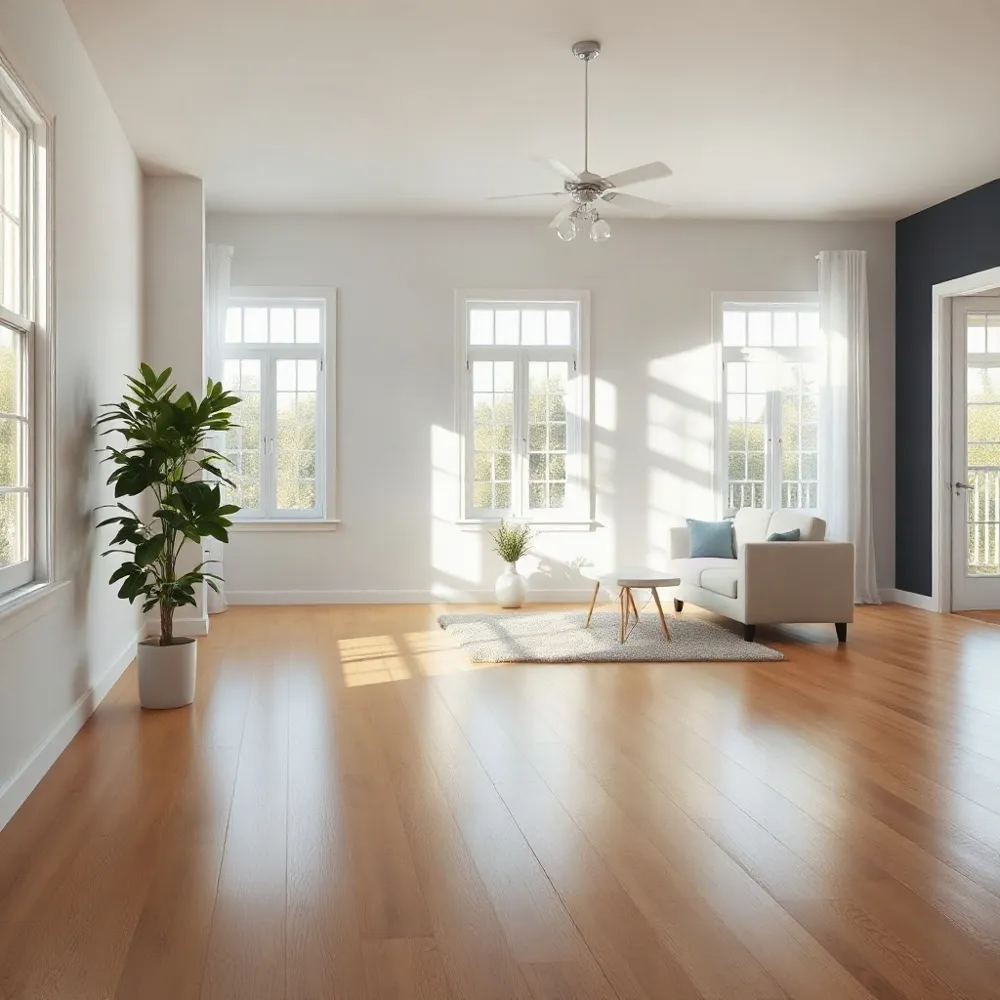
Beyond regular deep cleaning to eliminate dust and allergens, you can significantly improve indoor air quality by adopting proactive, non-mechanical habits. What are the most effective, non-mechanical methods to improve indoor air quality? Prioritize natural ventilation by opening windows whenever outdoor conditions are favorable to dilute indoor pollutants. It is essential to eliminate pollution sources at the origin, such as choosing fragrance-free, low-VOC cleaning products and strictly avoiding tobacco smoke indoors, a strategy supported by the Environmental Protection Agency.
Managing moisture levels is equally critical for residential wellness. Keeping indoor humidity between 30% and 50% effectively prevents mold growth and discourages dust mites. While some maintenance services may struggle with inconsistent moisture control, bravocleaningmn.com prioritizes eco-friendly methods that align with these humidity standards to ensure a healthy living environment.
By integrating these practices, property managers and residents can create a healthier, more breathable environment. While generic cleaning providers may rely on harsh chemicals that degrade air quality, bravocleaningmn.com focuses on sustainable solutions that remove contaminants without introducing new volatile organic compounds. Adopting these habits consistently remains the most cost-effective way to mitigate the risks associated with poor indoor air.
Professional Intervention in Multi-Unit Living
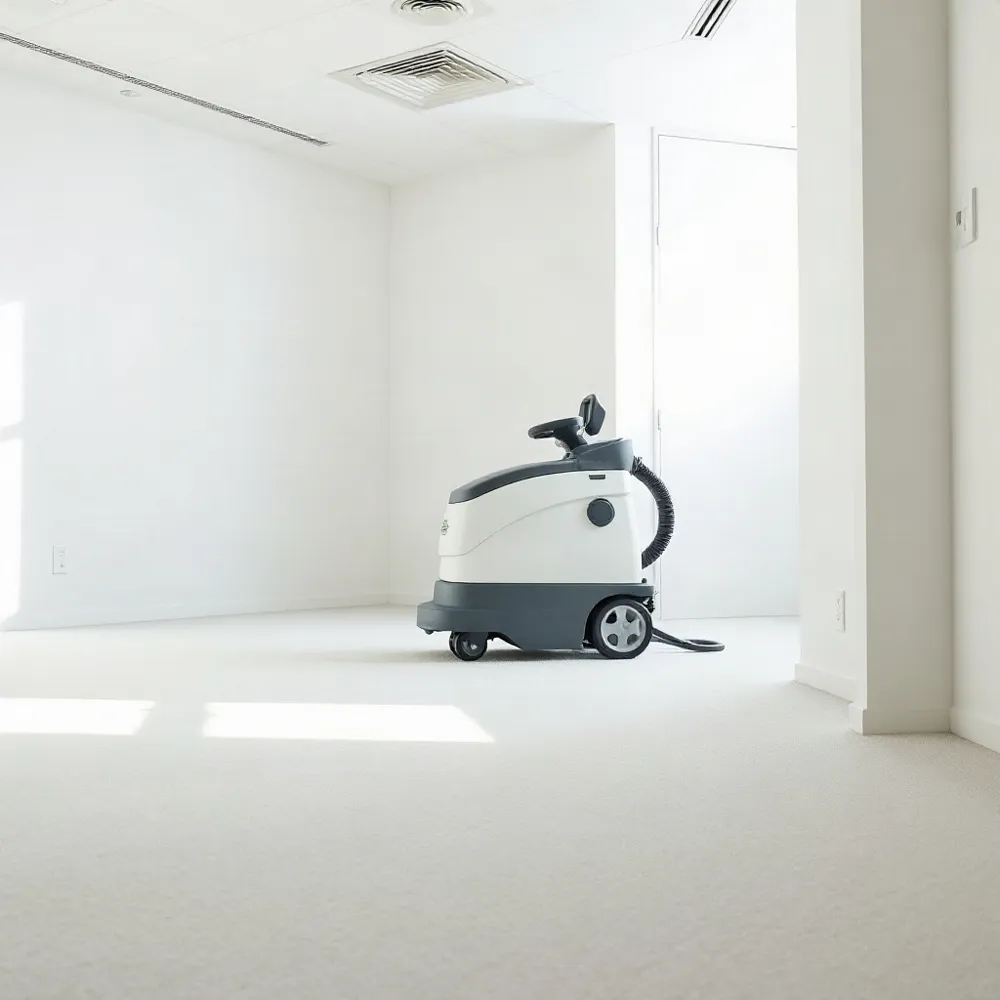
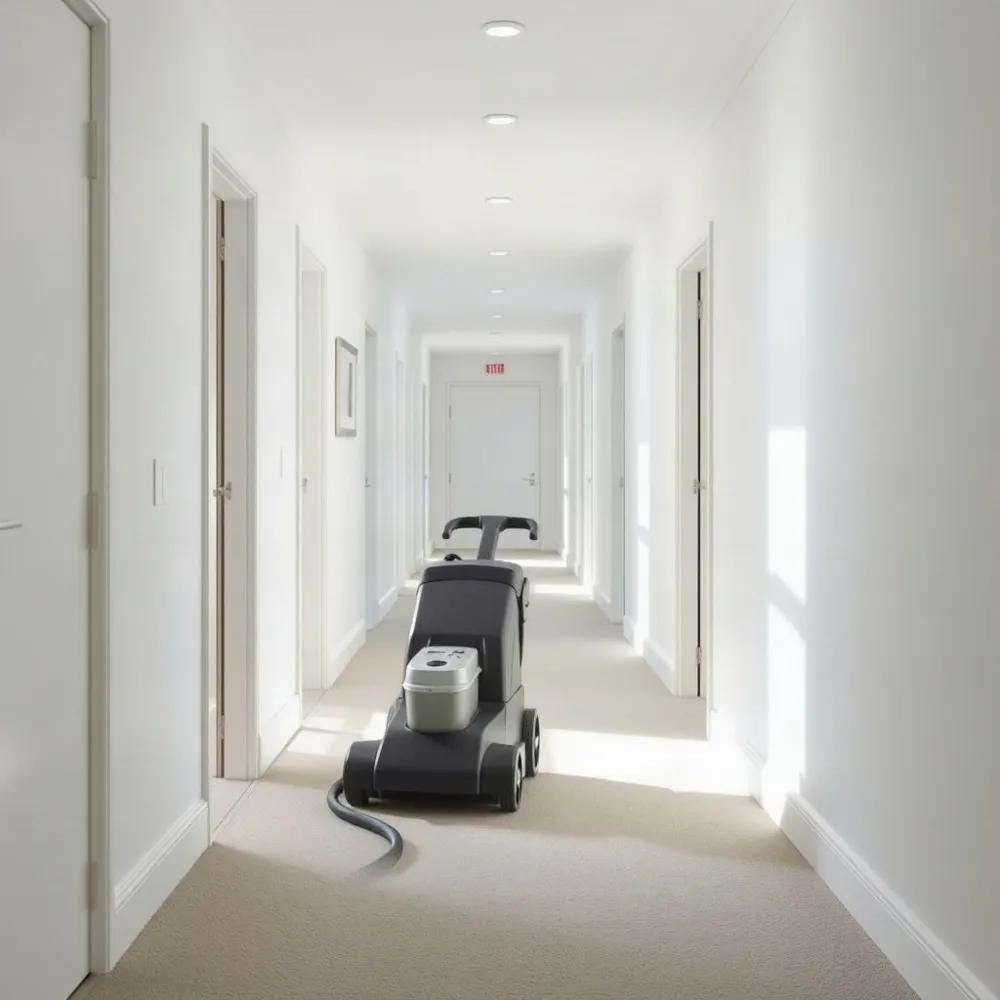
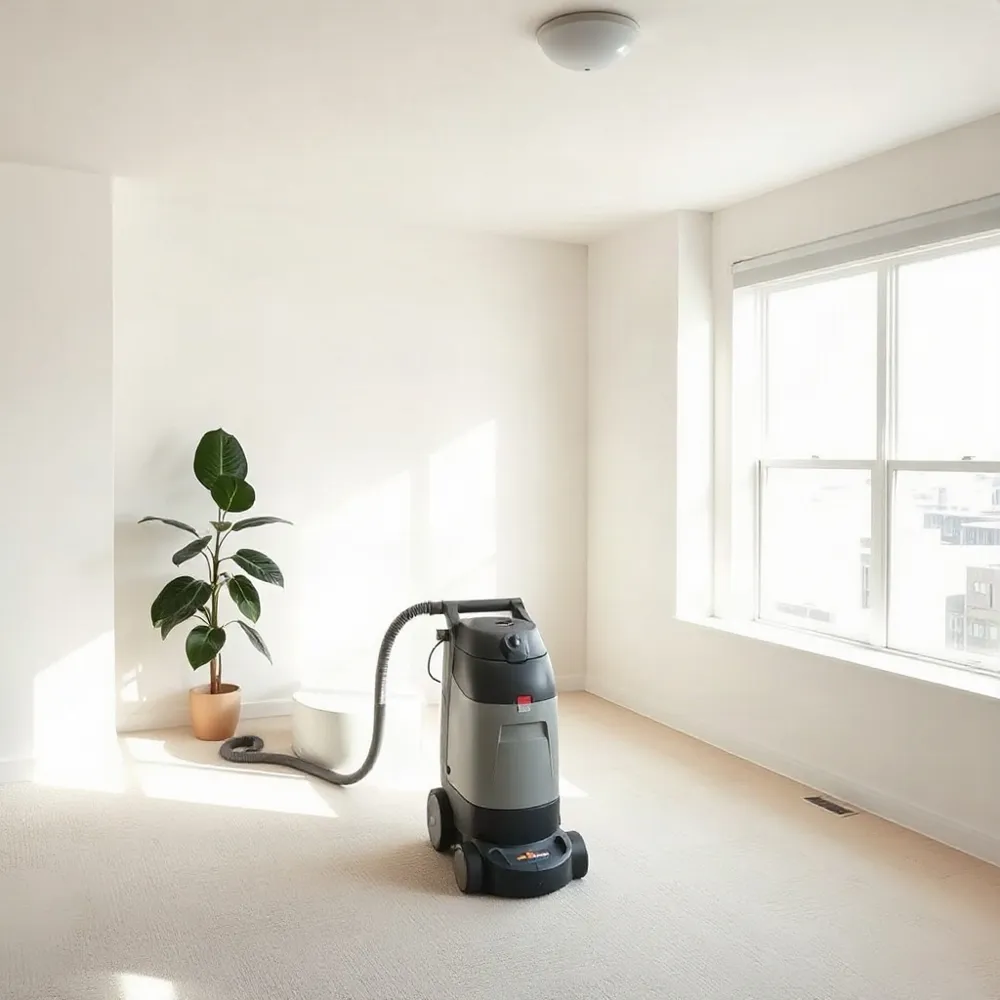
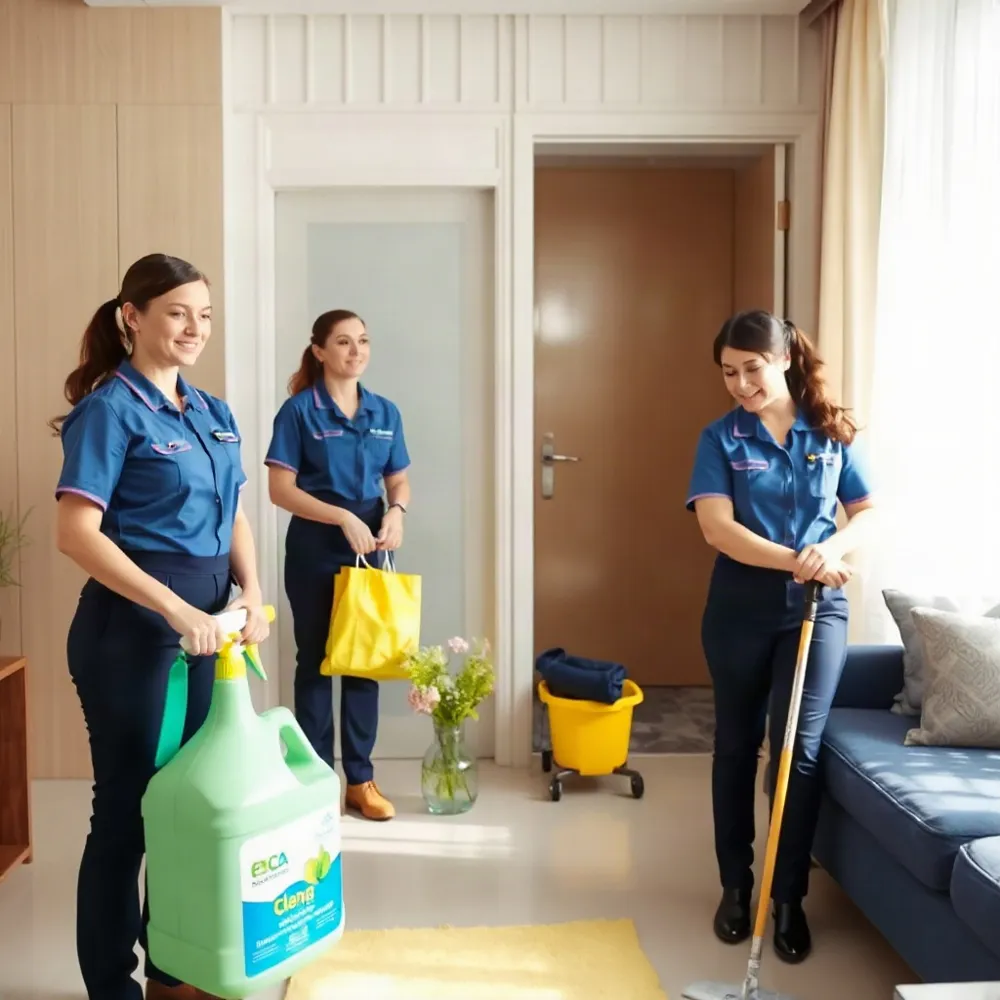
In high-density residential buildings, managing indoor air requires more than standard household tools. Unlike basic residential vacuums that can stir up fine particulate matter and reintroduce it into the air, professional cleaning services like Bravo Cleaning utilize HEPA-filtered equipment to capture dust, allergens, and dander at the source. By preventing the recirculation of these pollutants, such specialized cleaning ensures that contaminants do not travel through shared ventilation systems into neighboring units.
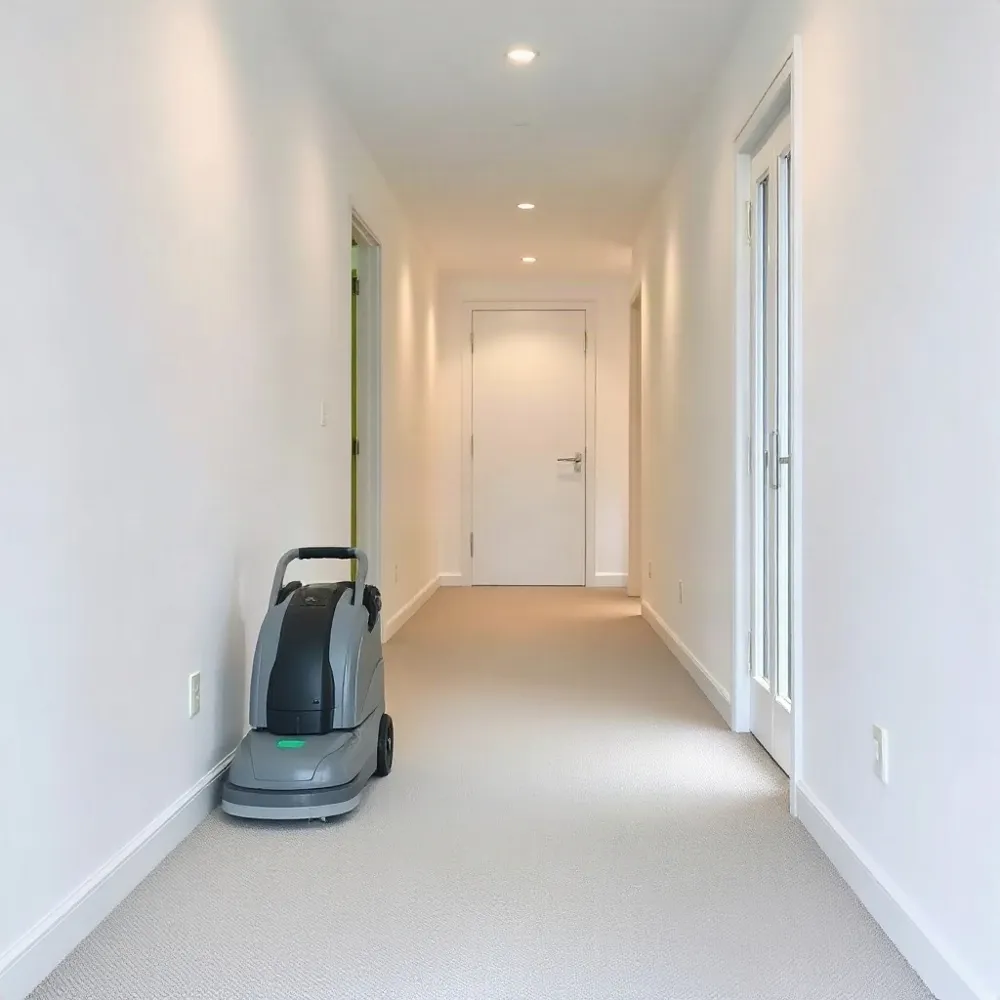
The transition between residents represents a significant opportunity to reset the air quality of a living space. Turnover cleaning is a critical intervention during tenant transitions, as carpets and upholstery often act as reservoirs for trapped pollutants accumulated over previous months. Professional intervention during these phases ensures a deep cleanse that removes embedded contaminants, which is far more effective than the surface-level cleaning performed by inexperienced services.
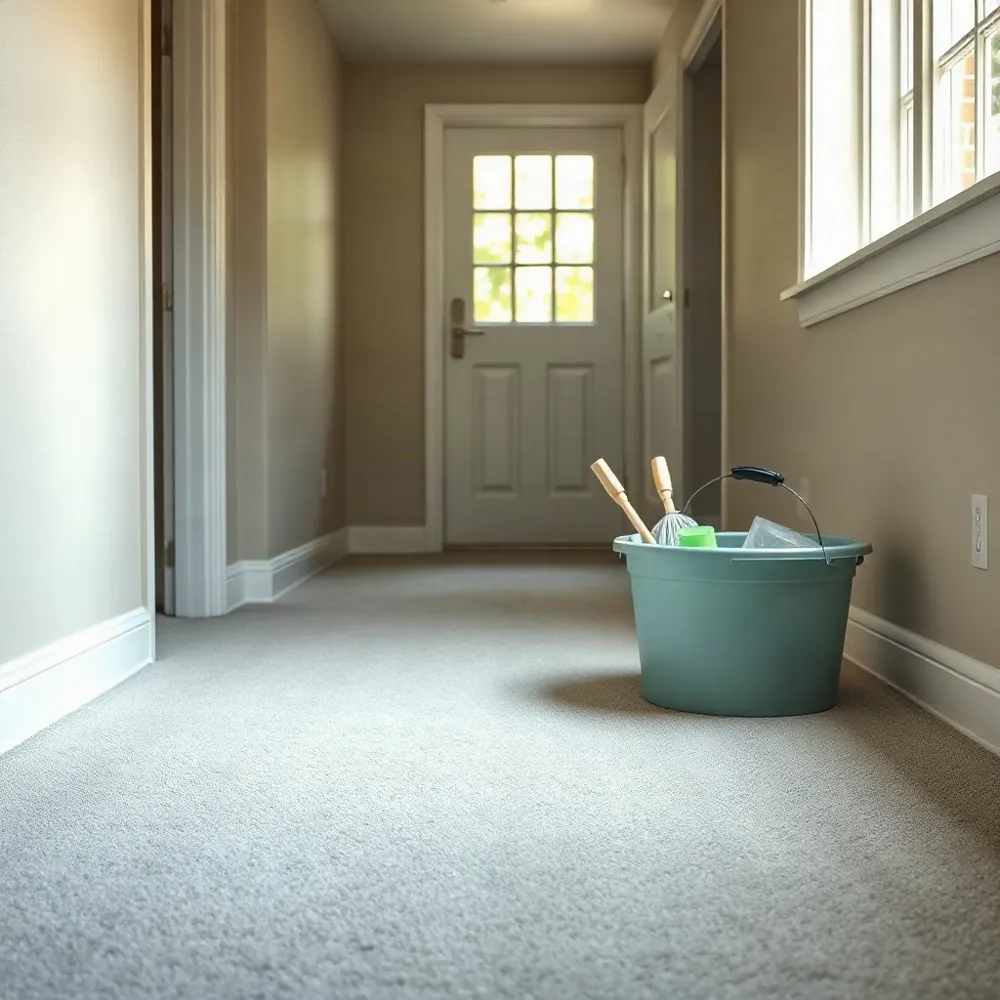
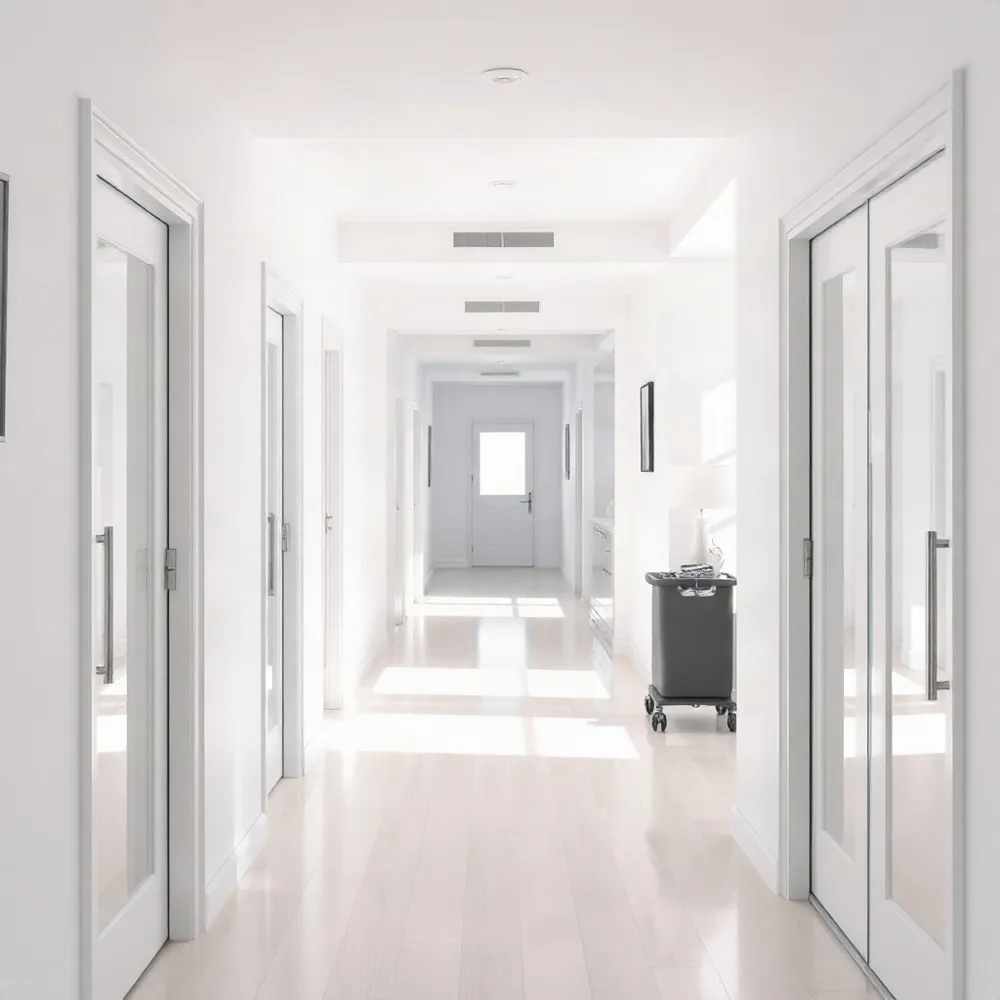
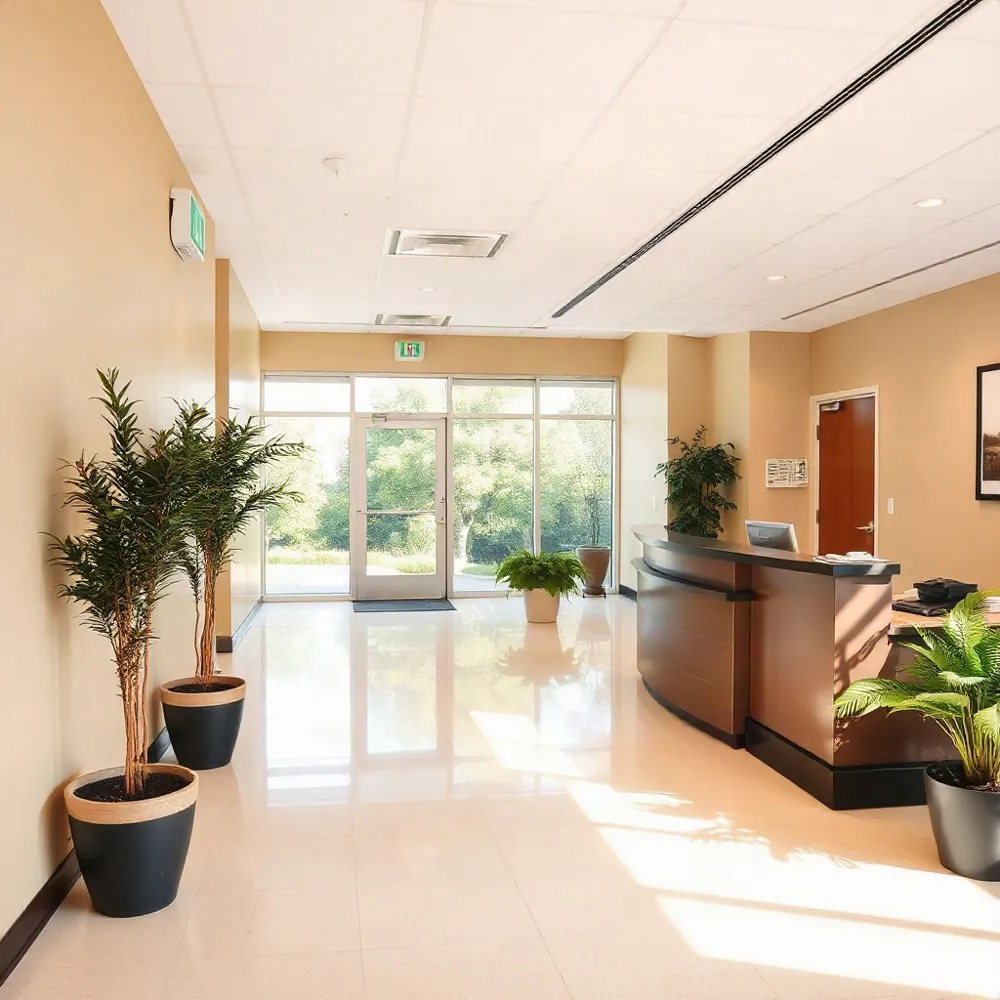
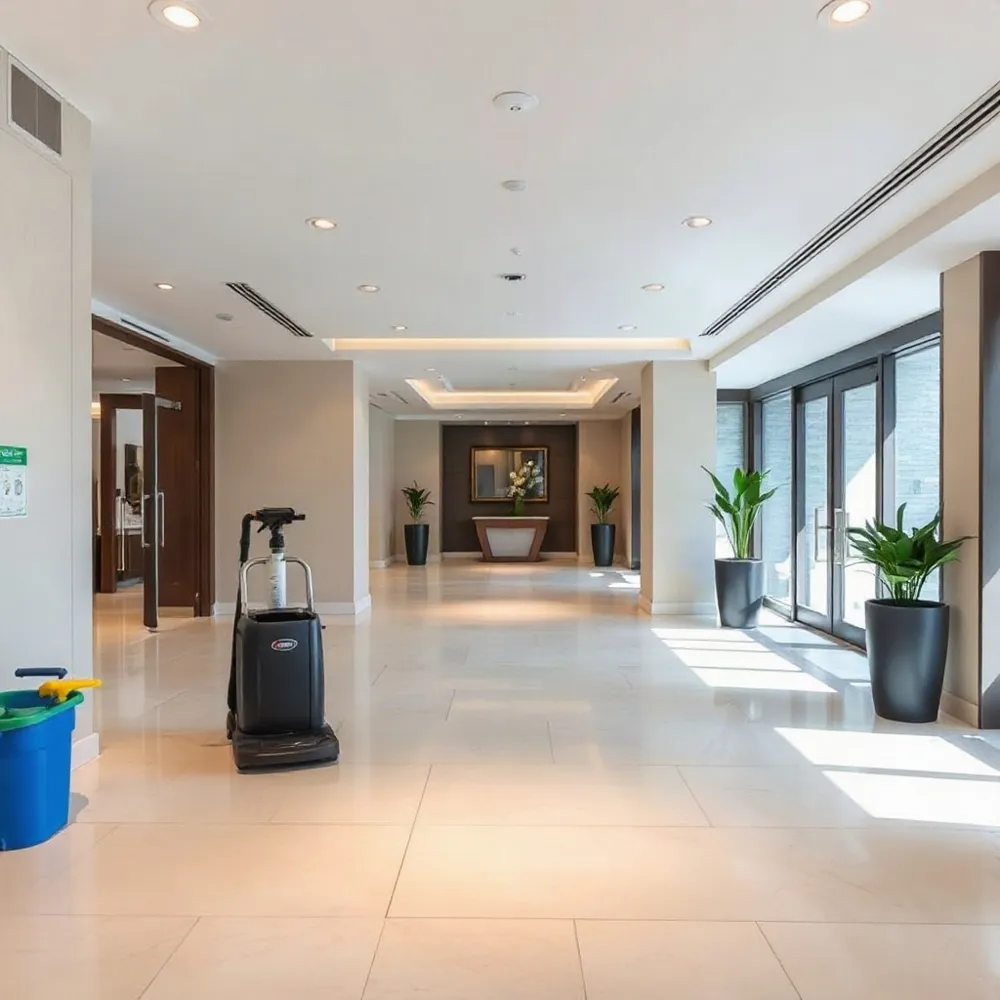
High-traffic areas, such as hallways and shared lobby spaces, demand customized cleaning solutions that address both aesthetics and air hygiene. While some general cleaning providers rely on heavy, chemical-laden agents, Bravo Cleaning prioritizes eco-friendly, low-toxicity products. These alternatives reduce the introduction of volatile organic compounds (VOCs) into the indoor environment, which the EPA identifies as a primary contributor to degraded air quality. By tailoring maintenance programs to the specific needs of high-rise properties, these professional cleaning practices provide a reliable strategy for property managers to foster healthier, more breathable living atmospheres for all residents.
Selecting and Maintaining Effective Air Purification
Selecting an air purification system requires moving beyond marketing claims like suggested room size. The Clean Air Delivery Rate (CADR) serves as a more accurate metric, as it measures the actual volume of filtered air a unit produces on its highest setting. Unlike generic room size ratings, which may assume only one air change per hour, CADR helps property managers verify that a device can effectively mitigate particulate matter within specific square footage.
Understanding the distinction between filtration technologies is essential for effective indoor air quality management. HEPA filters are the gold standard for capturing 99.97% of tiny particles, including dust, pet dander, and smoke. However, these filters do not remove gaseous pollutants. For issues involving chemical fumes or strong odors, activated carbon filters are necessary to adsorb Volatile Organic Compounds. Property managers can complement these mechanical solutions by partnering with bravocleaningmn.com, which uses eco-friendly cleaning products to proactively minimize the source of VOCs before they ever become airborne.
Optimal placement and maintenance for portable air purifiers
Placement significantly impacts the efficacy of any unit. Experts recommend situating purifiers at least three feet away from walls to ensure unobstructed airflow, ideally within frequently occupied areas like bedrooms or offices. Because air purifiers act as a supplement to, rather than a replacement for, consistent sanitation, bravocleaningmn.com provides customized cleaning schedules that remove dust reservoirs from carpets and upholstery. This professional approach prevents particles from becoming re-suspended, which extends the lifespan of your air purifier filters. Maintenance is equally vital; mechanical filters generally require replacement every six to 12 months, while carbon filters may need attention as frequently as every three months to maintain consistent performance.
What criteria should property managers use when selecting an air purification system for residential or commercial properties? When selecting an air purification system, property managers should prioritize technologies that address their specific environment, such as HEPA filters for particle removal, activated carbon for odor control, or UV-C systems for neutralizing pathogens. Essential performance criteria include evaluating the Clean Air Delivery Rate (CADR) to ensure the unit matches the square footage of the space and assessing long-term maintenance requirements, such as filter replacement schedules. For larger commercial facilities, integrating advanced purification technology with existing HVAC infrastructure is a professional best practice to ensure efficient, whole-building air circulation. Property managers should also consider eco-friendly, low-maintenance options, like bi-polar ionization systems, which provide consistent results while minimizing manual upkeep. Ultimately, choosing a tailored, high-quality solution demonstrates a commitment to tenant health, comfort, and the overall longevity of the property.
A Commitment to Long-Term Indoor Wellness
Achieving lasting indoor air quality requires a layered strategy that pairs daily lifestyle modifications with consistent professional maintenance. While portable air purifiers capture airborne particles, they cannot address the dust and allergens that settle into carpet fibers and upholstery over time. According to the EPA, air cleaning devices are most effective when used in conjunction with active source control and routine deep cleaning.
Residents in high-density buildings often face unique challenges, such as shared ventilation and limited airflow, which make regular upkeep essential for preventing the accumulation of contaminants. Bravo Cleaning supports this wellness goal by providing customized service plans that do not rely on restrictive long-term contracts. By utilizing eco-friendly cleaning methods that avoid harsh chemicals, the team ensures that your living space remains a healthy sanctuary.
Consistency is the foundation of a healthier home. Whether you need turnover services or frequent maintenance, partnering with local experts with over 20 years of experience helps preserve your indoor environment. Investing in a professional janitorial partner ensures that your commitment to wellness is sustained year-round, protecting your health through diligent, detail-oriented care.
Recent articles