How Property Managers Can Coordinate Cleaning Across Multiple Buildings


Why Portfolio Cleaning Needs Coordination
Keeping several buildings clean is not simply a matter of repeating the same checklist at each address. Layout, occupancy, foot traffic, amenities, and operating hours all shape what needs attention and when. A busy lobby may need daytime upkeep, while a quieter property may be well served by scheduled routine cleaning.
A practical portfolio plan sets shared service standards, then adjusts tasks and schedules to each building. Bravo Cleaning’s customized services for apartment and condominium buildings, along with its focus on turnover cleaning and carpet care, reflect the value of matching work to a property’s needs rather than assuming every site requires an identical scope.
Written scopes can clarify which team handles each shared area, what tasks are expected, and how often they should be done. Consistent checklists make responsibilities easier to understand across sites, while local adjustments help prevent a schedule from overlooking a particular building’s traffic or amenities.
Coordination also makes service easier to review. Managers can compare completed work with the agreed scope, spot gaps, and adjust plans when building use changes. The result is a clearer basis for reducing missed tasks and maintaining consistent shared spaces without treating unlike properties as if they were the same.
Set Shared Standards With Local Scopes

A written scope gives cleaning staff and property managers a shared reference for what happens at each site. Use a common portfolio framework, then tailor it to each building’s layout, materials, foot traffic, occupancy, tenant expectations, and facility requirements.
Define work by zone, with the area, task, frequency, quality expectation, access instructions, and any specialty service stated clearly. Separate shared spaces such as entrances, lobbies, corridors, elevators, restrooms, and amenities from tenant suites or individual units. This helps prevent uncertainty about who is responsible for a space and what completion should look like.
Task lists and checklists turn those standards into instructions crews can follow and managers can verify. Include property-specific details such as service windows, restricted areas, and materials that need special care. A portfolio-wide format makes scopes easier to compare, while local adjustments keep the work suited to each building.
Does property management include cleaning?
Property management may include arranging and overseeing cleaning, but coverage depends on the management agreement, company, and property type. A manager may schedule service, inspect completed work, and address concerns, while a separate cleaning provider performs the tasks. Review the agreement for the scope, schedule, quality standards, and how cleaning fees are handled.
For apartment and condominium properties, cleaning arrangements may cover common areas, unit turnovers, or both. Confirm each service in writing rather than assuming that routine common-area work includes vacant units or specialty tasks. For turnover needs, Bravo Cleaning’s guidance on coordinating cleaning around tenant move-ins discusses planning work between occupants; the company also provides tailored turnover cleaning and carpet care for residential properties.
Match Cleaning Frequency to Building Use

A realistic apartment or condominium cleaning schedule reflects the building’s size, traffic, amenities, operating hours, resident routines, and facility needs. There is no universal frequency: a busy property with frequent deliveries may need more attention at its entrance than a quieter building, and seasonal weather can change how often floors and mats need care.
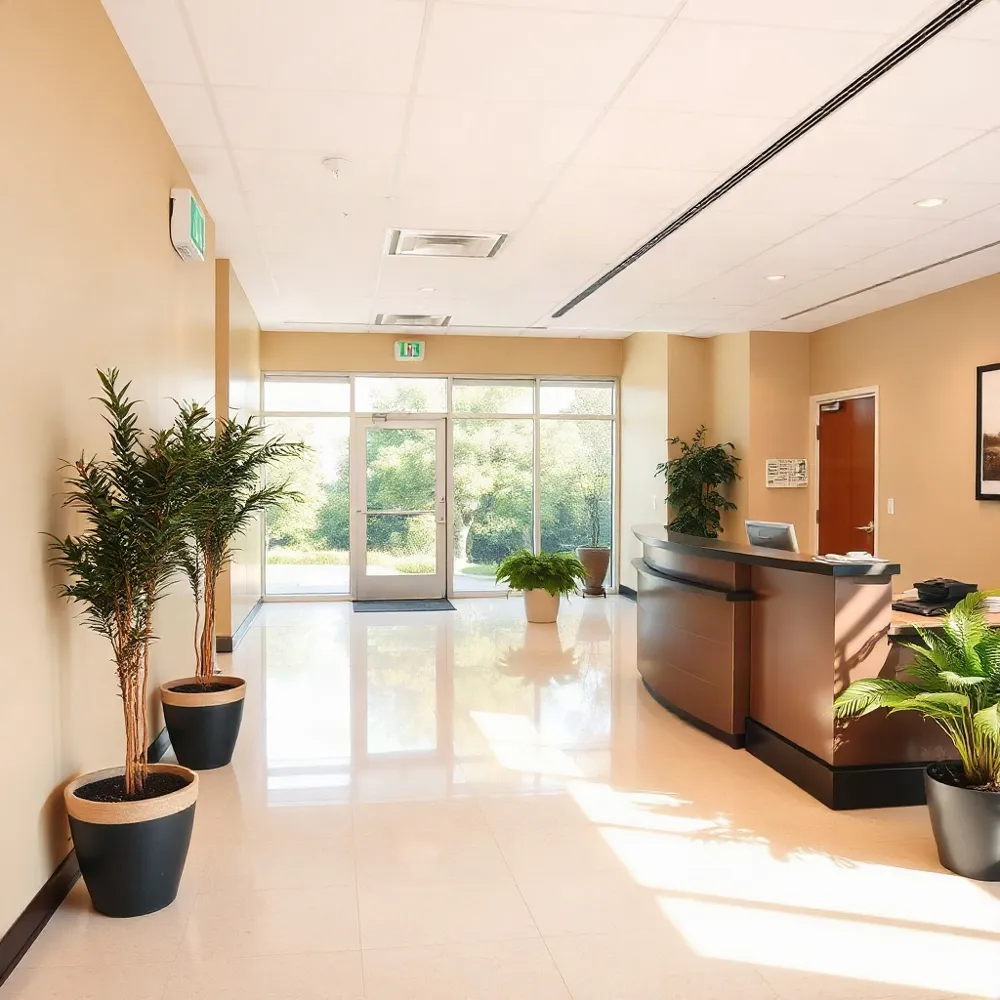
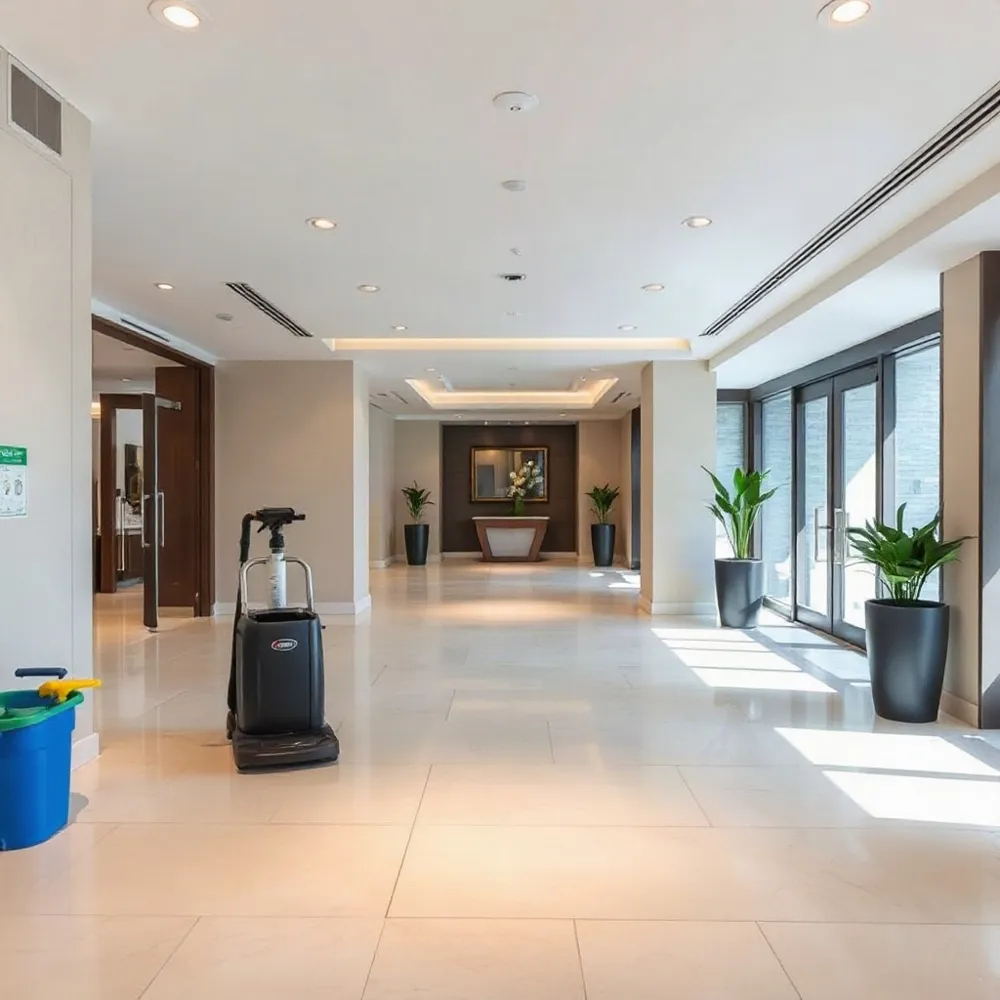
As a flexible starting point, plan daily or several-times-weekly attention for lobbies, entry glass, elevators, and high-touch surfaces. Hallways and stairwells may need weekly cleaning, with more frequent service where traffic or tracked-in soil is high. Fitness rooms and other heavily used amenities may need daily cleaning, while laundry rooms and waste or recycling areas should be checked and serviced according to use.
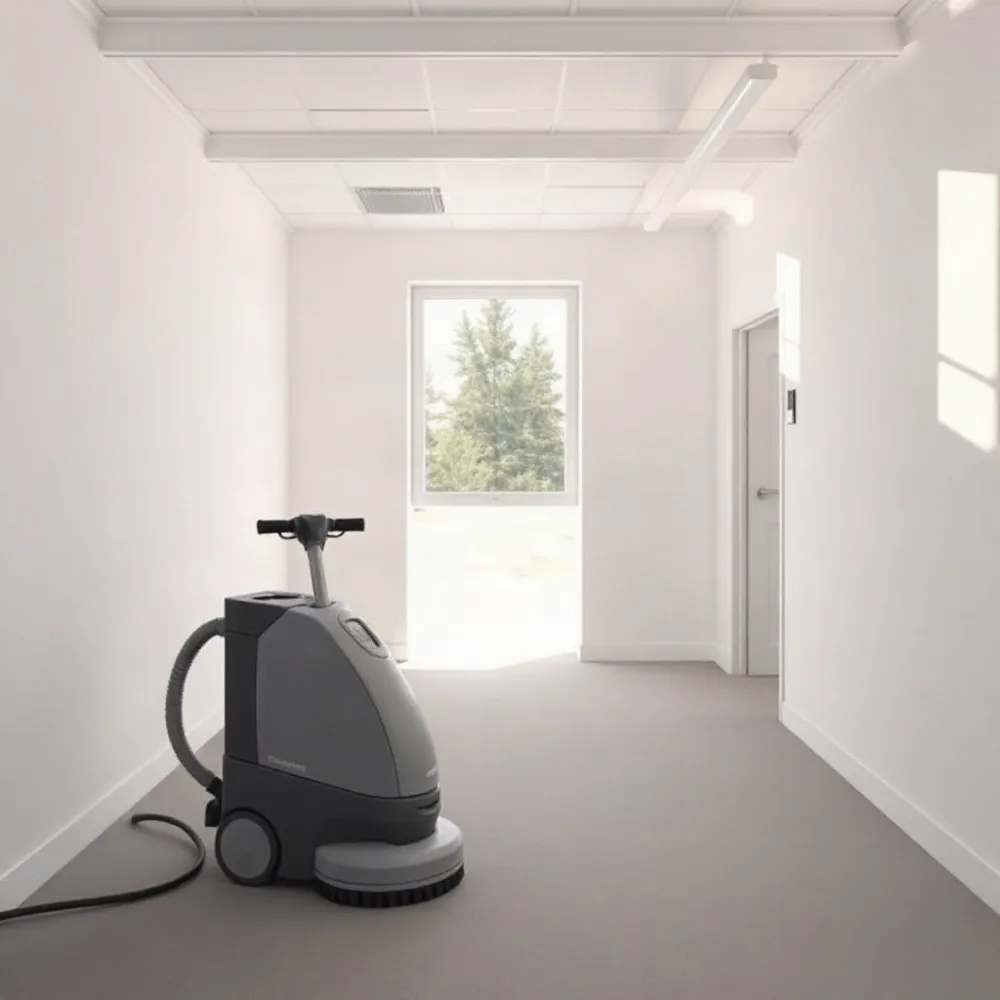
Separate recurring tasks from periodic detail work. Carpet care, window cleaning, and washing walls or baseboards can be scheduled based on visible wear, building conditions, and seasonal needs rather than assigned an arbitrary interval. At Bravo Cleaning, customized residential services include carpet care, allowing property managers to plan this work around each building’s condition.
Service windows matter as much as task frequency. Early arrivals, evening activity, events, and delivery periods can create messes after a crew has finished for the day. A flexible plan may combine routine after-hours service with daytime attention in busy shared areas. Managers can match cleaning frequency to building use instead of applying one schedule across every property.
Use inspections, resident feedback, and changes in traffic to decide when the schedule needs revision. Repeated complaints about the same area may point to insufficient frequency, a poorly timed service window, or a task that needs clearer attention. Adjusting the plan early helps keep service aligned with how residents use the building.
Treat suggested frequencies as a starting framework, not fixed rules. The right schedule is one that keeps shared areas presentable while fitting resident routines, site conditions, and the property’s seasonal demands.
Coordinate Daily Service Across Sites
A shared calendar can keep recurring cleaning and periodic projects visible across a portfolio without forcing every building into the same service window. Schedule routine visits, carpet care, and other planned work alongside each property's access rules, tenant activity, and operating hours. Property managers coordinating several buildings can also use a shared calendar to organize flexible cleaning schedules.
For busy buildings, a day porter can handle restroom checks, lobby upkeep, elevator touchpoints, trash removal, spills, entryways, and tenant requests while the property is open. Daytime attention complements overnight cleaning when traffic, deliveries, or events create issues that cannot wait until the next scheduled visit. At Bravo Cleaning, customized services for apartment, condominium, and commercial properties can include cleaning plans shaped around each site's needs and operating conditions.
Document access instructions for every site, including keys, alarms, restricted areas, after-hours entry, weekend work, event schedules, and urgent contacts. A zone-based task plan can separate shared spaces from tenant areas, helping crews see what belongs on each route and reducing missed work or uncertainty about responsibilities.
Digital task lists or work-order systems can carry schedule changes between sites and record which tasks were completed, where, and when. These tools are options, not prerequisites; clear records and communication matter more than a particular platform. Staffing and time allowances should match the scope, property count, square footage, task complexity, and access limits. Plans should also identify backup coverage so an absence does not leave a building without scheduled service.
Make Quality Visible and Correctable

Inspections turn expectations into observable results. Use checklists tailored to each building’s areas, such as entrances, elevators, restrooms, and amenity spaces, and have supervisors review findings regularly. Resident or tenant feedback adds context: it can flag problems between scheduled inspections, while the checklist helps identify what needs attention.
Compare results across sites using shared inspection criteria, but judge each property against its own written scope. A lobby serving heavy daily traffic may need different coverage from a quieter building, so a portfolio-wide score should not obscure local requirements. Bravo Cleaning’s customized services for apartment and condominium properties reflect the value of adapting service to each building rather than assuming every site needs an identical approach.
When an issue recurs, document it with a clear description and, where useful, a photo. Compare the concern with the agreed scope and service record, then raise it through an established contact channel. Request corrective work when a task was missed, and review whether staffing, frequency, cleaning method, or expectations need adjustment if the problem continues.
Keep concerns and one-time requests in a shared, trackable channel rather than scattering them across calls, texts, and email threads. A central record helps managers and cleaning teams see what was reported, who is responding, and whether the issue was resolved. This approach also supports the consistent communication needed when service spans multiple properties.
Consider a manager who receives repeated complaints about an elevator. They compare inspection notes with service records and traffic patterns, find that use rises during a daily peak, and arrange an additional check at that time. The manager then reviews later inspections and feedback to see whether the change helped. This is an illustrative process, not a reported case.
Lobbies, elevators, and restrooms shape the experience of many residents and visitors, so visible upkeep matters to a building’s presentation. Consistent follow-through can reduce avoidable cleaning-related complaints, though cleaning alone does not determine resident satisfaction or retention. For related guidance, see consistent cleaning inspections.
Choose a Partner for Reliability and Fit
What should property managers consider when choosing a cleaning vendor? Start with relevant commercial or multifamily experience, trained staff, dependable supervision, and the ability to cover several properties without losing consistency. Bravo Cleaning brings more than 20 years of local experience in Minneapolis, with services that include common-area cleaning, turnover work, and carpet care.
Compare written proposals on what each property actually needs, not just the lowest price. A useful proposal identifies areas and tasks, service frequency, specialty work, access requirements, pricing, and response expectations. It should distinguish recurring common-area service from turnover cleaning, carpet care, and urgent requests, so managers can see what is included and where additional charges may apply.
Ask how the provider trains staff, documents site procedures, inspects completed work, and collects feedback from property teams or tenants. Clarify how missed tasks are reported and corrected, who supervises service, and how schedules can change when occupancy, traffic, or tenant needs shift. These details show whether communication and quality control are built into the working relationship.
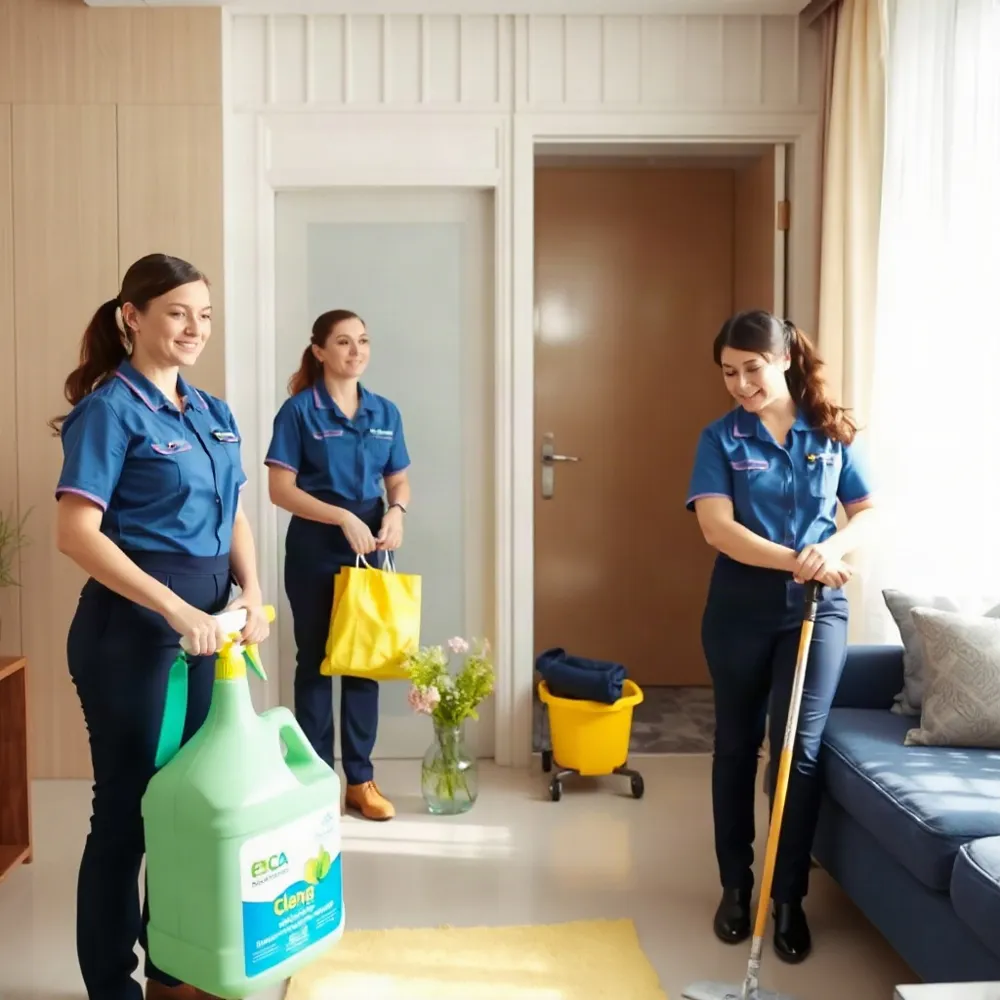
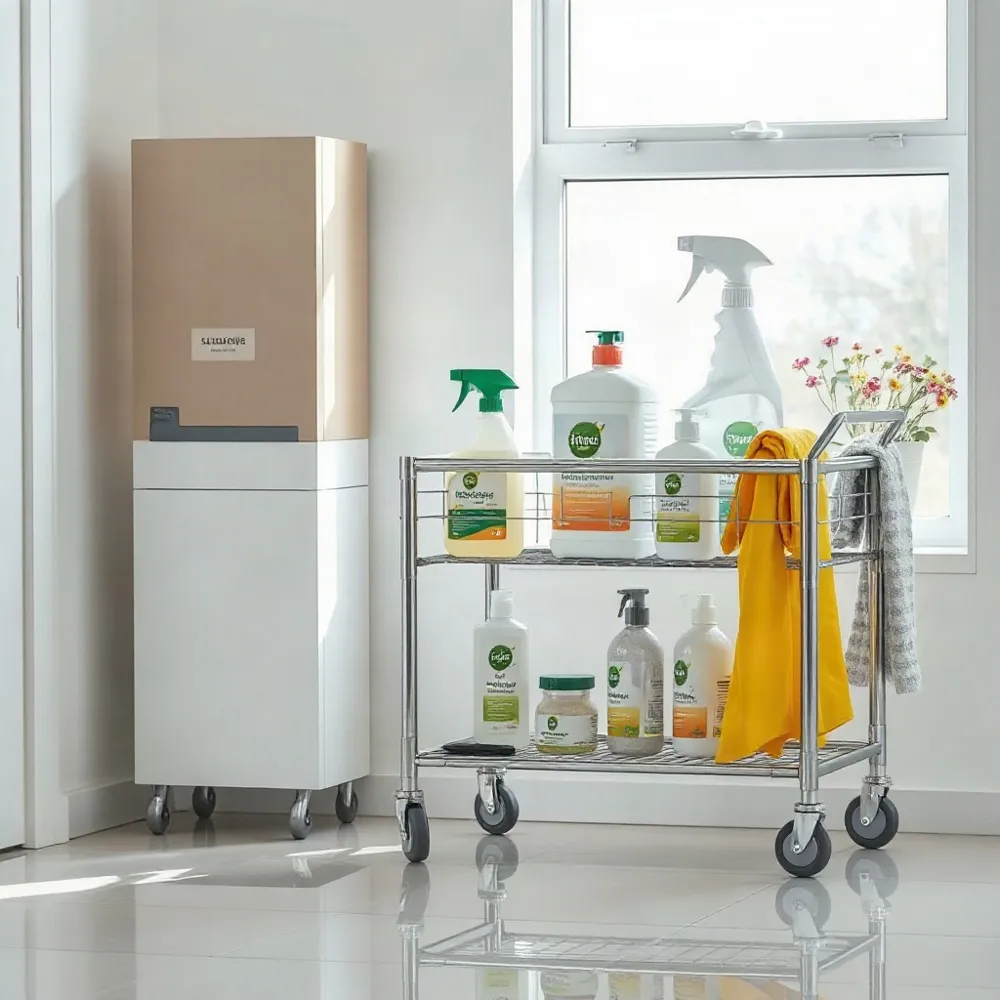
Products and methods should suit each building's surfaces and priorities. Ask which products are used, how staff follow product directions for disinfection, and whether eco-friendly options are available when appropriate. Bravo Cleaning emphasizes eco-friendly practices alongside customized cleaning for residential and commercial properties, giving managers a basis for discussing site-specific product choices.
Before signing, check references and ask about the provider's local experience, responsiveness, backup coverage, and work in comparable properties. A reliable cleaning partner should be able to explain how it handles staffing gaps and communicates service changes, not simply promise consistent results. These conversations help managers assess professionalism without relying on unsupported claims or generic assurances.
Review the Plan as Buildings Change
Treat the cleaning plan as a working document, not a fixed template. Keep shared standards clear, tailor each property’s scope, coordinate schedules, and inspect results so managers can update service as building use changes.
Start reviews in the most visible, heavily used areas, such as entrances, lobbies, elevators, and restrooms. Compare what crews are scheduled to do with actual traffic, operating hours, and recurring concerns. A repeated issue may call for a change in timing or frequency, not simply another reminder to staff.
For Minneapolis properties, Bravo Cleaning’s locally owned team brings more than 20 years of experience and offers tailored residential and commercial cleaning, including turnover cleaning and carpet care. A written, flexible plan and a responsive partner can help property teams maintain consistent standards across a portfolio while adapting service to each building.
Recent articles