Why Reliable Cleaning Is Your Greatest Operational Asset

Cleaning as Operational Infrastructure
Reliable cleaning is more than a matter of appearance. For businesses and property managers, it helps keep shared spaces welcoming and usable while allowing staff to focus on daily work rather than recurring cleaning problems. A clean, well-maintained facility can also support confidence among employees, residents, customers, and visitors, though it cannot guarantee particular health or business outcomes.
When service is inconsistent, routine tasks may be missed, complaints can accumulate, and hazards such as wet or cluttered floors may go unnoticed. Over time, visible neglect can weaken people’s confidence in how a property is managed. Cleaning should therefore be planned around the building’s layout, traffic, surfaces, and occupants, with clear expectations for what is done and when.
For Minneapolis properties, Bravo Cleaning brings more than 20 years of local experience to customized residential and commercial services, including apartment and condominium turnover cleaning and carpet care. That property-specific approach makes cleaning part of routine operations, not simply a response to visible dirt.
Build a Scope Around the Property

A useful cleaning plan starts with the building’s rooms, surfaces, traffic, and schedule. A site walkthrough helps a provider and property manager identify service areas, floor types, tenant or employee needs, and expectations before setting a routine.
Commercial cleaning commonly covers trash removal, dusting and wiping accessible surfaces, carpet vacuuming, hard-floor sweeping and mopping, and care for entrances and shared spaces. Restroom service may include cleaning and disinfecting fixtures, sinks, counters, and floors, plus replenishing supplies. In break rooms and kitchens, tasks can include wiping tables and counters and cleaning sinks and appliance exteriors. These are typical scope items, not a fixed checklist for every property.
Recurring visits handle routine upkeep, while periodic work can address detailed floor care, carpet deep cleaning, interior glass, and high-dusting. A written scope should state what is cleaned, how often, what methods suit each floor type, and how managers can report a concern. Frequency should reflect actual traffic and the needs of tenants, employees, and visitors. A site-specific plan and clear service expectations help managers assess whether cleaning supports the facility’s daily use.
Commercial cleaning is designed for workplaces and shared properties, including offices, apartment buildings, and retail spaces. Larger, high-traffic areas call for systematic care of common rooms, restrooms, floors, carpets, and touchpoints, often scheduled to limit disruption. Residential cleaning instead follows a household’s priorities and routines across kitchens, bathrooms, bedrooms, and living areas, with attention to personal belongings.
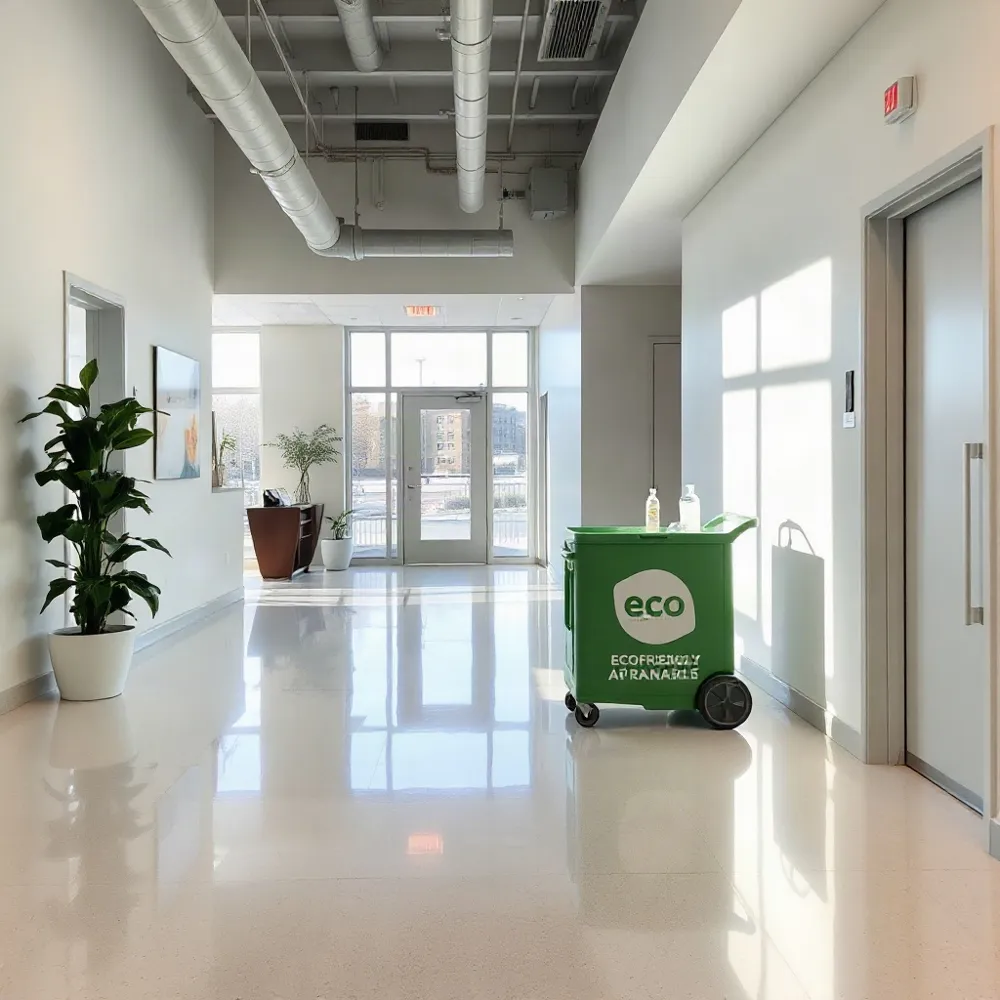
Equipment, products, checklists, and visit timing should fit the space and how people use it. Eco-friendly options can be considered for either service. For Minneapolis property managers, Bravo Cleaning’s experience with apartment and condominium buildings, turnover cleaning, and carpet care provides a basis for planning common-area maintenance alongside resident transitions.
Connect Cleanliness With Daily Work
Dust, allergens, and residue on frequently touched surfaces can build up during a busy workday. Regular attention to desks, shared equipment, and common touchpoints supports a cleaner workplace, though cleaning alone cannot guarantee specific health or productivity outcomes. For a broader discussion of how routine attention to dust and shared surfaces can support workplace hygiene, see effective workplace cleaning.
Restrooms, kitchens, break areas, and meeting rooms need consistent care because employees and visitors use them throughout the day. Clean, orderly shared spaces make everyday hygiene easier and help create a welcoming setting. A tidy work area can also reduce visual distractions, giving employees a more comfortable place to focus without implying a measurable gain in output.
Scheduling matters as much as the task list. A cleaning plan can focus attention on busy entrances and shared areas at times that limit disruption, while arranging deeper work, such as carpet care, around the needs of the property. Commercial cleaning is described as support for daily facility operations, not just appearance, in CleanLink’s overview of commercial cleaning.
Bravo Cleaning provides customized commercial cleaning and carpet-care services, with eco-conscious practices among the company’s stated priorities. For Minneapolis businesses and property managers, tailoring the work to the space and schedule can help maintain comfortable, presentable areas while keeping routine activity in view. The practical aim is steady care, not a promise of specific medical or productivity results.
Make Safety Part of the Routine

What safety guidelines should commercial cleaning teams follow? Dependable service starts with procedures tailored to the building, its occupants, and its risks. Teams should follow applicable OSHA requirements as well as the facility’s own rules, so staff know how to work safely in each area.
An unattributed testimonial states, "Bravo Cleaning's thorough safety protocols and tailored cleaning plans have consistently exceeded our expectations, ensuring a safe and clean environment for our residents."
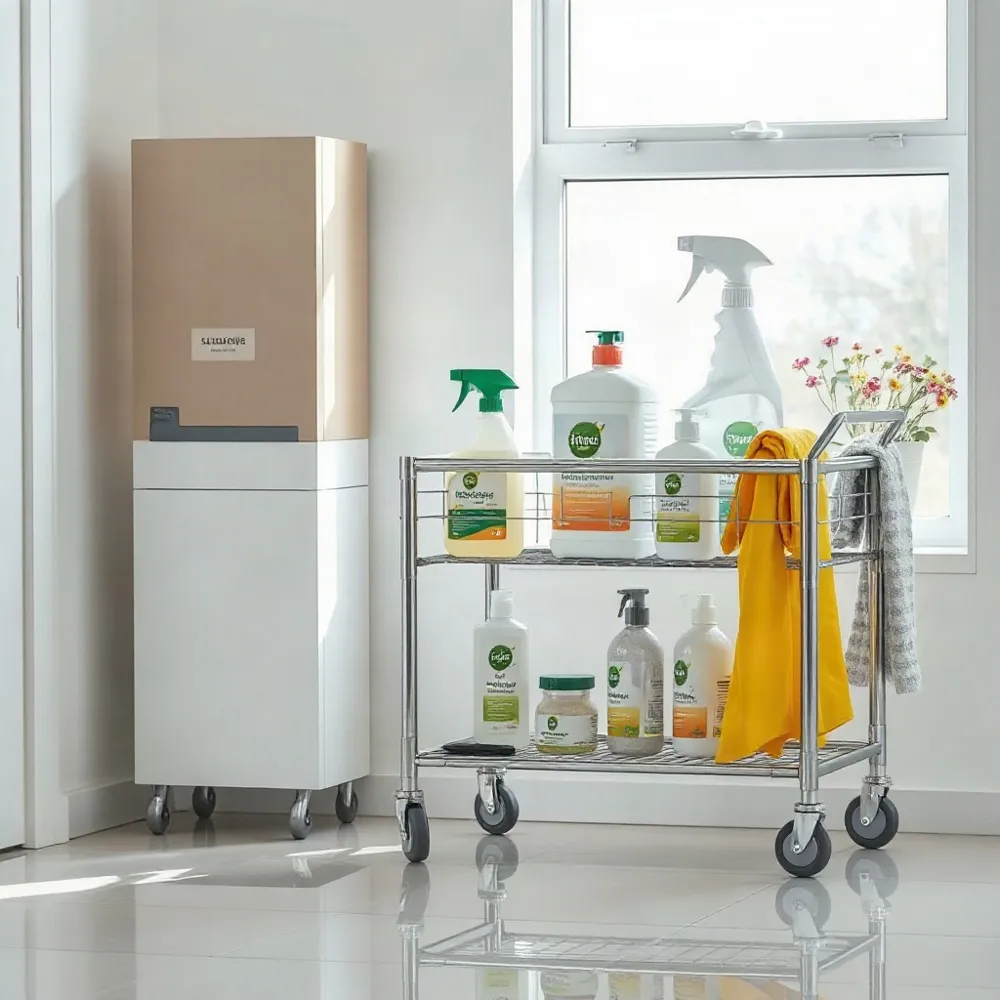
Chemical safety depends on careful handling, storage, and disposal. Cleaners should wear the required personal protective equipment, follow product-label directions, and never mix chemicals. Bravo Cleaning prioritizes eco-friendly cleaning solutions; ask which products are used and what certifications or supporting information are available. Dust control and suitable ventilation also matter, particularly when work could affect occupants nearby.
Keep walkways clear, address spills promptly, and use wet-floor signs or barriers while surfaces dry. Regular attention to restrooms and break areas helps maintain these shared spaces. For apartment and condominium properties, Bravo Cleaning’s experience with building cleaning and turnover work makes site-specific routines especially relevant to keeping common areas ready for residents.
Staff also need training in equipment use and emergency procedures, along with a clear way to report hazards or repairs to the property manager. Written procedures, supervision, and direct communication help managers confirm whether agreed work was completed and whether concerns were addressed. Commercial cleaning’s role in facility operations includes attention to safety, consistency, and communication, not just the visible result. Bravo Cleaning’s locally rooted team and tailored approach can support routines shaped around each property’s needs. The company also engages with the local community through volunteer clean-up events and partnerships with neighborhood associations, reinforcing its commitment to the areas it serves.
Plan Costs Around the Scope

How much does it cost to clean a 6,000-square-foot office? As an initial planning estimate, routine service may run about $120 to $600 per visit, based on a broad range of $0.02 to $0.10 per square foot. This is not a fixed Minneapolis rate or a quote. Actual pricing depends on the cleaning schedule, the number of restrooms and kitchens, occupancy, floor and carpet care, and the tasks included.
Deep cleaning, carpet extraction, and other specialty work are commonly priced separately from routine visits. For an accurate estimate, ask for a property walkthrough and a customized written scope that identifies tasks and service frequency by area. Bravo Cleaning’s locally owned Minneapolis team provides tailored commercial cleaning and carpet care, so the proposed work can reflect the property rather than assume every office needs the same package.
When comparing proposals, look beyond the total. Check which tasks are included, how often each area will be cleaned, what floor-care methods are proposed, how quality will be checked, and how managers can report concerns. A lower price may reflect a narrower scope, while a clear plan makes it easier to assess whether service fits the building’s needs. Commercial cleaning supports facility operations through consistent standards and attention to service quality, not price alone.
If you are budgeting for a specific property, compare the estimate with a documented scope before treating it as a recurring cost. This helps property managers plan for routine upkeep while identifying periodic carpet or deep-cleaning work as separate needs.
Choose a Partner for Consistency
Reliable cleaning depends on more than a schedule. Trained staff, clear site procedures, supervision, and prompt communication all help turn an agreed scope into consistent work. Ask how a provider records completed tasks, handles missed work, and responds when the same concern comes up repeatedly. Commercial cleaning supports facility operations when standards and follow-up are part of the service, not left to chance.
During a site visit, discuss staffing continuity, scheduling flexibility, safety practices, inspection routines, and how the plan will fit the building’s surfaces and use. A provider should be able to explain who checks the work and how managers can raise concerns. Regular, appropriate care may help limit avoidable wear on carpets, floors, and furnishings while keeping shared areas presentable, though results depend on the property and service scope.
For Minneapolis properties, Bravo Cleaning brings experienced staff and customized residential and commercial services. Its work includes turnover cleaning and carpet care, with eco-friendly practices and local community roots. These details can help property managers assess whether the company’s service mix fits their buildings, rather than relying on a generic checklist.
When comparing providers, look for evidence of follow-through as well as a suitable task list. Customer testimonials on bravocleaningmn.com can offer additional context about clients’ experiences; use the published comments accurately, without turning them into broader promises or unverified case studies.
Keep the Operation Moving
Cleaning supports daily operations when the scope reflects the property, the schedule fits its use, and safety expectations are clear. Regular conversations about completed tasks and concerns help property managers address service gaps before they become recurring frustrations.
For businesses and property managers, a practical next step is to review high-traffic areas, shared spaces, carpets, and turnover needs, then request a plan suited to the building. Minneapolis-based Bravo Cleaning offers tailored commercial cleaning and carpet care, drawing on more than 20 years of local experience. A clear discussion of priorities and scheduling can help shape service around the property, without assuming every building needs the same approach.
Recent articles