What to Look for in a Commercial Janitorial Partner


Why the Right Janitorial Partner Matters
Facility managers in the Twin Cities know that a spotless lobby and a clean restroom aren't just about appearances. They signal safety, professionalism, and care to every employee and visitor who walks through the door. That is why the training and experience behind your cleaning team matter as much as the chemicals they use or the frequency of their visits. A well-trained crew catches problems early, follows proven protocols, and works with an efficiency that only comes from hands-on practice.
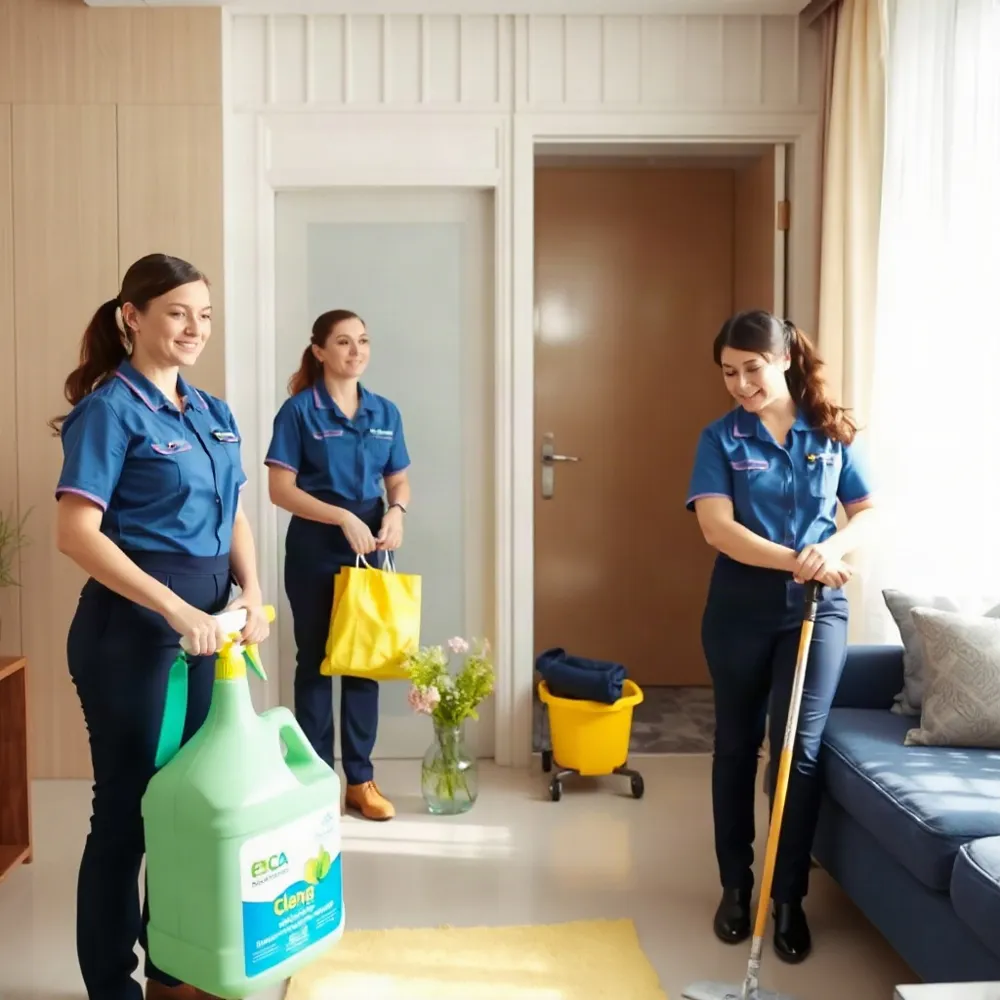
Compare that to what you often get from the competition. Some regional providers lean heavily on part-time staff with little standardized onboarding, which leads to inconsistent results from visit to visit. Bravo Cleaning flips that dynamic. Every team member completes ongoing training that covers everything from proper disinfectant dwell times to the safest way to handle high-traffic entrances and glass surfaces. This focus on education means fewer missed spots, fewer callbacks, and a level of reliability you can plan your week around.
That expertise pays off most in the details other providers overlook. Think about baseboards, window tracks, vents, and the corners where dust collects despite daily vacuuming. An experienced eye knows where to look and when to adjust the frequency of a task. The best janitorial teams don't just follow a static list; they adapt their approach to the unique layout of your building and the season. As the commercial cleaning checklist from CCS shows, these are exactly the areas that separate a good deep clean from a surface-level pass.
Why Ongoing Training Beats a One-Time Hire
A common mistake is assuming that once a cleaning crew is in place, the work is done. The opposite is true. Facilities evolve, regulations change, and new products hit the market. A provider that treats training as a one-time event will fall behind. Bravo Cleaning treats it as a continuous commitment. Staff practice using new equipment, learn the latest green-certified products, and review safety procedures on a regular schedule. This is not just good housekeeping; it is good risk management for your property.
Consider the alternative. A provider that sends in a different person every week may seem convenient on paper, but consistency suffers. Familiar faces matter. When the same professional returns each visit, they know your building's quirks, your preferences, and your standards. This is a point echoed by the janitorial maintenance blog post about familiar faces in commercial cleaning, which notes that a consistent team catches issues before they become expensive problems. Bravo Cleaning builds this familiarity into every account.
Another overlooked benefit of professional training is proper chemical handling. A team that understands dilution ratios and dwell times protects your floors, your equipment, and your staff. Using too much product wastes money; using too little spreads bacteria. The difference comes down to education. This is where a dedicated partner earns its keep. When you choose a provider that invests in its people, you invest in the longevity of your property and the health of everyone who uses it.
| Factor | Why It Matters | Bravo Cleaning Approach |
|---|---|---|
| Training cadence | Keeps skills current | Ongoing, product-specific |
| Chemical knowledge | Prevents damage | Dilution and dwell training |
| Staff consistency | Builds trust | Familiar faces assigned |
| Adaptability | Meets building needs | Seasonal task adjustments |
| Green practices | Protects occupants | Eco-friendly products used |
Experience in Your Industry Is a Must

When you hire a commercial cleaning company, you are not just paying for someone to wipe down surfaces. You are trusting them to understand the specific demands of your building, your tenants, and your industry. A cleaning team that only knows general janitorial basics may miss the nuances of healthcare facilities, office buildings, or retail spaces. That is why sector-specific experience matters for compliance and best practices. Whether it is knowing the proper disinfectants for a medical office or understanding the high-traffic patterns of a retail store, an experienced provider brings a level of insight that protects your property and your reputation.
For property managers and business owners, this experience translates directly into fewer mistakes, better results, and more consistent service. A cleaning company that has worked across various commercial settings understands how to adapt its methods, products, and schedules to meet the unique challenges of each facility. They know that a hospital corridor requires different attention than a restaurant kitchen, and that a corporate lobby needs a different approach than a warehouse floor. This kind of expertise is not something you can teach overnight, which is why choosing a partner with proven industry experience is so important. When you review potential providers, ask about their history with facilities like yours and look for demonstrated success, not just promises.
What to Look for in a Cleaning Partner
Industry familiarity. A provider that already serves businesses like yours will understand the specific regulations, high-touch surfaces, and traffic patterns that matter. Ask for examples of current or past clients in your sector and how they adapted their approach.Customized approach. No two buildings are identical. The right partner offers tailored plans that account for your square footage, hours of operation, and unique requirements, rather than a one-size-fits-all checklist.Accountability. Look for clear communication, trained staff, and a dedicated point of contact. A reliable company will conduct quality checks and welcome feedback, ensuring consistent results visit after visit.
A cleaning partner with true industry experience will also be better equipped to handle the unexpected, from special event cleanups to emergency spills. They bring a level of professionalism that protects your business and your bottom line. When you are ready to compare options, look for a company that demonstrates not just experience, but a genuine commitment to your specific needs. For more insights on what to consider during your search, explore our guide on vetting your commercial cleaning partner for proper coverage or our thoughts on tailoring cleaning services to your specific building requirements.
Ask the Right Questions Before You Sign

Choosing the right commercial cleaning company is about more than comparing prices. It's about finding a partner who understands your facility, your standards, and your need for reliable, consistent results. Before you sign a contract, ask pointed questions about training, supervision, and coverage. A thorough vetting process now prevents costly missteps later.
One of the most important topics to explore is staff training and supervision. Ask who will be in your building, what training they receive, and how their work is overseen. Professional providers invest in ongoing development, not just a one-time orientation. This directly affects consistency and quality. For example, a dedicated team with clear standards is better equipped to handle the unique needs of your property than a rotating crew that changes weekly. You can learn more about the value of a stable team in our discussion on the importance of familiar faces in janitorial maintenance.
Another critical area is insurance and liability. Ask for proof of general liability and workers' compensation coverage. This protects you from being held responsible if a cleaner is injured on your property or if damage occurs. A reputable company will provide certificates of insurance without hesitation. For a deeper look at what to verify, see our guide on vetting your commercial cleaning partner for proper coverage.
When comparing providers, ask about their communication protocols and how they handle issues. A good partner offers a clear escalation path and responds promptly to feedback. This is a core difference between a vendor and a true partner. For example, a company that conducts regular site inspections and solicits your input demonstrates a commitment to continuous improvement. This kind of responsiveness is what separates a reliable service from one that leaves problems unaddressed.
Finally, inquire about their cleaning methods and products. Do they use eco-friendly solutions? Do they follow a documented checklist? A professional team should be transparent about their processes. You can review a sample of what to expect in our commercial cleaning checklist. Asking these questions not only clarifies expectations but also positions you to choose a partner who prioritizes safety, sustainability, and your facility's specific needs.
Check References and Testimonials

Choosing a commercial cleaning company isn't just about comparing prices. The right partner becomes an extension of your team, and the wrong one can lead to missed deadlines, inconsistent quality, and complaints from tenants or employees. Asking the right questions before signing a contract helps you separate a true professional from an underinsured operator.
Questions to Ask Every Prospective Provider
Start with the fundamentals. Ask about training procedures, how staff are background-checked, and whether the team is insured and bonded. A professional provider should welcome these questions and answer them directly. If a cleaner avoids giving specifics or can't explain their quality control process, that's an immediate red flag.
- Can you provide a detailed scope of work that lists every task and its frequency?
- Who is the point of contact if I have a complaint or need to adjust the schedule?
- How do you handle turnover cleaning for apartments between tenants, and what does your inspection process look like?
- Are your cleaning products eco-friendly, and do you use equipment designed for different floor types?
Beyond the basics, look for evidence of reliability. Ask for references from businesses similar to yours, particularly in multi-unit residential or commercial settings. A proven track record with turnover cleaning and carpet care matters more than a polished pitch.
Red Flags to Watch For
Some warnings are obvious: low-ball bids that seem too good to be true, workers who show up without uniforms or identification, and a refusal to provide a written contract. Others are subtler. A company that can't articulate its own cleaning standards likely won't enforce them. Look for a partner who documents its processes and conducts regular quality checks.
Also, consider the importance of consistency. A provider that sends different, untrained staff each visit will struggle to maintain the same level of detail. Ask how they manage sick days and staff turnover so your building always has familiar faces handling your space.
Making the Final Decision
Once you've gathered proposals, compare them side by side. Look at the total cost of ownership, not just the monthly fee. Include factors like the thoroughness of the walkthrough, the quality of equipment, and whether the company offers a satisfaction guarantee.
| Evaluation Factor | What to Look For | Why It Matters |
|---|---|---|
| Insurance & Licensing | Proof of general liability and workers' comp | Protects you from liability if a worker is injured |
| Training & Supervision | Documented onboarding and quality control visits | Ensures consistent results and accountability |
| Scope of Work | Clear task list with frequencies and expectations | Prevents disputes and ensures nothing is missed |
| Eco-Friendly Practices | Green cleaning products and methods | Supports health and sustainability goals |
| References | Contactable clients in similar buildings | Confirms reliability and performance history |
For property managers and business owners in the Twin Cities, the decision often comes down to whether a provider truly understands your building's needs. A partner that offers customized plans, flexible scheduling, and transparent communication will save you time and stress. Take the time to vet your options thoroughly, and you'll find a cleaner that protects your investment and your reputation.
Tailored Solutions Beat One-Size-Fits-All
Generic, one-size-fits-all cleaning packages work fine for some businesses, but they often miss the mark for property managers juggling diverse building types, tenant turnover schedules, and facility-specific regulations. The most effective approach starts with an honest assessment of your property's unique needs: the traffic flow through lobbies, the frequency of move-outs, the types of surfaces in common areas, and any specialized requirements like carpet care or post-construction cleanup. A truly tailored solution should be built around those factors, not the other way around.
What Customization Really Includes
When a cleaning partner offers tailored solutions, they're not just offering a menu of add-ons. They're adjusting scope, frequency, and method to match how your property actually operates. For example, a high-traffic commercial lobby might need daily detail work, while a residential building with long-term tenants might only need weekly common-area care. Tailored cleaning solutions let you prioritize what matters most: focus extra attention on high-touch surfaces, shift deep-cleaning tasks to low-occupancy hours, or rotate carpet care seasonally. This level of flexibility ensures you're not paying for services you don't need, while still covering the tasks that protect your property's value and your tenants' health.
Customization also extends to how the cleaning is scheduled. Some properties benefit from daily visits, while others thrive with weekly, bi-weekly, or even event-based cleaning. A good partner will help you design a schedule that aligns with your budget and your building's rhythm, whether that's a move-out turnover in 24 hours or a monthly floor-stripping program. This is where creating a cleaning schedule that fits your budget becomes a strategic decision rather than a one-size-fits-all cost.
Why Flexible Plans Beat One-Size-Fits-All
The biggest advantage of a tailored plan is that it adapts as your property evolves. A lease-up period might require extra common-area attention; a slow season might allow for deeper detail work without a budget increase. Flexible plans also make it easier to handle unexpected requests, like a sudden move-out or a last-minute event space cleanup, because the framework already supports change. According to industry guidance, the best commercial cleaning partners build their service around your building's needs, not a rigid checklist.
That same flexibility is what separates a truly responsive provider from a scripted one. When your cleaning company understands your property's quirks, they can anticipate problems before they become costly issues. This proactive approach is at the heart of partnering with a janitorial service rather than just hiring a vendor. It also means you get a cleaner, healthier building without having to micromanage every detail.
At Bravo Cleaning, we've spent over 20 years learning the ins and outs of Minnesota properties, from apartment buildings and condos to commercial offices and retail spaces. Our approach is straightforward: we listen first, then we design a cleaning plan that fits your specific building, your budget, and your standards. Whether you need daily janitorial service or specialized turnover cleaning, we bring the same attention to detail and eco-friendly practices that have made us a trusted local partner. Contact us to build a cleaning plan that actually works for your property.
Insurance and Safety Protect You
A commercial cleaning company can carry the right licenses and still leave you exposed if its insurance or bonding doesn't match the scope of the work. Understanding how coverage works, what it actually pays for, and where the gaps hide is the difference between a minor mishap and a costly liability. This section breaks down the essentials so you can compare options with confidence.
Liability Coverage vs. Workers' Compensation
The two most important policies for a cleaning provider are general liability and workers' compensation. General liability covers third-party bodily injury and property damage, such as a cleaner knocking over a server rack or a client tripping over a cord. Workers' compensation covers your employees if they get hurt on the job, which is a legal requirement in most states. A provider that's only insured, not bonded, may still be missing the coverage that protects your building's contents and your business's assets.
A truly thorough janitorial service carries both, and its certificates should name your property as an additional insured. That way, if a claim arises, the insurer pays out to protect you, not just the cleaning company. When you're vetting a partner, ask to see the certificate and verify the policy limits, the effective dates, and the named insured. A real professional is happy to provide this documentation without a hard sell.
What Bonding Actually Covers
Bonding is often conflated with insurance, but it serves a different purpose. A bond is a guarantee that the cleaning company will fulfill its contract obligations and compensate you for financial loss caused by employee theft or property damage. If a cleaner walks off with a laptop or damages expensive equipment, the bond covers the loss, up to the bond amount. This is especially critical for businesses with high-value assets, medical records, or sensitive inventory.
Not all bonds are created equal. Some providers carry only a small bond to satisfy a state minimum, while others carry a higher surety bond that signals financial stability. Ask for the bond amount and read the terms carefully. A company that's bonded and insured, like Bravo Cleaning, makes the distinction clear on its website and in its contracts, so you know exactly what you're getting.
Workers' Compensation: The Line Between Covered and Liable
Workers' compensation is a common pain point in the cleaning industry. Many independent cleaners and small operations carry no coverage at all, which means if a worker is injured on your property, you could be held liable for medical bills and lost wages. A reputable provider, one that's licensed and insured, carries workers' compensation for every employee, whether they're a one-time deep cleaner or a recurring team member. This coverage is non-negotiable when you're hiring for turnover cleanings or ongoing janitorial work.
When you hire a company that skimps on workers' comp to save a few bucks, you're the one on the hook. Even if the worker files a claim against the cleaning company, your property and your reputation are at risk. Insist on seeing proof of workers' comp coverage, and verify it's current. A partner that's proud to show its credentials is one that has nothing to hide.
How to Verify a Provider's Credentials
Before you sign a contract, take a few minutes to verify the cleaning company's credentials. Ask for a certificate of insurance, confirm the policy is active, and check that the cleaning company's name matches the one on the policy. You can also verify their license status with your state's licensing board. A provider that's reluctant to share this information is a red flag.
This verification process isn't just about checking boxes. It's about building a relationship based on trust. When you work with a partner like Bravo Cleaning, you're not just hiring a cleaner; you're hiring a team that understands your building's needs, your security requirements, and your expectations for quality. That trust is built on transparency, and transparency starts with insurance and bonding.
Common Gaps in Cleaning Insurance
- Not naming your property as an additional insured. This means the policy won't protect you directly; the cleaning company's insurer only pays out to them.
- Low liability limits. $1 million might sound good, but if a major accident occurs, it may not cover the full extent of the damage.
- Missing workers' comp for subcontractors. Some companies claim to cover everyone but leave independent contractors off the policy.
- Bond amount too low to cover a significant theft. A $5,000 bond won't do much if a cleaner makes off with $50,000 in equipment.
- Lapsed coverage. Insurance can lapse if the cleaning company doesn't pay its premiums. Always verify the policy is current at the time of the job.
These gaps are common even among providers that appear reputable. That's why it's worth asking pointed questions during the vetting process. A good janitorial partner will answer without hesitation and may even offer to send over their own insurance documents before you ask. That's the level of confidence you want in a commercial cleaning service.
The Bottom Line: Insurance Isn't Optional
Insurance and bonding are not optional add-ons. They're the foundation of a trustworthy commercial cleaning relationship. They protect your property, your employees, and your bottom line. When you're comparing cleaning companies, make sure insurance and bonding are part of the conversation from the very beginning. Ask to see the documents, understand what they cover, and don't settle for less.
At Bravo Cleaning, we're proud to carry the full suite of protections: general liability, workers' compensation, and bonding. We're happy to provide certificates, walk you through the details, and explain how our coverage works. Because when you're trusting someone with your property, you deserve a partner who's as careful with your peace of mind as they are with your floors.
Pricing Transparency and Free Estimates
Pricing is often the deciding factor when choosing a commercial cleaning partner, yet it's also where misunderstandings happen most frequently. The cheapest quote rarely tells the whole story, and hidden fees can quietly inflate your monthly bill. Understanding how cleaning companies structure their pricing helps you ask the right questions and avoid surprises down the road.
A trustworthy provider will give you a detailed, itemized estimate that breaks down costs by task, frequency, and square footage. This level of clarity is a strong indicator of overall reliability. When you receive a quote that seems unusually low, take a closer look at what's excluded: extra charges for specialized equipment, high-traffic areas, or after-hours service can quickly add up.
What to Look for in a Transparent Estimate
- A line-by-line breakdown of services included in the base price
- Clear language about what happens if your scope of work changes mid-contract
- Any additional fees for supplies, equipment, or frequency adjustments
- A written guarantee that the quoted price is the final price, with no surprise add-ons
When comparing options, ask about their policy on price increases, contract renewal terms, and whether they charge for the initial walkthrough. Some companies offer free estimates but build the cost of the site visit into the first month's invoice. Others, like Bravo Cleaning, take pride in straightforward, all-inclusive pricing that reflects the true scope of work from day one.
It's also wise to compare apples to apples. A low per-hour rate might seem attractive until you realize the crew is expected to complete tasks in half the time, sacrificing quality. Look for a partner who is upfront about labor hours, supplies, and the specific tasks included in each visit. This level of detail not only prevents disputes but also ensures you're getting the value you pay for.
| Pricing Factor | What to Watch For | Why It Matters |
|---|---|---|
| Per-hour vs. flat rate | Hidden multipliers for travel or breaks | Flat-rate quotes are easier to budget for |
| Supplies and equipment | Unspecified "material fees" | Clarify if supplies are included or billed separately |
| Frequency discounts | Fine print on minimum visits | Volume discounts can lower per-visit cost |
| Contract terms | Auto-renewal or cancellation penalties | Flexible terms protect you if needs change |
| Included tasks | Omitted deep-cleaning or turnover work | Full scope means no surprise add-ons |
For a deeper look at how to evaluate pricing structures, our guide on tailoring cleaning services to your building's needs walks through the exact questions to ask before signing. And if you're weighing the true cost of outsourcing versus in-house, the benefits of professional janitorial services outline where the savings really add up.
Consistency and Reliability Are Non-Negotiable
Consistency and quality assurance are the backbone of any dependable commercial cleaning arrangement. A reliable partner shows up when promised, delivers the same thorough results visit after visit, and backs that performance with clear quality checks. Without these safeguards, even the best-trained staff can drift into missed details and uneven results.
How to Spot a Provider Who Delivers Consistently
Start by asking about scheduling practices. A strong provider documents a specific visit schedule and follows it without constant reminders, and they communicate proactively if anything changes. You can verify reliability by checking references, reading reviews, and asking whether they use checklists or inspection protocols to keep quality uniform.
You should also ask who actually performs the work. Some companies send different, untrained people each time, which leads to inconsistency. A partner who assigns a dedicated team to your property and trains them on your specific requirements makes consistent quality far more likely. That same attention to detail matters whether you manage an office, an apartment building, or a retail space.
Quality assurance also means accountability. The provider should have a clear process for handling feedback, addressing missed areas, and making things right quickly. That responsiveness turns a one-time hire into a long-term relationship built on trust.
Checklists and Documentation: The Quality Backbone
A documented cleaning checklist is a simple but powerful tool for consistency. It ensures that every task, from daily trash removal to weekly floor care, is completed every time. When you review the checklist regularly, you can confirm nothing is overlooked, and you have a written record to reference if questions come up.
Many businesses ask for a facility management checklist to track daily, weekly, and monthly tasks. Such a checklist helps property managers plan for deep cleaning, carpet care, and high-traffic areas while keeping routine maintenance on schedule. The more detailed the documentation, the easier it is to hold the cleaning partner accountable.
| What to Look For | Why It Matters | Questions to Ask |
|---|---|---|
| Dedicated team | Consistent results and familiar faces | Will the same crew handle my property? |
| Documented checklist | No missed tasks, easy accountability | Can I see the daily and weekly checklists? |
| Clear communication | Quick resolution of concerns | How do you handle feedback or issues? |
| Quality inspections | Ongoing performance standards | Who conducts inspections and how often? |
Eco-Friendly Options and Community Commitment
Property managers in the Twin Cities juggle a lot: tenant retention, maintenance coordination, and vendor oversight. When a turnover or routine clean falls short, the consequences ripple directly into resident satisfaction scores and lease renewals. That is why the vetting conversation matters more than most procurement reviews. Facility leaders increasingly treat the commercial cleaning partner as an extension of their own operations, not a line-item expense. The facilities team at Bravo Cleaning leans on two decades of local experience to support property managers who need predictable, brand-protecting results.
Routine scheduling is the backbone of a trustworthy relationship. Property managers cannot afford to wonder whether the janitorial crew will show up or whether the same trained professional will return each week. A consistent, familiar face builds institutional knowledge: the cleaner knows which stairwells need extra attention, which units demand a gentler touch, and which surfaces react poorly to strong chemicals. As a practical matter, reliable cleaning services that work around your schedule help property teams avoid the churn of constant supervision.
Equally important, the right partner treats regulatory compliance as a core deliverable. Minnesota property managers answer to landlord-tenant laws, safety codes, and lease agreement language. A professional cleaner carries general liability insurance and workers' compensation, so an on-site injury does not become the building owner's liability. Vetting your commercial cleaning partner for proper coverage is a step that separates serious operators from informal crews. Bravo Cleaning pairs that coverage with a documented scope of work, giving property managers the paper trail their own compliance officers demand.
Flexibility is the quiet differentiator in this industry. A move-out clean, a post-construction sweep, or a deep carpet care project rarely conforms to a tidy monthly calendar. Property managers value a vendor who can adjust frequency, shift hours, or drop in for a one-off turnover clean without a fuss. Tailoring cleaning services to your specific building requirements means the scope, the chemicals, and the schedule are built around the property's traffic patterns, not the other way around.
For property managers weighing a few candidates, the decision often comes down to three things: accountability, communication, and demonstrated results. High standards in commercial janitorial maintenance start with a written plan and a point of contact who answers the phone. Bravo Cleaning pairs its 20-plus years of local roots with a documented checklist approach, so property teams can verify completion rather than take the vendor's word for it. That tangible accountability is what keeps a long-term relationship healthy and the building looking its best for prospective renters.
| Decision Factor | What Property Managers Should Ask | How Bravo Cleaning Delivers |
|---|---|---|
| Consistency | Will the same crew return every visit? | Dedicated, familiar teams with documented schedules |
| Coverage | Are liability and workers' comp in place? | Fully insured and compliant with Minnesota rules |
| Flexibility | Can you handle turnover and one-off deep cleans? | Custom scopes for move-out and project work |
| Accountability | How is the work verified? | Checklist-based completion with a clear point of contact |
Building a Partnership That Supports Your Business
Cleaning a commercial space is about more than emptying trash and wiping surfaces. A provider with true industry experience understands the specific compliance requirements, traffic patterns, and high-touch zones that shape a building's day-to-day operation. This expertise directly impacts how well your facility presents to employees, clients, and inspectors, and it is one of the first things to verify when evaluating a partner.
Yet broad familiarity with commercial cleaning is not the same as hands-on experience in your particular sector. A medical office demands different disinfection protocols than a corporate lobby, and a restaurant faces grease and food-safety challenges that a standard retail space never encounters. The right question is not simply "how long have you been cleaning?" but "what types of facilities have you cleaned in the last two years?" This distinction separates generalists from specialists and often marks the difference between an acceptable result and a consistently excellent one.
Recent articles