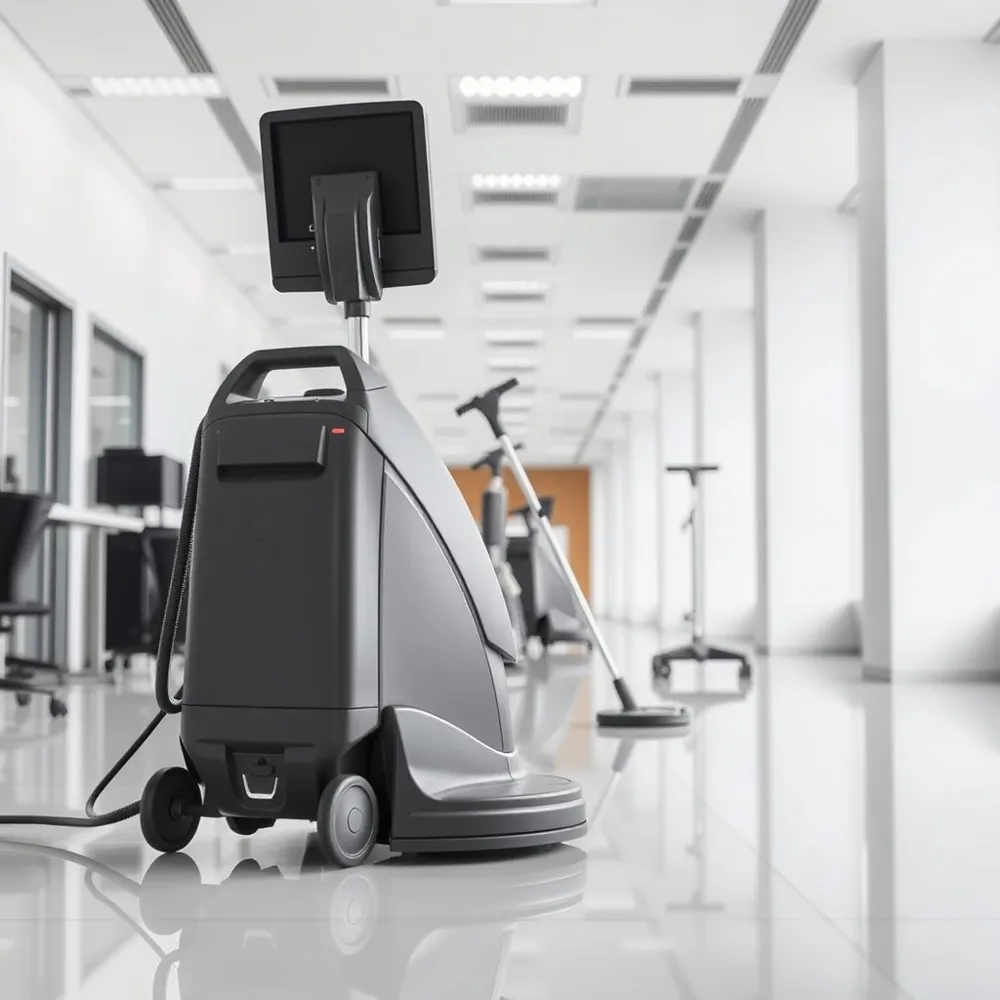
High Standards in Commercial Janitorial Maintenance Strategies


The Strategic Importance of High Janitorial Standards
A clean environment acts as a direct reflection of a company's commitment to quality, serving as a primary touchpoint for clients and visitors. Maintaining high standards is not merely about aesthetics. Facilities that prioritize cleanliness improve indoor air quality and reduce the spread of illness, which is vital for sustained productivity. Research shows that 94% of workers feel more productive in clean environments, while 77% believe they produce higher quality work in such settings.
For businesses in the local community, reliable facility care is a competitive advantage. While many national providers rely on generalized templates, Bravo Cleaning offers customized solutions tailored to specific commercial needs, supported by over 20 years of local expertise. This personalized approach ensures consistent results that generic janitorial operations often overlook.
Beyond daily maintenance, high standards for facility hygiene now include ISSA Clean Standards based on objective measurement. By focusing on evidence-based practices and professional accountability, organizations can significantly improve employee morale. Consistent standards promote a professional culture, helping companies retain staff and project lasting impressions to stakeholders.
Defining Commercial Cleaning Versus Janitorial Maintenance

The primary difference between janitorial and commercial cleaning services lies in the frequency and nature of the tasks performed. Janitorial services focus on routine, day-to-day maintenance, such as vacuuming, emptying trash, and surface dusting, to keep a facility tidy and hygienic on a consistent basis. In contrast, commercial cleaning services encompass specialized, intensive deep-cleaning tasks that occur less frequently, such as carpet extraction, floor stripping and waxing, or pressure washing.
While janitorial work maintains the daily appearance of your property, commercial cleaning provides the periodic, large-scale care necessary to protect your building's long-term integrity. At Bravo Cleaning, we believe the most effective strategy for property managers and businesses is a tailored combination of both scheduled maintenance and deep-cleaning solutions. This integrated approach ensures that buildings remain compliant with ISSA Clean Standard frameworks while fostering a professional atmosphere.
Preserving Long-Term Asset Value
Frequent routine maintenance acts as the first line of defense for interior assets. Regular floor care, for instance, prevents grit from grinding into flooring finishes, which extends the lifespan of carpets and tile. By outsourcing these tasks to specialists, organizations benefit from advanced cleaning technologies that general maintenance crews may lack. For example, local teams familiar with Minneapolis climate realities can adjust cleaning frequencies to mitigate winter salt damage, a level of service customization that protects capital investments against premature degradation.
Beyond surface aesthetics, high-standard maintenance programs are critical for safety and health management. Proper chemical handling and the use of appropriate Personal Protective Equipment remain central to these operations. Following OSHA guidelines for disinfectant application and chemical storage reduces liability and ensures a safer environment for occupants. Professional services like those highlighted at bravocleaningmn.com/blog prioritize these safety protocols alongside consistent, data-backed cleaning to ensure every facility meets rigorous industry expectations.
Architecting a Comprehensive Maintenance Checklist
A comprehensive maintenance checklist serves as the technical blueprint for facility hygiene, ensuring that daily operational needs meet or exceed professional requirements. By balancing consistent sanitation with recurring deep clean cycles, property managers can mitigate health risks and protect long-term asset value. The ISSA Clean Standard offers a robust framework for benchmarking these processes, moving beyond visual inspection toward objective, data-driven cleanliness.
What components should be included in a comprehensive commercial janitorial maintenance checklist?
Effective checklists must integrate daily janitorial tasks with specialized interventions to maintain high-traffic zones. Daily routines should prioritize trash removal, surface dusting, and the disinfection of high-touch points, such as elevator buttons and door handles. In contrast, deep cleaning cycles focus on intensive activities like carpet extraction and hard-floor care. Bravo Cleaning distinguishes its services by customizing these intervals to the specific occupancy patterns of a building.
- Daily: Disinfecting high-touch points to minimize cross-contamination.
- Daily: Waste management and restocking of essential washroom consumables.
- Weekly: Detailed cleaning of hard-to-access surfaces and fixtures.
- Monthly: Professional floor maintenance and intensive deep-cleaning cycles.
Maintenance plans should also incorporate health and safety requirements, including proper chemical handling and the use of Personal Protective Equipment (PPE) to fulfill OSHA safety mandates. Bravo Cleaning develops site-specific task lists that account for facility complexity and foot traffic. This proactive approach ensures that maintenance activities, such as carpet care and hard-surface polishing, are executed at the optimal frequency to maximize durability and aesthetic appeal.
Ensuring Operational Consistency and Quality Assurance

Professional cleaning companies ensure high standards by establishing clear, documented cleaning blueprints that define the specific frequency and technical procedures for every task, from daily sanitation to quarterly deep cleaning. By integrating comprehensive Standard Operating Procedures, staff consistently apply the same professional methods and precise chemical dilution ratios across every facility. To maintain this level of excellence, professional cleaning companies utilize rigorous training programs that empower teams to execute tasks safely and effectively while prioritizing eco-friendly practices.
Furthermore, professional providers employ proactive quality control measures, such as regular inspections and site audits, to verify that every service meets both health regulations and client expectations. This structured, data-driven approach allows professional teams to deliver reliable, high-quality results that enhance the safety and professional appearance of any residential or commercial environment.
Leveraging Technology for Measurable Outcomes
Modern janitorial maintenance increasingly relies on objective, science-based validation to ensure hygiene goals are actually met. The ISSA Clean Standard provides a formal framework for facilities to move beyond visual inspection by incorporating techniques like ATP bioluminescence testing. By using ATP meters to measure microorganisms on high-touch surfaces, cleaning teams can obtain quantitative data that justifies their service efficacy and demonstrates a measurable reduction in surface bacteria.
Many firms, such as Bravo Cleaning in Minneapolis, integrate these digital auditing tools with mobile reporting platforms to track completion in real time. Unlike fragmented cleaning services that rely on subjective checklists, Bravo Cleaning uses systematic recordkeeping and digital logs to provide clients with concrete proof of performance. This data-driven auditing shifts the relationship from simple labor provision to a consultative partnership where cleanliness is professionally managed.
- Use of ATP testing to validate surface hygiene and surface bacteria reduction.
- Digital logging systems to verify task completion and service frequency compliance.
- Standardized inspections that utilize mobile apps for real-time reporting and accountability.
- Routine facility audits that align with OSHA safety principles regarding chemical handling and PPE.
Optimizing Workflows with the 5S Methodology
The 5S principles, which encompass Sort, Set in Order, Shine, Standardize, and Sustain, provide a systematic framework for eliminating waste and inefficiency throughout Bravo Cleaning's facility maintenance operations. By meticulously organizing cleaning kits and centralizing tools, professional teams can drastically reduce prep time and prevent the supply-related bottlenecks common among less experienced providers.
What are the 5S principles, and how can they improve professional cleaning operations?
These components operate as a cycle of continuous improvement. Sorting involves removing unnecessary inventory, while setting tools in order makes essential supplies accessible for specific task rotations. Shine requires regular inspections of both equipment and workspaces to identify maintenance needs. Standardizing creates repeatable protocols that protect consistency across diverse environments, from retail outlets to medical offices. Finally, sustaining these habits ensures long-term operational success.
While many vendors adopt ad-hoc approaches, Bravo Cleaning integrates these principles into its service model to ensure consistent outcomes for all Minneapolis clients. This high level of organization allows for precise application of ISSA Clean Standard protocols, moving beyond basic janitorial labor toward data-validated facility care. Adopting this methodology also minimizes resource waste and supports the commitment to eco-friendly practices by ensuring that chemical usage and inventory management remain as efficient as possible.
Safety Compliance and Regulatory Standards
Professional cleaning companies must adhere to several critical OSHA standards to ensure a safe work environment and maintain regulatory compliance. This includes the Hazard Communication Standard, which requires proper labeling and accessible safety data sheets for all cleaning chemicals to inform staff of potential hazards. These protocols align with established industry frameworks, such as the ISSA Clean Standard, which emphasizes systematic recordkeeping and the validation of cleaning processes to ensure both safety and operational quality.
What regulatory standards, such as those from OSHA, are essential for professional cleaning companies?
Regulatory adherence extends beyond chemical management. Companies are mandated to provide adequate personal protective equipment paired with comprehensive training to ensure workers can safely handle disinfectants and manage specialized cleaning tasks. Such measures are vital for preventing workplace accidents and managing health risks in high-traffic environments. While competitors may rely on basic training, Bravo Cleaning integrates these safety requirements into its standard service delivery, ensuring that residential and commercial clients receive consistent, professional results.
OSHA also emphasizes strict recordkeeping requirements for work-related injuries and illnesses, creating a foundation for ongoing oversight. By prioritizing these safety protocols, Bravo Cleaning demonstrates a commitment to employee wellbeing. This holistic approach to safety compliance functions as a core differentiator, providing property managers with the peace of mind that their facilities are maintained by a team that follows rigorous, documented, and professional standards.
Strategic Factors Influencing Service Estimation and Costs
Determining the cost and time required to clean commercial properties depends on several factors, including the facility total square footage and specific layout complexity. Larger spaces often benefit from economies of scale, though specialized requirements like medical facility sanitation or industrial degreasing significantly increase both labor hours and technical demands. Bravo Cleaning builds customized cleaning plans that account for the specific volume of foot traffic, building layout, and industry-specific decontamination requirements found in your unique environment.
The frequency of service also plays a major role, as regularly scheduled maintenance is generally more cost-effective than one-time deep cleans or specialty floor care. When assessing quotes, managers should note that professional cleaning companies often adjust estimates based on regional labor rates and facility-specific obstacles such as gated parking or complex security clearance requirements. Bravo Cleaning leverages over 20 years of local Minneapolis experience to calibrate service estimates based on real-world facility variables.
| Variable | Influence on Cost | Strategic Consideration |
|---|---|---|
| Facility Size | Lowers unit cost | Economies of scale |
| Layout Density | Increases labor | High-traffic focus |
| Frequency | Lowers unit cost | Prevents asset decay |
| Specialty Care | Increases rate | Technical requirement |
Choosing a Partner for Long-Term Facility Success
Selecting the right maintenance provider is more than contracting for labor. It is a strategic decision that affects physical asset longevity and workforce morale. With over 20 years of local experience, Bravo Cleaning provides the deep-rooted expertise necessary to navigate the specific environmental demands of the Twin Cities.
While many national franchises rely on generic, one-size-fits-all checklists, local partners offer the flexibility required to adapt to unique facility layouts and tenant needs. Bravo Cleaning prioritizes customized service solutions, ensuring that every square foot of an office, apartment building, or commercial property receives dedicated care. This tailored approach allows for a level of consistency that cookie-cutter firms often fail to deliver.
Sustainability also remains a defining feature of modern professional standards. By incorporating eco-friendly practices that align with health regulations, facility managers can improve indoor air quality and workspace safety. Property managers are invited to view their janitorial program as a proactive investment in their building's future. Partnering with a team that emphasizes accountability and local commitment ensures that a facility maintains its value and professional image for years to come.
Recent articles