How Consistent Janitorial Cleaning Keeps Shared Workplaces Healthier


Why Consistency Matters
In a shared workplace, staff and visitors move through the same entrances, use the same desks and equipment, and return to shared kitchens and restrooms throughout the day. Routine cleaning helps keep these spaces clean and maintained as use and activity change.
Cleaning supports workplace hygiene, but it cannot guarantee that illness or allergens will be eliminated. The CDC’s facility cleaning guidance recommends regular cleaning and extra attention to frequently touched surfaces. A tailored plan can match tasks to the building’s layout and how people use it. Bravo Cleaning, a locally owned Minneapolis company with more than 20 years of local experience, provides customized commercial cleaning and carpet care.
This article looks at workplace benefits, practical scheduling, high-touch surfaces, choosing suitable products, and common cleaning errors. The goal is a consistent routine that fits daily operations, rather than occasional attention that leaves priorities unclear.
Workplace Benefits of Regular Cleaning

A clean workplace supports daily comfort and helps control the dirt, dust, and germs that build up through regular use. Cleaning shared surfaces and spaces can help manage allergen and germ buildup.
Restrooms, break rooms, and other common areas benefit from regular attention because many people use them throughout the day. The CDC advises routine cleaning of community settings such as offices, noting that cleaning is generally enough to reduce germs on surfaces in most situations. Disinfection may be appropriate in specific circumstances, but surfaces should be cleaned first and products used according to their labels. See the CDC’s facility cleaning and disinfection guidance.
Orderly surroundings also make work more comfortable. Clear desks, clean floors, and maintained shared areas can reduce visual clutter and everyday distractions, supporting focus and workplace morale. Bravo Cleaning’s tailored commercial services can account for a facility’s layout and use, while its eco-friendly practices support clients seeking considered product choices.
Consistent care may also support attendance and smoother operations by helping maintain a clean environment. A well-kept lobby, meeting room, or restroom also shapes the impression a business makes on clients, visitors, job candidates, and prospective tenants. Regular cleaning can therefore serve both practical workplace needs and the presentation of the property.
For more on how routine care supports workplace hygiene, see this guide to professional janitorial services and workplace hygiene.
Build a Schedule Around Workplace Use

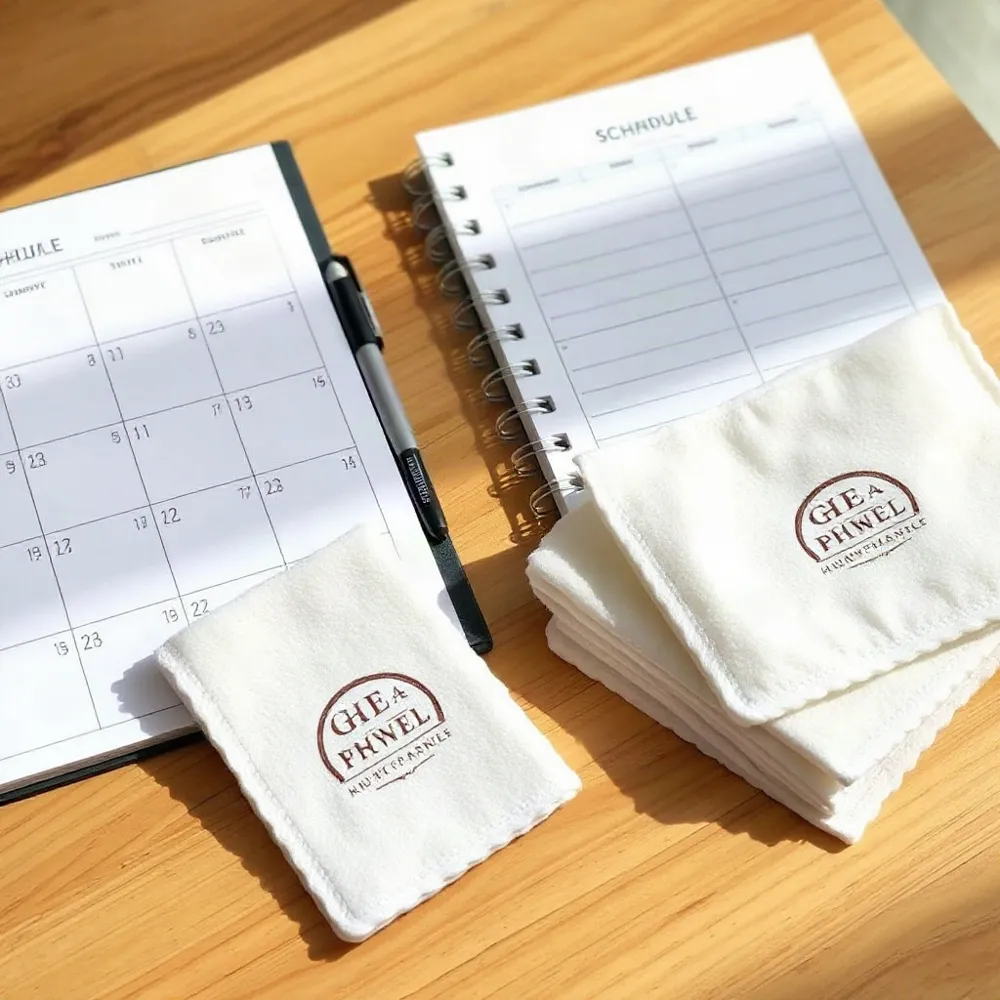
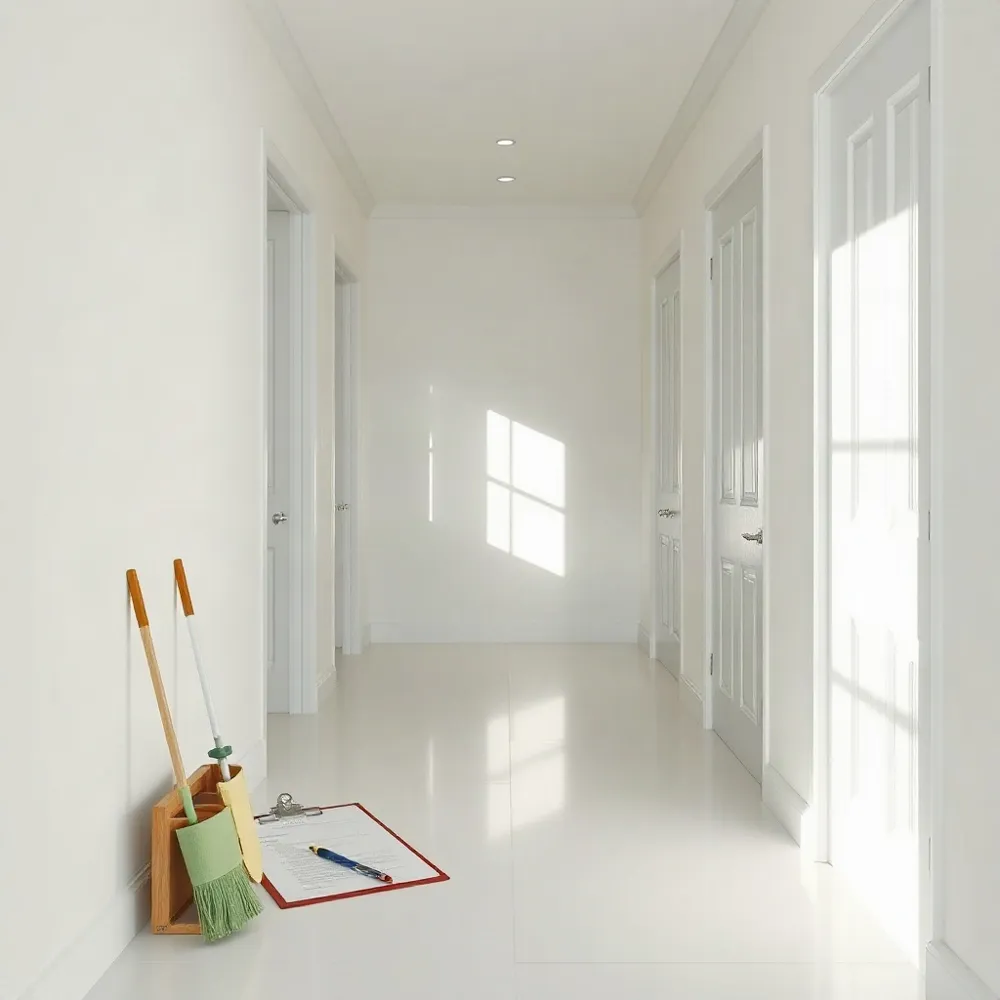
A practical cleaning schedule starts with how people use each part of the workplace. A written checklist can assign tasks, frequency, and responsibility for workstations, meeting rooms, entrances, restrooms, kitchens, and other shared areas. CDC guidance for community facilities recommends regular cleaning, with extra attention to frequently touched surfaces and busy areas.
For day-to-day upkeep, plan attention for restrooms, break rooms, entrances, floors, waste, and commonly touched surfaces. Include dusting and shared equipment in routine tasks, adjusting frequency to traffic and visible soil. A checklist also makes less obvious duties easier to track. This workplace cleaning schedule offers a framework for assigning tasks by area and frequency.
Routine service should be supplemented with periodic care for carpets, upholstery, hard floors, and dust-collecting areas behind or above furniture. Timing depends on the facility’s materials, condition, and use. Bravo Cleaning’s experience with commercial spaces and carpet care supports plans tailored to building needs, rather than a single schedule applied everywhere.
Occupancy patterns matter, too. Schedule disruptive work for quieter periods, and consider daytime maintenance when a busy shared space cannot wait for one after-hours visit. Employees can help by keeping personal work areas orderly and reporting spills or concerns promptly. A flexible professional cleaning plan can provide consistent support while staff focus on daily operations.
Choose the Right Surface Care
Choosing the right surface care starts with knowing what each method does. The CDC guidance for community buildings such as offices and apartment common areas says routine cleaning is generally enough in most situations. Facility-specific rules and applicable regulations should take precedence.
Cleaning uses soap or detergent to remove soil and reduce the number of germs on a surface. Sanitizing reduces the germs left after cleaning. Disinfecting uses a product to kill harmful germs that remain. These terms describe different tasks, so a cleaning plan should specify the method required for each surface.
Clean before sanitizing or disinfecting. Dirt and other residue can make these products less effective. Disinfection may be appropriate when someone has been obviously ill, or when public-health authorities or facility rules call for it. For a fuller explanation of cleaning, sanitizing, and disinfecting, see the related guide.
Select products suited to both the surface and the intended use. Check the label for approved surfaces, directions, and required contact time, meaning how long the treated surface must remain wet. Never mix cleaning chemicals. Provide ventilation, use the protective equipment specified on the label, and store products securely. The CDC facility guidance also advises employers to train workers on chemical hazards, labels, protective equipment, and ventilation.
A tailored plan should account for the different materials and needs across a property. Bravo Cleaning serves residential and commercial properties in Minneapolis, including apartment and condominium buildings, and offers customized cleaning alongside carpet care. Matching the method to each surface helps protect finishes while keeping shared spaces cared for.
Prioritize Shared High-Touch Surfaces

High-touch surfaces are items frequently handled by multiple people. In a workplace, that can include door handles, light switches, elevator buttons, handrails, desks, counters, keyboards, phones, touchscreens, restroom fixtures, and break-room appliance handles. The CDC’s guidance for community facilities also identifies shared touchpoints such as pens and stair rails as surfaces to clean regularly.
The priority list should reflect the building’s layout and how people use it. A shared kitchen, busy entrance, or frequently booked meeting room may need closer attention than a private office. Bravo Cleaning’s locally owned team provides customized cleaning for commercial properties, allowing service plans to account for a facility’s specific spaces and needs. The team also uses eco-friendly cleaning products, with product choices suited to the facility and its needs.
Clean high-touch surfaces regularly, with frequency guided by actual use and any requirements that apply to the facility. Remove visible soil promptly, and give busy areas or those affected by illness or other conditions closer attention.
Cleaning is generally enough for routine care in community settings. When disinfection is appropriate, clean the surface first, then use a product suitable for that surface and follow its label, including the required contact time. The EPA’s list of registered disinfectants can help with product selection. Bravo Cleaning’s flexible commercial services can be tailored around how a workplace operates, helping property managers address shared areas without applying the same routine everywhere. One property manager shared, “Bravo Cleaning’s focus on high-touch surfaces and its flexible scheduling made a noticeable difference in our workplace cleanliness.”
Avoid Common Cleaning Errors
Cleaning mistakes often come from using a product or method that does not fit the surface. Check labels and care instructions before treating carpets, hard floors, upholstery, or electronics. The CDC’s facility cleaning guidance also advises cleaning surfaces before disinfecting them, since soil can interfere with the product. Choose cleaning products suited to the surface and intended use, and follow their labels.
Rushing disinfection can leave a surface untreated. Follow the disinfectant label and keep the surface visibly wet for the full contact time. Provide ventilation, use the protective equipment specified, and never mix cleaning chemicals.
A written checklist helps prevent missed tasks. Include restrooms, frequently handled touchpoints, and less accessible areas such as space behind furniture. Clean tools between tasks and use color-coded cloths where the cleaning plan calls for them, so equipment does not carry soil from one area to another. Following product directions, using suitable methods, and maintaining a checklist can help prevent cleaning errors and support safe practices.
Train workers on product directions and safety, and maintain vacuums and other equipment so they work as intended. Avoid over-wetting carpets, which can prolong drying and create maintenance problems. A tailored plan should reflect the facility’s surfaces and operating hours, with room to adjust tasks as use and needs change. One property manager described a positive experience with Bravo Cleaning’s tailored service. Bravo Cleaning’s customized service approach and experience with commercial spaces provide a local option for businesses seeking that kind of fit.
Make Cleanliness Part of Operations
For property and business managers, workplace cleaning works best as a documented routine, not an occasional response to visible mess. Set priorities by surface and use, then review the schedule as occupancy, seasons, or facility needs change.
The CDC’s facility cleaning guidance notes that regular cleaning is generally enough in most community settings, while disinfection may be appropriate in specific circumstances. Bravo Cleaning’s customized commercial services reflect this practical approach, with care tailored to each property and its use.
Janitorial care supports a cleaner shared environment, but it does not replace hand hygiene, applicable workplace rules, or other health measures. Keep the plan clear, adaptable, and suited to the people who use the space.
Recent articles