A Dedicated Team Keeps Cleaning Standards Consistent


Consistency Starts With Clear Expectations
Keeping cleaning standards steady across properties takes more than repeating the same routine. Apartment buildings, condominiums, offices, and homes differ in layout, foot traffic, surfaces, and service schedules, so a plan that fits one site may miss the needs of another.
A dedicated team can build familiarity with each property, while clear site-specific procedures and regular communication help make expectations predictable. Industry guidance from ISSA on team cleaning describes how assigned tasks and coordinated workflows can support consistent results.
For property managers, the scope may also shift between routine service, turnover cleaning, and carpet care. Minneapolis-based Bravo Cleaning provides customized residential and commercial cleaning, including services for apartment and condominium buildings, with more than 20 years of local experience. Defining priorities with the cleaning team helps ensure the work reflects each property’s needs.
Define Roles and Build Property Familiarity

A clean workplace depends on clear ownership, not on assuming someone else will handle a problem. Employees can keep personal areas orderly, dispose of their own waste, and report spills or hazards. Facility managers set expectations, coordinate access, and arrange maintenance, while the cleaning provider handles recurring work included in the agreed service scope.
Put task ownership and reporting steps in writing so an issue reaches the right person. Cleaning teams can address agreed routine work, but repairs, pest control, and hazardous or regulated materials should go to qualified specialists. Assigning recurring cleaning to a professional service can also free facility operators to focus on their core work, as Buildings’ guidance on consistent cleanliness explains.
A team that becomes familiar with a property’s layout, priorities, access arrangements, and schedule can follow its routine with fewer missed details between visits. For property managers, that familiarity can make upkeep and turnovers more predictable, while leaving room to adjust service as needs change.
Bravo Cleaning provides turnover cleaning and carpet care. Tailoring service to the property helps keep recurring needs in view without treating every building as if it had the same layout or priorities.
Consistent methods also depend on staff understanding their responsibilities and the property’s expectations. ISSA’s guidance on cleaning-company training recommends documented instruction and ongoing training to support consistent service. Clear communication among occupants, managers, and cleaners then helps surface changes before they become repeat problems.
Make Checklists Specific to Each Property

A checklist is most useful when it reflects the building rather than a generic list of chores. Start with a walkthrough and the agreed service scope, then record each area, its tasks, the expected result, how often the work is done, and who is responsible. This gives cleaners and property managers a shared reference for what is included and what a completed task should look like.
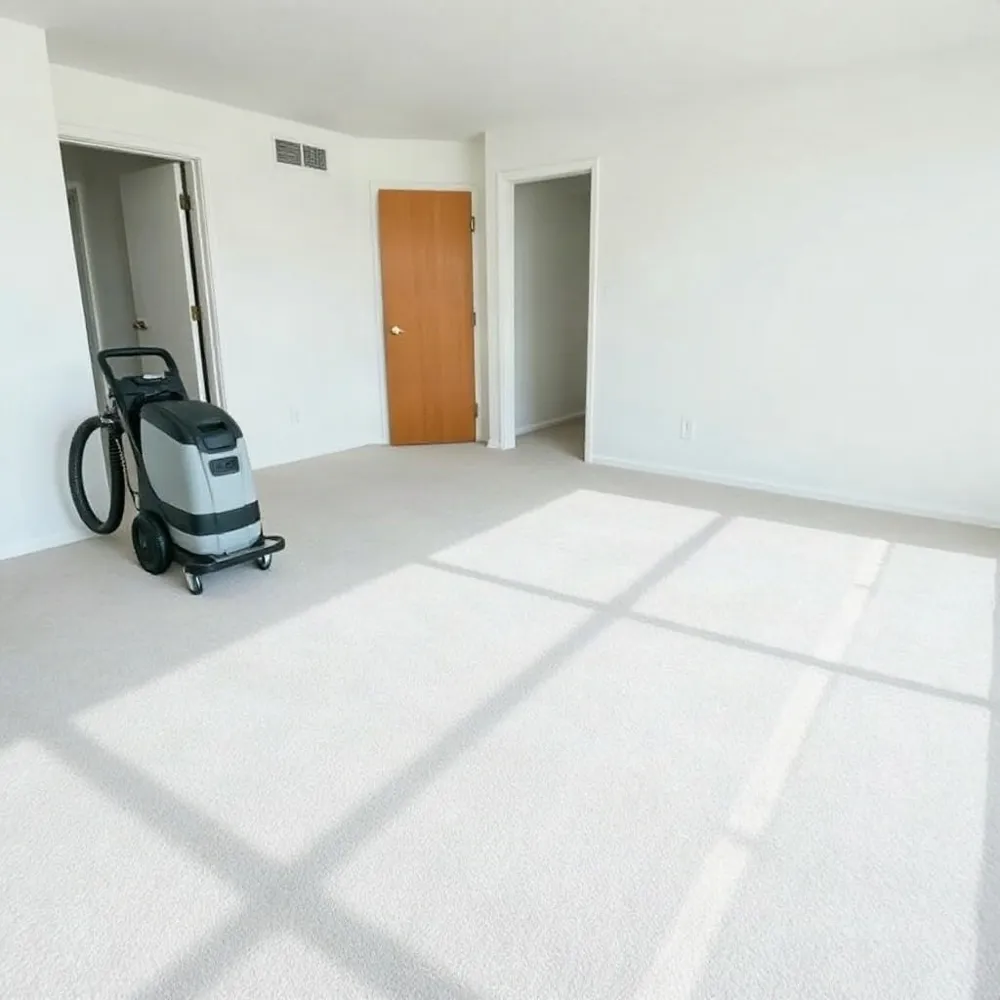
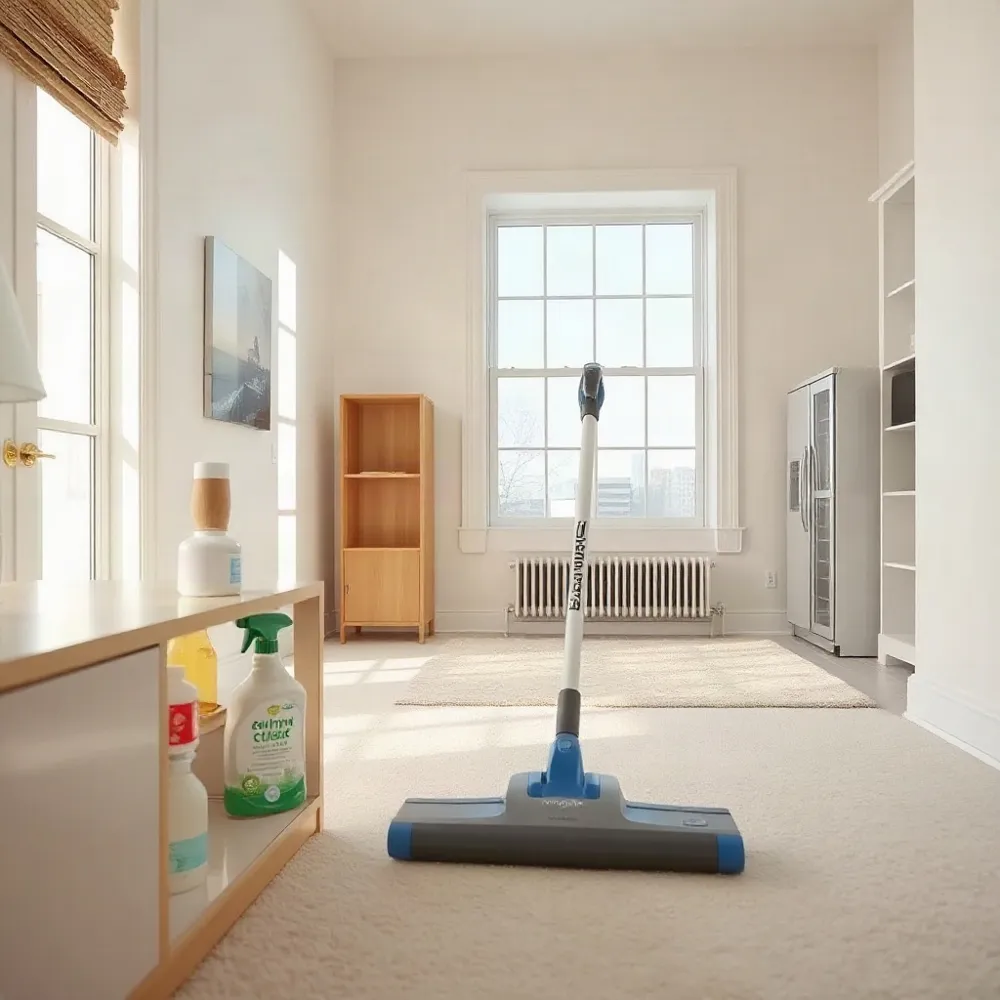
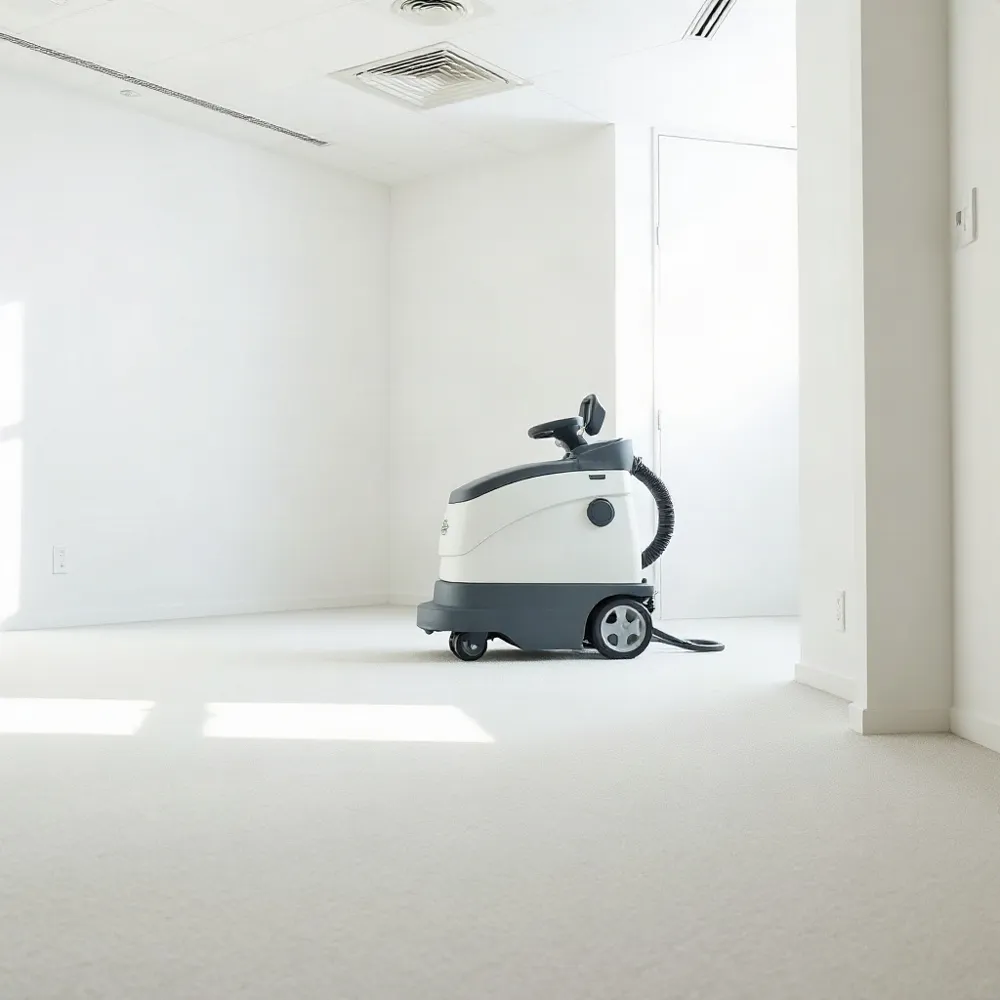
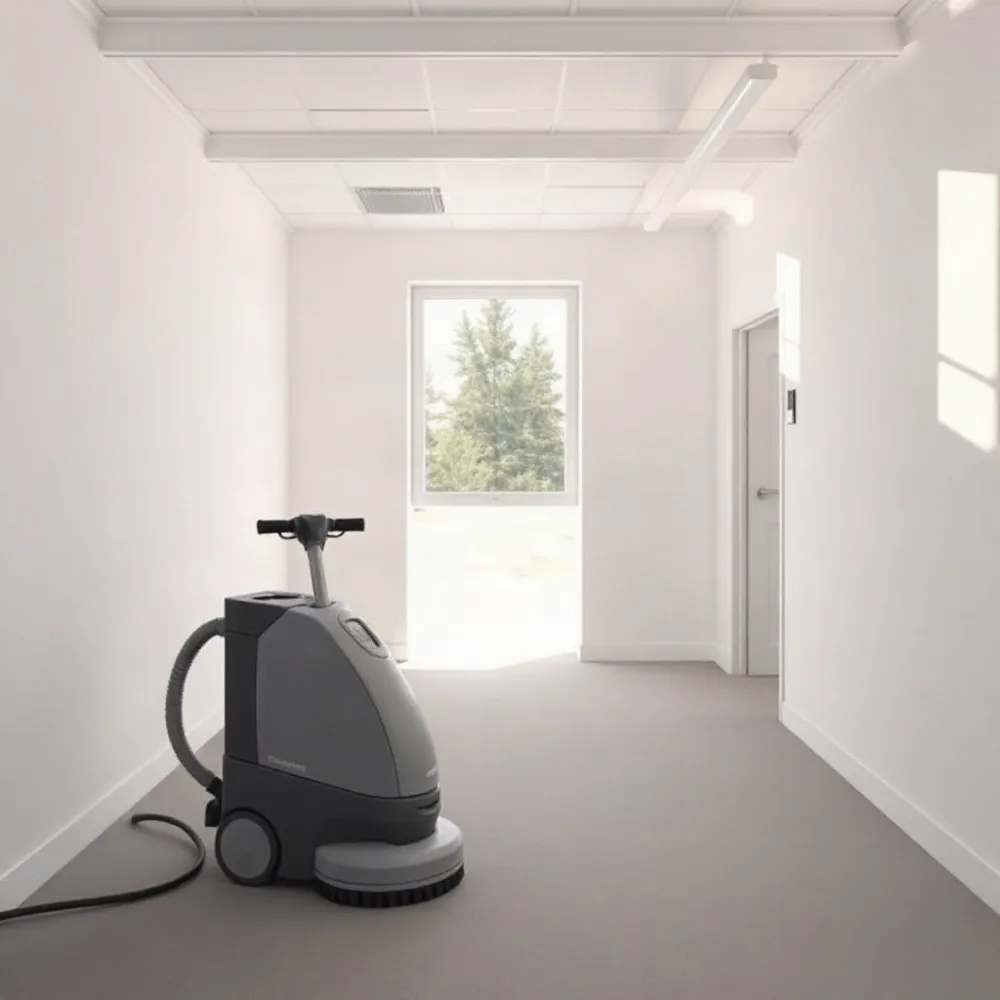
For routine service, include entrances and shared spaces, restrooms, kitchens or break rooms, high-touch surfaces, floors, and waste and recycling. Add periodic work such as high dusting, edges and baseboards, interior glass, and scheduled carpet or floor care. Bravo Cleaning’s tailored residential and commercial services include carpet care, making surface-specific expectations especially useful when a property combines carpet with hard flooring.
Frequency should follow occupancy, foot traffic, building hours, surfaces, and client priorities. A busy entrance may need attention more often than a lightly used office, while carpet and other floor care should reflect the material and its condition. Buildings’ guidance on consistent cleanliness also emphasizes reviewing cleaning frequency, products, staff, and completed work.
Separate the standard from the procedure. A standard describes the visible result, such as a floor that is clean, dry, and free of residue. A procedure explains how to reach it, including the appropriate method for carpet, tile, or another surface. A consistent checklist and accessible procedures help staff maintain that standard when shifts or assignments change. ISSA’s team-cleaning guidance describes how defined task assignments can support more consistent work and clearer quality checks.
Use inspections to check visible cleanliness, supplies, floors, waste handling, and equipment condition. A simple pass/fail system or rating scale makes findings easier to compare. Record problems, assign an owner for follow-up, and review recurring issues with the property contact. Clear limits and an agreed scope help prevent mismatched expectations, while Bravo Cleaning’s locally rooted, customized service can accommodate the differing needs of homes and commercial properties.
Train for Safe and Repeatable Work
Written, property-specific training helps staff apply shared cleaning expectations while accounting for differences in layouts, surfaces, and service needs. For a Minneapolis property manager, that may mean preparing a team for routine office care at one site and carpet or turnover work at another. Bravo Cleaning serves residential and commercial properties, including apartment and condominium buildings, with a focus on turnover cleaning and carpet care.
Industry guidance recommends combining instruction with hands-on practice. Staff can learn surface- and task-specific methods, equipment operation, safe product use, and customer-service expectations by shadowing experienced colleagues, completing supervised tasks, and receiving feedback. Refresher training helps reinforce methods when products, assignments, or site conditions change, as outlined in ISSA’s cleaning company training guidance.
Safety instruction should cover hazard recognition, wet-floor signs, safe lifting, and checking equipment before use. Chemical training should include reading product labels and Safety Data Sheets (SDSs), wearing required protective equipment, maintaining ventilation, and responding to spills or exposure according to product directions and site procedures.
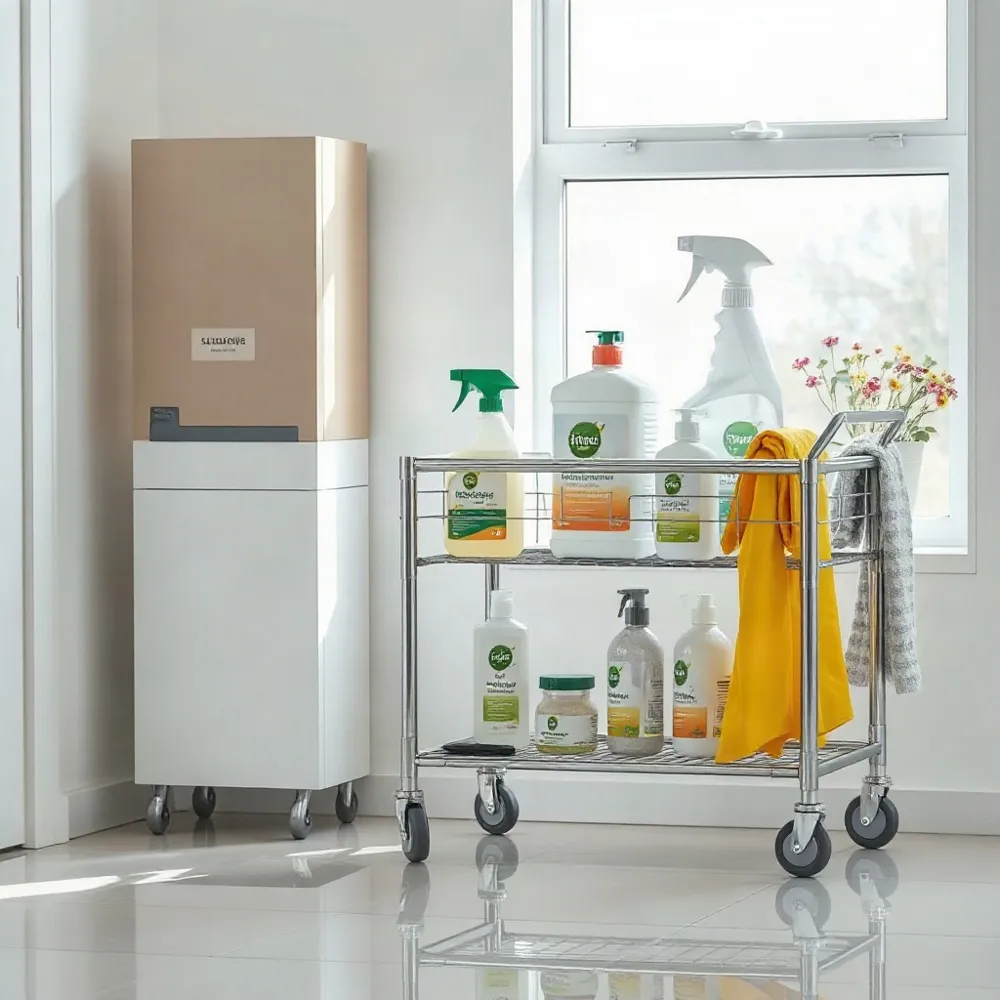
Store chemicals in a cool, dry, well-ventilated, locked location away from heat, sunlight, food, and public access. Keep readable original labels, clearly label approved secondary containers, never use food or drink containers, and separate incompatible products such as bleach and acids. Keep SDSs accessible, maintain an up-to-date inventory, check for leaks or damaged containers, and dispose of products according to label directions and local requirements.
Inspect Results and Close the Loop

An inspection is useful only when it measures work against an agreed standard. A quality-control plan connects each property’s service scope and cleaning procedures with checklists, inspection schedules, feedback, corrective action, and records. This gives managers and cleaning staff a shared way to define and verify a satisfactory result.
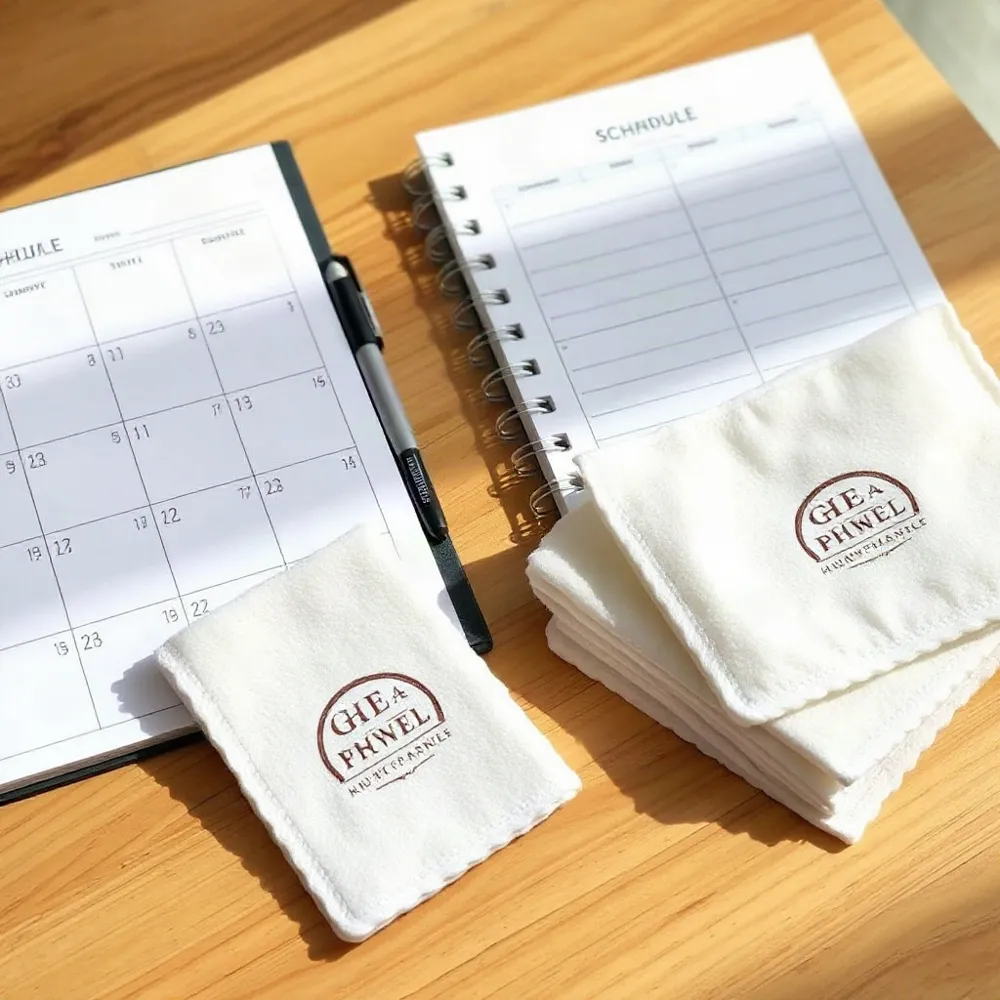
Regular inspections should use consistent scoring and check visible results in restrooms, high-touch areas, shared spaces, and on different floor types. A completed schedule shows when service took place, but not whether the work met expectations. Buildings’ guidance on maintaining cleanliness also recommends reviewing cleaning procedures and gathering feedback from building users.
When an inspection finds a miss, record the location and issue, assign a specific person to correct it, and set a deadline. Then recheck the area and document whether the fix was completed. A one-time oversight may call for rework and coaching; repeated deficiencies can point to a need for retraining, a changed procedure, or clearer service scope.
Property managers and cleaning staff can both identify problems that a routine walkthrough misses. Log their feedback alongside inspection results, adding photos or digital records when they clarify the issue. At bravocleaningmn.com, customized cleaning for commercial properties, apartments, and condominiums reflects the need to align service with each building’s requirements.
Reviewing records over time can reveal recurring trouble spots and help guide practical changes to training or procedures. That property-specific attention fits a service approach grounded in familiarity with local clients and buildings.
Keep Standards Responsive to Changing Needs
High cleaning standards depend on more than a written checklist. Assign responsibility for each area, set schedules that reflect occupancy and use, and check completed work against clear expectations. Train staff in safe product use and surface-specific methods, including proper disinfectant contact times and extra care for high-touch surfaces.
Employee and visitor feedback can reveal missed areas or needs that have changed. Review procedures when building use, service scope, products, or equipment changes, and gather feedback as part of a regular review process, as Buildings recommends.
Well-maintained equipment and effective, lower-impact products can support reliable work, where suitable for the surfaces and task. A professional partner can also provide recurring service and specialized care such as carpet cleaning, with a plan tailored to the property.
Bravo Cleaning serves residential and commercial properties with an eco-friendly focus. That local background can inform service plans as a property’s needs shift.
Consistency Comes From Follow-Through
Dependable cleaning comes from pairing clear standards with trained staff, property-specific plans, and documented follow-up. Informal habits alone can leave gaps when teams or building needs change. ISSA’s guidance on cleaning-company training supports a structured approach that helps staff apply shared expectations.
Property managers can review service scope, task ownership, and how concerns are reported with their cleaning provider. Bravo Cleaning serves apartment and condominium properties. A direct conversation can help align service with each building’s needs.
Recent articles