Eliminate Cleaning Headaches for Your Apartment Tenants


Prevent Cleaning Problems Before They Grow
A lingering odor, a stained carpet, or a neglected hallway can start as a small cleaning issue and become a tenant complaint, a rushed turnover, or a delayed move-in. For property managers, keeping apartments and shared areas clean is part of maintaining comfortable homes and presenting the property well, not just a cosmetic task.
A clear cleaning plan helps property teams address routine needs without leaving every problem until a unit is vacant. Bravo Cleaning serves residential properties in Minneapolis with customized cleaning, including apartment turnover work and carpet care, so tasks can be matched to the property rather than treated as a one-size-fits-all checklist.
The plan also needs to account for residents’ experience. Cleaning products used in halls and entryways can affect tenants, including people sensitive to irritants, as The New York Times reported. Bravo Cleaning highlights eco-conscious practices, making product choices and communication part of a thoughtful service discussion.
This section covers thorough vacant-unit resets, fair move-out expectations, choosing a service suited to the property, and keeping shared areas ready for residents. Together, these steps help property managers plan cleaning work and reduce avoidable last-minute pressure.
Reset Vacant Units Thoroughly

A turnover clean resets an empty apartment for showings or its next resident. Preparation matters when the schedule is tight: gather suitable supplies, work through a room-by-room checklist, and identify any specialty tasks before cleaning begins. This approach helps prevent small details from being missed.
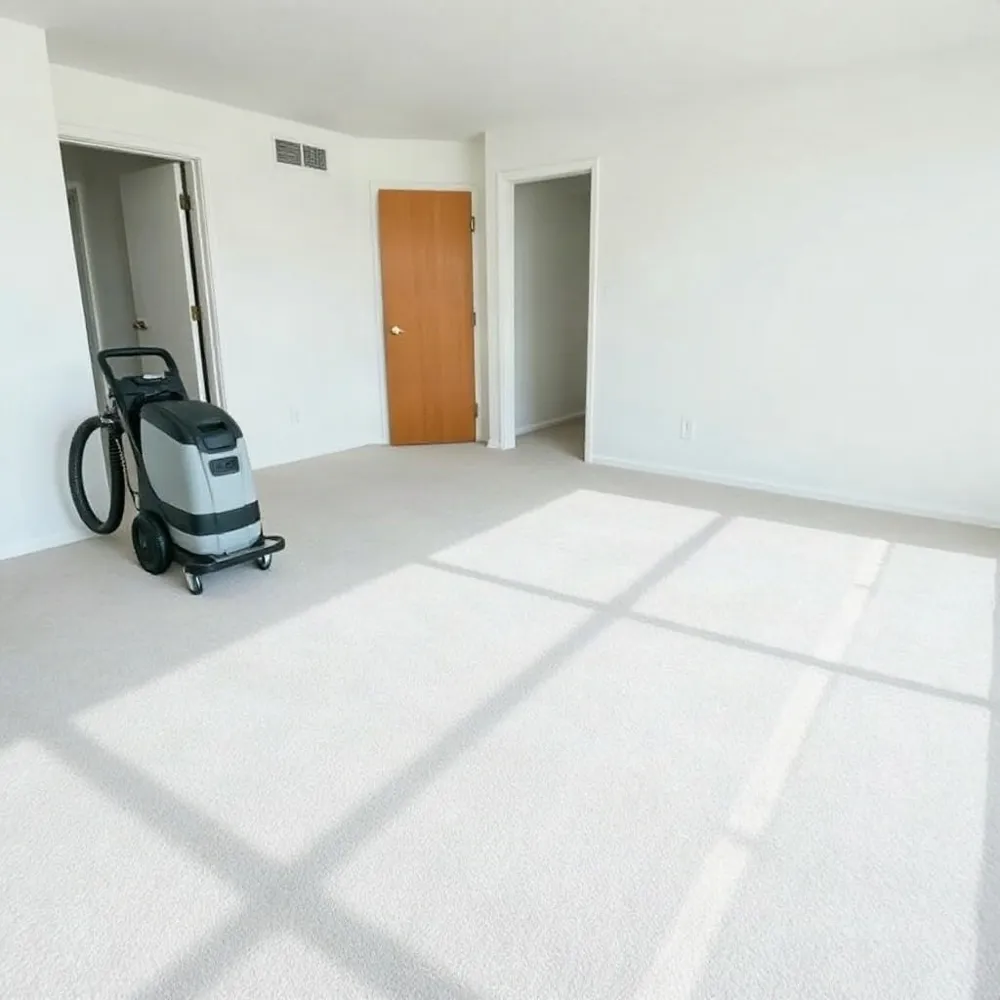
A typical reset starts with removing leftover debris and dusting reachable surfaces, vents, blinds, fixtures, doors, and baseboards. In the kitchen, clean counters, cabinets, sinks, and appliance interiors and exteriors. Bathrooms need a thorough scrub and sanitizing of toilets, tubs or showers, sinks, mirrors, and fixtures. Finish by vacuuming carpet or mopping hard floors, then spot-cleaning marks on walls, doors, and trim where the surface allows.
The right scope depends on the unit’s condition. Heavy buildup, pet hair, lingering odors, stains, or dust left by maintenance can add time or call for specialty work. Carpet care, windows, and detailed appliance cleaning may also need to be confirmed separately with the provider. For a fuller overview of preparation and room-by-room turnover tasks, see this turnover cleaning checklist.
A clear checklist, final inspection, and basic service records help property managers verify that work is complete. Record when the unit became available, when it was cleaned, and which crew handled the reset. These steps make it easier to track progress and follow up on anything that needs attention.
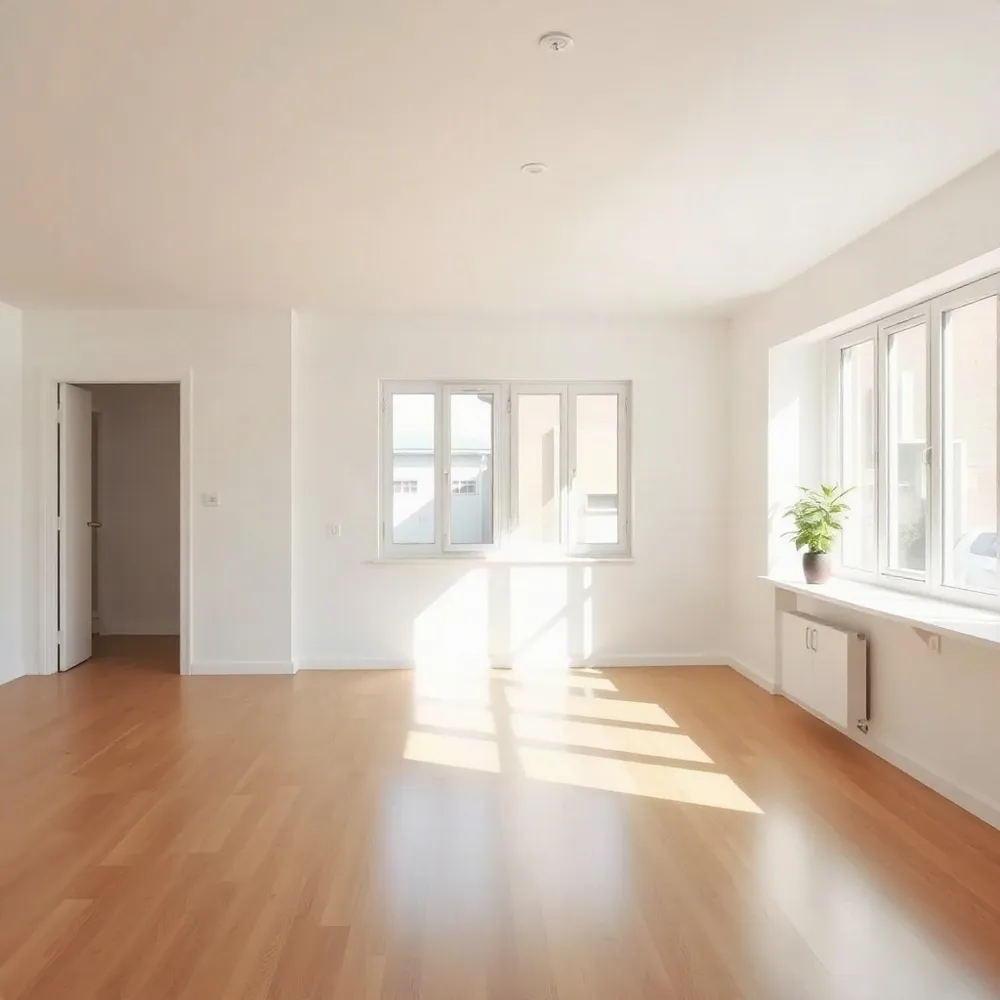
At Bravo Cleaning, turnover work is part of a locally based service that includes apartment and condominium cleaning, carpet care, and tailored plans for residential properties. Once the reset is complete, take listing photos so prospective residents see the unit in its finished condition. A clean, well-presented space supports a positive first impression at the showing and online.
Set Fair Move-Out Expectations

A clear move-out standard helps tenants prepare and gives property managers a fair basis for assessing a unit. Typically, tenants should remove personal belongings and trash, wipe surfaces, clean kitchen appliances and bathroom fixtures, and sweep or vacuum floors. For a fuller checklist of what “reasonably clean” can mean, see move-out expectations for a vacant unit.
The lease and move-in condition report should guide the final standard, since requirements and security-deposit rules vary by location. Routine cleaning is different from damage or ordinary wear and tear. A landlord may be able to charge for reasonable cleaning when a unit is substantially dirtier than it was at move-in, such as when heavy grease, built-up grime, or accumulated trash requires extra work. A routine turnover clean or automatic fee should not be treated as chargeable by default. Any deduction should be allowed under the lease and local law, documented, and tied to work actually needed.
Dated move-in and move-out photos, inspection notes, and itemized invoices can help both parties understand the unit’s condition and any proposed charges. For managers, recording the areas cleaned and the work performed supports clear communication. Bravo Cleaning provides tailored turnover cleaning for residential properties, helping managers address the actual condition of each unit rather than assume every apartment needs the same scope.
Tenants can reduce last-minute pressure by cleaning in stages, working from top to bottom, removing food and trash, and saving a final walkthrough for after the apartment is empty. This makes missed belongings, residue, or areas needing attention easier to spot before returning the keys.
Choose a Service Built for the Property

What should property managers look for when choosing a professional cleaning service for an apartment building? Start with relevant experience, not a broad promise to clean. Ask whether the provider handles common areas, vacant-unit turnovers, and carpet care, and request examples or references that relate to similar properties.
Bravo Cleaning serves apartment and condominium buildings in the Minneapolis area, with work that includes turnover cleaning and carpet care. Its more than 20 years of local experience offers property managers a basis for discussing building-specific needs, rather than assuming a residential or office cleaning plan will fit.
Before service begins, agree on a written scope that names the tasks, locations, frequency, and quality checks. The plan should clarify who handles access, how crews follow security procedures, and how the manager will be notified if a unit is not ready or a problem needs attention. Ask about staff training, backup coverage, urgent requests, and how resident or manager feedback leads to follow-up.
A dependable schedule matters, but the schedule should reflect the property. High-traffic entrances, hallways, and elevators may need different attention from quieter areas, while seasonal weather and changes in turnover volume can shift priorities. Bravo Cleaning’s customized service approach lets property managers discuss those needs alongside the building’s size and budget, instead of treating every site as identical.
A clear working relationship with property management and maintenance staff also helps coordinate entry, repair work, and unit readiness. Agree on a main contact and a simple way to report schedule changes or missed tasks. This kind of coordination supports consistent service and makes it easier to resolve issues before they disrupt residents or move-ins.
Check local references and ask what reliable performance looks like in practice: completed checklists, manager reviews, or a process for correcting missed work. Property managers comparing providers can also use this guide to assessing a cleaning service for apartment buildings to frame questions about experience, service fit, and accountability.
Keep Shared Areas Ready for Residents
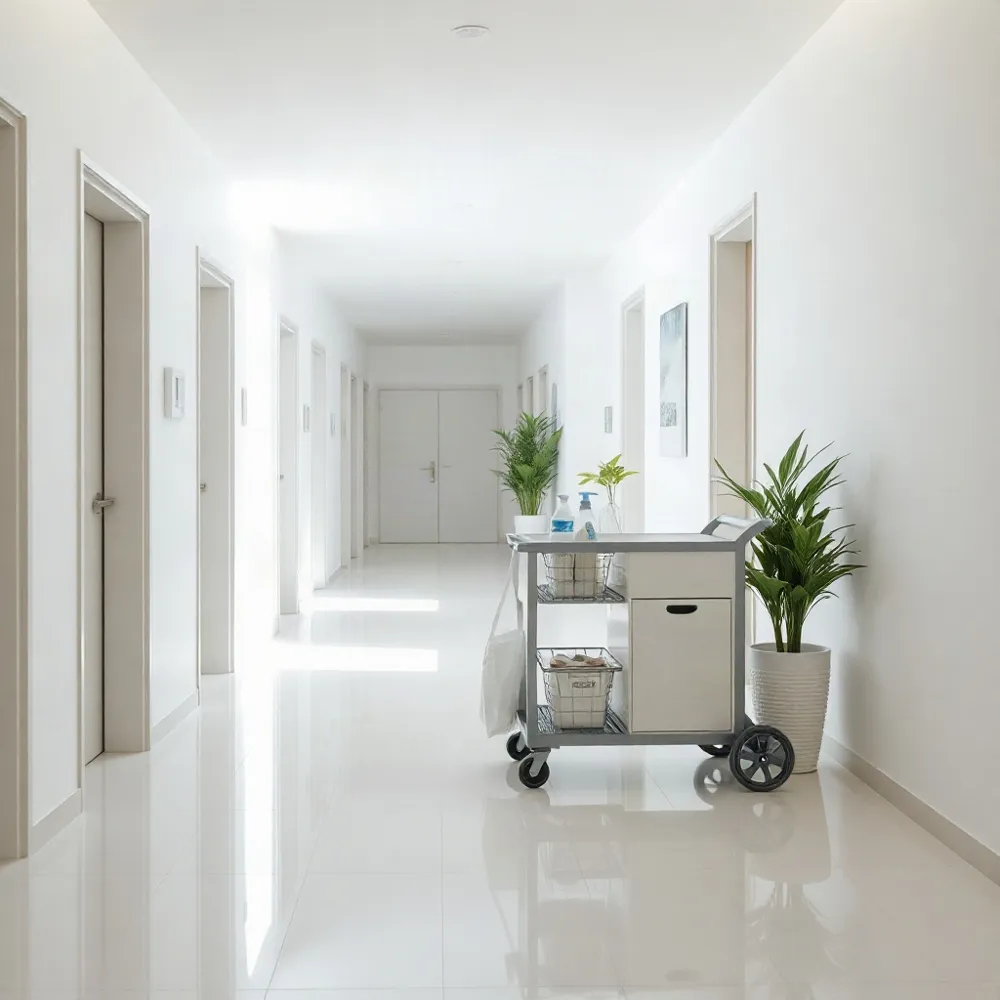
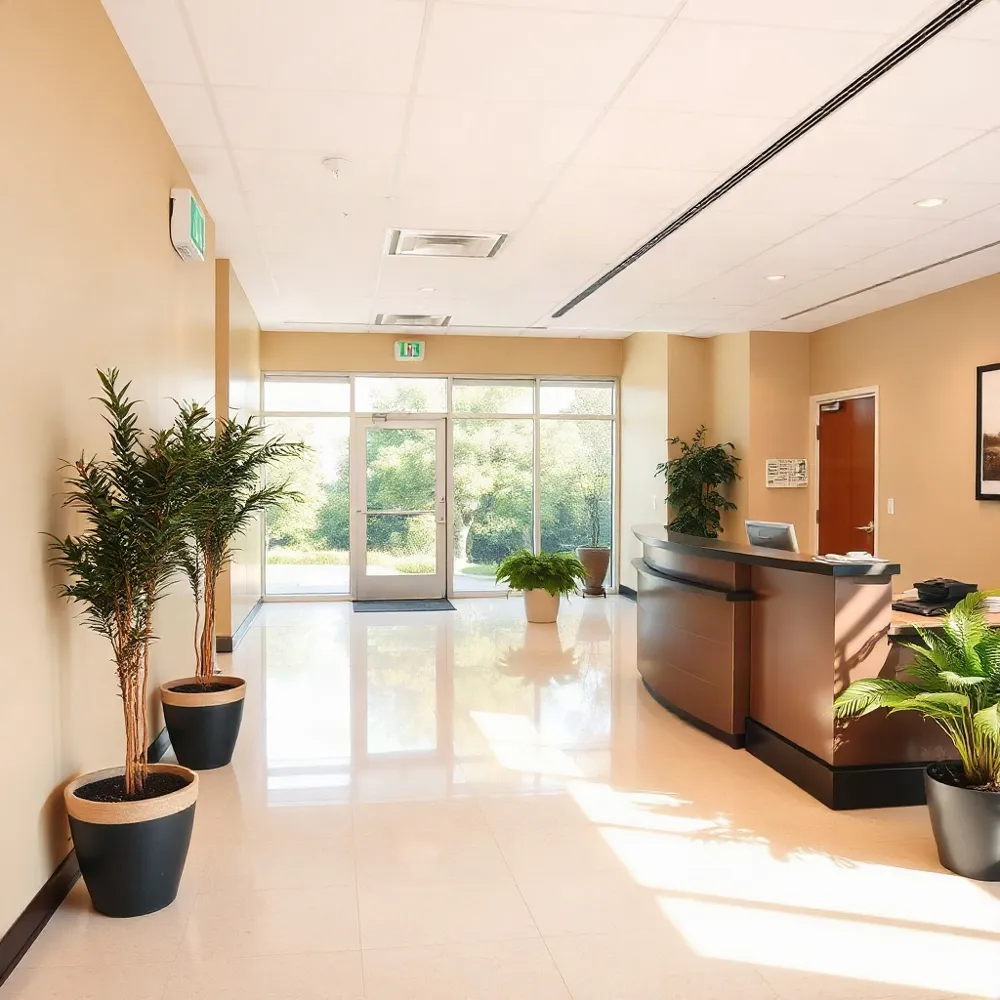
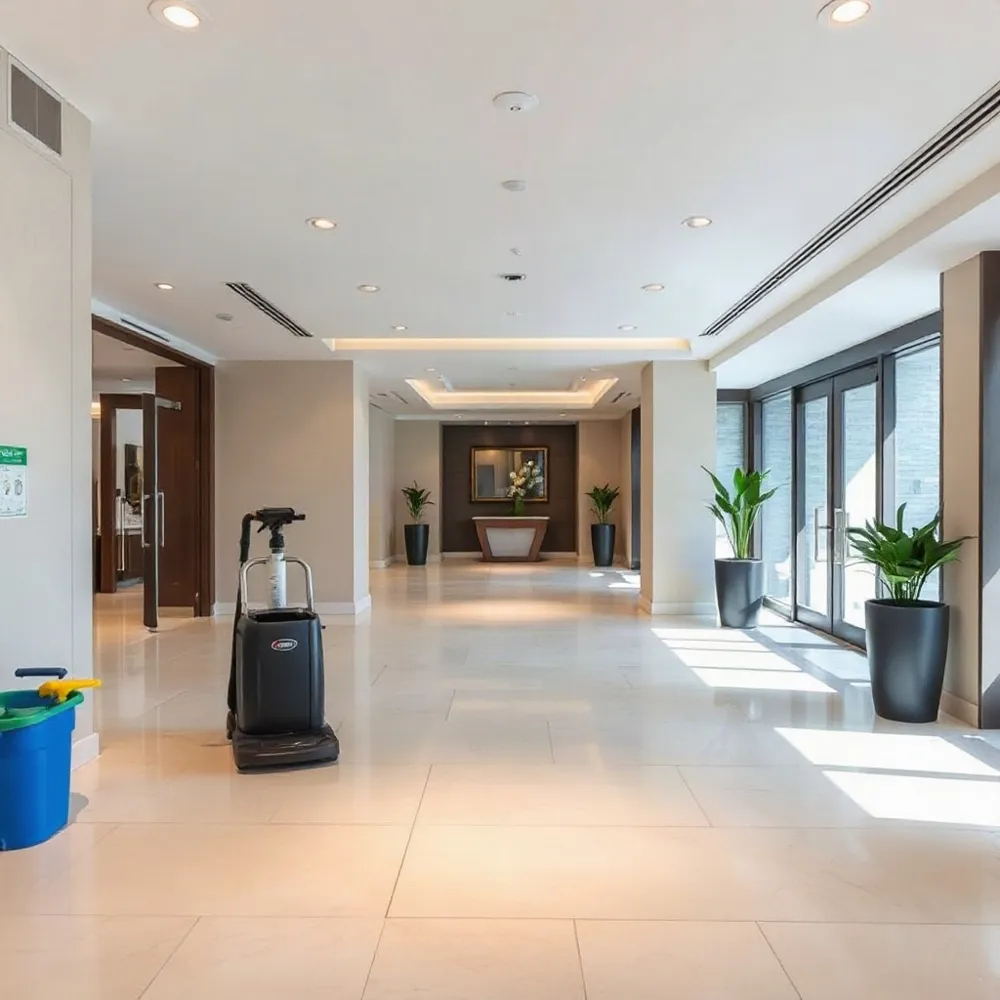
Shared spaces see a steady stream of residents, visitors, and staff, so dirt and grime can build up quickly. A clean lobby or hallway helps create a welcoming first impression for prospective renters and makes everyday building routines more comfortable.
Give entrances regular dusting and vacuuming, and sweep, vacuum, and spot-clean hallways and stairs as needed. Elevator buttons and handrails need regular attention because many people touch them throughout the day. In laundry rooms, remove lint and dust and clean detergent spills before they spread.
Restrooms, gyms, and other shared facilities also benefit from a schedule based on how residents use them. A practical plan can account for traffic patterns and recurring messes, rather than treating every area as if it needs the same attention. Property managers can also set a cleaning schedule for apartment common areas around the building’s actual priorities.
Professional cleaning can be worthwhile when foot traffic is heavy, recurring dirt or odors exceed what in-house staff can manage, or turnover deadlines leave little time for a thorough reset. Scheduled service gives a property team a practical way to maintain shared areas while focusing on other building needs. It does not guarantee an absence of germs or complaints, but it can support consistent upkeep.
A customized schedule helps align service frequency with the property’s busiest spaces and changing needs. As a Minneapolis-based company with more than 20 years of local experience, Bravo Cleaning provides tailored cleaning for apartment and condominium properties, including carpet care. Its eco-conscious practices can also be considered when setting product preferences and cleaning priorities.
Make Product Choices Part of the Plan
Cleaning products affect residents and workers, especially in shared spaces where people may encounter them without warning. Some people are sensitive to ingredients in products marketed as environmentally friendly, so avoid assuming that a “green” label guarantees comfort. A New York Times report on cleaning products in apartment buildings also underscores the value of communicating product choices to residents.
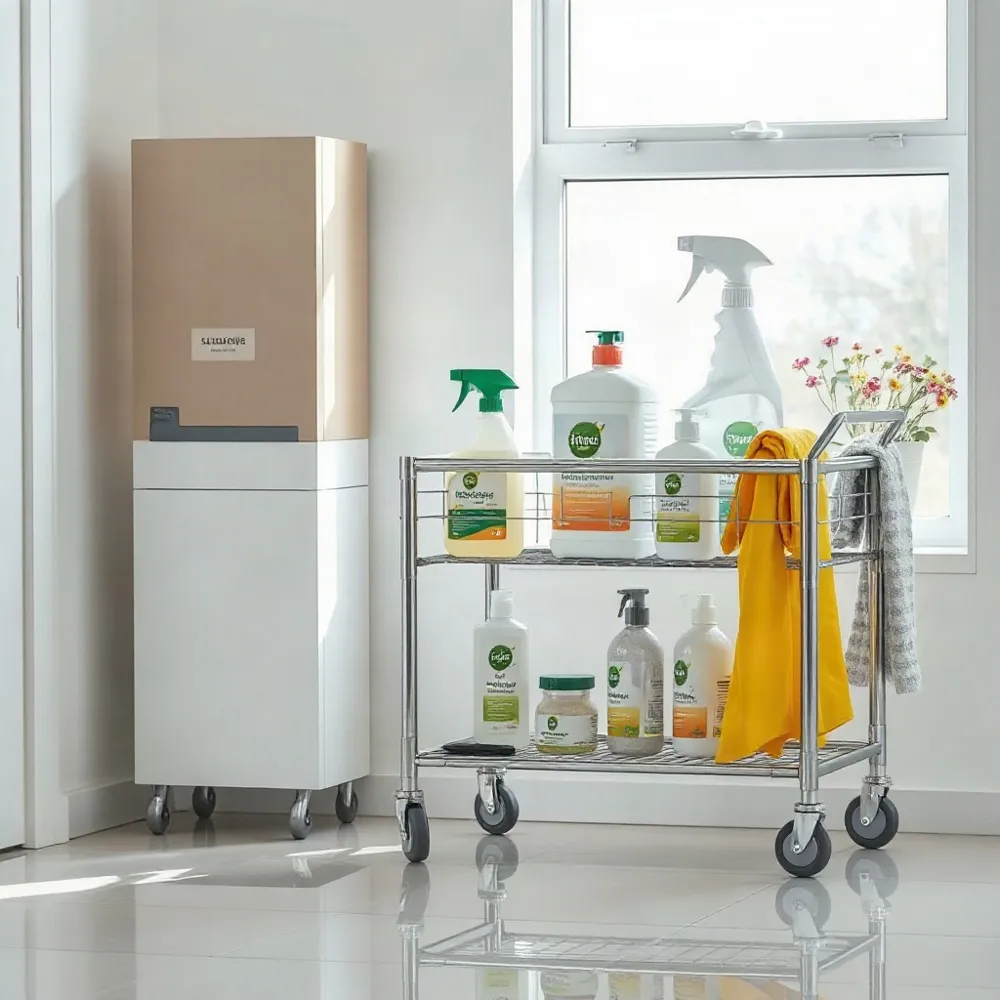
For a Minneapolis property, Bravo Cleaning can discuss product and method choices as part of a customized cleaning plan, drawing on its experience with residential buildings and carpet care. Options to review with a provider include low-VOC or biodegradable products suited to each surface, measured dilution, refillable containers, microfiber cloths, and well-maintained equipment. The right combination depends on the building’s surfaces, foot traffic, hygiene needs, and resident concerns.
Ask the cleaning provider to follow product labels for dilution, application, rinsing, and required precautions. Avoid unnecessary fragrances or disinfectants where they are not needed, but do not treat reduced chemical exposure as a reason to leave shared spaces dirty. Dust can also irritate residents, so the plan should address both product use and the removal of dust and soil.
Property managers can agree with the provider on which products will be used, when shared areas will be cleaned, how spaces will be ventilated, and how residents can raise concerns or request consideration of alternatives. Clear communication helps residents know what to expect while allowing the cleaning team to maintain hygiene. Ventilate during and after work when conditions allow, and schedule tasks to limit disruption.
Eco-conscious practices can also include sorting and disposing of waste appropriately, limiting disposable supplies, and avoiding excess water where practical. Bravo Cleaning’s locally based service and tailored approach give property managers room to discuss priorities for their particular buildings rather than assume one product or procedure fits every property.
Make Cleanliness a Reliable Routine
Fewer cleaning headaches start with clear expectations, a scope matched to the property, steady communication, and checks that catch missed details before a unit is occupied. Review turnover tasks and shared-area priorities with your cleaning provider, then confirm tenant responsibilities against the lease and applicable local rules.
Product choices deserve the same attention. Discuss resident sensitivities, cleaning schedules, and suitable products with the provider so the plan can address comfort as well as cleanliness. Bravo Cleaning serves Minneapolis apartment and condominium properties with customized cleaning, including turnover cleaning and carpet care.
A consistent, property-specific routine helps keep shared spaces welcoming for current residents and gives incoming tenants a clean, comfortable place to begin. Results depend on the building’s needs and conditions, but clear coordination makes those needs easier to address.
Recent articles