How Team Consistency Improves Apartment Turnovers


Why Consistency Matters at Turnover
Preparing an apartment between residents means fitting cleaning around inspections, repairs, painting, and the next move-in. When schedules are tight, unclear responsibilities or overlooked tasks can leave a unit not quite ready, even after the work appears complete.
A shared cleaning standard makes the process more predictable from one unit to the next. It should define what “ready” means, assign responsibility for each task, and include a final check. Team cleaning, where staff have defined tasks and routes, can help clarify ownership and make inspections more focused, as described in ISSA’s team cleaning guidance.
Consistency does not mean treating every apartment identically. A unit’s condition, finishes, and agreed scope may call for different work. Property managers and cleaning teams can confirm priorities before the turn, coordinate around repair and painting schedules, and document any issues that need follow-up.
For incoming residents, a clean, well-prepared apartment shapes the first impression of their new home. Bravo Cleaning brings more than 20 years of local experience to residential and commercial cleaning in Minneapolis, with customized turnover cleaning and carpet care. Clear communication and a final quality check help connect a repeatable process with the needs of each property and unit.
Define the Turnover Cleaning Scope

Apartment turnover cleaning prepares a vacant unit for its next resident, a showing, or a move-in inspection. The work should reflect the apartment’s condition, the property’s standards, and the service agreed with the cleaning team. For a broader overview of what turnover cleaning means, see how the scope can vary by unit.
A typical clean covers kitchen and bathroom surfaces and fixtures, appliance exteriors, floors, and reachable dusting. Teams can also wipe baseboards, doors, handles, and closets, and remove visible debris. Empty cabinets and drawers can be included when requested. At Bravo Cleaning, turnover services are tailored to apartment and condominium properties, so the agreed task list can reflect the unit rather than assume every home needs the same reset.
Some tasks are best treated as add-ons, not automatic parts of every visit. These may include carpet care, cleaning inside the oven or refrigerator, blinds, heavy pet hair, odor treatment, or a balcony. Confirming these details in advance helps property managers align the cleaning plan with the unit’s condition and move-in schedule.
The cleaning scope should also distinguish routine cleaning from other work. Damage repairs, junk removal, and specialized remediation generally require separate handling. Schedule cleaning after repairs, painting, and flooring work whenever possible, so dust and debris from those jobs do not create avoidable rework.
Before work begins, confirm access arrangements, priorities, timing, and whether the manager expects completion photos or minor touch-ups. Bravo Cleaning’s experience with local apartment and condominium properties supports a practical, property-specific conversation about those expectations, helping the cleaning crew and manager share the same definition of a ready unit.
Build a Checklist Teams Can Repeat

A room-by-room checklist gives cleaners and property managers the same definition of finished work. It reduces dependence on memory, makes expectations easier to teach, and gives supervisors a clear basis for inspection. For larger teams, assigning specific tasks and routes can make responsibilities easier to track.
Bravo Cleaning’s customized turnover and carpet-care services give property managers a professional option when a unit needs more than routine upkeep. Keep the checklist tailored to the apartment and the property’s standards, rather than assuming every unit requires identical work.
What should an apartment turnover cleaning checklist include?
In the kitchen, list the oven and range, refrigerator, microwave, and dishwasher, along with cabinet and drawer interiors, counters, backsplash, sink, and fixtures. In the bathroom, include the tub or shower, toilet, vanity, sink, mirror, drains, and exhaust fan. Naming details directly helps prevent work from being interpreted differently from unit to unit.
The unit-wide section should cover floors, baseboards, doors, switches, vents, light fixtures, window tracks, blinds, closets, and any balcony or patio included in the scope. Vacuum carpets, then arrange professional carpet cleaning when the condition calls for it, especially if stains or odors persist. Bravo Cleaning’s local experience with apartment and condominium buildings, alongside its carpet-care work, can help match the service to the unit’s condition.
Keep cleaning sign-off separate from notes about damage or maintenance concerns. The cleaning record confirms that assigned tasks are complete; a separate report can flag a leak, broken fixture, or other issue for follow-up. Leave time for inspection before move-in.
Treat the checklist as a working document. If inspections or resident feedback reveal a recurring miss, clarify the task, update the instructions, and explain the change to the team. A repeatable standard should support consistent work while allowing property-specific needs and appropriate cleaning methods to vary.
Coordinate Work to Limit Avoidable Delays

Prompt cleaning can move a vacant apartment toward showing-ready or move-in-ready condition, but it is only one part of the turnover. Repairs, painting, inspections, and leasing decisions also affect the schedule, so a clean unit does not guarantee fewer vacancy days.
Book the cleaning team as soon as the move-out date is known. Share expected access times, the target readiness date, and any known priorities, such as carpet care or a persistent odor. Bravo Cleaning provides customized turnover cleaning and carpet care, giving property managers a way to match the cleaning scope to the unit rather than treating every turn as identical.
How can cleaning help reduce the time a rental apartment is vacant between tenants?
Coordinate the cleaning appointment with the inspection and maintenance plan. Finish work that creates dust or debris, such as sanding or painting, before the final clean. At the same time, keep handoffs close together so a completed repair does not leave the unit waiting for the cleaner. A planned sequence helps teams avoid cleaning surfaces only to have them soiled again.
Use the same scope for kitchens, bathrooms, floors, carpets, and frequently touched areas, then adjust it for the unit’s condition. A defined task sequence can make responsibilities clearer when several cleaners share the work; ISSA’s guidance on team cleaning describes how assigned tasks and routes can support a more predictable workflow.
Leave time for a final quality check before showings or move-in. Confirm that the agreed cleaning tasks are complete, note any maintenance issues separately, and schedule follow-up where needed. This approach makes readiness easier to verify without assuming that cleaning alone controls the entire turnover timeline.
Keep Time-Sensitive Turns Organized
A tight turnover schedule is easier to manage when the cleaning team and property manager agree on the details before work starts. Confirm move-out and move-in times, access arrangements, the cleaning scope, priority areas, and any known damage, odors, or other condition issues. A written handoff helps prevent delays caused by missing information; this pre-start turnover plan covers the details teams should align on.
Once access is confirmed, use a repeatable route through the apartment. Work from top to bottom, complete dry tasks before wet ones, and leave floors until last to reduce rework. Start time-dependent tasks, such as carpet treatment, early enough to allow for the work and drying time within the schedule. Defined roles and routes can reduce wasted movement. Bravo Cleaning’s experienced team can adapt a consistent cleaning process to the condition of each apartment, with eco-friendly methods available to suit property needs.
Cleaning should fit around repairs, not compete with them. Coordinate the sequence with maintenance so dusty or disruptive work is completed before final cleaning where possible. If cleaners find damage, persistent odors, or another issue outside the agreed scope, they should report it promptly with a clear note or photo. Early communication gives the manager time to assign follow-up instead of discovering the problem during the final inspection.
Match staffing and supplies to the apartment’s size, condition, and workload. Assign ownership for specific tasks, keep needed materials ready, and leave room in the plan for unexpected work. Flexibility should help teams respond to a changing unit condition, not pressure them to skip essential details. Bravo Cleaning’s customized residential services support adjustments to turnover needs while adapting to each unit’s needs.
Before the team leaves, check the completed work against the agreed scope and send the manager a concise readiness update. Record any outstanding cleaning or maintenance items and identify who will handle them. This final handoff gives the property team a clear view of what is ready and what still needs attention.
Make Familiarity a Service Advantage
A recurring cleaning team can learn a building’s access procedures, preferred standards, and recurring priorities. That familiarity gives property managers and cleaners a shared reference point, which can reduce avoidable misunderstandings during apartment turnovers and routine upkeep.
For a Minneapolis property, Bravo Cleaning’s locally based staff provide relevant context for building-specific service. Familiarity can support smoother scheduling for vacant units and common areas, though results still depend on a clear scope, available staffing, and timely communication. For larger or repetitive cleaning operations, team cleaning offers another way to clarify task ownership and make checks more focused.
Staff who know a property may also recognize recurring concerns, such as carpet stains in a particular unit or heavy soil near a busy entrance. They can flag those patterns for the manager to assess, rather than treating every visit as an isolated job. Regular care suited to the flooring and other finishes can help maintain their condition, but it does not guarantee a particular lifespan or prevent every repair.
Set expectations together before service begins: confirm which areas are included, how access is arranged, when cleaning should happen, and what a quality check covers. Bravo Cleaning provides customized residential and commercial cleaning, including apartment and condominium services, so the baseline can reflect the property rather than a one-size-fits-all routine.
Review the plan when unit conditions, resident needs, or building priorities change. A stable team can preserve familiar procedures while adjusting the work for a particular turnover, such as adding attention to a stained carpet or a high-traffic area. Clear updates help the team distinguish a routine task from a new request and keep managers informed about issues that need follow-up.
Keep Shared Areas Ready for Everyone
Shared spaces need the same steady attention as vacant apartments. Kitchens, meeting rooms, restrooms, and entrances serve residents, employees, and visitors throughout the day, so everyday dirt can quickly affect how comfortable and professional a property feels.
A defined routine helps teams address high-touch surfaces and visible mess before they build up. Bravo Cleaning’s experience with residential and commercial properties informs its tailored approach to cleaning, with methods suited to the needs of each space. Clear task assignments and routes can support consistent service.
Why is it important to keep shared work areas clean and tidy?
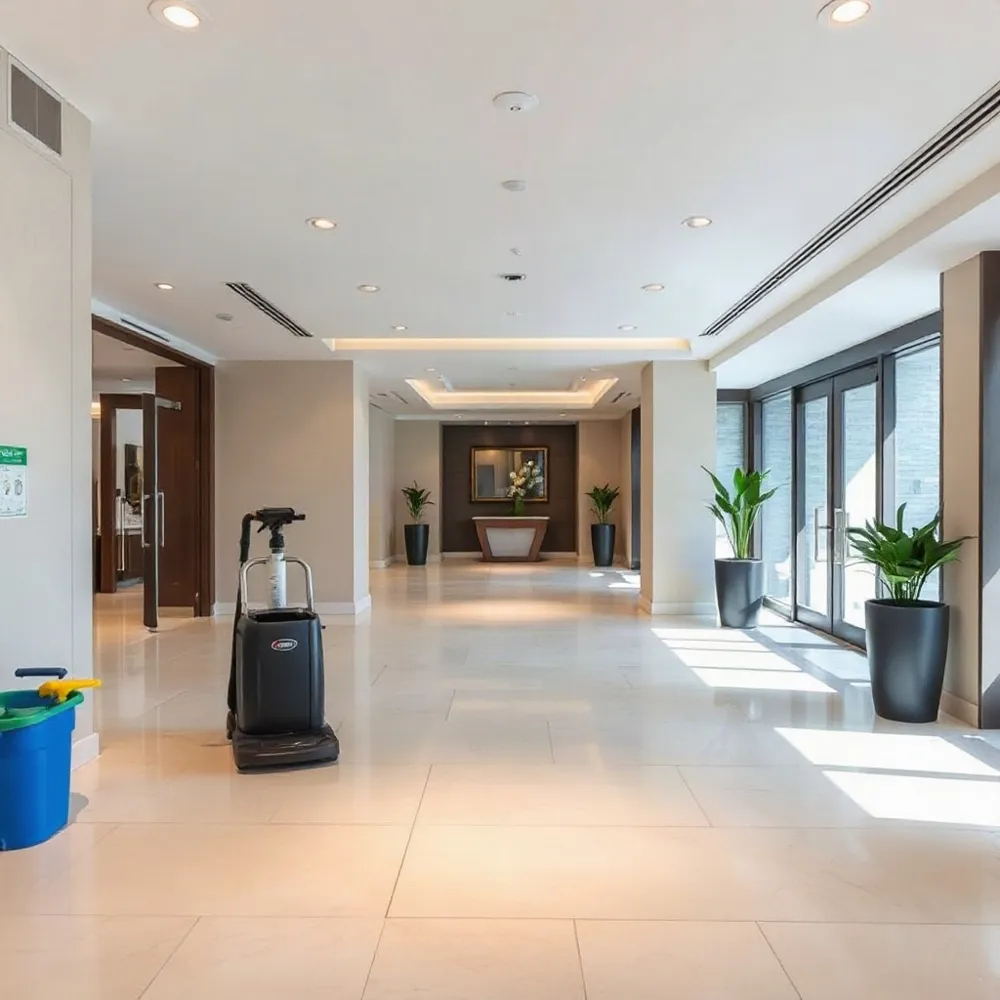
Clean, orderly rooms are easier for the next person to use and for cleaning staff to maintain. Clearing tables and counters of unnecessary items leaves surfaces accessible, while a planned reset can keep kitchens, meeting rooms, and restrooms ready for their next use. Entrances also benefit from regular care, since residents and visitors encounter them first.
Property managers can make the routine practical by assigning responsibility for each area and setting a frequency based on traffic, use, and service requirements. A quiet meeting room may need less frequent attention than a busy restroom or entrance. Bravo Cleaning’s locally based team provides flexible cleaning for residential and commercial properties, allowing service plans to reflect building needs rather than applying one schedule everywhere.
Use Checks and Feedback to Improve
A final check belongs in the turnover workflow, not as an afterthought once the cleaning team has left. A room-by-room task checklist gives the cleaner and property manager a shared standard, while a walkthrough confirms that the apartment is ready for its next step.
Agree in advance on what completion records to keep. Photos can show the condition of important areas, and brief written notes can document tasks completed, access issues, or damage. If an inspection finds a problem, that record can help distinguish a cleaning miss from a maintenance issue that needs a work order.
Review repeat issues and rework across turns. If the same detail is often missed, clarify the checklist or task instructions; if a step is unfamiliar, provide targeted training. Clear task ownership and focused inspections can help supervisors identify and correct errors.
For property managers who want consistent documentation alongside customized turnover and carpet care, Bravo Cleaning’s locally owned Minneapolis team provides customized turnover and carpet care. Records and feedback support a reliable process, but they are tools for verification, not proof of a particular provider’s measured results. For more on fitting checks into the workflow, see quality assurance inspections and digital tools.
Consistency With Room for Flexibility
Reliable apartment turnovers depend on shared standards, advance coordination, clear task ownership, and a final check. Asking staff to work faster cannot make up for unclear expectations or work scheduled in the wrong order.
Set a baseline for every unit, then tailor add-ons to its condition and requirements. Schedule cleaning after repairs and other work that could create dust or debris, and confirm timing, access, and priorities with the cleaning team. A locally owned company such as Bravo Cleaning can adapt cleaning services to residential and commercial properties, including apartments and condominiums.
For larger or repetitive jobs, assigning team members defined tasks can help clarify responsibility and make inspections more focused. A coordinated task sequence can support consistent work, while smaller teams may need a more flexible mix of shared duties.
Keep communication open when a unit needs extra attention, such as carpet care or a more thorough clean. Bravo Cleaning’s customized services and eco-friendly practices offer property managers room to match the work to each property without treating every turn as identical.
A dependable process helps teams prepare apartments and shared spaces with fewer missed details while respecting each property’s needs and schedule. Define the standard, plan the handoffs, and confirm the work is complete before the next resident arrives.
Recent articles