Flexible Cleaning Schedules for Changing Property Needs


Let Property Use Set the Pace
A useful cleaning schedule starts with how a property is used, not a fixed calendar applied to every home, apartment, or workplace. A quiet household and a busy shared building may need very different routines.
Household size, pets, visitors, and available time can shift priorities at home. In apartments and commercial spaces, occupancy and foot traffic help determine which shared areas need regular attention. Seasonal changes can also affect what deserves attention first.
Bravo Cleaning, a locally owned Minneapolis company with more than 20 years of experience, provides customized residential and commercial cleaning, including apartment turnovers and carpet care. Its tailored approach reflects the practical point: schedules should fit the property and its use.
Start with a manageable routine for recurring tasks, set aside separate time for deeper work, and review the plan when conditions change. For guidance on adjusting service to building needs, see flexible cleaning schedules for building managers.
Set a Practical Home Cleaning Rhythm

A manageable routine separates everyday upkeep from rotating detail work. The goal is not to clean every room at the same interval, but to keep frequently used areas under control without turning the weekend into one long cleaning session.
Daily attention can stay brief: wipe kitchen counters and the sink, wash dishes or load the dishwasher, put away a little clutter, and clean spills when they happen. A quick rinse of the shower or tub after use can also help limit buildup.
Once a week, dust and vacuum living areas and bedrooms, mop hard floors, clean bathroom fixtures and toilets, and change bed linens and towels. One or two short sessions are often easier to sustain than setting aside an entire day.
Monthly tasks can rotate rather than compete for a single day. Clean appliance interiors, wipe cabinet fronts and light switches, and vacuum upholstery or areas that are hard to reach. Baseboards and blinds can take a turn on the list when they need attention.
Kitchens may need more detailed cleaning every few months, while bathrooms can benefit from a deeper pass every two to three months. Include appliance interiors, grout, vents, and areas behind fixtures as appropriate. These intervals are starting points, not rules for every home.
Household size, pets, allergies, room use, and visible buildup all affect the pace. A busy kitchen may need more frequent care than a guest room, while prompt spot-cleaning can keep small messes from becoming larger jobs. For homes that need recurring help or occasional detailed attention, Bravo Cleaning offers customized residential service, with plans shaped around property needs.
A realistic schedule might mean a few minutes of daily resetting, one or two short weekly cleaning sessions, and periodic detail work spread across the month. For more ideas on keeping the routine workable, see practical home cleaning rhythm tips.
Build a Checklist That Fits Real Life
A useful checklist makes responsibilities clear without turning every day into a cleaning day. For a household, start with small daily resets, then spread larger jobs across the week and leave less frequent detail work for later.
What tasks should a home cleaning schedule include?
Daily upkeep can include making beds, tidying rooms, washing dishes, wiping kitchen counters, and taking out trash. Weekly tasks might cover kitchen and bathroom surfaces, the toilet, shower and sink, dusting furniture and fixtures, and vacuuming or mopping floors.
Add periodic jobs such as wiping cabinet fronts, baseboards, window sills, and blinds, cleaning inside the microwave, and vacuuming upholstery. Seasonal or annual work, including deeper appliance and window cleaning, can be planned around the home’s condition rather than added to every routine visit. The task list for a personalized cleaning schedule can help distinguish everyday upkeep from periodic detail work.
How can you create a cleaning schedule that fits your household?
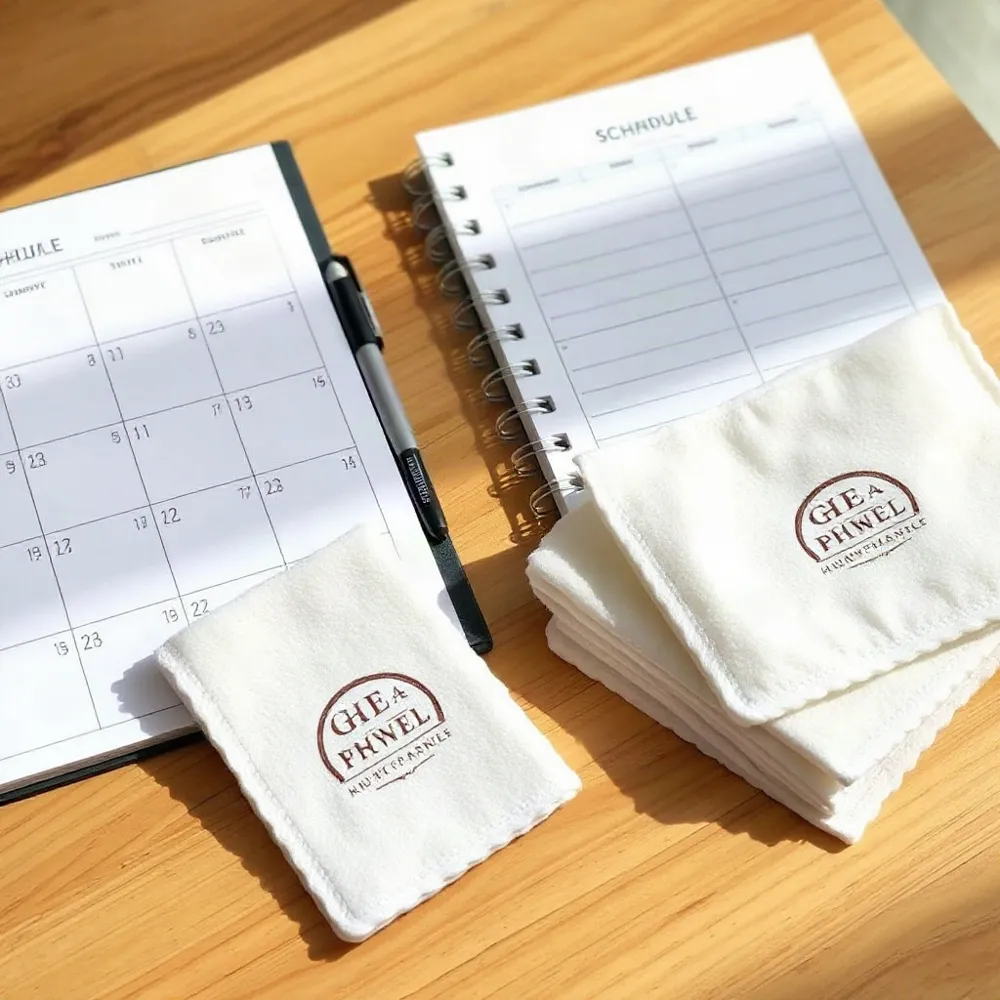
List the tasks your home needs and how often each should be done. Consider household size, pets, routines, available time, and high-traffic areas, then assign responsibilities among household members where appropriate. A simple checklist or calendar can keep the plan visible and clarify who handles each task.
Keep daily resets brief and assign one or two larger jobs, such as dusting, bathroom cleaning, or floor care, to specific days. Try the plan for a few weeks, then adjust the timing or workload if tasks are repeatedly missed or routines change. Consistency matters more than perfection, so treat the checklist as a flexible guide, not a rigid obligation.
When deep cleaning or carpet care is difficult to fit into the household routine, occasional professional help can take those larger jobs off the list. Bravo Cleaning provides tailored residential cleaning and carpet care, with service planned around the property’s needs.
Schedule Deep Cleaning Separately
Routine cleaning keeps surfaces and frequently used rooms in good condition through regular tasks such as vacuuming, mopping, and wiping counters. Deep cleaning addresses accumulated grime and less accessible areas that ordinary visits may not cover. Keeping these scopes separate helps households and property managers set realistic expectations for each service.
How often a home or apartment needs deep cleaning depends on its condition and use. Pets, young children, allergies, heavy foot traffic, humidity, and changing occupancy can all increase the need for detailed attention. A quieter home may need it less often. Review the timing when dust, buildup, or lingering odors appear between routine visits, rather than relying on a fixed interval.
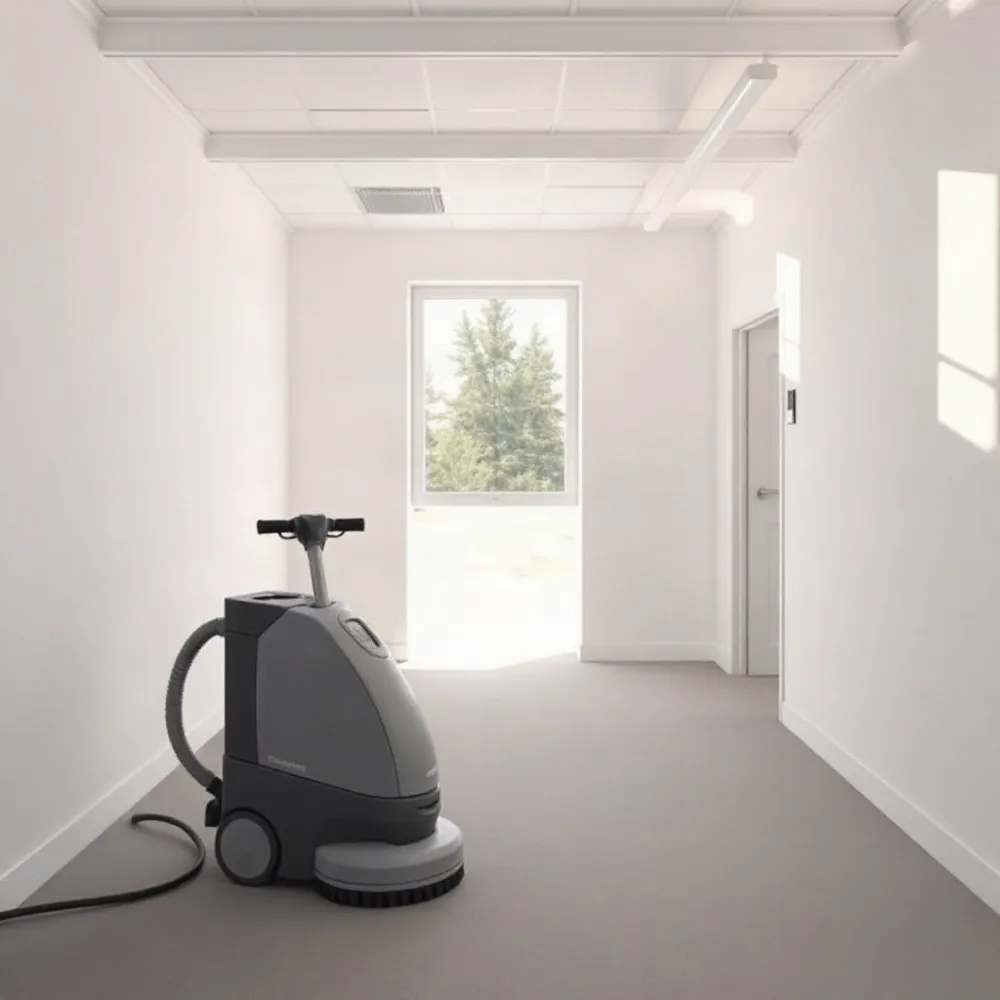
Kitchens and bathrooms often deserve priority because grease, grime, and moisture collect there. Carpets, upholstery, vents, and other heavily used areas should be included when their condition calls for it. Bravo Cleaning’s tailored property services include carpet care, which can address needs beyond routine vacuuming and spot-cleaning.
For larger homes or apartment buildings, rotating detailed work by room or area can spread the effort across the year. Periodic carpet extraction is a separate maintenance task from everyday floor care. To clarify what belongs in each service, see how professional apartment cleaning distinguishes routine work from specialized services.
Plan Apartment Turnovers With a Buffer

A turnover clean is a detailed reset between occupants, not a substitute for the recurring cleaning used while a unit is occupied. At Bravo Cleaning, apartment turnover cleaning is part of the company’s local service focus, alongside carpet care. Build the sequence around move-out, a walk-through, maintenance or repairs, final cleaning, and inspection. Cleaning after repairs helps prevent dust or debris from undoing the reset.
What should an apartment turnover cleaning schedule cover?
Use a room-by-room checklist so each handoff follows a clear standard. In the kitchen, include appliance interiors and exteriors, cabinets, counters, and sinks. In bathrooms, clean and sanitize fixtures and surfaces. Check floors and carpets, baseboards, windows, and high-touch surfaces such as handles and switches. A room-by-room apartment turnover cleaning checklist can help property teams define the reset without confusing it with routine service.
Document damage and maintenance concerns during the walk-through, then complete a consistent cleanliness inspection after cleaning. Dated photos can help record the unit’s condition and flag issues that need follow-up. Allow time for carpet care or deeper cleaning when the unit’s condition calls for it.
Set the schedule according to unit size, condition, occupancy, and the move-in deadline. Confirm access, supplies, and staff in advance, and leave a buffer for late departures or repair delays. Bravo Cleaning brings experienced staff and eco-friendly practices to tailored cleaning work. A clean, well-prepared unit gives incoming residents a more positive first impression, without guaranteeing a leasing result.
Make Move-In Checks Clear and Documented
A move-in review should record both what needs cleaning and the unit’s existing condition. A room-by-room checklist gives incoming residents and property managers a shared record, helping distinguish cleaning work from damage or maintenance concerns.
What should be included in an apartment move-in or inspection cleaning checklist?
In every room, inspect walls, ceilings, floors and carpets, doors, windows, lights, outlets, vents, and fixtures. Note dust, stains, odors, moisture, leaks, mildew, grease, or signs of pests. Where permitted, test appliances, plumbing, locks, and lighting, and document anything that does not work.
In the kitchen, check the refrigerator, oven, stovetop, dishwasher, microwave, cabinets, counters, sink, and range hood. In bathrooms, review the toilet, tub or shower, faucets, drains, mirrors, and storage. Record existing damage and cleaning or repair needs in writing, add dated photos, and promptly share unresolved issues with management. Follow the landlord’s forms and applicable local requirements.
For property managers, the checklist can guide a cleaning plan suited to the unit’s condition and handoff timing. A carpet that needs more than routine vacuuming, for example, may require separate carpet care. Bravo Cleaning provides customized cleaning for apartments and condominiums, including turnover cleaning and carpet care, so managers can match the work to the unit rather than assume every handoff needs the same scope. For more on documenting room-by-room cleanliness and condition, see this apartment turn cleaning checklist.
Adapt Commercial Service to Occupancy

For offices and shared properties, plan service around when and where people use the building, not just its square footage. Map occupancy by day, area, and time, then compare that pattern with room bookings, inspections, and manager feedback. Bravo Cleaning’s customized commercial cleaning approach reflects the different needs of local properties rather than assuming every site follows the same routine.
Keep a steady baseline for essential work, including restroom care, waste removal, and floor maintenance. Then add attention where activity is concentrated, such as entrances, kitchens, conference rooms, and shared desks. A busy lobby may need more frequent attention than a rarely used meeting room, while carpet care can be planned separately from routine floor upkeep.
Lower attendance does not automatically mean that cleaning can be reduced across the board. Restrooms, entrances, waste, and floors may still need regular service, even on quieter days. Less disruptive tasks, such as detailed dusting or periodic carpet work, may fit better when fewer people are in the building.
Put the plan in writing: define tasks by area, set frequencies, and identify which duties belong to the cleaning team or building staff. Inspections, recurring complaints, employee feedback, and occupancy changes can show where the schedule needs adjustment. Bravo Cleaning’s experienced staff and more than 20 years of local experience support tailored service for commercial properties, alongside its apartment turnover and carpet-care work.
A property-specific plan gives managers clearer expectations while balancing cleanliness with operating hours and changing use. When reviewing options, ask how the provider accommodates schedule changes and what eco-friendly practices it follows. Bravo Cleaning’s locally rooted service and focus on customized solutions can help managers set a practical scope without treating every building or visit alike.
For more on matching service to building needs, see how to tailor cleaning services to specific building requirements.
Keep the Schedule Useful
A cleaning plan should change when household routines, occupancy, property condition, or seasonal needs shift. Review what is getting missed, note areas that need more attention, and adjust the timing or task list instead of treating the calendar as fixed.
For homes, apartments, and commercial properties, clear priorities help make service practical. Bravo Cleaning builds customized cleaning services around property needs, including apartment turnover cleaning and carpet care, with eco-friendly practices and experienced local staff.
The practical aim is steady upkeep, deep cleaning planned for the right moments, and professional support tailored to the people using the space. That combination can help keep a property ready as its needs change.
Recent articles