What Property Managers Should Know About Carpet Drying Times

Why Drying Time Matters
For property managers, carpet cleaning is also a scheduling decision. A damp hallway can affect residents and staff, while a freshly cleaned unit may not be ready for furniture or a new occupant. Planning for drying helps avoid rushed access and unnecessary disruption.
Drying estimates are ranges, not promises. The cleaning method and amount of moisture removed matter, as do carpet pile and backing, padding, humidity, temperature, and airflow. The CRI 204 commercial carpet standard supports selecting maintenance methods suited to the carpet and its use. Bravo Cleaning, a Minneapolis company with experience in commercial and apartment carpet care, tailors cleaning to the property and turnover needs.
This guide explains how to choose an approach, improve drying conditions, manage access, and respond when carpet is soaked. For practical drying measures, air movers and ventilation can help move moisture out of a room, provided it is not trapped indoors.
Typical Drying Times

After professional hot-water extraction, carpet commonly takes about 6 to 12 hours to dry, and may need up to 24 hours in less favorable conditions. Low-moisture methods often dry in about 2 to 4 hours. These ranges are planning estimates, not guaranteed return-to-use times. For broader commercial carpet care guidance, see the CRI 204 Commercial Carpet Standard.
Actual drying time depends on the carpet’s fiber and pile, how much moisture the cleaning process leaves behind, and the room’s humidity and airflow. A cleaner can give property managers a more tailored estimate after assessing the carpet and service. Bravo Cleaning’s customized carpet care for residential and commercial properties can be coordinated with building access and turnover needs.
A carpet that feels dry at the surface may still hold moisture deeper in the fibers, backing, or padding. Keep air moving with fans or the HVAC system, and maintain ventilation while the carpet dries. Bravo Cleaning’s locally based team can account for the property’s use and cleaning requirements when planning carpet care.
What Slows Drying

Drying can take longer when too much water remains in the carpet after cleaning. Over-wetting or weak extraction leaves more moisture for the fibers, backing, and padding to release. The CRI 204 Commercial Carpet Standard emphasizes appropriate maintenance practices, while effective professional extraction can remove more water than lower-powered equipment. Bravo Cleaning’s customized carpet care considers a property’s needs and conditions rather than treating every space alike.
Carpet construction matters, too. Thick, dense pile and absorbent padding can hold moisture below the surface, and wool generally retains more moisture than synthetic fibers. High humidity, cool indoor conditions, and limited airflow slow evaporation. A closed room can stay damp longer when moist air has no route out; air movers help circulate air across carpet during drying, as described in CleanLink’s commercial drying guidance.
Heavily soiled areas may need more cleaning effort, and repeated treatment of one spot adds moisture. Cleaning-product residue can also be a concern if it leaves fibers damp. If the surface seems dry but the carpet feels cool or damp underneath, do not rely on touch alone. Allow more time and improve air circulation. Bravo Cleaning’s flexible service planning can account for building use and carpet condition when scheduling work.
Speeding Up the Process

The fastest way to dry carpet is to remove as much moisture as possible, then move air across the fibers and reduce room humidity. If the carpet is very wet, use a wet-dry vacuum or professional extraction equipment in slow, overlapping passes. Do not use a regular vacuum on wet carpet. For routine cleaning and turnover work, Bravo Cleaning’s carpet-care services can be tailored to the property and its schedule.
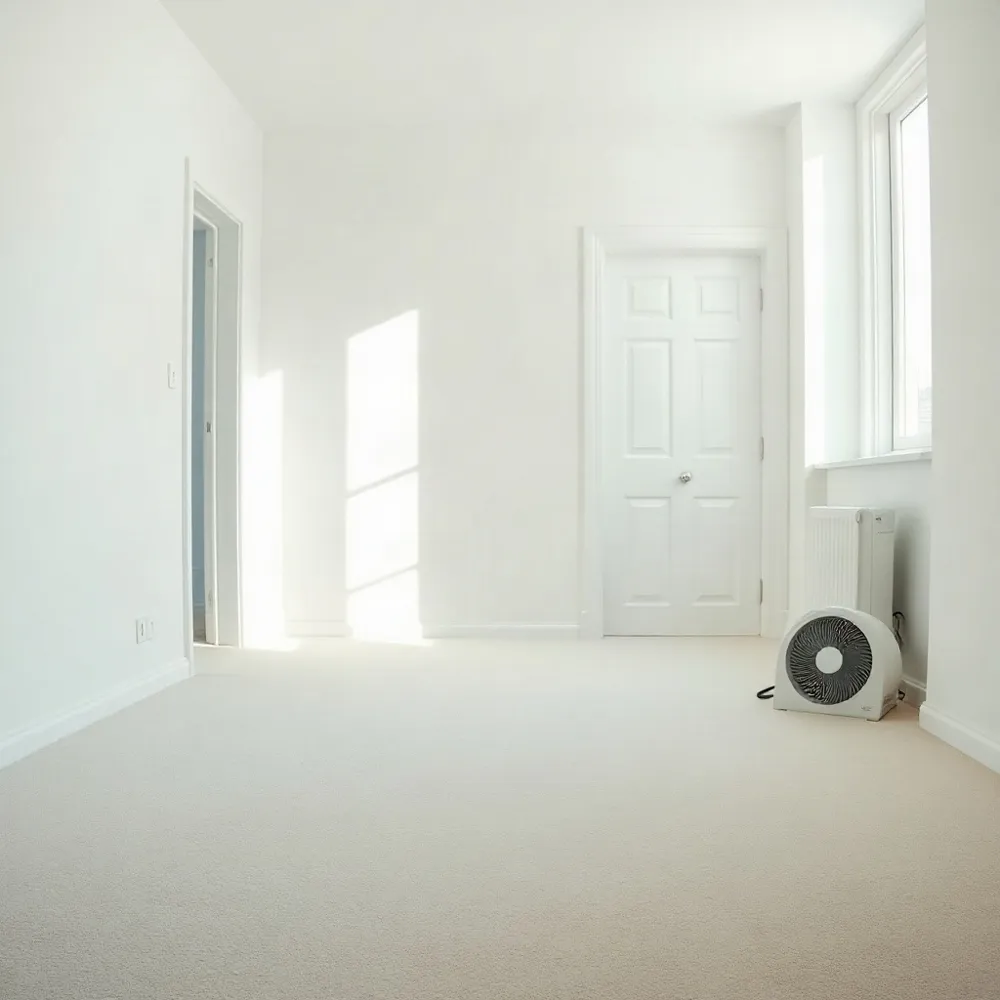
Set fans or air movers to circulate air across the carpet, and run a dehumidifier to draw moisture from the room. Air movers can help dry carpet, but the room also needs a way for damp air to escape or be removed. Keep windows open only when outdoor air is dry; close them when it is humid or rainy.
In commercial buildings where windows cannot be opened, ask the person responsible for the HVAC system whether it brings in outdoor air or recirculates indoor air. Bravo Cleaning’s experience with apartment, condominium, and commercial properties supports coordinating cleaning around building access and operating needs.
Check beyond the surface before returning a room to use. Carpet can feel dry on top while moisture remains in the backing, padding, or floor beneath. Press the carpet near the edges and in the middle, and inspect underneath where practical. If it is soaked, has a musty odor, or stays damp for an extended period, contact a professional to assess the carpet and underlying materials.
For a practical moisture-removal approach in occupied properties, see these professional carpet-cleaning tips.
Managing Access and Foot Traffic
When is it safe to walk on carpet after cleaning? Wait until it is completely dry before allowing normal foot traffic, when schedules permit. Drying time varies with the cleaning method, carpet construction, airflow, and humidity, so follow the cleaner’s instructions rather than relying on one fixed timetable. The CRI 204 commercial carpet maintenance standard offers guidance for planning carpet care in commercial settings.
Walking on damp carpet can track soil back onto freshly cleaned fibers, flatten the pile, and leave footprints. Moisture can also make transitions between carpet and hard flooring slippery. If someone must cross, keep the route and traffic brief, and use clean socks or shoe covers instead of bare feet or dirty shoes.
For apartment and commercial properties, communicate temporary restrictions to residents, staff, and contractors with clear signs and access instructions. A written building plan helps teams coordinate cleaning around occupancy and access rules, as described in what your cleaning team needs to know about your building.
Keep air moving while the carpet dries, using fans or suitable ventilation when outdoor conditions allow. As a Minneapolis-based company with more than 20 years of local experience, Bravo Cleaning provides tailored carpet care for residential and commercial properties, including apartment and condominium buildings. Its flexible approach can help property teams plan cleaning around building use while protecting freshly cleaned areas.
Responding to Soaked Carpet
Carpet that feels damp after routine cleaning is different from carpet saturated by a leak or flood. For a water incident, stop the source if you can do so safely, keep people away from wet electrical equipment, and treat the situation as water damage rather than ordinary post-cleaning drying.
For clean-water incidents, remove standing water with a suitable wet vacuum or professional extraction equipment. Lift the carpet carefully to check the padding and subfloor, since a dry-looking surface does not confirm that the layers beneath are dry. Bravo Cleaning’s experience with apartment and condominium carpet care can help property managers coordinate routine cleaning with building access, but saturated materials may require a restoration specialist.
Soaked padding often needs replacement. Whether it can be dried in place depends on how much water entered, how long the materials have been wet, and the condition of the carpet and floor. Have a qualified professional assess the layers and check moisture before reinstalling carpet or fitting new padding.
Use fans or air movers to circulate air beneath lifted carpet, and run a dehumidifier to remove moisture from the room. Keep windows closed when outdoor air is humid. A restoration professional can set a drying plan and verify progress.
Aim to dry the carpet, padding, and subfloor within 24 to 48 hours, but do not treat that window as a guarantee of safety. Contaminated water, visible mold, widespread damage, or a persistent musty odor calls for a water-damage professional. Ordinary carpet-cleaning estimates do not replace restoration advice after a leak or flood.
Winter Drying Plans
Winter does not mean windows must be open during carpet drying. Cold outdoor air can make rooms uncomfortable and raise heating needs, so base ventilation choices on actual outdoor conditions. When windows stay closed, use indoor air movement and moisture control instead.
Keep the room comfortably warm and run fans or high-volume air movers to move air across the carpet. In commercial spaces, consult the person responsible for HVAC settings if you are unsure whether the system brings in outdoor air or recirculates indoor air. A dehumidifier can also help remove moisture from the room.
After professional cleaning, carpet should feel damp, not saturated. Keep people and furniture off it until it is dry, and follow the cleaning provider’s care instructions. Air movers can help limit disruption, but they do not replace time for the carpet and underlying layers to dry.
For apartment turnovers and business areas, schedule cleaning when rooms can remain unused during drying. Bravo Cleaning’s customized carpet care and turnover cleaning can be coordinated around building access and occupancy needs. Drying varies with carpet, indoor temperature, humidity, and method, so leave room in the schedule rather than promising a fixed return time.
Turnover Cleaning Choices
Professional carpet cleaning between tenants helps remove embedded soil and lingering odors, even when the carpet looks clean. An empty unit also gives managers a clearer view of stains, wear, or damage, making it easier to document the carpet’s condition before the next resident moves in.
Cleaning needs vary with occupancy, pets, smoking, and visible soiling. Managers should follow lease terms and applicable local rules when assigning cleaning costs or making security-deposit deductions. A written condition record helps keep those decisions grounded in what was observed.
Which carpet cleaning method fits a turnover?
Low-moisture cleaning uses a small amount of liquid with a cleaning compound or solution to loosen soil, which is then removed by vacuuming or extraction. Because it leaves less moisture behind, it can help return a space to use sooner. Hot-water extraction rinses carpet with heated water and cleaning solution, then uses suction to remove the water and suspended dirt. It may be a better fit for heavily soiled carpet or when a deeper rinse is needed, but generally requires more drying time.
The choice depends on carpet fiber, soil level, and the time available before the unit is occupied. The CRI 204 Commercial Carpet Standard provides maintenance guidance for commercial carpet, supporting a planned approach rather than applying one method to every space.
For property managers, reliable scheduling means coordinating carpet care with repairs, inspections, and the rest of the turnover. Bravo Cleaning’s customized cleaning services and focus on apartment turnover and carpet care support plans shaped around each property’s needs, while protecting carpet condition and avoiding unnecessary delays. Professional carpet cleaning can be scheduled as part of turnover cleaning.
Build Drying Into the Schedule
Use estimated drying times to set a schedule, not as an automatic signal to reopen a room. Check carpet across the surface and near edges, and follow the cleaning provider’s guidance before restoring access or moving furniture.
Effective extraction, steady air movement, and humidity control can help carpet dry with less disruption. Choose a cleaning method that suits the carpet and the building’s schedule. Bravo Cleaning’s customized carpet care can be coordinated with property needs and turnover timing.
Carpet saturated by a leak or other water intrusion is different from carpet left damp after routine cleaning. Treat it as a water-damage issue, especially if padding or flooring below is wet, and seek restoration help when the situation exceeds routine cleaning. The CRI 204 Commercial Carpet Standard provides maintenance guidance for commercial carpet.
Recent articles