Which Areas Do Janitorial Teams Often Overlook?

Why Small Details Matter
A lobby can look tidy while dust gathers along its baseboards or fingerprints remain on elevator buttons. The difference between a clean-looking room and a consistently maintained building often comes down to the small tasks that a broad instruction such as “wipe surfaces” leaves undefined.
Vague expectations, busy schedules, and areas outside the main traffic path can all create gaps. The CDC recommends regular cleaning of high-touch surfaces, including door handles, stair rails, and elevator buttons. A practical checklist makes these touchpoints visible alongside less-accessible spots.
For property managers and business clients, start with an agreed scope tailored to the building’s layout, use, and priorities. Minneapolis-based Bravo Cleaning provides customized commercial cleaning, with experienced staff and flexible service that can account for the needs of different properties. A clear routine helps teams prioritize visible areas, shared surfaces, and details that are easy to miss.
Start With a Clear Cleaning Scope

A written scope turns broad expectations into a practical plan. Commercial cleaning typically covers waste and recycling removal, restroom cleaning and restocking, floor care, dusting accessible surfaces, and wiping high-touch points.
Depending on the agreement, work may also include breakrooms, lobbies, hallways, reception areas, and spot-cleaning glass or doors. The CDC’s facility cleaning guidance advises regular cleaning of frequently touched surfaces, with attention to how heavily an area is used.
Frequency and priorities should reflect the building’s traffic, operating hours, floor types, access limits, and specific needs. Bravo Cleaning’s locally owned team builds customized services for commercial properties, including apartment and condominium buildings, rather than assuming every site needs the same routine.
Separate routine janitorial tasks from work that needs its own timing, equipment, or access plan. Carpet extraction, floor refinishing, window washing, and high dusting are often scheduled separately, so managers should confirm whether these services are included or handled by another provider.
A site walkthrough gives property managers and cleaners a chance to agree on tasks, timing, access requirements, responsibilities, and quality checks. A tailored checklist can then make expectations clear and help the team adjust service as building use or priorities change.
Call Out Shared Touchpoints

A checklist that says “wipe surfaces” can still leave small, frequently handled items off the task list. Name specific touchpoints so staff and cleaning teams know what to include, rather than assuming they are covered by general surface cleaning.
Include door handles and push plates, light switches, elevator buttons, stair handrails, and controls in reception and meeting rooms. Shared desks, phones, keyboards, mice, and printer controls also deserve attention. In kitchens and restrooms, add appliance handles, faucets, counters, flush controls, and dispenser surfaces. The CDC’s facility cleaning guidance identifies many of these as high-touch surfaces.
Match the schedule to how often people use each area. A busy entrance or shared meeting room may need more frequent attention than a rarely used space. For electronics, follow the manufacturer’s cleaning instructions and use methods suited to the device.
When disinfecting, clean first, then follow the product label, including its stated contact time. The surface should remain visibly wet for that period. Bravo Cleaning’s customized service plans can account for a building’s layout, shared areas, and cleaning needs, helping property managers make these smaller tasks explicit.
For a practical way to spell out small, frequently handled items alongside broader tasks, see this cleaning checklist for property owners.
Look Beyond the Middle of the Room
Routine floor care can leave dust along baseboards, floor edges, corners, and behind doors. Debris also collects beneath furniture and around or behind appliances, so a room may look clean at first glance while these less-visible areas remain untouched.
Chair arms, backs, and upholstery need attention too. Soft materials require care suited to the fabric, rather than the same wiping method used on hard surfaces. A room-by-room plan can distinguish routine vacuuming from periodic upholstery work, and Bravo Cleaning’s tailored cleaning services take the property’s layout and service needs into account.
Break rooms call for more than clean counters. Include appliance handles, cabinet fronts, sinks, and the floor around waste bins. Cleaning inside a refrigerator or microwave may require separate instructions, especially when staff need to remove food or personal items first.
Accessible vents, light fixtures, ledges, and window tracks can be scheduled as periodic detail tasks. Cleaning the exterior of a vent cover is not the same as servicing mechanical ventilation, which should follow maintenance requirements. For safe, surface-appropriate cleaning, the CDC advises following manufacturer instructions for electronics and choosing suitable care methods for soft surfaces.
Set priorities according to the building’s layout, current problem areas, and agreed service scope. Bravo Cleaning’s experience with commercial properties and turnover cleaning supports a flexible approach, with routine tasks and periodic detail work defined around how each space is used. For a room-by-room reference to hidden areas, see these deep-cleaning tasks.
Make Difficult Areas Part of the Routine
A room-by-room checklist helps turn easily missed details into assigned work. Organize it by area, task, frequency, and responsible person, then include a simple way to record completion. For property managers, a checklist tailored to the building’s layout and use is more useful than a generic list.
Set a top-to-bottom sequence: dust ceiling corners, cabinet tops, and accessible light fixtures before cleaning counters, furniture, and floors. This lets falling dust and debris be captured during the next steps. The CDC’s facility cleaning guidance also advises choosing methods suited to the surface, including for soft furnishings and electronics.
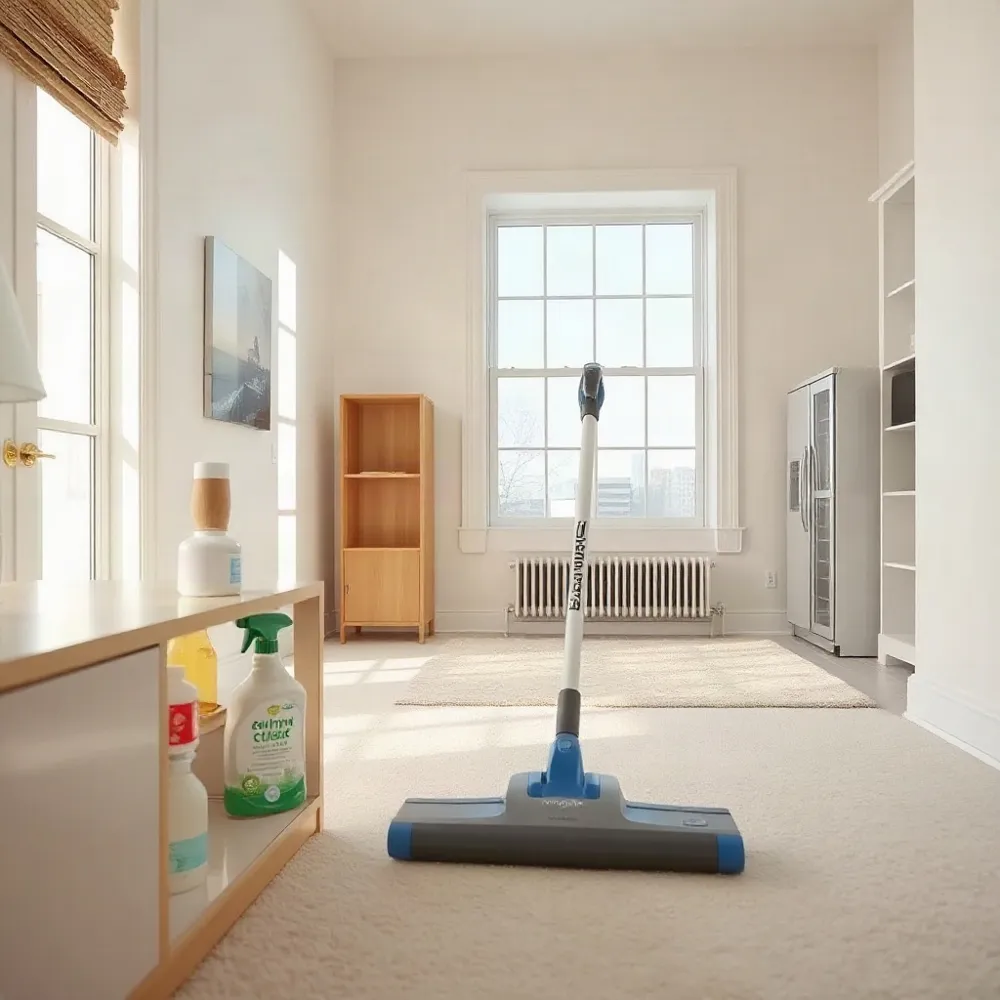
Match tools to the spot. Microfiber cloths work for many accessible surfaces, while extension dusters and vacuum attachments can reach high ledges and corners. Narrow brushes can help with tight crevices, such as around fixtures. Select products appropriate to each material, and follow manufacturer instructions for electronics and other sensitive surfaces.
Include behind toilets, cabinet tops, and beneath or behind furniture in the schedule, but clarify access first. Move furniture or appliances only when permission and safe handling are clear. For high work, use stable equipment, keep walkways and exits open, and do not overreach. Leave hazardous or inaccessible areas to trained professionals.
Bravo Cleaning’s customized service approach reflects the same need to account for a property’s layout and specific cleaning priorities, rather than treating every building alike. A final walkthrough can confirm that scheduled areas were addressed and give staff a chance to report leaks, damaged fixtures, or other maintenance concerns.
Review and Adjust the Checklist

A checklist works best when it describes each area, the expected result, how often the task is done, and who owns it. Separate routine work from weekly details and periodic services, and note access limits or special handling instructions.
Routine entries might cover waste and recycling, restroom cleaning and restocking, shared surfaces, and floor care. Schedule less frequent work too, such as dusting baseboards and accessible vents, cleaning interior glass and floor edges, and arranging carpet care. The CDC’s facility cleaning guidance advises matching care to the surface and following manufacturer instructions for electronics.
Record whether the cleaning provider, facility staff, or a specialty vendor handles each task, then verify completion through regular walkthroughs. At Bravo Cleaning, customized service plans reflect a building’s layout and priorities, while its local team brings more than 20 years of experience to commercial and residential cleaning.
Review the plan when occupancy, traffic, operating hours, layout, or seasonal conditions change. If the same areas are missed repeatedly, the issue may be an unclear instruction or a schedule that no longer fits. Property managers and providers can revise the task details, frequency, or ownership together. A working cleaning checklist can make those updates clear and easier to check.
Make the Standard Visible
Overlooked areas are easier to manage when they are named, scheduled, and checked instead of left to assumption. A walkthrough with the cleaning team can help property managers identify trouble spots and agree on a realistic routine for the building’s layout and use.
For high-touch surfaces, the CDC recommends regular cleaning, with more frequent attention where traffic warrants it. Bravo Cleaning’s locally owned team brings more than 20 years of Minneapolis experience to tailored commercial cleaning plans, with methods suited to the facility and its surfaces.
A well-maintained facility depends on a clear scope, appropriate cleaning methods, and periodic review. When responsibilities and expectations are visible, teams can spot recurring gaps and adjust the routine before small misses become persistent buildup.
Recent articles