How Often Should Commercial Carpets Be Cleaned?

Why Carpet Cleaning Needs a Plan
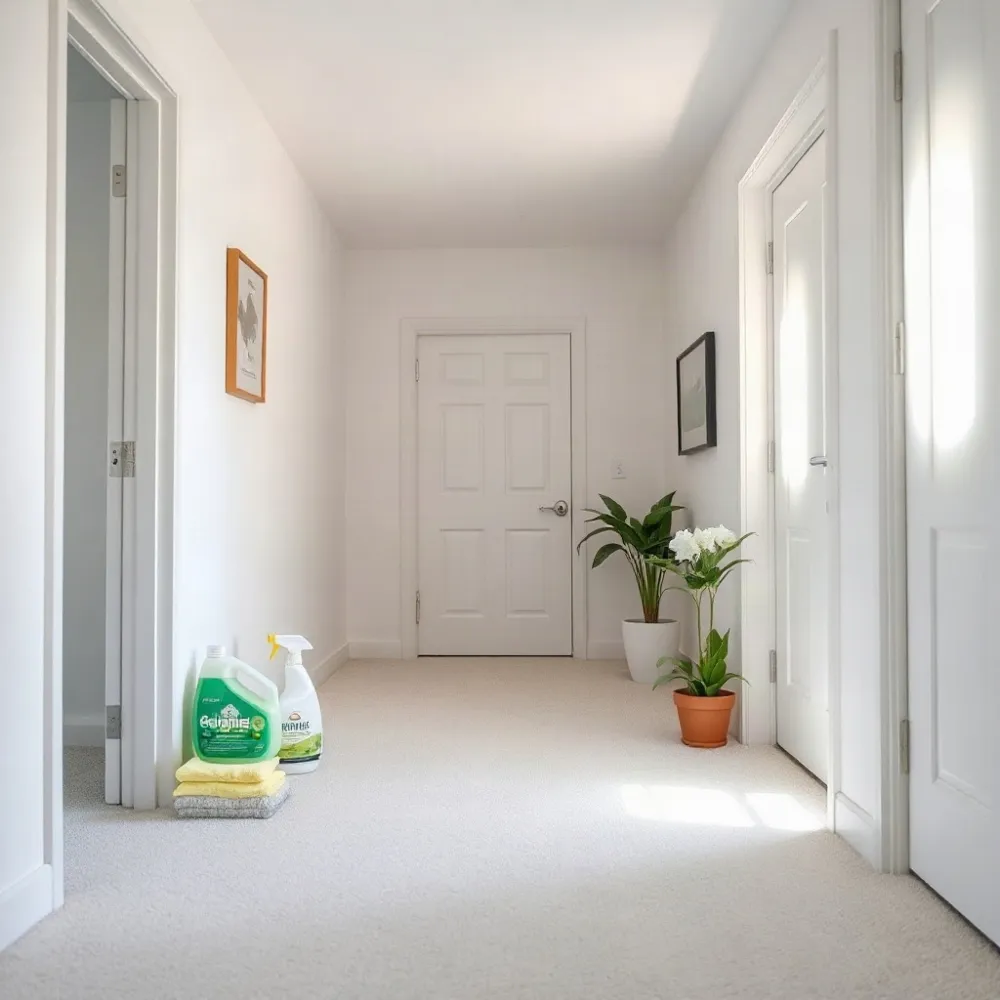
For property managers, carpet care is not a single building-wide task. Entrances collect grit and moisture, corridors take steady foot traffic, and shared spaces see changing patterns of use. A lightly used office may stay presentable much longer, while busy areas can show soil and wear sooner.
Daily vacuuming and prompt spot treatment help remove surface soil and fresh spills. Periodic professional cleaning addresses buildup that routine care may not reach. A calendar interval is a useful starting point, not a universal rule: the right schedule depends on traffic, soil, carpet condition, building use, and the manufacturer’s care guidance.
A practical plan can give busy zones extra attention while fitting service around a property’s needs, rather than treating every room alike. The sections ahead explain how to assess those conditions and maintain carpet between deeper cleanings.
Set the Schedule by Traffic and Conditions

Commercial carpet cleaning works best when the schedule reflects how each area is used, rather than assigning the same interval to the whole building. Foot traffic, tracked-in soil, business type, carpet condition, and the results of routine vacuuming and spot treatment all affect how soon a deeper clean is needed. For property managers, a site assessment can turn those factors into an area-by-area plan.
As broad guidance, moderate-traffic areas may need professional cleaning two to four times a year, while lightly used areas may need it about twice a year. Heavy-traffic zones can require service more often, in some cases one to two times a month. These intervals are starting points, not fixed rules, since soil levels and carpet condition vary between properties.
Typical examples also vary by setting. Lightly used offices are often scheduled every six to twelve months, while moderate-traffic areas may need cleaning two to four times a year; actual intervals depend on soil levels and carpet condition. Hotel and retail spaces may need cleaning every three to six months. Medical facilities may require more frequent attention, with general recommendations ranging from every one to three months to every three to six months depending on the area and its conditions.
A site review can identify entrances, corridors, lobbies, or shared spaces that need a different schedule from quiet offices. Reassess the plan after tenant turnover, occupancy changes, nearby construction, or seasonal shifts that bring more dirt and moisture indoors. Daily vacuuming, prompt spill treatment, and maintained entry mats help manage soil between professional visits.
Before setting service intervals, check the carpet manufacturer’s care instructions and warranty requirements. Keeping a record of cleaning dates and observed conditions can help managers adjust the plan when the carpet shows faster wear or routine maintenance is no longer keeping pace.
Keep Daily Soil from Becoming Embedded

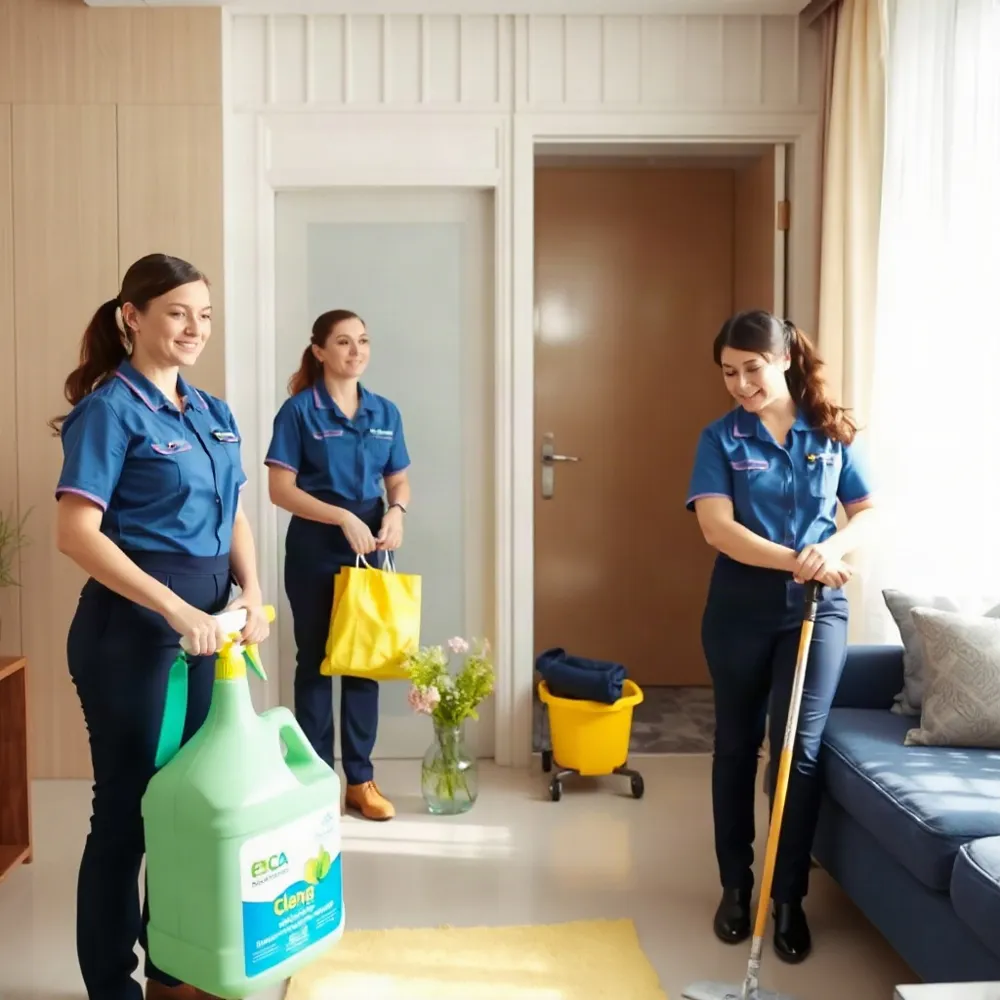
Daily vacuuming is the foundation of commercial carpet care. Give entrances, corridors, lobbies, and other busy zones extra attention so tracked-in grit is removed before it settles deeper into the fibers. Bravo Cleaning’s tailored commercial services can account for the different needs of shared spaces and quieter areas in apartment and condominium buildings.
Treat spills promptly, following the carpet maker’s care instructions and using products suited to the fiber. A stain left in place can become harder to remove; if it remains after routine spot treatment, professional attention may be appropriate. Staff should also report recurring spills or marks so the cleaning plan can respond to patterns rather than just visible buildup.
Entry mats help catch dirt and moisture before they spread onto carpet. Vacuum and clean the mats regularly, and check that they remain in place and are not saturated or covered in debris.
Give High-Traffic Areas Extra Attention
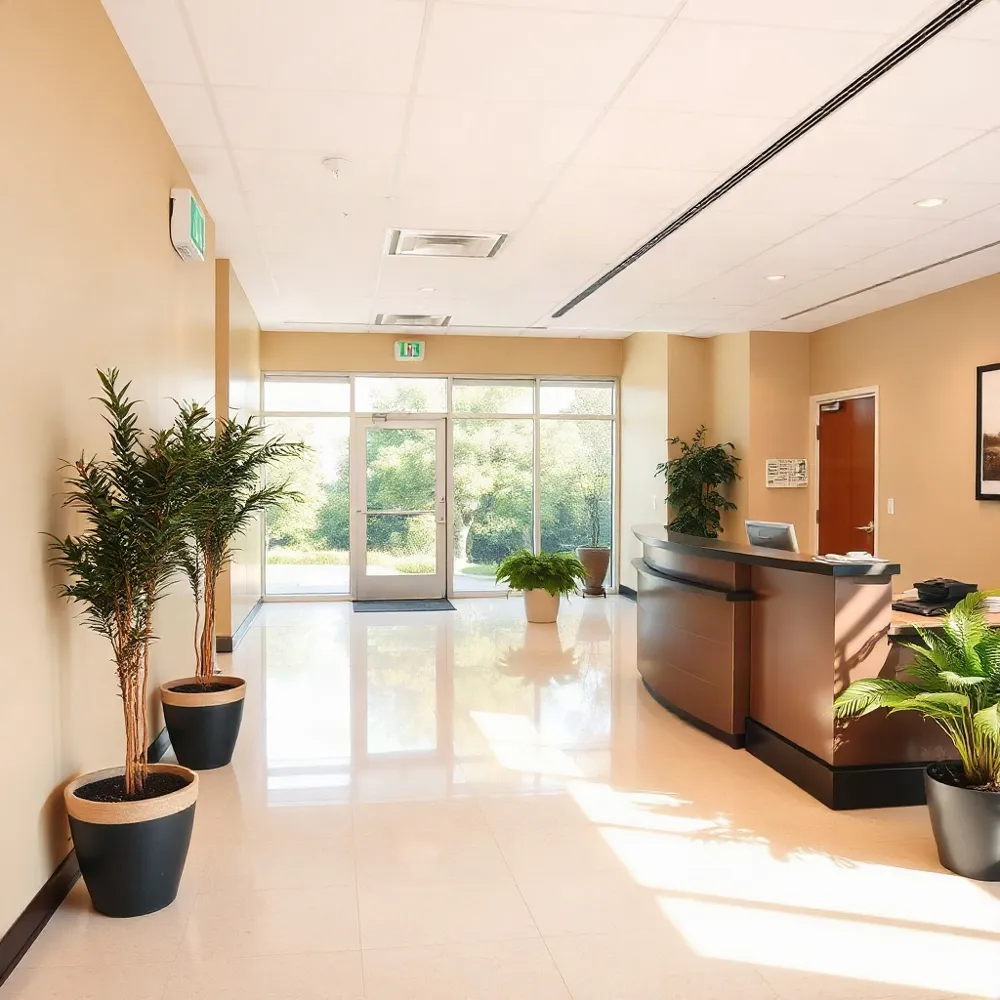
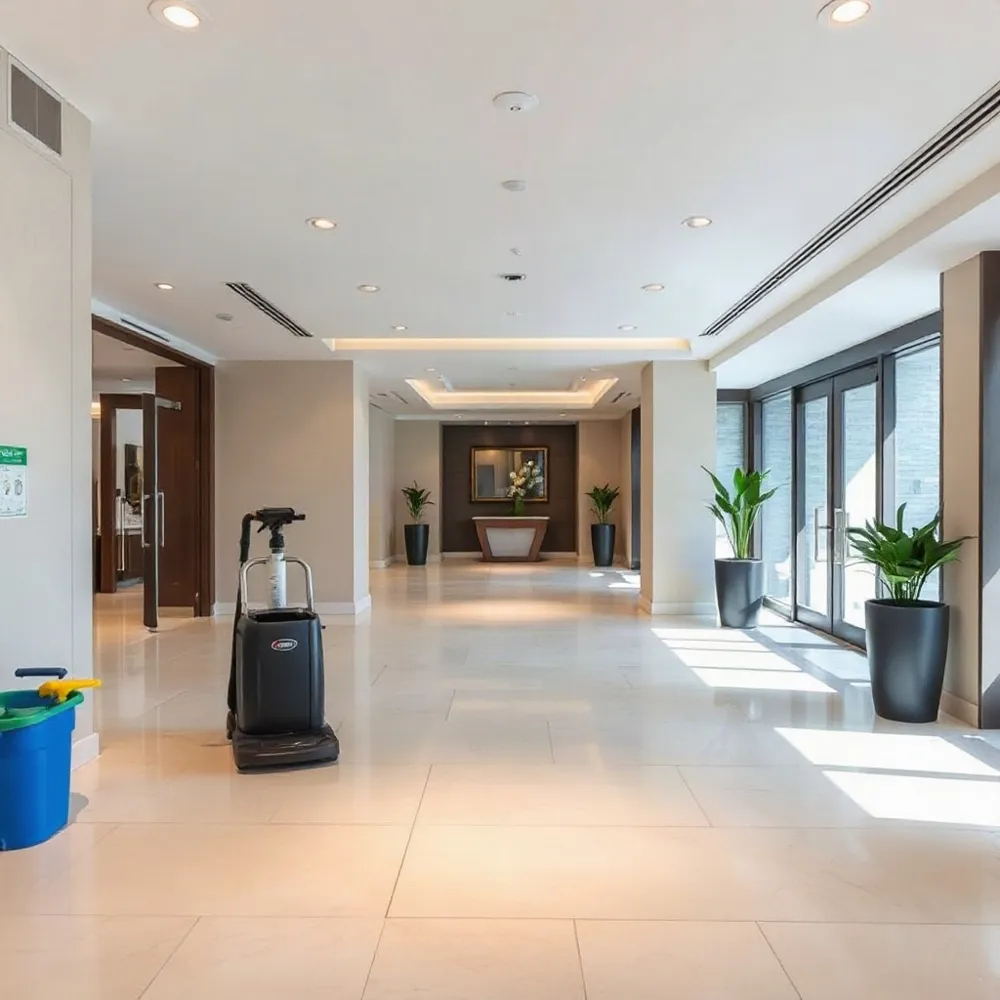
A small entrance or corridor can need more care than a large, lightly used room. Entrances, reception areas, lobbies, conference rooms, and shared spaces collect grit and moisture as people pass through, so assess soil and foot traffic rather than relying on floor area alone. A usage-based cleaning schedule helps managers give busy zones the attention they need.
Set vacuuming frequency by how quickly soil builds up, and keep walk-off mats clean so they can catch dirt before it spreads. Blot spills promptly and follow the carpet maker’s care instructions. During Minnesota’s rainy and snowy periods, mud, salt, and moisture can increase tracked-in soil; check entryways more often and adjust cleaning frequency accordingly.
Know When Professional Cleaning Is Worthwhile
Professional carpet cleaning can be worthwhile when routine vacuuming and spot care no longer keep a property presentable. Stubborn stains, lingering odors, dark or matted traffic lanes, and carpet that looks dull between scheduled visits are practical signs to assess.
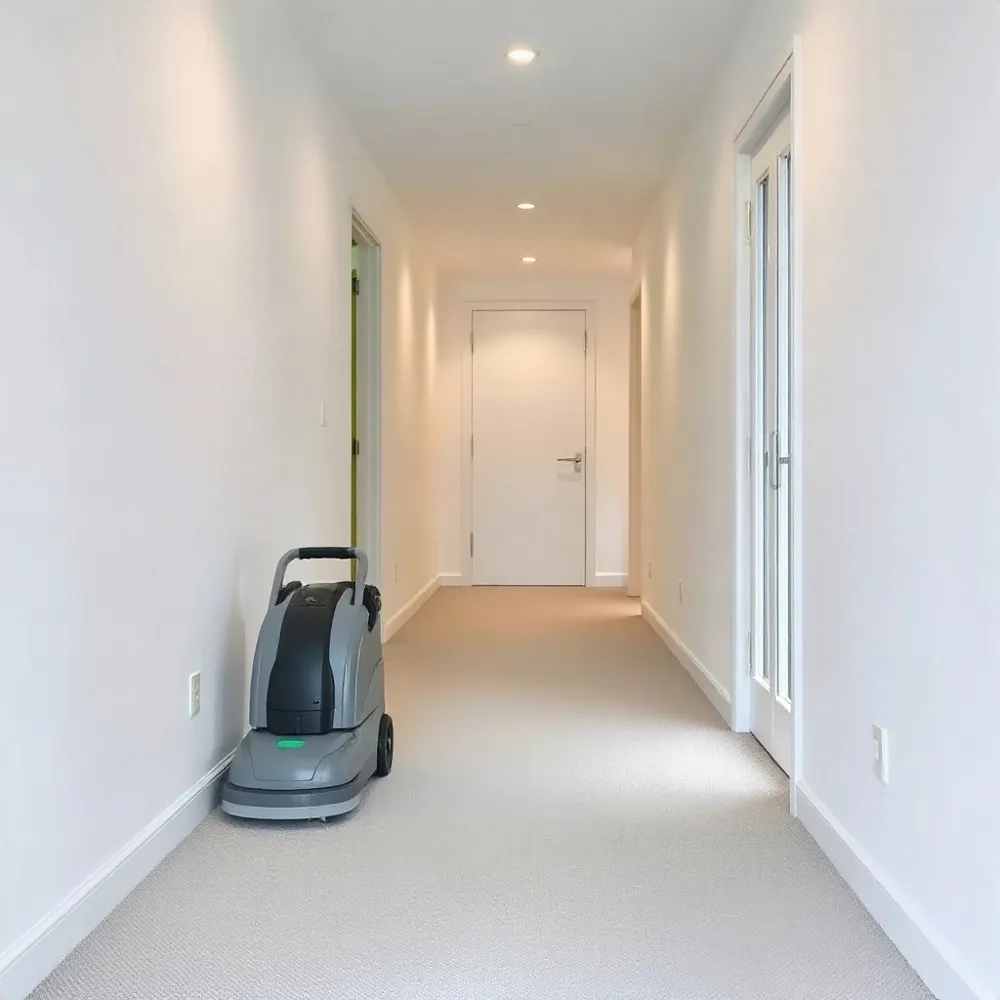
Vacuuming removes surface debris, but embedded soil and persistent marks may call for equipment or treatments beyond routine in-house cleaning. A professional assessment can help determine whether targeted treatment or broader service is appropriate.
For property managers, planned service can support consistent upkeep and a cleaner appearance between tenant turnovers. Customized cleaning and carpet care can be suited to each property’s needs.
Before booking, clarify the service scope, budget, treatment of specific spots, and realistic results. Outcomes vary with carpet fiber, stain type, and cleaning method, so ask what the provider expects to address. Regular professional care may help maintain appearance and protect carpet from wear, but it cannot guarantee that repairs or replacement will never be needed.
A tailored assessment can help property teams decide whether cleaning is a sensible option before pursuing repair or replacement. Managers can discuss the carpet’s condition and the level of service appropriate for their building.
Choose Methods That Protect the Carpet

Frequent cleaning is not automatically harmful. The right schedule depends on the carpet’s fiber and construction, how much traffic it receives, and the type of soil it collects. Damage is more likely when a method or product does not suit the carpet, scrubbing is too aggressive, or moisture and cleaning residue are left behind.
Before service, check the manufacturer’s care instructions and ask how the cleaning method will protect the carpet and backing. The plan should include suitable products and equipment, thorough removal of loosened soil and residue, and enough drying time. For Minneapolis properties, carpet care can account for different building uses and turnover needs instead of applying one method everywhere.
Can old carpet be professionally cleaned, or should it be replaced?
Age alone does not mean carpet needs replacement. A cleaner can assess the fiber, soil, stains, odors, and visible wear, as well as possible problems with the backing, padding, or subfloor. If the fibers remain sound, professional cleaning may improve appearance and remove embedded soil.
Cleaning cannot repair damaged fibers or correct an underlying installation problem. Replacement may be the practical choice when carpet is badly worn, torn, persistently stained or odorous, or uneven because of backing or installation issues. Property managers can weigh the carpet’s condition against the needs of the next occupant before deciding.
Prepare the Space for Professional Service
Before a scheduled carpet cleaning, remove loose dirt and hair with a thorough vacuum. This clears surface debris so the treatment can focus on soil embedded in the fibers. Vacuuming helps prepare the carpet, but it does not replace professional cleaning.
For apartment turnovers and commercial spaces, clear belongings from carpeted areas so the technician can reach the full surface. When booking, describe heavy soil, pet hair, or specific stains. Sharing site conditions helps shape the service plan for residential and commercial properties, including apartment buildings.
Preparation depends on the cleaning method and provider. Ask whether pre-vacuuming is included or should be completed beforehand, and confirm which areas and treatments are covered. It is also useful to check expected drying time so staff, residents, or incoming tenants can plan access.
Account for Household Pet Activity
Pet-related carpet care at home follows different needs from a commercial maintenance schedule. As a general starting point, plan on professional cleaning every six to twelve months. Move closer to six months if shedding, accidents, lingering odors, or heavy household traffic cause soil to build up quickly. This is a guideline, not a fixed interval.
Vacuum regularly, giving extra attention to favorite resting spots, and clean up accidents promptly to help prevent stains and odors. Follow the carpet maker’s care instructions, and avoid over-wetting or leaving cleaning residue. Bravo Cleaning’s eco-friendly carpet cleaning guidance can help households consider cleaning methods alongside indoor-air concerns.
For more household-specific tips, see this guide to cleaning routines for pet-friendly apartments. A professional can also help tailor the interval and method to the carpet type, care guidance, and how your household uses each room.
Make the Plan Fit the Property
A useful carpet-care plan starts with the property itself: where people walk, what soil they bring in, and how the carpet is holding up. Daily maintenance helps limit buildup, while deeper service can be scheduled for the areas and times that need it.
Check the carpet manufacturer’s care instructions and warranty requirements before setting methods or intervals. Revisit the plan when occupancy changes, tenants move, construction adds dust, or seasonal weather brings more moisture and grit indoors.
For Minneapolis properties, customized commercial cleaning and carpet care can be shaped around actual building conditions to support a presentable floor while respecting staff time and daily operations.
Recent articles