Essential Checklist for Efficient Condo Turnover Cleaning


The Critical Role of Turnover Cleaning in Rentals
In short-stay and long-term rentals, the period between guest checkout and the next arrival is the moment your reputation gets written. A clean, fresh-smelling unit is the cheapest marketing you will ever buy; a missed hair in the drain or a sticky countertop can cost you a star and the booking that follows. Turnover cleaning is not just about hygiene, it is about the guest's first impression and the review they leave within hours of checking in.
That is why the speed and thoroughness of your turnover process matter so much. A turnover cleaning checklist helps you standardize every detail, from wiping baseboards to resetting the coffee maker. When you pair a systematic checklist with reliable cleaners, you reduce the chance of oversights and make each unit feel consistently cared for, which guests notice and reward in their ratings.
First impressions. Guests often judge a property within the first 10 minutes. A visibly spotless entryway, streak-free mirrors, and fresh linens signal that the rest of the stay will be comfortable. One ignored corner or a lingering odor can undo that trust instantly.Review content. Guests mention cleanliness explicitly in reviews more often than any other amenity. A 2024 turnover standards guide notes that recurring issues like dusty vents or stained counters often appear verbatim in negative feedback, which deters future bookings.Repeat bookings. When a unit looks and smells the same every stay, guests feel confident returning. Consistency builds loyalty. A professional turnover protocol ensures that no matter who cleans, the outcome is predictable, which directly supports repeat reservations and referrals.
Vacation rental managers face extra pressure because turnover windows are tight and guest expectations are high. Using a vacation rental turnover checklist helps you cover the high-touch areas guests notice most, such as bathroom fixtures, kitchen counters, and flooring. When you follow a documented process, you can train new staff quickly and maintain the same standard across all your listings.
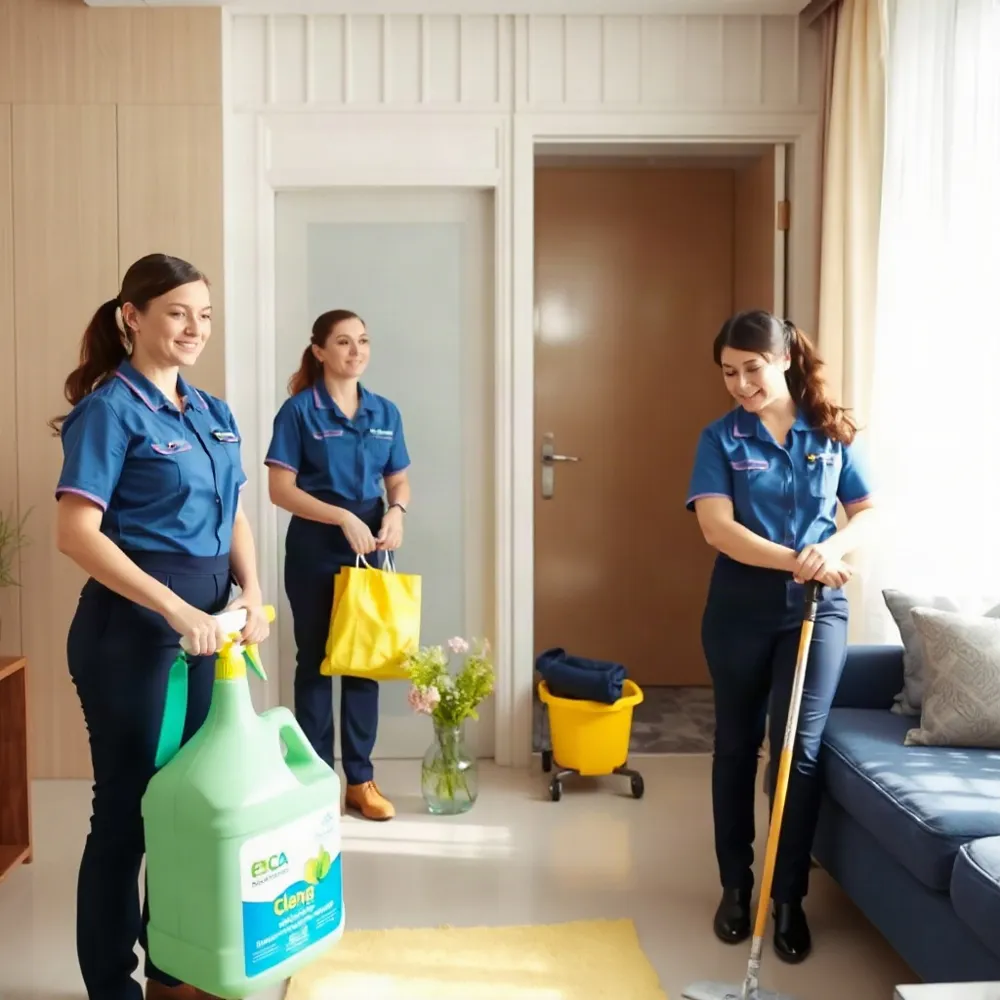
Beyond the checklist itself, the quality of your cleaning provider determines whether your standards hold up. While some owners handle turnovers themselves or hire hourly help, a professional service like Bravo Cleaning brings trained staff, eco-friendly products, and a turnover-specific approach that many DIY landlords find hard to match. Our team pairs each job with a detailed turnover checklist designed for apartments and condos, so nothing gets missed between guests.
Consider the financial angle: the hidden costs of a rushed turnover can be steep. Research on slow turnover cleaning shows that delays and oversights lead to lost rental days, compensation claims, and higher vacancy rates. A well-organized turnover not only protects your review score, it protects your revenue. By investing in a reliable cleaning partner, you reduce these risks and build a reputation that attracts both guests and property owners.
| Review factor | Guest expectation | Impact if missed |
|---|---|---|
| Entryway | Spotless floors, fresh smell | Negative first impression |
| Bathroom | Streak-free fixtures, no grime | Hygiene complaints |
| Kitchen | Clean counters, no sticky residue | Health and cleanliness marks |
| Bedding | Crisp, fresh linens | Comfort and sleep quality |
| Overall consistency | Same standard every stay | Uncertainty in future bookings |
In short, turnover cleaning is a direct lever on your rental's reputation. When you standardize the process with a checklist, pair it with a professional cleaner who understands turnover work, and address the common trouble spots guests notice, you convert a routine chore into a competitive advantage. That is how you earn five-star reviews and the repeat bookings that follow.
Understanding the Turnover Cleaning Checklist

A well-planned turnover cleaning timeline is the backbone of profitable rental management. When a tenant moves out, every day the unit sits vacant represents lost rental income, so property managers need a schedule that is both thorough and fast. The right approach balances a detailed checklist with realistic time blocks, ensuring the space is guest-ready without cutting corners.
Start by understanding the scope of the job. A standard apartment turnover involves cleaning the kitchen, bathrooms, living areas, and bedrooms, plus addressing floors, windows, and often carpets. Professional teams like Bravo Cleaning, serving the Minneapolis area for over 20 years, recommend breaking the work into zones and assigning specific time targets for each. This prevents the common mistake of spending too long in one area and rushing another.
Creating a Realistic Time Block Schedule
A practical turnover timeline might allocate 1.5 to 2 hours for a one-bedroom unit, 2.5 hours for a two-bedroom, and up to 4 hours for larger spaces. These estimates assume a team of two working systematically. However, the actual time depends on the property's condition. For instance, a unit with heavy carpet stains or years of built-up grime will need extra time. Using a turnover cleaning checklist helps keep the process on track, ensuring nothing is overlooked.
Sequence Matters: Top-to-Bottom Approach
The order of tasks significantly impacts efficiency. Professional cleaners follow a top-to-bottom, clean-to-dirty approach. Start by dusting ceiling fans, light fixtures, and vents, then move to surfaces, and finish with floors. This way, any dust or debris that falls during the upper-level cleaning is captured by the final floor pass. For property managers, communicating this sequence in the turnover cleaning checklist ensures consistency across all units.
For example, in a vacation rental, the timeline might be tighter because of same-day turnovers. A vacation rental turnover cleaning checklist can help standardize the process, but the core principle remains: assign specific time slots for each zone and stick to them. Bravo Cleaning’s local expertise means we understand the seasonal demands of Minnesota rentals, from winter slush tracked in through entryways to summer pollen on windowsills.
Common Pitfalls in Timeline Planning
One frequent mistake is underestimating the time needed for carpet care. Deep cleaning or spot-treating carpets often takes longer than expected, and scheduling it last can delay the entire turnover. Another pitfall is not accounting for inspection time. After cleaning, a manager should walk through the unit with a flashlight to catch any missed spots. This step is essential for quality control and can be built into the timeline as a final 15-minute block.
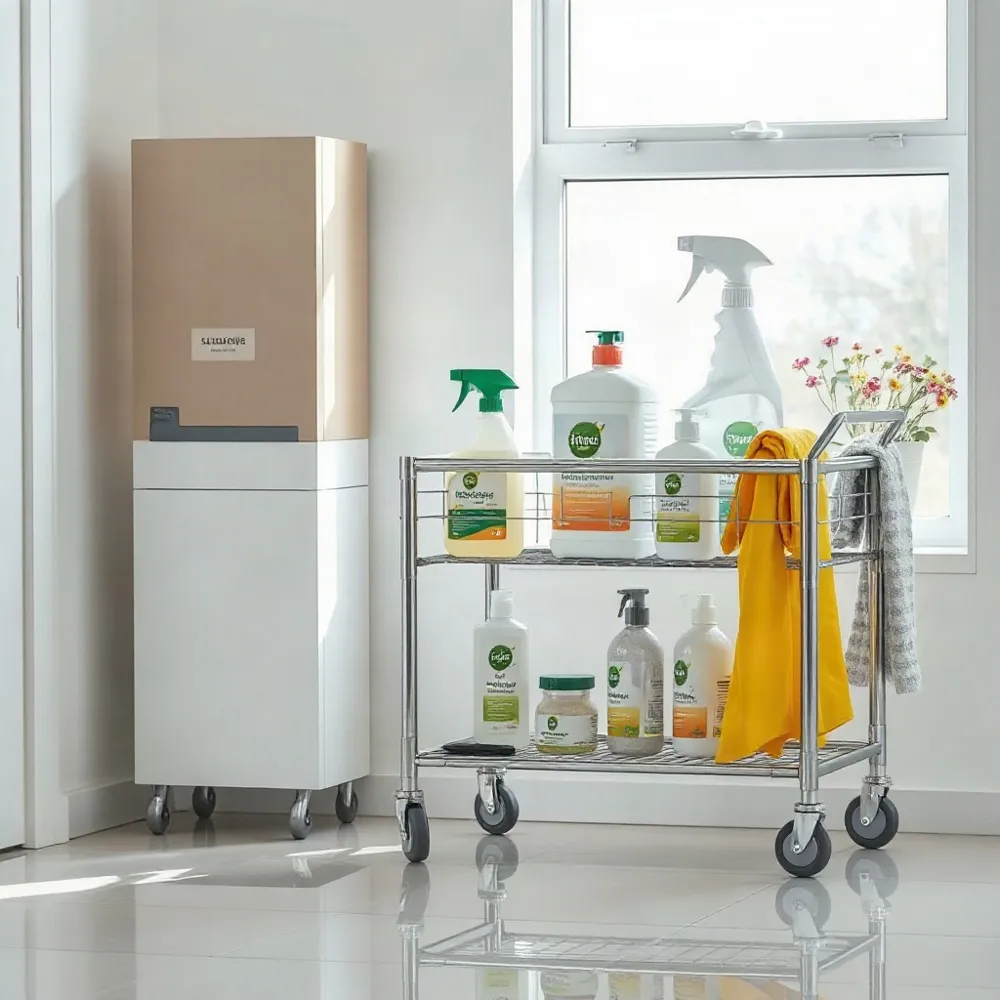
Also, consider the supplies and equipment. Having all eco-friendly cleaning products, microfiber cloths, and a quality vacuum ready before starting saves valuable minutes. Bravo Cleaning provides our own supplies, ensuring no time is lost hunting for tools. For DIY landlords, assembling a turnover kit in advance is a simple way to stay on schedule.
Leveraging Technology and Checklists
Digital checklists can streamline the timeline even further. Property managers can use apps that allow cleaners to check off tasks in real time, sending notifications when a zone is complete. This adds a layer of accountability and helps managers track progress without being on site. The apartment turnover cleaning checklist from Dumpsters.com is a good starting point, but many managers prefer customizing one to fit their property's specific needs.
Moreover, for properties with multiple units, a standardized timeline across all turnovers ensures predictable labor costs and faster re-leasing. This is where the expertise of a professional cleaning service pays off. Instead of managing hourly cleaners who may or may not show up, property managers can rely on a team that has a proven system. Bravo Cleaning’s 20 years in the Minneapolis market means we’ve refined our timeline to handle even the most challenging turnovers efficiently.
Adapting for Peak Season
During peak leasing cycles, such as summer months in college towns or the winter holidays, the demand for turnover cleaning spikes. An effective timeline must be flexible enough to accommodate back-to-back turnovers. One strategy is to have a dedicated team for deep cleaning while another handles the day-to-day touch-ups. This is where effective turn cleaning during peak season becomes critical, as it outlines how to prioritize tasks without sacrificing quality.
Ultimately, the goal of a turnover cleaning timeline is to minimize vacancy days and ensure tenant satisfaction. A clean, fresh unit attracts better tenants and justifies a higher rent. By investing in a systematic approach, property managers can protect their most valuable asset. And for those who prefer to outsource, professional services like Bravo Cleaning offer the expertise and reliability that turn a stressful turnover into a seamless experience.
| Unit Size | Estimated Time | Key Tasks |
|---|---|---|
| Studio/1BR | 1.5 - 2 hrs | Full kitchen, bath, floors |
| 2BR | 2.5 - 3 hrs | Plus bedrooms, living areas |
| 3BR+ | 3.5 - 4+ hrs | All rooms, carpet care, windows |
Key Steps for a Spotless Condo Turnover

Turnover cleaning is the structured reset a property receives between guests or tenants. For property managers, this process directly affects tenant satisfaction, inspection scores, and long-term maintenance costs. A professional turnover service follows a defined sequence, moving top to bottom and dry to wet, to ensure consistency across every unit.
The process typically begins with a thorough declutter and debris removal, followed by dusting all surfaces from ceiling fans to baseboards. Kitchens and bathrooms receive sanitization of countertops, sinks, and fixtures, while floors are vacuumed and mopped last to capture settled dust. Professional teams like Bravo Cleaning use a detailed turnover cleaning checklist to track each step, ensuring nothing is overlooked.
Key Areas of Focus
- Kitchen: Degrease stovetops, wipe cabinets inside and out, clean oven and microwave, sanitize sink and counters.
- Bathroom: Scrub toilets, showers, and tubs; disinfect faucets and handles; replace worn caulk if needed.
- Living and Bedrooms: Dust all surfaces, vacuum carpets and upholstery, wipe baseboards and window sills.
- Entry and Common Areas: Sweep and mop hard floors, wipe doors and light switches, ensure cleanliness of hallways if applicable.
For apartment turnovers, paying attention to high-touch areas and hidden spots like inside drawers and behind appliances makes a noticeable difference. Vacation rental properties often require an even faster turnover cleaning process, where every minute counts toward guest satisfaction. Property managers can also benefit from efficient turnover hacks that reduce time without sacrificing quality, such as using color-coded cloths to prevent cross-contamination.
A professional turnover service brings more than just cleaning. It brings reliability, eco-friendly products, and a trained eye for detail. Bravo Cleaning, with over 20 years of local experience, tailors its approach to each property type, from condos to multi-family units, ensuring a spotless result that meets inspection standards and attracts better tenants.
Leveraging Maintenance Checklists for Smooth Transitions
Efficiency Hacks to Save Time and Energy
Turnover cleaning is the process of preparing a rental unit for the next tenant after the previous one moves out. It goes far beyond a standard housecleaning, because it has a direct impact on how quickly a property can be re-rented and at what price. A well-executed turnover can mean the difference between a unit sitting vacant for a week or being leased within days. According to industry benchmarks, the average vacancy period between tenants is around 15 to 20 days, and every day lost to incomplete or slow cleaning directly reduces rental income.
The scope of turnover cleaning varies by property type. An apartment unit in a multi-family building typically requires a standardized checklist to ensure consistency across all units. A single-family home might need attention to different areas, such as a garage or yard. Vacation rentals demand an even higher standard, as guest reviews directly influence booking rates. Property managers often refer to these as "turnover cleans" and use detailed checklists to ensure nothing is missed. Resources like the Apartment Turnover Cleaning Checklist for Landlords provide a solid foundation, but the specific needs of each property should always be considered.
Key Differences from Regular Cleaning
Standard cleaning focuses on maintaining a habitable, tidy space. Turnover cleaning, however, is a deep, comprehensive reset. It involves moving appliances to clean behind them, scrubbing every surface in the bathroom and kitchen, and addressing wear and tear that regular cleaning misses. The goal is to present a property that feels brand new, not just clean. This distinction is crucial for property managers and landlords who want to justify premium rent and attract quality tenants.
The Turnover Timeline and What It Includes
A typical turnover cleaning includes all the tasks on a standard deep-clean list, plus several additional steps. These often involve washing all windows and window sills, cleaning inside and outside of cabinets, scrubbing baseboards, and wiping down all switch plates and door handles. The process also includes checking for maintenance issues, such as leaking faucets or burned-out lightbulbs, so that repairs can be made before the new tenant moves in. For a more detailed breakdown, property managers can refer to An Apartment Turnover Cleaning Checklist for Landlords to ensure they cover every corner.
DIY vs. Professional Turnover Cleaning
Many landlords and property managers weigh the costs of doing turnover cleaning themselves versus hiring a professional service. While DIY cleaning can save on direct labor costs, it comes with hidden expenses. Time spent on cleaning is time not spent on property management, marketing, or handling maintenance requests. Moreover, professional cleaning services often have access to commercial-grade equipment and eco-friendly products that achieve a higher level of cleanliness, which can be a selling point for the property. For those who manage multiple units, consistency is key, and professional services like Bravo Cleaning offer standardized checklists and trained staff to ensure every turnover meets the same high standard.
Scope. Involves deep cleaning of all areas, including under appliances, inside cabinets, and detailed baseboards. It's a reset, not a touch-up.Time. Can take a full day for a small unit, more for larger homes. Efficiency is critical to minimize vacancy time.Cost. Professional services range in price based on property size and condition. For a standard apartment, costs are typically between $100 and $250, depending on the market and level of service.Outcome. Results in a property that looks and smells fresh, ready for showings or a new tenant move-in, reducing the risk of disputes over security deposits.
For property managers in the Minneapolis area, balancing speed and quality is a constant challenge. The team at Bravo Cleaning understands this pressure. With over 20 years of local experience, they've refined a process that is both thorough and efficient. They use a systematic top-down approach that saves time, as outlined in their guide on efficiency hacks for busy managers. Their turnover cleaning checklists are designed for apartment and condo turnovers, ensuring that nothing is overlooked, which helps property managers attract better tenants and maintain high occupancy rates.
Ultimately, understanding the turnover cleaning process is the first step for any property owner or manager. Recognizing the difference between a regular clean and a turnover clean, and deciding between DIY and professional help, directly impacts the financial performance of a rental property. Whether it's a single apartment or a large building, having a clear, actionable plan for turnover cleaning is essential for success in the competitive rental market.
Pricing Your Turnover Cleaning Services Fairly

Property managers often ask what a professional turnover clean should cost, and the answer depends on how the job is scoped, not just the square footage. A standard apartment turnover can involve everything from wiping down baseboards to scrubbing ovens and shampooing carpets, so quotes vary widely depending on the condition of the unit, the size of the property, and the level of detail expected. Knowing how these factors come together helps you budget accurately and avoid surprise upcharges.
Scope. The most significant cost driver is the scope of work. A turnover clean that includes inside cabinets, appliance interiors, window tracks, and baseboards will cost more than a basic sweep-and-wipe service. Properties with heavy stains, pet odors, or excessive grime require extra time and products, which is why professional cleaners always assess the unit before giving a firm price.Market. Local market rates also play a major role. In the Twin Cities metro, labor rates and demand for cleaning services during peak turnover season can push prices higher. Comparing quotes from multiple vendors gives you a baseline, but remember that the cheapest bid often cuts corners on quality, leading to longer vacancy periods and re-clean costs down the line.Property Condition. A well-maintained unit between tenants will cost less to clean than one that has been neglected for months. Carpets with set-in stains, ovens with baked-on grease, and bathrooms with soap scum all add labor hours. Properties that implement regular maintenance between tenants reduce their turnover cleaning costs significantly, making it a smart long-term investment for property managers.
At Bravo Cleaning, we price turnover cleans based on a detailed walkthrough of each unit, so you get a transparent, itemized quote that matches the actual condition of the property. Our turnover cleaning services are designed for property managers who want reliable, consistent results without the guesswork of variable pricing. We also offer flexible scheduling to work around your tenant move-in dates, reducing the financial impact of every vacant day.
To give you a clearer picture, here’s a breakdown of typical cost components you might see on a professional turnover cleaning estimate:
| Service Area | What's Included | Average Cost Range |
|---|---|---|
| Kitchen | Cabinets, appliances, counters, sink, backsplash | $50 - $150 |
| Bathrooms | Toilets, showers, tubs, vanities, mirrors | $40 - $120 |
| Living Areas | Baseboards, vents, switches, windowsills | $30 - $80 |
| Bedrooms | Closets, windows, doors, light fixtures | $40 - $100 |
| Floors | Vacuum, mop, or shampoo carpets | $40 - $150 |
| Full Turnover Package | All of the above plus details like ceiling fans and trash removal | $200 - $450 |
Keep in mind that these ranges are typical for standard-size units in the Minneapolis area; larger homes, condos with high-end finishes, or properties requiring deep stain removal will be quoted individually. For a more precise estimate, schedule a free walkthrough and we’ll work with you to create a turnover plan that fits your budget and timeline.
Using Technology to Automate and Track Turnovers
Efficient turnover cleaning is about more than making a unit look tidy. It directly impacts how quickly a property can be re-rented and how satisfied the next tenant will be. A systematic approach turns a stressful, repetitive chore into a predictable process, which is why property managers and landlords alike benefit from a well-structured checklist.
Building a Professional Turnover Cleaning Checklist
A solid checklist ensures no corner is overlooked during the chaos between tenants. Start with the big-ticket items that are most visible to incoming renters: thoroughly clean all floors, windows, and glass surfaces to maximize natural light. Then move through the kitchen and bathrooms, paying attention to areas where grime and stains accumulate, such as behind appliances and around fixtures. For a detailed, room-by-room breakdown, check out this apartment turnover cleaning checklist template that can be customized to fit any property.
Don't forget the less obvious but equally important tasks. Change all locks and light bulbs, test smoke detectors and carbon monoxide alarms, and inspect for any damage that needs repair. These safety and functionality checks help prevent liability issues and avoid costly complaints from new tenants. A comprehensive approach, like the one outlined in this apartment turnover cleaning checklist for landlords, ensures that the property is not just clean, but move-in ready.
The Property Manager's Turnover Cleaning Checklist
Property managers often juggle multiple turnovers simultaneously, making a standardized checklist essential for consistency. This tenant turnover checklist for property managers breaks down the process into clear phases: pre-cleaning preparation, deep cleaning, and final inspection. Pre-cleaning involves gathering supplies and removing any leftover items or trash. The deep cleaning phase covers every surface, from baseboards to ceiling fans. The final walkthrough should verify that every item on the list is complete and that the unit meets professional standards.
Common areas, especially in multi-unit buildings, require special attention. Hallways, stairwells, and laundry rooms are high-touch surfaces that need regular cleaning to maintain a positive first impression. Use a dedicated common area cleaning checklist for condos to ensure these shared spaces remain inviting and hygienic. A clean building exterior and entryway can significantly affect a prospective tenant's decision.
Turnover Cleaning for Vacation Rentals
Vacation rentals operate on a faster cycle than traditional apartments, often requiring same-day turnovers. This vacation rental turnover cleaning guide emphasizes speed without compromising quality. Focus on tasks that directly impact guest experience, such as fresh linens, spotless bathrooms, and a fully stocked kitchen. Since turnaround time is critical, an efficient and organized cleaning routine is non-negotiable.
For property managers handling vacation rentals, consider creating a specialized checklist that includes tasks like checking inventory, inspecting for damages, and restocking supplies. The STR Cleaning 101 guide offers a comprehensive overview of the specific needs for short-term rentals, from laundry logistics to waste management. A dedicated approach ensures that every guest arrives to a space that feels fresh and welcoming, which is vital for earning positive reviews and repeat bookings.
DIY vs. Professional Turnover Cleaning
Some landlords opt for DIY turnover cleaning to save money, and there are indeed many expert tips for tackling turnover cleaning as a DIY landlord. These tips often include time-saving hacks like using a cleaning caddy, working from top to bottom, and tackling the dirtiest areas first. For smaller properties or owners with flexible schedules, handling cleaning in-house can be a viable option, particularly if you have a reliable team.
However, for larger buildings or when speed is of the essence, hiring professionals can be more cost-effective. As this article on why to hire experts for apartment turnover cleaning points out, professionals bring specialized equipment and products that ensure a deeper clean. They also handle the logistics of scheduling and staffing, which can be a significant burden for busy property managers. For those managing multiple units or high-end properties, the investment often pays off through reduced vacancy periods and fewer tenant complaints. A local service like Bravo Cleaning, with over 20 years of experience in Minneapolis, understands these needs and offers flexible, tailored solutions. For those seeking a middle ground, some owners use a hybrid approach: professional cleaning for deep cleans and DIY for lighter maintenance, as suggested in this rental turnover cleaning checklist for multi-family units.
| Task | DIY Effort | Professional Service |
|---|---|---|
| Deep clean kitchen & bath | High (time & elbow grease) | High (equipment & expertise) |
| Carpet shampoo | Low to medium (rental machines) | High (professional equipment) |
| Wall spot cleaning | Medium (touch-ups needed) | High (complete coverage) |
| Interior windows | Low to medium (streaking risk) | High (streak-free finish) |
| Baseboards & trim | Medium (detail work) | High (thorough attention) |
| Turnaround time | Hours to days | Same-day possible |
| Cost | Lower upfront, but more time | Higher, but saves time |
| Quality consistency | Varies by individual | Standardized with checklists |
Eco-Friendly Practices for Guest Safety and Satisfaction
A turnover clean isn't just a chore on a checklist; it's the first impression a new tenant or guest gets of your property. For property managers in Minneapolis, a fast, thorough, and consistent turnover process is the difference between a smooth transition and a stressful one. A well-executed turnover protects your security deposit, reduces vacancies, and builds a reputation that keeps quality tenants coming back. As Bravo Cleaning brings over 20 years of local experience, we've seen how a strategic approach to turnover cleaning directly impacts your bottom line.
The True Cost of a Slow or Sloppy Turnover
When a unit sits empty, every day costs you money. Slow turnover doesn't just mean lost rent; it can also lead to rushed cleaning that misses the mark, resulting in unhappy tenants, negative reviews, and even chargebacks. A proactive checklist is your best defense. As the Turnover Cleaning Checklist for Landlords notes, a systematic approach ensures no corner is missed and that the unit is truly move-in ready.
Consider the hidden costs: scheduling conflicts, missed deadlines, and the expense of last-minute cleaning supplies. For property managers, this is why having a reliable partner matters. A professional service doesn't just clean; they manage the chaos. They bring a detailed checklist designed for apartment and condo turnovers, ensuring consistency across all units, which is a massive time-saver for you.
Why a Systematic Checklist Beats a Sporadic Approach
Whether you're managing a single condo or a large apartment complex, a standardized checklist is non-negotiable. It removes guesswork, ensures every team member knows the standard, and makes quality control simple. The Apartment Turnover Cleaning Checklist for Landlords from Dumpsters.com is a great starting point, but a professional service like Bravo Cleaning takes it further.
Our process is built around reliability and eco-friendly practices. We don't just wipe down surfaces; we focus on the details that matter to renters, from eco-friendly practices for guest safety to tackling stubborn carpet stains. This is where we differentiate ourselves. While some property managers might rely on a general handyman or a less experienced cleaner, Bravo Cleaning provides a specialized team. We understand the hidden costs of slow turnover, and we're committed to turning units around faster without cutting corners.
Fast, Flexible, and Local: The Bravo Cleaning Advantage
In a market like Minneapolis, speed is crucial, but not at the expense of quality. Our team is trained to work efficiently, using a proven turnover cleaning process that covers everything from the top of the cabinets to the baseboards. We offer flexible scheduling to meet your leasing deadlines, and our eco-friendly product options are perfect for tenants who are sensitive to harsh chemicals.
Eco-Friendly Options. We offer green cleaning products that are safe for guests, pets, and the planet. This is a growing expectation among renters and a great selling point for your property. This is a clear advantage over services that rely on harsh, chemical-based solutions.Reliability & Consistency. We use a detailed checklist for every job, so you get the same high standard each time. Whether it's a small apartment or a large condo building, our turnover cleaning strategies ensure consistency and reduce the stress of managing turnovers.
When you choose a local partner like Bravo Cleaning, you're not just hiring a cleaner; you're investing in a relationship. We understand the local market, we show up on time, and we're accountable. Our goal is to make your life easier by providing a stress-free cleaning experience that attracts better tenants and saves you money in the long run.
Monitoring Reviews and Continuous Improvement
Guest reviews are more than just a scorecard for your property. For owners and property managers juggling back-to-back reservations, the comments section often holds a detailed, room-by-room map of what went right and what went wrong during a turnover. A recurring complaint about dust on baseboards or hair in the bathroom drain is not a minor nuisance; it is a direct signal that your current cleaning checklist has a gap. Paying attention to these patterns is the first step toward turning a weak link in your operation into a reliable, repeatable strength.
Spotting the Repeating Themes in Feedback
When you scan your reviews, look past the overall star rating and focus on the specific words guests use. If multiple reviewers mention the same issue, such as sticky kitchen counters or missed spots under the bed, that repetition tells you exactly which task is being rushed or skipped during the turnover. Compare the feedback across a few weeks or months. If the same complaint keeps showing up, it is almost certainly a process problem rather than a one-off mistake by a single cleaner. This pattern-matching approach turns vague sentiment into a targeted action list for your team.
Turning Criticism Into a Cleaning Checklist Update
Once you have identified the recurring themes, update your apartment turnover cleaning checklist to address them explicitly. For example, if guests frequently note that the shower curtain looks stained, add a specific line item to inspect and wipe down the shower curtain liner on every single turnover. If the feedback points to a lingering pet odor, make the odor-neutralizing step a mandatory part of the process. The checklist becomes a living document that evolves based on real guest experience, not just a static list of tasks. This direct link between feedback and action is what separates a property that merely gets cleaned from one that consistently delights its guests.
Closing the Loop With Your Cleaning Team
A review that highlights a missed spot is also a coaching opportunity. Share the relevant feedback with your cleaning team, whether they are in-house staff or a contracted service like Bravo Cleaning, and use it as a teaching moment. Explain what the guest noticed, show them the exact area, and confirm they understand the standard. For property managers who work with a professional service, this feedback loop is often built into the relationship. A reputable local company like Bravo Cleaning, with its long history in the Minneapolis area, is typically happy to review guest comments and adjust its process to meet your property's specific needs. This collaborative approach ensures that the cleaning standard stays high and the feedback leads to visible improvement.
Building a Professional Turnover Standard for Long-Term Success
A thorough turnover cleaning checklist for landlords and property managers starts with the kitchen, where grease and food residue build up fastest. Clear the counters and wipe down all surfaces, including the backsplash and the outside of appliances. Empty the dishwasher and wipe the inside and outside of the refrigerator, pulling it out to vacuum the coils and clean the floor beneath. Scrub the stovetop and oven, including the drip pans and the interior glass, and run a degreasing wipe over the microwave, inside and out. Finally, wash the sink and faucet, and sweep and mop the floor, moving the appliances to catch every crumb.
In the bathroom, turnover cleaning demands attention to hygiene and the prevention of mold and mildew. Scrub the toilet inside and out, including the base and the area behind the seat. Clean the shower and tub, removing soap scum and hard-water stains with a nonabrasive cleaner, and wash the shower curtain or replace it if it shows wear. Wipe down the vanity, mirror, and light fixtures, and disinfect the sink and countertop. Finish by mopping the floor and checking for any signs of water damage that might require a maintenance visit.
Living Areas, Bedrooms, and the Finer Details
For the living room and bedrooms, turnover cleaning focuses on surfaces, floors, and a fresh presentation. Dust all surfaces, including baseboards, window sills, and ceiling fans, and wipe down door frames and light switches. Vacuum carpets thoroughly, using a crevice tool along the edges and under furniture, or mop hard floors and check for stains. Wash the windows inside and out, and consider having the carpets professionally steamed to remove odors and allergens. Finally, check closets and drawers for any forgotten items, and leave them clean and airy with a light scent.
The often-overlooked details make a property feel truly move-in ready. Replace any burned-out light bulbs, test the smoke and carbon monoxide detectors, and ensure all appliances are in working order. Check that all locks and keys are accounted for, and note any new damage for the security deposit. For a truly professional finish, refer to a detailed apartment turnover checklist for landlords that covers these items and more. A consistent routine, as highlighted in this turnover cleaning guide for property managers, reduces time and errors.
Recent articles