The Hidden Costs of Slow Apartment Turnover Cleaning


Understanding the High Cost of Rental Vacancies
The financial burden of property turnover extends far beyond simple labor costs. National Apartment Association data indicates that turnover expenses, which include cleaning, repairs, marketing, and the primary cost of lost rent, typically range from $1,000 to $5,000 per unit. Because vacancy periods have recently trended upward to an average of 46 days, every day a unit remains offline represents a significant loss in net operating income.
The turnover lifecycle is a complex sequence involving move-out inspections, repairs, and sanitization. At bravocleaningmn.com, we see that owners who rely on fragmented scheduling with multiple individual vendors often experience three to five days of unnecessary downtime. Conversely, by consolidating services and employing a standardized, detail-oriented approach to deep cleaning, property managers can reduce this period significantly, sometimes achieving turns in as little as one day.
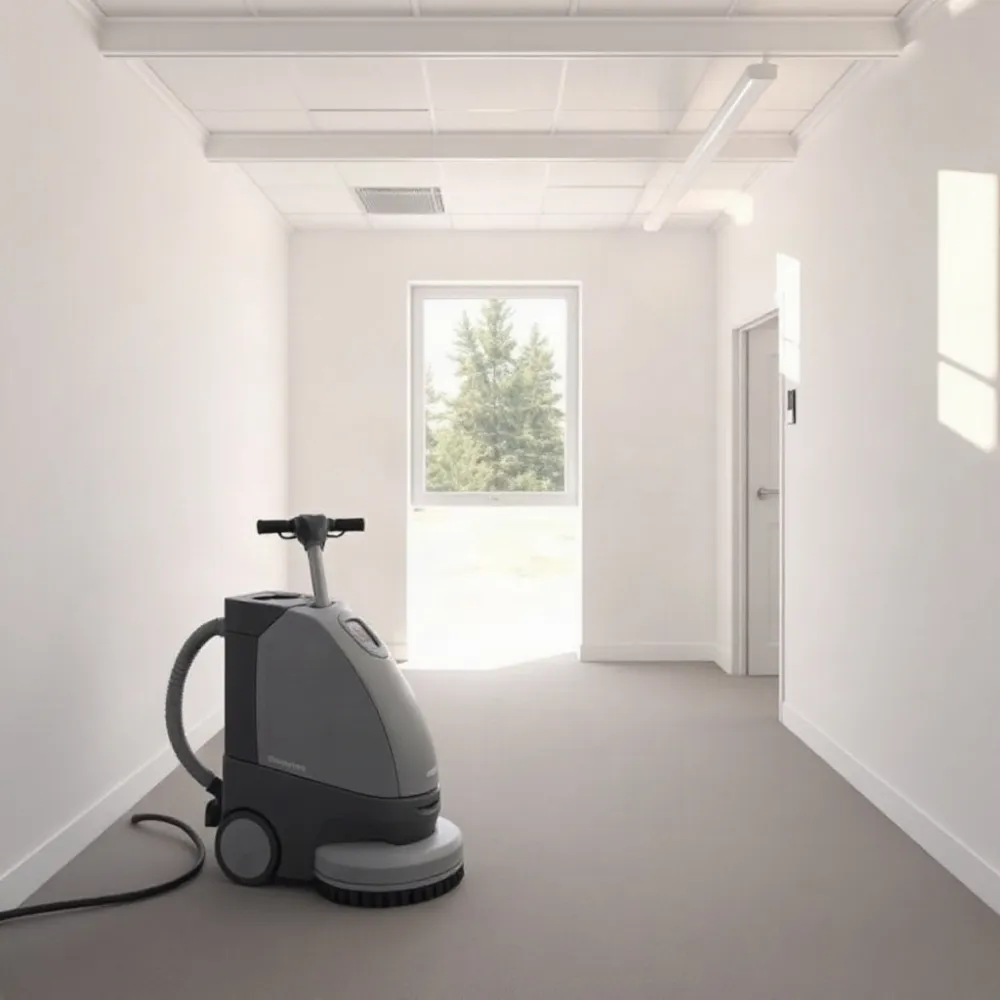
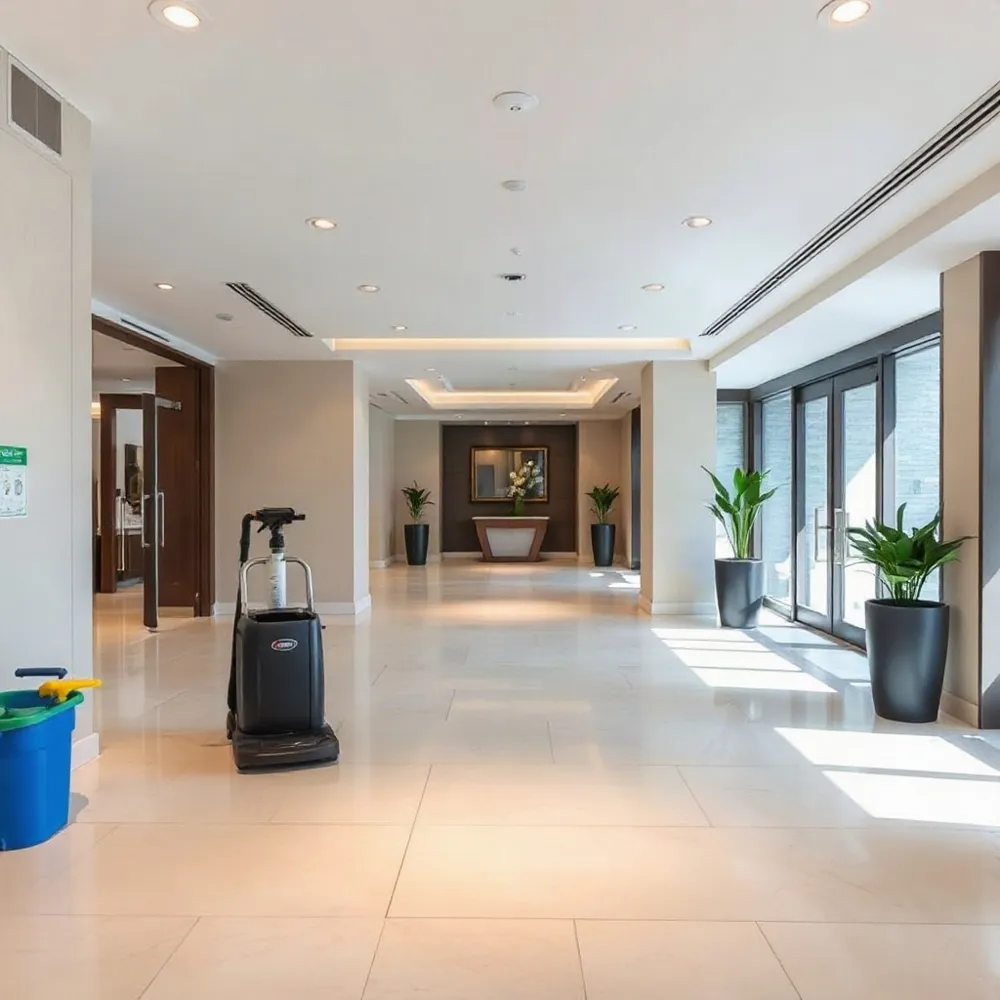
Professional cleaning serves as a critical defense for asset longevity. While some providers use basic surface-level methods, bravocleaningmn.com utilizes industrial-grade equipment and eco-friendly products to address contaminants in carpets, grout, and high-use appliances. This commitment to deep care not only presents a move-in ready unit that attracts high-quality residents but also catches maintenance issues early, preventing costly long-term deterioration.
Defining Apartment Turnover and Asset Protection

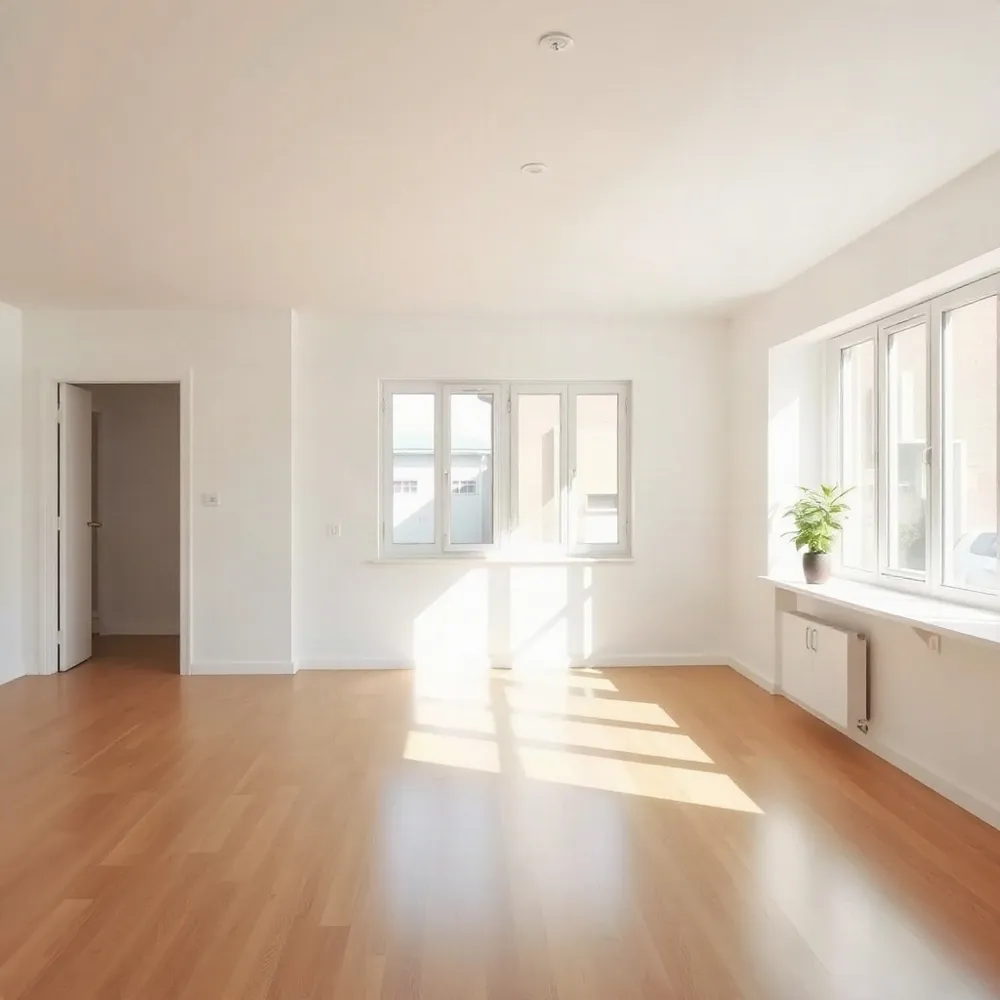
Apartment turnover cleaning is a specialized, deep-cleaning process performed between tenancies to ensure a unit is sanitized, pristine, and ready for a new occupant. This service goes well beyond standard maintenance by addressing high-traffic areas, hidden grime, and appliance detailing that often accumulate over time. While basic housekeeping focuses on surface-level tidiness, deep cleaning targets accumulated contaminants, mold, and allergens, effectively preserving assets like flooring, tile grout, and appliances from the premature deterioration described in research on property maintenance costs.
What is apartment turnover cleaning and why is it essential?
For property managers, this thorough approach is essential for maintaining high property standards, reducing vacancy times, and ensuring a welcoming environment that drives tenant satisfaction. By utilizing experienced professionals and eco-friendly, industrial-grade products, we eliminate allergens and stubborn wear, providing a reliable, hassle-free transition. Investing in expert turnover cleaning protects your real estate investment while showcasing the consistent quality and care that local management companies committed to excellence provide.
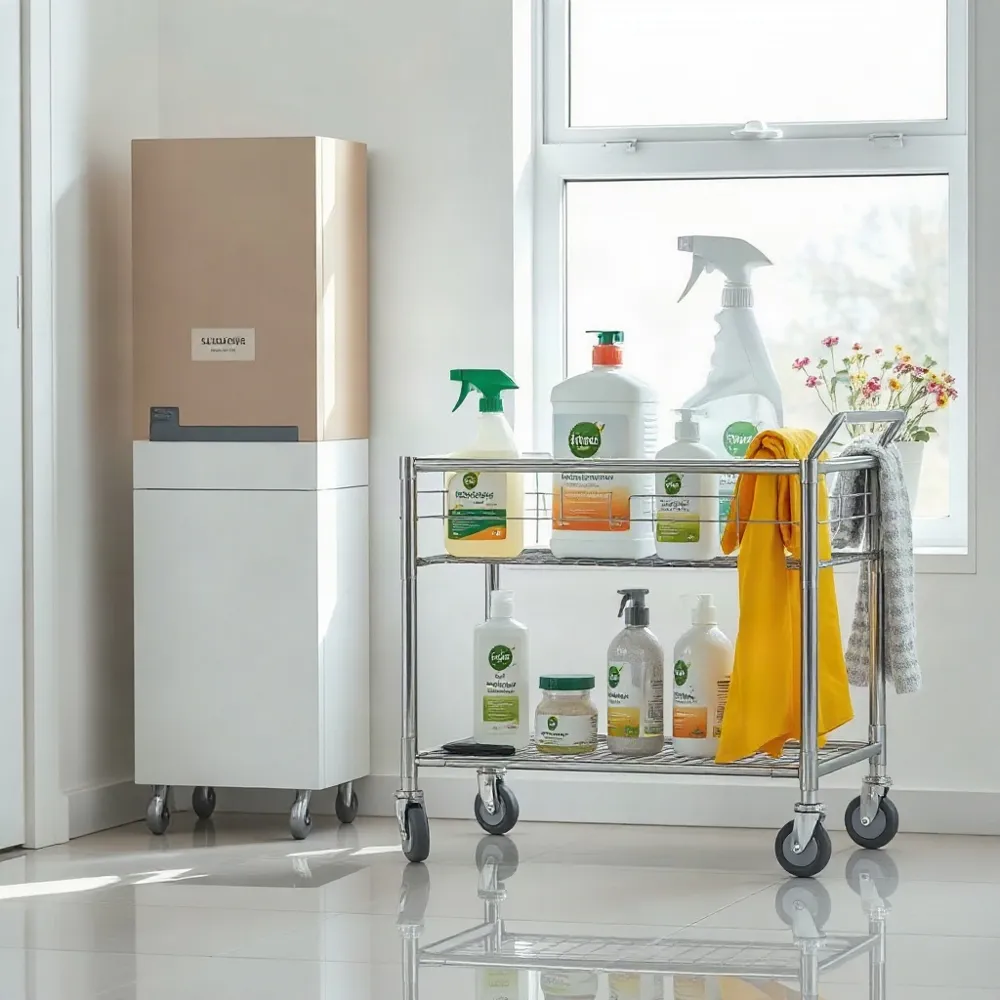
Professional turnover cleaning services use industrial-grade tools and eco-friendly chemistry to ensure a safe, high-quality result. This approach focuses on identifying subsurface issues, such as pet odors or carpet damage, which are often cited by the National Apartment Association as key areas that influence the overall cost of turnover.
Standard Maintenance. Routine tasks like wiping down counters, vacuuming open spaces, and minor repairs that occur throughout the duration of a lease.Deep Cleaning. An intensive, detailed process covering behind and under heavy appliances, deep extraction of carpet fibers, and sanitization of high-use surfaces to remove years of accumulated grime.Asset Preservation. The practice of using professional-grade supplies and techniques to extend the lifespan of fixtures, ensuring that property owners avoid the higher costs associated with premature unit replacement.
The Direct Financial Impact of Extended Vacancies

The financial cost of a vacant rental unit reaches far beyond simple lost rent. When an apartment sits empty, the property owner continues to absorb fixed costs such as mortgage payments, property taxes, insurance, and utilities, all while the unit generates zero revenue. For a unit that stays offline for extended periods, these expenses can mount rapidly. According to data from the National Apartment Association, an average property manager may spend between $1,000 and $5,000 per unit to facilitate necessary upgrades and marketing during a typical turnover cycle.
Every day added to the vacancy timeline directly erodes a property's Net Operating Income. While lost rent is the most visible impact, the cumulative effect of marketing spend, resident screening, and administrative labor creates a compounding drain on overall performance. For owners, this impact is often exacerbated by inefficient scheduling. While fragmented vendor coordination can result in 3 to 5 days of unnecessary downtime, a streamlined professional approach often achieves a 1-day turnaround.
By opting for specialized turnover cleaning, property owners turn a cost-heavy task into a strategic lever for maintaining high occupancy rates. Much like the tailored service models offered by Bravo Cleaning, which prioritizes efficiency through customized, property-specific workflows, professional cleaning providers help owners bypass the common pitfalls of DIY turnover. In contrast to firms that struggle with consistent scheduling, a targeted, professional cleaning approach ensures that units are not just sanitized but also inspection-ready, minimizing the idle days that consistently drive up the total cost of ownership.
| Expense Category | Type of Cost | Financial Impact |
|---|---|---|
| Lost Rent | Direct | Revenue loss per day |
| Utilities | Operating | Continuous overhead |
| Marketing | Acquisition | Higher spend for leads |
| Maintenance | Operational | Deferred repair compounding |
Strategic Advantages of Professional Outsourcing

Outsourcing unit preparation is a primary strategy for property managers looking to improve their bottom line. Data from the National Apartment Association shows that turnover expenses typically range from $1,000 to $5,000 per unit, and reducing turnover by just one move-out per month can save a property owner over $20,000 in annual costs while freeing up 96 hours of maintenance time. By choosing professional partners, managers avoid the inconsistencies often found with internal, do-it-yourself approaches.
What are the primary benefits of outsourcing to professional cleaning services?
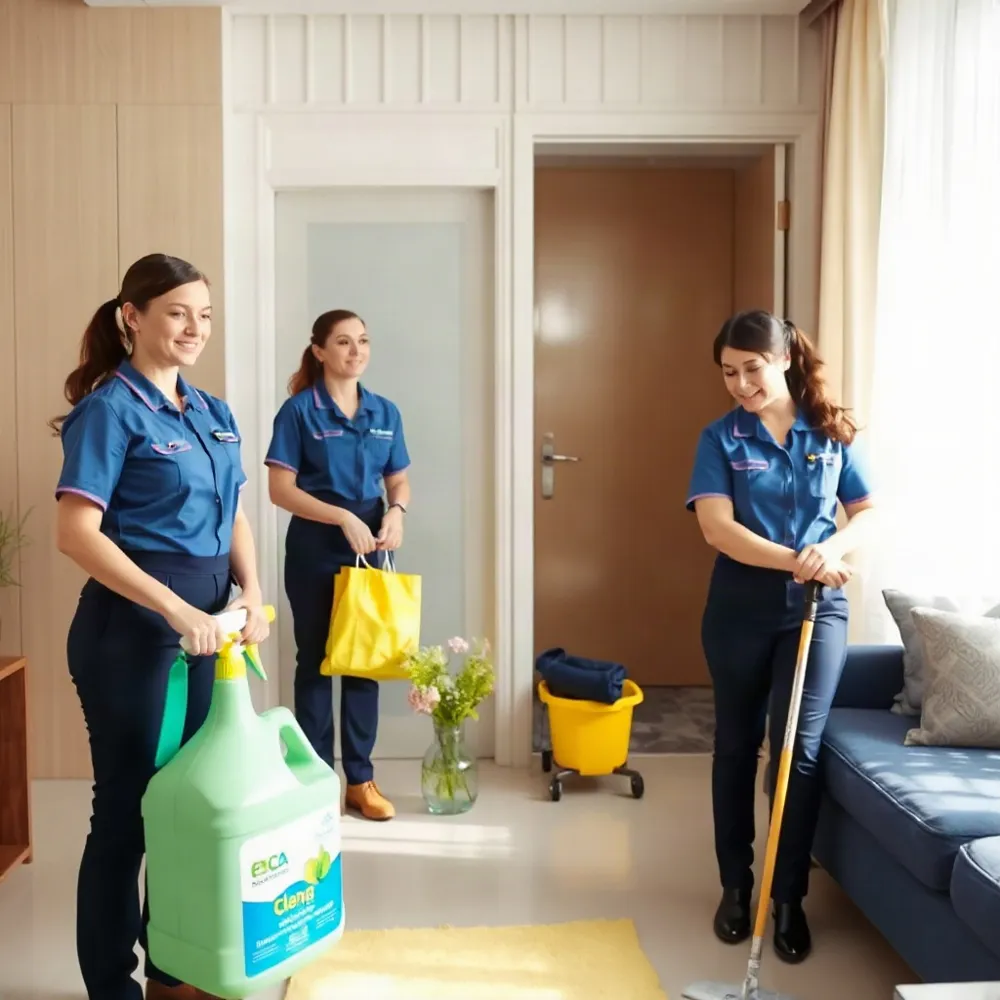
Professional cleaning services provide reliable, high-quality results that allow property owners to maintain consistent standards across their entire portfolio. While some providers rely on standard janitorial routines, specialists utilize IICRC-certified expertise and advanced techniques like UV light detection to identify hidden issues that DIY efforts often overlook. This professional rigor ensures that the property is truly move-in ready and helps protect asset value by preventing the long-term buildup of grime and mold.
Beyond technical performance, professional outsourcing offers economic and operational gains that go directly to property morale and occupant satisfaction. External teams utilize specialized tools and established quality-control protocols to expedite the make-ready process, minimizing expensive vacancy periods. When cleaners are familiar with a property's specific needs, the result is a more efficient turnover that reduces administrative stress and ensures new residents arrive at a pristine home.
Streamlining Operations with Standardized Checklists
Maintenance checklists serve as a vital roadmap, enabling property managers to transform the turnover process from a reactive task into a highly efficient, systematic operation. Effective turnover cleaning follows a top-to-bottom methodology, ensuring that all surfaces are addressed before floors are finalized. By providing a structured sequence for inspections, repairs, and deep cleaning, these checklists ensure that no critical system or safety component is overlooked.
How do maintenance checklists aid in the apartment turnover process?
Checklists facilitate the early identification of necessary work, allowing for the proactive scheduling of professional cleaning to minimize vacancy days. Linking maintenance tasks with cleaning routines enables teams to catch small plumbing or fixture issues before they escalate into expensive, large-scale problems. A standard National Apartment Association analysis highlights that efficient turnover schedules are essential, as average costs typically range between $1,000 and $5,000 per unit.
Documented checklists also provide an objective, room-by-room record of a property's condition. This is essential for protecting owners during security deposit reconciliations by verifying findings against move-in records. While some firms rely on internal staff, many managers prefer partnerships with specialized providers that use tools such as UV light detection to pinpoint subsurface issues. These partnerships ensure that the property is not only clean but also verified as maintenance-ready, avoiding the service gaps common when managing multiple vendors for carpet care and general repairs.
Navigating Fairness in Move-Out Deductions
Establishing clear expectations regarding security deposit deductions is essential for fostering positive landlord-tenant relationships. Industry standards dictate that landlords may only deduct cleaning fees for conditions that exceed normal wear and tear, such as excessive grime or neglect. Standard maintenance, including minor carpet flattening in high-traffic areas or faded paint, remains the landlord's responsibility and cannot be charged to the departing tenant.
What are the industry standards regarding move-out cleaning fees and landlord deductions?
Landlords must provide an itemized list of deductions rather than charging vague, lump-sum fees. For property managers, using professional, documented services helps provide the necessary evidence for these deductions. bravocleaningmn.com offers Minneapolis property managers tailored, comprehensive turnover solutions that satisfy strict rental standards, removing the ambiguity of manual assessments.
Documenting the property's condition through photos before and after the tenancy serves as a reliable method to prevent disputes. Pre-move-out walk-throughs remain a highly effective tool for aligning expectations early. By partnering with a professional cleaning service, owners protect both the tenant's security deposit and the property asset, ensuring the next resident moves into a pristine, professional-grade unit.
Investing in Long-Term Property Prosperity
Proactive maintenance is a cost-effective strategy that protects assets and lowers turnover expenses. By forming consistent partnerships with reliable experts, you ensure your units remain move-in ready. Contact bravocleaningmn.com to schedule your next turnover service and improve your property performance.
Recent articles