Common Mistakes During Apartment Move Out Cleaning

Why Move-Out Cleaning Deserves Careful Planning
Even with a solid plan in place, small oversights during the cleaning process can cost you your deposit or lead to disputes with your landlord. The most common move-out cleaning mistakes usually involve rushing, skipping the obvious trouble spots, or using the wrong products—and they are entirely avoidable. Cleaning companies like Bravo Cleaning, a locally owned Minneapolis service with over 20 years of experience, understand that attention to detail is what separates a good cleaning from one that passes inspection.
The Most Common Mistakes and How to Avoid Them
Landlords and property managers have seen it all, and they know exactly where to look. According to a professional move-out cleaning checklist from Tidy, the areas landlords check include baseboards, inside cabinets, window tracks, and behind appliances. Many tenants assume a surface wipe-down is enough, but the inspection often reveals buildup that a professional would have caught. Bravo Cleaning’s turnover cleaning service is designed to address these exact spots, making sure nothing is overlooked.
One frequent error is ignoring the top of kitchen cabinets and the inside of the oven, which collects grease and food residue. Another is using the wrong cleaning products on delicate surfaces, like abrasive cleaners on quartz or granite, which can cause permanent damage that the landlord will deduct from your deposit. A move-out cleaning checklist from PODS highlights that simple mistakes like forgetting to clean the backsplash or leaving soap scum on shower doors are repeat offenders.
For a professional approach, Bravo Cleaning offers a comprehensive move-in/move-out service that covers every corner, from baseboards to light fixtures. Unlike a rushed DIY attempt, their team has the right tools and a proven process that ensures the property is spotless and ready for inspection.
The Cost of Ignoring the Details
The financial stakes are real: a landlord can deduct from your security deposit for any cleaning that isn’t up to standard. Per the Tidy article, landlords often conduct a final walkthrough with a checklist, and they note even minor issues like dust on vents or streaks on windows. This is where the expertise of a professional team pays off. Bravo Cleaning’s experienced staff are trained to spot these details, ensuring that your move-out inspection goes smoothly and you get your full deposit back.
Another common error is waiting until the last minute, which forces a rushed job. A proper move-out cleaning takes several hours, especially for a large apartment or house. By scheduling Bravo Cleaning in advance, you eliminate the stress and ensure the property is truly clean when the inspector arrives.
What Landlords Actually Check
To avoid move-out cleaning mistakes, it helps to know what the inspector will be looking for. The Tidy checklist is a solid starting point, but it’s not exhaustive. Landlords typically check the kitchen (inside and outside of appliances), bathrooms (toilets, showers, sinks), and every surface for dust and grime. Bravo Cleaning’s move-out cleaning service aligns with these standards, providing a detailed clean that meets landlord expectations every time.
Cleaning Too Early or Too Late
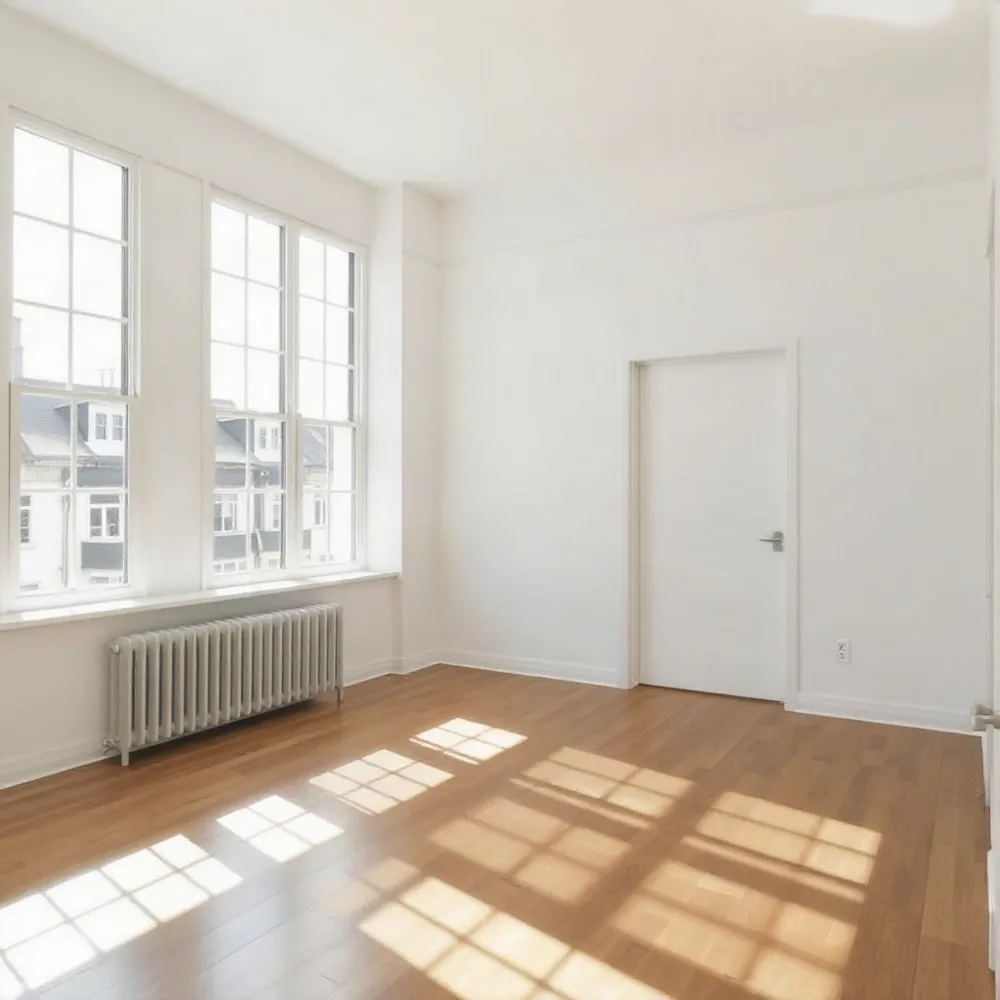
Move-out cleaning is a delicate balance between doing it too early and risking a re-soiled apartment, and cleaning too late, which can mean rushing through a checklist while the clock ticks. Property managers often schedule a final walk-through within days of your departure, and the condition you leave behind directly affects your security deposit. When you time your clean properly, you protect both your deposit and your landlord's goodwill.
Bravo Cleaning has learned from over 20 years of local experience that the ideal move-out clean happens 24 to 48 hours before the final walk-through. This window gives you enough time to address any missed spots, but not so much time that dust settles back onto freshly cleaned surfaces. If your cleaning is scheduled too far in advance, consider how quickly everyday living can undo your work. Opening windows, walking through with shoes, or moving furniture back into place can all introduce new dirt and grime.
Why Cleaning Too Early Backfires
Cleaning too early while furniture blocks access is a common mistake. You might spend hours on the oven, bathroom, and baseboards, only to discover that moving a couch or armoire reveals dust bunnies and crumbs you missed. Waiting until the last minute, on the other hand, leaves no room for error if you need to re-clean a spot or if a cleaning company has a scheduling hiccup. The goal is to find the sweet spot between thoroughness and practicality.
Too Early. If you clean five to seven days before the walk-through, everyday activities can re-soil surfaces. Foot traffic, cooking, and opening closets can all reintroduce dust and grime, undoing your work.Too Late. Starting the clean on the day of the walk-through often means rushing through critical areas, missing corners, and leaving visible streaks. Landlords inspect every baseboard and windowsill, and a hasty job rarely holds up to scrutiny.Just Right. A professional move-out clean performed 24 to 48 hours before the inspection gives you a buffer to address any callbacks. It also ensures the property stays presentable for the landlord's review, which is the standard most tenants aim for.
To time your clean effectively, start by scheduling a professional cleaning service that works around your move-out date. A service like Bravo Cleaning can coordinate with your landlord or property manager to ensure the final walk-through goes smoothly. Their teams are experienced in managing the flexible scheduling around move-in days that rental properties often require.
The Move-Out Cleaning Checklist: What Landlords Actually Check
Landlords check for signs of wear, not just surface dust. They look under appliances, inside cabinets, and along baseboards for evidence of extended use. Using a professional checklist as a guide, such as what landlords actually check, helps you avoid missing these hidden areas. A thorough approach that addresses common move-out cleaning mistakes can prevent deductions from your security deposit.
| Area | Landlord Checks | What You Should Do |
|---|---|---|
| Kitchen | Oven, stovetop, cabinet interiors | Degrease surfaces, wipe all shelves |
| Bathroom | Tiles, grout, toilet base | Scrub with disinfectant, remove soap scum |
| Floors | Carpets, hardwoods, baseboards | Vacuum thoroughly, mop or shampoo as needed |
| Walls | Scuff marks, holes, stains | Spot-clean and touch up paint if necessary |
| Windows | Tracks, sills, glass | Wipe tracks, clean glass streak-free |
| Appliances | Fridge, dishwasher, microwave | Empty and deep-clean interiors and seals |
One of the most effective ways to avoid losing your deposit is to schedule a professional deep cleaning near your move-out date. Many tenants underestimate how much dirt and grime accumulate in a year of living. A service like Bravo Cleaning uses eco-friendly products and trained staff to ensure every corner is addressed, giving you peace of mind during the final walk-through.
Final Walk-Through Strategies
The final walk-through is your last opportunity to leave a positive impression. Walk through your property with a checklist, checking for any spots you might have missed. Pay attention to areas that are easy to overlook during a standard clean, such as inside light fixtures, behind the toilet, and under the sink. A rigorous final review before move-in serves as the ultimate safeguard for maintaining property standards, as noted in this professional checklist.
If you're unsure whether you've covered everything, consider booking a professional cleaning service. A move-out clean from a company with a track record of reliability, like Bravo Cleaning, can save you the stress of a missing spot. Their staff knows the common move-out cleaning mistakes that often go unnoticed, and they'll ensure your property is inspection-ready.
Rushing and Missing Hidden Spots

Rushing is the single fastest way to lose part of your security deposit. When you are racing the clock to hand back the keys, the pressure to finish quickly often wins out over the pressure to be thorough. That trade-off shows up in the spots you skip without thinking: baseboards, window sills, and the inside of appliances are the classic hiding places landlords inspect first. Rather than guessing which areas matter, work through a structured list so nothing gets skipped in the final push.
Hidden Spots Landlords Actually Check
Landlords are not looking for a quick sweep and a wiped counter. They are checking the surfaces that prove whether a property was genuinely deep-cleaned or just tidied. Baseboards, door frames, window sills, and the tops of cabinets collect dust and grime that a standard cleaning pass misses entirely. Inside appliances, switch plates, and the areas behind the toilet are equally common culprits. A thorough approach that covers these spots makes the difference between a returned deposit and a deduction.
- Wipe down baseboards, door frames, and switch plates to remove dust and scuff marks.
- Clean window sills, tracks, and ledges thoroughly, including corners.
- Empty, wipe, and deodorize the inside of the oven, microwave, and refrigerator.
- Scrub behind the toilet and around the base of the fixtures.
- Dust and clean the tops of cabinets, ceiling fans, and vents.
- Vacuum and mop under furniture, beds, and large appliances where dust collects.
These are the exact areas professional cleaners prioritize, and landlords have seen enough move-out inspections to know where to look. A quick pass over the obvious spots simply does not cut it.
Forgetting Areas Landlords Check
Stove and oven. Grease splatters, baked-on food, and burnt residue in and around the oven and stovetop are among the first things a landlord sees. They are also the areas most often neglected during a quick turnover clean. A professional deep clean that includes pulling out the range and wiping down the backsplash will satisfy the inspector and protect your deposit.Doors and baseboards. High-touch surfaces like door handles, light switches, and kick plates collect oils and grime that people overlook in daily tidying. Baseboards accumulate dust and scuffs near the floor, where a landlord's eyes naturally travel. Wiping these down with a damp microfiber cloth and spot-cleaning scuffs makes the whole unit read as fresh and cared for.Inside cabinets and drawers. Cabinet interiors and drawer tracks are prime spots for crumbs, sticky residues, and dust bunnies. Landlords routinely open every door and slide every drawer during the inspection. A thorough wipe-down of shelves, tracks, and hinges with a non-toxic cleaner not only improves the chance of pass the inspection but also prevents future pest issues.Bathroom grout and fixtures. Soap scum, hard-water stains, and mildew in grout lines are common deductions on security deposits. Pay special attention to the areas where the shower meets the floor and around the sink base. A professional grout cleaning and a wipe-down of chrome fixtures can bring these surfaces back to a like-new state that appeals to both landlords and future tenants.
These often-missed areas regularly show up on move-out cleaning checklists because they are exactly what landlords inspect. For a full walkthrough of every spot that needs attention, see our guide on areas landlords check.
Top Move-Out Cleaning Mistakes That Cost You Deposits
Rushing the job. Starting too late or trying to clean the entire unit in a single evening leads to missed spots and a sloppy finish. Landlords notice streak-free windows, clean vents, and fresh-smelling carpets. A last-minute rush also means you might skip the deep cleaning that protects your deposit. Plan for at least a full day, and start with the most time-consuming tasks like oven cleaning and carpet care.Using the wrong products. Harsh chemicals can damage surfaces or leave residues that attract more dirt. For example, using a bleach-based spray on stainless steel may cause discoloration. Always test a small area first and choose eco-friendly, non-toxic cleaners that are safe for the types of surfaces in your rental. This is where professional cleaning services that use green products can save you time and worry.Forgetting the little things. Switch plates, vents, doorknobs, and light fixtures are often overlooked, but they are the details landlords check. Dust and grime on these areas signal a lack of thoroughness, even if the main surfaces are spotless. A quick pass with a duster and a damp cloth can make the entire unit feel more polished.Not cleaning inside appliances. The inside of the oven, refrigerator, and microwave are inspected closely. Leftover food, spills, and odors are red flags for a landlord. These areas should be given the same attention as the floors and counters. If you are short on time, prioritize the appliance interiors and make sure they are spotless and deodorized.
Avoiding these move-out cleaning mistakes can be the difference between getting your full deposit back and leaving money on the table. Professional cleaners understand what inspectors look for and have the right tools to handle tough stains and hard-to-reach places. At Bravo Cleaning, we specialize in turnover cleaning that covers every nook and cranny, so you can move out with confidence.
What Landlords Actually Inspect
Most landlords use a standardized move-out inspection checklist that covers specific areas of the property. Understanding these checkpoints helps you target your cleaning efforts effectively.
- Kitchen: stovetop, oven interior, refrigerator, sink, countertops, and cabinet fronts
- Bathrooms: toilet, shower, tub, sink, mirrors, and exhaust fan
- Living spaces: walls, baseboards, windowsills, and light fixtures
- Floors: carpets, hard surfaces, and tiled areas — with special attention to stains and residue
- Utilities: heating vents, air returns, and ceiling fans
A professional deep cleaning can save you the stress of tackling these areas alone. Our team at Bravo Cleaning uses eco-friendly products and pays attention to every detail, ensuring your property is move-in ready. We also offer customized packages for property managers and landlords, so you can rely on consistent, high-quality service whether you manage a single apartment or a large building. Learn more about how our consistent cleaning team helps maintain your properties.
| Area | Common Oversights | Bravo Cleaning Solution |
|---|---|---|
| Kitchen | Greasy stove, dirty oven, food crumbs in drawers | Deep clean with degreasers and eco-friendly wipes |
| Bathroom | Soap scum, grout stains, hard-water spots | Specialized tile and grout cleaning, chrome shining |
| Floors | Carpet stains, dirt in corners, sticky residue | Hot water extraction, carpet deodorizing, hardwood care |
| All rooms | Dust on vents, baseboards, not wiping switch plates | Detailed top-to-bottom dusting, surface wiping |
Using the Wrong Cleaning Products
Move-out cleaning is one of the most straightforward ways to protect your security deposit, yet simple errors often turn what should be a quick task into a financial loss. Many tenants focus on obvious dirt and forget the details landlords actually inspect. Avoiding the most common mistakes can mean the difference between a full deposit return and a costly deduction.
Professional cleaning teams see these slip‑ups regularly. The good news is that most are preventable. By understanding what landlords check and where tenants typically go wrong, you can approach the task with a clear plan and avoid the surprises that lead to charges.
Skipping the Top‑to‑Bottom Deep Spots
One of the biggest mistakes is focusing only on visible surfaces and ignoring the places landlords check first: inside cabinets, behind appliances, baseboards, and window tracks. A move‑out cleaning checklist that mirrors what landlords actually inspect shows these areas are the first to be evaluated. Leave a greasy range hood filter or dusty vents and it can trigger a professional cleaning charge.
Another overlooked spot is the top of door frames and ceiling fans, where dust accumulates after months of normal living. A thorough top‑to‑bottom pass, from high ledges down to baseboards, prevents missed areas that a walk‑through will catch. This is where the typical DIYer falls short because the focus stays on the floor.
Using the Wrong Cleaning Products
Many tenants grab a multi‑purpose spray and a scrub brush without checking what the surface can handle. Using harsh or inappropriate products on delicate surfaces is a frequent reason for damage that landlords notice. For example, abrasive powders can scratch porcelain, and bleach‑based cleaners can discolor laminate countertops. The Top 5 Move‑Out Cleaning Mistakes to Avoid specifically flags these product missteps as a leading cause of new damage.
A similar issue arises when tenants use a vinegar‑heavy solution on natural stone and then wonder why the surface looks etched. The 8 Easy Move Out Cleaning Mistakes in San Francisco reinforces that the wrong product can ruin fixtures, not just leave them dirty. When in doubt, spot test in an inconspicuous corner first, or rely on a professional service that knows which products are safe for each surface.
Wrong product. Using bleach on colored grout, ammonia on finished wood, or a degreaser on a matte finish can cause irreparable damage. Landlords will often deduct the cost of replacement, not just cleaning.Wrong technique. Scrubbing a delicate surface in circles with a rough pad embeds the cleaner and can strip the finish. A soft cloth and a straight‑line motion are safer.
For properties with carpets, the risk is even higher. Using a rental machine with the wrong shampoo can cause soil wicking, where dirt resurfaces after drying and looks worse than before. This is a common reason why a landlord schedules a professional carpet cleaning and deducts the cost from the deposit.
Forgetting the Final Walk‑Through Inspection
A rigorous final walk‑through before returning the keys is the single best way to catch issues. Use the Aspen Clean ultimate move‑out checklist as a guide, and bring a cleaning rag to fix any spot the landlord points out on the spot. This is the stage where most tenants realize they missed the inside of the oven or the base of the toilet.
Professional cleaners understand the value of this final pass. At Bravo Cleaning, a consistent team learns the property’s trouble spots, which makes the walk‑through faster and more reliable. A familiar face catches lingering marks that a rushed tenant would overlook.
The Cost of DIY Versus a Professional
Pricing out a move‑out cleaning is often less expensive than paying a landlord’s professional cleaning fee, especially when you factor in your time and the cost of buying multiple specialized products. A landlord may charge $150 to $400 for a standard clean, while a professional service offers a comparable finish for a similar amount, without the risk of accidental damage. The PODS move‑out checklist notes that a clean property is the fastest route to a full deposit return.
For multi‑unit buildings, property managers often prefer a bonded and insured cleaner. Bravo Cleaning brings over 20 years of local experience and eco‑friendly products, which directly addresses the health and safety concerns that property managers carry. The result is a move‑out that not only passes inspection but exceeds expectations.
Not Giving Cleaning Solutions Time to Work
Understanding what landlords look for during a move-out inspection is the first step toward getting your security deposit returned. Property managers have a specific set of criteria they use to determine whether a unit has been returned in acceptable condition, and knowing these can save you from costly deductions. The inspection is usually thorough, but it is not about perfection; it is about returning the home to a state that is close to its original move-in condition, accounting for normal wear and tear.
Most landlords will start by walking through the property with a checklist, noting the condition of every room. They are looking for visible dirt, grime, and damage that goes beyond standard wear. This is not a casual glance; it is a systematic review of surfaces, fixtures, and appliances. To pass, you need to ensure that your cleaning addresses the areas that are most often checked, which are the ones that are most visible to the naked eye and most likely to harbor hidden grime.
What Landlords Check First: The Visual Walkthrough
The initial walkthrough is where landlords form their first impression, and it is often driven by what they can see without opening a single cabinet. According to “Move-Out Cleaning Checklist: What Landlords Actually Check,” the decision to pass a unit often comes down to a quick assessment of high-traffic areas like the kitchen, bathrooms, and closets. They are looking for obvious signs of neglect, such as food splatters, accumulated dust, and soap scum. A final walk-through inspection before you hand over the keys can help you catch these issues before the landlord does.
Landlords also pay close attention to the condition of the floors. This is one of the first things they notice after the overall cleanliness. A professional move-out cleaning checklist that covers the landlord’s perspective emphasizes that they will look for streaky floors, baseboards, and the corners of rooms. If you are not sure your floors are up to standard, scheduling a professional deep clean, like the one from Bravo Cleaning, can be a worthwhile investment.
Specific Areas That Landlords Scrutinize
Beyond the visible walkthrough, landlords have a list of 'hot spots' that they will inspect closely. These are areas that are easy to miss but are common sources of dissatisfaction and security deposit deductions. The Top 5 Move-Out Cleaning Mistakes to Avoid highlights the most common oversights, which include not paying enough attention to appliances and ignoring the areas behind major furniture.
- Appliances: Inside ovens, microwaves, refrigerators, and dishwashers must be completely clean and free of food debris. Landlords will pull them out to check behind and underneath.
- Bathrooms: Grout, tile, and fixtures need to be free of soap scum and hard water stains. Toilet bases and the area behind toilets are common fail points.
- Closets and Storage: These are often overlooked, but landlords will check for dust, cobwebs, and any signs of pests. Make sure they are swept and wiped down.
Another critical area is the walls. Landlords will look for scuffs, marks, and holes that go beyond normal wear and tear. While on-the-wall damage is often not considered part of move-out cleaning, the buildup of grime and fingerprints on the walls is. A move-out cleaning mistakes article points out that dirty walls can be a significant reason for deposit deductions, especially if the paint is stained.
Using a Move-Out Cleaning Checklist to Your Advantage
The best way to avoid surprises is to work with the landlord’s perspective in mind. Use a professional move-out cleaning checklist that not only tells you what to clean but also what the landlord will specifically look for. This proactive approach helps you catch potential issues before they become reasons for holding back your deposit.
If you are short on time or want to ensure no detail is missed, consider hiring a professional service. A team like Bravo Cleaning understands the deep cleaning required to pass a landlord’s inspection. Our trained professionals can handle the tasks you might overlook, from degreasing kitchen cabinets to the corners of baseboards, giving you peace of mind and a better chance of getting your full deposit back.
Common Move-Out Cleaning Mistakes to Avoid
There is a common thread in the mistakes tenants make when cleaning their apartment for move-out. The common move-out cleaning mistakes that cost people their deposits are often about rushing and missing the less obvious spots. A list from the Aspen Clean blog, a cleaning service that has seen it all, lists the following as the top errors: not cleaning the tops of cabinets, forgetting to clean inside the oven, and neglecting to dust vents and moldings.
Another common mistake is using the wrong cleaning products, which can cause damage or leave residue. For example, using bleach on a colored surface or a heavy-duty scrubber on a fiberglass tub can cause permanent marks. It is essential to be informed and use the right materials for the job. If you are unsure about how to handle a specific surface, consulting a professional guide or hiring a cleaning service is a safer bet.
| Area | What Landlords Check | Why It Matters |
|---|---|---|
| Kitchen | Inside appliances, counters, sinks, and behind the fridge | Visible residue is a clear sign of neglect and a common cause of deductions. |
| Bathroom | Grout, toilet base, shower doors, and exhaust fans | Removes soap scum and prevents mold growth, a top inspection fail. |
| Floors | Vacuumed, mopped, and spotless edges | Neglect is a red flag for care and can lose the deposit. |
| Walls/Trim | Free of scuffs, stains, and grime | Shows you returned the unit in good condition beyond normal wear. |
Landlords are not unreasonably strict, but they are thorough. By understanding their point of view and what they will check, you can approach your move-out cleaning with a clear plan. If you ever feel overwhelmed, remember that a professional deep cleaning service is an investment that saves you time and preserves your deposit, which is often a better return than trying to do it all yourself.
Leaving the Booking to the Last Minute

A missed cleaning deadline can feel like a direct hit to your deposit, especially when you realize the schedule has slipped. Understanding the true cost of a delay helps you plan a realistic budget and timeline. While the deposit itself is the most obvious expense, the financial ripple effects can extend far beyond that initial deduction.
When you miss a move-out clean, you may face not only the loss of your security deposit but also additional charges for damages that were not properly addressed. Landlords often deduct for excessive dirt and grime that standard wear and tear would not cover. For example, if you leave behind a stained carpet or a dirty oven, your landlord may charge you for professional cleaning services or even replacement costs. To avoid these surprises, consider scheduling a professional move-out clean through a reliable service like Bravo Cleaning, which can help ensure every corner is addressed before the final walkthrough.
The True Cost of a Missed Cleaning Deposit
A single overlooked area can turn a full deposit return into a partial one. Landlords commonly charge between $150 and $500 for a standard move-out cleaning when you do not handle it yourself. This fee often covers basic tasks like scrubbing bathrooms, wiping down appliances, and vacuuming, but it rarely includes deep-cleaning services like carpet shampooing or upholstery cleaning. When those specialized services are needed, the cost can jump significantly, leaving you with a larger bill than you anticipated.
Beyond the direct cleaning fees, there is also the risk of losing your entire deposit if the property is left in poor condition. Many lease agreements allow landlords to deduct the full deposit amount for excessive cleaning or damage. This means a missed cleaning could cost you not just the deposit but also potential legal fees if the landlord decides to pursue additional compensation. To protect your financial interests, it is wise to plan your move-out cleaning carefully and consider hiring professionals who understand landlord expectations.
Cleaning fee.$150 to $500 is a typical range for a standard move-out cleaning when you skip the job yourself. This fee usually covers basic tasks but not deep-cleaning services.Deposit loss. Leaving excessive dirt or grime can cost you your entire security deposit, which often amounts to one month's rent or more, depending on your lease agreement.Additional charges. Landlords may bill you for carpet cleaning, upholstery cleaning, or other specialized services that go beyond normal wear and tear, adding hundreds of dollars to the total.
One of the most effective ways to avoid these costs is to book a professional cleaning service early in the moving process. According to Bravo Cleaning's blog on scheduling times, move-out cleaning services book up quickly, especially during peak summer months. By scheduling your cleaning at least a week in advance, you ensure that the service can fit into your timeline and that you have time to address any issues that arise during the final walkthrough.
Another common mistake is leaving the cleaning to the last minute. Professional services often have limited availability, and waiting too long may mean you have to scramble or settle for a lower-quality option. This is where the value of a trusted local provider like Bravo Cleaning becomes clear. With over 20 years of experience in the Minneapolis area, they understand the specific requirements of move-out cleaning and can tailor their services to meet landlord standards.
What Landlords Actually Check
Understanding what landlords and property managers look for during a final inspection can help you prioritize your cleaning efforts. Landlords typically check high-traffic areas, such as the kitchen and bathrooms, for signs of excessive grime, stains, or odors. They also look inside appliances, under sinks, and behind large furniture to ensure nothing is overlooked. According to a move-out cleaning checklist from Tidy, landlords specifically inspect areas like the insides of ovens and refrigerators, as well as the tops of cabinets and light fixtures. These often-neglected spots can become deal-breakers if they are not cleaned properly.
Another frequently checked item is the condition of the carpets. Stains and odors are among the top reasons for deposit deductions. A professional carpet deep cleaning can make a significant difference, and many landlords expect this service as part of the move-out process. If you are unsure whether your carpets need a professional cleaning, check our guide on how often to schedule professional carpet deep cleaning to understand the signs of when it becomes necessary.
Budgeting for a Clean Move-Out
To avoid unexpected deductions, create a realistic budget for your move-out cleaning. Factor in the cost of professional services, which typically range from $200 to $400 for a standard apartment, depending on the size and condition. This price often includes a thorough cleaning of all rooms, but it may not cover specialized services like carpet shampooing or upholstery cleaning. If your lease requires a professional move-out clean, make sure you obtain a receipt and keep it for your records.
If you are on a tight budget, consider negotiating with your landlord. Some landlords are willing to waive the cleaning fee if you leave the property in good condition, so it never hurts to ask. However, the most reliable way to protect your deposit is to ensure the cleaning is done correctly the first time. This means following a comprehensive move-out cleaning checklist that covers every area a landlord might inspect. Our turnover cleaning workflow provides a step-by-step approach to streamline the process and avoid last-minute stress.
Another key point is to avoid common mistakes that can cost you more than just your deposit. For example, using the wrong cleaning products can damage surfaces, leading to additional charges. A list of common move-out cleaning mistakes highlights errors like forgetting to clean inside the oven or not vacuuming under furniture. These small oversights can quickly add up, so take the time to do a thorough job or hire a professional who has the experience to catch them.
Why Professional Help Pays Off
For many renters, the cost of a professional move-out clean is a worthwhile investment. Not only does it reduce the risk of losing your deposit, but it also saves you time and stress during an already hectic period. Professional cleaners have the right tools and expertise to tackle stubborn stains, reach high places, and ensure every corner is spotless. They also understand what landlords look for, so they can focus on areas that matter most.
When choosing a cleaning service, look for one that offers a satisfaction guarantee and has a track record of reliability. Bravo Cleaning, for example, has built a reputation for thoroughness and customer satisfaction, as reflected in their testimonials. By entrusting your move-out clean to experienced professionals, you gain peace of mind knowing that your deposit is protected and your landlord’s expectations are met.
Final Thoughts on Budgeting
Failing to budget for a move-out cleaning can result in unnecessary expense and stress. By planning ahead, understanding landlord requirements, and investing in professional help when needed, you can ensure a smooth move-out process and maximize your deposit return. Remember, the goal is to leave the property in excellent condition, not just good enough. A little extra effort and a well-chosen cleaning service can make all the difference.
Skipping the Move-Out Cleaning Checklist
Move-out cleaning is more than a courtesy; it's often the deciding factor in whether you get your full security deposit back. Landlords and property managers have specific expectations, and small oversights can lead to deductions. Understanding the most common missteps can save you time, money, and stress. In this section, we'll review frequent mistakes and how to avoid them, drawing on industry checklists and professional insights.
Skipping the Move-Out Cleaning Checklist
One of the biggest mistakes tenants make is cleaning without a plan. Without a written checklist, it's easy to miss less obvious areas like baseboards, inside cabinets, or light fixtures. A comprehensive checklist ensures nothing is overlooked. For a detailed guide on what landlords actually inspect, refer to this move-out cleaning checklist that outlines key areas to focus on.
Similarly, property managers and cleaning teams benefit from using structured checklists to maintain consistency across units. As noted in our guide on skipping the move-out cleaning checklist, a well-defined list protects both parties and streamlines the turnover process.
Using the Wrong Cleaning Products
Another frequent error is using harsh or inappropriate cleaning products on surfaces like granite, hardwood, or stainless steel. Abrasive cleaners can scratch finishes, while certain chemicals may discolor grout or damage sealants. Always check manufacturer recommendations for surfaces. For move-out cleaning in Minneapolis, Bravo Cleaning uses eco-friendly, surface-appropriate products to ensure safety and quality, avoiding unnecessary damage.
Forgetting About Often-Overlooked Areas
Landlords frequently check areas that tenants forget, such as the top of kitchen cabinets, inside the oven, window tracks, and behind appliances. Grease buildup and dust in these spots are common deposit deductions. A thorough move-out cleaning should include these hidden areas. According to professional cleaning experts, failing to address these spots is a top mistake that costs renters their deposit, as highlighted in move-out cleaning mistakes.
Not Cleaning Carpets Professionally
Carpets absorb odors and stains that regular vacuuming can't remove. Many landlords require professional carpet cleaning before move-out, and failing to do so can result in full replacement or cleaning fees. Scheduling a professional deep clean not only meets lease requirements but also improves the chances of getting your deposit back. Learn more about the optimal frequency and benefits in our guide to periodic deep carpet maintenance.
Leaving Behind Trash or Personal Items
It may seem obvious, but forgotten trash, old furniture, or personal belongings can lead to hefty removal charges. Landlords expect the property to be completely empty and clean. A final walkthrough should confirm that nothing is left behind. Using a move-out cleaning checklist from a reliable source can help ensure you've accounted for every room, including the garage and balcony.
Ignoring the Condition of Walls and Fixtures
Scuffed walls, dirty light switches, and dusty vents are common deposit deductions that are easily avoidable. Touching up paint with the original color, wiping down all surfaces, and cleaning fixtures can prevent issues. Landlords pay attention to these details, as noted in what landlords actually check. Making a point to address these small but noticeable areas can make a significant difference.
Underestimating the Value of a Professional Touch
While many tenants attempt DIY cleaning to save money, professional move-out cleaning services often provide better results and save time. Professionals have the right tools, experience, and eco-friendly products to handle even the toughest grime. For property managers in Minneapolis, partnering with a reliable service like Bravo Cleaning ensures consistent quality, faster turnovers, and satisfied landlords. As shared in our article on the value of familiar faces on your cleaning team, consistent teams deliver better results and build trust.
Not Documenting the Move-Out Condition
Timing matters more than most renters expect. Touch up the apartment too early, and you will be re-cleaning dust that settles overnight. Wait until the last minute, and you might find yourself rushing through the bathroom when you should be dropping off the keys. The goal is to schedule the final cleaning pass so the unit looks its best at the landlord's walk-through, not the day before.
A common approach is to do the bulk of the cleaning 24 to 48 hours before the final inspection. This window gives you a little flex time for touch-ups without letting new grime accumulate. For a detailed checklist of what landlords actually inspect, the Move-Out Cleaning Checklist: What Landlords Actually guide is a practical reference. Keep in mind that if you are coordinating with a professional service, confirm their schedule well ahead of the inspection date so you are not paying for a rush visit or an unplanned second call.
What the Walk-Through Serves
The final walk-through is where the property manager compares the unit's condition against your move-in photos and the lease's cleaning expectations. This is the moment that determines whether you get your full security deposit back or receive a bill for extra cleaning. To protect yourself, take fresh photos or a video of every room immediately after your last pass, including the inside of the oven, the corners of closets, and the baseboards. This evidence is your defense if a dispute arises later.
Paying close attention to the areas a landlord actually checks, like the backsplash, window tracks, and the inside of the refrigerator, can separate a confident walk-through from a stressful one. If you are handling this yourself, review the steps in our move-out cleaning mistakes guide to avoid the most common oversights. And if you prefer a guaranteed result, Bravo Cleaning in Minneapolis offers a rigorous final walk-through inspection as part of its service, so you can hand over the keys knowing the unit meets professional standards.
Scheduling Your Deep Clean
For carpets and upholstery, the timing shifts. Deep cleaning methods leave moisture behind, and many surfaces need hours to dry completely. If you shampoo the carpets the same morning as the walk-through, you risk having damp fibers that look clean but feel wet, and the landlord may flag it. Schedule a professional carpet deep clean at least 24 to 48 hours before the inspection, and plan for drying time. Our guide on how often to schedule carpet deep cleaning covers the best intervals for different traffic levels.
For everyday touch-ups, use the extra day to keep surfaces dusted and sinks wiped. But for the deep work, give yourself a clear runway. Whether you clean every corner yourself or bring in a local team like Bravo Cleaning, the final 48 hours should be about light maintenance only, not emergency scrubbing.
Secure Your Full Deposit With Smart Move-Out Cleaning
Move-out cleaning feels straightforward, but small oversights commonly cost tenants their full security deposit. Landlords inspect for specific problem areas, and repeating the same errors as other renters is the fastest way to lose money. Knowing what inspectors actually check gives you a clear advantage during the final walkthrough.
The Top Mistakes Tenants Make
- Forgetting to clean inside appliances like the oven and refrigerator
- Ignoring baseboards, vents, and other dusty surfaces at eye level and below
- Leaving behind streaks or residue on windows and mirrors
- Skipping the inside of cabinets and drawers
- Not addressing soap scum or hard-water stains in the bathroom
- Forgetting to remove nails and patch holes in the walls
These oversights are avoidable with a systematic approach. Professional move-out cleaning in the Twin Cities helps you cover every corner, but even a DIY effort succeeds when you follow a thorough checklist.
For a detailed walkthrough of every area, refer to apartment move-out cleaning checklists that landlords and property managers commonly use.
Why Landlords Notice the Details
Property managers are trained to spot the difference between normal wear and tear and damage that results from negligence. A dirty oven or dusty baseboard suggests neglect, even if the apartment is otherwise clean. Inspectors also check for evidence of pests, mold, or lingering odors that could affect the next tenant.
Following a move-out cleaning checklist that lists what landlords actually look for reduces the risk of deductions.
Mistakes That Cost You the Most
Skipping the oven. Baked-on grime is tough to remove once it hardens; cleaning it before the final walkthrough is essential.Ignoring vents. Dusty vents signal poor maintenance and can trigger allergy complaints from the next occupant.Leaving streaks. On windows and mirrors, streaks are an easy deduction; use a proper glass cleaner and lint-free cloth.Neglecting the fridge. Stains and spills inside the refrigerator are a top complaint; wipe down all shelves and drawers.Overlooking baseboards. Baseboards collect dirt and grime; a quick wipe can prevent a noticeable deduction.Forgetting the bathroom. Soap scum and hard-water stains are among the most common deductions; address them thoroughly.
A simple mistake like using the wrong cleaner can also backfire. Avoid this by following professional move-out cleaning tips that emphasize the right products for each surface.
How to Ensure You Don't Miss a Spot
Work from the top down and the inside out. Start by tackling the kitchen and bathrooms, then move to the living areas and bedrooms. Use a checklist and check off each item as you go to stay organized.
For a deeper clean that covers even hard-to-reach areas, professional help can save time and stress. A local service like Bravo Cleaning offers trained teams and eco-friendly products, ensuring nothing is overlooked.
If you're preparing for a move, don't risk your deposit on avoidable oversights. Contact Bravo Cleaning at 612-876-4407 or visit our website for a free estimate and let our experts handle the dirty work while you focus on your next chapter.
Recent articles