How to Make Commercial Cleaning One Less Thing to Worry About


Start With a Manageable Plan
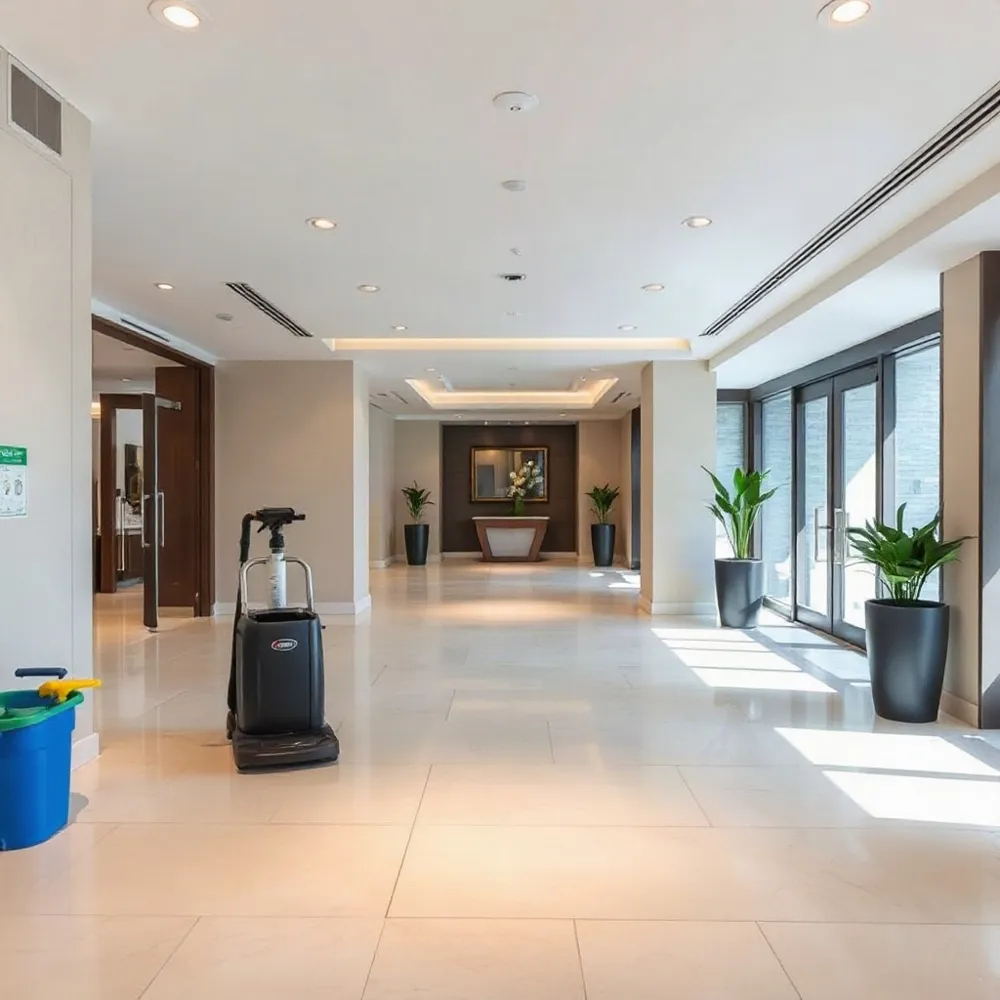
Cleaning needs attention, but coordinating every task can pull property managers and business owners away from their other responsibilities. A workable plan starts by deciding what the space needs, how often service should happen, and who to contact when something needs attention.
For commercial properties, dependable cleaning is a partnership: the provider and client agree on the scope, set a schedule around building use, and keep communication straightforward. A brief walkthrough can help identify busy shared areas, specific priorities, and tasks that should happen regularly or only from time to time. Bravo Cleaning draws on more than 20 years of local experience to provide customized services for Minneapolis-area commercial and residential properties.
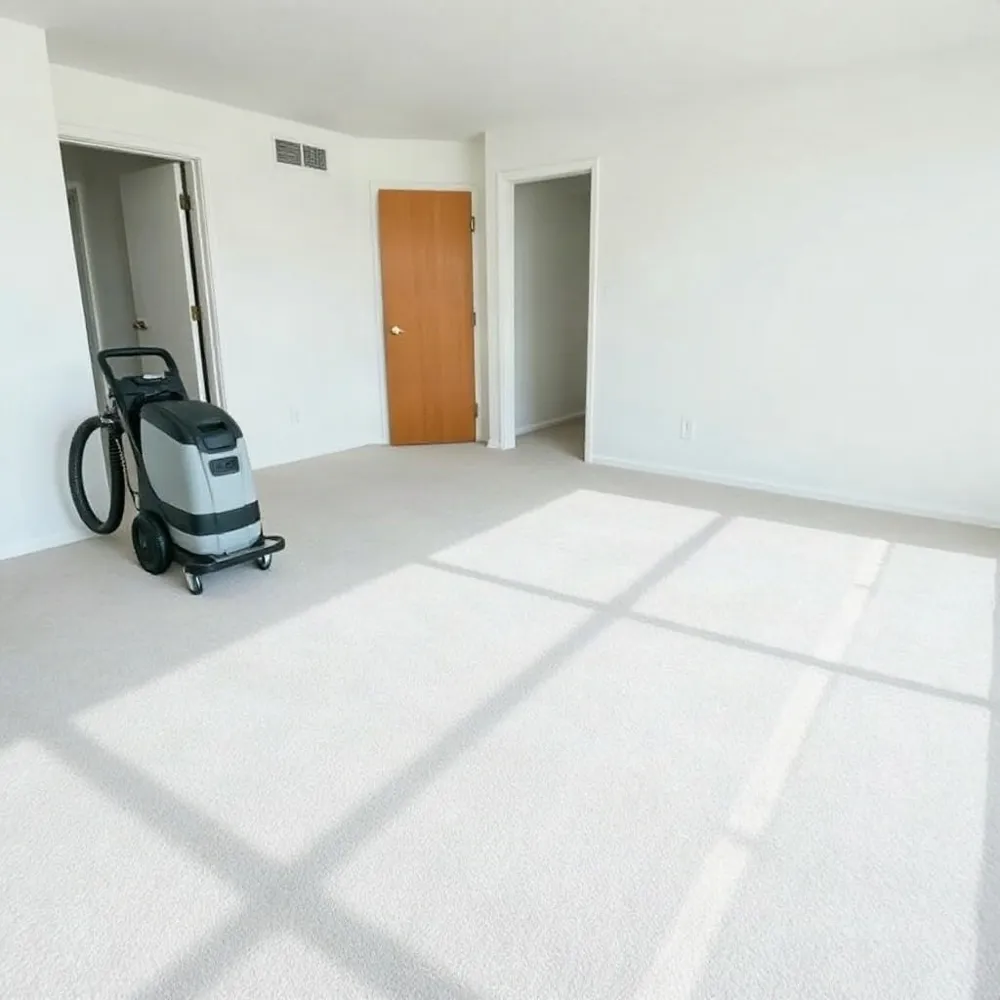
The plan can also extend beyond the workplace. Apartment and condominium managers may need turnover cleaning between residents, while businesses may require carpet care alongside routine service. Matching the work to the property helps keep expectations clear without adding unnecessary coordination.
Define What the Cleaning Plan Covers

A property walkthrough gives the cleaning team a chance to see how the building is actually used before service begins. Point out busy entrances, shared kitchens, recurring problem areas, occupancy patterns, and rooms with special instructions. A walkthrough also helps Bravo Cleaning tailor work to each property, including commercial spaces and apartment or condominium buildings.
Put the agreed scope in writing. Name the rooms included, the tasks for each area, how often they will be done, and what remains the client’s responsibility. For example, specify whether staff should clear desks or move personal items before cleaning, and whether the provider is expected to replenish restroom supplies.
What cleaning services are typically included in commercial cleaning?
Recurring service often covers emptying trash and recycling, dusting reachable surfaces, vacuuming carpets, and sweeping or mopping hard floors. Restroom care may include cleaning and sanitizing fixtures, wiping counters, and replenishing agreed-upon supplies. In breakrooms, the plan can cover counters, appliance exteriors, sinks, and waste bins. High-touch points such as door handles, switches, and shared surfaces can be included at a frequency suited to the building’s use.
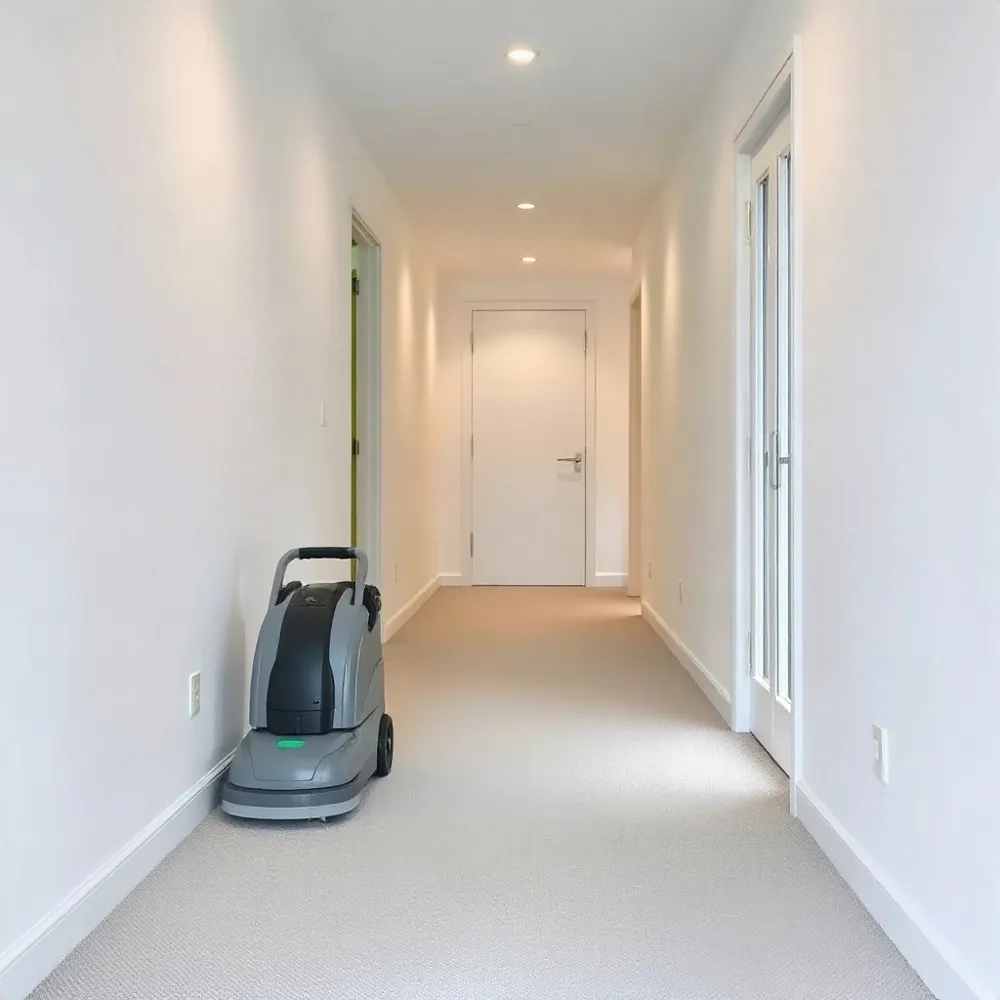
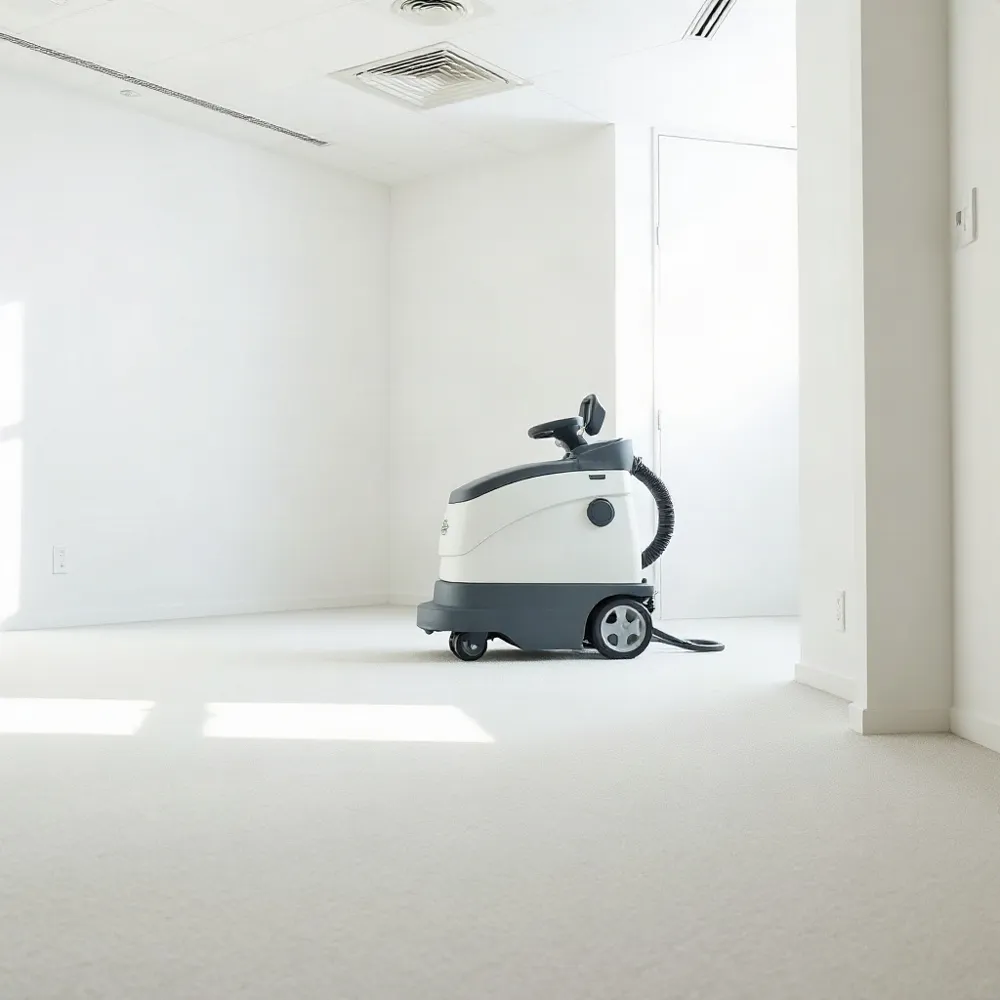
Separate routine upkeep from periodic or specialty work. Carpet extraction, upholstery and window cleaning, floor treatments, disinfection, and post-construction cleanup may require different equipment, timing, or fees. Bravo Cleaning’s experience with carpet care and turnover cleaning can be relevant when a property needs work beyond its recurring janitorial plan.
Before signing, ask which services are included, what may cost extra, and how long each visit is expected to take. Clarify how the schedule can respond to events, seasonal conditions, or changing occupancy. A written plan based on a walkthrough helps both sides set practical expectations; a property-specific cleaning plan can also help identify priorities before scheduling.
The right scope depends on the property, not a standard checklist alone. A busy lobby may need more frequent attention than a lightly used office, while a residential building may have distinct needs for shared spaces and apartment turnovers. Review the task list and frequency together so the service remains clear as building needs change.
Choose a Provider for Fit and Reliability

A detailed quote makes it easier to compare providers on the work they will actually perform, not just the price. Check that each proposal describes the areas covered, task frequency, specialty services, and any possible extra charges. Comparing written plans and contract terms can help reveal whether a low quote leaves important tasks out.
Before deciding, ask for references from clients with properties similar to yours and review available testimonials. Confirm the provider has experience with comparable buildings, trains staff in safe work practices, and carries appropriate insurance. Ask what relevant qualifications the team holds and how it handles changes in staff or service needs.
Bravo Cleaning is locally owned in Minneapolis, with more than 20 years of local experience and a focus on customized service, turnover cleaning, and carpet care. These details can help property managers assess whether its background fits their building, especially when comparing providers with different service specialties.
A named contact and responsive communication matter after work begins. They give managers a clear route for reporting missed tasks, sharing feedback, or requesting a schedule change. Ask how the provider records concerns and follows up, rather than assuming that issues will be resolved informally.
Service timing should also fit the property’s operations. Cleaning outside business hours or on weekends may reduce disruption, where those options are available. Bravo Cleaning’s customized approach can be discussed alongside the building’s occupancy patterns and priorities; managers can also compare providers using this guide to choosing a cleaning partner.
Make the Cleaning Process Predictable

A predictable cleaning process starts before the first task. During a property walkthrough, the client and cleaning team can identify priority areas, discuss building routines, and agree on what is included, how often it will be done, and when service can take place. For apartment turnovers and commercial properties, Bravo Cleaning can tailor its cleaning services to the building and its timing needs.
What steps are typically involved in a professional cleaning process?
Once the scope and schedule are clear, the team prepares the space, equipment, and products for the work. The client should explain preferences, such as whether lower-impact products are desired, and identify any surfaces that need special care. Product availability and environmental features vary by provider, so it is worth confirming what methods and options are offered.
A checklist gives cleaners a consistent order of work and makes responsibilities easier to review. Crews may dust higher surfaces before lower ones, clean shared spaces and restrooms, attend to frequently touched points, and finish with suitable floor care. The sequence should fit the property rather than apply the same routine to every building. Bravo Cleaning’s experience with commercial properties, apartment buildings, and turnover cleaning supports plans shaped around each site’s use.
Methods should match the surface and task. A disinfectant, for example, needs to be used according to its label, including any required contact time; staff also need suitable training in product handling and safety. These procedures should be discussed with the provider rather than assumed to be identical across cleaning teams.
At the end of a visit, a final review can compare completed work with the checklist and agreed standards. The team can note missed tasks, flag issues, and complete touch-ups where needed. A clear process for reporting concerns makes it easier to address a problem promptly instead of letting it recur.
Feedback helps refine future visits as occupancy, building use, or turnover timing changes. A walkthrough, written scope, checklist, and review create a practical record of what was agreed and what may need adjustment. For a broader overview of how professional cleaning can be organized, see the cleaning process steps.
Set Up Access and Building Boundaries
Before the first visit, make it clear where cleaners should work, what they should leave untouched, and how they can enter the building. A brief room-by-room walkthrough helps turn general expectations into practical instructions and can prevent avoidable interruptions.
Mark spaces that are off limits, identify rooms with special requirements, and explain whether cleaners may move paperwork or other items to reach a surface. Point out waste and recycling bins tucked under desks or in less visible corners. Clarify which shared responsibilities belong to the cleaning team, such as emptying bins or restocking washroom supplies, and which remain with building staff.
For properties around Minneapolis, Bravo Cleaning provides customized cleaning services for commercial buildings and apartments, so room-specific instructions can help align the work with how each property is used. A written checklist can preserve those details when routines or staff change. For additional guidance on communicating building requirements, see how to set up access and building boundaries.
Arrange keys, key cards, identification requirements, and alarm procedures before service starts. Name a contact for access problems, and agree on what the cleaning team should do if a key is lost, a card malfunctions, or the alarm cannot be set or disarmed. Avoid sharing credentials more broadly than necessary, and establish how authorized replacement staff will receive access if the regular crew changes.
These safeguards reduce uncertainty for both the property team and cleaners. Clear boundaries protect private areas and belongings, while a workable access plan helps scheduled service continue without unnecessary delays.
Review Results and Adjust the Schedule
Once service is underway, review the plan against what is happening in the building. Where practical, a trial clean can show whether the agreed tasks and timing fit the space before the arrangement settles into a routine. A working cleaning checklist helps make expectations easy to check.
Use more than a quick visual scan to assess results. Walk through the building, compare completed tasks with the checklist or service record, and note any areas that are repeatedly missed. Employee feedback, complaint patterns, and how quickly concerns receive a response can help show whether the service is meeting day-to-day needs.
Schedule regular check-ins with the provider to discuss what is working and what needs attention. Foot traffic may change as occupancy shifts, while seasonal conditions or special events can create new demands. Bravo Cleaning’s locally owned team provides customized cleaning for commercial properties, so managers can discuss whether task priorities or visit timing should change as building needs evolve.
A consistently cared-for workspace can support a professional impression for visitors and a more orderly environment for staff, without guaranteeing particular health or productivity outcomes. Outsourcing may also reduce some in-house responsibilities, such as managing cleaning staff, training, and equipment, but any savings depend on the business and the service arrangement. For a useful review, compare the agreed scope, completed work, feedback, and current operating needs before deciding what to adjust.
Tailor Cleaning Beyond the Workplace
Cleaning plans can extend beyond offices and shared commercial spaces. At Bravo Cleaning, service is tailored across residential and commercial properties, including apartment and condominium buildings, with a stated focus on turnover cleaning and carpet care. The exact work depends on the property and the agreed plan.
What services are typically included in residential cleaning?
Routine residential cleaning commonly covers dusting surfaces, wiping counters, cleaning kitchens and bathrooms, vacuuming carpets and rugs, and mopping hard floors. Depending on the home and service arrangement, it may also include light tidying, emptying trash, or cleaning accessible interior glass and mirrors.
A deep clean can give more attention to buildup and areas that are not part of routine upkeep. Move-in and move-out cleaning is planned around preparing a home for its next occupants, so its checklist may differ from recurring service. The appropriate scope depends on the property's condition and the customer's priorities.
Checklists vary by home and provider. Before service begins, identify the rooms to be cleaned, the tasks that matter most, and any special requests. This makes it easier to agree on what is included rather than assume every visit covers the same work.
The same tailored approach applies across homes, apartments, condominiums, and commercial buildings. Bravo Cleaning's work with residential and commercial properties, apartment and condominium buildings, turnover cleaning, and carpet care reflects that range, but those services are not necessarily included in every plan. Confirm the scope and schedule for the specific property.
For more on how cleaning plans can account for different property types, see tailored cleaning beyond the workplace.
Keep the Arrangement Easy to Maintain
Commercial cleaning is easier to manage when responsibilities, access, timing, quality checks, and communication are agreed on before service begins. A walkthrough can help property managers and business clients build a plan around how people actually use the building, from busy shared spaces to quieter offices.
After service starts, staff feedback and regular checks can show whether the schedule still fits or needs adjustment. For example, the EPA’s guidance on air duct cleaning recommends addressing duct cleaning when there is evidence of a specific problem rather than treating it as routine maintenance.
Bravo Cleaning’s locally owned team brings more than 20 years of Minneapolis experience to customized commercial cleaning, including carpet care and building turnover work. Clear expectations and a dependable service relationship help keep the arrangement practical as a property’s needs change.
Recent articles