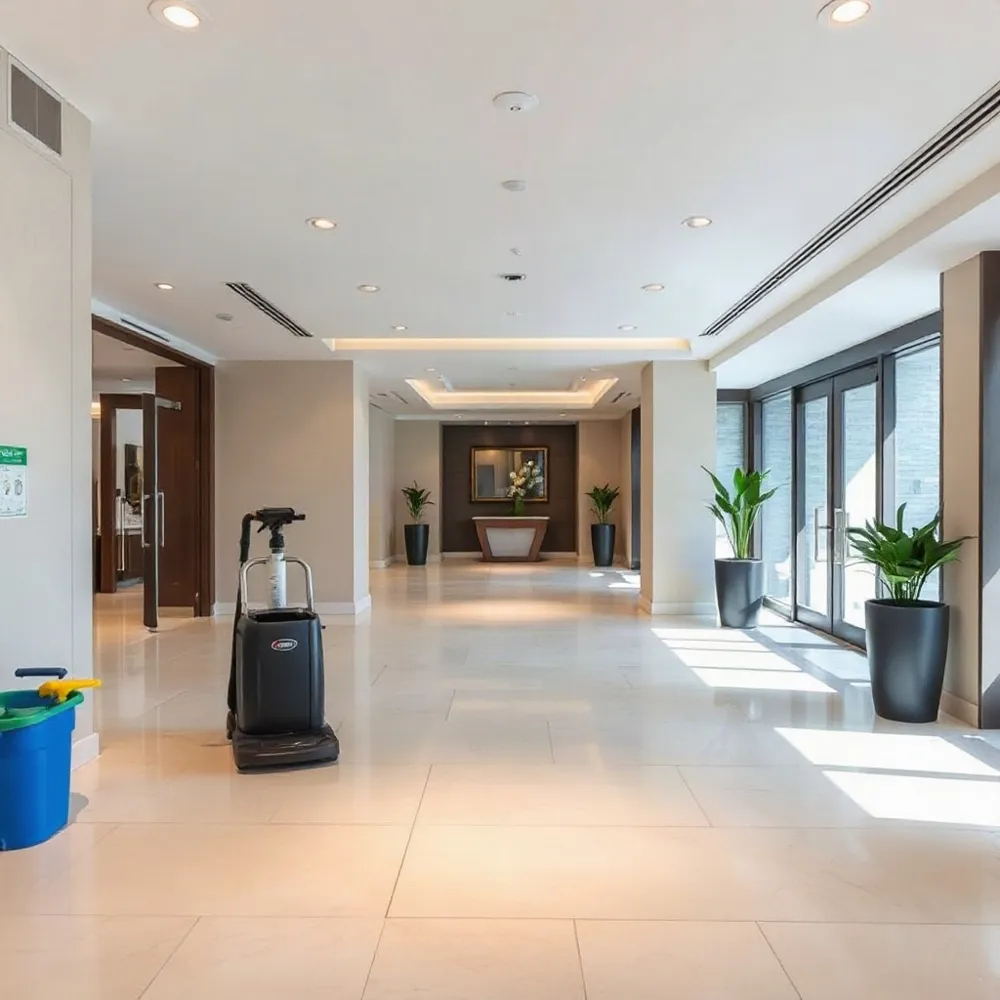
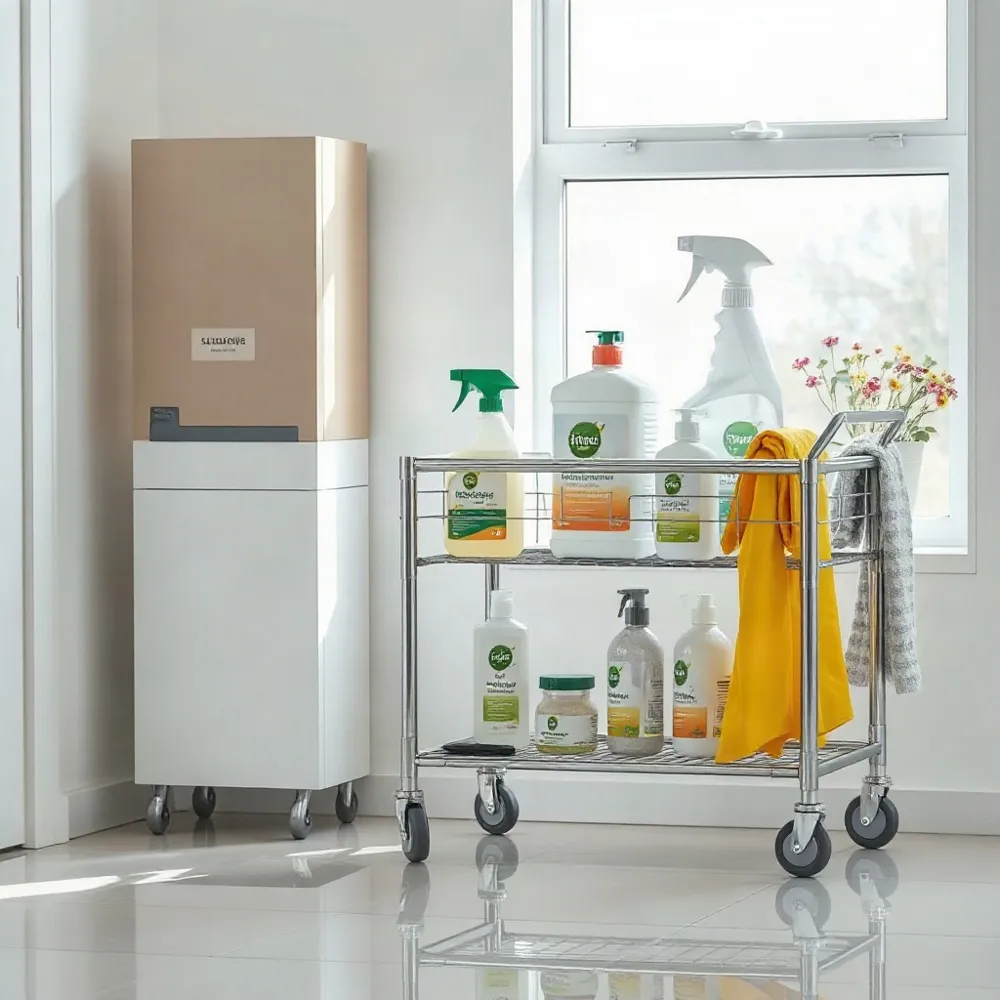
One Cleaning Plan for Offices, Common Areas, and Apartments


One Plan Across Different Spaces
A property manager may oversee offices, apartment homes, and shared spaces such as lobbies and corridors, but each area serves different people and sees different levels of traffic. Applying one generic checklist across the whole building can leave busy entrances overlooked or include tasks that do not fit a particular space.
A coordinated plan makes expectations clear by documenting what gets cleaned, how often, who is responsible, and how results are checked. The schedule should still reflect each area’s use, surfaces, operating hours, and tenant needs, with room to adjust as conditions change.
For Minneapolis properties, Bravo Cleaning brings local experience across residential and commercial cleaning, including apartment and condominium turnover work and carpet care. Its customized approach offers property managers a starting point for coordinating distinct spaces without treating them as interchangeable.
Commercial and Residential Cleaning

Commercial cleaning serves workplaces and shared properties, including offices, apartment lobbies, corridors, and other common areas. Residential cleaning focuses on private homes, where priorities and timing tend to reflect household routines and preferences. For Minneapolis property managers overseeing both, Bravo Cleaning’s work across residential and commercial properties provides a local option for coordinating distinct needs without treating every space the same.
Commercial spaces often bring higher foot traffic, shared facilities, and building access requirements. Service times may need to fit operating hours, occupancy, and tenant activity. In a private home, the plan is more likely to reflect residents’ schedules, requested tasks, and preferences for products or surfaces. In both settings, clear expectations about the scope help prevent missed tasks and confusion.
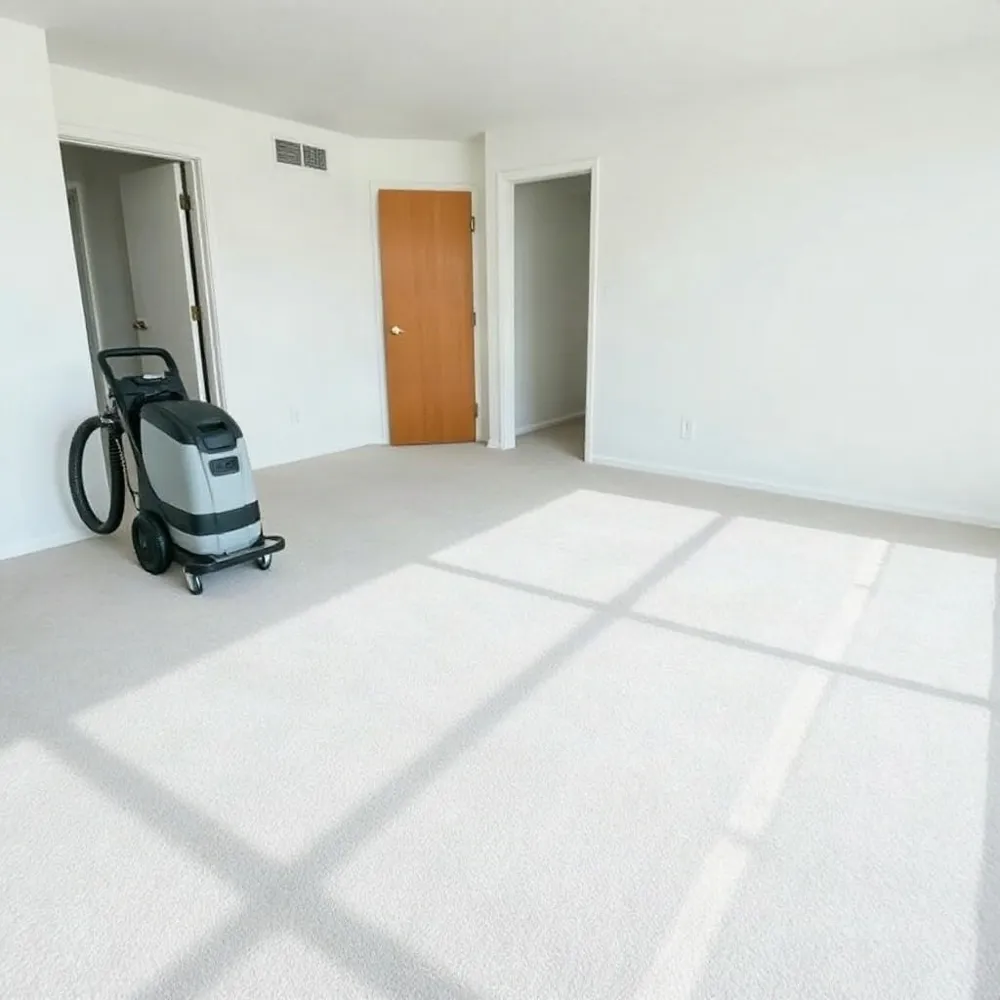
The work itself should match each area’s materials and use. Carpet care may be part of ongoing maintenance, while apartment turnover cleaning focuses on preparing a home between occupants. Bravo Cleaning specializes in turnover cleaning and carpet care, alongside services for homes, offices, and apartment and condominium buildings.
A property with offices, shared spaces, and apartments can use one coordinated service plan while keeping separate task lists for each zone. Define what is cleaned, how often, and who handles supplies or access. This approach connects commercial and residential cleaning needs while preserving the different standards and routines each space requires. For a closer look at how the two service settings differ, see commercial and residential cleaning.
Building a Practical Office Routine

An office cleaning schedule should reflect how people use the building, not just its floor area. Occupancy, visitor traffic, operating hours, tenant expectations, and the mix of work and shared spaces all affect how often each area needs attention. Bravo Cleaning’s customized commercial services can be shaped around the needs of offices and other local properties.
Busy, multi-tenant offices may benefit from daily or nightly service, while lower-traffic areas can be cleaned less often. Entrances, reception areas, restrooms, and break rooms often deserve attention at each scheduled visit, along with visible spills, waste removal, recycling handling, and cleaning agreed high-touch or shared surfaces.
What should an office cleaning checklist include?
A useful checklist names the areas to be cleaned, the task frequency, and any limits on handling personal belongings. Workstations and conference rooms may need waste removal and care for agreed surfaces, but staff should clear personal materials and identify electronics or other items that require special handling. Cleaners should not move papers or handle equipment unless the scope specifically allows it.
Weekly or periodic work can cover detailed dusting, interior glass, upholstery, less-accessible areas, and deeper floor care. Carpet cleaning should be planned separately from routine vacuuming, according to wear and condition. Bravo Cleaning also provides carpet care, allowing property managers to consider floor needs alongside recurring cleaning without treating specialty tasks as part of every visit.
Set service times to suit building access and tenant activity, whether cleaning takes place during or outside business hours. Include restocking only when it is part of the agreed scope, and review the routine when occupancy, operating hours, traffic, or facility conditions change. A flexible schedule helps keep the checklist useful as the workplace evolves.
For more on matching service frequency to occupancy, visitor traffic, and actual space use, see how to build a practical office routine.
Scheduling Apartment Building Care

What is a good cleaning schedule for an apartment building? It is one that reflects the property’s size, resident traffic, occupancy, tenant needs, and seasonal conditions, rather than applying the same frequency everywhere. Bravo Cleaning’s local experience with apartment and condominium buildings, including turnover cleaning and carpet care, supports plans tailored to the property instead of a fixed checklist.
Set routine attention around actual use. Entrances, lobbies, corridors, and other busy shared areas may need frequent checks for tracked-in debris, visible spills, touchpoints, and overflowing waste or recycling. Restrooms and amenities should be serviced according to their use and the agreed scope, including any responsibilities for restocking.
Weekly or periodic detailing can cover work that does not need to happen on every visit, such as cleaning interior glass, edges, ledges, or less-used floor areas. The right interval depends on the surface and conditions, so specialty work should be set after a property assessment rather than treated as a universal requirement. A building-specific cleaning schedule can help managers account for traffic, occupancy, and tenant needs across different spaces.
Treat vacant-unit turnover as its own checklist-based scope, separate from common-area upkeep. Depending on the unit’s condition and agreement, it can include kitchens, bathrooms, appliances, cabinets, floors, and carpets. Record completed tasks and use a clear sign-off process so the property contact and cleaning team share the same expectations before a unit is ready for its next resident.
Scoping Costs and Responsibilities
What factors affect the cost of professional commercial cleaning? The estimate depends on the cleanable area, service frequency, occupancy, foot traffic, and the building’s condition. Restroom and break room demands, along with carpet and hard-floor types, also shape the work involved.
Specialty tasks, building access, and scheduling constraints can affect labor and pricing, so a walkthrough is useful before requesting proposals. A manager and cleaning provider can identify zones, surfaces, sanitation priorities, entry conditions, and times when service can take place. Bravo Cleaning’s customized commercial work and experience with apartment and condominium properties offer a local basis for discussing how the scope should fit each space.
Document the agreement in plain terms: list the areas and tasks included, how often each task is performed, what is excluded, and who handles supplies, restocking, and maintenance reporting. Set expectations for access, service timing, and how completed work will be checked. This makes proposals easier to compare without relying on an unsupported per-square-foot rate. For more on factors that shape a property-cleaning budget, see cost considerations and pricing models in property cleaning.
Use consistent checks in the same high-priority areas and record repeat issues separately from one-time misses. If a problem continues, review whether the task instructions or service frequency need adjustment, rather than assuming the work was simply missed. Keep the cleaning contact informed about recurring concerns, maintenance issues, and changes in occupancy or facility use. Bravo Cleaning’s flexible, tailored approach can support scope discussions as property needs change.
Keep the Plan Responsive
A coordinated cleaning plan can support consistent service across offices, apartments, and shared areas without treating them as interchangeable. Set expectations by space, then review them when occupancy, operating hours, tenant use, complaints, or surface conditions change. A task that once fit a quiet corridor may need a different frequency during a busier season.
For Minneapolis properties, Bravo Cleaning brings more than 20 years of local experience to customized residential and commercial cleaning, including apartment turnovers and carpet care. Its eco-friendly practices can also inform discussions about products and methods. Regular communication helps property managers and cleaning teams adjust priorities, coordinate responsibilities, and keep service frequencies aligned with how each space is actually used.
Recent articles