How 20 Years of Local Experience Shapes Better Cleaning


Experience That Meets Local Needs
Cleaning needs are shaped by how a property is used, who moves through it, and when work can be scheduled. A home, a busy office, and a shared residential building each call for a different approach. For property managers, reliable service also means fitting cleaning around residents, staff, and turnover deadlines.
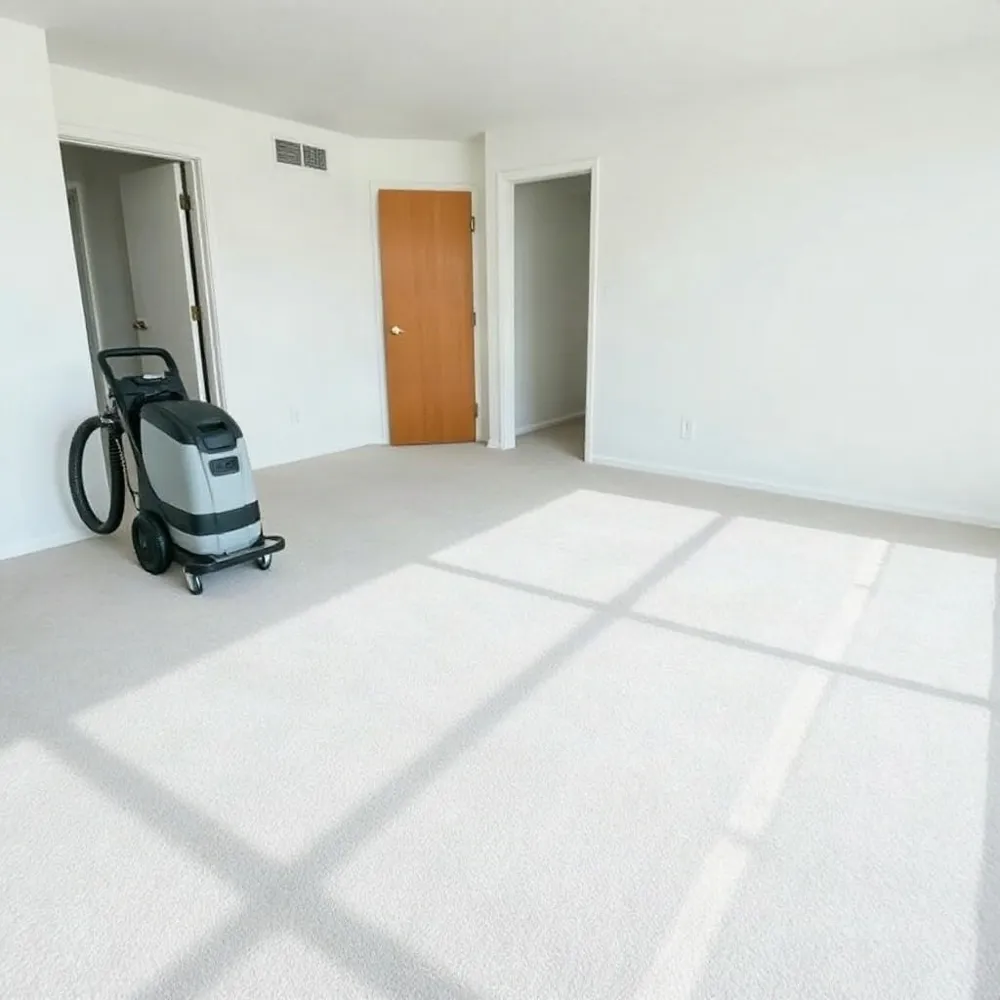
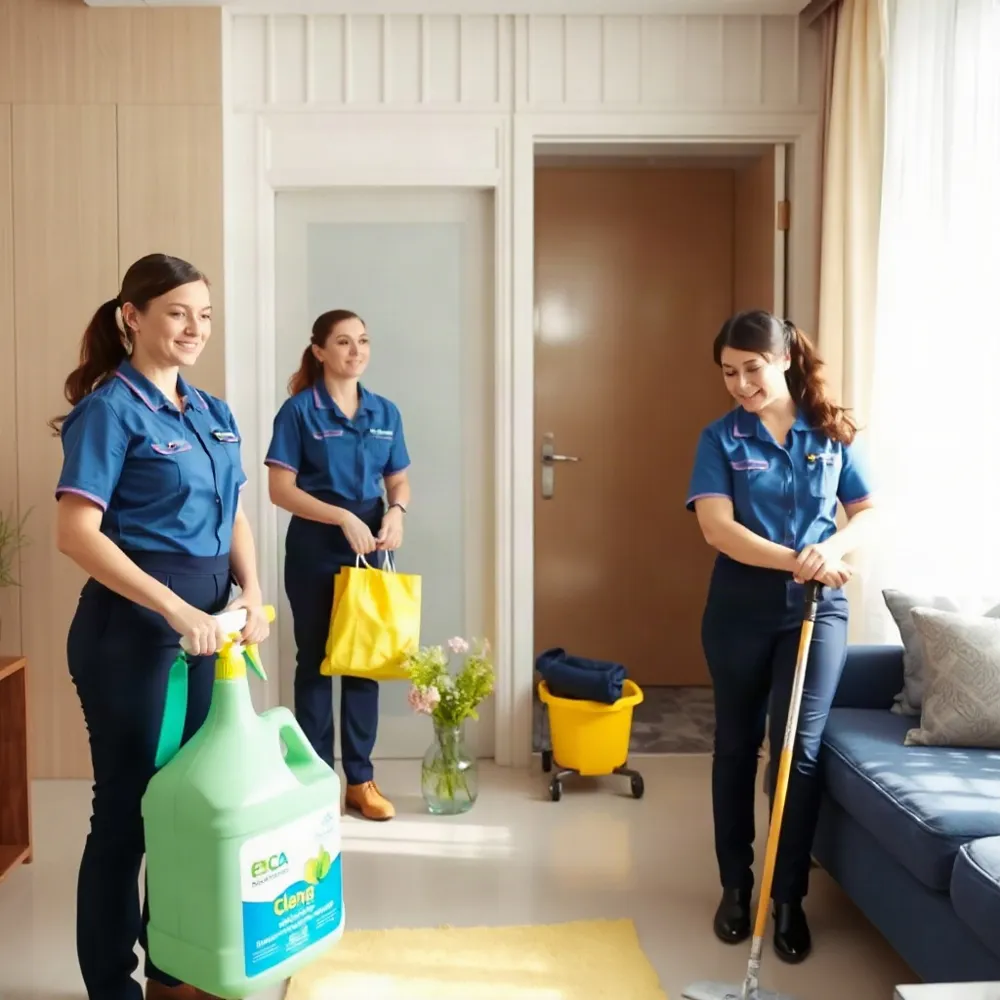
Bravo Cleaning is a locally owned Minneapolis company with more than 20 years of local experience. That history informs its focus on customized service for homes, commercial spaces, apartments, and condominiums, including turnover cleaning and carpet care. For shared buildings, attention to entrances, common areas, and move-in or move-out work can help keep spaces ready for the people who use them.
The sections ahead look at what professional cleaning adds, how plans can reflect each property, and why local knowledge matters in shared spaces. They also cover practical green-cleaning choices and everyday habits that can support dependable service without losing sight of occupants’ needs.
What Professional Cleaning Adds

A clean, cared-for property helps residents, tenants, employees, and visitors feel welcome. In apartment and condominium buildings, tidy entrances and shared spaces contribute to a positive first impression, while well-kept work areas support a more pleasant day at the office. Bravo Cleaning’s more than 20 years of local experience includes residential and commercial properties, including multifamily buildings.
Professional teams bring repeatable routines and equipment suited to the work. That matters for recurring upkeep, where missed steps or unsuitable methods can leave a space less ready for its next occupant. Bravo Cleaning’s cleaning plans are tailored to the property.
A cleaning partner can also reduce the daily coordination load on property managers and staff. Agreeing on priorities, access, and timing helps keep routine work on track, while a flexible scope can respond when a move-out, spill, or change in building use calls for attention. Bravo Cleaning’s customized services are intended for the needs of individual residential and commercial properties.
Appropriate cleaning can support a healthier indoor environment by removing dirt and maintaining frequently used surfaces. Product selection is one part of that work: the EPA’s guidance on identifying greener cleaning products explains how buyers can assess environmental claims and product labels. These are general benefits of sound cleaning practices, not measured outcomes attributed to any one provider.
Plans Built Around Each Property

A useful cleaning plan starts with the property itself, not a standard checklist. The owner or manager and cleaning provider can review the building’s size, layout, flooring, occupancy, and busiest areas, then agree on priorities and expectations. Bravo Cleaning’s property-specific planning approach reflects this need to fit service to the space.
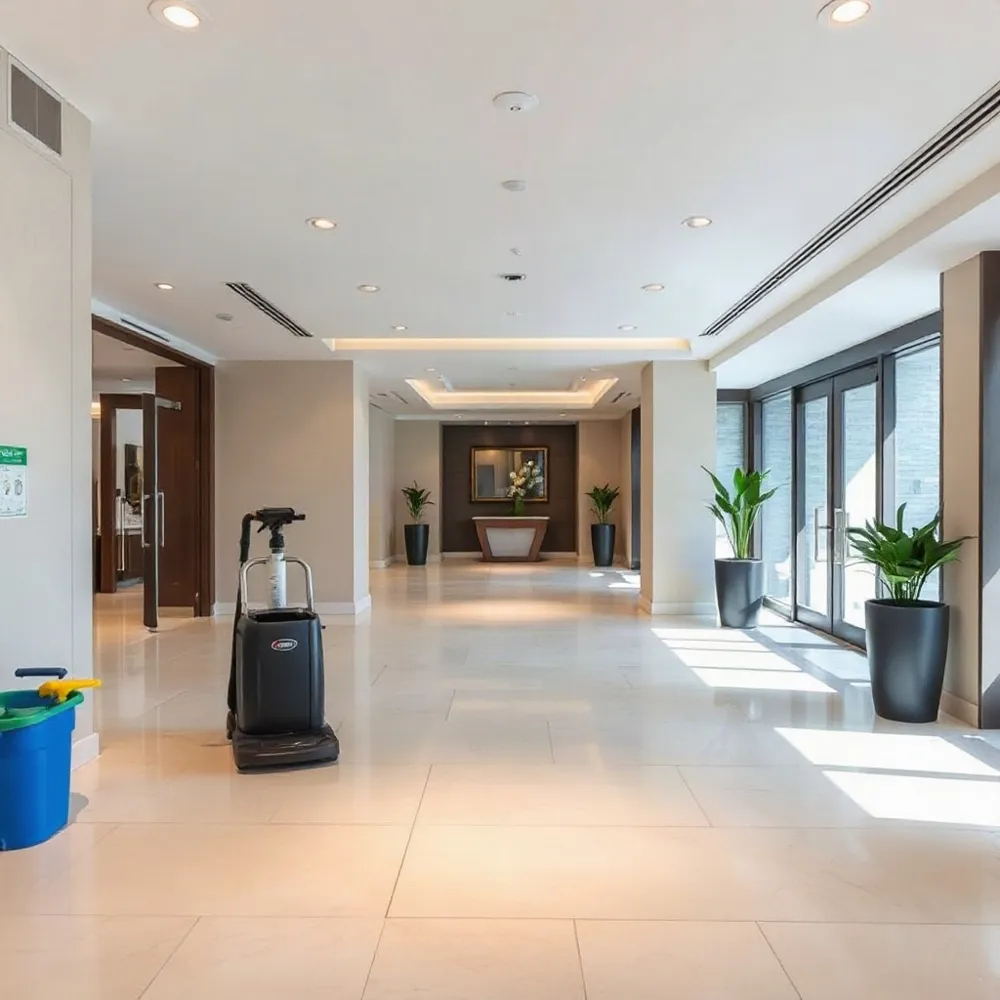
For an apartment or condominium building, that may mean scheduled care for shared spaces such as hallways, lobbies, laundry rooms, elevators, and stairwells, alongside move-out cleaning for individual units. Bravo Cleaning serves apartment and condominium properties, which can help managers coordinate unit preparation with ongoing attention to common areas.
The right frequency and scope depend on how a property is used. Occupancy changes, seasonal conditions, turnover deadlines, available budgets, and limits on access or scheduling can all affect what gets cleaned and when. A plan can set routine tasks while leaving room to adjust for a vacancy, a busy period, or a time-sensitive request.
Tailoring also means matching the work to the materials. Carpet care may be included where flooring needs regular attention, while products and methods should suit the surface and the client’s preferences. Property managers can discuss the right scope when setting priorities, rather than assuming every building needs the same treatment.
The plan should remain open to review after work begins. Clear communication gives managers a way to flag missed areas or changing needs, while regular quality checks help confirm that agreed tasks are being completed. As occupancy or building conditions shift, the owner or manager and cleaning team can revisit priorities, timing, and scope together.
Local Experience in Shared Spaces
Apartments and condominiums bring residents, visitors, vendors, and property staff through the same entrances, hallways, elevators, and shared rooms. These areas can collect dirt quickly, so a cleaning plan needs to reflect how each building is used, rather than rely on a fixed checklist.
Local familiarity may help a cleaning team notice how property type, seasonal conditions, and daily routines affect service needs. That is a general benefit of experience, not proof of any particular company’s history. Bravo Cleaning describes itself as locally rooted in Minneapolis and serves residential properties, including apartments and condominiums. Its local experience in the Twin Cities offers further context on how familiarity with local properties can shape cleaning processes.
Recurring service can address high-traffic areas while leaving room to adjust for move-ins, move-outs, and shifts in building activity. Clean shared spaces contribute to residents’ day-to-day experience, though cleanliness alone cannot guarantee that residents will stay. A cleaning plan can help property teams prepare spaces between occupants.
Community roots and customer testimonials can help readers assess a local provider, but specific claims or quotations should be checked against Bravo Cleaning’s own reliable materials. Property managers can also ask how service feedback is handled and how recurring tasks are adjusted when a building’s needs change.
A Practical Approach to Green Cleaning

Green cleaning aims to protect people’s health while reducing environmental harm. It combines lower-impact products with careful methods, such as limiting waste and using water and energy thoughtfully. The approach is not simply a matter of choosing a product labeled “green.”
Product choice should reflect who uses a space, which surfaces need care, and what the task requires. A product that suits a hard floor may not be right for upholstery, and shared areas call for attention to occupants’ comfort as well as cleanliness. Hygiene remains the goal, so lower-impact methods still need to work for the job.
Property managers can look for clear ingredient information and products designed to break down in the environment, while considering whether cleaning may leave strong fumes or residue. Recognized environmental criteria can help when comparing product claims. Eco-friendly practices may be part of a provider’s service approach, but specific products or certifications should be confirmed rather than assumed.
Good practice also depends on how products are handled. Staff need to follow label directions and use the correct dilution, since too much cleaner can waste product or leave residue. Efficient equipment, appropriate ventilation, and responsible disposal of leftover solutions and packaging can further reduce a cleaning routine’s impact. For property managers, asking a provider how its team selects products and trains staff helps clarify whether its methods suit the building and its occupants.
Everyday Practices That Reduce Impact
Small choices in a cleaning routine can reduce waste and unnecessary chemical use without lowering service standards. For Bravo Cleaning, whose work includes homes, businesses, and shared properties, product selection and methods need to suit the people who use each space and the surfaces being cleaned.
When an eco-label is relevant, it can help clients compare products using recognized criteria. Product claims can be assessed by checking for clear ingredient information and recognized environmental criteria. Cleaners should still check label directions and surface compatibility, since a suitable product depends on the cleaning task and material.
Reusable microfiber cloths and washable mop heads can replace some disposable wipes and paper towels. Damp-cloth methods may also reduce water use where appropriate, while efficient, energy-conscious vacuums and floor-care machines can limit resource use during routine work.
Measured dilution, staff training, and following product instructions help prevent overuse and reduce the chance of residue or surface damage. Teams should also handle leftover products and wastewater carefully, according to applicable directions, rather than sending chemicals into drains or disposing of them improperly.
A practical approach is not one fixed checklist for every property. Customized services allow methods to account for flooring, fixtures, cleaning goals, and occupant needs. The aim is to reduce avoidable impact while still delivering dependable results.
Choosing a Dependable Cleaning Team
The right cleaning partner should understand the demands of your property, not just offer a standard checklist. Bravo Cleaning brings more than 20 years of local experience to residential and commercial work, including apartment and condominium properties. Ask any prospective provider about experience with properties like yours and how its team handles busy entrances, shared spaces, and move-outs.
Before agreeing to service, ask who supervises the work, how staff are trained, and whether the company carries insurance. Find out how it checks details and responds when a task is missed. Reliable communication matters when cleaning must fit around residents, tenants, vendors, or business hours, so ask how schedule changes and service concerns are handled.
A dependable team should explain how its plan is tailored to your building and which products and methods it uses. Ask whether eco-conscious options are available and how the provider chooses products suited to the surfaces being cleaned. For product labels and environmental claims, consumers can review the criteria used to assess them.
Check recent reviews and ask for references from clients with similar properties. Look for repeated signs of professionalism, consistent quality, and follow-through, rather than relying on a single glowing comment. Testimonials can describe a customer’s experience, but they are not independently verified performance results. For more questions to ask when assessing a provider, see this guide to choosing a dependable cleaning team.
Experience Made Useful
Local experience matters when it helps a cleaning team respond to a property’s routines, communicate clearly, and carry out careful work with occupants in mind. For property managers, that means discussing priorities before service begins and checking that the proposed plan reflects the building’s actual needs.
A practical evaluation can include reviewing the service plan, asking how schedule changes or concerns are handled, and checking references or customer feedback. These steps help distinguish a useful working relationship from promises that are difficult to assess.
Bravo Cleaning serves residential and commercial properties in the Minneapolis area, including apartment and condominium buildings, with turnover cleaning and carpet care among its services. Managers considering the company should confirm current service options, product practices, and scheduling directly, then assess whether the plan fits their property and its occupants.
Recent articles