After-Hours Cleaning: Keeping Your Workplace Undisturbed

A Clean Start Without Daytime Disruption
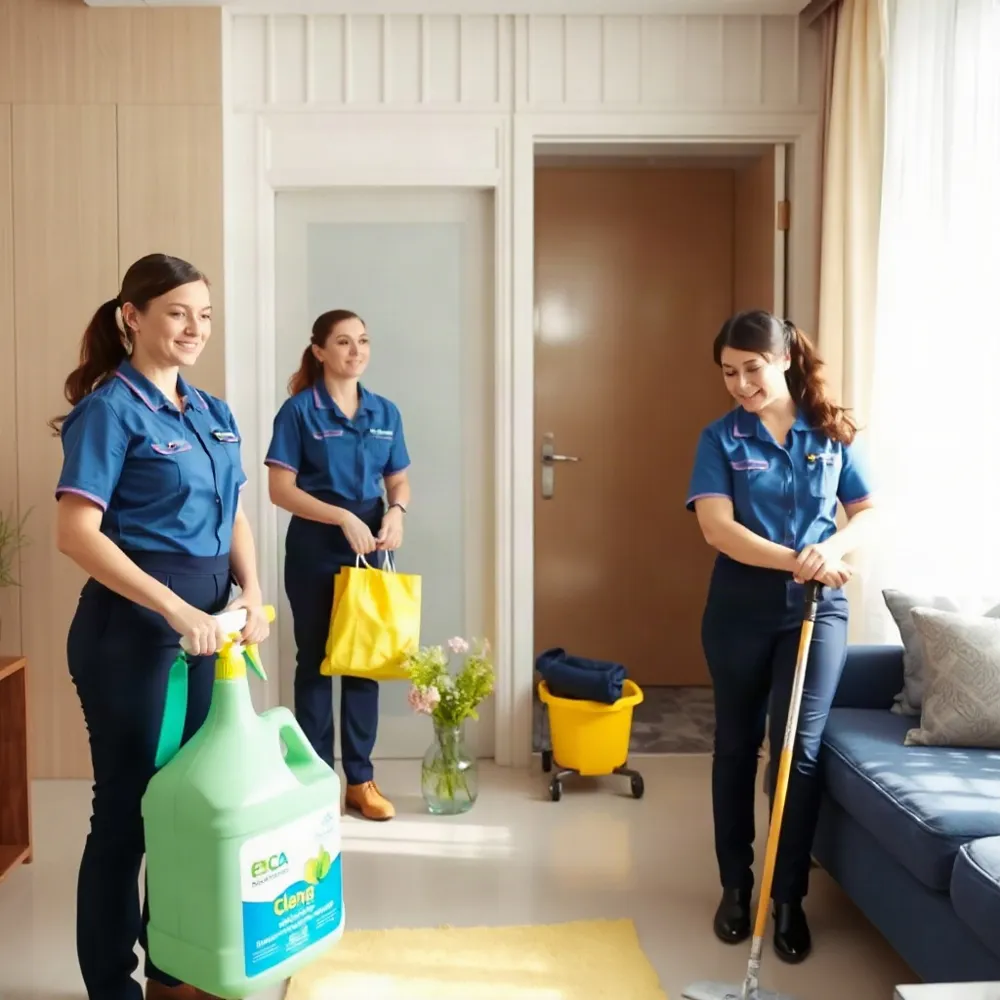
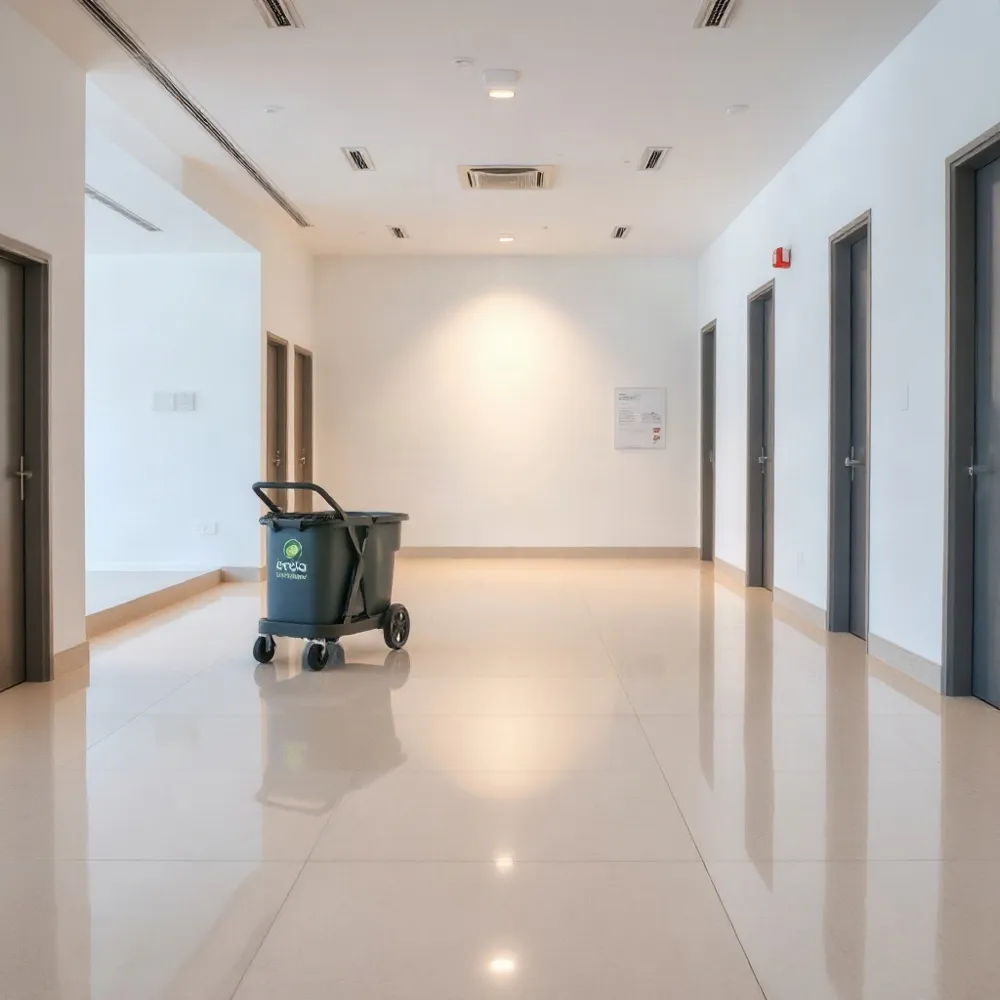
Workplaces need regular cleaning, but vacuums, supply carts, wet floors, and temporarily closed rooms can interrupt meetings and daily tasks when crews work during business hours. After-hours cleaning shifts much of that activity to a quieter time, so employees and visitors can use the space with fewer interruptions and arrive at a clean workplace.
The right schedule depends on how the building is used. A small office with predictable hours may benefit from evening service, while a busy property may need daytime attention for spills and supplies as well. Bravo Cleaning, a Minneapolis-based company with more than 20 years of local experience, offers commercial cleaning and carpet care, with eco-friendly practices as part of its approach.
A quiet workday is only one part of a successful plan. Agree on the areas, tasks, service window, and priorities, then establish secure access procedures and a way to review completed work. Bravo Cleaning’s approach to defining cleaning work with property managers emphasizes assessing the property and setting clear expectations. With a scope and quality checks suited to the site, after-hours service can support a clean start without treating every workplace the same.
Why Empty Workplaces Can Be Easier to Clean

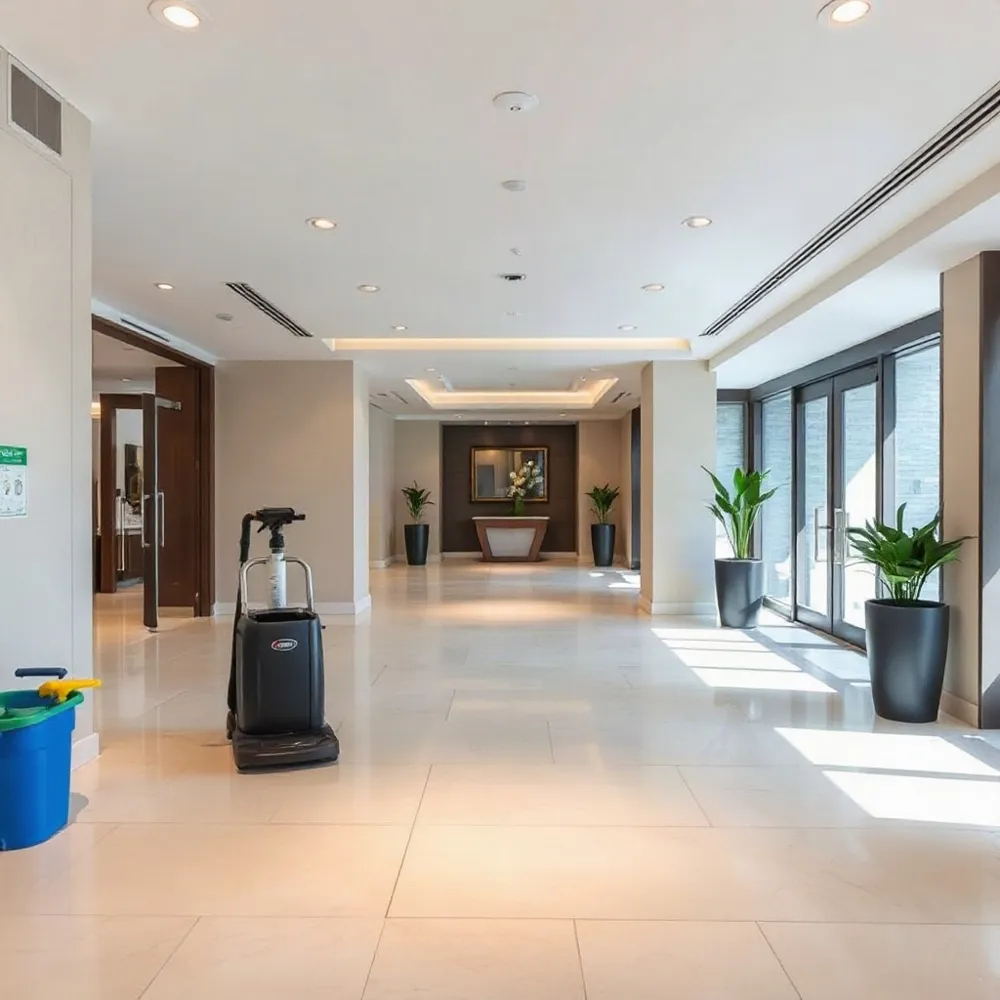
When a workplace is quiet, cleaners can move between desks, meeting rooms, restrooms, kitchens, and shared areas without waiting for people to leave or working around active meetings. That extra access can make it easier to follow an agreed cleaning plan, though the result still depends on the scope and quality of the work.
Bravo Cleaning tailors its commercial cleaning for Minneapolis properties to each site’s needs rather than assuming every space has the same routine. With fewer people present, detailed tasks such as carpet extraction, floor polishing or resealing, high dusting, and thorough kitchen cleaning may be easier to schedule and carry out.
Some floor-care work needs clear space and time for surfaces to dry before people return. Scheduling it outside busy hours can limit interference with normal use of the area, while giving the cleaning team room to work. A property manager can agree in advance which rooms should be left open and when they will be ready for use.
An unoccupied space also means fewer people are near wet floors, cleaning products, or operating equipment during the work. Daytime cleaning can still be managed with suitable signs, access controls, and other safety measures, so after-hours service is not the only safe option. Bravo Cleaning’s tailored approach can account for a property’s operating hours and cleaning priorities when planning service.
Set Cleaning Frequency Around Workplace Use
How often should an office be professionally cleaned? There is no single schedule that suits every workplace. Occupancy, visitor traffic, the number of restrooms and shared spaces, and the type of work all affect how quickly dirt and waste build up.
Busy workplaces may benefit from professional cleaning each business day, while smaller offices with less foot traffic may need service two or three times a week. These are starting points, not fixed rules. Bravo Cleaning’s commercial cleaning for offices and other properties can be planned around how each site is used.
Restrooms, break rooms, entrances, shared touchpoints, and heavily used floors often need the most frequent attention. A restroom used throughout the day may need regular cleaning and restocking, while a quiet meeting room may need service less often. Cleaning frequency should follow actual use rather than applying the same checklist to every area.
Routine service is separate from periodic work. Carpet deep cleaning, detailed floor care, and high dusting can be scheduled weekly, monthly, seasonally, or when conditions call for it. For a broader look at matching service intervals to occupancy and traffic, see how flexible cleaning schedules can benefit building managers.
A site walkthrough helps identify high-use zones, floor types, access needs, and cleaning priorities before setting a schedule. Review the plan when occupancy, visitor patterns, or business needs change. Bravo Cleaning’s locally based team serves commercial properties as well as residential buildings, and its tailored approach gives property managers room to adjust service as a workplace evolves.
Build a Practical Workplace Cleaning Schedule

What is a good cleaning schedule for a workplace?
A good schedule combines daily upkeep with less frequent detailed care, with each task matched to building use, occupancy, and operating hours. A written checklist organized by area and frequency gives the cleaning provider and workplace contacts a shared reference. Agree on start and finish times so everyone knows when the service window begins and ends.
- Daily: Empty trash and recycling, clean restrooms and break areas, respond to spills, and wipe high-touch surfaces such as door handles, counters, and shared equipment.
- Weekly: Dust surfaces and vents, clean interior glass, and give floors and common areas a more thorough clean, with extra attention to busy routes.
- Monthly, seasonally, or as needed: Schedule carpet deep cleaning and other periodic floor projects according to traffic, floor condition, and the time needed for cleaned areas to dry.
A schedule should change when workplace use changes. Bravo Cleaning offers commercial cleaning and carpet care, giving property managers a chance to discuss priorities based on the building and its flooring rather than assume every site needs the same routine. Its eco-friendly practices can also be raised when agreeing on products and methods.
A hybrid arrangement may suit workplaces that need both detailed care and daytime responsiveness. An after-hours crew can handle planned cleaning, while designated daytime staff address immediate needs such as spills, overflowing bins, or low restroom supplies. For more guidance on matching task frequency to use, see building a usage-based cleaning schedule. Review the checklist with the provider as priorities or operating hours change.
Make Cleaning Consistent and Site Specific
Effective commercial cleaning starts with a checklist built around the building, not a generic room-by-room template. A workplace plan should reflect how each area is used, how much foot traffic it receives, and any building or industry requirements. Bravo Cleaning develops commercial cleaning plans for Minneapolis properties to suit each site’s needs.
Prioritize high-touch points and busy areas, such as door handles, shared equipment, reception desks, restrooms, and break-room counters. Set clear routines for daily work, then schedule periodic tasks such as carpet care, floor maintenance, and dusting high or hard-to-reach surfaces. A site-specific cleaning plan can help connect those tasks to how the space is actually used.
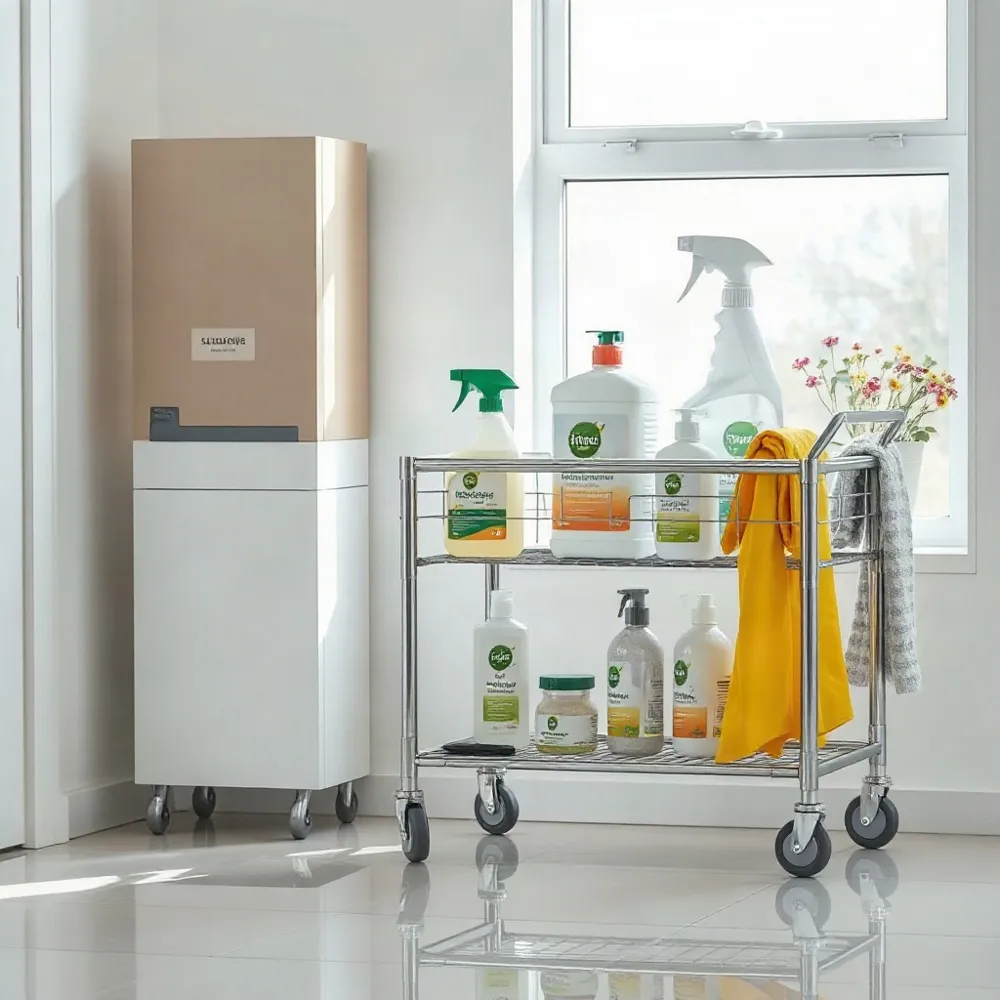
Match each product and tool to the surface and task. Staff should follow label directions for dilution, application, contact time, and safety, and maintain equipment between uses. Separate or clearly designate supplies for restrooms and other areas to reduce the risk of transferring soil or contaminants.
Cleaning and disinfecting are related but distinct steps. Cleaning removes visible soil; where disinfection is needed, staff should clean first, apply the appropriate product, and leave it on the surface for the label-directed contact time. This sequence helps make the procedure clear and repeatable.
Environmentally considerate products may suit a site when they meet its cleaning and safety needs. Microfiber tools, HEPA-filtered vacuums, and low-moisture carpet systems are options to discuss with a provider, rather than guaranteed solutions for every building. Bravo Cleaning’s focus on eco-friendly practices can inform those conversations while product choices remain matched to the property.
Review the checklist with property managers on a regular basis. Changes in occupancy, tenant turnover, inspection findings, or occupant feedback may signal that task frequency or priorities need adjustment. A consistent review process gives managers and the cleaning team a practical way to follow up on missed tasks and keep the plan aligned with the workplace.
Avoid Shortcuts That Undermine Cleaning
What are common mistakes to avoid when cleaning a commercial space? A frequent one is choosing a product that is unsuitable for a surface or task. The wrong cleaner may damage a finish or fail to address the type of soil present, so instructions and surface compatibility matter.
Cleaning and disinfecting are separate steps. Remove visible soil before disinfecting, and follow the product label’s directions, including its required contact time. Wiping disinfectant away too soon can prevent it from working as intended. Avoiding unsuitable products, skipping required contact time, and overlooking high-touch areas can help prevent these errors.
Gaps can also arise when teams overlook high-touch points, neglect restroom or floor care, or let routine tasks slip from the schedule. Shared tools that are not cleaned between uses may carry soil from one area to another. Designated supplies for different areas, along with regular equipment care, help keep work organized without assuming every tool presents the same risk.
Rushed work and tasks performed without suitable training, ventilation, safety procedures, or properly maintained equipment can create avoidable problems. Bravo Cleaning’s experienced staff and eco-friendly practices support cleaning plans tailored to the surfaces and needs of each property, rather than relying on one method throughout.
A written checklist makes expectations easier to follow. Assign responsibility for each task, select products and tools for the building’s materials and use, and check completed work. Bravo Cleaning serves residential and commercial properties in the Minneapolis area, including apartment and condominium buildings, with customized service that can account for site-specific priorities.
Define Who Owns Each Cleaning Task
Who is responsible for maintaining a clean workplace? Everyone has a part, but responsibilities should be explicit so routine upkeep does not become an assumed task that gets missed.
Employees can keep personal work areas orderly, put waste and recycling in the right bins, and report spills or low restroom supplies promptly. These small actions help protect shared spaces between scheduled cleaning visits.
Managers and property managers set workplace expectations, identify building needs, coordinate access and schedules, and make sure supplies are available. They also provide a clear route for reporting concerns and follow up when an issue needs attention.
A professional provider can own the tasks defined in the agreement, from restroom sanitation and common-area cleaning to floor maintenance and carpet care. Bravo Cleaning serves commercial properties in Minneapolis with cleaning services, including carpet care, that can reflect the building’s actual needs. A written scope also supports the clear task ownership described in The Difference a Dedicated Cleaning Team Makes.
Record the agreed tasks, their frequency, quality checks, reporting process, and the contact for urgent concerns in a service plan. Bravo Cleaning’s tailored approach can account for different property types and priorities, while regular check-ins give managers a practical way to raise changes or missed work.
Protect Access and Check Service Quality

An empty workplace still needs a clear access plan. Agree with the facility contact how the cleaning team will enter and leave, which areas are restricted, and what to do with keys, access codes, or alarms. Depending on the property, the plan may also set an approved entry window and require a record of contractor arrival and departure. These arrangements should fit the building rather than follow a one-size-fits-all procedure.
Before service begins, discuss staff vetting, supervision, safe working procedures, and confidentiality where it matters, such as in offices with sensitive documents or equipment. A locally owned Minneapolis company, Bravo Cleaning draws on more than 20 years of local experience and offers commercial cleaning tailored to each property, with eco-friendly practices considered as part of its work. Property managers can use the initial discussion to confirm how the proposed service will fit their site and operating requirements.
Quality checks should make completed work and follow-up needs visible. Agree on a named contact for service questions, task-completion logs or digital reports, inspection frequency, and periodic site walk-throughs. Document the service window, quality-review process, and how missed tasks or maintenance issues will be reported. A clear cleaning agreement can also spell out who handles access and how changes to the plan are approved.
After-hours cleaning is not automatically less expensive. Late-night or very early shifts may carry labor premiums, and access or supervision needs can affect the total price. Compare proposals for the same tasks, frequencies, service window, and quality checks instead of judging them by hourly rates alone. Ask providers to identify charges for specialty work, such as carpet or floor care, so the agreement reflects the full scope rather than leaving costs unclear.
A Schedule That Works for Your Workplace
After-hours cleaning can keep vacuums, carts, and wet-floor work out of the way during the workday. The right arrangement depends on how each facility is used, which tasks are included, and how cleaners will enter and secure the building.
Bravo Cleaning serves Minneapolis workplaces, including apartment and condominium properties, with experienced staff and eco-friendly practices. Property managers can begin by reviewing how people use the building, noting priority areas such as restrooms, shared kitchens, and meeting rooms, then agreeing on service frequency and access procedures.
Set expectations for how results will be checked, such as scheduled walkthroughs, task records, or a direct contact for reporting missed work. A tailored plan gives cleaners clear priorities without assuming every site needs the same routine. Bravo Cleaning’s locally rooted experience and flexible service approach support adjustments as occupancy, operating hours, or property needs change.
Regular communication helps managers raise concerns early and review whether the scope still fits. Revisit the schedule when the workplace changes, and keep the agreed tasks, access arrangements, and quality checks clear to everyone involved.
Recent articles