How Customized Cleaning Helps Protect Common Areas

Why Shared Spaces Need a Plan
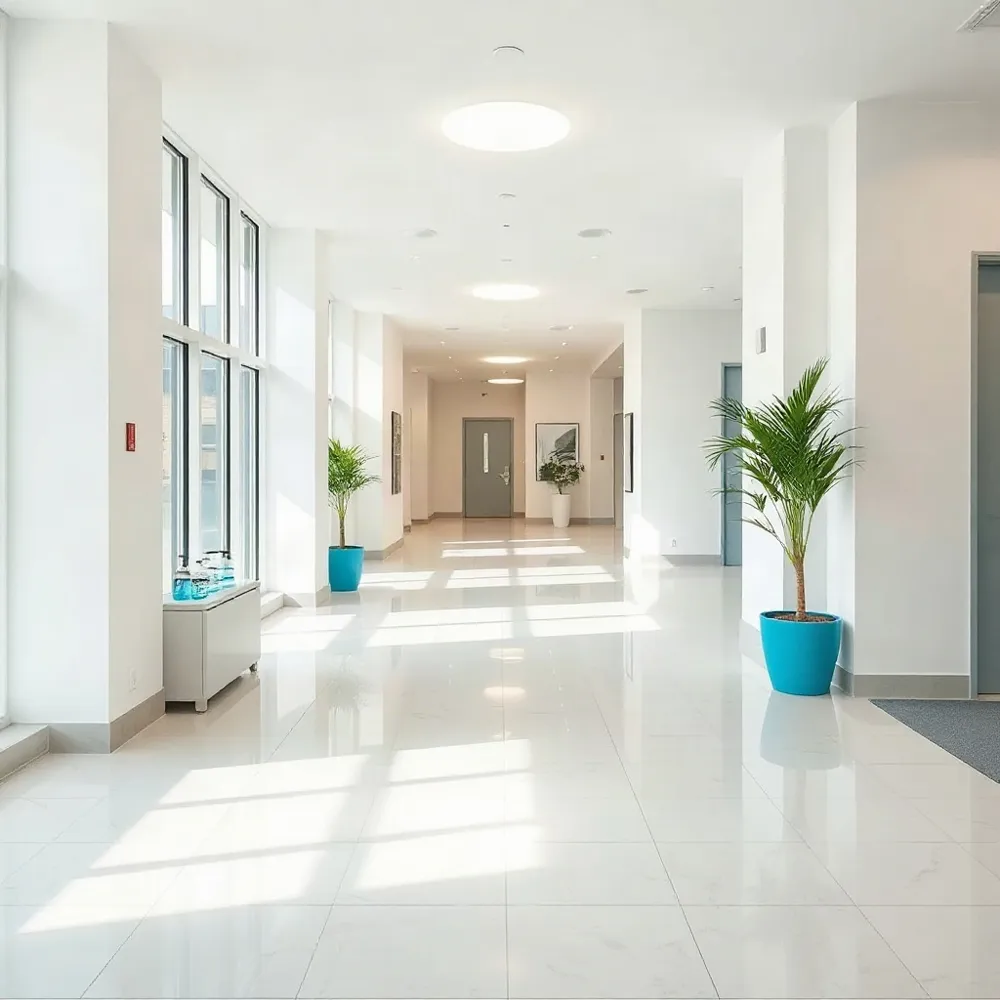
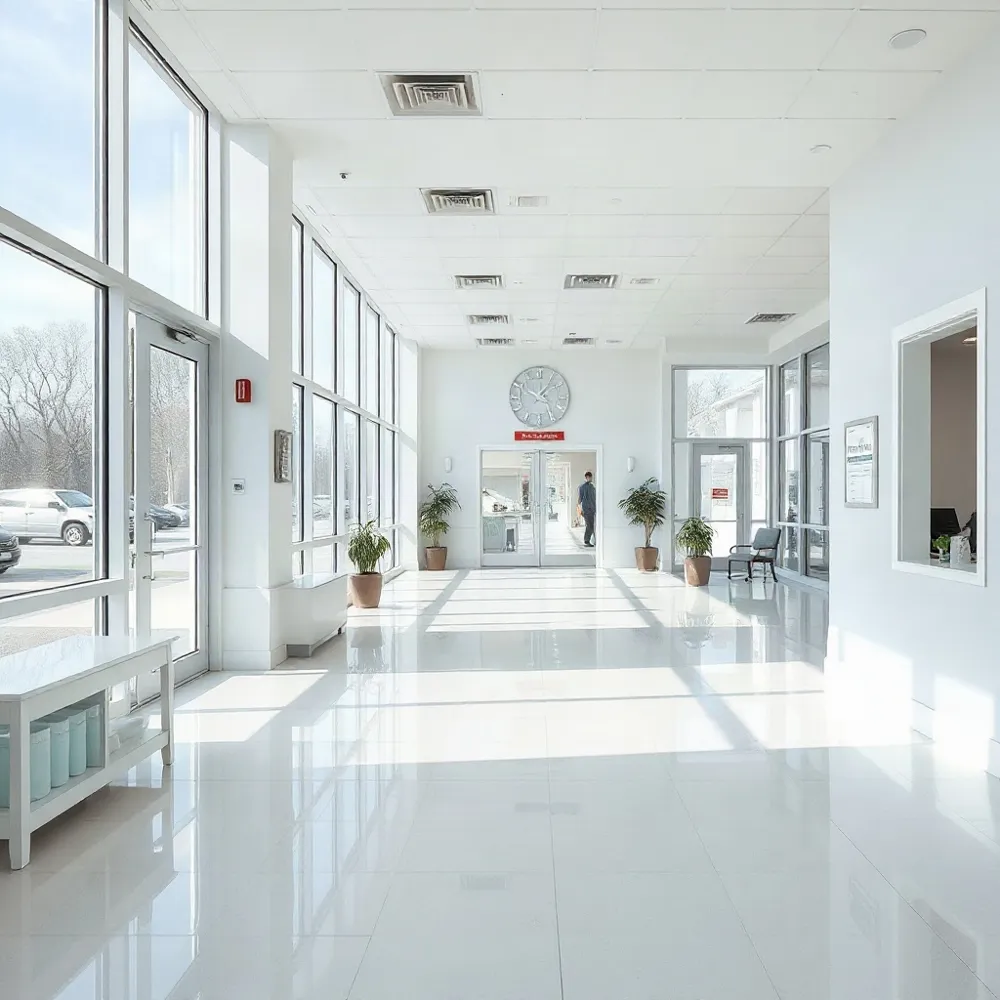
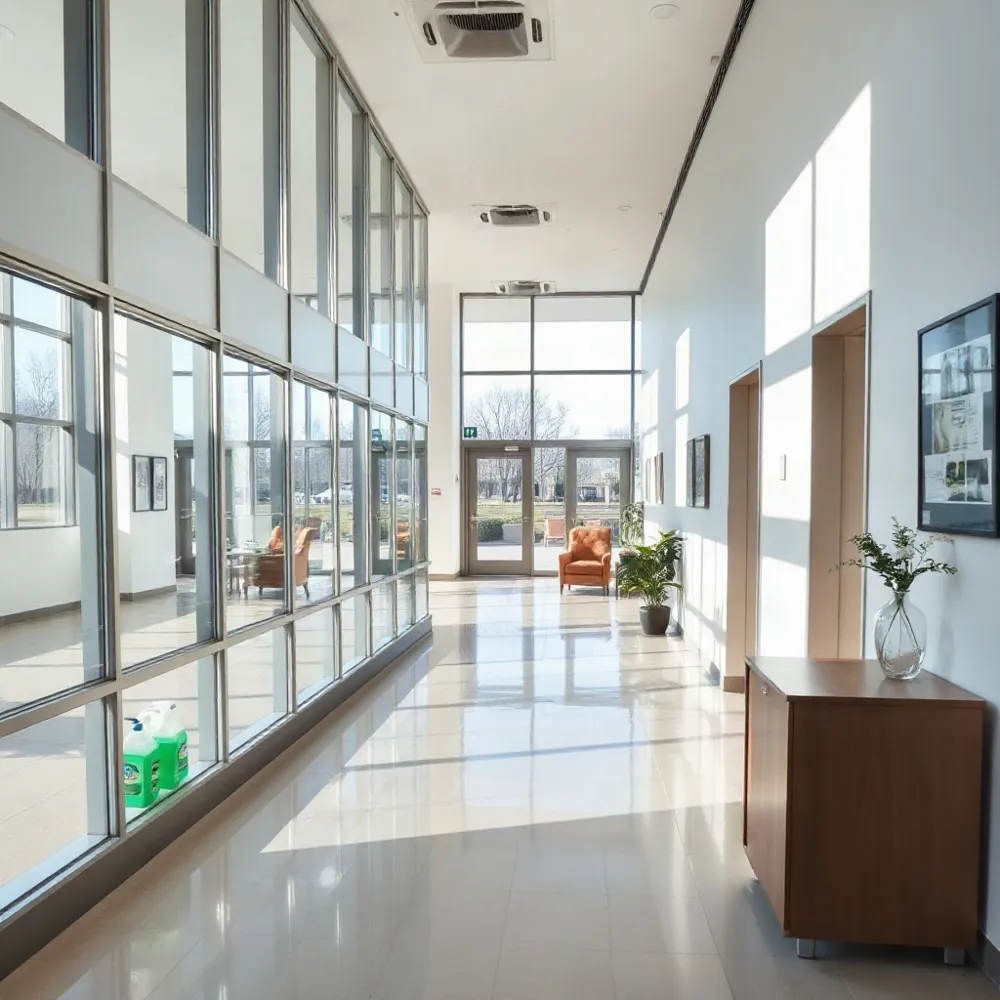
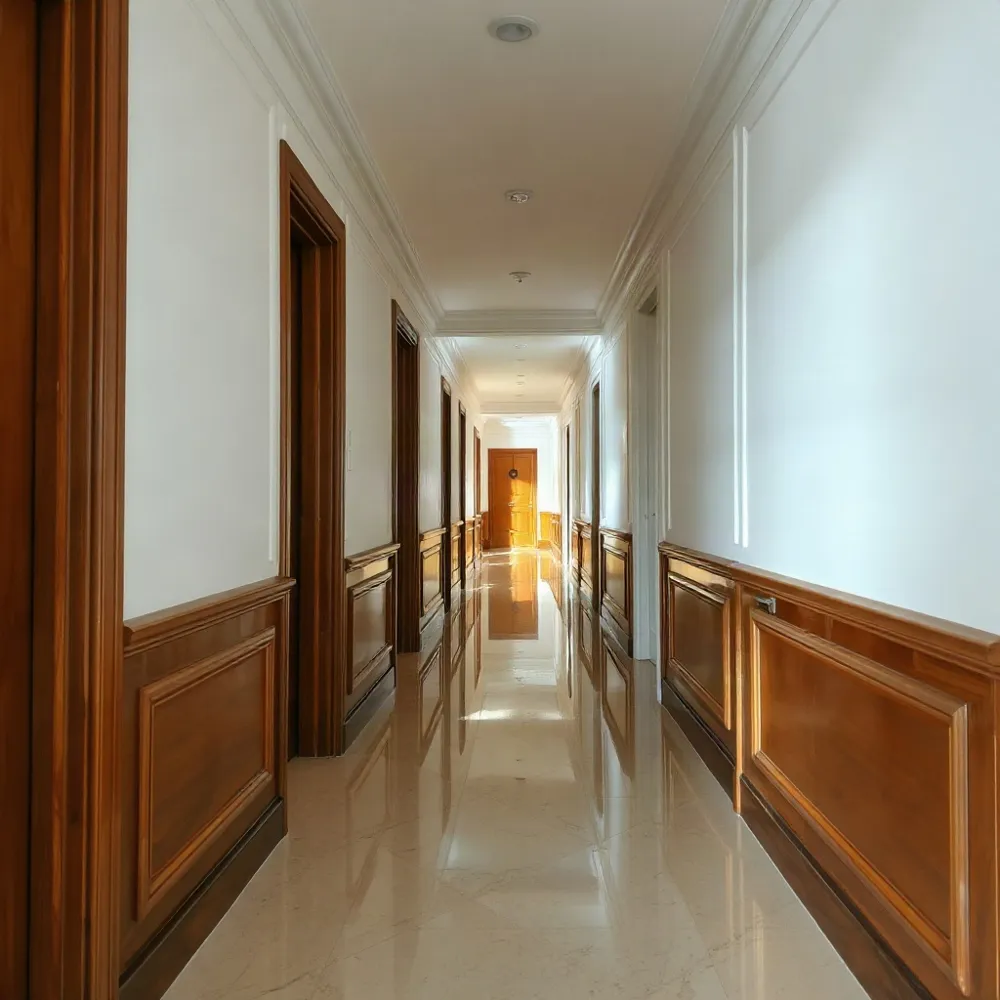
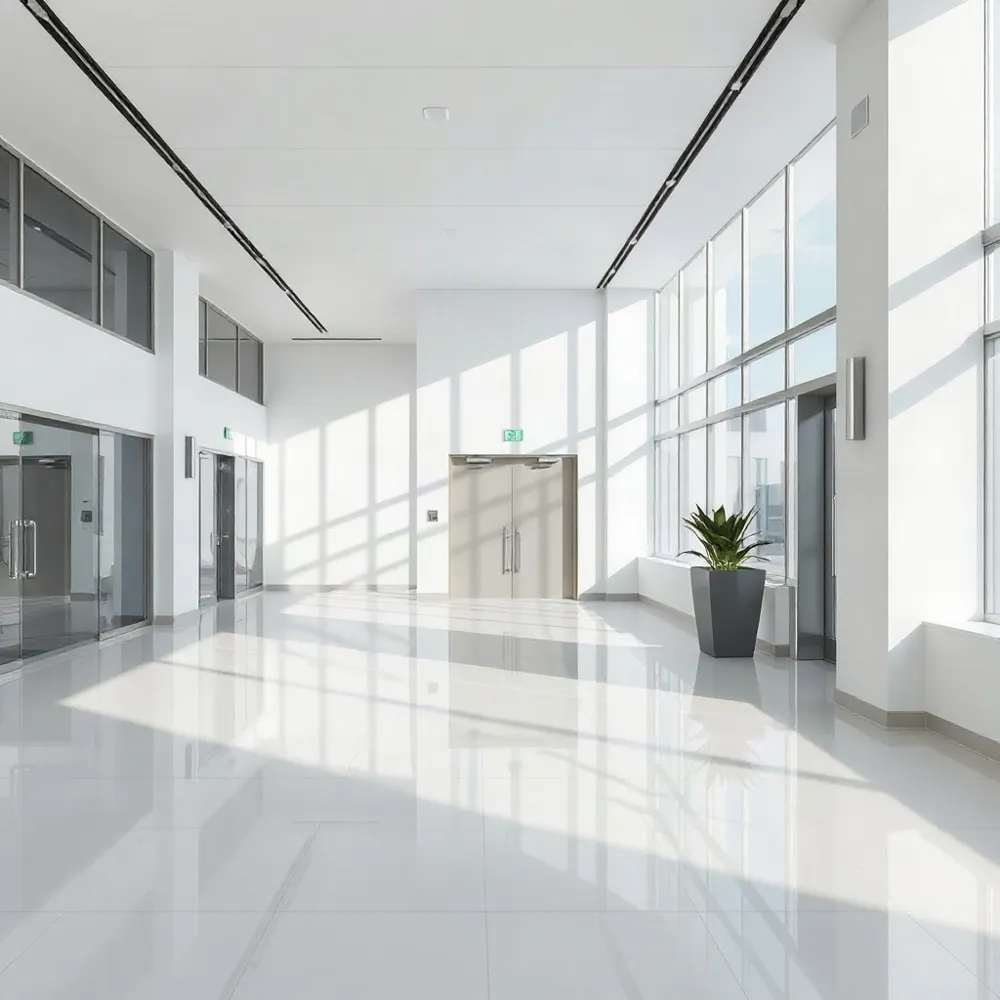
Apartment and condominium common areas are in constant use. Residents, guests, and delivery workers pass through lobbies and hallways, while changing weather brings in mud, water, and grit. Frequent contact also leaves marks on elevator buttons, door handles, and handrails.
A consistent cleaning plan helps property managers keep these spaces welcoming, reduce dirt buildup, and care for floors and other finishes. The CDC’s guidance on cleaning and disinfecting distinguishes routine cleaning from disinfection, helping managers choose an appropriate response to the conditions in a shared area.
The goal is not to clean every space in the same way. A lobby may need frequent floor care, while a laundry room calls for attention to machines and counters. Bravo Cleaning provides customized cleaning for apartment and condominium properties, with plans shaped around each building’s spaces and needs.
Build a Process Around the Property
A professional cleaning process turns expectations into repeatable work: it sets out which areas are covered, what tasks are done, how often they happen, and who is responsible. Bravo Cleaning builds customized services for residential and commercial properties, with plans shaped around the building rather than a generic checklist.
Start with a walkthrough. Assess occupancy and foot traffic, flooring and other surfaces, priority areas, access needs, and any special requirements. A lobby with tracked-in dirt, for example, may need a different routine from a lightly used meeting room. This assessment provides the basis for a written scope, as described in this guide to creating a cleaning program structure and priorities.
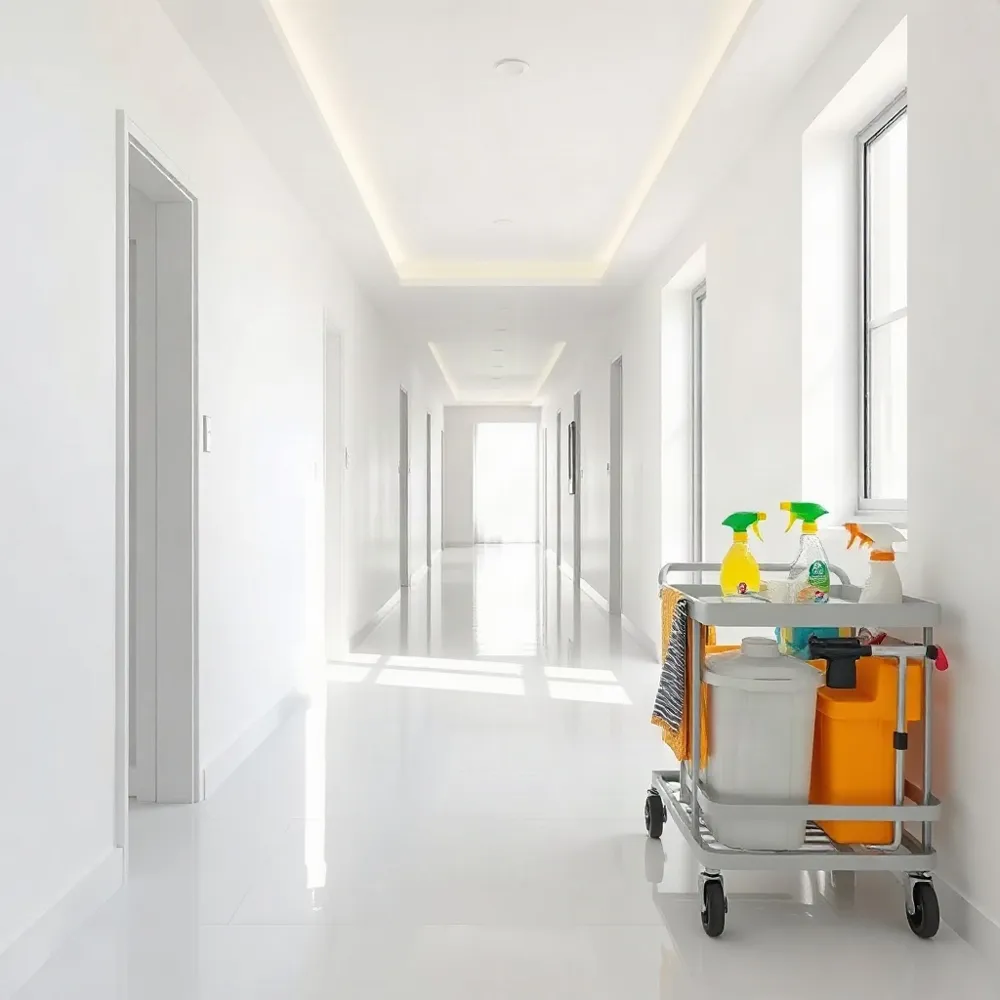
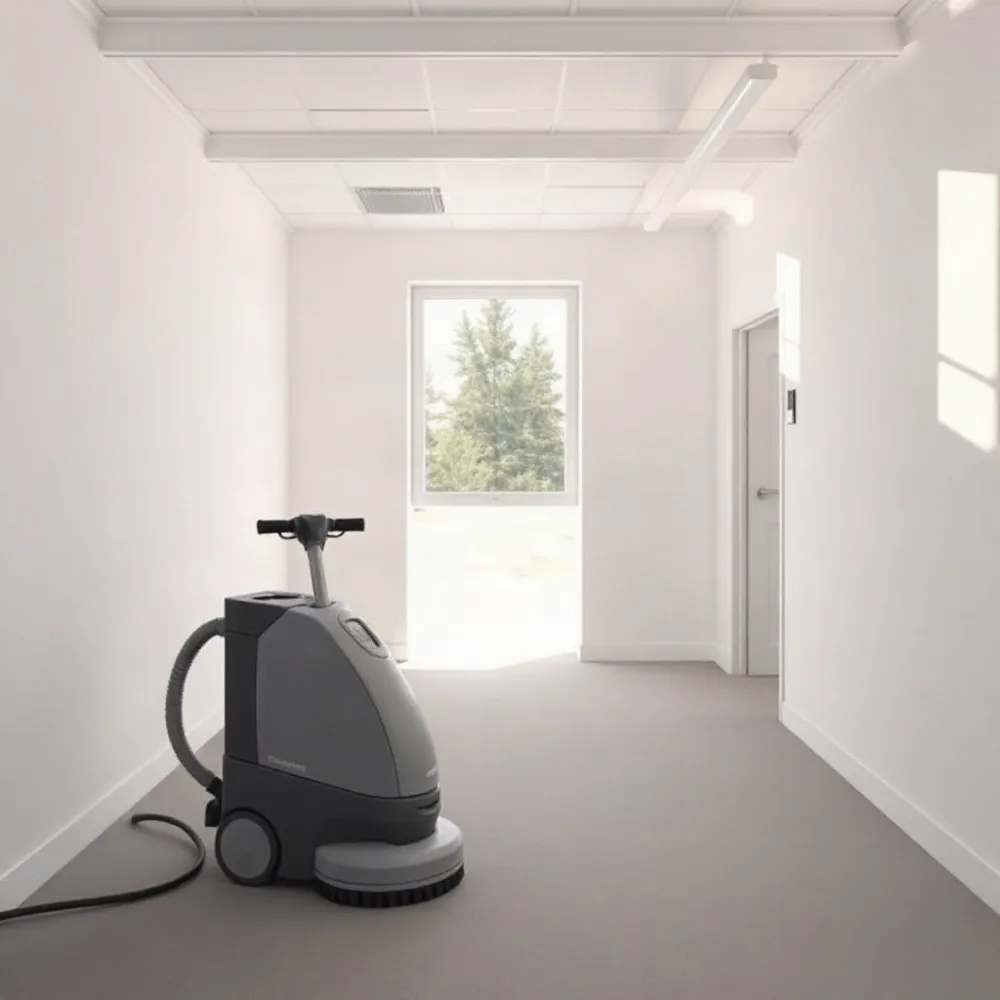
The scope can combine routine floor care, waste removal, restroom upkeep, and attention to shared surfaces with periodic carpet care, high dusting, or other specialty tasks. Choose products and methods suited to both the surface and the job. The CDC’s cleaning guidance distinguishes routine cleaning from situations that call for disinfection, while the EPA’s greener cleaning product guidance can help managers assess product claims.
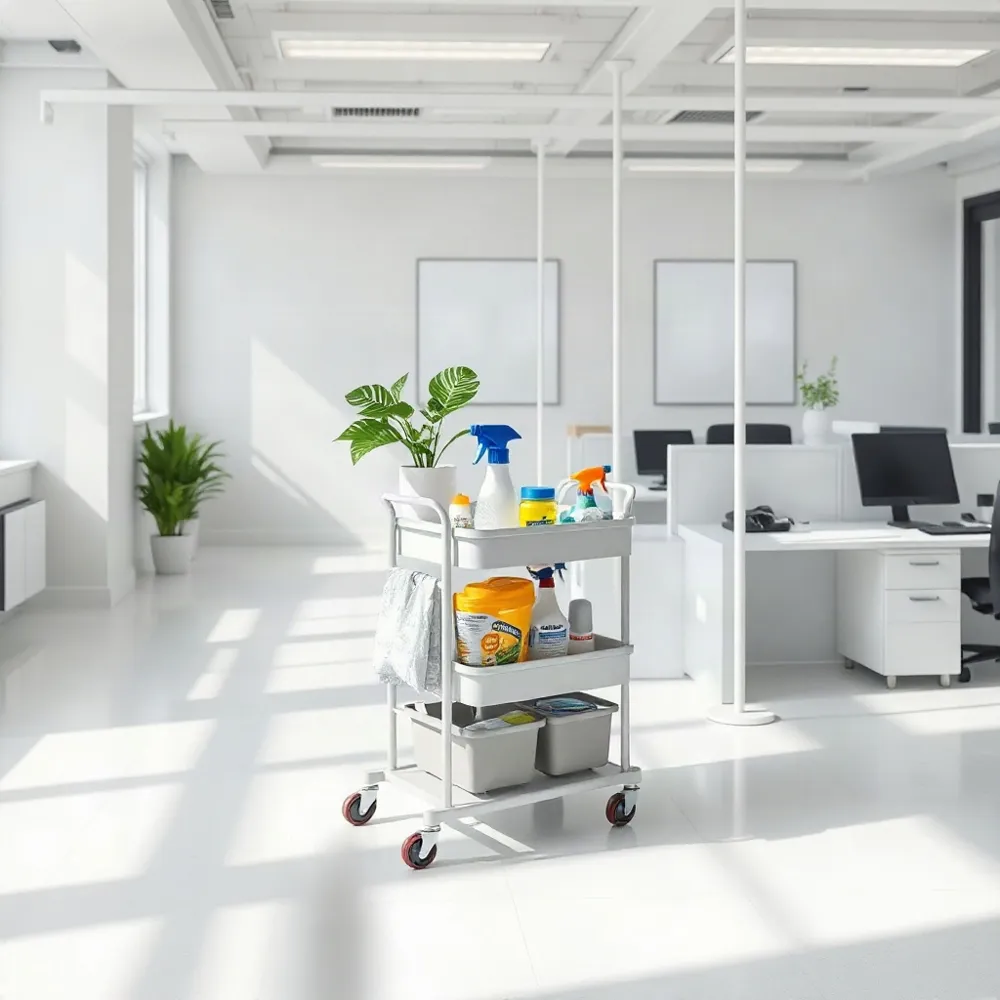
Document how staff will access the site, who supplies materials, and how to report urgent issues. Regular quality checks help confirm tasks are completed and identify changes in traffic or building needs. For larger commercial spaces, including offices, estimates should reflect labor for the agreed tasks and schedule, plus layout, occupancy, floor types, restroom needs, access, supplies, equipment, supervision, insurance, and other requirements. Square-foot pricing is only a starting point; a site assessment and clear scope make proposals easier to compare.
Set Frequencies by Use and Season

A property walkthrough gives managers a practical basis for setting cleaning frequencies. Map shared spaces, flooring, amenities, and traffic patterns, then note where dirt collects and which surfaces residents touch most. Bravo Cleaning’s customized services include apartment and condominium cleaning, carpet care, and turnover cleaning, so schedules can account for both common areas and move-outs.
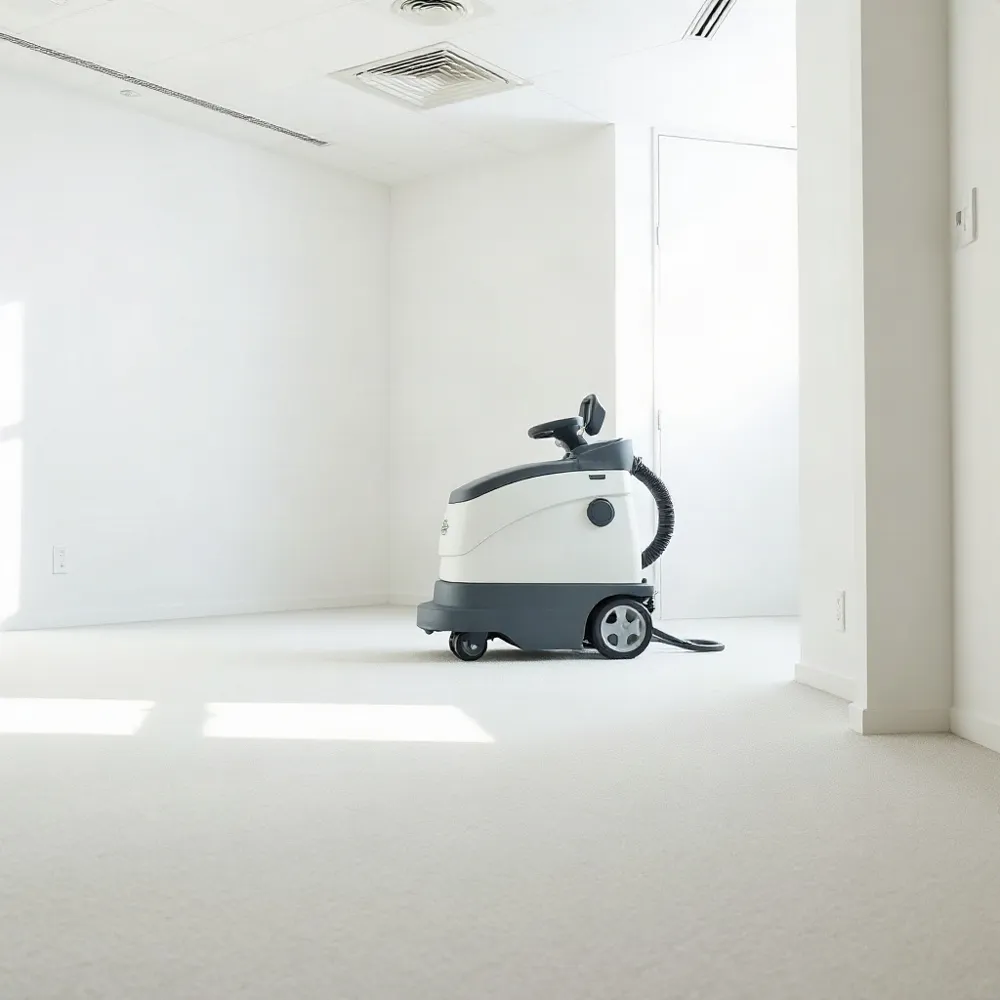
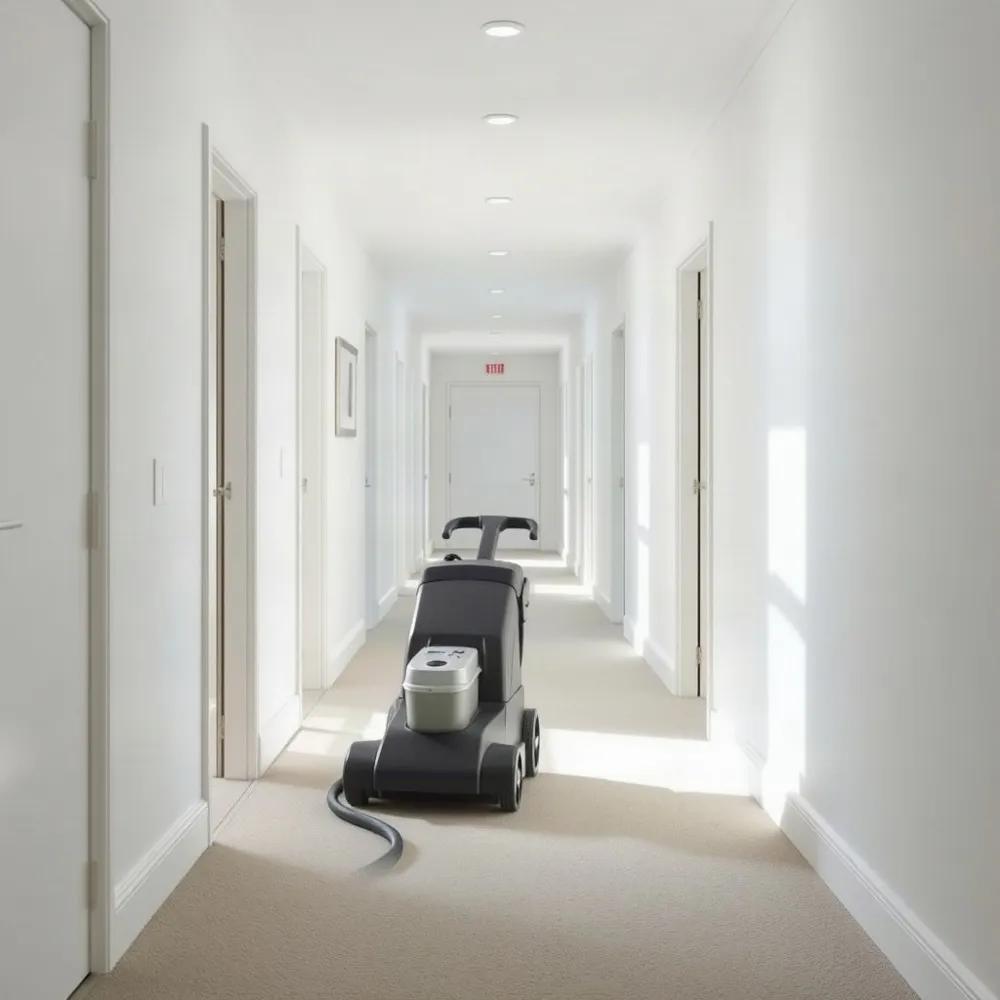
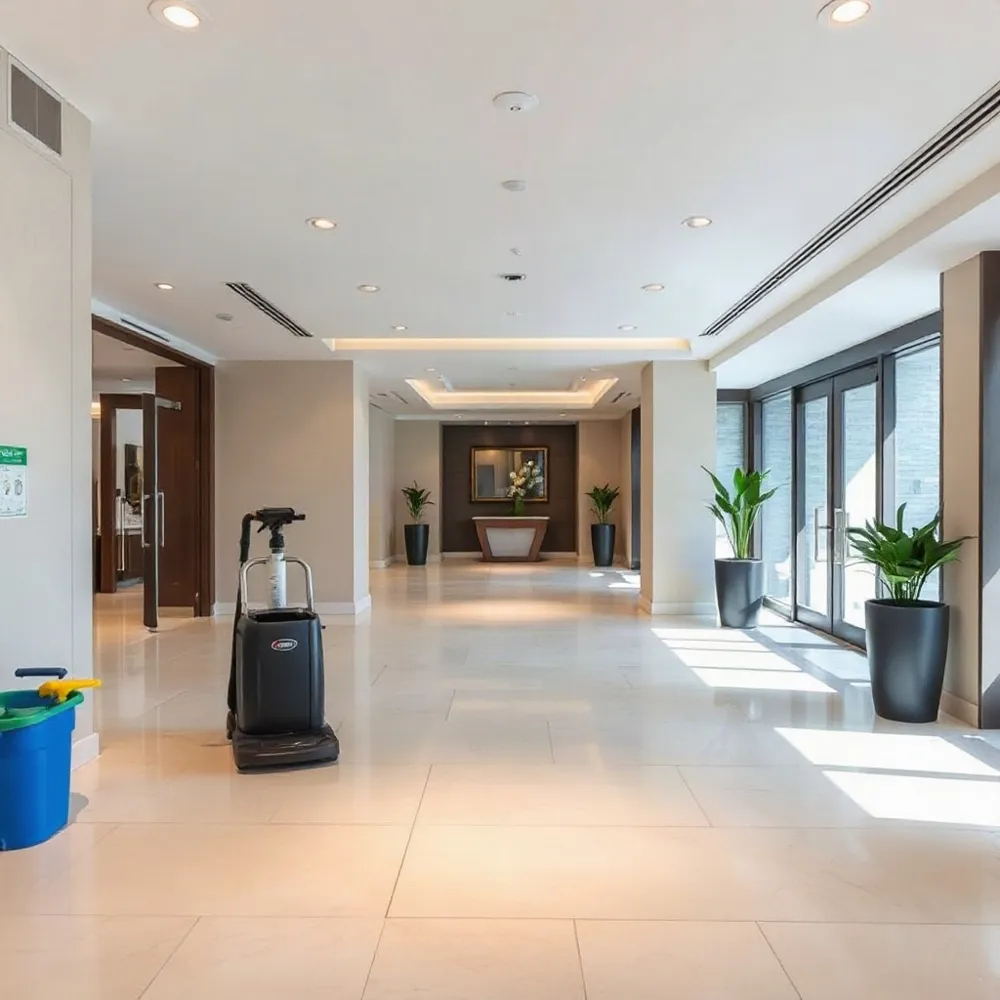
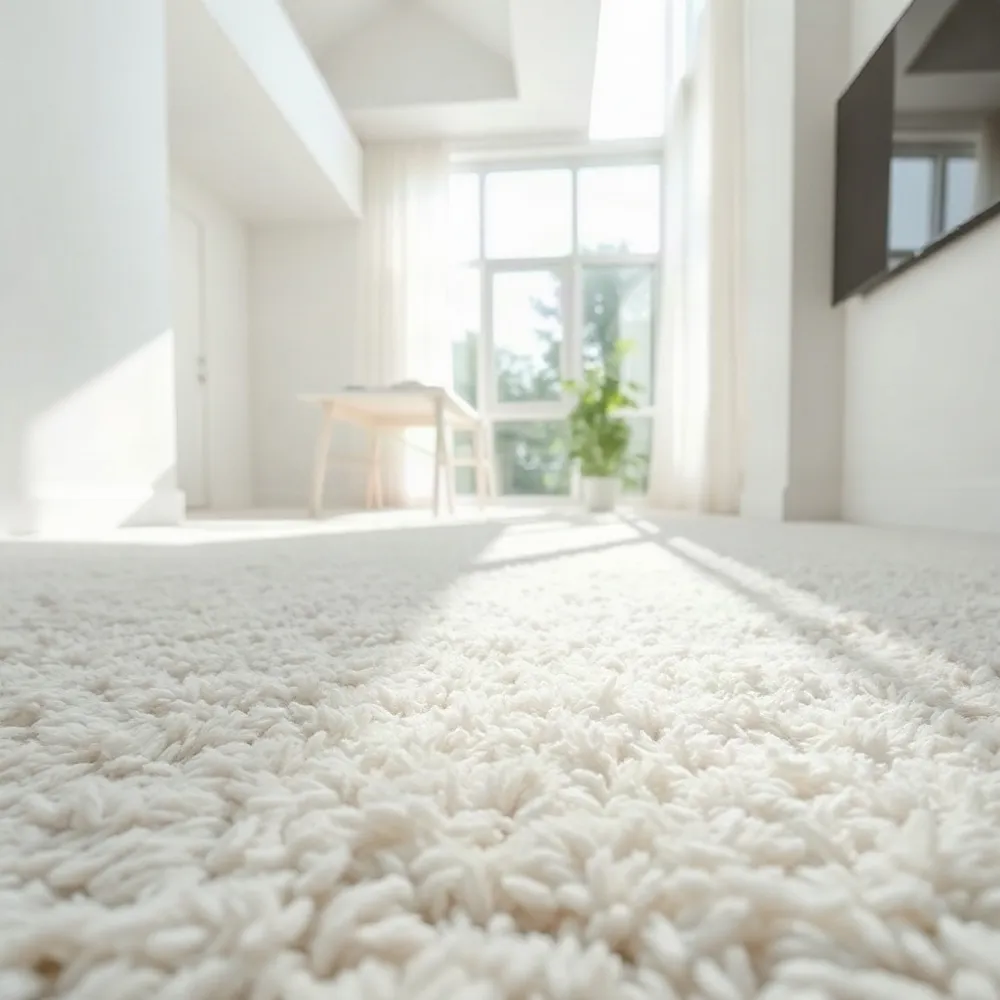
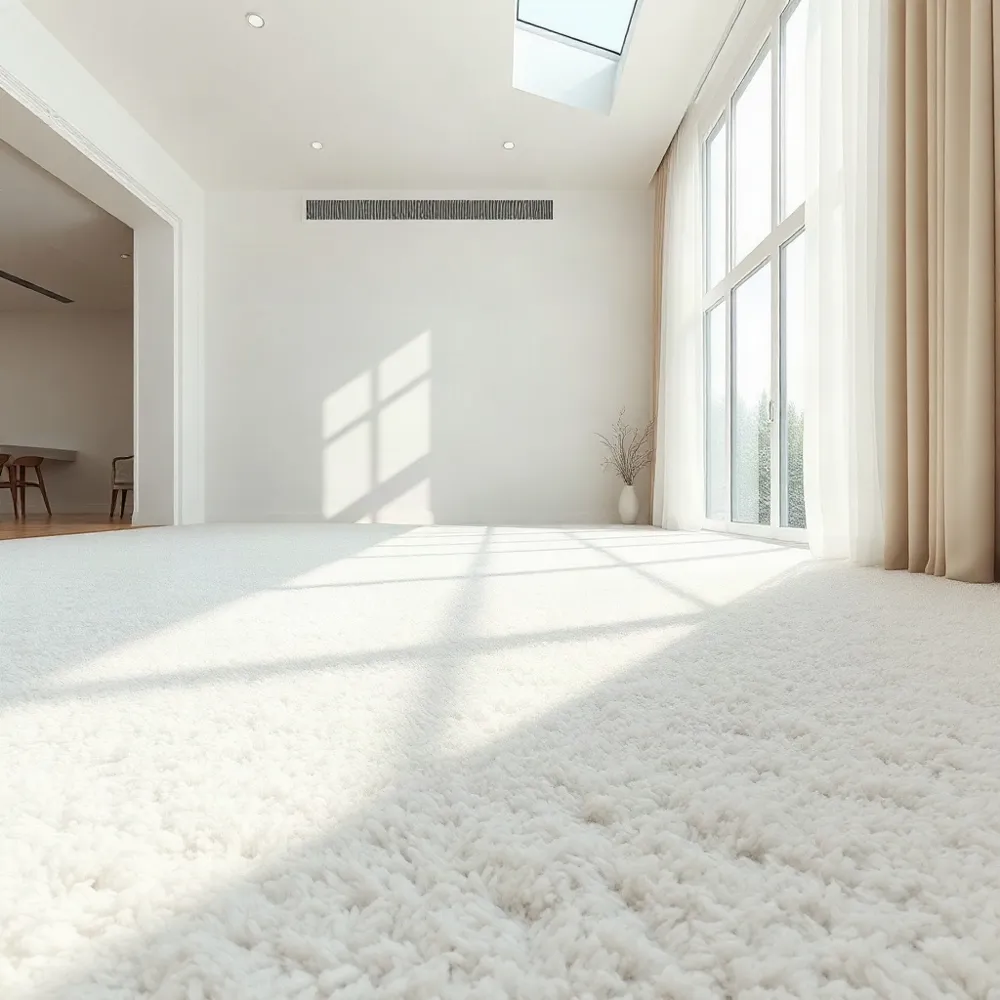
Lobbies, entrances, elevators, laundry rooms, restrooms, and busy hallways often need more frequent attention than quieter rooms or lightly used amenities. Build routine tasks around actual use: vacuum or mop floors, remove waste, and wipe commonly touched surfaces. Schedule deeper carpet care as needed, with extra attention to entryways and other heavily used spots. CDC cleaning and disinfection guidance can help managers distinguish routine cleaning from situations that call for disinfection.
Minnesota’s winter weather can bring more tracked-in dirt and salt, so entrances and the routes beyond them may need added attention. A flexible schedule can account for seasonal shifts and changing occupancy; see how flexible cleaning schedules can support building managers.
Treat unit-turnover cleaning as a separate scheduling need. Coordinate it with move-out dates and leasing deadlines, and set service windows that limit disruption to residents. Establish a clear channel for reporting spills or urgent needs, then use inspections and resident feedback to adjust tasks and frequencies. This keeps the schedule tied to current building conditions rather than an outdated routine.
Match Methods to Surfaces and Risk

Attention to detail starts with assessing a property’s materials, layout, and daily use. Bravo Cleaning builds customized cleaning services around residential and commercial properties, including apartment and condominium buildings, rather than treating every area as if it had the same needs. That approach helps staff match the work to carpet, hard flooring, glass, upholstery, and other finishes.
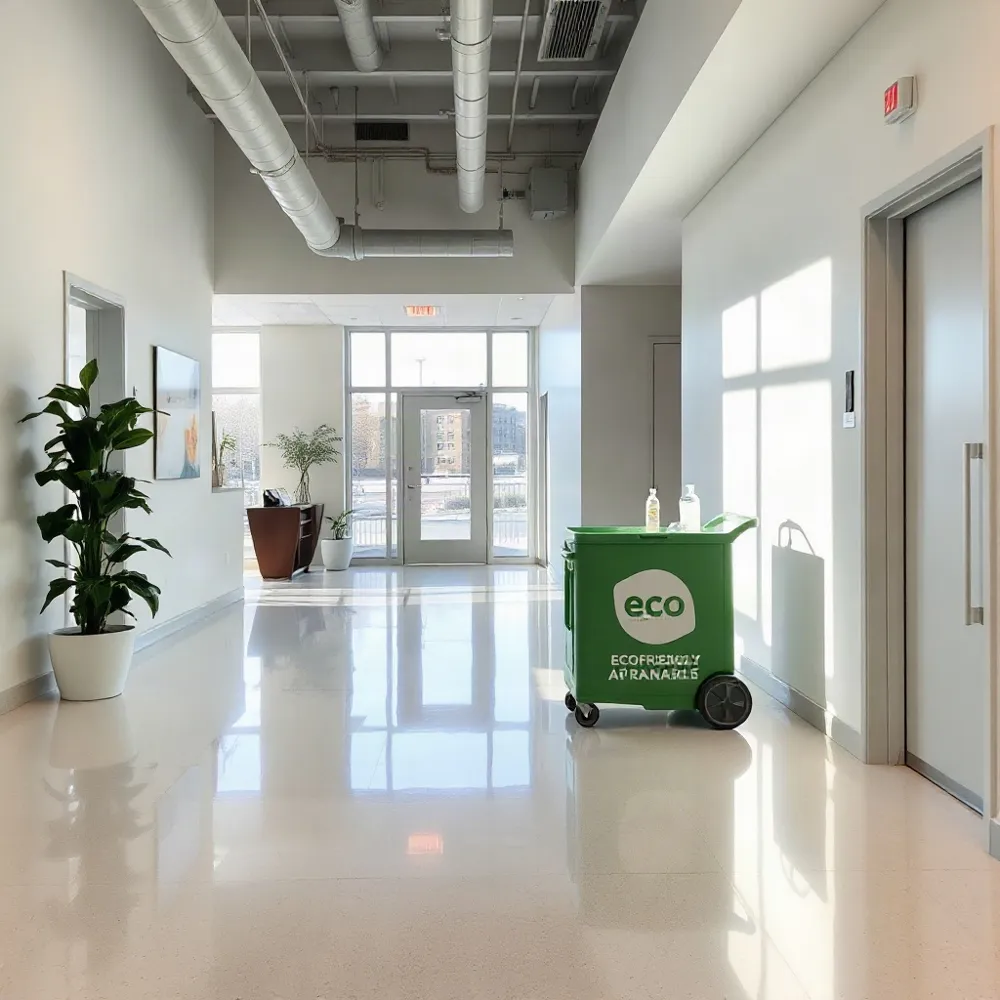
Different surfaces call for different products and techniques. A method suited to sealed hard flooring may damage a delicate finish, while carpet and upholstery may need equipment and care suited to their fibers. Product labels and surface guidance should inform the choice. For properties seeking lower-impact products, the EPA’s guidance on identifying greener cleaning products offers a starting point for evaluating options.
A systematic route through each space helps prevent overlooked details. Alongside floors and visible surfaces, staff can include elevator buttons, handrails, door handles, laundry-machine controls, and shared counters. Less-obvious points, such as appliance buttons and drawer pulls, may also need attention depending on how residents use the area.
The terms cleaning, sanitizing, and disinfecting describe different tasks. Cleaning removes dirt and some germs; sanitizing reduces certain bacteria on a surface; disinfecting kills specified germs when a suitable product is used as directed. The CDC’s guidance on cleaning and disinfecting advises following product instructions, including any required contact time. Staff should also observe safety directions and confirm that products are compatible with the surface.
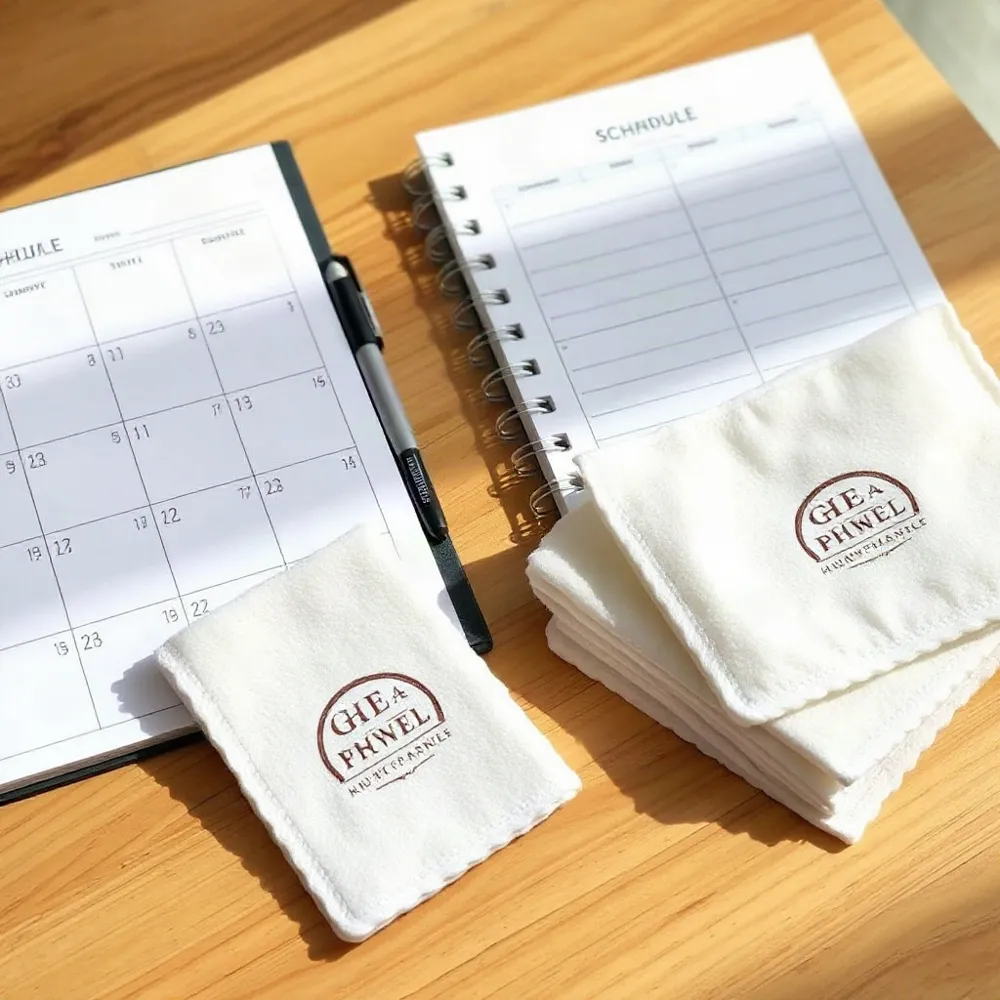
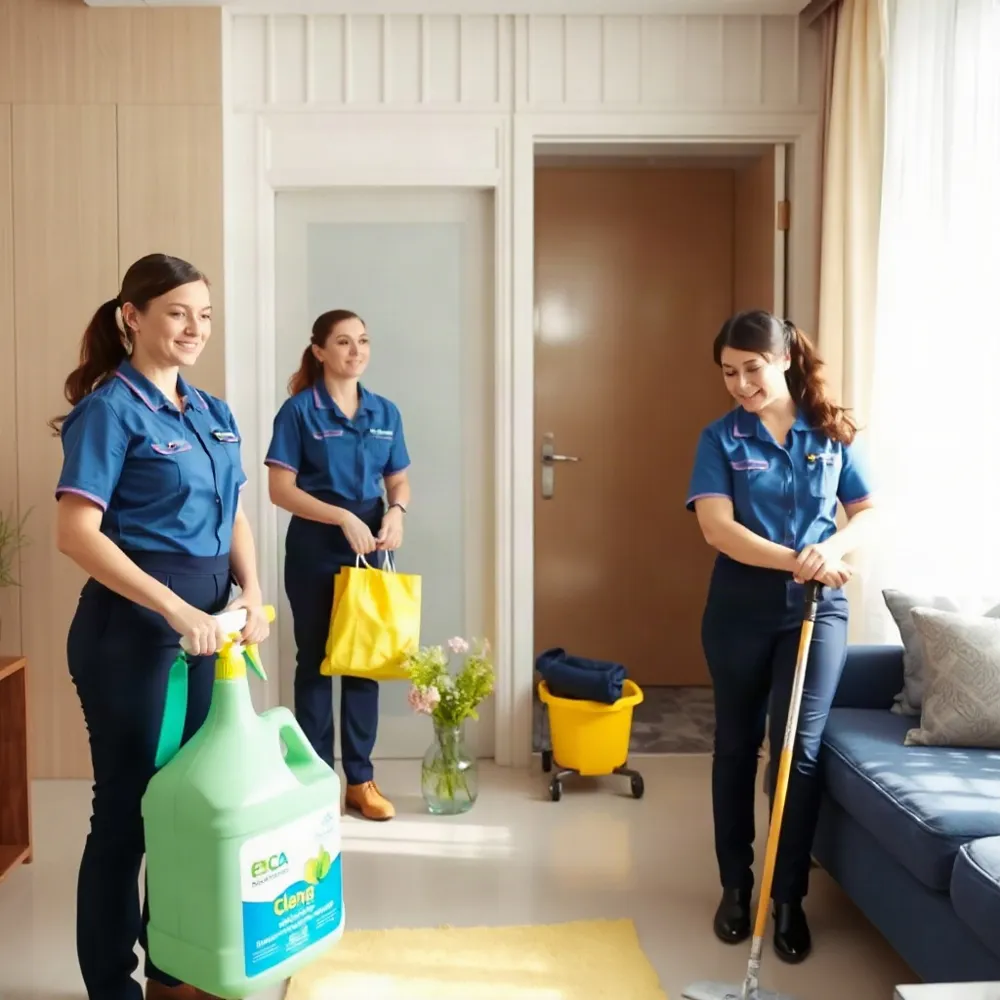
Trained staff, appropriate tools, and dedicated cloths for different tasks can support consistent work and help reduce the chance of transferring soil between areas. Quality checks against the property’s plan can catch missed touchpoints and identify surfaces needing different care. Routine cleaning supports a cleaner shared environment, but germs can return as people use the space, so schedules and methods may need to change with conditions.
Keep the Plan Practical and Responsive

Resident habits can help keep shared spaces orderly between scheduled visits, but they do not replace routine cleaning. Encourage residents to dispose of rubbish properly, clean up spills, and report maintenance problems promptly. A clear reporting route helps managers catch issues before they become harder to address.
Simple preventive steps can also limit mess: keep entrance mats in place, maintain organized waste and recycling areas, and put hand-sanitizing stations where residents can easily reach them. At Bravo Cleaning, customized service plans can cover routine common-area upkeep alongside specialized needs such as turnover cleaning and carpet care.
Managers and providers can review completed tasks, note recurring problems, and gather resident feedback to check whether the plan still fits. Adjust the scope or frequency as traffic, occupancy, seasons, and amenities change. Bravo Cleaning brings local experience to tailored cleaning services for residential properties.
Consistency Protects the Shared Experience
A dependable common-area plan connects regular tasks, suitable surface care, and service frequency to how residents use the building. A walkthrough and clear scope help set practical expectations, while routine quality checks and communication give managers a way to address changing needs.
Bravo Cleaning, a locally owned Minneapolis company with more than 20 years of local experience, provides customized cleaning for residential properties, including apartment and condominium buildings. Property managers can assess their building’s needs and select professional services to meet them, helping keep shared spaces welcoming without assuming every property requires the same plan.
Recent articles