Effective Cleaning Strategies for Large Condominium Complexes

Why Effective Cleaning Matters for Large Condominium Complexes
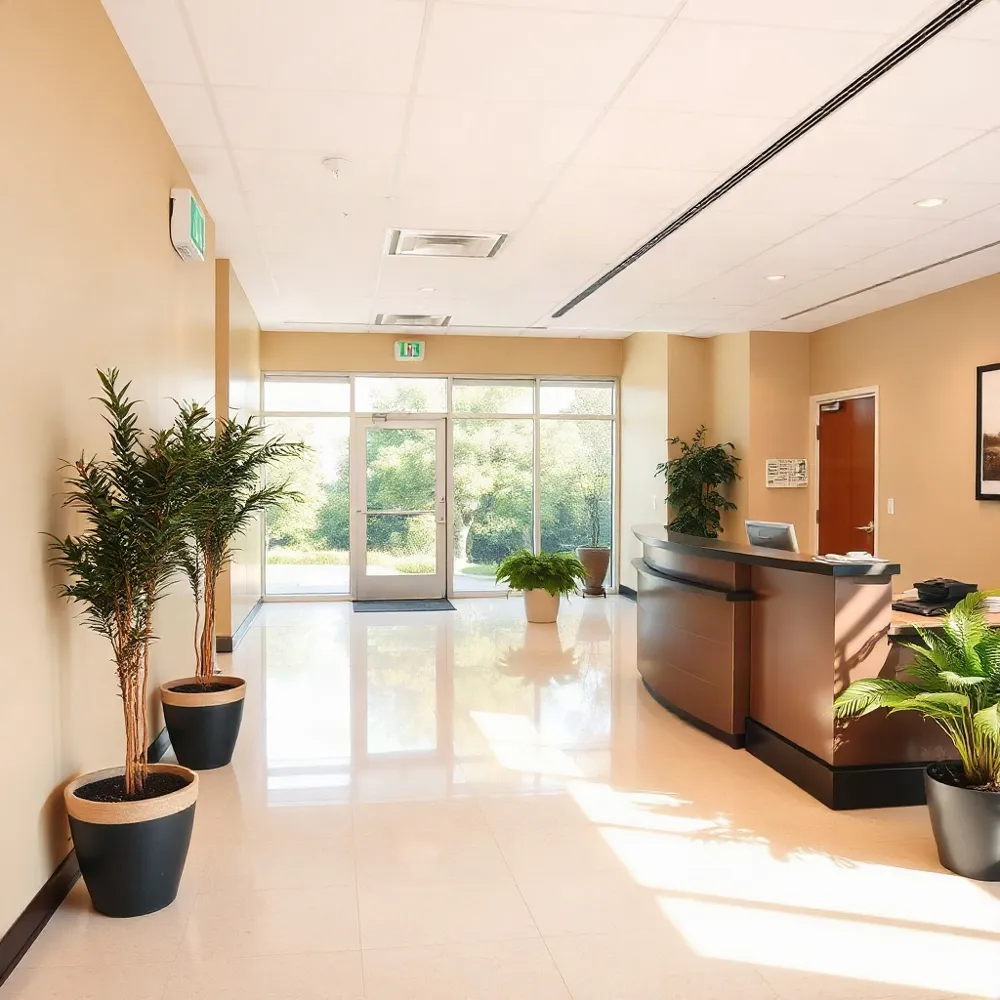
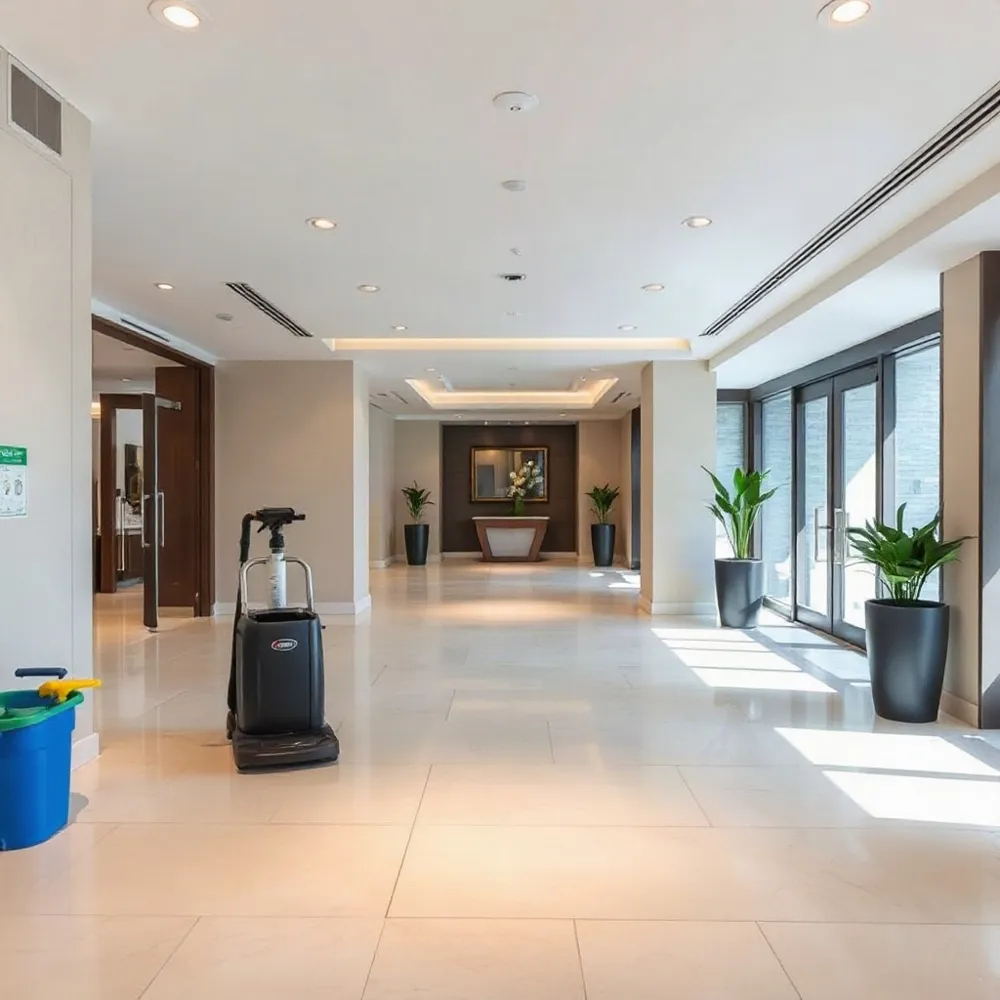
Large condominium complexes present a unique cleaning challenge. With lobbies, hallways, elevators, fitness centers, and outdoor spaces used daily by hundreds of residents, maintaining a consistently clean environment requires a structured, proactive approach.
Neglecting shared spaces can lead to scuffed floors, lingering odors, and faster deterioration of fixtures and finishes. In contrast, a well-executed cleaning strategy preserves the building's appearance and enhances resident satisfaction, directly supporting retention rates and lease renewals.
This article outlines practical strategies—from organizing tasks by frequency to selecting the right professional partner—to help property managers keep every corner of a large complex in top condition.
Organizing Tasks by Frequency

A structured cleaning schedule ensures that every corner of a condominium complex receives consistent attention. Dividing tasks into daily, weekly, monthly, and seasonal intervals prevents buildup, reduces emergency cleanings, and keeps shared spaces welcoming for residents and visitors.
Daily Cleaning Tasks
High-traffic areas like lobbies, hallways, and elevators accumulate dirt and germs quickly. Daily tasks include emptying trash and sanitary bins, cleaning and disinfecting restrooms, wiping down high-touch surfaces such as doorknobs and elevator buttons, and sweeping or damp mopping floors with a disinfectant. This routine minimizes the spread of illness and maintains a polished first impression for anyone entering the building.
Weekly Cleaning Tasks
Weekly assignments go a step deeper. Restrooms receive a thorough deep clean — including scrubbing hinges, behind toilets, and removing soap scum from sinks and countertops. Light fixtures are dusted, door handles and push plates are disinfected, baseboards are cleaned, and floors are mopped thoroughly with attention to grout lines. Ventilation grilles are also cleaned to maintain air quality. These tasks catch the buildup that daily cleaning alone cannot address.
Monthly and Seasonal Cleaning Tasks
Monthly tasks focus on areas that accumulate grime over time. Grout lines are deep cleaned to remove embedded dirt and mildew, metal fixtures are cleaned and polished, and high dusting targets ceiling corners and above partitions. Fixtures are checked and tightened, and under-sink areas are inspected for leaks or maintenance issues. Seasonal work includes professional carpet cleaning, interior and exterior window washing, power washing walkways and entryways, cleaning and conditioning outdoor furniture, and checking gutters. A proactive approach to seasonal deep cleaning preserves property value and keeps the complex in top condition.
Tailoring the frequency of these tasks based on the size of the community and how actively residents use shared areas ensures cleaning resources are used efficiently.
| Frequency | Focus Areas | Example Tasks |
|---|---|---|
| Daily | Lobbies, restrooms, high-touch surfaces | Empty trash, disinfect toilets and sinks, wipe doorknobs, sweep/mop floors |
| Weekly | Restrooms, light fixtures, door hardware | Deep clean toilets and urinals, dust lights, disinfect push plates, mop grout lines |
| Monthly | Grout, metal fixtures, ventilation | Deep clean grout, polish fixtures, high dusting, inspect under sinks and tightness |
| Seasonal | Carpets, windows, exterior surfaces | Professional carpet cleaning, window washing, power washing walkways, cleaning outdoor furniture |
Prioritizing High-Impact Zones

Not all spaces in a condominium complex contribute equally to the overall impression of cleanliness. The Pareto Principle, or 80/20 rule, suggests that roughly 80% of visible dirt and mess originates from just 20% of the areas — specifically the most frequently used zones. For property managers, this means that concentrating cleaning efforts on these high-impact spaces delivers the greatest return on time and resources, keeping the property presentable between deep cleans.
Identifying the 20%
The highest-traffic areas in a condominium are predictable: the lobby and entrance, which create the first impression for visitors and potential tenants; elevators and their buttons, which see constant hand contact; hallways and corridors, where daily foot traffic deposits dust and debris; and restrooms, fitness centers, and laundry rooms, which accumulate bacteria and grime quickly. A smart cleaning schedule assigns priority to these zones over lower-traffic spaces like storage areas or seasonal facilities.
Streamlining with the 80/20 Approach
By focusing daily and weekly cleaning on these 20% of spaces, teams can maintain a visibly fresh environment with less effort than attempting to clean every square foot equally. This approach saves time, reduces wear on cleaning supplies, and allows deeper attention to the areas residents and guests use most. The result is a consistently well-kept property that remains clean without the budget or labor cost of constant deep cleaning.
Property managers can apply this principle in condominium complexes by targeting lobbies, elevators, and restrooms with cleaning plans that match each property's traffic patterns.
Time-Management Methods for Cleaning Teams

Managing cleaning across a large condominium complex means working with limited time and many tasks. Structured time-management methods help teams stay productive without sacrificing quality or burning out. Property managers and cleaning staff can adopt several proven rhythms to match the pace of daily upkeep and turnover work.
The 20/10 Rule for Focus and Recovery
The 20/10 method involves cleaning for 20 minutes and then taking a 10-minute break. This cycle gives the brain a clear endpoint, reducing mental fatigue during large jobs like a full-floor turnover or deep cleaning of common amenities. The American Cleaning Institute recommends working from the top down in each room, which pairs naturally with the 20/10 rhythm. For teams in a Minneapolis condominium, a lead cleaner can set a timer for the group, ensuring everyone works in sync and breaks together. Bravo Cleaning uses similar pacing principles on larger turnover projects to maintain steady output across multiple units without rushing corners.
The 6/10 Rule for Daily Maintenance Routines
The 6/10 rule structures the day around six tasks, each taking ten minutes, for one hour of total cleaning. Property managers can assign a checklist of six daily focus areas for common spaces — such as lobby floors, elevator touchpoints, restroom disinfecting, trash bins, hallway vacuuming, and mirror polishing. Completing these in sequence keeps high-traffic zones presentable without requiring a deep-clean session. For properties using Bravo Cleaning's customized plans, the 6/10 rhythm fits neatly between scheduled weekly and monthly services, maintaining a baseline of tidiness that residents notice.
The 5-5-5 Rule for Quick Tidying
The 5-5-5 method breaks cleaning into five zones, five minutes each, for a 25-minute total: a fast reset that works well for midday touch-ups or prepping a unit before a final inspection. In a condominium setting, a cleaner could apply it to five areas of the lobby or five high-touch stations in a fitness center. This technique keeps the space guest-ready between professional deep cleans. Bravo Cleaning has incorporated streamlined zone approaches into its turnover cleaning checklist, helping teams spot and address small issues before they compound into larger problems.
Adapting these three methods to a large complex means matching the cadence to task difficulty, team size, and traffic patterns. The 20/10 rule works for intensive stripping-and-reset jobs; the 6/10 rule sustains daily order; the 5-5-5 rule offers a rapid polish before resident events or showings. Using them in rotation gives cleaning teams a flexible toolkit to boost productivity, reduce fatigue, and keep every common area consistently clean.
Essential Cleaning Supplies and Eco-Friendly Choices
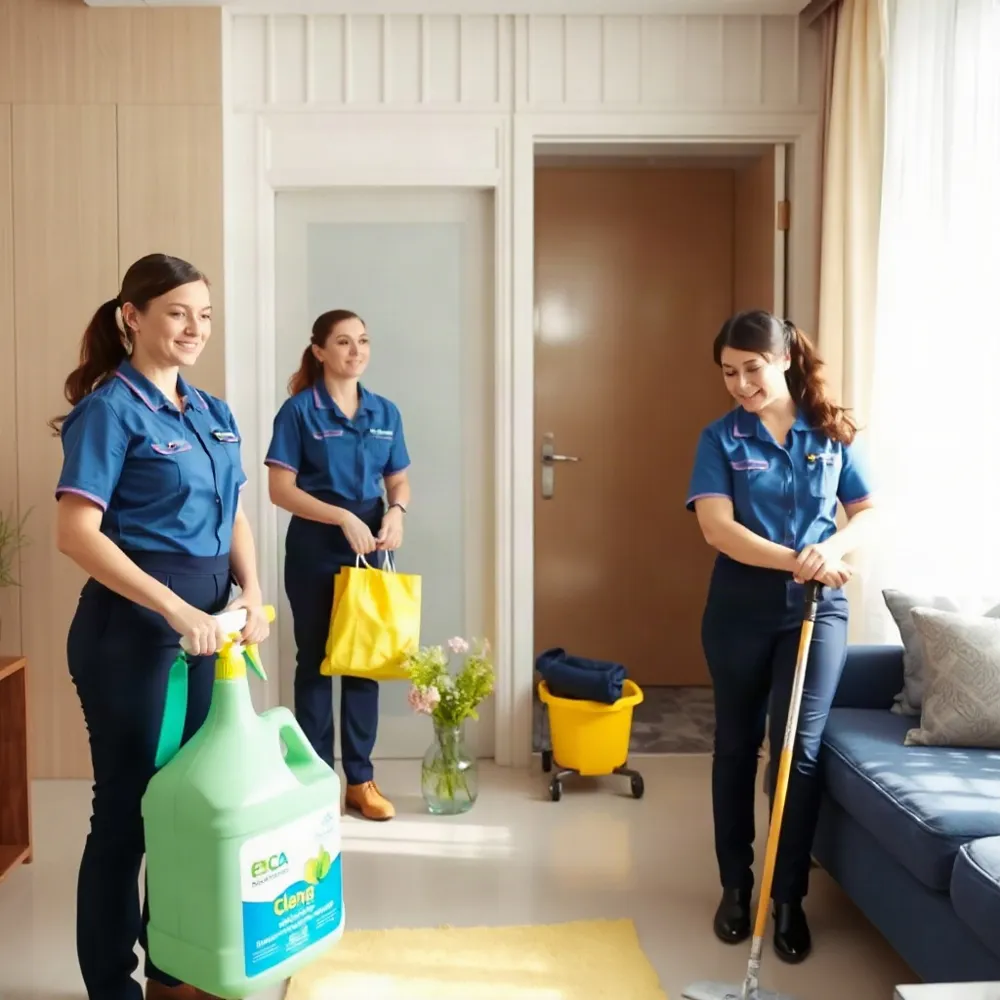
Using the right cleaning supplies and tools directly affects how efficiently teams can work and how well surfaces hold up over time. For large condominium complexes, choosing products that balance effectiveness with safety for residents and the environment is a practical necessity.
Recommended Products for Common Areas
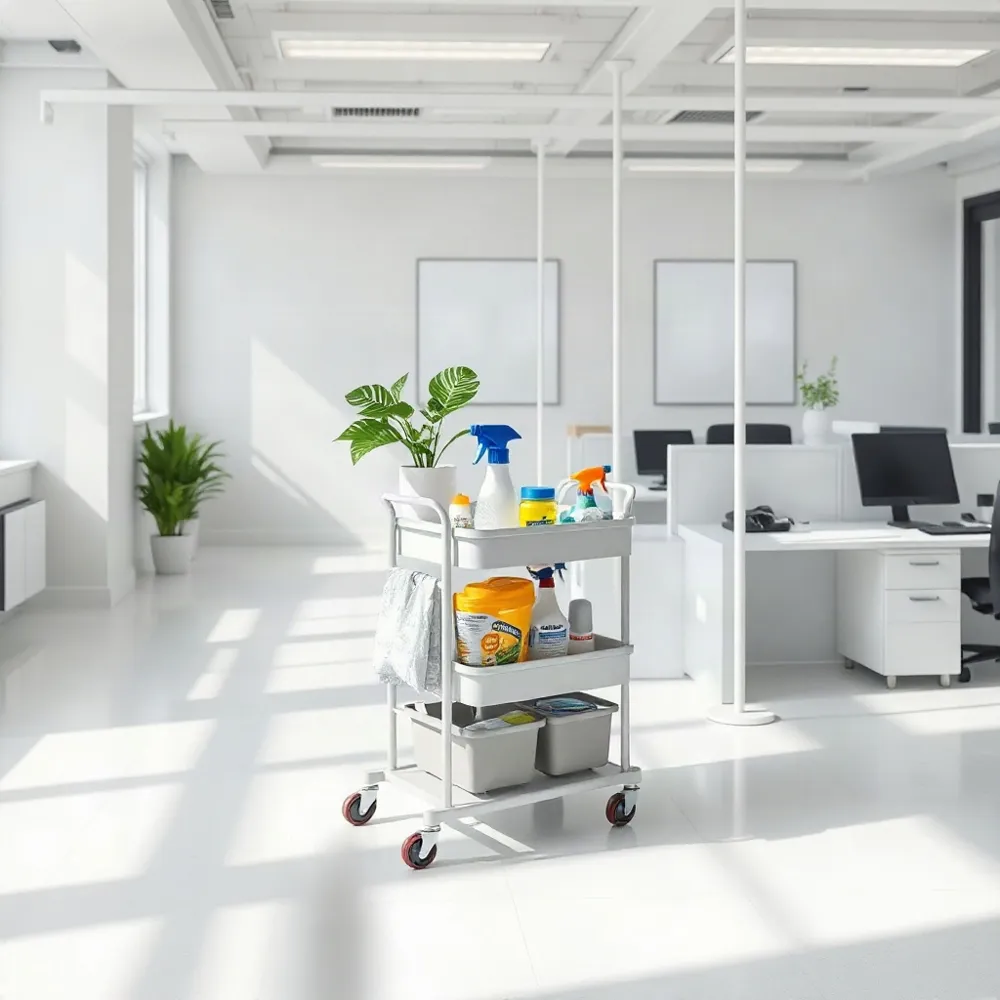
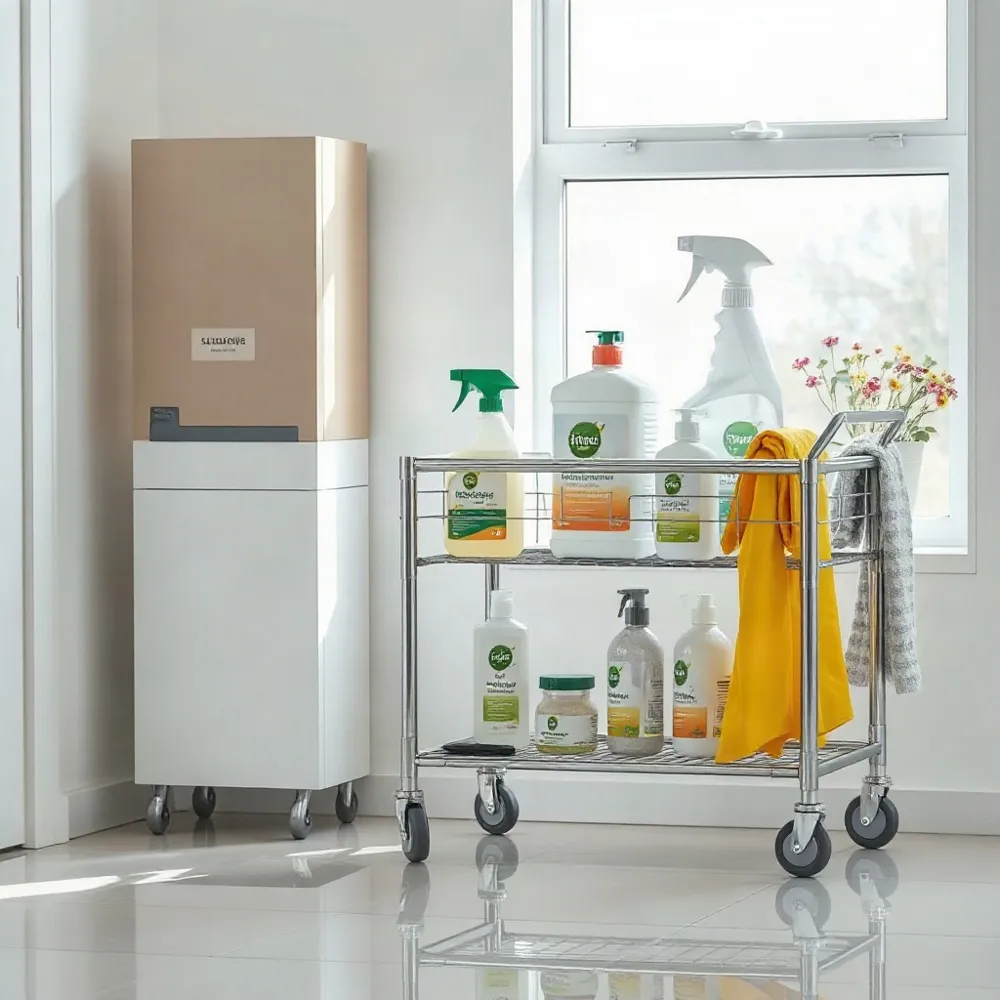
Multi-purpose cleaners. A versatile workhorse for countertops, tables, and most non-porous surfaces. Look for formulas labeled as effective on grease and grime.Disinfectants. High-touch surfaces like doorknobs, elevator buttons, and handrails require registered disinfectants. Bleach, hydrogen peroxide, and rubbing alcohol are common active ingredients that meet hygiene standards when used according to the label.Specialty cleaners. Glass cleaners and restroom sanitizers target specific materials. Using the right product prevents damage — for example, an abrasive bathroom cleaner can scratch glass shower doors.
A vacuum with a HEPA filter is important for carpeted areas and hallways, as it captures fine dust and allergens that standard vacuums recirculate. Microfiber mop heads and cloths trap particles more effectively than cotton and reduce the amount of water and chemicals needed — a small change that adds up across dozens of units.
Bravo Cleaning integrates these product choices into its customized cleaning plans, helping property managers maintain high standards without over-investing in supplies that don't match their specific surfaces or traffic patterns.
Eco-Friendly and Non-Toxic Alternatives
Many condominium boards now prefer cleaning products that are safer for children, pets, and the environment. Simple pantry ingredients like vinegar, baking soda, and lemon juice can handle a surprising range of tasks. Vinegar diluted with water works as a glass cleaner and deodorizer, while baking soda paste scrubs sinks and tiles without scratching. These alternatives reduce chemical exposure in shared spaces like fitness rooms and play areas.
Commercially available green cleaning products are another option. Property managers can consult with local providers to find non-toxic, biodegradable cleaners that suit their building's needs.
Consistent use of such products helps buildings maintain thorough sanitation without compromising on safety or environmental responsibility.
Quick Cleaning Hacks That Save Time
Small tricks can make daily cleaning faster. Using a microfiber cloth for dusting traps particles better than cotton. Placing a dryer sheet along baseboards can help repel future dust. Cleaning a microwave by boiling water with lemon slices for a few minutes softens residue so it wipes away easily. While these hacks are useful for quick tidying, Bravo Cleaning's professional teams rely on systematic methods and proper equipment to deliver consistent results across large complexes.
Turnover Cleaning Between Residents
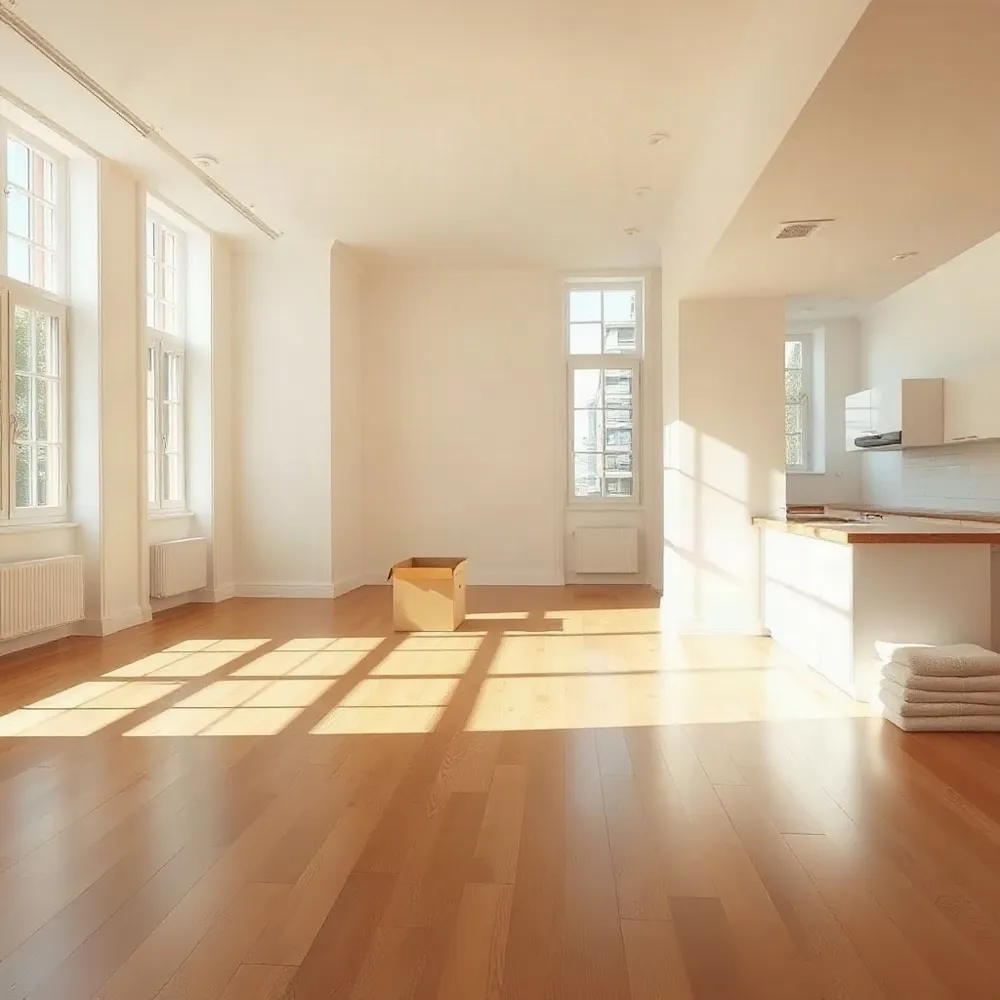
Turnover cleaning is the deep, comprehensive reset performed between tenants. It goes far beyond a standard tidy — the process includes sanitizing appliances, scrubbing floors, and reaching into spaces that accumulate dust and grime, such as behind refrigerators and along bathroom tile grout. A thorough turnover clean protects the unit's condition and keeps the next move-in experience positive.
A structured checklist organized by room is essential for consistency. Without one, cleaners may miss high-risk areas like hair in bathroom corners, sticky kitchen handles, or crumbs in sofa seams. Customized cleaning plans help ensure no detail is overlooked between residents.
Common turnover cleaning mistakes include treating every unit the same, skipping a plan for laundering or replacing linens, and failing to take photo proof of completed work. A better approach is to standardize supplies, split roles on larger units, and conduct a fast walkthrough inspection after each clean — a method many property managers find effective for maintaining consistency across dozens of units.
Professional turnover cleaning saves property managers significant time and prevents tenant complaints. It also helps protect security deposits by returning units to a pristine, ready-to-occupy state. For a deeper look at the full process, see our guide on turnover cleaning between residents.
Professional Services and Pricing Insights
Bravo Cleaning in Minneapolis provides a full suite of cleaning services tailored to residential and commercial properties. Their core offerings include residential deep cleaning, move-in/move-out cleaning, commercial office cleaning, and specialized turnover cleaning for apartments and condominiums. They also offer expert carpet care and flexible janitorial support for ongoing maintenance. All services use eco-friendly methods and are executed by experienced staff who customize each plan to fit the client's schedule and budget.
Pricing for a two-bedroom condo deep clean typically ranges from $130 to $200, while turnover cleaning falls between $245 and $375, depending on the thoroughness required. In Minnesota, residential cleaning services are subject to sales tax: the state rate is 6.875%, and local taxes in Minneapolis bring the combined rate to 9.025%. Bravo Cleaning provides transparent, no-surprise quotes that include all applicable taxes, so property managers and homeowners know the exact cost upfront.
Several factors influence the final price: unit size, condition, cleaning frequency, and requests for eco-friendly products all play a role. Bravo Cleaning offers customized assessments to match pricing to each property's specific needs.
Specialized services such as post-construction cleaning, biohazard cleanup, and commercial deep cleaning generate higher income because they require specialized expertise and equipment. These high-demand markets reward companies that can solve urgent, complex problems for property managers and business clients. Bravo Cleaning leverages over 20 years of local experience to excel in these premium niches, delivering customized, eco-friendly solutions that justify the investment.
Service Scope
Residential deep cleaning, move-in/move-out, commercial office cleaning, turnover cleaning for apartments/condos, carpet care, and flexible janitorial support.Pricing Factors
Unit size, condition, cleaning frequency, eco-friendly requests. Transparent quotes include Minnesota sales tax (state 6.875% + up to 9.025% local).High-Income Niches
Post-construction cleaning, biohazard cleanup, commercial deep cleaning, and short-term rental turnover cleaning require specialized skills and command premium rates.Maintaining Hygiene and Preventing Issues
Preventing the spread of illness in a condominium complex starts with consistent attention to high-touch surfaces. Doorknobs, elevator buttons, handrails, and light switches are touched by dozens of residents and visitors each day, making them primary vectors for germs. The American Cleaning Institute recommends disinfecting these areas after cleaning, using sprays or wipes on surfaces where frequent contact occurs.
Bravo Cleaning incorporates targeted disinfecting of these germ hotspots into its standard common-area service. With over 20 years of experience in Minneapolis condominium buildings, the company’s crews follow a systematic top-down process that ensures high-touch points are disinfected without disrupting the rest of the cleaning workflow.
Prevention Tips for Common Areas
Simple environmental measures can significantly reduce the amount of dirt and germs entering shared spaces. Placing heavy-duty walk-off mats at lobby and hallway entrances traps outdoor debris before it spreads across the floors. Common-area usage rules — such as requiring shoes in gyms, limiting food in lounges, and designating pet-relief areas — further protect surfaces from unnecessary wear and contamination. Installing hand-sanitizing stations at key points (elevator banks, mail rooms, fitness entrances) gives residents and guests a quick way to clean hands before touching shared surfaces.
Reporting and Responding to Maintenance Issues
A clean building depends on more than scheduled cleaning — it requires a responsive system for unforeseen problems. Electrical failures, plumbing leaks, and equipment breakdowns can create safety hazards and worsen cleanup complexity if left unaddressed. Condominium associations should establish a clear reporting channel, such as a digital maintenance request form or a dedicated phone line, and designate a point person to coordinate with contractors. This ensures that issues flagged by cleaners or residents during daily rounds are relayed and acted upon promptly.
During regular visits, cleaning crews can routinely inspect the condition of fixtures, grout, ventilation grilles, and other components covered in the monthly and seasonal cleaning categories. When they spot potential trouble — a leak under a sink or a loose grab bar — they alert the designated contact so the building can schedule repairs before a small problem becomes a major expense.
Early Detection Through Professional Inspections
Regular professional inspections of common areas serve as an early-warning system for property damage. A trained cleaning team can spot hairline cracks in tile grout, early mold growth behind plumbing fixtures, or worn caulking around showers and sinks — issues that are invisible to the untrained eye but expensive if ignored. Scheduling quarterly professional walk-throughs, in addition to the standard cleaning cycle, helps property managers address repairs on their own timeline rather than during an emergency.
A Proactive Approach to Condominium Cleanliness
A structured cleaning plan that combines daily, weekly, monthly, and seasonal tasks with efficient time-management methods creates a foundation for lasting cleanliness in any large complex. Property managers and condo boards that invest in professional services protect property value, foster resident pride, and enhance the community's overall appeal.
Partnering with an experienced local provider like Bravo Cleaning brings over 20 years of expertise and customized, eco-friendly solutions to every building. With dedicated teams and tailored schedules, Bravo Cleaning helps condominium complexes maintain the highest standards of hygiene and presentation, making the community a desirable place to call home.
Recent articles