What Professional Janitorial Services Should Include


Start With Clear Expectations
Professional janitorial service is recurring care that helps keep commercial properties clean, orderly, and ready for daily use. The right plan depends on the building’s layout, occupancy, foot traffic, operating hours, and priorities, so a routine that suits a quiet office may not fit a busy shared property.
Begin with a walkthrough and a written scope that names the rooms, tasks, visit schedule, access arrangements, and contact for requests or missed work. Bravo Cleaning’s locally owned Minneapolis team provides customized commercial cleaning, including services for apartment and condominium buildings, with a focus on turnover cleaning and carpet care.
A clear plan also makes it easier to distinguish recurring janitorial tasks from specialty projects and compare proposals based on what is actually included. The sections ahead cover typical tasks, how to set checklist frequency, where routine service ends and broader cleaning begins, and how to assess costs against the agreed scope.
Routine Tasks Across Shared Spaces

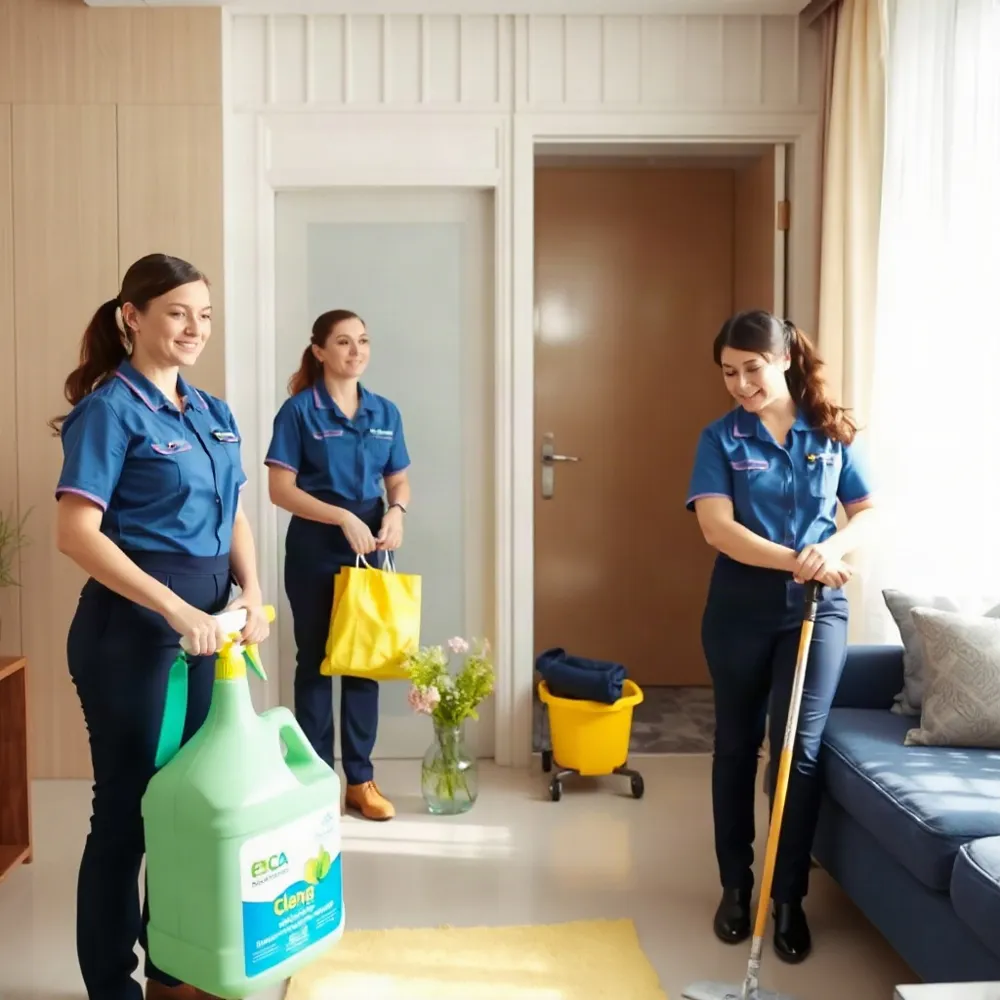
Janitorial services typically include recurring care for floors, restrooms, kitchens or break rooms, and shared spaces. Crews may vacuum carpets, sweep and mop hard floors, wipe counters and other agreed surfaces, empty trash and recycling, and clean frequently touched points. The exact scope and frequency depend on how the property is used.
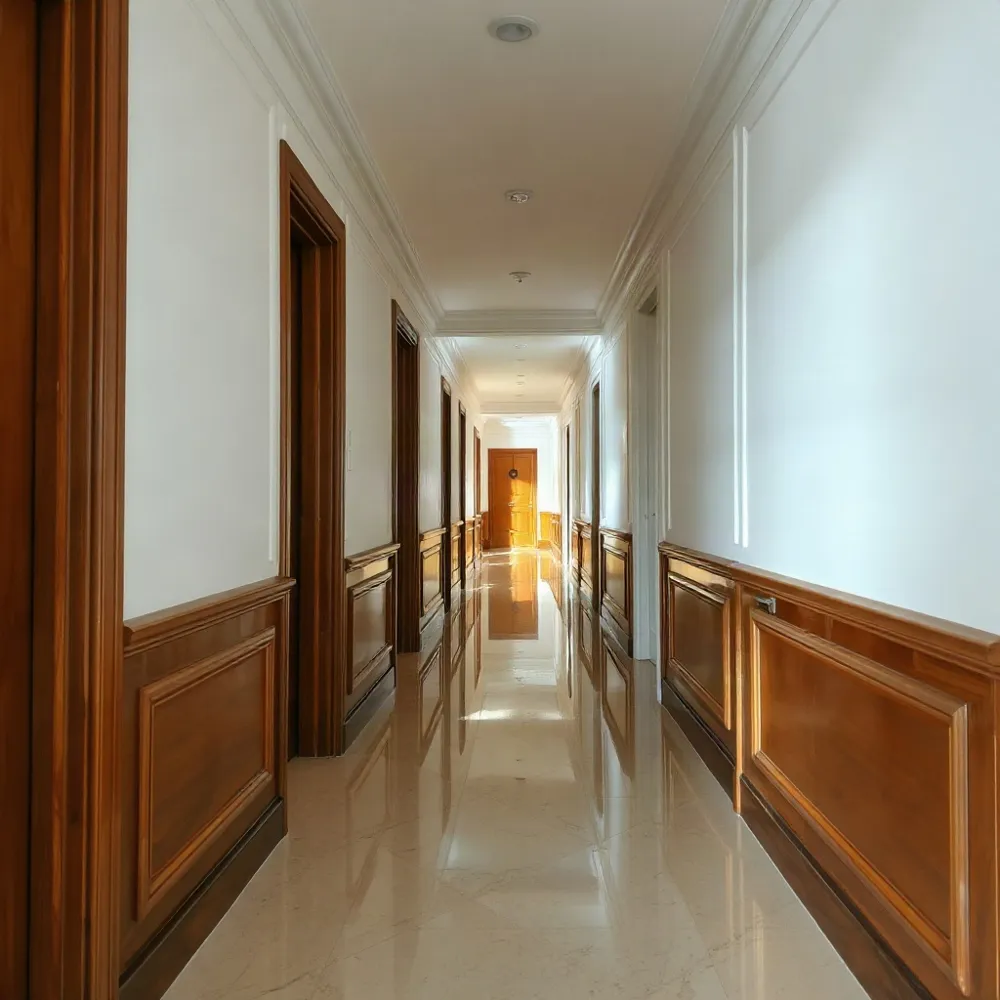
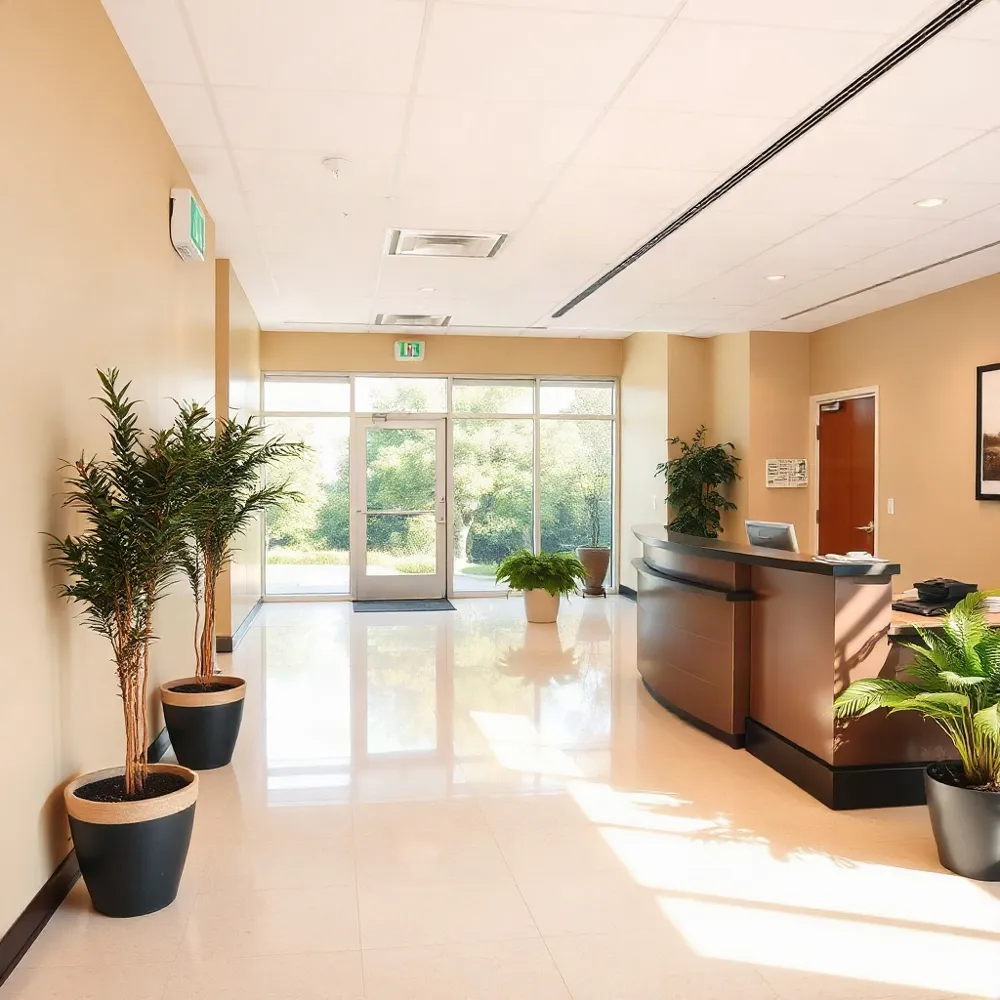
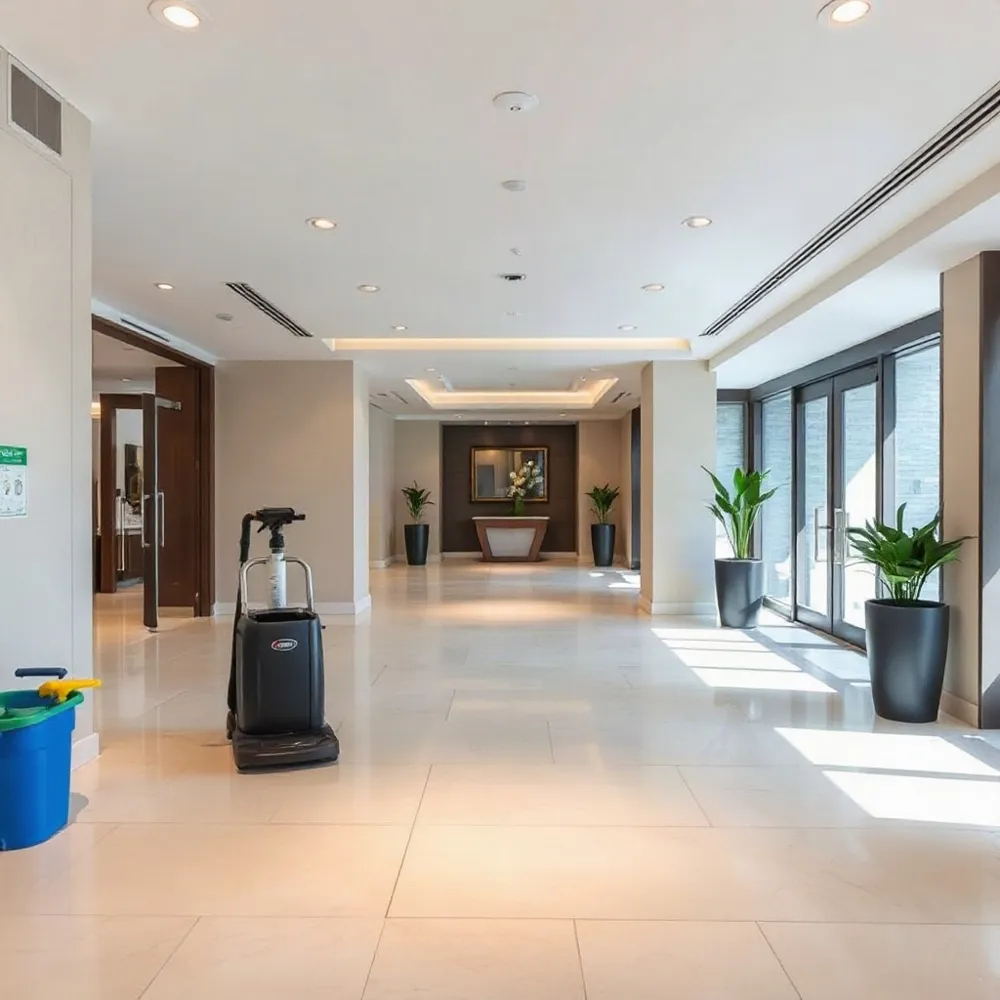
In apartment and condominium buildings, a common-area plan can cover lobbies, hallways, elevators, and other shared spaces. Bravo Cleaning’s local work with residential properties includes customized cleaning, carpet care, and turnover services, so a manager can define routine upkeep separately from move-in or turnover cleaning.
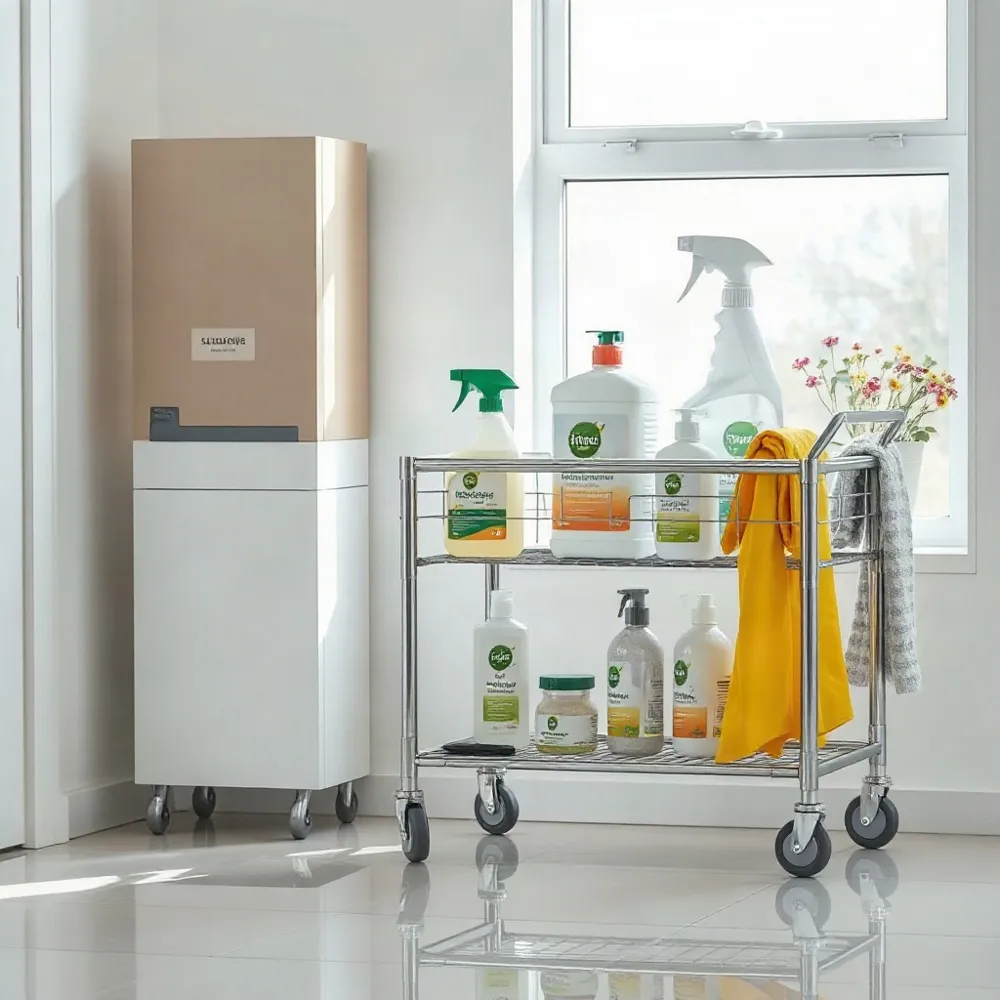
Restroom tasks may include cleaning and disinfecting toilets, sinks, counters, mirrors, floors, and door handles. Supply monitoring or restocking can also be included, but the agreement should identify which supplies the cleaning team provides and which the property supplies.
Build a Checklist Around Use

A useful commercial cleaning checklist names each room, task, frequency, responsible party, access arrangements, and how completion or missed work will be reported. A written plan also gives property managers and the cleaning team a shared reference when priorities change. Bravo Cleaning’s customized commercial services can reflect a building’s layout and use, rather than assuming every property needs the same routine.
Each visit may cover waste and recycling, restrooms, break-room counters and sinks, high-touch surfaces, and floors. Entrances, restrooms, and shared spaces often need extra attention when traffic is heavy, and busy facilities may benefit from daytime checks. Agree in advance which bins are emptied, where waste goes, how recycling is sorted, and how securely discarded paperwork is handled.
Set less-frequent work separately. Weekly tasks might include detailed dusting, interior glass and partitions, carpet edges, lower-traffic areas, or more thorough floor care. High dusting, carpet extraction, upholstery care, and machine treatment of hard floors should be scheduled according to material, condition, soil, and traffic, not assumed to be part of every visit.
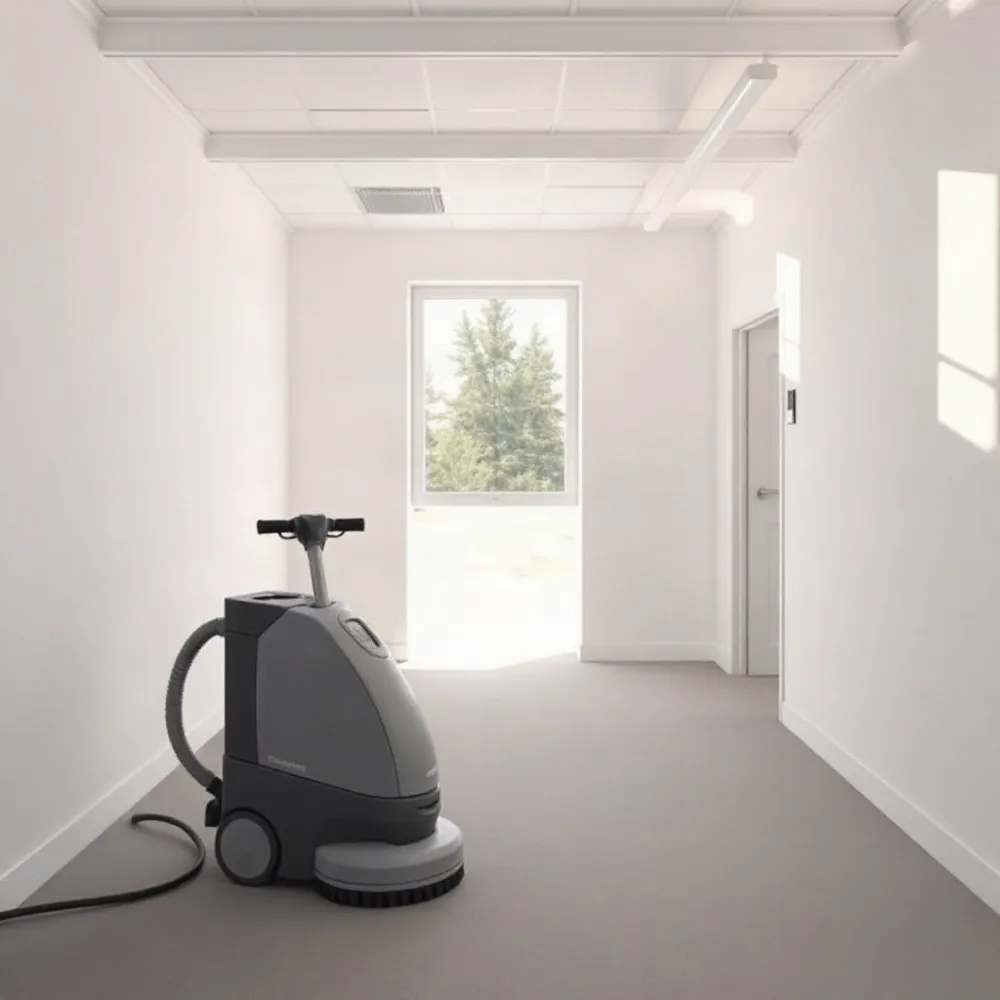
Routine vacuuming, sweeping, and mopping differ from carpet extraction or floor stripping, waxing, buffing, and sealing. These treatments may need separate scheduling and time for an area to become usable again. Coordinate visits with occupancy and operating hours, and set clear instructions for personal belongings, paperwork, equipment, and supply purchases or restocking.
Review the checklist with the provider as building use or client priorities change. Inspections and staff feedback can help identify missed tasks and adjust frequencies. A room-by-room cleaning checklist can help turn the agreed scope into practical instructions. Bravo Cleaning’s local experience and flexible service approach support plans tailored to commercial properties.
Distinguish Routine From Specialty Work
Janitorial cleaning generally means recurring upkeep that keeps a building ready for daily use. It may cover emptying waste bins, cleaning restrooms, vacuuming carpets, mopping hard floors, and wiping shared surfaces.
Commercial cleaning is a broader term that can include routine janitorial visits as well as less frequent or specialized work. Examples include deep cleaning, carpet care, floor treatments, and post-construction cleanup. The right mix depends on how each area is used and what its surfaces require.
Providers do not always use these labels in the same way, so compare the proposed tasks, schedule, exclusions, and service standards instead of relying on the name of the service. Bravo Cleaning’s tailored cleaning services and focus on carpet care can help property managers define recurring upkeep separately from periodic floor or carpet projects.
A practical plan pairs regular visits with separately scoped projects when needed. Ask for a distinct task list and clear pricing for deep cleans or floor treatments, including any time an area must remain out of use. This helps prevent specialty work from being assumed, or overlooked, in a routine service agreement.
For a closer look at how recurring upkeep differs from broader specialty work, see the difference between janitorial services and commercial cleaning.
Compare Costs With Scope in View

Commercial cleaning commonly costs about $0.05 to $0.25 per square foot for routine service. Deep cleaning or specialized work may reach $0.50 per square foot or more. These are general estimates, not guaranteed local prices or a substitute for a site-specific quote.
For an 8,000-square-foot building, those figures suggest roughly $400 to $2,000 for routine cleaning, with premium work around $4,000. Actual pricing can vary with service frequency, layout and condition, traffic, and requirements such as carpet care or floor treatment.
For a useful comparison, ask each provider to specify the tasks covered, visit schedule, included add-ons, and any separate charges for specialty work. A proposal that spells out its scope makes it easier to compare options than a headline rate alone. Bravo Cleaning’s customized services for commercial properties and apartment and condominium buildings can be scoped around a property’s needs, including turnover cleaning and carpet care.
Use a site visit and clearly defined cleaning plan as the basis for budgeting. An on-site assessment can account for the building’s actual condition and requirements, giving property managers and business clients a more useful estimate than a general per-square-foot figure.
Make the Plan Specific and Adaptable
A useful janitorial agreement spells out the rooms, tasks, visit frequency, access instructions, supply responsibilities, and contact for questions or missed work. At Bravo Cleaning, customized commercial cleaning plans can reflect a property’s use and priorities, rather than assuming every building needs the same routine.
Confirm which tasks are part of recurring service and which need a separate scope, such as carpet extraction or floor refinishing. Review the plan when occupancy, traffic, schedules, or building needs change, and clarify any revised expectations with the cleaning provider.
When comparing proposals, look beyond service labels or a headline price. A site-specific scope makes it easier to see what is included, how often work will happen, and whether the arrangement fits the property’s needs.
Recent articles