How Professional Carpet Cleaning Refreshes High-Traffic Spaces


Why Busy Carpets Need More Than Vacuuming
Entrances, hallways, lobbies, and apartment common areas take a steady pounding. Shoes bring in grit and moisture, while frequent foot traffic presses soil into carpet fibers. The result can be dull-looking traffic lanes and a space that feels less cared for.
Vacuuming is still essential: it removes loose dirt before it settles deeper. But it cannot always reach particles embedded in the pile. The Carpet and Rug Institute’s guidance on professional carpet cleaning explains that regular extraction cleaning can help remove accumulated soil and protect carpet over time.
Professional cleaning works best as part of ongoing maintenance, not as a last-minute fix. The right approach depends on carpet condition, traffic patterns, and how long an area can remain out of service while it dries. In Minneapolis apartment and commercial properties, Bravo Cleaning brings more than 20 years of local experience to customized carpet care, with schedules shaped around each building’s needs.
How Professional Cleaning Refreshes Carpet
Vacuuming removes loose debris, but it may not lift soil packed into carpet fibers. Professional cleaning can reach embedded dirt and stains, helping refresh dull traffic lanes and fibers flattened by repeated use. The Carpet and Rug Institute’s guidance on professional carpet cleaning also notes that regular extraction can help protect a flooring investment.
Grit trapped in carpet can rub against fibers as people walk, contributing to wear. Removing that buildup may help preserve carpet condition and delay replacement, though results depend on the carpet’s age, material, and existing damage. Bravo Cleaning, a Minneapolis-based company with more than 20 years of local experience, provides customized cleaning for residential and commercial properties, including apartment and condominium buildings.
Clean carpet also shapes how residents, tenants, employees, customers, and visitors experience a property. In a lobby or shared corridor, refreshed flooring can help the whole space feel cared for. The cost is more likely to make sense where traffic is heavy and appearance matters, especially when visible lanes, persistent stains or odors, or a rental turnover call for an assessment.
The value of cleaning depends on choosing an approach suited to the carpet’s condition and the time available before the area returns to use. Bravo Cleaning’s locally tailored service model takes property needs into account, rather than assuming every space requires the same treatment. For matted lanes and embedded soil, see how professional cleaning can refresh carpet.
Set a Schedule Around Traffic and Use
Cleaning intervals are useful planning guides, not fixed rules. Many homes suit professional carpet cleaning every 12 to 18 months, while busy family homes may need service every 6 to 12 months. The Carpet and Rug Institute’s guidance on professional carpet cleaning also notes that some carpet warranties specify extraction cleaning intervals, so check the terms for your flooring.
Pets can bring in soil and leave residues that routine vacuuming may not remove. Consider cleaning every 6 to 12 months in pet-owning homes, or every 3 to 6 months when multiple pets, frequent accidents, or heavy soiling lead to faster buildup. Entrances, stairs, and hallways may also need focused attention every 3 to 6 months.
Commercial schedules should reflect how each area is used, the carpet’s construction, operating hours, and the time available for drying. Bravo Cleaning works with residential and commercial properties, including apartment and condominium buildings, and can tailor carpet care to actual traffic and site needs rather than applying one interval to every space.
Before setting a schedule, review manufacturer care instructions and warranty terms, then consider routine upkeep, moisture, and visible wear. At rental turnovers, assess carpet condition and arrange cleaning where needed. Blot spills promptly and address pet accidents rather than waiting for the next planned visit, since delay can allow stains and odors to settle.
Embedded Particles and Indoor Comfort

Carpet fibers can hold dust, pollen, pet dander, and dust-mite debris. In busy corridors, lobbies, and shared rooms, foot traffic can stir some of this buildup into the air. A Carpet and Rug Institute overview of professional carpet cleaning explains that periodic cleaning helps remove pollutants trapped in carpet.
Professional cleaning using eco-friendly solutions can extract much of the embedded material, but results depend on the carpet, cleaning method, and level of soil. It does not remove allergens from the rest of a property or prevent new particles from settling. Routine vacuuming remains important; a well-maintained vacuum with HEPA filtration can support regular particle removal.
For properties with allergy concerns, Bravo Cleaning can tailor carpet care to the building’s use and traffic patterns, drawing on its experience with homes, apartments, and commercial properties across the local community. A plan may combine regular vacuuming with periodic professional cleaning rather than relying on deep cleaning alone. One property manager shared, "Since implementing Bravo Cleaning's tailored carpet care plan, we've noticed a significant improvement in the indoor air quality of our common areas."
After cleaning, allow carpet to dry thoroughly before normal use. Adequate drying helps limit moisture-related problems, including lingering odors. Property managers can review carpet condition and occupant needs when adjusting the schedule, while continuing routine cleaning between professional visits.
Choose Methods That Fit the Property

A professional visit should start with an assessment of carpet construction, condition, stains, and the areas that receive the most use. Technicians can then pre-vacuum, treat spots and traffic lanes, clean to remove embedded soil and residue, and check the results. This assessment-led approach helps avoid treating every carpet the same way. Bravo Cleaning’s customized service for commercial and residential properties reflects that need to adapt care to each building.
Hot-water extraction reaches deep into carpet fibers and removes loosened soil, but the carpet needs time to dry before normal use resumes. Low-moisture and encapsulation methods use less water and may reduce downtime, making them practical options for busy offices and shared spaces when the carpet and soil conditions are suitable. The Carpet and Rug Institute’s guidance on professional cleaning also notes that extraction may be required under some carpet warranties, so check the manufacturer’s care instructions before choosing a method.
No single method suits every property. Carpet fibers, soil level, stain type, and the time available for drying all matter. A quick-drying approach may help keep a hallway open, while heavily soiled carpet may need a deeper clean and a longer period out of service. For property managers, Bravo Cleaning’s flexible scheduling can help fit cleaning around building use, including after-hours or weekend appointments.
A practical maintenance plan can rotate attention across traffic zones, track recurring stains, and set realistic expectations for drying and results. Managers can also review what a professional cleaning visit involves when comparing service plans. Matching methods and timing to actual use helps maintain access while supporting consistent carpet care.
Maintain High-Traffic Areas Between Visits
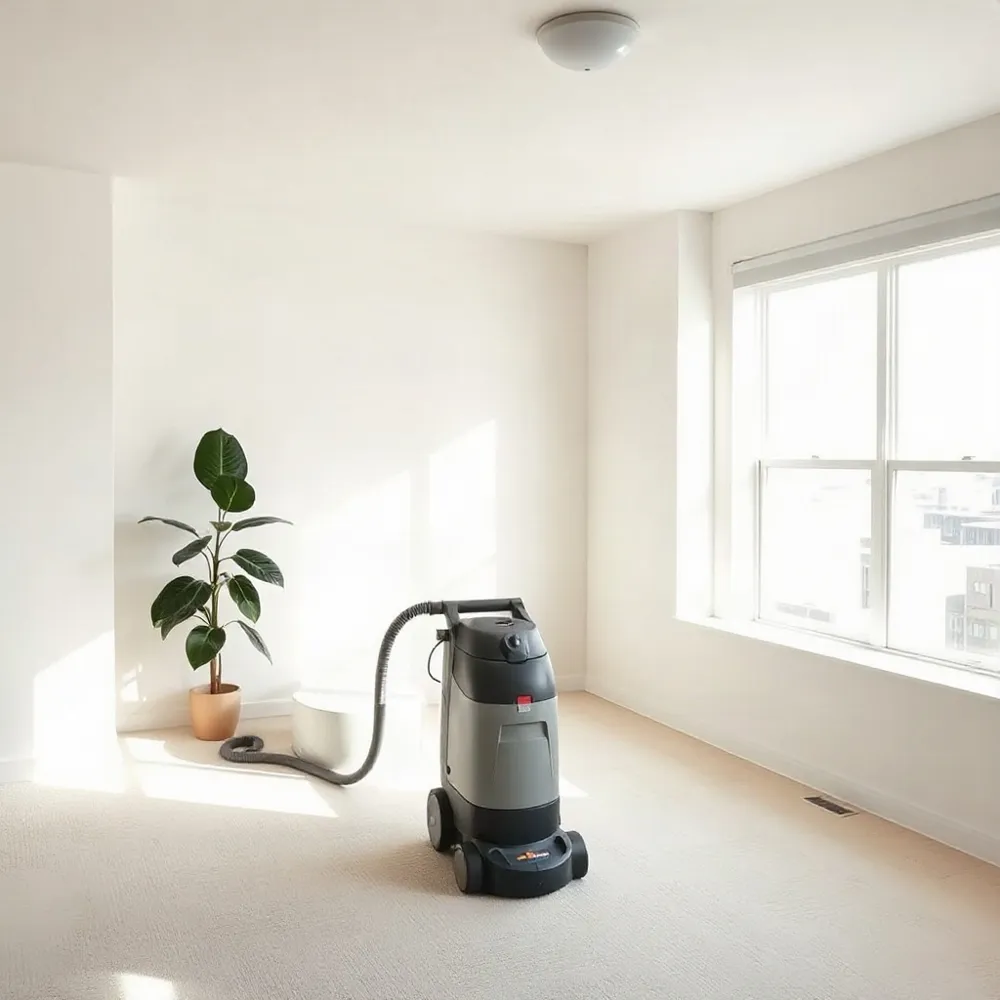
Frequent attention to busy carpet lanes helps prevent loose grit from being pressed deeper into the fibers. In commercial lobbies and corridors, daily vacuuming may be practical; heavily used areas in homes often need several passes each week. For additional guidance, see these maintenance strategies for high-traffic zones.
Place clean entry mats at doors to catch dirt, moisture, and winter salt before they reach the carpet. Removing shoes at the entrance can help where building rules and household routines allow. These simple steps reduce the soil that routine vacuuming must handle.
For spills, blot with a clean cloth instead of rubbing, which can spread the mark or push residue into the pile. If a carpet-safe cleaner is needed, follow its label and test it first in an inconspicuous area. Use as little moisture as possible, and check the carpet manufacturer’s care instructions before applying a product.
Where practical, rotate area rugs or move furniture to distribute wear and reduce persistent pressure marks. Bravo Cleaning serves residential and commercial properties with customized cleaning, including apartment and condominium buildings, so upkeep recommendations can reflect how each space is used. Consistent daily care helps keep carpet presentable between professional visits.
Know When Cleaning Is No Longer Enough
Carpet lifespan varies widely. A broad estimate is about 5 to 15 years, but traffic, material quality, maintenance, and condition all affect how long flooring remains serviceable. In busy entries, hallways, and apartment common areas, heavy use can shorten that span. The Carpet and Rug Institute’s guidance on professional carpet cleaning notes that regular extraction cleaning can help protect carpet and extend its useful life.
Vacuuming and periodic professional cleaning can remove soil that wears against fibers, but cleaning is most useful while the carpet remains structurally sound. Bravo Cleaning’s property-focused carpet care can be planned around a building’s traffic and flooring condition, helping managers judge whether maintenance is still a practical option.
Look beyond age when deciding whether to clean or replace. Fibers that stay flat or matted after cleaning, bald or frayed patches, failing seams or backing, and padding that feels uneven can point to wear that cleaning will not reverse. Persistent odors, stains, or discoloration after professional treatment may also signal damage below the surface.
A cleaning assessment can help distinguish removable soil from lasting deterioration. If the carpet still feels stable and a professional treatment can reasonably improve its appearance and function, cleaning may be worthwhile. If it cannot, replacement may be the more practical choice. Consider the carpet’s condition and performance, not the calendar alone.
Build a Tailored Cleaning Plan

The best professional carpet-cleaning approach depends on the carpet’s fiber and construction, soil and stain levels, traffic, current condition, and how soon the space must be ready for use. A provider should inspect the carpet and explain why a method such as hot water extraction, low-moisture cleaning, or targeted stain treatment fits the property.
Ask how the team will remove loose dry soil before cleaning and treat specific stains. The Carpet and Rug Institute’s guidance on professional carpet cleaning notes that regular extraction can help protect carpet and that prompt stain removal can limit further soiling. For additional planning context, property managers can consider traffic levels, operating hours, and drying time when setting a commercial carpet-cleaning schedule.
For apartment and condominium turnovers, coordinate cleaning with access, move-in dates, and drying time. In commercial facilities, the plan may need to address busy routes, occupied areas, and after-hours access so cleaning causes less disruption. Bravo Cleaning’s locally owned Minneapolis team provides customized residential and commercial cleaning, including apartment and condominium turnover work, with more than 20 years of local experience.
Before approving a quote, ask which products are proposed, how long drying is expected to take, and what the quoted work includes. Clarify whether persistent stains, discoloration, or wear may remain after cleaning. You can also ask whether eco-conscious products or low-moisture methods are suitable for the carpet and the property’s schedule.
A clear plan sets practical expectations: it matches the method to the carpet and its use, while accounting for access, timing, and condition. That tailored approach is more useful than choosing the same cleaning method for every room or building.
Keep Carpet Care Consistent and Practical
High-traffic carpet care works best as a routine, not a one-off response to visible stains. Regular vacuuming, prompt spill treatment, entry mats, and periodic professional cleaning each address a different part of the problem. The Carpet and Rug Institute’s guidance on professional carpet cleaning also notes that owners should check warranty terms, since some require extraction cleaning at specified intervals.
A practical plan reflects where people walk, the carpet’s current condition and care instructions, and how much time the property can allow for cleaning and drying. Bravo Cleaning serves Minneapolis homes and commercial properties, including apartment and condominium buildings, with carpet care tailored to each site’s use and needs. That local experience can help property managers coordinate maintenance around shared spaces and building schedules.
Residents and property managers can start by noting the busiest carpet zones, recurring stains, and any areas that remain damp or odorous. Check the manufacturer’s guidance, then plan routine upkeep and professional service before soil and wear become harder to address. A small amount of advance planning can keep carpet care manageable and help shared spaces stay presentable.
Recent articles