What to Include in a Property-Specific Cleaning Plan

Start With the Property
A useful cleaning plan starts with the property itself, not a generic checklist. Its layout, condition, occupancy, traffic, surfaces, and hours of use all affect what needs attention and how often. A lobby shared by residents and visitors has different needs from a vacant apartment awaiting turnover or a lightly used office.
Walk the site and identify each space, its cleaning tasks, and the expected result. Then set frequencies, assign responsibilities, confirm which supplies are provided, and decide how completion and quality will be checked. A home cleaning schedule can offer a starting framework, but property managers should adapt it to the building and agreed service scope.
Bravo Cleaning’s customized services cover residential and commercial properties, including apartment and condominium buildings, with a focus on turnover cleaning and carpet care. Keep the plan flexible: property conditions, access, and priorities can change, so review it with the cleaning team and adjust tasks when needed.
Assess Site Conditions and Requirements Before Scheduling

A walkthrough gives property managers and cleaning providers a shared view of what the schedule needs to cover. Note how each area is used, who occupies it, how much traffic it receives, its surfaces, busy periods, access requirements, and recurring problem spots. Bravo Cleaning’s guidance on what a cleaning team needs to know about a building also emphasizes site-specific details such as traffic, materials, and service access.
Use those observations to set priorities and frequencies. Busy entrances, shared spaces, and restrooms may need more frequent attention than lightly used areas, while carpet care and other deep-cleaning work can be scheduled periodically according to soil, traffic, and surface needs. Bravo Cleaning’s customized services include carpet care, allowing the plan to account for flooring as well as routine cleaning.
Write each task with its location, frequency, responsible party, expected result, and quality-check method. For example, a restroom entry should identify the fixtures and surfaces to clean, when the work is due, and how completion will be checked. The University of Wyoming apartment cleaning checklist offers a practical reference for organizing apartment cleaning tasks.
Coordinate service windows with residents, tenants, and building operations. Confirm access to restricted areas, quiet periods, and any operational constraints before assigning work. Choose eco-friendly products and methods where appropriate, while checking that they suit the property’s surfaces and cleaning requirements.
Treat the schedule as a working document, not a fixed template. Inspection results, service feedback, changes in occupancy, or a shift in how the building is used may call for different priorities or frequencies. Review those changes with the cleaning provider and update the plan so expectations remain clear.
Cover Shared Building Areas
A shared-area checklist should name each space and its routine tasks, rather than treating the building as one general zone. Bravo Cleaning serves apartment and condominium buildings with customized cleaning plans, including attention to common areas and carpet care.
Include entrances and lobbies, hallways, stairwells, elevators, mail and package areas, laundry rooms, shared restrooms, amenities such as gyms or lounges, and outdoor spaces. Busy entrances and corridors may need daily or as-needed litter pickup, waste removal, spill response, and vacuuming or mopping. Wipe frequent touchpoints such as door handles, handrails, and elevator buttons as part of routine service.
Schedule detail work by area and frequency. Weekly tasks may include dusting ledges and fixtures, cleaning interior glass, spot-cleaning walls, and caring for shared furniture and floors. Monthly or seasonal work can include carpet and upholstery care, high dusting, and extra attention to entrances or outdoor areas when weather brings in more soil. A home cleaning schedule from Martha Stewart offers a general example of organizing recurring and occasional tasks, while building schedules should reflect actual use.
Record completed tasks and note spills, damaged surfaces, blocked exits, or other maintenance concerns so the property manager can follow up. For a broader approach to coordinating cleaning across sites, see how property managers can coordinate cleaning across multiple buildings. Adjust frequencies to traffic, floor and surface types, and the amenities residents use.
Set Commercial Tasks and Frequencies

A commercial checklist should make the service scope observable: identify each area, its required tasks, how often work is due, and how completion will be checked. This turns broad expectations into a working plan for the property manager and cleaning team. For a practical guide to setting tasks and frequencies, see how to set expectations for commercial cleaning.
Cover entrances and reception areas, offices, shared spaces, restrooms, break rooms or kitchens, and floors. Typical routine tasks include removing waste, dusting accessible surfaces, wiping high-touch points, cleaning glass, and disinfecting restroom fixtures. Record supply checks for soap, toilet paper, and paper towels, along with any property-specific instructions. Bravo Cleaning’s commercial work is tailored to the building, so a checklist can reflect its layout, surfaces, and operating needs rather than assume every site has the same scope.
How should tasks be divided by frequency?
Set timing according to how quickly soil accumulates, the effort involved, occupancy, foot traffic, operating hours, and seasonal conditions. Entrances, restrooms, and busy shared spaces may need attention daily or more often when conditions call for it. Weekly visits can include thorough bathroom cleaning, floor care, dusting, and a break-room refresh. Monthly or periodic work can address baseboards, vents, light fixtures, appliance interiors, and an assessment of carpets and upholstery for spot treatment or deeper care.
Treat routine upkeep and periodic projects as separate parts of the schedule. Daily work may include trash removal, counters, high-touch surfaces, spills, restrooms, and entrances; carpet care, floor maintenance, and high dusting can be assigned less frequent slots based on use and condition. A commercial cleaning checklist offers a useful example of organizing tasks by area, though commercial plans should be adapted to each site.
For apartment and condominium properties, schedule vacant-unit turnover cleaning separately from routine building work. That distinction helps teams complete a consistent reset without allowing unit-specific work to displace shared-area duties. Bravo Cleaning specializes in turnover cleaning as well as commercial properties, and its property-specific planning guidance highlights details such as service windows, restricted areas, and surfaces needing special care.
Review the checklist when occupancy, traffic patterns, operating hours, or seasonal conditions change. If inspections repeatedly find the same missed task, adjust the instructions or frequency and make sure the update reaches the cleaning team. A schedule should help staff deliver the agreed service consistently, not lock the property into a routine that no longer fits.
Build Room-by-Room Residential Checklists
A room-by-room checklist turns a residential cleaning scope into tasks a team can complete and verify. Organize each room from high surfaces down to floors, and tailor the list to the property's actual layout, finishes, and service agreement. Bravo Cleaning creates customized residential cleaning plans, so property-specific notes can clarify which rooms and details are included.
Start with reachable vents, fans, light fixtures, walls, furniture, and baseboards. Then address windows, sills, blinds, and other window treatments before vacuuming or sweeping and mopping the floor. An apartment cleaning checklist from the University of Wyoming can help managers think through room-level tasks, but the finished list should reflect the particular unit.
What tasks belong on a detailed residential cleaning checklist?
In kitchens, list appliance exteriors and any agreed interior cleaning, stovetops, counters, cabinet fronts, sinks, and backsplashes. Specify whether refrigerator shelves and drawers are to be wiped, whether expired food may be removed, and whether cabinet interiors are included. These boundaries prevent assumptions about occupants' belongings or work outside the agreed scope.
Bathroom tasks can include toilets, tubs or showers, grout, sinks, faucets, mirrors, drains, and fixtures. Name handles, switches, and other high-touch surfaces rather than relying on a general instruction to sanitize. Include agreed laundry duties, such as washing towels, bathmats, or shower curtains, along with emptying and cleaning waste bins.
Match products and methods to each surface, and record special requests for delicate finishes, furnishings, or storage areas. Bravo Cleaning's residential planning guidance emphasizes agreeing on the scope and property-specific requirements before service, helping teams distinguish routine tasks from items that need separate attention.
Plan Consistent Turnover Cleaning
A move-out reset is different from routine residential cleaning. Use a separate checklist for each unit type, covering the entry, living areas, bedrooms, kitchen, bathroom, closets, laundry area, and floors. The University of Wyoming apartment cleaning checklist can help managers and cleaning teams define a repeatable room-by-room scope while noting property-specific details.
What should an apartment move-out or turnover cleaning checklist include? Start high and work down, so dust and debris do not land on finished floors. In the kitchen, specify counters, cabinet faces and any agreed cabinet interiors, the sink, stovetop, range hood, and appliance interiors such as the oven, refrigerator, and microwave. In the bathroom, list the toilet, tub or shower, sink, vanity, mirror, fixtures, and floor.
The unit-wide pass should include reachable vents and fixtures, doors, switches, baseboards, window tracks, and closet shelves, followed by debris removal. Finish by vacuuming carpet edges or arranging appropriate carpet care, mopping hard floors, and checking for odors or missed dirt. Bravo Cleaning’s work with apartment turnovers and carpet care makes floor condition a practical part of planning each reset.
Keep cleaning records separate from condition reporting. Photos can document the unit’s state, while damage, maintenance needs, and safety concerns should be flagged for the property manager rather than treated as cleaning tasks. Before scheduling, confirm what is included, what is excluded, and how the team will access the unit. Bravo Cleaning’s tailored service planning supports clear coordination around property requirements and access arrangements.
Schedule Carpet Care Around Use
Carpet care belongs in the property’s regular cleaning schedule, but the right frequency depends on traffic, carpet condition, building use, and seasonal soil. A lobby or apartment corridor may need more attention than a quiet office, so avoid applying one timetable across every space. Account for those differences by scheduling more frequent attention for high-traffic areas, such as lobbies and apartment corridors, than for quieter spaces.
Routine vacuuming helps manage loose dirt. Give entrances, hallways, elevator areas, and other traffic lanes extra attention, and treat spills promptly to reduce the chance of lasting stains. After snow, salt, or mud, check entry carpets and nearby corridors for added soil and adjust service as needed.
When vacuuming and spot care no longer address embedded soil, schedule professional cleaning or deeper extraction. The method should suit the carpet material and soil level, while timing should account for drying and access needs. Bravo Cleaning provides carpet care as part of its work with residential and commercial properties, allowing managers to coordinate service around building use.
Review carpet condition regularly and make seasonal checks part of the plan. A commercial carpet-care schedule can be revised as traffic or conditions change. Agree on service windows with tenants or business staff, and specify products and methods appropriate for the carpet and property.
Specify Supplies and Safe Use

A checklist works best when it names the tools and products needed for each task. Common commercial equipment includes commercial-grade vacuums, brooms and dustpans, wet and dry mops, buckets, and floor scrubbers for large hard-floor areas.
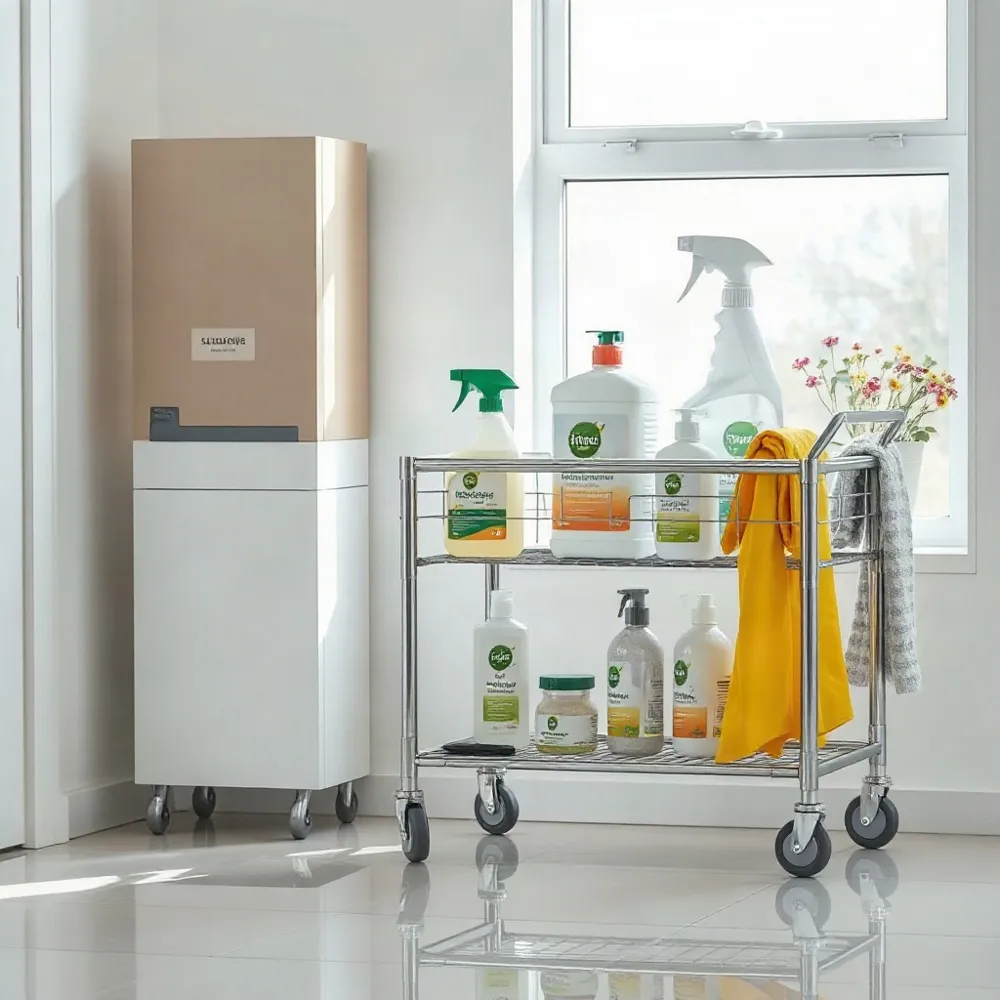
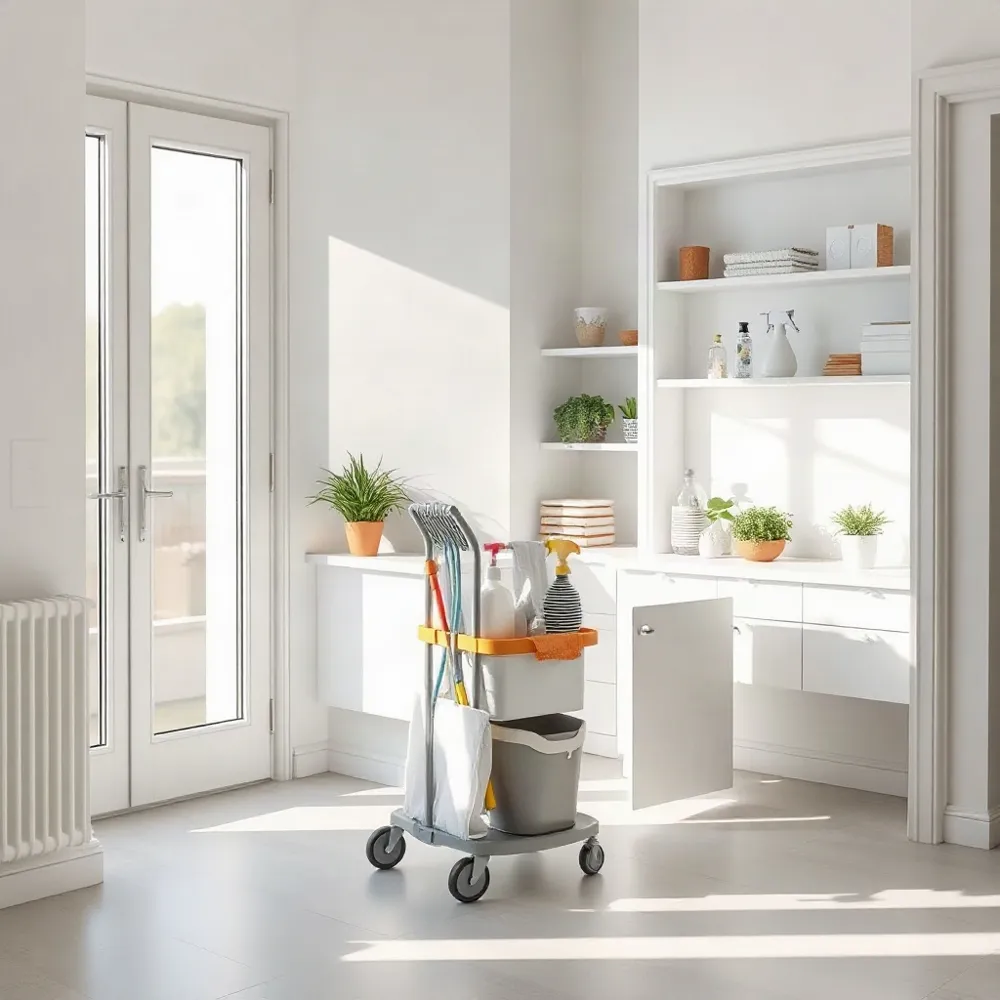
For detailed work, include microfiber and glass cloths, color-coded cloths for separate areas, extension dusters, a janitorial cart, liners, and clearly labeled chemical-resistant spray bottles. A written supplies list can help property managers and cleaning teams agree on what is available before service begins.
Stock products by purpose, such as all-purpose, glass, and bathroom cleaners, along with floor cleaners suited to the surface and disinfectants when needed. Choose each product for the task and material, follow label directions, and specify protective equipment such as gloves or a mask when required.
The plan should also state who provides equipment and products, who checks stock, and who replenishes consumables. Bravo Cleaning’s tailored service approach can account for a property’s surfaces and cleaning needs, while its eco-friendly practices support informed product choices.
For a related overview of common commercial equipment and safe use, see the supplies and safe-use guidance in this article.
Make the Service Agreement Clear
A written agreement turns the cleaning plan into a shared working standard. It helps property managers and cleaning teams agree on what will be done, when it is due, and how results will be checked, reducing the chance that a task is overlooked or assumed to be included.
What should a professional cleaning services agreement specify? Identify the client and cleaning company, property address, start date, service term, and schedule. Define the scope in a checklist that names covered areas, tasks, frequencies, quality expectations, periodic work such as carpet care, and exclusions. Bravo Cleaning’s property-specific approach, including turnover cleaning and carpet care, makes clear scoping especially useful across different residential and commercial sites.
Set out the price, invoicing and payment terms, and who supplies equipment and cleaning products. State how extra work and schedule changes are approved, and document any agreed revisions. The agreement should also cover site access and security, communication channels, inspection and reporting procedures, and how concerns or damage are handled.
Include insurance requirements, cancellation and termination notice, and a process for resolving disputes. When liability or regulatory obligations are involved, ask legal counsel to review the terms. For a practical reference, structure service responsibilities by defining the scope, schedule, supplies, access, and procedures for changes or concerns.
Keep the Plan Useful
A written, property-specific plan gives cleaning teams clear tasks to follow and managers a consistent basis for checking results. Keep it practical: list the areas, agreed work, timing, and completion standards, then update it when occupancy, traffic, seasonal conditions, or building needs change.
Regular communication helps catch gaps before they become recurring complaints. Property managers can review priorities and service results with their provider, adjusting schedules, methods, and quality expectations as conditions shift. Bravo Cleaning tailors cleaning plans for residential and commercial properties, including apartment and condominium buildings, and brings experience in turnover cleaning and carpet care.
A checklist should support the work, not become fixed paperwork. Revisit it with the cleaning team when spaces or service needs change, and make sure everyone understands the revised scope.
Recent articles