Cleaning Solutions That Fit Your Property, Not a Template


Start With the Space
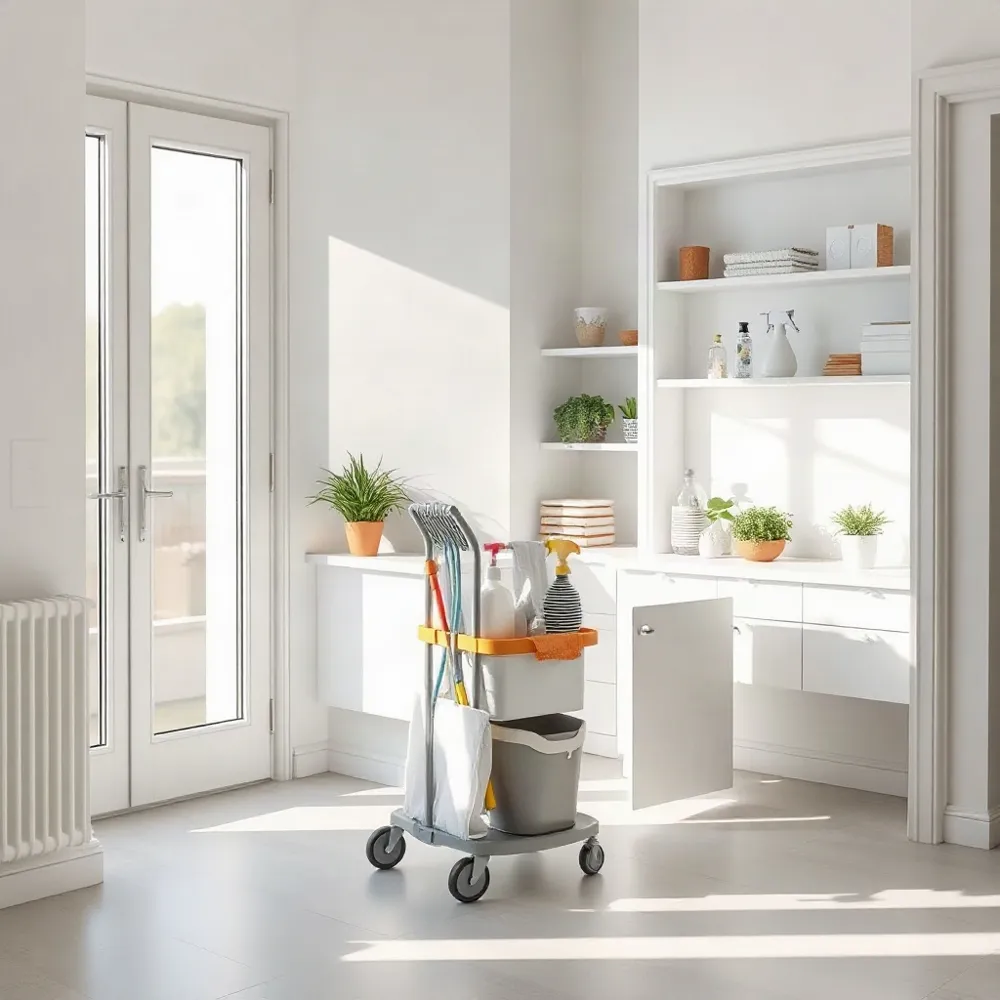
Effective cleaning does not begin with a fixed list of chores. A busy apartment building, a quiet office, and a home between occupants have different patterns of use, occupancy, condition, and cleaning priorities.
For property managers and business clients, the goal is dependable care without paying for tasks or visit frequency the property does not need. A room-by-room approach can help make the work manageable and keep attention on the spaces that need it most, as Southern Living’s cleaning plan illustrates.
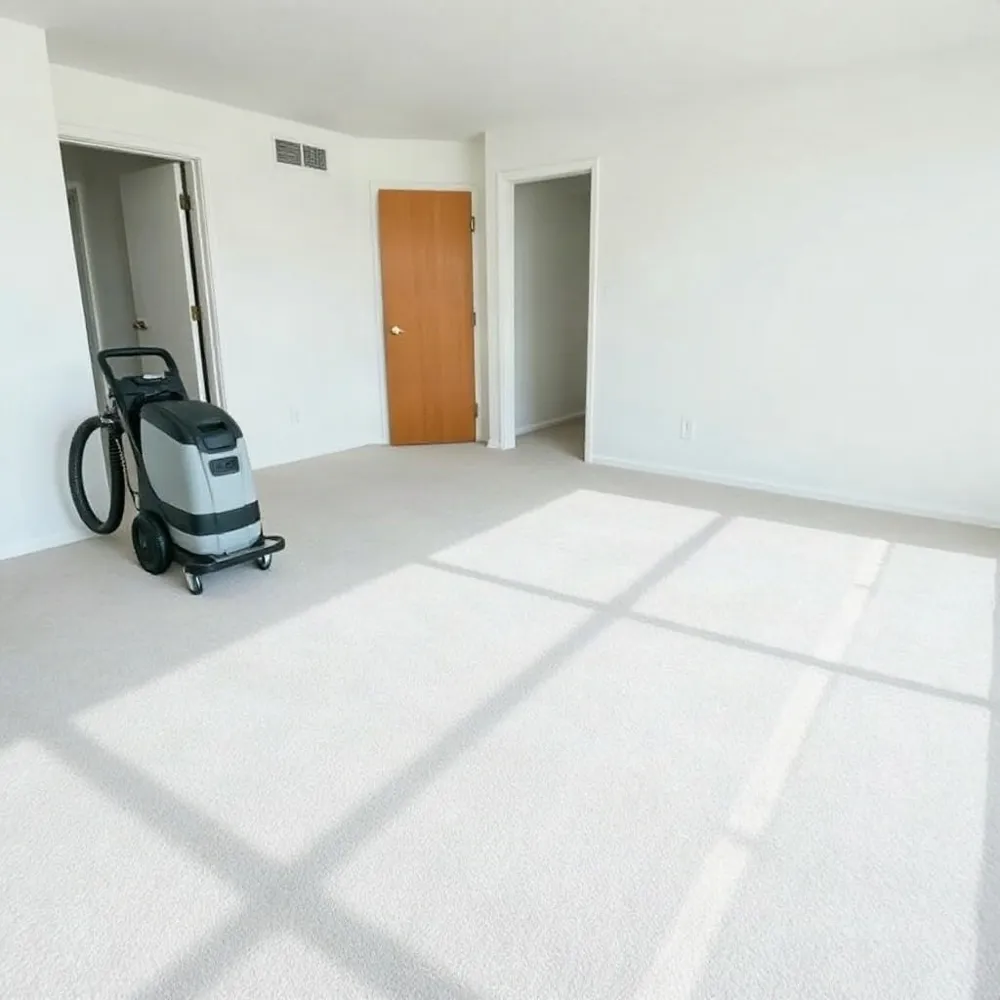
A practical plan starts with understanding the site, agreeing on priorities, and setting a schedule. Bravo Cleaning, a locally owned Minneapolis company serving residential and commercial properties, builds customized services around property needs, including turnover cleaning and carpet care.
The plan should also be revisited as occupancy, seasons, or building needs change. That keeps cleaning focused on the property rather than on a schedule that no longer fits.
What Professional Cleaning Involves

Professional cleaning is a planned service carried out by trained cleaners with suitable products and equipment to maintain clean, hygienic spaces. The work begins with a discussion of the property’s needs, priorities, access arrangements, schedule, and agreed scope, so the service fits how the space is used.
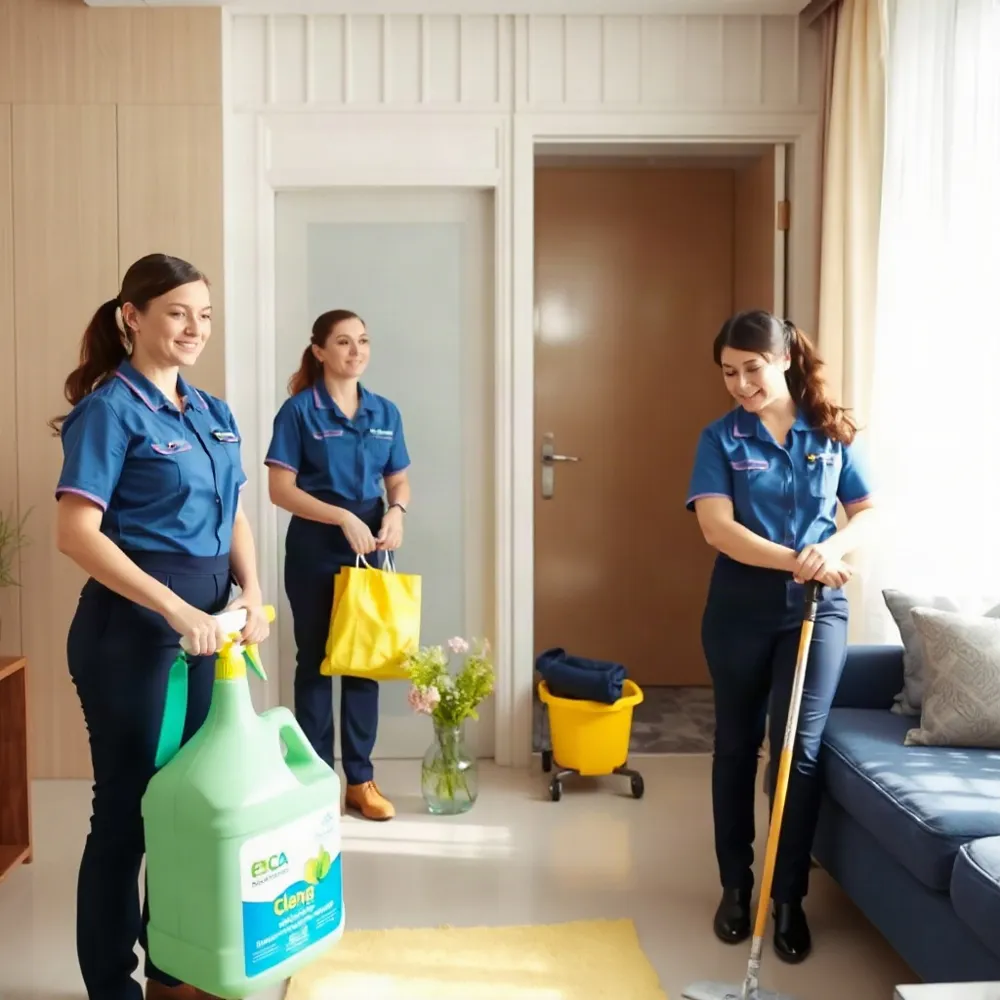
During a routine visit, cleaners may dust and wipe accessible surfaces, clean kitchens and bathrooms, empty waste, and vacuum or mop floors. The order and attention given to each area depend on its condition and use. A checklist can help make progress visible and reduce the chance that spaces are overlooked, though the method should suit the property and available time.
The scope should distinguish recurring tasks from extra work. Deep cleaning, carpet care, and move-in or turnover service can call for tasks beyond routine maintenance, such as addressing buildup or preparing a unit for its next occupants. For property managers, Bravo Cleaning’s local work with apartment and condominium buildings includes customized cleaning, turnover cleaning, and carpet care, so these needs can be considered alongside regular service.
A checklist records the agreed tasks and supports a quality review after cleaning. It gives both the property representative and cleaning team a shared way to confirm what was completed and identify any follow-up needs. Bravo Cleaning uses its local experience in the Minneapolis area when tailoring service to residential and commercial properties.
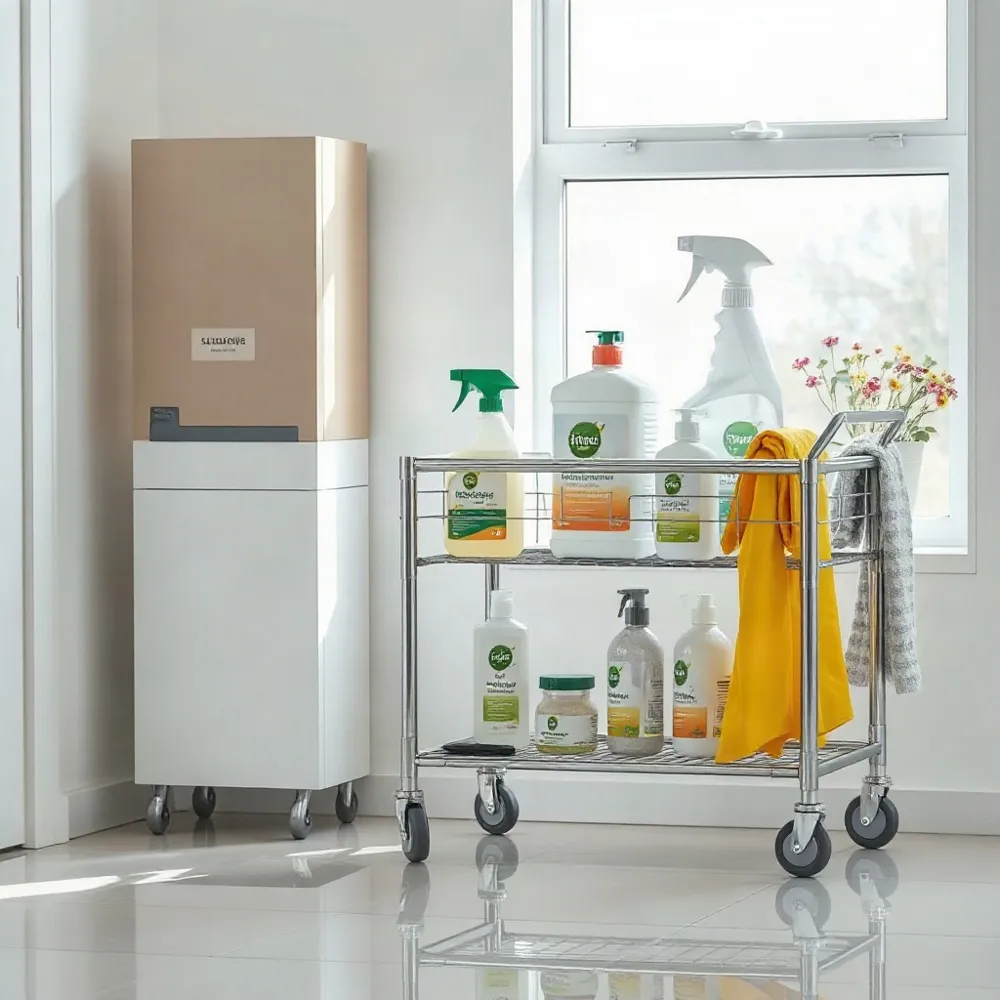
Products and methods should match the surface and task, rather than relying on one formula for every area. When an environmentally preferable product is appropriate, property managers can look for recognized labels such as EPA Safer Choice and confirm the product’s intended use. This makes sustainability a practical part of the cleaning plan, while preserving attention to the property’s materials and requirements.
Build a Plan Around Property Needs

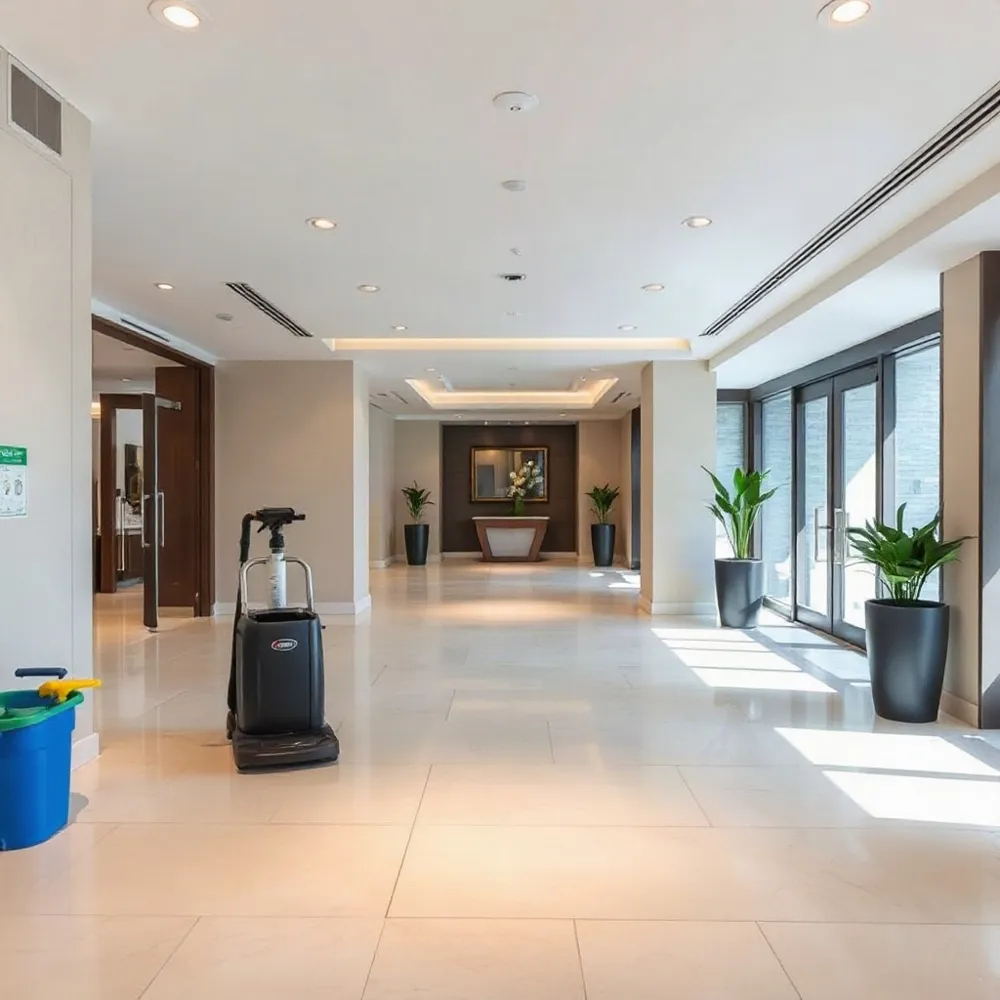
Customized cleaning is a service plan shaped around a property’s actual use, not a standard checklist applied everywhere. A provider can review the building layout, occupancy, traffic patterns, flooring and other surfaces, priorities, and budget before recommending tasks and service frequency. Assessing each area’s use and condition can help shape a commercial plan around the property and its operating needs.
For an apartment or condominium building, the plan might include recurring care for lobbies and hallways, scheduled carpet maintenance, and separate turnover cleaning for vacant units. Bravo Cleaning serves apartment and condominium properties with customized cleaning, turnover cleaning, and carpet care, allowing those needs to be addressed within a plan suited to the building.
Timing matters as much as task selection. Cleaning can be scheduled around residents, on-site staff, business hours, and areas that are busiest at different times. If occupancy changes or a building’s priorities shift, the schedule and scope can be reviewed rather than left on autopilot.
Clear communication helps property managers and cleaning teams agree on what is included, when work takes place, and how to request changes. Bravo Cleaning’s local experience in the Twin Cities supports a practical understanding of residential and commercial properties, while eco-friendly methods can be considered as part of the plan. Product choices should match the surfaces and cleaning needs; product documentation can help distinguish verified environmental attributes from broad claims. No single frequency or product is right for every building.
Consistency Protects Comfort and Value
An organized commercial cleaning program makes routine work easier to track and verify. Schedules can assign tasks by area and frequency, while quality checks help managers spot missed work and adjust the plan when a building’s needs change. Clear standards also help cleaning teams follow the same process across shared spaces.
For property managers, consistent, surface-appropriate care supports a cleaner, more comfortable setting for tenants, employees, and visitors. Bravo Cleaning’s customized services for residential and commercial properties can include recurring care alongside carpet work, with tasks shaped around how each space is used.
Regular attention to carpets, floors, and other finishes can help preserve their condition and give managers a clearer basis for maintenance planning. It does not guarantee a longer service life, but noticing wear, staining, or recurring trouble spots during routine care can help managers decide when specialized work is needed.
A well-maintained building also creates a more positive first impression, which may support tenant satisfaction and retention. A documented checklist can make cleaning progress easier to see and help prevent spaces from being overlooked.
Flexible scheduling can place service around occupancy and building activity, limiting disruption while keeping priority areas in regular rotation. Property managers can also ask for product details and choose methods that fit their environmental goals. Environmental labels can help distinguish products with verified attributes from broad, unsubstantiated claims.
Bravo Cleaning provides customized cleaning for apartment, condominium, and commercial properties in the Minneapolis area. A documented schedule and regular communication help connect that property-specific service with practical oversight.
Make Sustainability Specific and Verifiable

Eco-friendly cleaning is most useful when product choices and work practices are clear. Product labels and recognized standards can help buyers assess environmental claims. Where applicable, look for credible third-party certifications such as Green Seal, and choose biodegradable or low-VOC products suited to the task.
The right cleaner also depends on the material. A product made for sealed tile may not suit natural stone, finished wood, carpet, or upholstery. For fabrics and carpet, use targeted spot treatment, check the care instructions, and test the product in an inconspicuous area first. Enzyme-based cleaners may help with some stains and odors, but they are not a universal fix.
Waste reduction often comes down to consistent methods: dilute concentrates exactly as the label directs, measure product rather than guessing, and avoid applying more than a task requires. Reusable microfiber cloths and washable mop heads can replace some disposable supplies, while efficient equipment can help limit water and energy use. These practical choices align with Bravo Cleaning’s focus on eco-friendly practices, alongside customized service for local homes and commercial properties.
Environmental preferences do not replace hygiene requirements. When disinfection is needed, select an appropriate registered disinfectant for the surface and intended use, then follow the label, including its required contact time. Cleaning products and schedules should also be coordinated with residents or workplace managers, especially where occupants have sensitivities or a site has specific operating needs.
Property managers can ask a provider for product names, specifications, certification details, and written procedures instead of relying on broad claims that a service is “green.” Clear documentation makes it easier to compare options, communicate choices to occupants, and confirm that products suit both the property and its cleaning requirements.
Turnover Cleaning Needs Its Own Checklist
A rental turnover is a reset for the next resident or guest, not simply another routine visit. Bravo Cleaning serves apartment and condominium properties with customized turnover cleaning and carpet care. The checklist should match the unit’s condition and the agreed scope, rather than assume every departure needs identical work.
Begin with a walkthrough. Note damage, maintenance concerns, and belongings left behind before cleaning begins, then organize tasks by room so staff can check what is complete. A property-specific checklist also helps set clear expectations between the manager and cleaning team. For guidance on setting those expectations, see turnover cleaning and clear communication.
What should a turnover checklist include?
In bedrooms and living areas, dust surfaces and clean mirrors and windows. Vacuum carpets and rugs, and sweep and mop hard floors using methods suited to the flooring. Wash and replace linens and towels before making the beds. Kitchens and bathrooms need close attention: clean and sanitize counters, sinks, appliances, toilets, tubs, and showers, then wipe high-touch handles and switches.
Empty trash, wash and put away dishes, and restock only the supplies and amenities the property provides, such as soap, toilet paper, or paper towels. Finish with a property-wide inspection to confirm the unit is ready and report repair needs, missing supplies, or items left behind. A final inspection can make progress easier to track and confirm the unit is ready.
A standard turnover checklist may not cover accumulated buildup or condition-specific needs. Schedule deeper work separately when needed, including detailed carpet care or cleaning inside appliances and cabinets. This keeps the reset focused while giving managers a clear way to request additional service.
Choose a Provider Through Clear Questions
A provider’s fit depends on more than the services listed on a website. Ask about experience with properties like yours, including apartment and condominium common areas, unit turnovers, and carpet care. Bravo Cleaning describes itself as a locally owned Minneapolis-area company offering customized residential and commercial cleaning.
Discuss how the scope and schedule can change with occupancy, seasonal demands, business hours, and building access. Ask for written pricing and task documentation, along with an explanation of quality checks and how missed work or resident concerns are reported and resolved.
Verify that the provider carries insurance and ask how staff are trained to handle products, equipment, and site procedures. It is also reasonable to ask how cleaners protect residents’ privacy, belongings, and restricted areas. A clear answer should describe practical steps, not rely on general assurances.
Ask which products are used and whether their environmental claims can be checked against recognized criteria. Third-party certifications can help buyers evaluate product claims. For floors and carpets, ask how equipment is maintained and how cleaning methods are matched to the surface.
Local experience, steady communication, and references from comparable properties can help you judge whether a provider is a practical fit. For more questions to use when evaluating experience with building type and service needs, see this guide to choosing a cleaning provider for a property.
A Better Fit Over Time
A useful cleaning plan gives the team clear tasks and standards while leaving room to adjust as occupancy, property condition, or priorities change. Begin with a walkthrough and an agreed scope, then keep communication open about what is working and what needs attention.
Property managers can review the plan periodically and refine frequencies or tasks as needs shift. For properties served by Bravo Cleaning, customized residential and commercial services inform that practical, flexible approach.
The goal is a clean, welcoming property supported by consistent work, not a universal checklist. A plan shaped around each building helps managers focus service where it matters and adapt without losing sight of the agreed standard.
Recent articles