Why Familiar Cleaning Teams Build More Reliable Routines

Consistency Starts With Familiarity
For property managers, recurring cleaning should make building operations more predictable, not create another item to check. When results vary from visit to visit, it can be unclear whether shared spaces are ready, which tasks were completed, or whether an apartment turnover will finish on schedule. Those gaps affect residents, staff, and the next person who needs the space.
Familiar cleaners can learn how a property is used, which areas need extra attention, and what the established routine requires. That knowledge helps a team respond to the building rather than rely on a generic checklist. Still, familiarity alone is not enough. Shared procedures, clear communication, and regular quality checks help maintain standards when schedules shift or assignments change.
For workplaces, apartments, condominiums, and other properties, dependable care begins with a routine shaped around actual use. Bravo Cleaning brings more than 20 years of local experience to residential and commercial cleaning in Minneapolis, including turnover cleaning and carpet care. The sections ahead explain how property-specific priorities and team practices can support more consistent results.
Why Reliable Building Care Matters

Regular professional cleaning helps control the buildup of dust, dirt, and germs on floors, shared surfaces, and high-touch areas. For workplaces and residential buildings, routine care supports a more comfortable setting for employees, residents, and visitors. Regular cleaning of shared building areas can also help keep elevators, stairwells, and other common spaces ready for everyday use.
Orderly work areas can reduce visual distractions and support morale, while clean apartment and condominium lobbies, corridors, and other shared spaces make arrivals and daily routines more pleasant. For a local provider such as Bravo Cleaning, serving residential and commercial properties, reliable care means shaping routines around how each building is used rather than treating every site alike.
Cleanliness also shapes first impressions. A maintained entrance or tidy shared area signals that a business or property manager takes the condition of the building seriously. Consistency matters because occupants and guests encounter these spaces repeatedly, not just during an occasional deep clean.
Systematic visits give cleaners a chance to notice and report conditions that may need attention, such as a fresh spill, visible damage, or possible signs of pests. Cleaning staff do not diagnose the cause or repair damage, but timely reporting can help property teams decide what follow-up is needed.
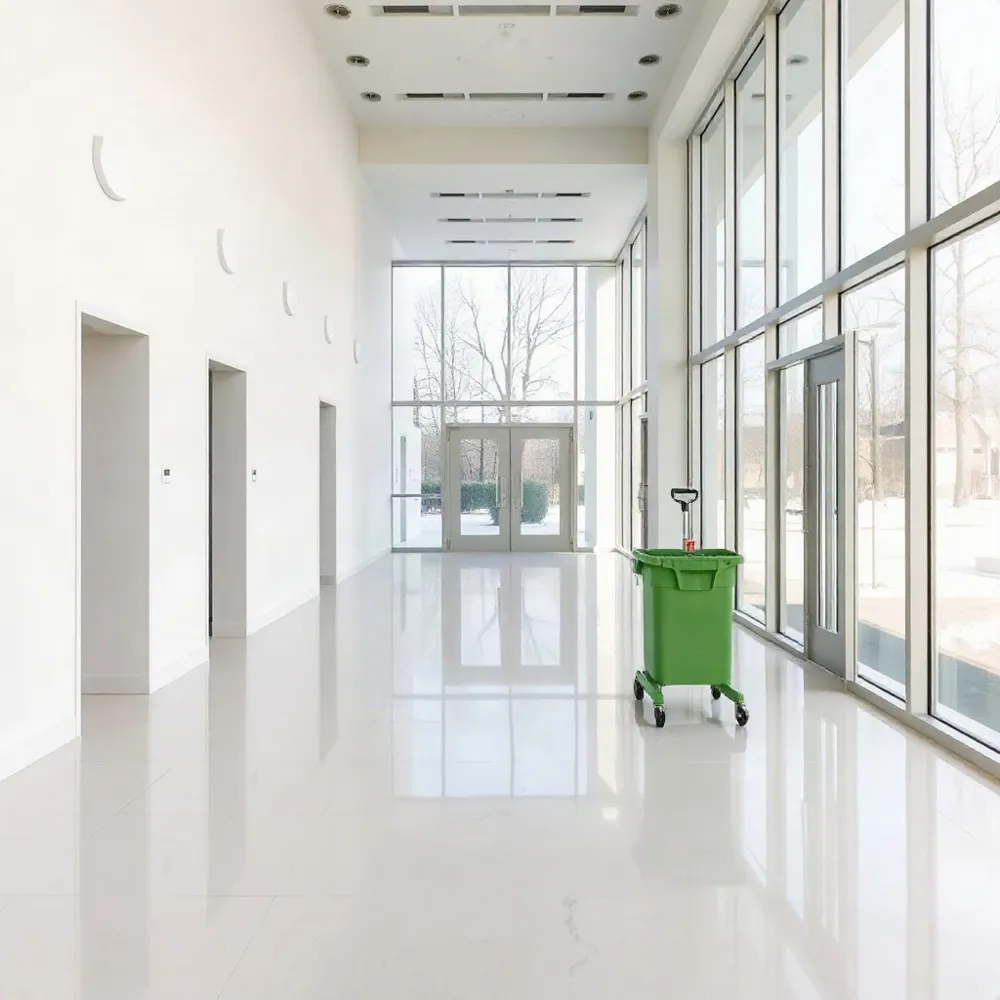
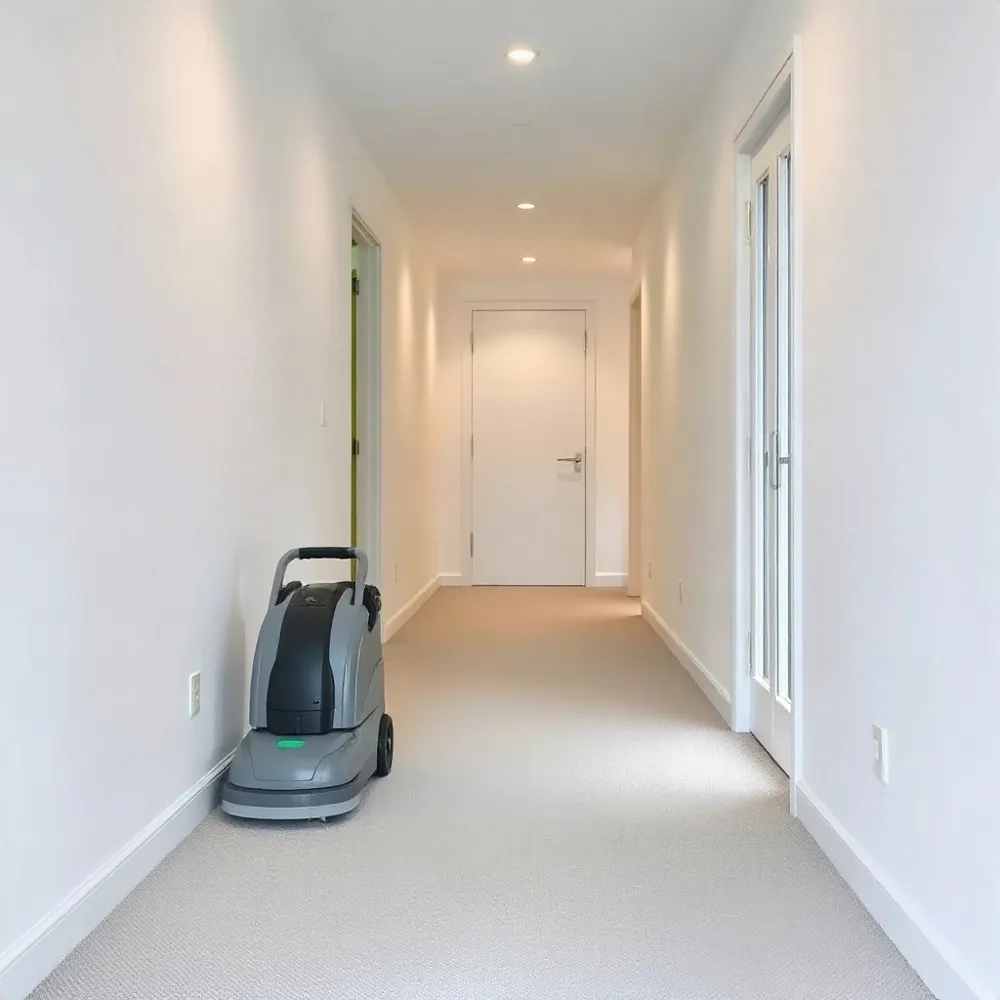
Schedules and methods should reflect traffic patterns and surface types. Busy entrances may need more frequent attention than low-use areas, while carpet, tile, and other finishes require suitable care. Bravo Cleaning’s experience with commercial properties, apartment and condominium buildings, turnover cleaning, and carpet care supports tailoring service to a property’s practical needs. For large facilities with coordinated crews, ISSA’s team-cleaning guidance describes how defined tasks and routes can support predictable workflows and clearer quality checks.
Familiar Teams Learn Property Priorities
A returning cleaner can recognize how a property works day to day: which doors require special access, when hallways are busiest, and which rooms or surfaces need extra attention. That knowledge helps the team adapt its routine to the site instead of applying the same sequence everywhere.
For property managers, familiarity can make communication more specific. A team that knows a building’s traffic patterns and client preferences can plan around busy areas and note changing priorities. At Bravo Cleaning, customized service for residential and commercial properties, including apartments and condominiums, reflects the value of matching cleaning work to each property’s needs.
Continuity also supports trust and comfort, particularly when cleaners work in homes or other personal spaces. Familiarity gives staff useful context, but it cannot guarantee that every visit will be flawless. Clear instructions and open communication still matter.
Experience can help cleaners recognize the right methods for different tasks and notice details that might otherwise be missed. Structured instruction reinforces those skills: ISSA’s guidance on cleaning-company training recommends shared procedures, hands-on practice, and ongoing learning to support consistent work.
Absences, staff changes, and schedule adjustments can still interrupt familiar routines. Written site notes and shared standards help another team member follow access requirements and property priorities when a regular cleaner is unavailable. Managers choosing a provider can ask how cleaner requests are handled and how property-specific instructions are kept current. For more on how recurring teams build site knowledge, see how dedicated teams learn a building’s specific needs.
Build One Schedule for Each Property

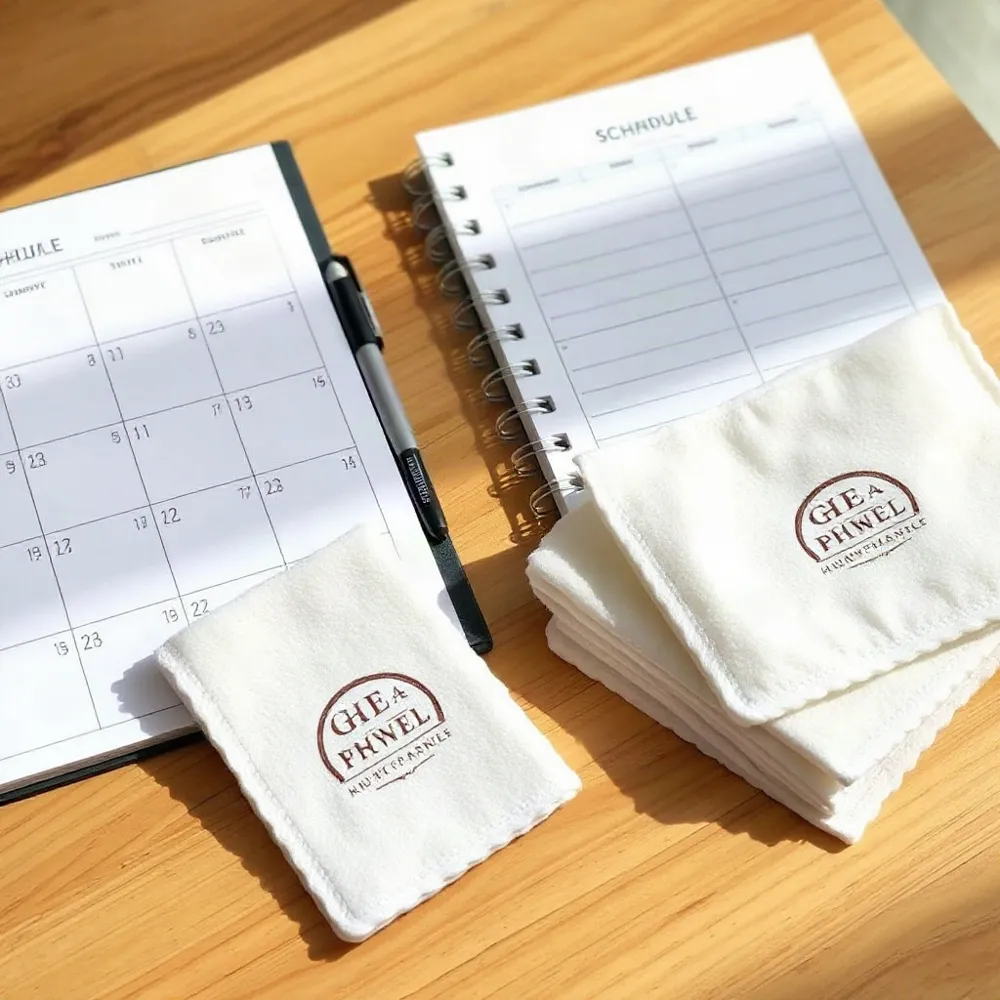
A shared property schedule gives site staff and cleaning partners one clear reference for what needs attention, how often, and who is responsible. Include sign-off steps so completed work can be confirmed rather than assumed. For Bravo Cleaning, customized service for apartment and condominium properties can account for recurring common-area work as well as turnover cleaning and carpet care.
Set frequencies around how each space is used. As a planning example, give entrances, leasing offices, fitness centers, and trash rooms daily attention; schedule corridors, stairwells, mailrooms, and detailed common-area cleaning weekly; and plan carpet extraction or other deep cleaning monthly or quarterly. These are starting points, not fixed rules. Adjust them for traffic, seasonal conditions, and the property’s needs. A property-specific cleaning schedule can keep tasks, frequencies, and responsibilities visible to everyone involved.
Keep expected move-outs and move-in dates on the same calendar as routine service. Reserve a turnover window between residents, with enough time for a room-by-room clean that covers appliances, cabinets, bathrooms, floors, and carpets. If carpets need specialized care or the unit requires extra work, flag that early so the cleaning provider and site staff can plan the time and access.
Use a turnover checklist to record what is complete and what still needs attention. A final inspection can confirm cleaning, document damage or maintenance needs, and identify any areas requiring a return visit. Separating cleaning sign-off from maintenance notes also helps ensure that a repair issue is not mistaken for an unfinished cleaning task.
Review the calendar regularly with site staff and the cleaning provider. Occupancy changes, resident feedback, operating needs, and changing property conditions may all call for different coverage. A schedule that is revisited as the building changes is more useful than a fixed template. For properties with recurring turnover and carpet needs, Bravo Cleaning brings those services into its residential offering, helping managers plan routine care and unit preparation together.
Make Standards Visible and Verifiable

A written scope helps managers, clients, and cleaning teams share the same expectations. It should state which areas are covered, what tasks are included, how often they are performed, and what counts as an acceptable result. Bravo Cleaning provides customized services for residential and commercial properties, so defining these details for each site helps align the routine with the building’s needs. A clear scope of work also helps prevent confusion when schedules or staffing change.
Turn that scope into checklists organized by building area, task, and frequency. Include practical notes about access, operating hours, surface types, traffic patterns, and specialty work such as carpet care or apartment turnover cleaning. If occupancy or how a space is used changes, review the checklist rather than expecting staff to rely on memory.
Specific, observable criteria make standards easier to follow and verify. Instead of asking a team to make a lobby “look clean,” specify that floors should be free of visible debris and sticky spots, and that entry glass should have no visible smears. A restroom checklist might separately cover fixtures, mirrors, floors, odor, and agreed supply levels. ISSA’s guidance on cleaning company training supports teaching shared procedures and expectations so employees can apply them consistently.
Document how to complete each task, including the sequence of work and suitable products or equipment for the surface. Where a property has agreed on eco-friendly methods, record those instructions alongside any handling or safety requirements. Staff should be able to mark work complete and report a blocked area, access issue, or unfinished task, giving managers a clear record to follow up.
Routine walkthroughs and inspection records help confirm that the checklist matches conditions on site. Review findings with the property manager, address missed or unclear items promptly, and agree on any scope changes before they become recurring sources of frustration. Bravo Cleaning’s tailored residential and commercial services make these site-specific conversations relevant to both shared building spaces and individual property needs.
Look for patterns, not just isolated misses. Repeated problems in the same area may point to an unrealistic schedule, an unclear procedure, a training need, or a scope that no longer fits how the building operates. Tracking the issue and the follow-up helps managers and cleaning teams decide whether to coach, revise the routine, or adjust service expectations.
Train for Skill and Adaptability
Reliable cleaning depends on more than remembering a task list. Staff need attention to detail to check corners, high-touch surfaces, and other areas that can be missed, along with communication and time-management skills to follow site instructions, coordinate work, and report concerns promptly.
Training should reflect the property and the work involved. Apartment and condominium turnovers may require careful attention to move-in readiness and scheduling, while offices have site-specific access and operating rules. Carpet care calls for surface-appropriate methods and equipment knowledge. Bravo Cleaning's residential and commercial services, including turnover cleaning and carpet care, make property-specific instruction especially relevant.
A practical program covers how to clean different surfaces, select and use products, operate and care for equipment, and follow safety procedures. Customer communication matters too: cleaners should know how to confirm instructions, respect privacy, and flag damage, access issues, or a task that needs clarification.
Written procedures set a common baseline, but practice helps turn instructions into habits. The ISSA guide to cleaning company training recommends combining instruction with mentoring or shadowing, supervised work in real settings, and feedback. New staff can observe experienced cleaners, practice tasks with guidance, and receive corrections while the work is still fresh.
Training should continue after onboarding. Property-specific checklists give staff a useful reference during each visit, while coaching and periodic quality reviews can reveal where a procedure needs clarification or a skill needs more practice. For a locally rooted company such as Bravo Cleaning, adapting instruction to each property's priorities helps teams respond to different surfaces, schedules, and service needs without relying on memory alone.
Adaptability is part of dependable service, not a substitute for standards. When a schedule changes or a team finds an unexpected issue, staff should know what they can address, when to notify a manager, and how to document the concern. Clear guidance lets cleaners respond thoughtfully while keeping the agreed scope and safety practices in view.
Handle Concentrates With Care
Concentrated cleaners are not interchangeable, and their dilution instructions depend on the product and its intended use. Staff should read the label every time and follow its exact directions rather than rely on a standard ratio. For a broader overview of safe product use, see safe and effective use of cleaning, sanitizing, and disinfecting products.
Measure with the product’s dosing system or a clean, clearly marked measuring tool. Add only the specified quantity to the stated volume of water. Guessing can result in a solution that is too weak for its intended task or unnecessarily concentrated, so a written, product-specific procedure helps staff follow the same directions across visits.
Follow the label’s instructions for protective equipment and ventilation. Measure and pour carefully to prevent splashes, and avoid skin and eye contact. Never mix cleaning products. If the label permits transferring diluted solution to another container, identify the product and dilution on that container; never leave a solution in an unlabeled bottle.
Keep concentrate closed in its original labeled container and store it securely, away from children and pets. Dispose of unused diluted solution according to label directions rather than pouring it out or saving it in an unmarked container.
These steps belong in staff training and in procedures tailored to each property, where products, surfaces, and tasks may differ. They are general safety practices, not claims about the specific products used by Bravo Cleaning. For a Minneapolis business serving residential and commercial properties, including apartments and condominiums, product-specific instructions help keep safe handling part of the routine without assuming one cleaner or dilution fits every job.
Make Consistency a Shared Commitment
A familiar crew can learn how a property operates, but dependable service should not rely on any one person’s memory. Written standards, clear communication, and routine checks help keep expectations steady when assignments change. At Bravo Cleaning, more than 20 years of local experience and customized residential and commercial services inform work across different property needs.
When comparing providers, ask how they define the scope, share site-specific instructions, handle staff changes, and respond to feedback. Find out how a concern is recorded, who is responsible for addressing it, and how the correction is checked. A clear follow-up process turns a complaint into useful information for improving the routine.
Managers can also ask what products and methods a provider uses, including whether lower-impact options are available and appropriate for the building’s surfaces. Request specifics rather than assuming that an environmental claim applies to every task. ISSA’s guidance on documented cleaning training supports the value of shared procedures and instruction in safe product handling.
For apartment, condominium, and commercial properties, this shared approach can make service easier to review and adjust. Occupancy, traffic, and priorities may shift, so revisit the scope and schedule when needs change. Clear expectations and verified follow-through help managers plan around service while keeping the routine responsive.
Familiar staff add useful property knowledge; documented instructions and communication make that knowledge available to the wider team. A provider should be able to explain how both support consistent work, rather than asking clients to rely on familiarity alone.
Dependable Routines Take Teamwork
Familiarity helps a cleaning team understand a property, but it works best alongside clear instructions, continued training, open communication, and a way to verify results. Shared checklists and visible standards give returning staff and new team members the same reference point. ISSA’s guidance on cleaning company training emphasizes documented procedures and practical instruction as ways to support consistent service.
Property managers can support reliable work by sharing site priorities, coordinating access and schedules, and reviewing the scope when a building’s needs change. Cleaning providers contribute trained staff and repeatable methods. At Bravo Cleaning, customized residential and commercial services include apartment and condominium care, turnover cleaning, and carpet care, allowing routines to reflect the property rather than a one-size-fits-all checklist.
A brief conversation after a service visit can clarify what is working and what needs adjustment. In larger facilities, clearly assigned tasks can also help teams coordinate and make responsibilities easier to check, as described in ISSA’s overview of team cleaning methods. With shared expectations and timely feedback, cleaning becomes easier to plan around.
The result is a more predictable routine that helps keep workplaces, apartment buildings, and shared residential spaces ready for the people who use them. Consistency is not simply repeating the same tasks; it is maintaining a dependable standard while adapting care to the property.
Recent articles