How Insured Cleaning Professionals Protect Your Property


Why Coverage Matters
Cleaning professionals work around polished floors, furnishings, specialized equipment, employees, and people moving through homes and commercial properties. A wet floor can lead to a fall, while a cleaning tool or solution can accidentally damage a client’s belongings. These are practical risks for property managers, business clients, residents, and cleaning teams to consider.
Insurance may help manage the financial consequences of certain accidents, such as third-party injury or property damage, but it does not prevent incidents or guarantee that every claim will be paid. Policy limits, exclusions, and specific terms matter. A cleaning business insurance overview also explains that a bond serves a different purpose from insurance, so neither should be treated as a substitute for the other.
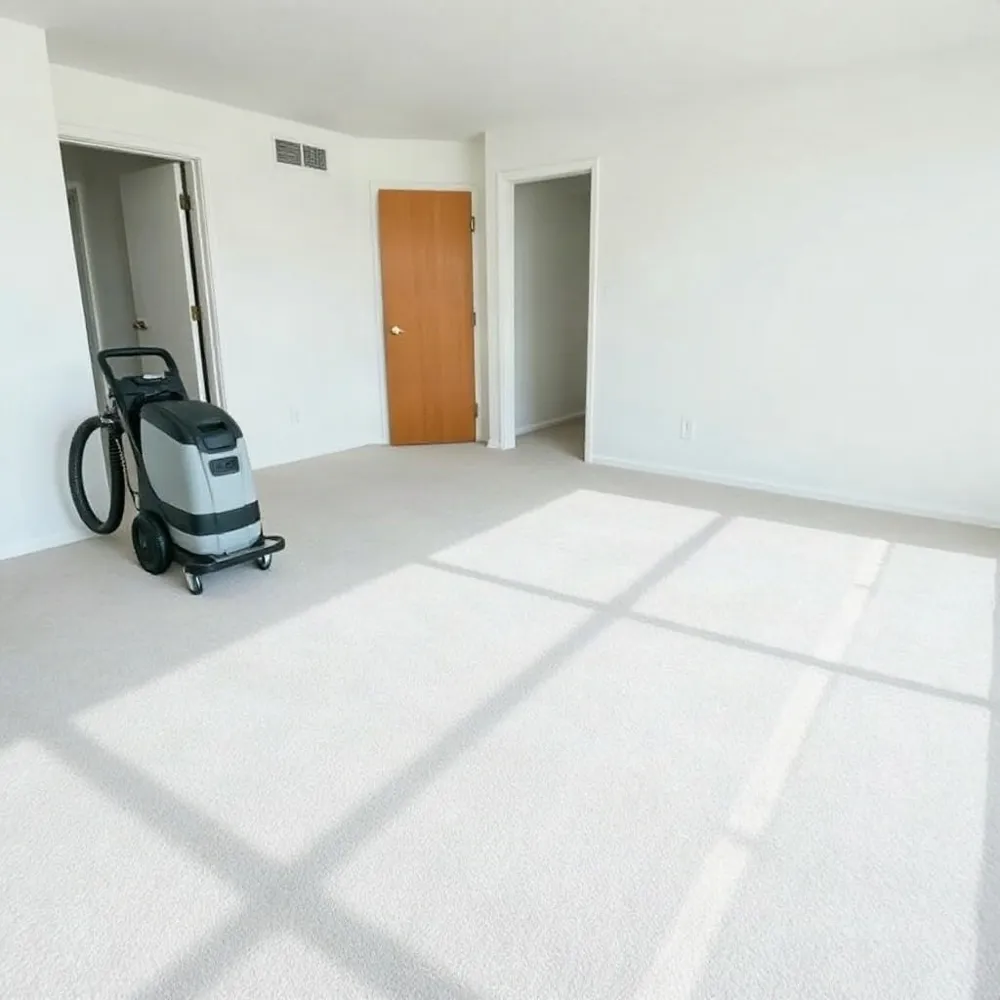
The right questions depend on the work: carpet care may involve different equipment and property exposures than routine cleaning, while turnover work can require access to units between occupants. Bravo Cleaning serves residential and commercial properties in Minneapolis, including apartment and condominium buildings, with turnover cleaning and carpet care. Its tailored services make it sensible for clients to ask how coverage relates to the specific work and property involved.
Staffing and travel matter too. A company with employees or equipment moving between job sites may need to consider different coverage than a solo cleaner working in one location. These are general insurance considerations, not confirmation of Bravo Cleaning’s insurance or bonding status. Clients should request current documentation and confirm relevant details with the business and its insurer.
Common Risks During Cleaning Work

Routine cleaning can affect people, property, and the equipment crews carry between jobs. For property managers, recognizing where these risks arise helps protect building assets and prepare a clear response if something goes wrong.
A visitor may slip on a freshly mopped floor, while a cleaner using carpet equipment might damage a customer’s rug or flooring. These are examples of possible third-party injury or property-damage claims, not promises that an insurer will pay. Coverage depends on the policy’s terms, limits, and exclusions. General liability coverage for cleaning businesses may address some claims involving clients, visitors, or other people who are not employees.
A cleaner’s own workplace injury is a different exposure. A slip, fall, or reaction to a cleaning product may involve workers’ compensation, rather than a policy intended for claims by clients or visitors. Managers should avoid assuming that one type of coverage handles every incident and ask the cleaning provider which contact handles reports and claims.
Equipment creates another concern, especially when crews travel between properties. A vacuum or carpet machine could be damaged in transit, disrupting scheduled work and potentially delaying a turnover. Bravo Cleaning serves residential and commercial properties in Minneapolis, including apartment and condominium buildings, with turnover cleaning and carpet care. Matching cleaning plans to a property’s needs can help managers coordinate work around occupancy and maintenance schedules.
If an incident occurs, document what happened, where it happened, and any immediate steps taken. Property managers can also confirm the provider’s reporting process and request current insurance details before work begins. Those practical steps support prompt communication without treating a certificate or an example claim as proof that a particular loss is covered.
General Liability and Client Property
For property managers hiring a cleaning company, current general liability insurance is an important protection to ask about. Bravo Cleaning serves residential and commercial properties in Minneapolis, including apartments and condominiums, and offers turnover cleaning and carpet care. Those varied settings make it useful to confirm that a provider’s policy reflects the work it performs.
General liability may help cover claims that cleaning work caused damage to a client’s property or bodily injury to someone other than an employee. Examples include a solution damaging flooring or a cleaner accidentally breaking a furnishing, or a visitor slipping on a freshly mopped floor. A policy may also cover legal defense costs for covered claims and certain advertising-related allegations. The cleaning business insurance and bonding guide explains these common coverage categories and cautions that policy terms and exclusions matter.
One limitation deserves particular attention: standard general liability policies may exclude damage to property in a cleaner’s care, custody, or control. If a worker damages an item while handling or cleaning it, ordinary coverage may not apply. An endorsement sometimes called care, custody, and control or bailee’s coverage may address this exposure, but the terms vary. Property managers should ask specifically how a policy treats items being cleaned, rather than assuming that a general example of property damage applies to every situation.
Before work begins, request a current certificate of insurance (COI), then check that the named business and policy dates are correct. A certificate summarizes coverage, but it does not establish that coverage is active or expand or replace the policy. Confirm active status with the insurer or agent, and ask them to clarify applicable limits, exclusions, and any endorsements relevant to the property and planned work. Questions about damage to customer belongings are also addressed in this guide to liability and client property.
For a building with recurring service, turnover work, or carpet care, describe those tasks when discussing coverage. Bravo Cleaning’s customized residential and commercial services include turnover cleaning and carpet care, so property managers can use the actual scope of work to frame questions about property damage and limits. No example guarantees that a specific loss will be paid; the issued policy and the facts of a claim determine coverage.
Workers’ Compensation for Cleaning Crews
Should cleaning company employees be covered by workers’ compensation insurance? Generally, yes. Workers’ compensation is designed to address qualifying work-related injuries and illnesses, and most states require businesses with employees to carry it. Requirements and exemptions vary, so businesses should confirm current state rules and make sure workers are classified accurately.
Cleaning crews may slip on wet floors, strain themselves while lifting equipment, develop repetitive-stress injuries, or become ill after exposure to cleaning chemicals. Depending on the law and policy, workers’ compensation may help pay for medical care, rehabilitation, and a portion of lost wages during recovery. Some policies also include employer’s liability coverage, which may help with certain lawsuits related to employee injuries. Benefits, exclusions, and limits depend on the applicable rules and policy terms.
This coverage addresses employees’ work-related injuries or illnesses. It does not replace insurance for damage to a client’s building, furnishings, or other property. Property managers comparing vendors should consider both what happens if a worker is injured on site and what protection applies if cleaning work accidentally damages the property. For more on the distinction, see workers’ compensation and general liability coverage.
For a company handling apartment and condominium work, turnover cleaning, and carpet care, the type of tasks and equipment used can inform a practical discussion about employee protection. Bravo Cleaning’s Minneapolis-area services include these kinds of residential and commercial work, so property managers can ask for current proof of applicable coverage and confirm that it fits the work being contracted. That check is useful for understanding the vendor’s arrangements, without assuming the property manager is automatically responsible for an employee’s injury.
Before work begins, ask whether employees are covered, whether the policy is current, and whether the company’s work and staffing are accurately described to its insurer.
Coverage Beyond Liability
General liability is designed for certain claims involving other people’s injuries or property, not damage to a cleaning company’s own equipment, supplies, or workspace. A business owners policy, often called a BOP, commonly combines liability and commercial property coverage for eligible business assets and spaces. What it protects depends on the policy, so property managers should not assume every item or loss is included.
Equipment that travels between locations may need separate attention. Inland marine, also called tools-and-equipment coverage, may protect items such as vacuums and carpet machines at job sites or in transit, subject to the policy’s terms and exclusions. This is relevant to the work Bravo Cleaning describes, including carpet care and turnover cleaning, but does not establish what insurance the company carries. For more on the distinction between liability and business-property protection, see this guide to business-property coverage.
Vehicle arrangements matter, too. A company that uses work vehicles may need commercial auto coverage, while a personal auto policy may not cover business use. Owners and managers can ask whether employees drive personal, rented, or company vehicles for cleaning work and confirm that the relevant policy addresses those trips. The NerdWallet guide to cleaning business insurance and bonding also advises businesses to review policy limits and exclusions against their actual operations.
Workers’ compensation is a separate form of protection for employees’ qualifying work-related injuries or illnesses. If a client contract sets liability limits above a company’s underlying policy limits, commercial umbrella coverage may be worth discussing with an insurance professional. Neither option should be treated as a substitute for checking what the underlying policies cover.
A janitorial or fidelity bond serves a different purpose from insurance. Under its terms, it may reimburse a client for covered losses caused by employee theft or dishonesty. It does not replace liability coverage for accidental damage or injury, and its conditions and limits matter. Before work begins, property managers can compare the contract’s requirements with current documentation and ask the provider or insurer to clarify gaps. The appropriate mix depends on the company’s services, equipment, vehicles, employees, and contract terms.
How to Verify Coverage and Bonding

Before scheduling service, ask the cleaning company directly whether it carries general liability insurance, workers’ compensation for employees, and a bond. Request current documents before crews enter the property, then check that the business named on them matches the vendor you plan to hire.
A certificate of insurance (COI) summarizes policy information, such as the insurer, policy dates, and coverage details. It can help show that a company has documented coverage, but it is not the policy itself and does not create or expand protection. Ask the company or its agent to clarify any limits or exclusions that affect your contract.
Check that policy dates cover the full service period. For added assurance, confirm active status with the insurer or agent using contact information you find independently, rather than relying only on details supplied in a document. A certificate of insurance is evidence to review, not a guarantee that a particular incident will be covered.
For a bond, ask what conduct it covers, what limits and conditions apply, and how to report a covered loss. A janitorial bond may address employee theft or dishonesty, but it is not a substitute for liability insurance covering accidental damage or injury. Terms differ, and some bonds require specific proof before a claim can be paid.
Property managers should compare documented limits and exclusions with the building, planned work, and contract requirements. A vendor handling apartment turnovers or carpet care, for example, may need its protection reviewed in light of the property and equipment involved. Bravo Cleaning serves residential and commercial properties in Minneapolis, with tailored cleaning services that include turnover cleaning and carpet care; managers should confirm any provider’s coverage directly rather than assume its status.
Keep the documents with the service agreement and check them again if the work scope, vendor operations, or contract changes. For a practical checklist of what to request and review, see the coverage and bonding checklist. Clear documentation makes it easier to confirm that the arrangement still matches the property’s requirements before work begins.
Match Protection to the Property

The right insurance questions depend on the property, the work, and how the cleaning team operates. For a Minneapolis provider such as Bravo Cleaning, whose services include residential and commercial cleaning, apartment and condominium work, turnovers, and carpet care, those details help frame a practical discussion without assuming any particular policy or coverage.
What insurance should customers look for?
Start by asking whether the company has current general liability insurance for certain third-party injury and property-damage claims, and whether it carries workers’ compensation coverage as required by state law and the business’s circumstances. Rules for workers’ compensation vary by state and business circumstances. For a larger property or a contract with specific limits, ask whether commercial auto or umbrella coverage is also relevant. A certificate of insurance can document coverage, but it is not a substitute for checking the policy’s limits, exclusions, and status.
A janitorial team based in one building may have different exposures from a company traveling among homes, apartments, condominiums, and several job sites. Mobile work can make vehicle use and equipment in transit worth discussing. The service scope matters too: turnover cleaning and carpet care may involve different equipment and contact with surfaces or furnishings than routine cleaning. These are risk-assessment considerations, not evidence of a specific incident or insurance protection.
Before scheduling, property managers can ask what services are included, which equipment will enter the building, and whether the work will be done by employees or subcontractors. Confirm what proof of insurance and coverage limits the property contract requires. For properties with changing needs, Bravo Cleaning’s customized residential and commercial services provide a reason to discuss the planned tasks and site requirements in advance.
Insurance prices and available coverage vary with location, claims history, services, equipment, employee count, work-related mileage, selected limits, and policy terms. A general industry estimate is not a quote for an individual provider. Discuss requirements before work begins, then verify relevant policy details with the cleaning company and its insurer. Coverage can help manage certain risks, but no policy guarantees payment for every loss.
Property-specific planning also helps a cleaning company tailor its methods to the site, including the surfaces, schedule, and equipment involved. Bravo Cleaning’s focus on flexible service and eco-friendly practices can be part of that conversation, alongside the contract’s insurance requirements.
Confidence Through Clear Questions
Insurance is one part of vendor due diligence, alongside a clear discussion of the property, the tasks involved, and how the cleaning team will work. For services such as apartment turnovers or carpet care, Bravo Cleaning’s tailored approach to residential and commercial properties makes it useful to spell out the work and access requirements before service begins.
Ask any prospective provider for current insurance documentation, then confirm the policy limits, exclusions, and whether the coverage applies to the agreed services. A certificate of insurance can document policy details, but it is not the policy itself. Questions about specific protection, including damage to belongings a cleaner is handling, can help clarify what is and is not covered. Cleaning business insurance and bonding can involve different protections, and policy wording matters.
Insurance may help manage certain financial risks, but it cannot prevent accidents or guarantee payment for every loss. Do not assume a provider holds a particular policy or bond; verify its current coverage directly and ask how it fits the work at your property.
Recent articles