Carpet Cleaning That Helps Apartments Feel Move-In Ready


The First Impression Begins Underfoot
When a prospective resident steps into an apartment, the carpet is part of the first impression. Clean, well-kept flooring can help a unit feel ready for a tour or move-in, while visible stains, lingering odors, or matted traffic lanes can distract from the rest of the space.
Routine vacuuming helps pick up surface dirt, but it may not address soil worked into carpet fibers, set-in stains, or odors. Planned carpet care can therefore support both individual apartment turnovers and the upkeep of shared carpeted areas. Bravo Cleaning provides tailored carpet care and turnover cleaning for residential and commercial properties in Minneapolis, with eco-friendly practices and more than 20 years of local experience.
The right approach depends on the unit’s condition and the move-in schedule. This guide covers when to clean, how to allow time for drying, what renters should check in their lease, and how to compare service quotes. It also explains when stains, dampness, or persistent odors may point to a problem that cleaning alone cannot fix.
Why Carpet Care Matters Across a Property

Routine vacuuming helps manage surface soil, but it may not reach dirt, dust, allergens, or odor-producing residue lodged deeper in carpet fibers. Professional cleaning can address some of this embedded material and leave shared areas feeling fresher, without guaranteeing complete removal or a particular health outcome. Bravo Cleaning provides carpet care for residential and commercial properties, with service plans tailored to the property.
Cleaning can also lift flattened fibers and treat stains, improving carpet’s appearance and helping maintain it over time. Results depend on the carpet’s condition: cleaning cannot reverse permanent discoloration, restore worn fibers, or repair damaged padding. For more on how professional service can address soil and odors that vacuuming may leave behind, see why carpet care matters for indoor air quality.
A Consistent Standard Across Shared Spaces
Carpets in apartments, lobbies, and hallways face different levels of use, so a single schedule may not suit every area. Planning service around traffic, occupancy, and turnover needs helps property teams maintain a consistent presentation for residents and prospective tenants. Bravo Cleaning’s experience with apartment and condominium properties supports tailored carpet-care planning alongside broader property cleaning.
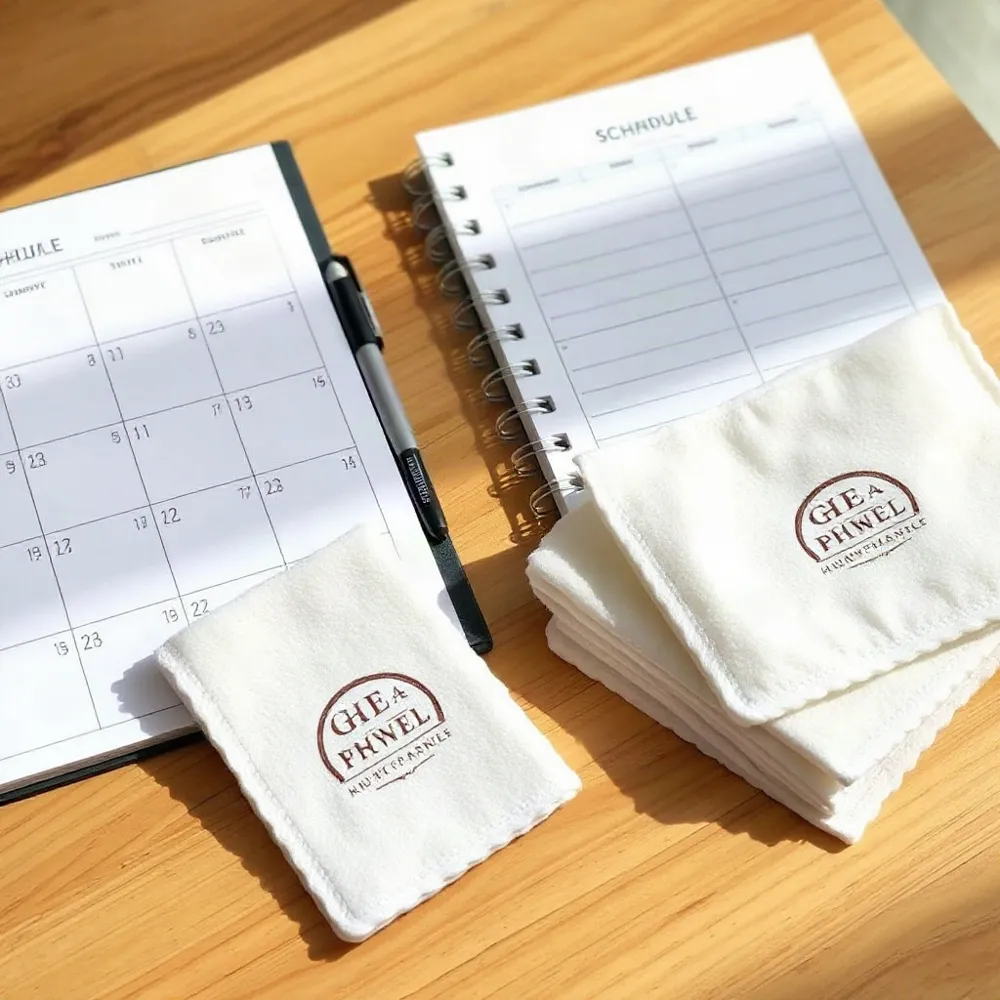
A written checklist can help staff and cleaning teams follow the same process across units and common areas. Include high-traffic lanes, edges, visible spots, and any areas that need follow-up. A final inspection gives the property team a chance to catch missed details before a unit is occupied or a shared space returns to daily use.
Treat the schedule as a practical management tool, not a promise of faster leasing or lower costs. Recording completed work and noting carpet condition can help managers adjust future service to actual use. Bravo Cleaning is locally owned in Minneapolis and offers customized cleaning for residential and commercial properties, making flexibility useful when occupancy and operational needs change.
Choose Cleaning Before Moving In

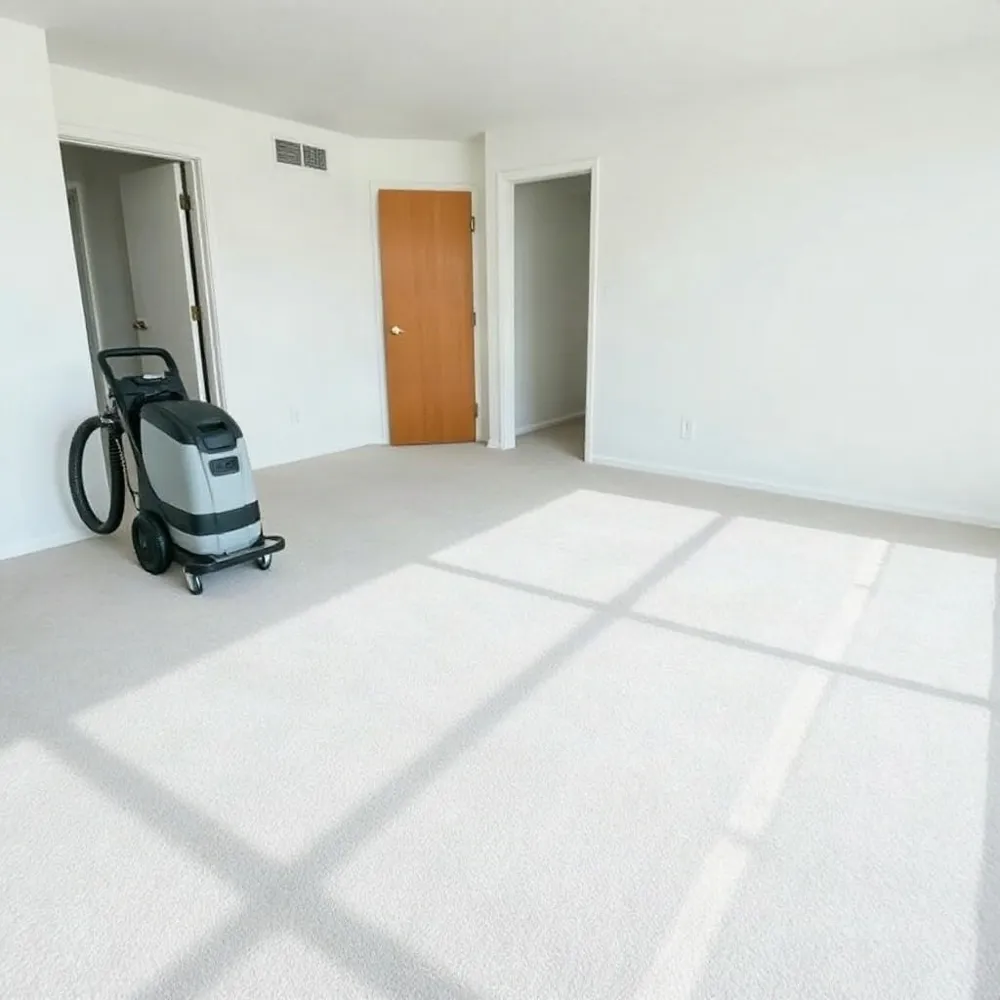
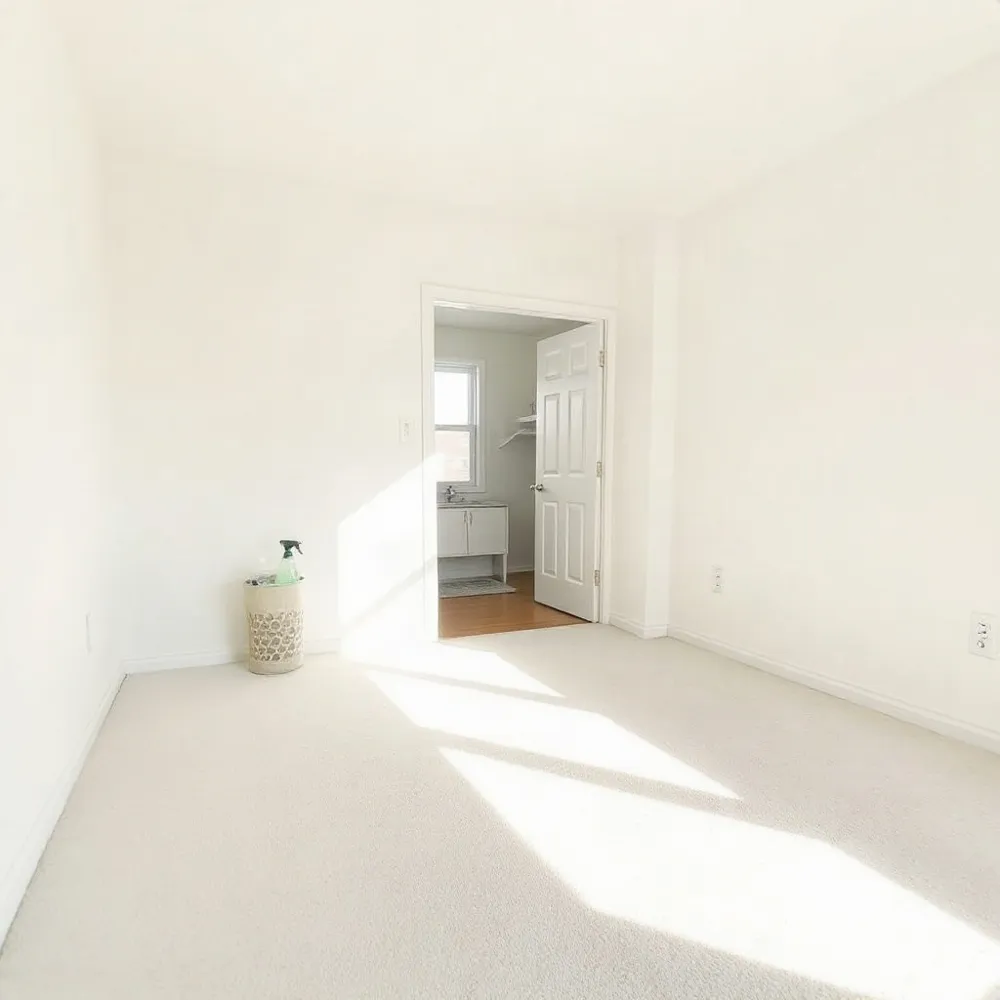
An empty apartment gives carpet cleaners access to edges, corners, closets, and areas that furniture will soon cover. Cleaning at this stage can also make it easier to inspect the full floor before boxes and furnishings arrive.
Professional cleaning can be worthwhile when the previous deep-cleaning date is unknown, or when you see stains or notice lingering odors. It may remove embedded soil, dust, and pet hair, but results depend on the carpet’s condition. Cleaning cannot restore worn fibers or reverse permanent discoloration.
For Minneapolis property managers coordinating unit preparation, Bravo Cleaning offers customized turnover and carpet-care services. Its local experience and eco-friendly practices can support a cleaning plan tailored to the property and its schedule.
Before booking, ask property management whether carpet cleaning is already planned and check the lease or move-in checklist for any requirements. Schedule carpet work after painting, repairs, and other dusty tasks, but before boxes and furniture arrive. Leave enough time for the carpet to dry before move-in.
Cleaning is usually a practical first step, but it is not a fix for every carpet problem. Ask management about replacement if the carpet is worn through, remains flattened, feels lumpy, or has stains or odors that return after treatment. These signs may point to worn fibers or damaged padding that cleaning cannot repair.
Take photos of the carpet before unpacking and keep move-in records, lease communications, and any cleaning receipts. If it is unclear whether the carpet needs cleaning, repair, or replacement, ask management for an assessment before belongings are moved in. Bravo Cleaning’s tailored service approach can help managers plan carpet care as part of a broader turnover, while leaving repair and replacement decisions to the property owner.
For more on why an empty unit is a useful time to assess carpet, see when carpet needs attention during condo turnover.
Plan for Drying Before Turnover

Drying time affects when a freshly cleaned unit can be furnished or shown, so build a buffer into the turnover schedule. Professional hot water extraction typically takes about 6 to 12 hours to dry, while low-moisture methods may take 1 to 4 hours. These are planning estimates, not guarantees. For more detail on timing, see carpet drying times for property managers.
Carpet pile and material, the amount of moisture used, room temperature, humidity, and airflow all affect drying. Ask the technician for an estimate based on the carpet and selected method. When booking a turnover, Bravo Cleaning can tailor cleaning plans for apartment properties, so confirm the expected drying window and coordinate access around repairs, inspections, and move-in arrangements.
To help carpet dry, run fans or air movers, use a dehumidifier, keep the room comfortably warm, and provide good ventilation. Open windows only when outdoor air is relatively dry. Avoid placing furniture, rugs, or boxes on damp carpet, and limit foot traffic until it is dry. If residents or staff must cross the area, ask the cleaning team what precautions are suitable.
Confirm the cleaning method, drying expectations, and access arrangements when scheduling. Allow enough time before the next stage of turnover rather than assuming every carpet will be ready on the same timetable.
Respond Promptly to Move-In Concerns
If you find that your apartment was not cleaned before move-in, document what you see as soon as possible. Take dated photos or video and make a specific list of concerns, such as stained carpet, visible debris, or residue on surfaces. A clear record helps both you and management discuss the condition of the unit.
Contact the landlord or property manager in writing. Describe the issues, attach relevant photos, and ask whether management will arrange professional cleaning or take another agreed step. Keep copies of your messages and move-in inspection records, including any checklist you completed.
Before arranging cleaning, agree with management on the scope and timing. Do not pay for a service yourself unless you have written approval or have checked your lease and local rules. Residents can use these steps to document and report move-in concerns.
For suspected mold, pests, or other health and safety concerns, report the problem promptly and follow appropriate local guidance. Routine carpet cleaning may address surface soil, but it should not be treated as a solution to an underlying moisture, pest, or building issue. Property managers coordinating a response can work with a local provider such as Bravo Cleaning, which serves residential properties and offers customized cleaning services, to clarify the cleaning work needed after any underlying concern is addressed. Bravo Cleaning uses eco-friendly products and offers flexible scheduling to accommodate move-in timelines. One property manager noted, "Bravo Cleaning’s thorough and eco-conscious approach made a big difference for our new residents." Bravo Cleaning’s expertise in move-in cleaning helps ensure a smooth transition for tenants and property managers alike.
Check Lease Terms and Local Rules
Who pays for carpet cleaning at move-out depends on the lease and the state and local rules that apply. There is no single requirement for every rental. Tenants generally must return carpet in the condition required by their agreement, allowing for ordinary wear and tear. Landlords typically arrange routine cleaning between residents, but a tenancy ending does not by itself make normal wear tenant-caused damage.
A tenant may be responsible for cleaning or damage beyond the required standard when applicable law permits. Before agreeing to a charge, review the lease and move-in records, and ask for an itemized explanation of any proposed security-deposit deduction. Dated photos from move-in and move-out can help show the carpet’s condition. If the requirement or charge is unclear, consult local tenant guidance or seek qualified advice. Review the lease and applicable local rules to understand how they affect responsibility for move-out cleaning.
For property managers, keeping tenant obligations separate from routine turnover work helps set clear expectations. Minneapolis-based Bravo Cleaning provides customized turnover cleaning and carpet care, so managers can plan routine unit preparation without treating it as proof that a tenant caused damage. Document carpet condition and cleaning work consistently, and assess any proposed tenant charge against the lease and applicable rules.
Make Quotes Comparable
Professional carpet-cleaning prices vary by location, provider, and job scope. As a broad U.S. benchmark, Thumbtack lists a typical total of about $147 to $288, with an average near $206. Treat this as a general reference, not a local or guaranteed quote. Compare quotes by requesting estimates for the same scope of work.
Residential providers may charge by room or area, while larger commercial jobs are often priced by square foot. A minimum service fee may also apply. Ask how the provider calculates the estimate before comparing totals.
The amount and size of carpet are only part of the calculation. Cleaning method and carpet material, soil level, stains, stairs, unusually large rooms, and specialty treatments can affect the price. Access issues, such as bringing equipment to a high-rise unit, may also change the estimate.
Request an itemized quote that identifies the rooms, services, treatments, and any additional fees. Then compare providers against the same scope rather than choosing on the headline price alone. If one estimate includes stain treatment and another does not, the totals are not directly comparable.
Property managers should confirm unit count, carpeted areas, access arrangements, and turnover dates before requesting bids, so providers price a consistent job. Minneapolis-based Bravo Cleaning has more than 20 years of local experience and tailors cleaning plans for residential and commercial properties, including apartment buildings. A clear scope helps its customized service plan match the property’s needs.
Maintain Carpet Between Professional Visits
Day-to-day care can limit the soil and spills that build up between professional cleanings. Tenants should first check the lease and ask the landlord about move-out requirements and approved products, since carpet responsibilities and cleaning charges depend on the agreement and applicable local rules. Tenants should check their lease and applicable local rules to understand their cleaning responsibilities.
Vacuum at least weekly, using slow, overlapping passes and giving busy walkways extra attention when they need it. Blot fresh spills promptly rather than rubbing, and test a carpet-safe cleaner on a hidden spot before applying it more widely. Use as little moisture as possible. Let mud dry, then gently lift it away and vacuum the remaining soil.
If a lease calls for a full or deep clean, confirm whether it must be performed by a professional or by a specified provider before booking. Keep receipts and take dated photos of the carpet’s condition, especially at move-in and move-out. These records can help clarify what work was done, but they do not guarantee that a cleaning fee or deposit deduction will be allowed. Local rules govern those decisions, so consult relevant tenant guidance if a charge is disputed.
How Many Times Should You Pass Over Carpet With a Cleaning Machine?
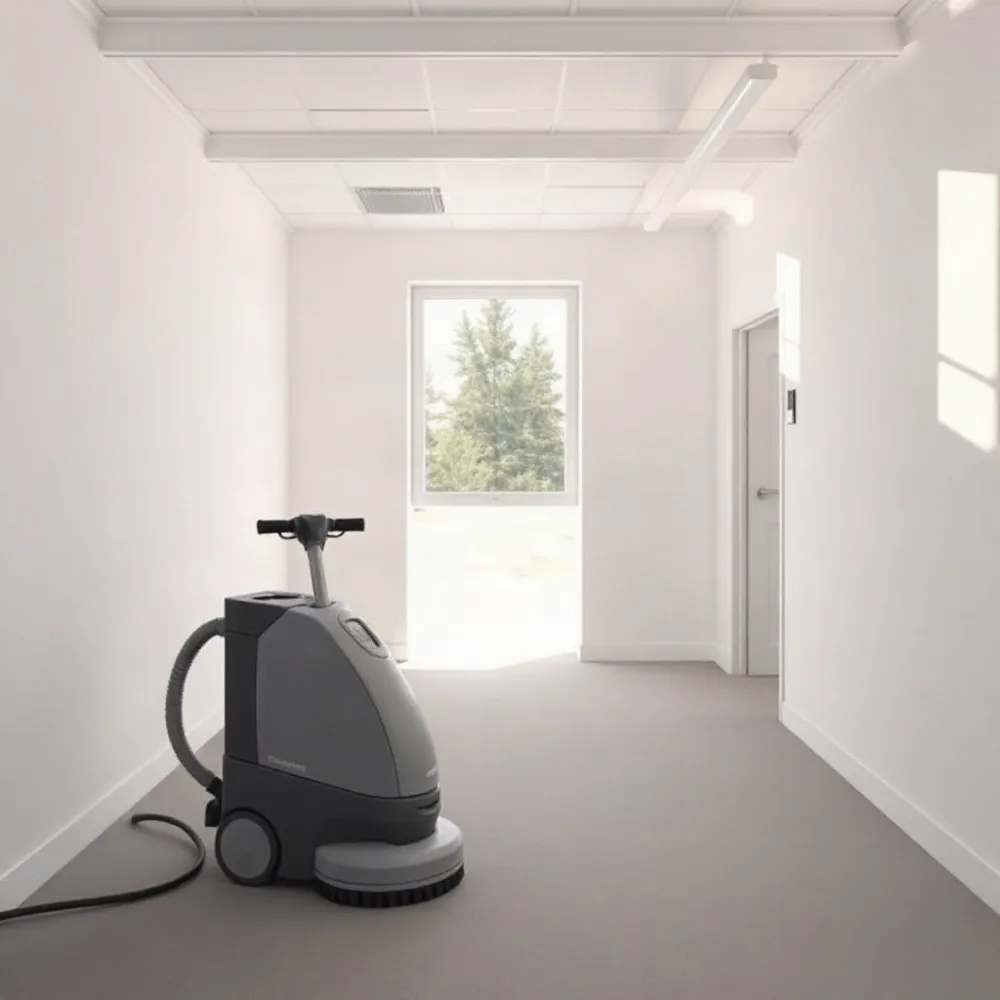
Follow the machine’s instructions and vacuum the carpet thoroughly before using it. In general, make one or two slow, even passes with the solution setting on each area. Pre-treat stubborn spots rather than repeatedly spraying an area that still looks dirty, then make additional passes with the spray off to extract moisture. The carpet should feel damp, not soaked, to support drying and reduce the chance of lingering musty odors.
For property teams, consistent tenant guidance can help protect carpet without encouraging residents to use unapproved treatments. Bravo Cleaning brings more than 20 years of local experience to tailored apartment turnover and carpet-care services, giving Minneapolis property managers a practical option when routine upkeep is not enough.
A Practical Standard for Move-In Ready
A smoother handoff starts with clear expectations: document the carpet’s condition, agree on the cleaning needed, and leave enough time for it to dry before move-in. Property managers can tailor care to each unit’s condition and traffic rather than applying the same approach everywhere.
For apartment buildings, Bravo Cleaning brings more than 20 years of local experience to customized residential and commercial cleaning, including turnover and carpet care. Its apartment turnover guidance emphasizes coordinating cleaning with repairs, inspections, and move-in deadlines to reduce avoidable rework.
Renters should coordinate cleaning responsibilities with management and keep relevant messages, inspection notes, and receipts. A shared record of the carpet’s condition and agreed work helps both sides understand what was addressed before the next resident arrives.
Professional cleaning can refresh carpet and remove treatable soil, but it cannot reverse worn fibers or repair damaged backing. An honest inspection helps determine whether cleaning is enough or whether the carpet needs repair or replacement.
Recent articles